
A recent expedition by scientists at Gray’s Reef National Marine Sanctuary has unveiled previously inaccessible and poorly documented habitats along Georgia’s continental shelf, all thanks to the deployment of drop-camera technology. Researchers are using this relatively simple but powerful tool to explore live-bottom reef habitats beyond the sanctuary’s official boundaries, finding new ecosystems to study in the process.
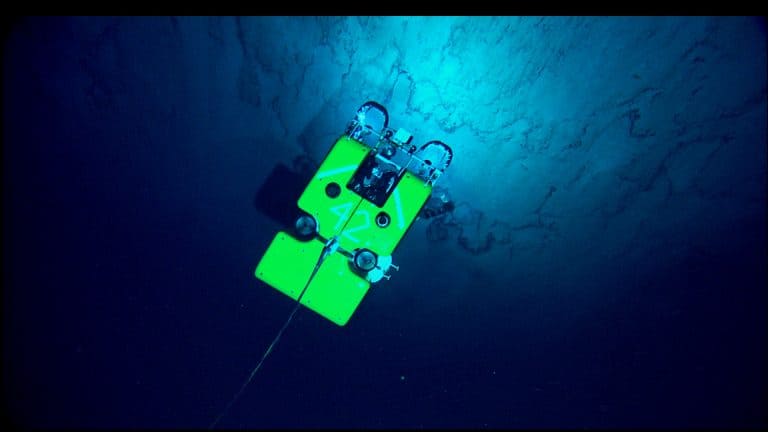
Unlike traditional scuba approaches, drop cameras allow the team to venture into deeper, rougher, or more remote zones where divers cannot safely go. The drop-camera—mounted within a weighted frame and lowered from the research vessel—streams live video while capturing high-definition footage for later analysis. The camera is attached to the research vessel on the surface by a winch, so it can be retrieved when needed. One sanctuary scientist, geospatial analyst Alison Soss, described the system in a recent press release as “a relatively simple yet powerful tool for ocean exploration. They allow us to quickly capture valuable imagery of seafloor habitats… with minimal equipment.”
Welcome to Gray’s Reef National Marine Sanctuary
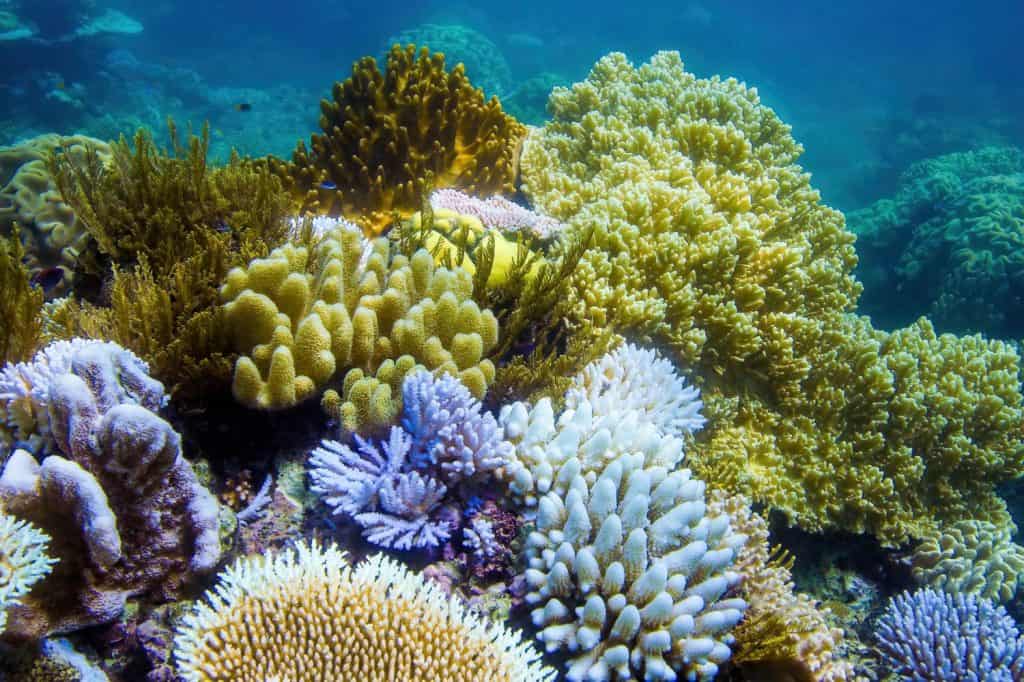
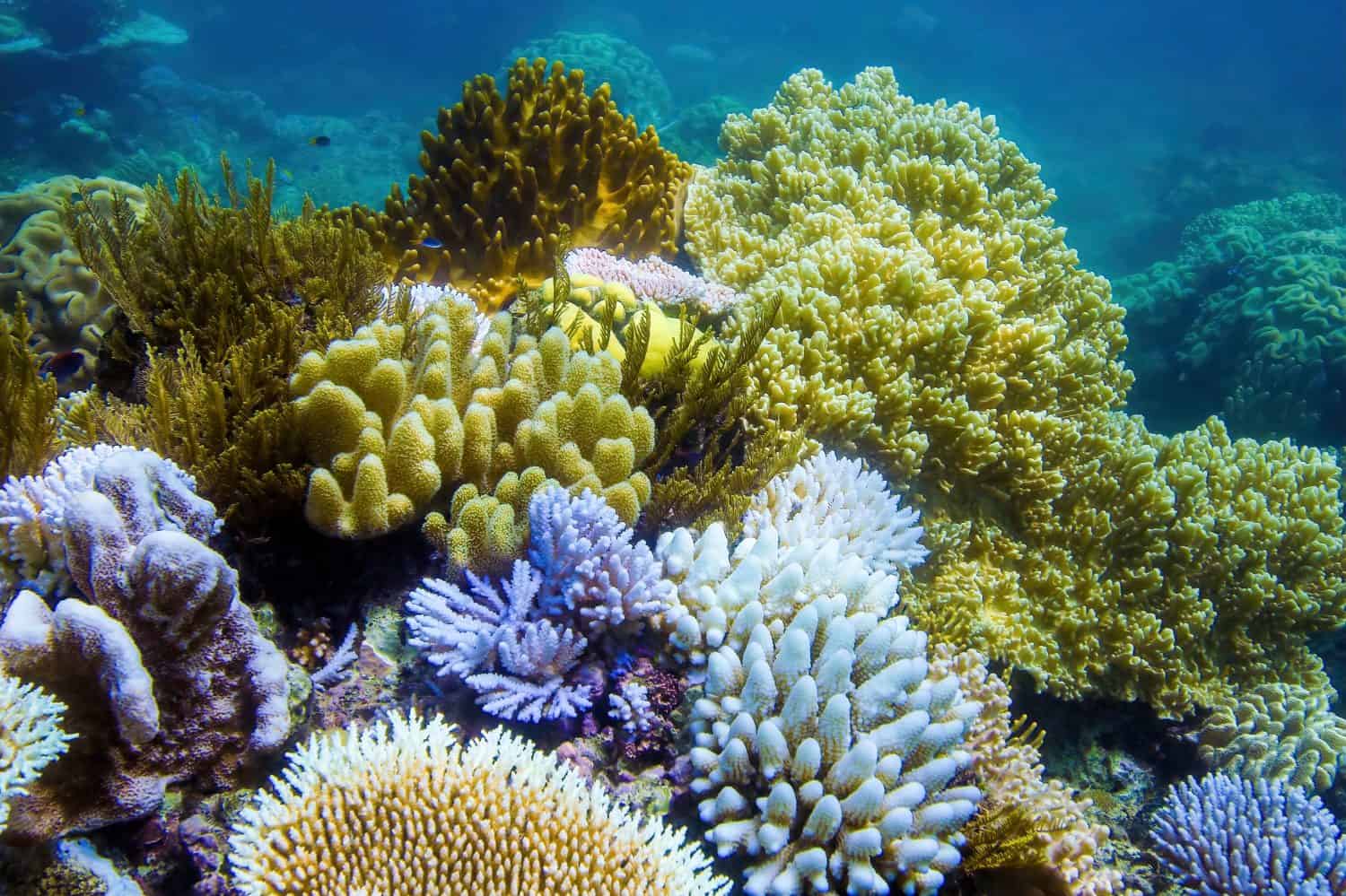
Coral and sponges are key animals in Gray’s Reef National Marine Sanctuary
©Alexandre.ROSA/Shutterstock.com
Located off the coast of Georgia, the Gray’s Reef National Marine Sanctuary is one of the United States’ most vibrant and scientifically important marine protected areas. Positioned approximately 19 miles (30 km) east of Sapelo Island, Georgia, it lies on the mid-continental shelf of the South Atlantic Bight. The sanctuary is a roughly 22-square-mile (57 km²) rectangular zone, officially designated on January 16, 1981.
Rather than forming a classic tropical coral-reef structure, Gray’s Reef features sandstone ledges, rock outcrops, and hard-bottom patches rising amid sand flats. These structures are encrusted with sponges, tunicates, soft corals, and algae, creating a complex three-dimensional habitat. This “live-bottom” habitat is a vital ecological engine: it offers refuge and feeding grounds for a wide array of species, from starfish to sharks to turtles.
“Parts of the sanctuary are a ‘no-take’ zone, where protection of all ocean life is a priority,” West Virginia University professor Dr. Robert C. Burns, who has studied Gray’s Reef before, explained to A-Z Animals.
In terms of ecological and conservation importance, Gray’s Reef plays multiple roles. It supports recreational fishing and diving, serves as a living laboratory for scientists, and provides a protected space for monitoring how offshore ecosystems respond to climate change, sediment shifts, and human impacts.
The Drop-Camera Research in Action
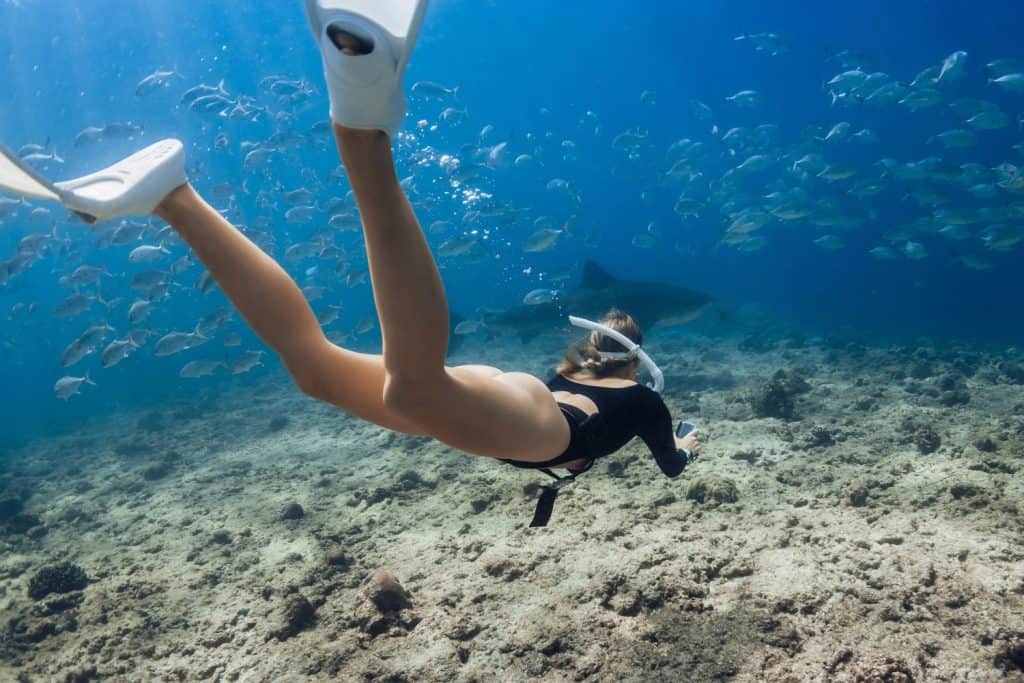
Drop cameras allow divers and snorkelers to reach deeper depths and see the animals living there.
©Wonderful Nature/Shutterstock.com
The drop-camera method is proving to be a versatile addition to GRNMS’s toolbox. Because the cameras can be deployed from the sanctuary’s primary research vessel, the research vessel R/V Gannett (commissioned in 2023), the team has greater independence and flexibility. Before full deployment, the team carried out training and calibration: practicing cable management, winch operation, and safe deployment protocols. They can then deploy the camera, which can go down to 150 feet below the water’s surface.
Once operational, the drop cameras have been used to survey the ocean floor and create detailed maps. They allow scientists to visually confirm what the seafloor looks like, verify the presence of live-bottom ledges, track the condition of the habitat (such as sponge and coral cover), and observe fish communities from a perspective divers cannot always access. These cameras can be key to helping scientists around the world monitor endangered populations of marine animals without disturbing their habitats.
In addition to research benefits, the drop-camera system can act as a bridge between experts and non-experts. By streaming live video or sharing recorded footage, Gray’s Reef can engage students, stakeholders, and the general public, bringing underwater environments to audiences on shore.
Parts of the sanctuary are a ‘no-take’ zone, where protection of all ocean life is a priority.
Dr. Robert C. Burns, social scientist at West Virginia University
Sea Life Illuminated by the Drop Camera
The live-bottom habitats of Gray’s Reef support an extraordinary diversity of marine organisms. Fish diversity at Gray’s Reef is impressive, with more than 200 species documented. Common inhabitants include spadefish, grouper, red snapper, sea bass, and juvenile fish that use the ledges for shelter.
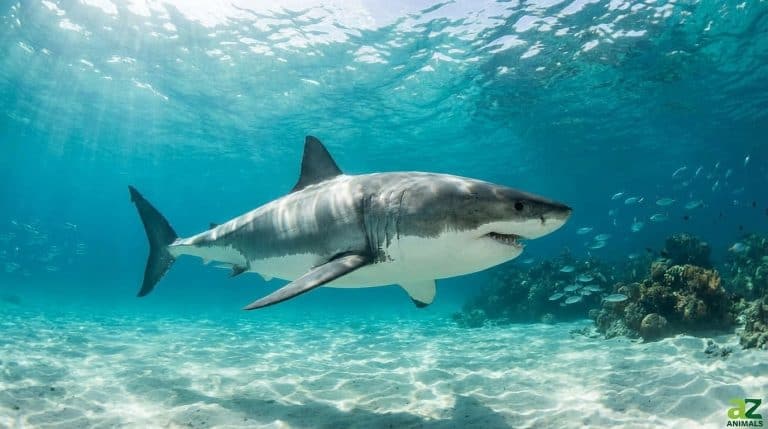
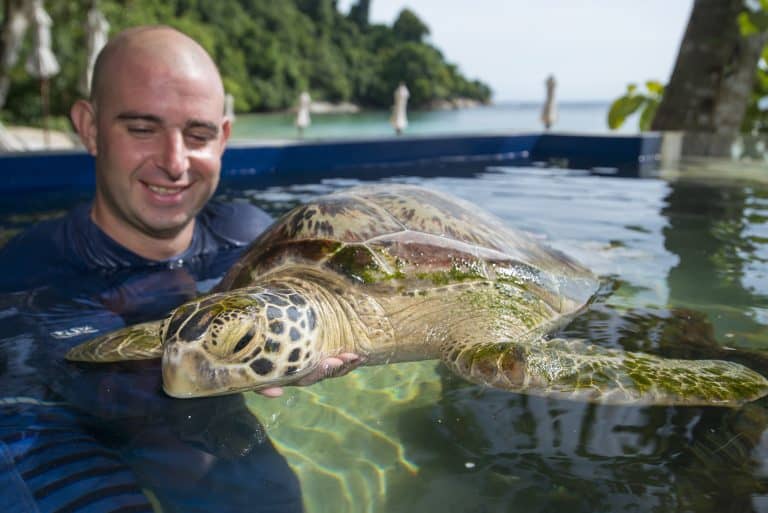
Turtles and sharks also call the sanctuary home: loggerhead sea turtles rest among ledges; nurse sharks hunt in adjacent sand flats; and migratory species such as the endangered North Atlantic right whale pass through these waters, connecting offshore habitat to coastal ecosystems.
“Every sanctuary is unique, as each is protected for the specific resources within,” Burns noted. “Gray’s Reef is unique in that it provides a sanctuary setting that allows ocean life to thrive in a live bottom environment.”
By capturing imagery of these habitats and their inhabitants, the sanctuary team can better document which species are present, how they use the habitat (for feeding, resting, or shelter), and how the community changes over time.
Ultimately, the recent survey matters not only for Gray’s Reef, but also for offshore conservation more broadly. By demonstrating how relatively low-cost, high-value technology can expand our view of hidden habitats, the team offers a model for other marine protected areas to follow. As the public watches streamed footage from the seafloor, the connection between people and this offshore oasis strengthens, fostering greater interest in protecting our world’s oceans.