
Quick Take
- Indo-Pacific leopard sharks are considered endangered by the IUCN.
- Shark populations have plummeted more than 70 percent worldwide since 1970.
- Groups like ReShark support conservation efforts to rewild shark pups in the Indo-Pacific region.
- Technology and AI are also being used for shark conservation.
Shark and ray populations around the world are under significant threat. According to the IUCN’s 2026 Ocean Travelers: Safeguarding Critical Habitats for Migratory Sharks and Rays report, more than one-third of all shark and ray species are threatened with extinction. Since 1970, populations have plummeted more than 70 percent. In fact, sharks and rays are the second most threatened group of vertebrates on the planet.
One species of leopard shark is no exception. Also called a zebra shark, the Indo-Pacific leopard shark, Stegostoma tigrinum, is listed as endangered on the IUCN’s red list of endangered species.
But conservationists in the Indo-Pacific region are taking action, including one organization in Thailand.
Why Leopard Sharks Are Under Threat
The Indo-Pacific leopard shark is vulnerable to the impact of large-scale commercial fishing, whether that’s overfishing as a targeted species or as the unintended bycatch in gillnets and trawls. The leopard shark’s preference for shallow coastal waters makes them an easy target.
Like many shark species, leopard sharks are also targeted to satisfy consumer demand for shark fins, liver oil, and cartilage. These items are used in food, cosmetics, and traditional medicines throughout Southeast Asia. As a result, the leopard shark population in that area has been severely depleted.
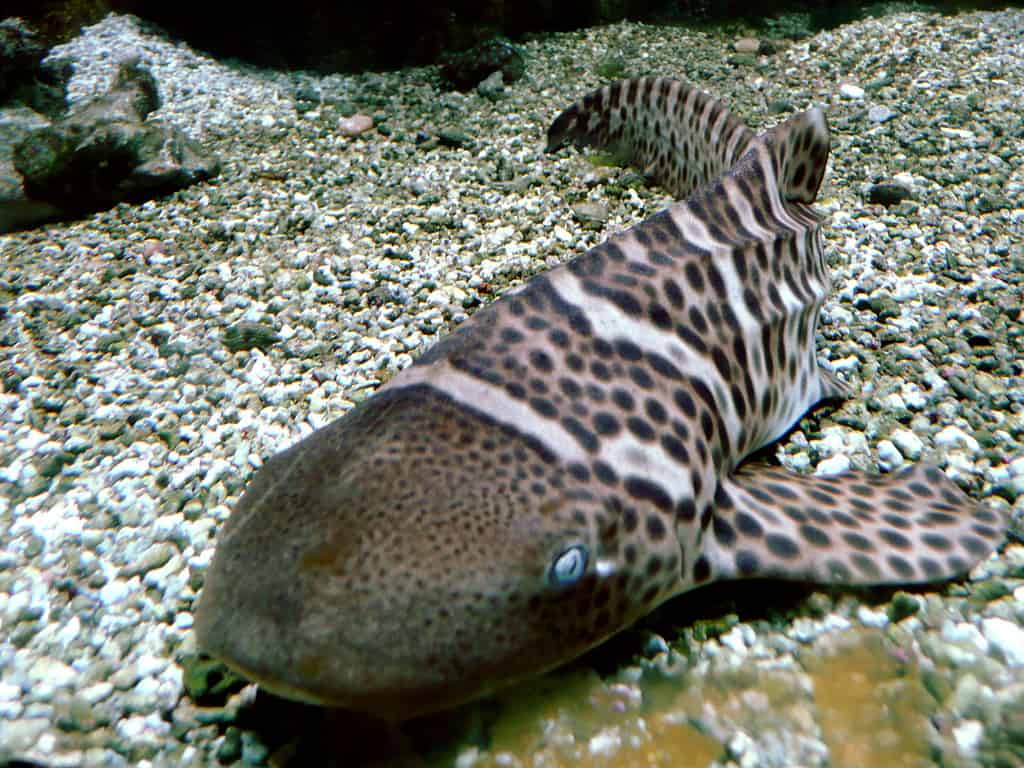
Indo-Pacific leopard shark populations have been depleted due to overfishing and habitat loss.
Habitat loss is another threat to the leopard shark. As critical coral reef and shoreline mangrove systems are degraded and destroyed, leopard sharks no longer have those areas as safe havens to live and breed.
The reproductive and growth cycle for these sharks is also slow. Eggs take four to six months to hatch, then it takes another six to eight years for the new baby sharks to reach maturity. This long span from birth to reproductive age means replenishing populations in the wild cannot be achieved quickly.
How One Thai Organization Is Rewilding Leopard Sharks
On Maiton Island, StAR Project Thailand is taking action. The project is a collaborative effort among the Thai government, non-governmental organizations, and conservation-focused aquariums. The purpose is to support rewilding of the endangered species. In the waters surrounding the island, leopard shark populations were nearly zero.
Leopard sharks thrive in the captive environments of public aquariums, like the one on Maiton Island. It was a logical next step to release some of the captive-born juvenile leopard sharks back into the coastal waters of the island, according to Metavee Chuangcharoendee, project manager for StAR Project Thailand.
The program involves breeding leopard sharks in captivity, then raising the shark pups in the aquarium for about one year. In the second year, the StAR team moves the pups to a sea pen off the aquarium pier. There, dedicated shark nannies—trained human caretakers—spend months teaching the pups the behaviors they’ll need to thrive in the wild. The sea pen also allows the pups to get used to natural sea conditions.
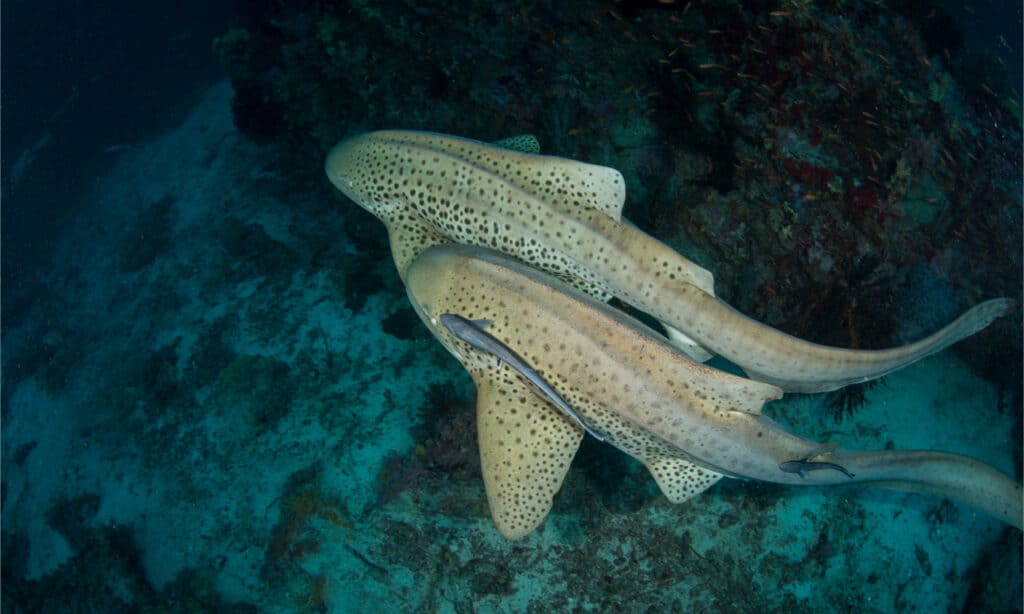
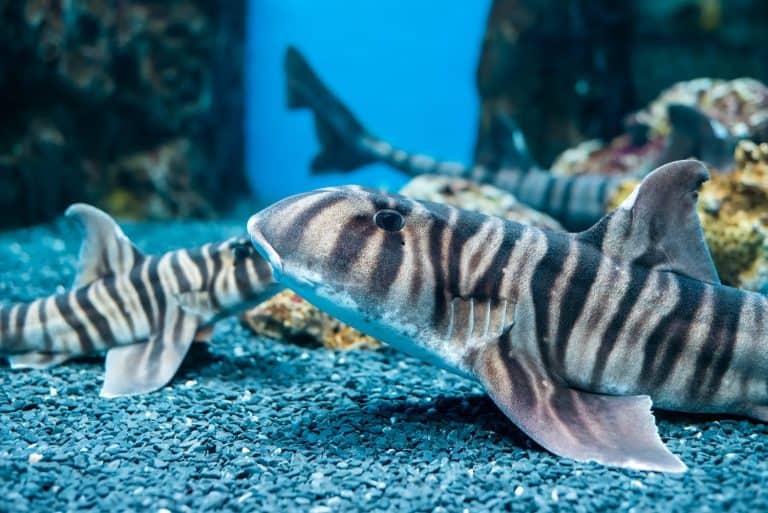
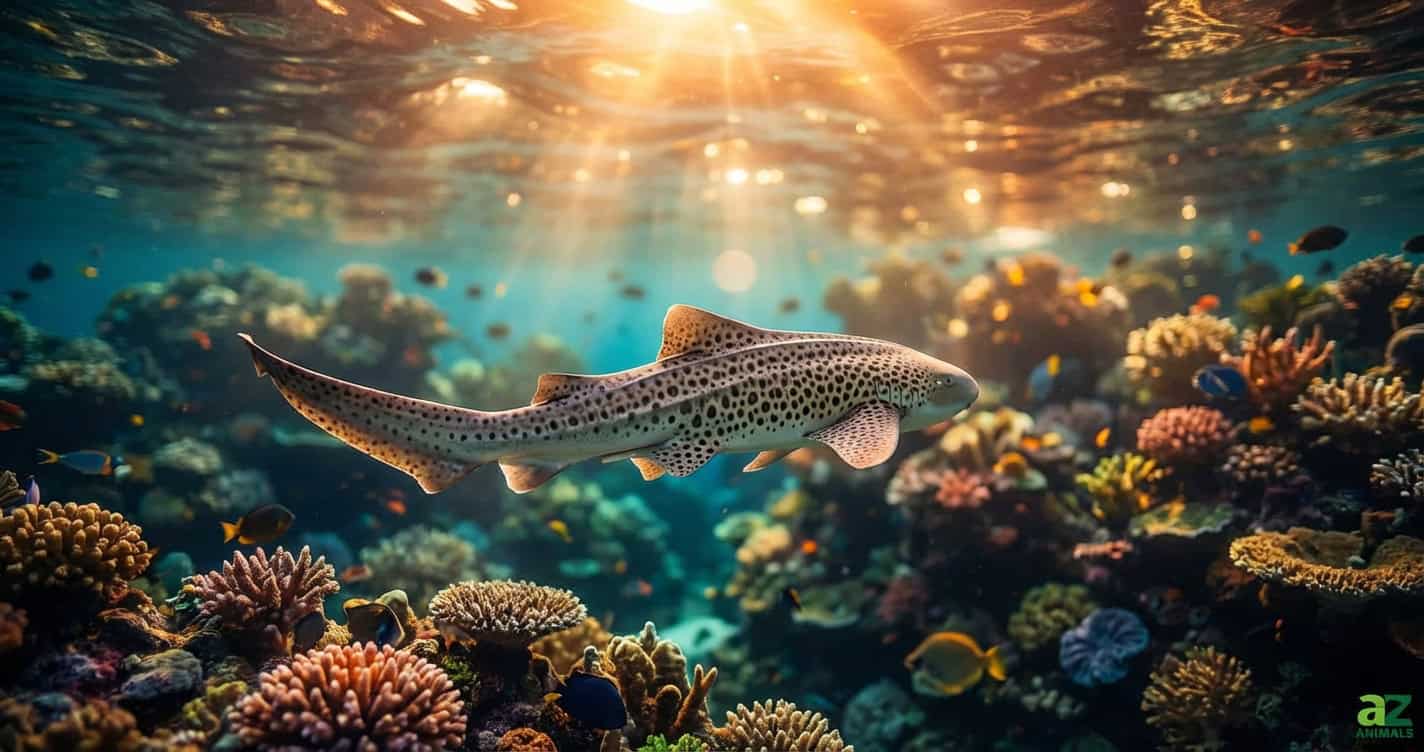
Indo-Pacific leopard sharks, similar to the ones seen here, are bred in captivity are eventually released into the wild by StAR Project Thailand.
©John Back/Shutterstock.com
When the pups are big enough for release, each is given a thorough veterinary exam to ensure its health, DNA samples and measurements are taken, and an acoustic tracking device is fitted onto the animal. The tracker pings off a network of 20 underwater receivers across Phang Nga Bay, giving scientists the ability to monitor movement and survival.
StAR Project Thailand’s most recent leopard shark release in December 2025 included four pups—Maiton, Hope, Spot, and Toty. That brings the total number of shark pups released through the project to seven.
For Metavee, success isn’t measured by the number of pups released. Instead, they point to other signs of recovery, like regular sightings by divers, the absence of leopard sharks in local fish markets, and evidence of breeding in the wild.
One Step in a Larger Global Conservation Movement
Efforts like the one taking place at StAR Project Thailand are part of a bigger global shark conservation movement. Given the endangered status of many shark species, this intervention is critical.
One key organization for shark conservation is ReShark, an international collective of aquariums, NGOs, governments, academics, and local communities all dedicated to rewilding sharks and rays.
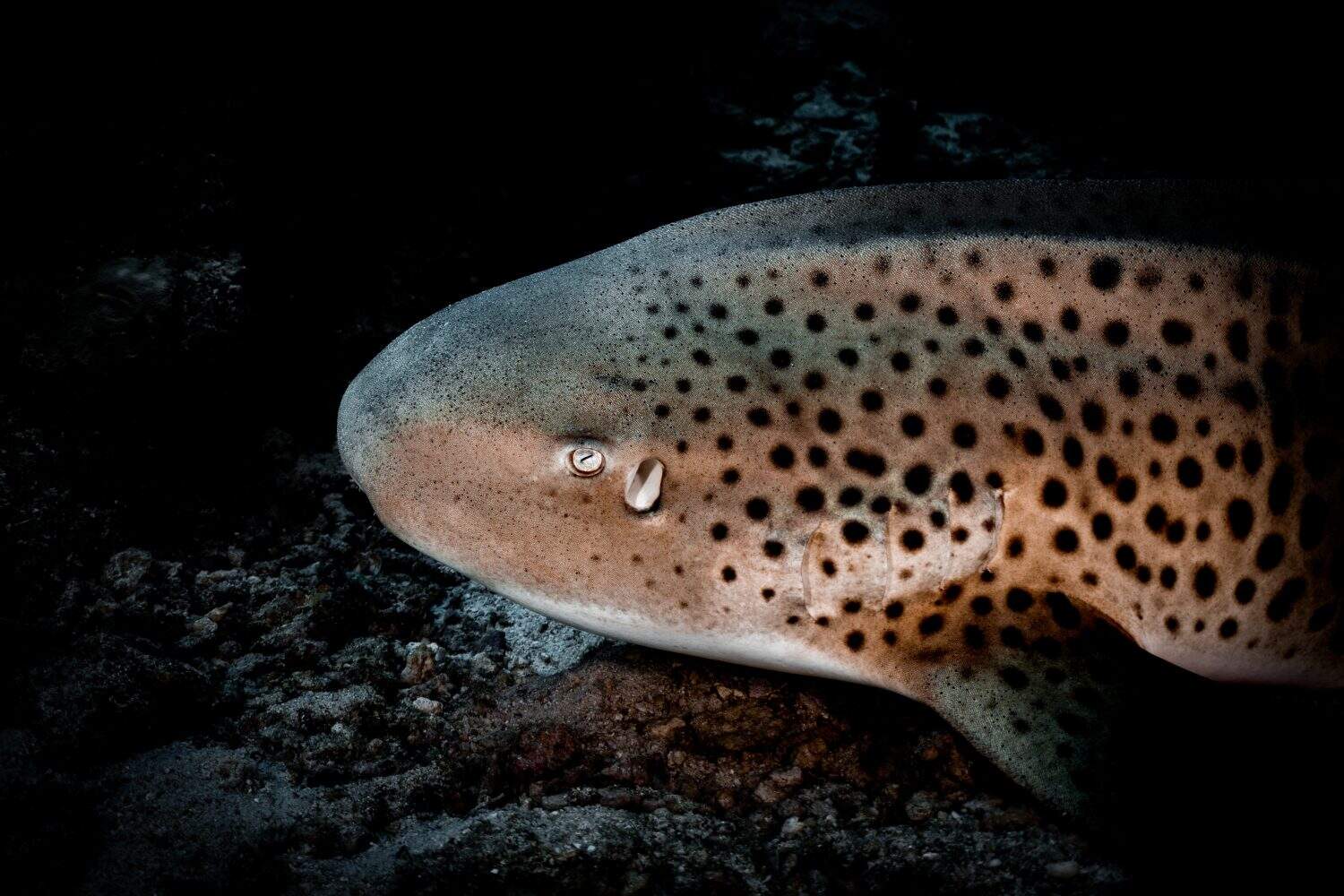
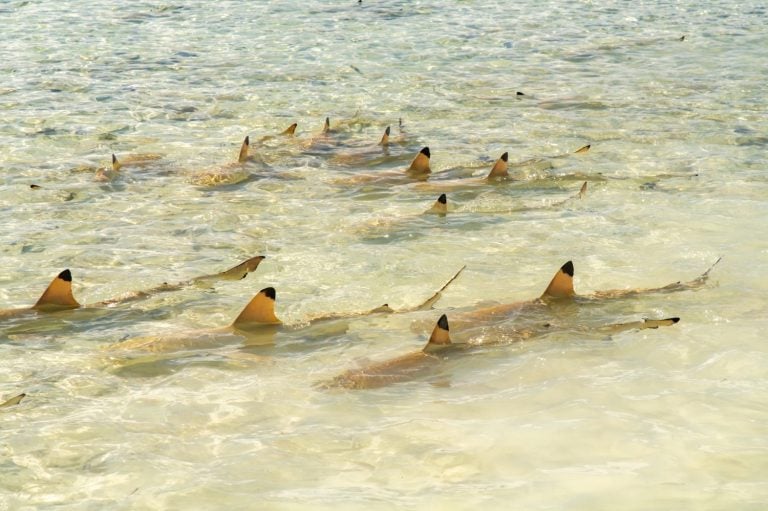
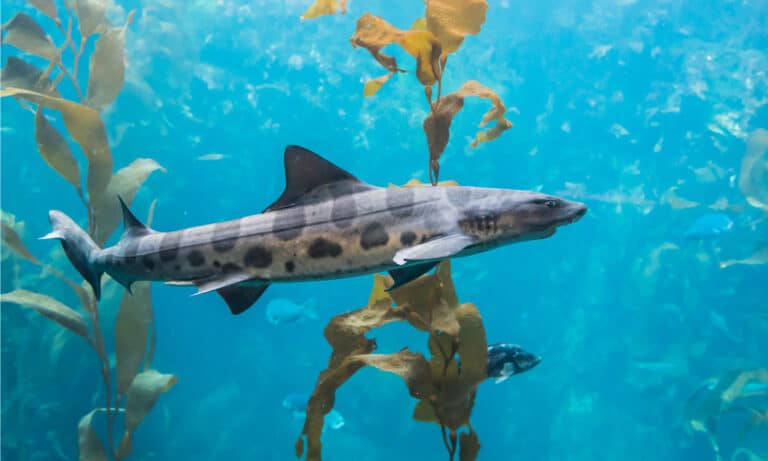
Leopard sharks are just one of many shark species considered endangered by the IUCN.
©WASOK/Shutterstock.com
With locations around the world, ReShark addresses all aspects of shark conservation. They are involved in assessing the viability of population recovery, helping to develop conservation measures, and monitoring animals after release.
ReShark was the founder of the Stegostoma tigrinum Augmentation and Recovery Project (StAR) in both Thailand and Indonesia. For the Indonesian project, leopard shark eggs were imported from accredited aquariums across North America and Australia. Most of the pups released through the Thailand project were bred and raised at a private aquarium in Phuket.
2026 Is a Big Year for Shark Conservation
On January 17, 2026, the High Seas Treaty (BBNJ) went into effect. It is a first-of-its-kind legal framework that helps guide the establishment of protected areas in international waters where the majority of migratory sharks are caught.
AI and smart technology also help with shark conservation.
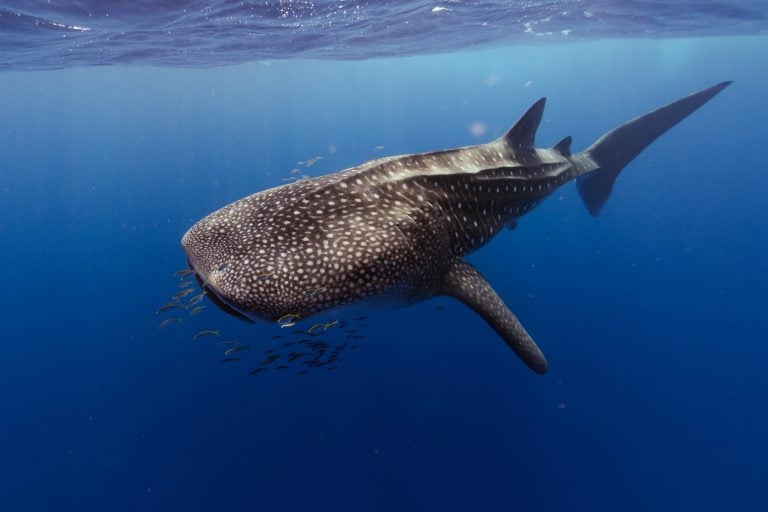
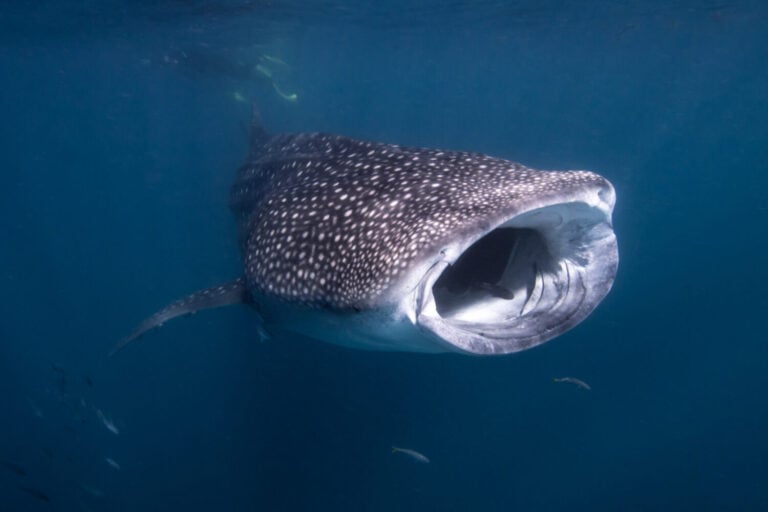
Tech4Nature, a partnership between IUCN and Huawei, will launch a new phase in February 2026 in the Maldives. The project will use AI-powered cameras and sensors to monitor whale shark populations in the South Ari Marine Protected Area.
Project SharkEye uses AI-piloted drones off the California coastline to identify great white shark activity in the area. Besides helping to boost beach safety, this information contributes to a vast database that can predict shark movement based on climate change and water temperatures.
Conservation groups are also using eDNA to detect shark presence via water sampling. Through just a few liters of sea water, scientists can identify every shark species that passed through the area within the last 48 hours—no visual identification required.
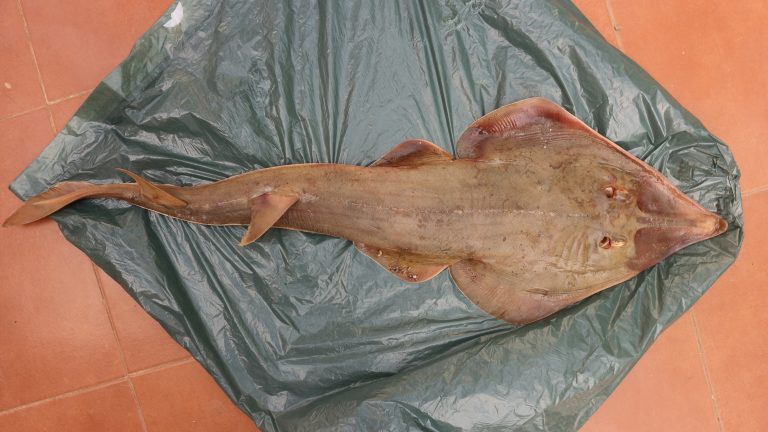
CORRECTION: This article was updated on February 16, 2026. A previous version of this article incorrectly identified a species of houndshark, Triakis semifasciata, as the Indo-Pacific leopard shark, Stegostoma tigrinum, which is a species of carpet shark and the subject of this article. The common name for T. semifasciata is also leopard shark.