
Quick Take
- The world's rarest seal is choosing a habitat so inhospitable it shouldn't work, a choice that scientists can't fully explain. See why seals pick flooded caves →
- Tourists exploring sea caves think they're just sightseeing, unaware that their presence is triggering a behavioral shift that researchers never anticipated. How tourists drive behavioral shifts →
- Decades of habitat surveys may have overlooked an important type of seal refuge. Why surveys missed key habitat →
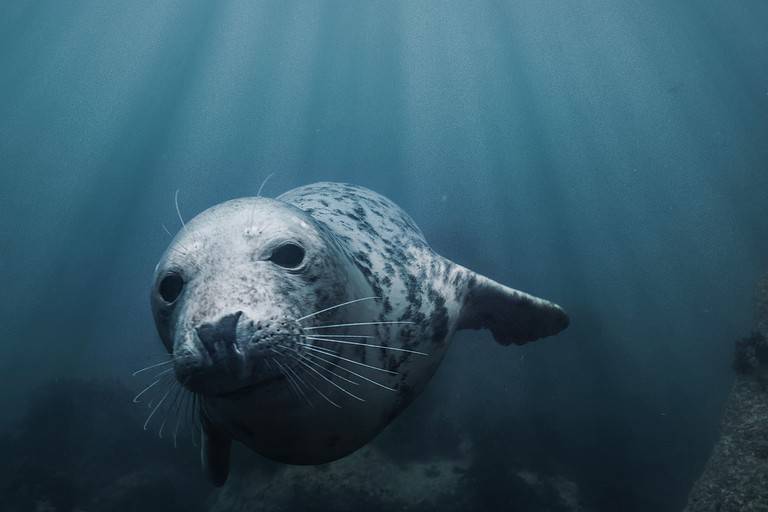
Beneath the sun-soaked waves of the Mediterranean, one of the world’s rarest marine mammals is hiding in a place few people would ever think to look.
The Mediterranean monk seal (Monachus monachus) has become increasingly difficult to find. Once common along Mediterranean coastlines, the species now survives in scattered pockets where human disturbance remains relatively low.
The monk seal wasn’t always so elusive. Historically, these seals gathered openly on sandy beaches to rest, molt, and raise their pups. However, centuries of coastal development, habitat destruction, and human disturbance have steadily pushed them away from the shoreline and into increasingly secluded refuges.
Unfortunately, even remote sea caves are no longer the safe havens they once were. During the busy tourist season, curious visitors often enter caves where seals rest and breed, disturbing the animals and sometimes forcing them to leave.
Now, a 2026 study published in Oryx suggests some monk seals are retreating into hidden underwater sanctuaries that remain almost completely invisible to humans.
The finding is reshaping what scientists know about monk seal behavior — and may force conservationists to rethink what qualifies as critical habitat for one of the world’s most threatened marine mammals.
From Open Beaches to Hidden Refuges
The Mediterranean monk seal is one of the world’s rarest marine mammals and the only seal species native to the Mediterranean Sea. Recent estimates place the global population at between 700 and 900 individuals, with the vast majority concentrated in this region. But population decline is only part of the story. Equally dramatic is how drastically these seals have been forced to change their lifestyle.
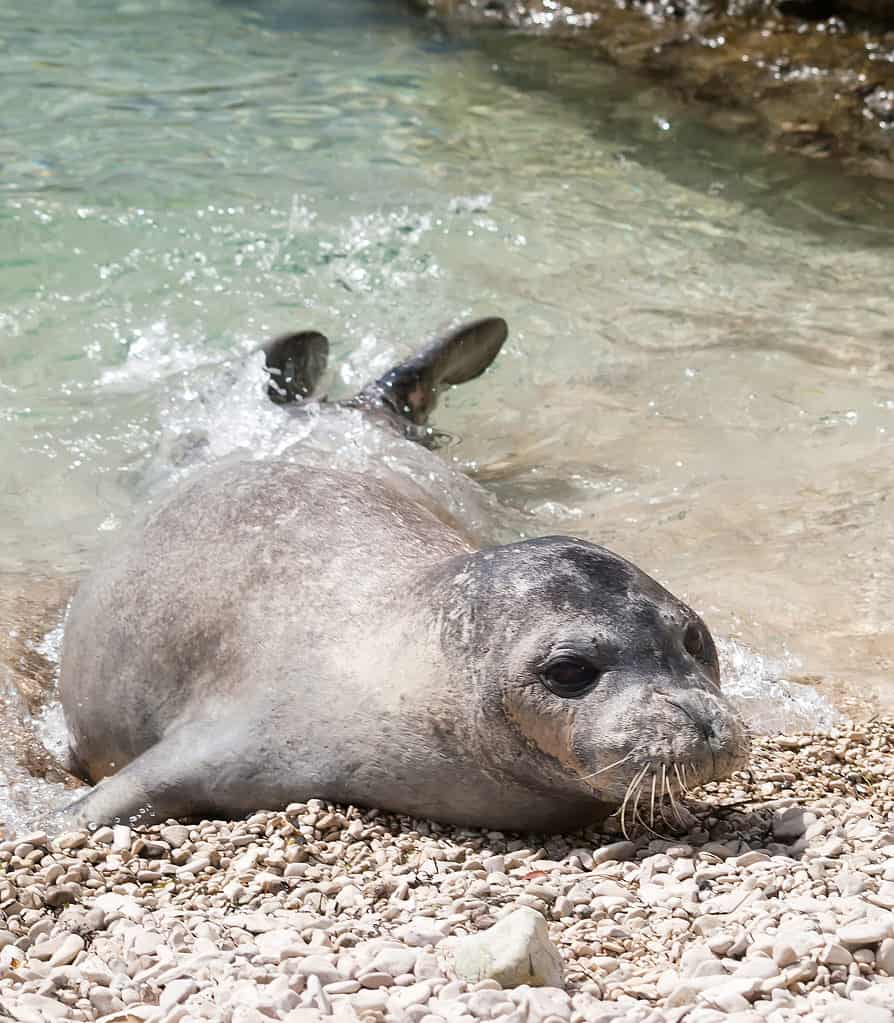
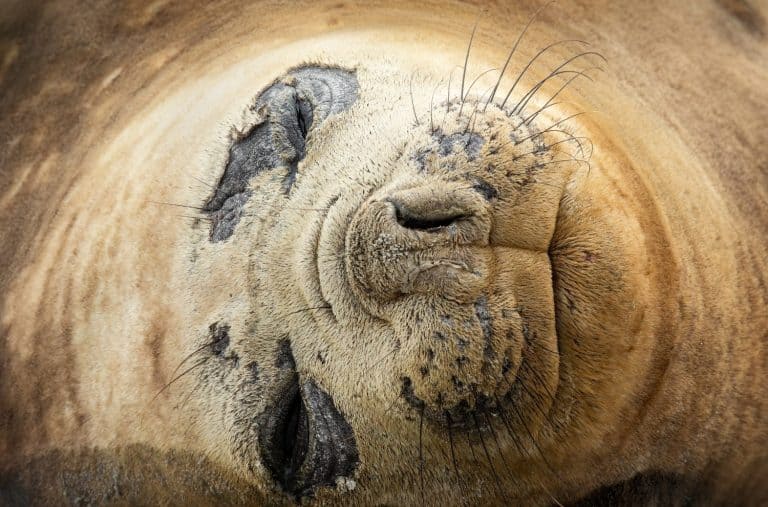
The Mediterranean monk seal is an endangered species.
©iStock.com/sewer11
Historically, Mediterranean monk seals gathered on open, sandy beaches to rest, molt, and give birth. As human populations expanded along the coast, however, the animals gradually retreated into remote rocky shorelines and marine caves. For decades, these secluded caves provided a measure of safety from human persecution and disturbance.
Today, however, even those refuges are becoming increasingly difficult to protect. During the busy summer tourist season, visitors regularly venture into the visible sea caves used by monk seals for resting and breeding. Researchers have even documented people chasing seals deeper into their shelters, creating disturbances that can separate mothers from their vulnerable pups.
Faced with this relentless pressure, some monk seals are retreating even further from the modern world, vanishing into hidden spaces where few people would ever think to look.
The Cave Within the Cave
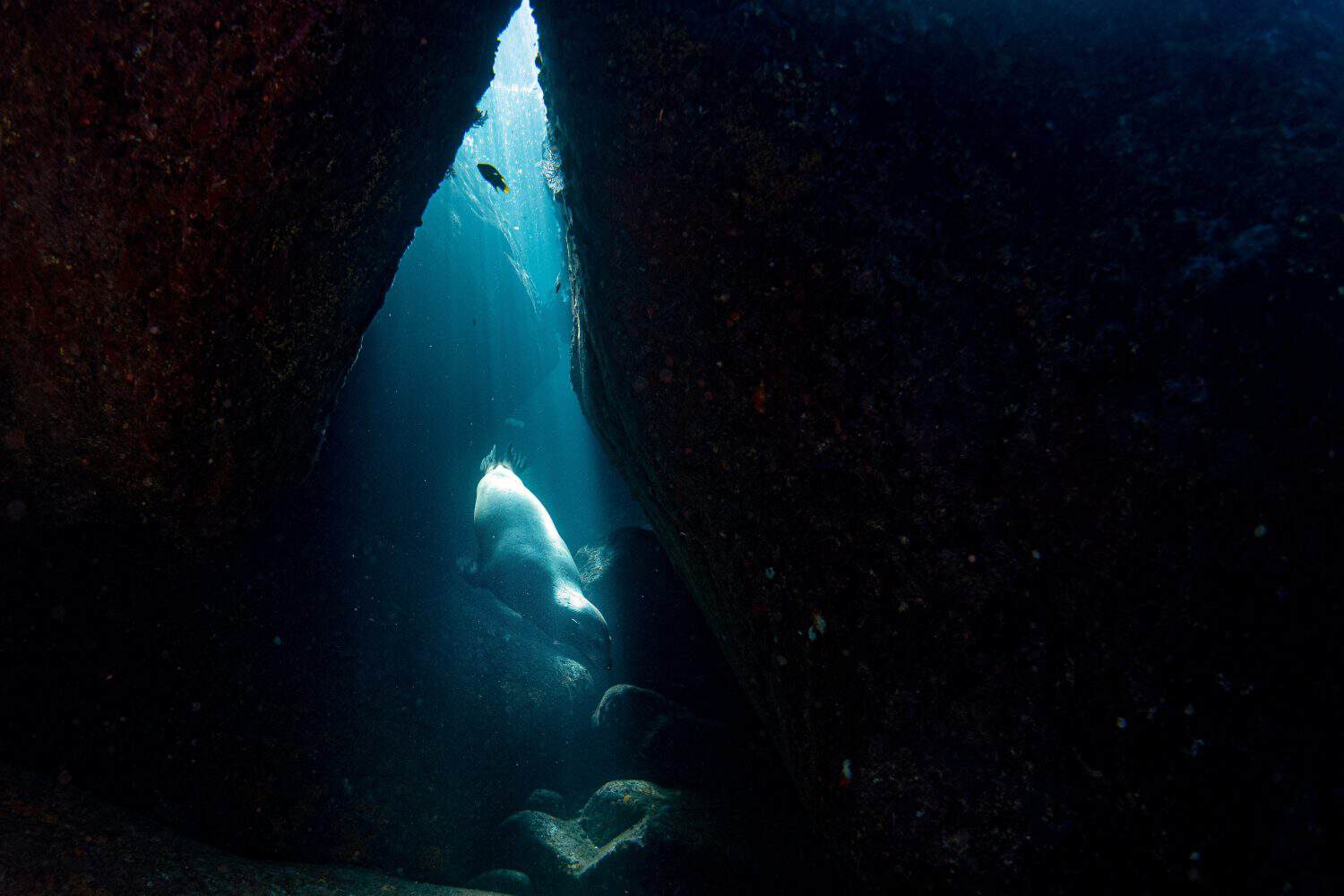
The discovery unfolded on Formicula, an uninhabited islet nestled within Greece’s Inner Ionian Sea Archipelago. While surveying a well-known, traditional monk seal cave, researchers stumbled upon a hidden secondary chamber. It was connected to the main cave by a narrow underwater corridor just over a meter deep. Following this submerged passage, divers emerged into a small, dome-shaped chamber topped by a trapped pocket of breathable air. Unlike typical monk seal sanctuaries, this 398-square-foot chamber offered no dry beaches, sandbars, or rocky ledges. It was essentially a completely flooded room with just enough headspace for seals to surface and breathe. The researchers aptly dubbed it a “bubble cave.”
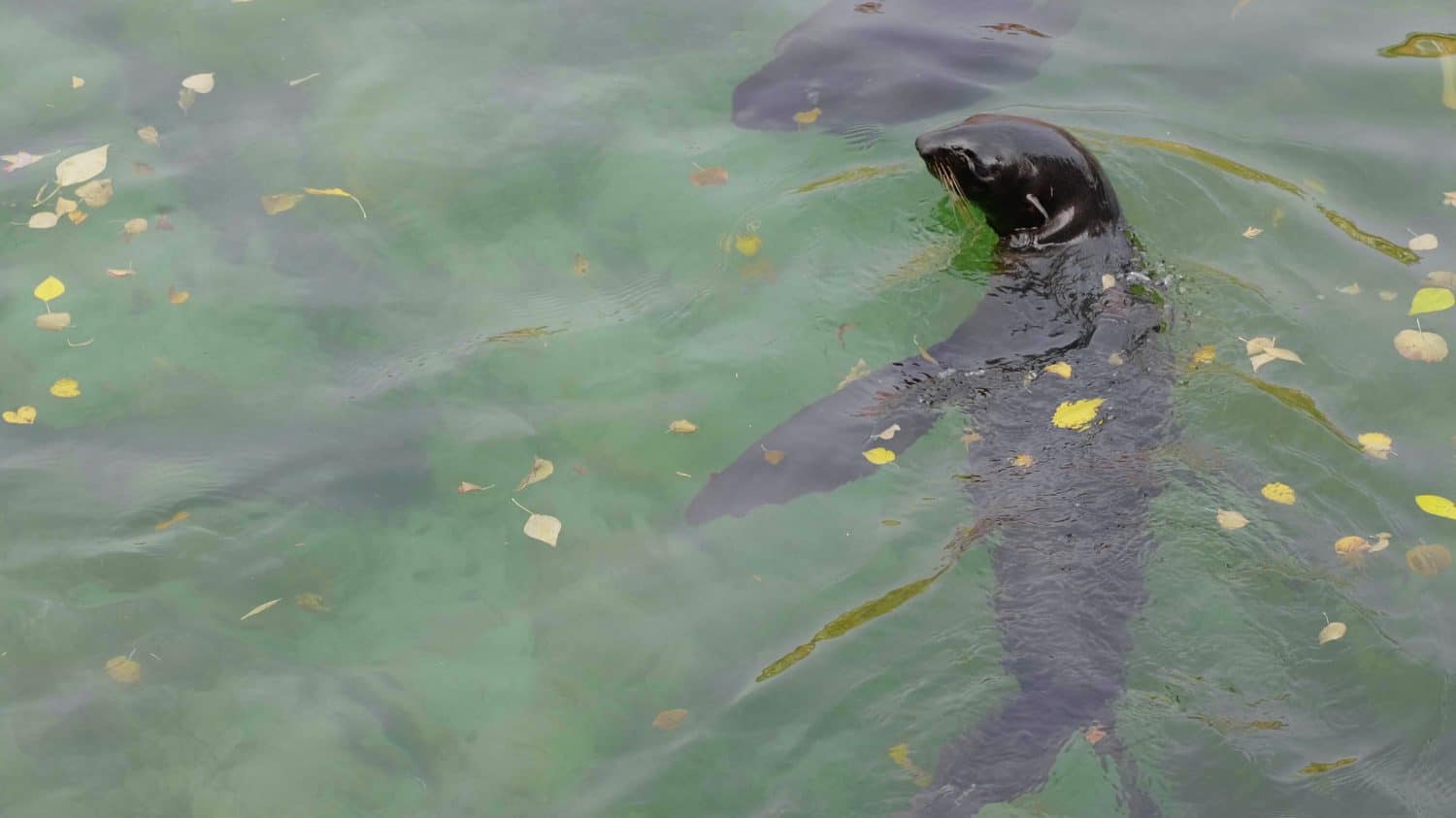
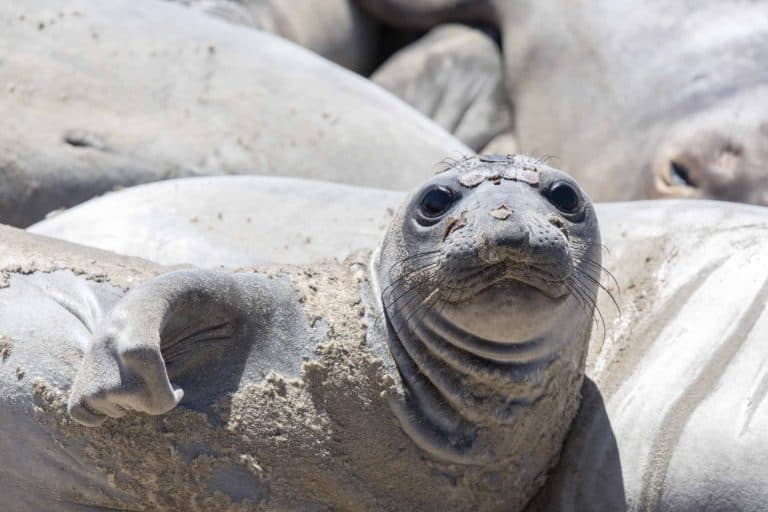
Newborn Mediterranean monk seal pups are dark brown or black.
©aarrows/Shutterstock.com
The chamber’s unique layout makes it virtually impossible for humans to find. It features two underwater entrances — one connecting to the main cave and another opening directly to the open sea. Both access points are entirely submerged, so the cave remains completely invisible to casual visitors.
To determine exactly how the seals were using this unusual hideout, the team installed non-invasive camera systems inside both the main cave and the bubble cave’s corridor. Over 141 days of monitoring between 2020 and 2021, the cameras captured thousands of images and hours of video documenting seal behavior.
Why Choose a Flooded Cave?
The study’s results surprised researchers. Conventional monk seal habitat includes large caves with internal pools and protected dry beaches. These dry areas allow seals to haul themselves out of the water to rest, molt, give birth, and nurse their young. These dry areas would seem much more suitable for the animals’ biological needs than a permanently flooded chamber. Yet, the seals overwhelmingly favored the bubble cave.
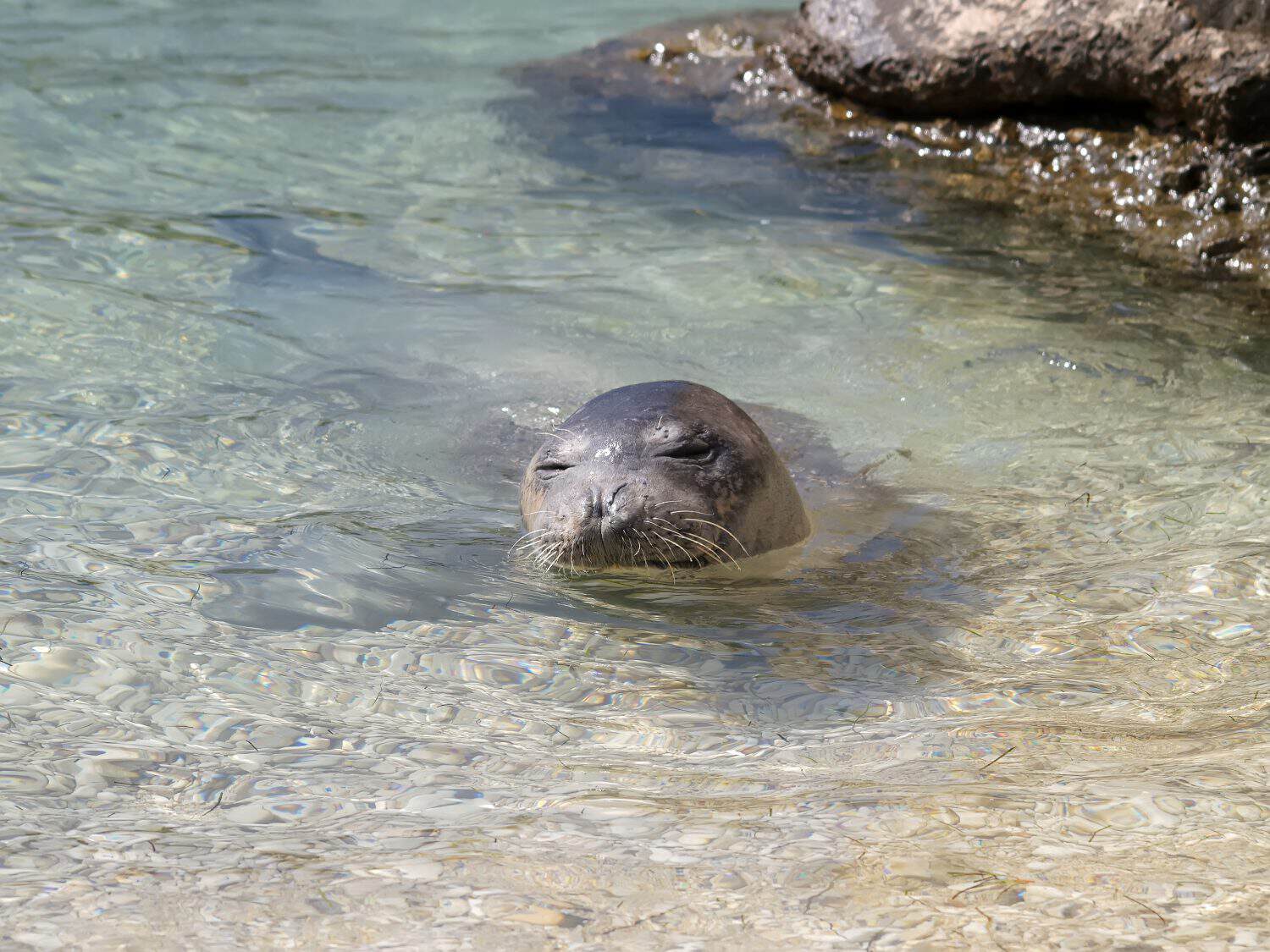
Adult Mediterranean monk seals can grow up to 7 to 9 feet long.
©burnel1/Shutterstock.com
During the monitoring period, seals used the hidden chamber on 119 days — a staggering 84 percent of the study. The larger main cave, despite offering a comfortable dry beach, was used on just 30 days. The footage revealed that the bubble cave functioned primarily as a resting site rather than a breeding habitat. Individual seals and small groups of up to three animals used the chamber to rest in the water.
With no place to haul out, the seals adapted entirely to their flooded environment. Some floated quietly at the surface beneath the trapped air pocket, while others exhibited “bottling” behavior — drifting in a deeply relaxed state while partially submerged. Cameras even captured seals sleeping motionless on the seafloor below.
These findings suggest that the seals are willingly sacrificing physical comfort for something far harder to find along crowded coastlines: freedom from human disturbance.
Researchers also documented a clear seasonal pattern supporting this theory. During quieter months with less tourist activity, the seals were seen utilizing open beaches. As summer visitors increased, however, they shifted back toward their hidden underwater chambers.
Rethinking Critical Habitat
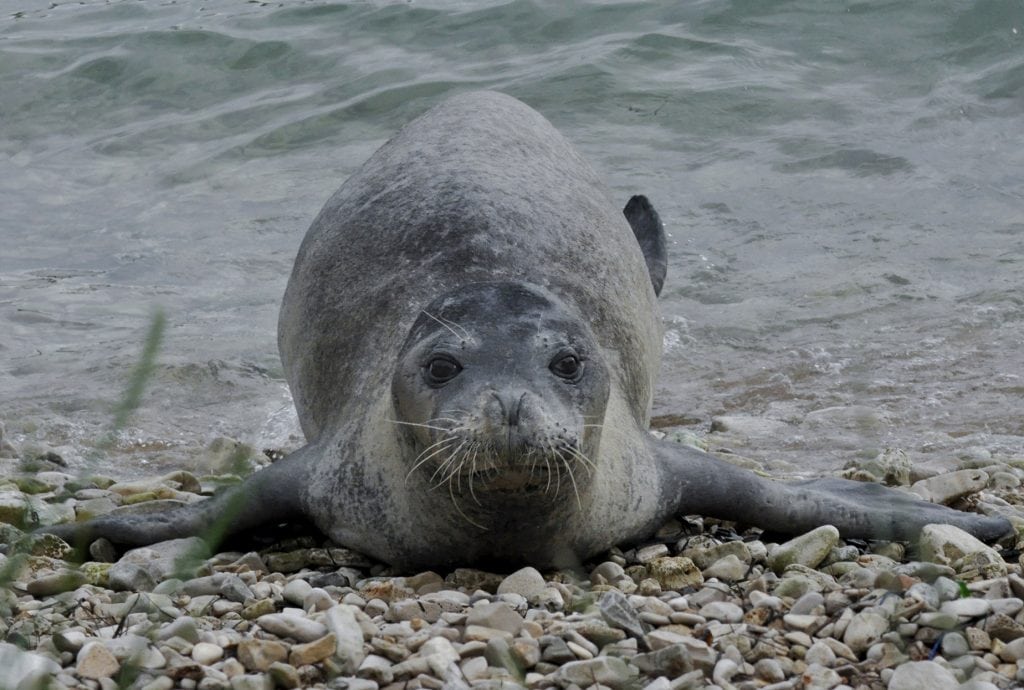
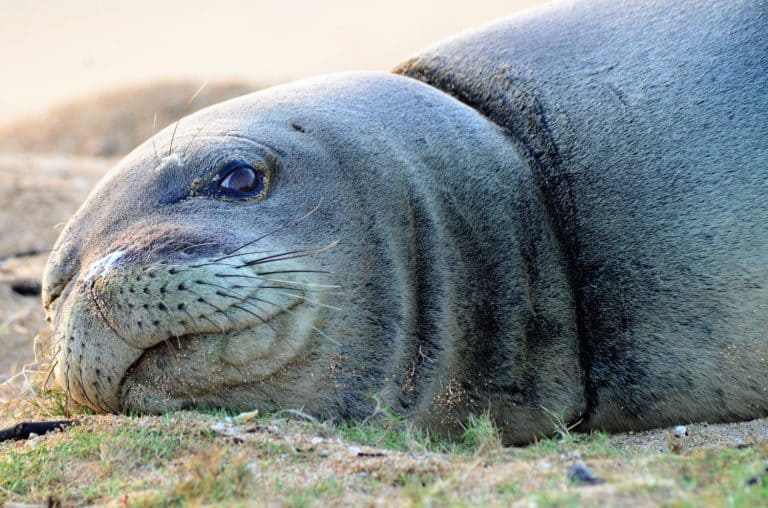
Mediterranean monk seals typically live 20 to 30 years.
©Marinko Babić / CC BY-SA 4.0 / Wikimedia Commons – Original / License
For years, habitat assessments have focused almost exclusively on open beaches and traditional sea caves with dry resting areas. The Formicula study turns this assumption on its head, proving that completely submerged bubble caves can play a vital role in the survival of Mediterranean monk seals — even if they cannot be used for breeding.
Researchers argue that these hidden chambers should be included in future habitat surveys and conservation planning, particularly in areas experiencing heavy tourism pressure. If bubble caves continue to be overlooked, scientists risk underestimating both the available habitat and the true number of seals present in an area. It also raises a broader question: how many other critical marine mammal refuges remain undocumented simply because they are so difficult for humans to detect?
Fortunately, proactive protection efforts are already underway. Greece has established a 656-foot (200-meter) restricted-access zone around Formicula and expanded marine protections across key monk seal habitats. Encouragingly, researchers have also spotted some seals returning to open beaches within these newly protected zones.