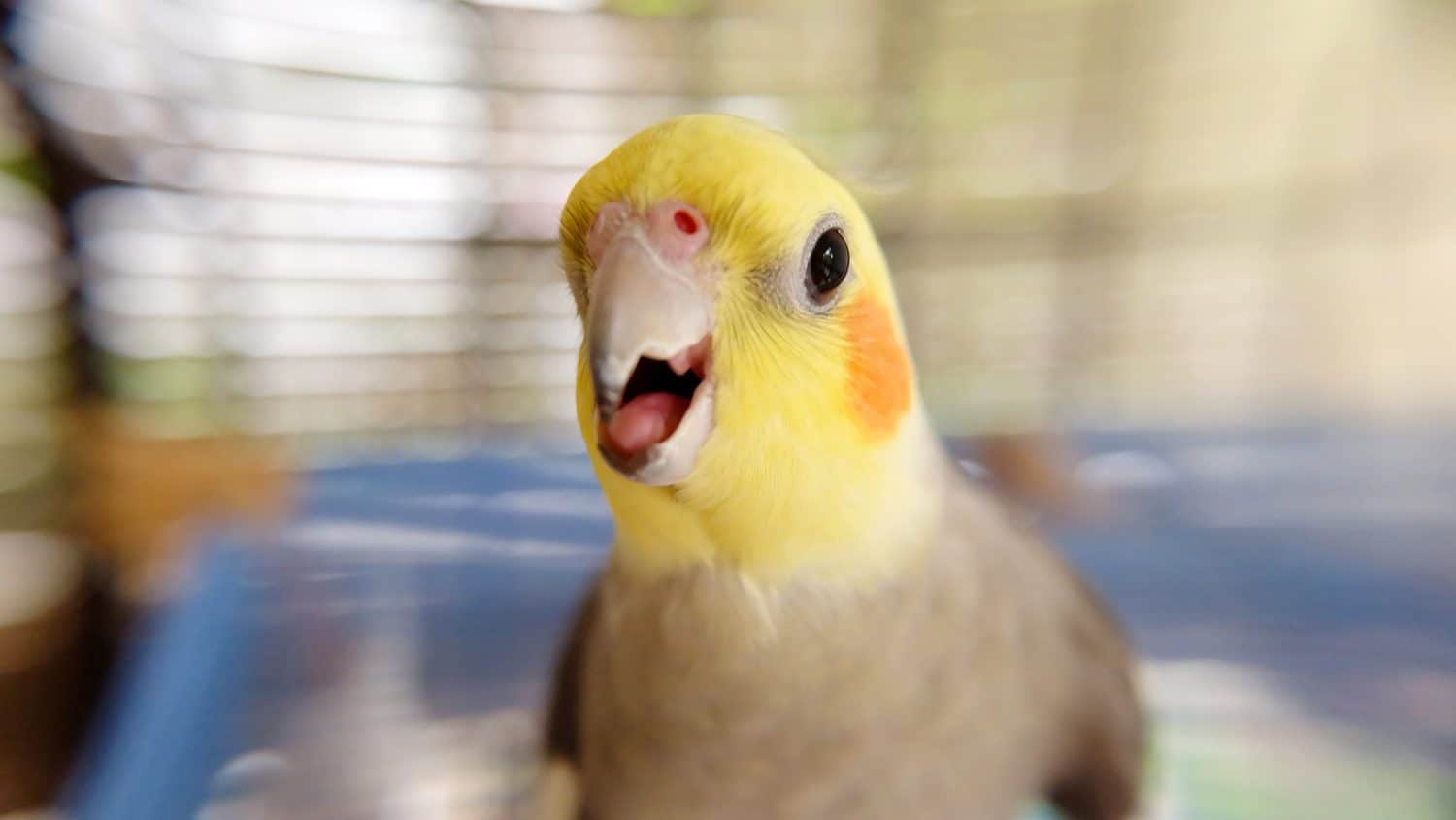

Not everyone is technologically savvy. This may be by choice or due to generational circumstances. However, for those who do not see the point in having extra security on their electronic devices, an adorable cockatiel named Edek teaches people in simple terms why two-factor authentication is not only necessary but also what can happen without it.
An Unlikely Teacher
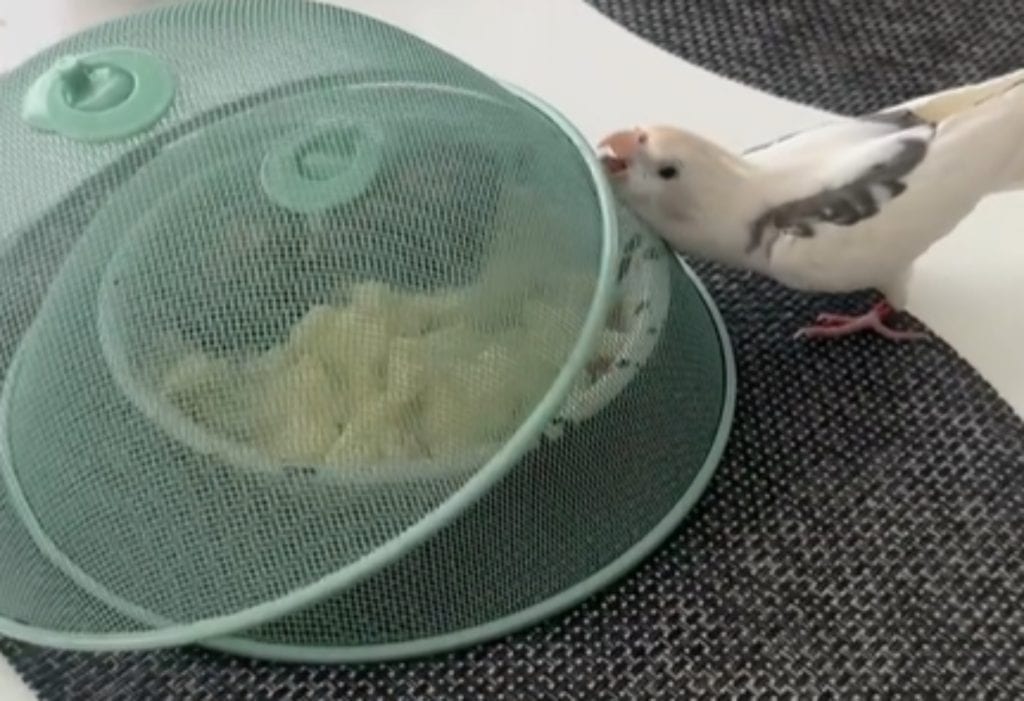
Edek the cockatiel demonstrates why two-factor authentication is necessary on electronic devices.
© – Original
At first glance, it may seem strange that a cockatiel is teaching people on Instagram about the ins and outs of two-factor authentication and its purpose. But a quick bit of research shows that the cockatiel’s owner works in the IT industry. Therefore, Olga Slawecka-Kotwicka uses her cockatiel, Edek, to demonstrate in simple terms the importance of two-factor authentication.
Two-factor authentication is used on devices like computers or smartphones to ensure the right person gains access to the device and the wrong ones do not. The authentication process involves entering a password and then receiving a code via text or email to verify ownership of the device. For many people, two-factor authentication is a cumbersome process. They would just prefer to put in their password and be on their way. But, as Edek shows, sometimes the single password is not enough to keep people out of sensitive information.
This Instagram reel shows Edek walking over to a plate of food that is covered with a lid. The cockatiel easily takes the lid off the food and is only stopped from eating it because his owner stops him. Slawecka-Kotwicka then places a second lid on top of the first. Suddenly, Edek is unable to take the lid off to get to the food.
This perfectly represents two-factor authentication: even though Edek can partially remove the top lid (representing the initial password), he is unable to remove the second lid (representing the code). As a result, the food (information) remains safe from unauthorized access. Just because Edek was unable to remove the top lid from the other is not a testament to his smarts. It is more about the beak strength. This is because cockatiels are highly intelligent animals, excelling in both problem-solving and emotional intelligence.
The Intelligence of Cockatiels
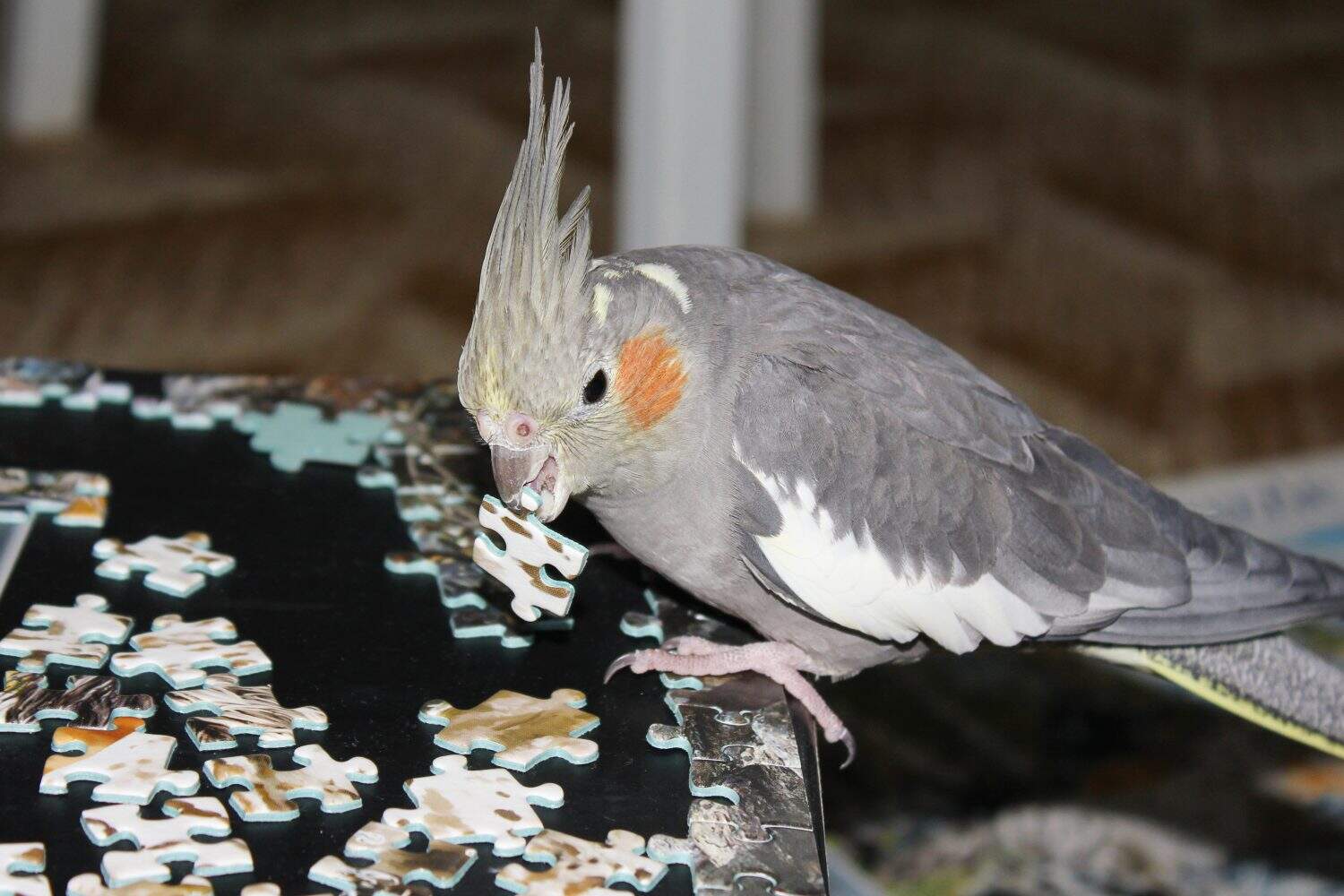
Cockatiels are incredibly smart and require mental stimulation to keep from being bored, depressed, or destructive.
©Tanya Hamster/Shutterstock.com
Edek’s ability to remove the first lid to access the food suggests that cockatiels are intelligent creatures. As it turns out, not only are cockatiels smart when it comes to tasks, they are emotionally smart as well. Cockatiels have the same intelligence as a two-year-old. Because of this intelligence, cockatiels need mental stimulation. If they do not receive it, they can become stressed, bored, or even depressed. These emotions can lead to the cockatiels becoming destructive to objects or even themselves by over-preening. Therefore, it is recommended to provide cockatiels with puzzle toys and other interactive objects to keep them mentally stimulated.
In addition to being problem-solving smart, cockatiels are also emotionally intelligent. This is shown by cockatiels recognizing their owners, being shy or outgoing based on the situation, or even communicating their feelings through movements. Some of the most common movements to express emotions include:
| Cockatiel Movement | Meaning Behind the Movement |
| Wagging the tail | Happiness |
| Ruffling the feathers | Mad or angry |
| Banging the beak on the cage | Needs attention |
| Bobbing the tail | Not feeling well |
| Singing or whistling | Stress or happiness |
| Changing crest position | Raised means interested in what is happening, while flattened can mean fear or even being relaxed |
Cockatiels’ intelligence also enables them to become proficient in speaking or singing. Owners can teach cockatiels simple words, such as the names of their favorite foods or toys, allowing the birds to use these words not only to identify items but also in the proper context. With practice, cockatiels can learn up to 30 words.
As seen with Edek, cockatiels can be taught tricks as well as problem-solve. It is not clear from the video whether he was taught to take the lid off or if Edek did so simply because he wanted the food. However, the reel demonstrates that cockatiels have strong beaks capable of moving objects that are substantial relative to their size.
The Strength of a Cockatiel’s Beak
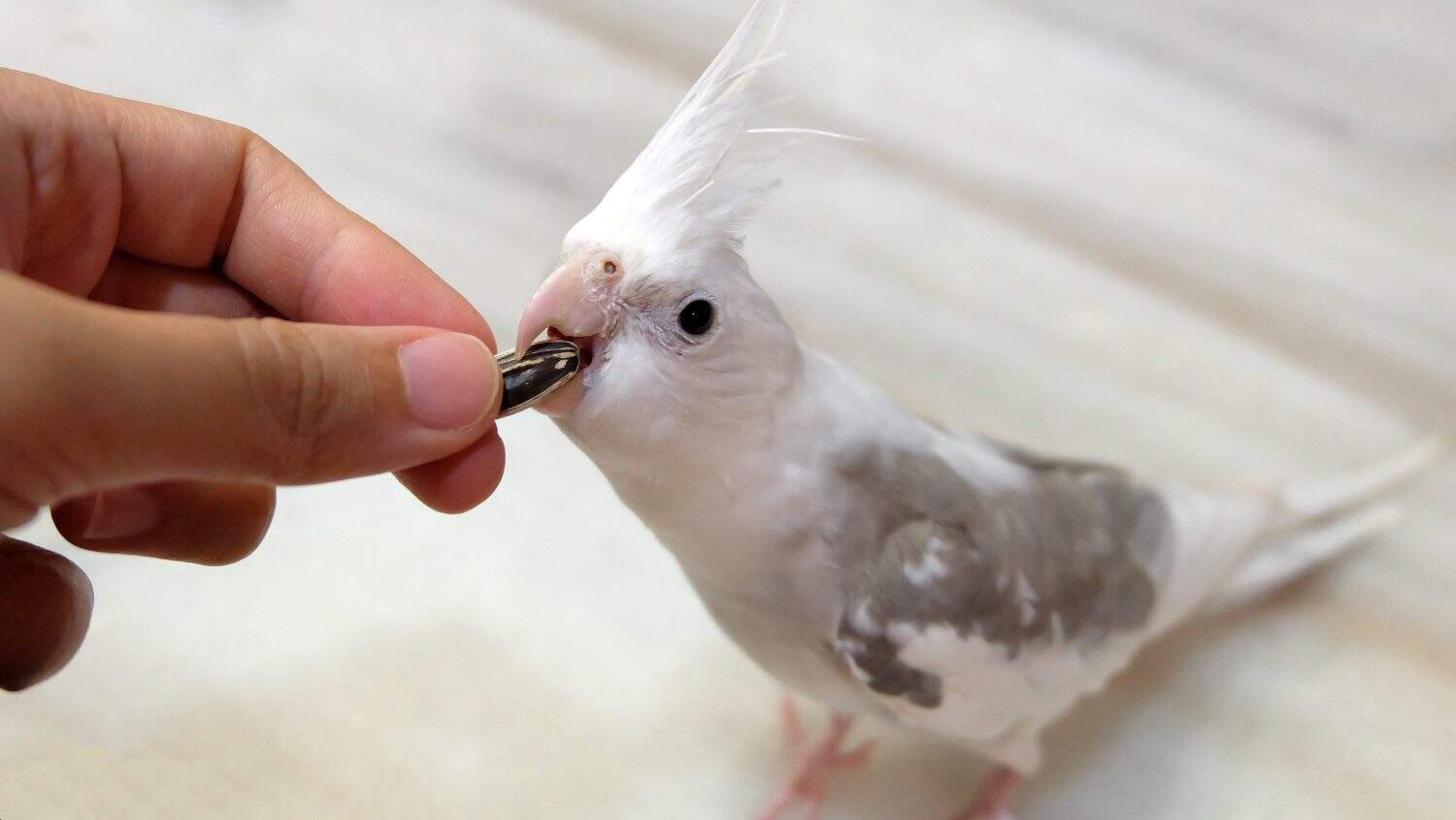
Cockatiels can produce 70 psi of pressure with their beaks.
©daphne.t/Shutterstock.com
Cockatiels are approximately 12 to 14 inches long, including their tails. While the birds are significantly smaller than some other members of the parrot family, they still manage to have a considerable amount of force in their beaks for their size. When cockatiels bite, they do so with 70 psi of pressure. To put this in context, it is the equivalent of an adult person stepping with their whole weight on the foot of another adult. The strength comes from the fact that cockatiels’ beaks are made for cracking open the shells of seeds and nuts. Made from keratin, which is similar to what human hair and fingernails are comprised of, the beaks are powerful and do not break easily.
However, while the beaks are strong, they are not capable of lifting a massive weight. Their beaks cannot lift the cockatiel’s own body weight, making them more useful for breaking items than for carrying them. Interestingly enough, the beak is also the area where cockatiels regulate their body temperature via thermoregulation. This is why it is so necessary to take good care of a cockatiel’s beak, trimming it properly so as not to damage blood vessels.
Cockatiel Beaks Need to Be Trimmed
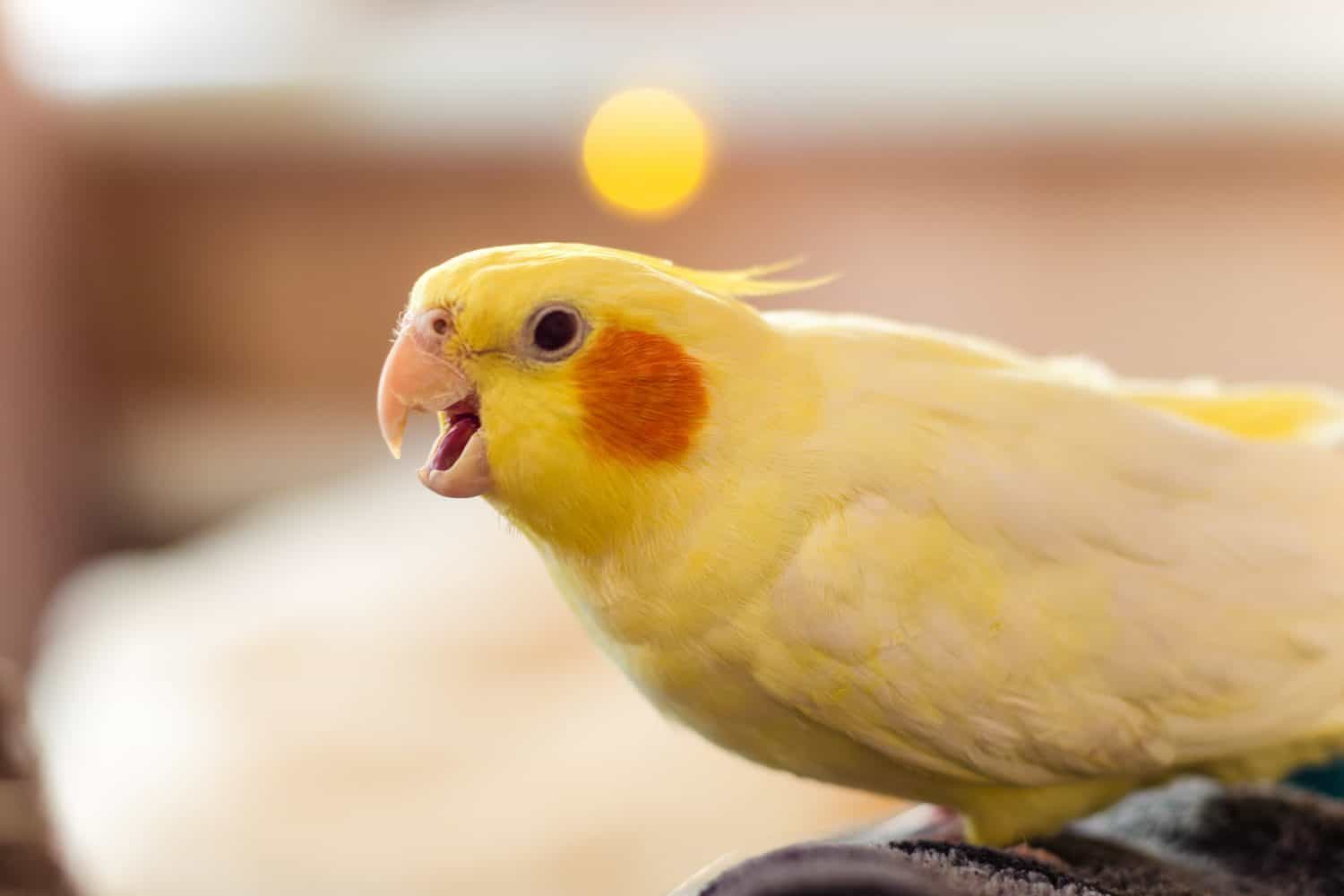
Cockatiels’ beaks have to be trimmed regularly.
©Daria_vg/Shutterstock.com
For cockatiels to be healthy, they require regular beak trimming. This is because their beaks continue to grow throughout the birds’ lifetimes. Fortunately, it is an easy process that takes little time to do once owners get accustomed to the task.
If a person is new to owning a cockatiel, it is recommended to have a veterinarian teach the proper technique for handling and caring for the bird. But for those who have experience with birds, trimming the beak is not any more difficult than trimming a dog or cat’s nails.
The process for trimming a cockatiel’s beak includes:
- Use a sharp nail clipper, bird beak trimmer, or nail file
- Wrap the cockatiel in a towel to keep it calm
- Gently open the beak and locate the mandible on the upper portion of the beak, so that any trimming occurs beneath this area
- Trim a small amount and trim more if necessary
- Repeat the process for the lower portion of the beak
- Keep a styptic pen or cornstarch at the ready in case too much of the beak is trimmed and bleeding occurs
If bird owners are not comfortable trimming the beak themselves, they should take the bird to a vet for regular beak maintenance. This is because if the beak becomes overgrown, it is uncomfortable for the cockatiel. An overgrown beak can lead to an inability to eat or drink, which will lead to a sick cockatiel. Cockatiels are very smart birds that love to play, be social, and be around their owners. While not all of them will demonstrate technical terminology like Edek, all crave love and affection and are happy little birds when their needs are met by their owners.