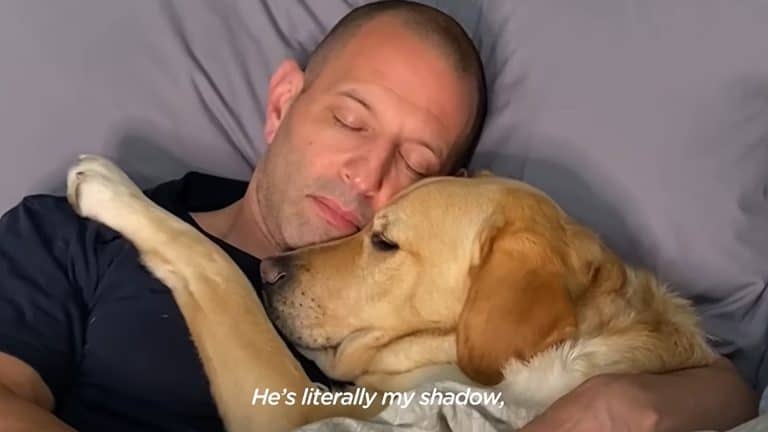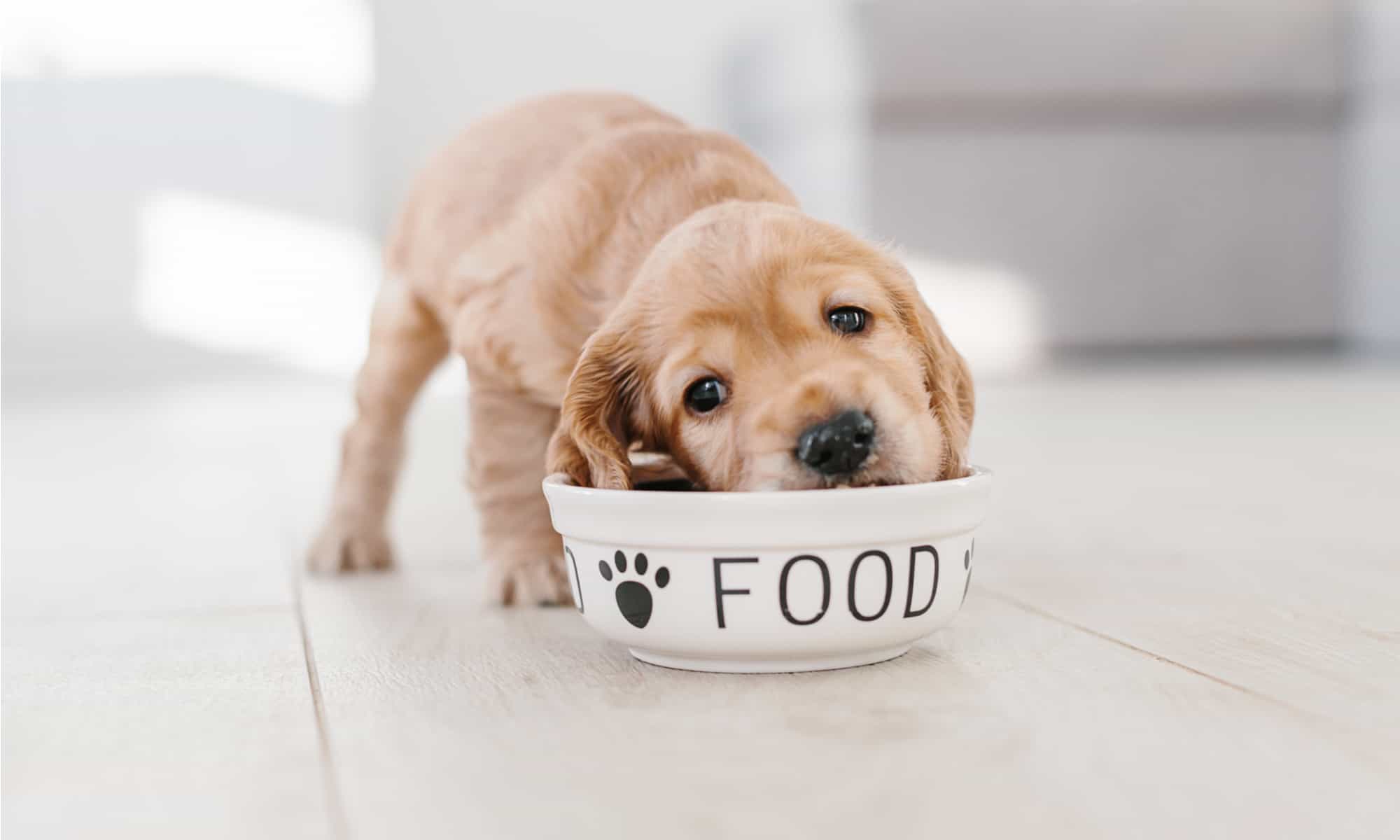

The gorgeous little pup in this hilarious YouTube clip looks both confused and frustrated by its hiccups. Sitting in the back seat of a car, the puppy seems unaware of what is happening to its body and just wants the hiccups to stop! This is very similar to how we humans feel when we get a fit of the hiccups. So, what exactly are hiccups? How often do dogs get them, and is it something dog owners should worry about? Read on to get scientific insight into dog hiccups.
What Exactly Are Hiccups?
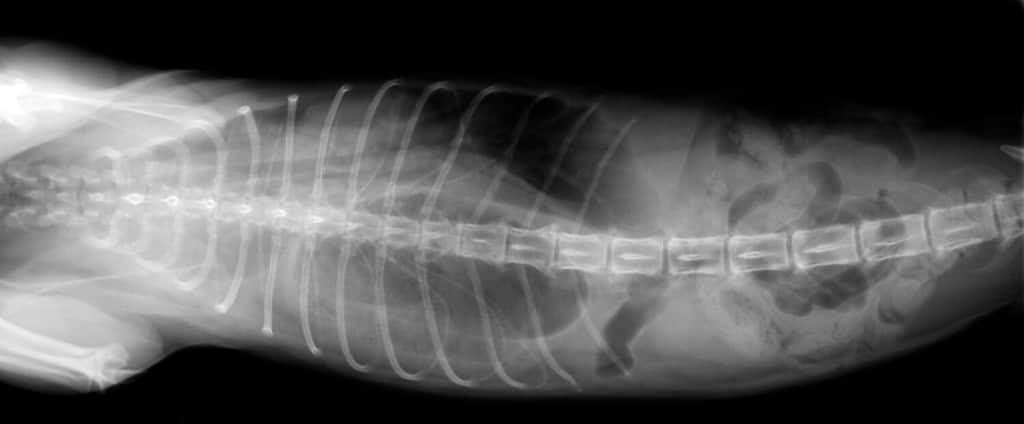
Hiccups are a spasm of the diaphragm.
©Trevor Reeves/Shutterstock.com
The name hiccup comes from the sound that we make when we are having them! Most mammals can experience hiccups, and that includes cats, rats, and rabbits. They are seen more often, however, in horses, dogs, and humans. Hiccups begin as a nerve signal from the esophagus, stomach, or lower part of the diaphragm (the sheet of muscle that separates the chest from the abdomen). The breathing muscles contract more forcefully than usual, causing a sudden intake of air. Milliseconds later, the glottis (a part of the throat near the voice box) snaps shut, making the characteristic ‘hic’ sound. Once started, hiccups occur at a rate of between 4 and 60 per minute.
Hiccups have always been a bit of a mystery. The reasons for coughing and sneezing are obvious – they clear material from the throat and nasal passages. Hiccupping, however, has no obvious purpose. Several theories exist, most of which relate to young animals, as they tend to get hiccups more frequently. One theory suggests that they strengthen the diaphragm muscles, and another that they clear trapped food in the esophagus. A more recent theory is that hiccups remove swallowed gas from the stomach in young mammals who depend on milk consumption for their nutrition.
Why Do Dogs Get Hiccups?
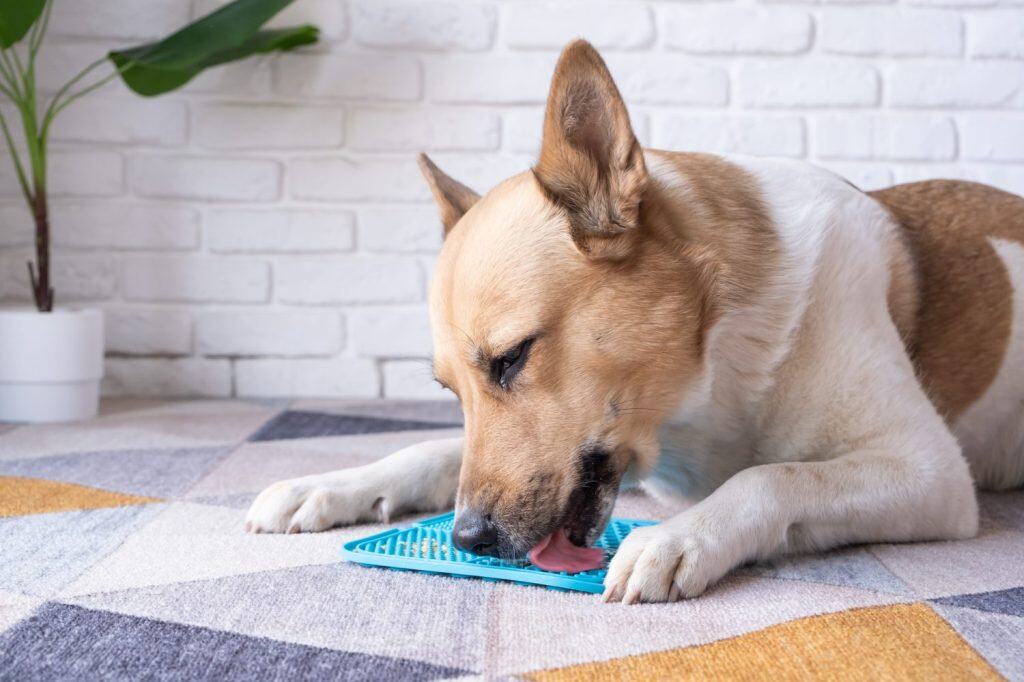
Slowing down your dog’s meals can help with hiccups.
©ilona.shorokhova/Shutterstock.com
It’s clear from the adorable clip linked above that dogs can get hiccups. Dogs of any age can get hiccups, but they are more common in younger dogs, especially puppies. Even puppies developing in the womb can experience hiccups. While there are no fixed patterns, many owners and breeders believe the following factors may contribute to hiccups in puppies.
Eating and Drinking Quickly
Dogs often eat with great enthusiasm! As natural scavengers, they are inclined to gulp down food quickly when they find it, leading to very fast mealtimes. As you may have experienced yourself, eating too quickly can cause a buildup of gas in the stomach because air is swallowed along with the food. This puts pressure on the esophagus and may trigger hiccups.
Irritating Foods
Certain foods can irritate your dog’s digestive system and cause their stomach to fill with air. Foods high in grains are one possible culprit. You may want to consult your vet about transitioning your dog to a different diet. Drinking water that is very cold can also irritate the stomach and trigger hiccups.
Overexcitement and Stress
When dogs are overexcited or stressed, their heart rate and levels of the hormone cortisol increase, both of which can irritate the diaphragm. Additionally, your dog may take shorter breaths and breathe more with the upper part of their chest, which can also trigger hiccups. Some owners notice that their dogs get hiccups after energetic play. An anxious dog, in particular, may get hiccups after barking a lot and becoming excited.
Can Hiccups Be Dangerous for Dogs?
Hiccups themselves are not dangerous for dogs and usually resolve on their own. However, frequent or severe bouts of hiccups can indicate a more serious underlying problem. Therefore, if you are at all concerned by how often or how severely your dog is getting hiccups, you should always consult a vet.
Severe or chronic hiccups can also be associated with underlying conditions such as pneumonia, bronchitis, asthma, or heat stroke. In rare cases, persistent hiccups may be linked to more serious gastrointestinal or respiratory issues, including tumors. In most cases, hiccups are nothing to worry about. You should consult your vet if they persist for a long time, occur frequently, or are accompanied by other symptoms.
Hiccups in Pups
As shown in the clip above, hiccups are more common in puppies than in adult dogs. This is largely because puppies tend to swallow air when they become excited, which happens frequently. Some puppies also get hiccups when they are tired or cold. While some puppies experience hiccups daily, the episodes usually last only a short time. You should be more concerned if your puppy has other symptoms in addition to hiccups. If they are coughing, drooling, sneezing, or seem weak or lethargic, you should consult a vet.
How Can I Help My Hiccupping Pup?
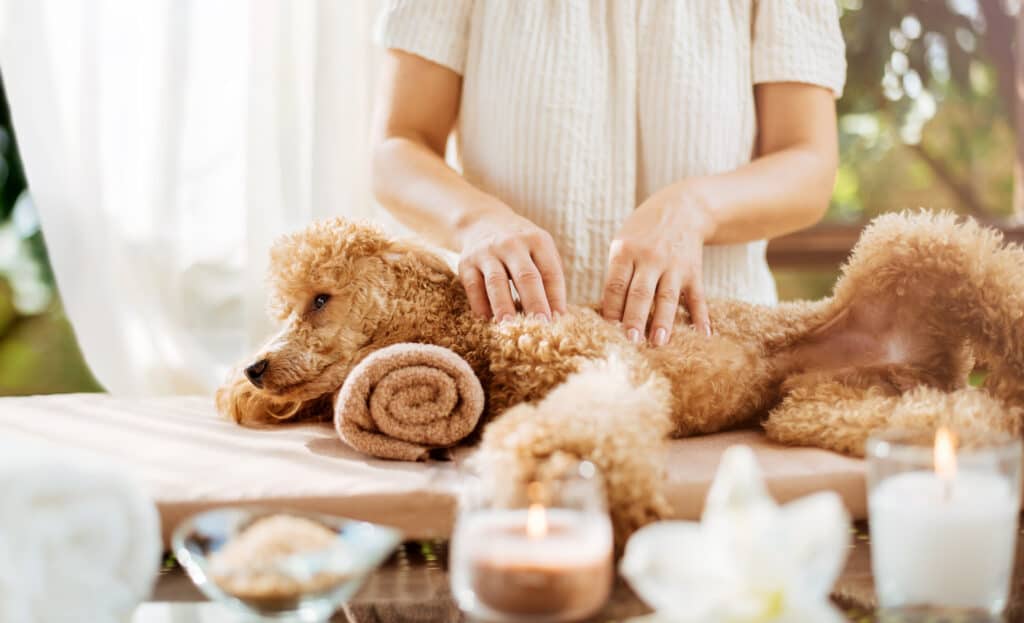
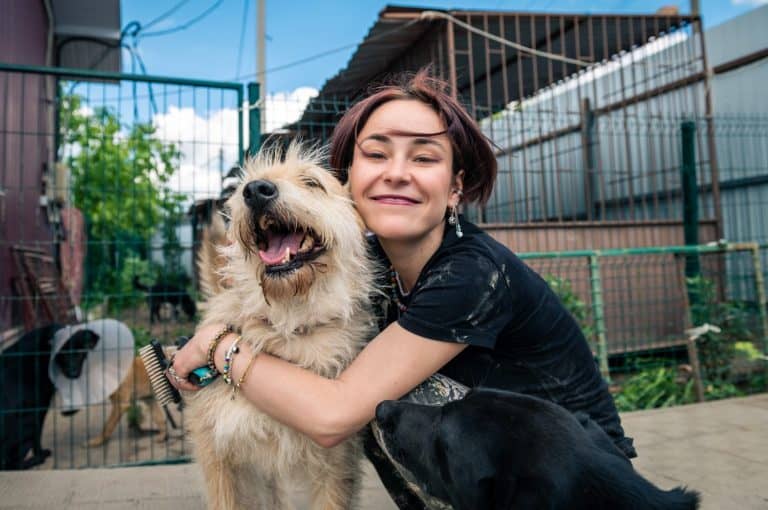
Massage can help with hiccups.
©Rasulov/Shutterstock.com
Mostly, hiccups will simply go away by themselves. However, your puppy may not be happy about having hiccups, just like the dog in the video. Gently rubbing their tummy can help relax them and regulate their breathing, both of which may ease hiccups. A chest massage can also be very effective in calming an excited puppy.
You have probably cured your own hiccups by drinking cool water, and dogs are no different. Offer your hiccupping pooch a drink, but do not let them gulp it too fast because that will not help. If none of these work, you could try a spoonful of honey. This natural, sweet substance is not harmful to dogs as long as it is given in moderation. Just one spoonful will help to soothe their esophagus. Having such a sweet and unusual treat will also distract them, which will calm them and may stop their diaphragm from contracting. It’s important to only give your dog pure honey, as products containing the sugar substitute xylitol are highly toxic to dogs. Always offer honey in very small amounts—let them lick a little from a teaspoon. Staying calm when your puppy has hiccups is important, as your anxiety can make them more anxious.
How Do You Prevent Dog Hiccups?
Hiccups are a normal part of life for many puppies, so it may not be possible to prevent them entirely. However, you can take steps to reduce the likelihood of hiccups occurring. It is a good idea to prevent puppies and older dogs from eating too quickly. You can do this by ensuring your dog eats in a quiet, undisturbed place where they do not feel their food will be taken. Anti-gobble bowls have built-in obstacles that make it harder for your dog to get at the food. These bowls exercise a dog’s brain at the same time as making them eat more slowly. To further slow down eating, you can place their food in a dog puzzle toy or scatter it in your yard for them to find. You could also try dividing their daily food into smaller portions and feeding them several times throughout the day.
Make sure that fresh water is always available so that your dog does not feel that they have to gulp it all down when they get a chance. Finally, address stress and anxiety through training and structured games. Well-trained dogs who understand what is expected of them are often calmer. Most dogs benefit from a consistent routine and clear commands.