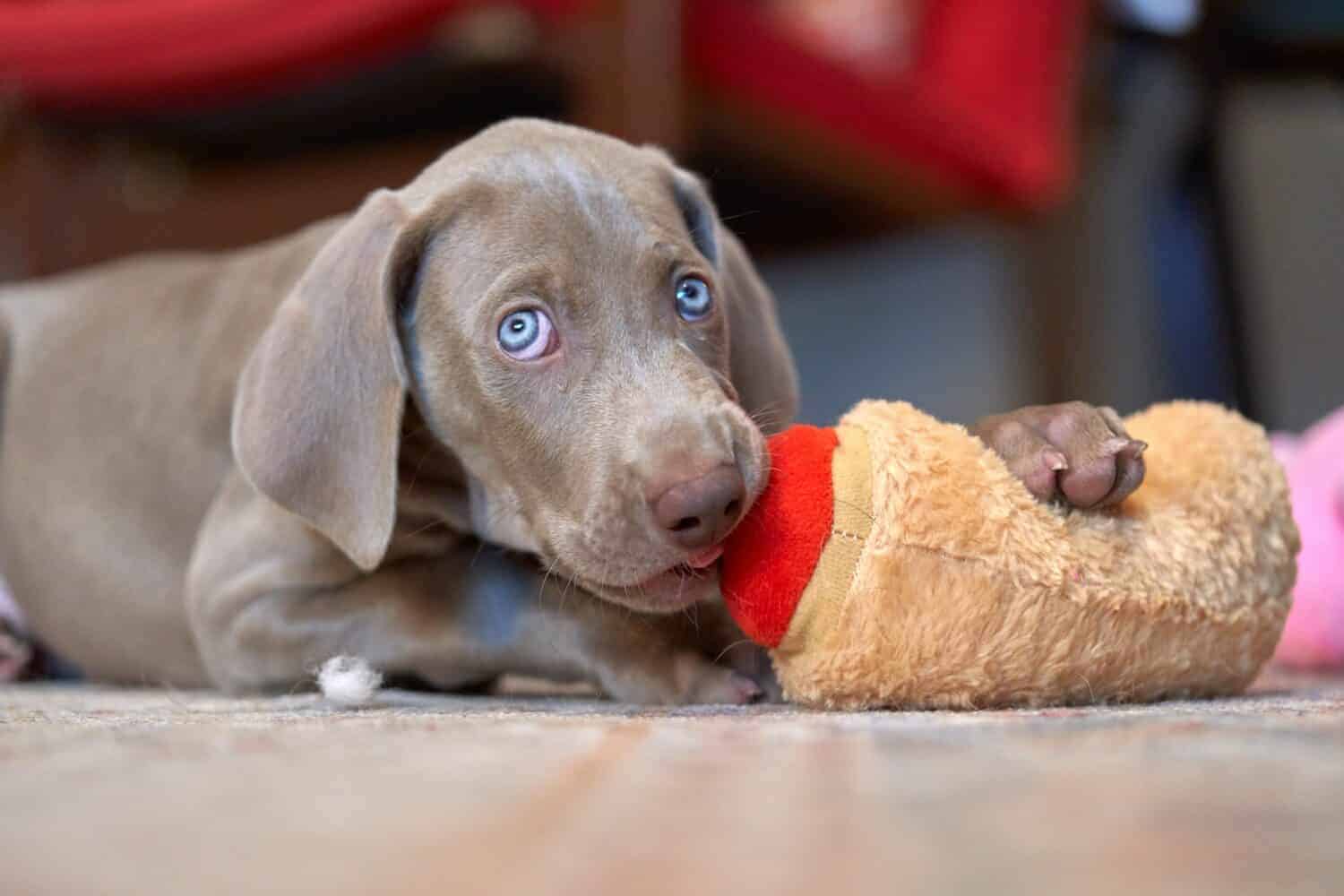

The time has come to add a four-legged friend to the family, and in all of the excitement, it’s easy to lose sight of how large a little puppy can get. From tiny designer micro breeds to much larger working dogs and giant breeds, canines come in a vast array of sizes. How big your puppy will get depends on several factors, including breed, genetics, sex, and nutrition, and whether they are spayed or neutered. Continue reading to discover how to know how big your puppy will get.
Breed
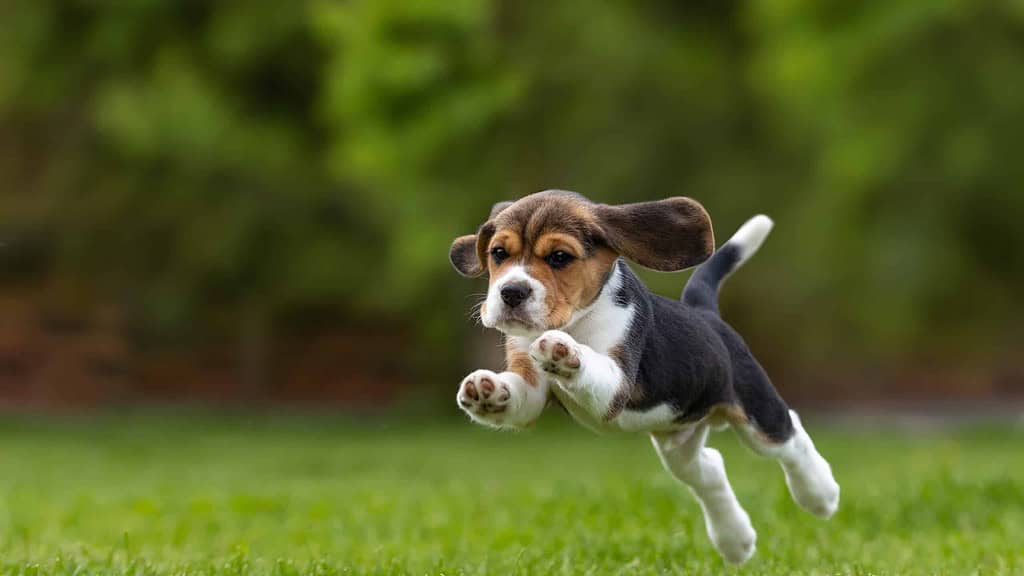
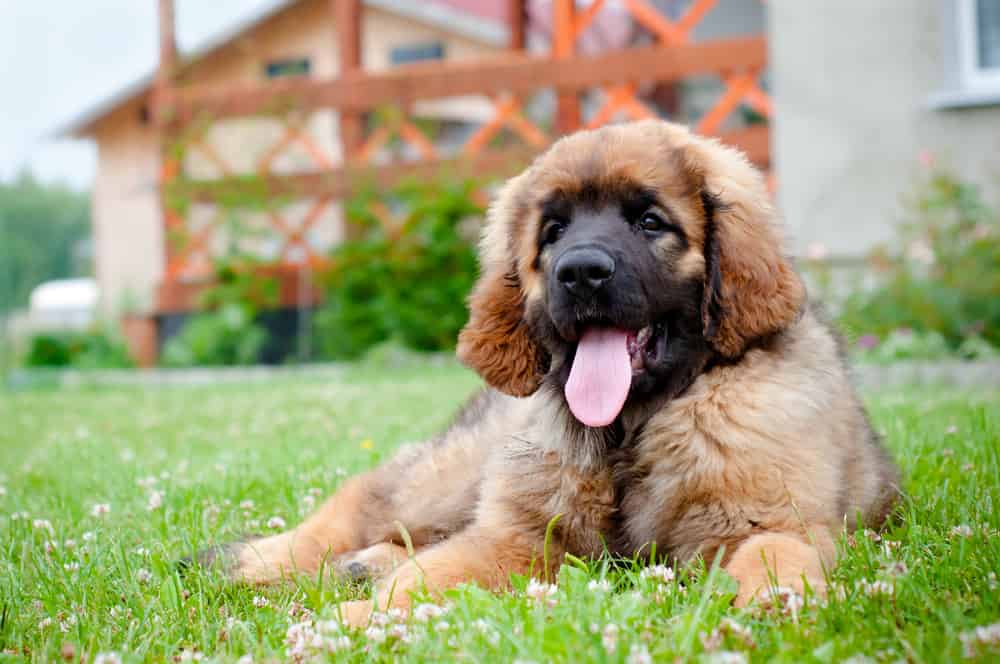
Knowing the breed of the puppy will help determine the height and weight range of the adult dog.
©Natalia Fedosova/Shutterstock.com
In choosing a puppy for the family, it is important to know what size the puppy will eventually grow to be. One of the easiest ways to gauge a dog’s eventual size is to know its breed. This will give you an idea of its adult weight, height, and how quickly it will grow. Knowing the breed helps determine how much food to buy, the right size crate, and the potential lifestyle adjustments that may come with a larger dog.
Puppies fit into one of five dog groups, based on size. Those groups include:
| Group Of Dog | Final Weight Range Of Dog | Final Height Range Of Dog |
| Toy (Chihuahua, Italian Greyhound, Toy Poodle, etc.) | 2.2 pounds to 13.2 pounds | six inches to 11 inches |
| Small (Bichon Frise, Cavalier King Charles Spaniel, Lhasa Apso, etc.) | 13.2 pounds to 22 pounds | 11 inches to 17 inches |
| Medium (Australian Shepherd, English Bulldog, Goldendoodle, etc.) | 22 pounds to 55.1 pounds | 17 inches to 25 inches |
| Large (German Shepherd, Golden Retriever, Rottweiler, etc.) | 55.1 pounds to 99 pounds | 25 inches to 27 inches |
| Giant (Newfoundland, St. Bernard, Great Dane, etc.) | More than 99 pounds | 27 inches to 32 inches |
Each of these groups of dogs will reach their adult size at different ages. However, most puppies will have reached at least 50% of their adult weight and height by the time they are six months old.
Genetics

The size of the puppy’s parents can help to determine the size the puppy will eventually grow to be.
©Enna8982/Shutterstock.com
Genetics, which refers to inherited traits and behaviors passed down from parent dogs to their offspring, is another way to estimate how large a puppy will be. Physical characteristics like size are determined by the dog’s DNA. Every dog breed has a range of possible sizes, which is influenced by the size of the parents. If both parents were the largest in their litters, their puppies are more likely to be on the larger end of the size spectrum. Conversely, if the parents were smaller, their puppies would likely be smaller as well.
Sex
Male dogs are typically larger than female dogs of the same breed.
©otsphoto/Shutterstock.com
Another factor to consider in determining your puppy’s adult size is sex. Male dogs are typically larger and heavier than females of the same breed. Male dogs often have more muscle mass and a heavier bone structure because of testosterone, which results in greater size and strength. This difference in size is more pronounced in larger breeds, in which males may outweigh females by 20 pounds or more in some giant breeds such as Great Danes and Mastiffs.
Nutrition
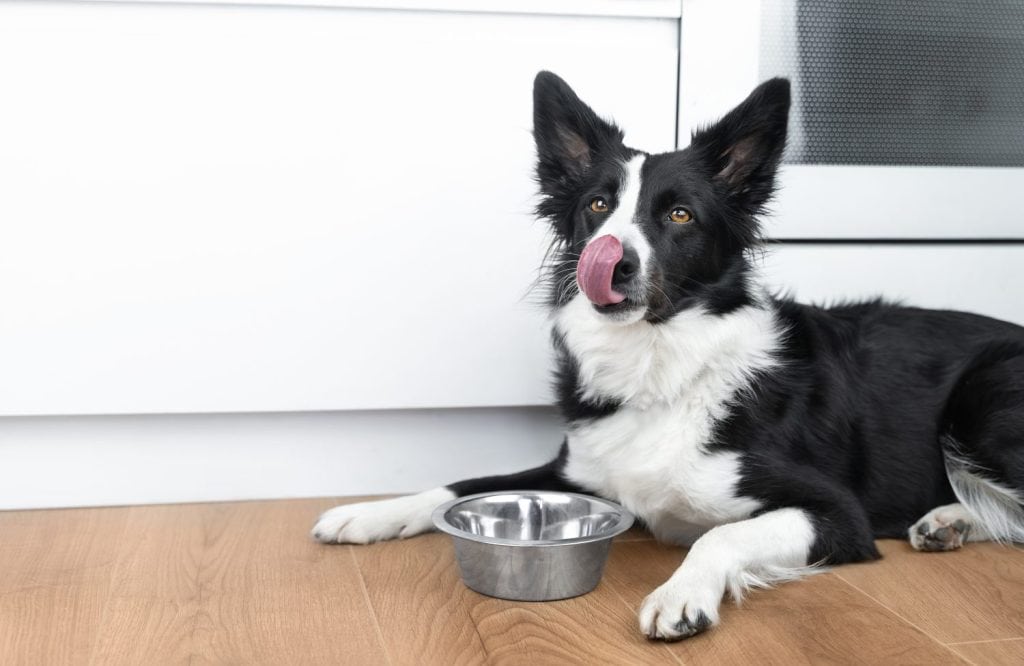
Proper nutrition plays a vital role in how big your puppy will get.
©kathrineva20/Shutterstock.com
While genetics ultimately determine adult size, proper diet ensures a puppy reaches its full size potential. Puppies need a diet that promotes steady, healthy growth. Puppy food is specifically formulated to support rapid development without causing excessive, unhealthy weight gain. An unbalanced diet can lead to serious, lifelong health problems.
A mother dog’s nutrition during pregnancy and lactation significantly affects her puppies’ initial development, potentially impacting their birth weight, growth rate, and overall health.
Spaying and Neutering
Early spaying and neutering can affect the adult size of your dog.
©Natalia Fedosova/Shutterstock.com
Early spaying or neutering of puppies can lead to a slightly increased adult size because the removal of sex hormones can delay the closure of growth plates, resulting in longer bones. This is most pronounced in large and giant breeds, where it can lead to a higher risk of joint problems like hip dysplasia.
For large and giant breeds, it is often recommended to wait to spay or neuter until after the growth plates have closed, which is typically after 12 months of age and may be up to 18 months or more depending on the breed, to help minimize the risk of joint problems.