
Vultures, condors, buzzards: are these all names for the same type of bird? The difference in names between these three has been confusing people for quite some time. Thankfully, the similarities and differences aren’t difficult to grasp once you learn a little about these amazing birds. Today, let’s look specifically at the difference between vultures and condors. Are they different names for the same animal, or are they different species entirely?
This post was updated on September 4, 2025 to clarify evolutionary relationships, Andean condor wingspan and size, carrion preferences of vultures, and habits of black vultures.
What is the difference between condors and vultures?
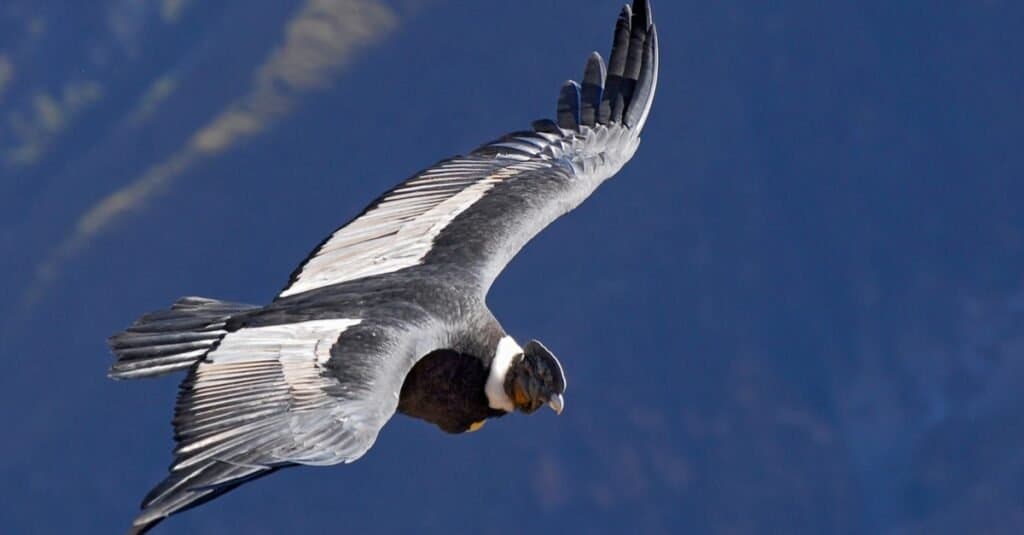
Condors are just a specification of two specific types of New World vultures, the Andean and California condor.
©Cezary Wojtkowski/Shutterstock.com
Vultures are a type of bird encompassing many different species. Condors are a species of vulture; the largest species of vulture, in fact. There are only two condor species in the world, one that lives in North America and one in South America.
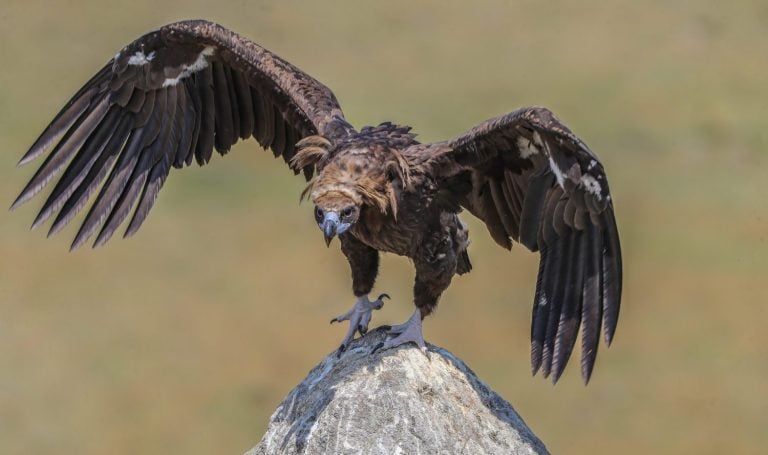
Understanding terminology is important here. There are a few terms that you need to know before you can understand the difference between all these names and designations. To start, the term “vulture” encompasses every Old and New World vulture species, including the condors. Old World vultures live in Africa, Europe, and Asia, while New World Vulture Species live in North and South America. Total, there are 23 species of vulture across the world, with 16 in the Old World and 7 in the New World.
Condors are a type of New World vulture. Of the 7 New World vultures, two are designated specifically as condors. Both of these condors live in the Americas. The distinction between Old and New World species lies in the two categories being a case of convergent evolution. Old World vultures likely came from a common ancestor with hawks and eagles. New World vultures (Cathartidae) were once thought to be related to storks due to DNA studies in the 1990s. However, modern molecular data place them closer to Accipitrimorphae.
The main difference between the two condors and the rest of the New World vultures is their size. Condors aren’t just large as far as vultures go; they are some of the largest flying birds on earth.
The different species of condor
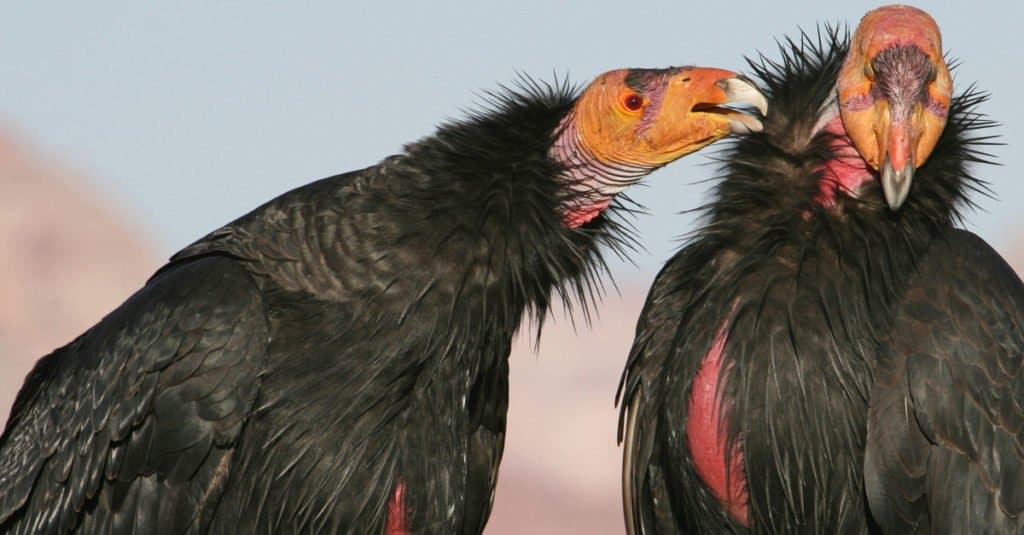
There are two species of condor, the Andean and California condor.
©MTKhaled mahmud/Shutterstock.com
There are two species of condor that live in the New World. They are both bigger than the other vultures but are still New World vultures themselves.
Andean condors are massive birds that live along the Andean Mountain range on the western coast of South America. They have the largest wingspans in the Western Hemisphere, topping out at 10.5 feet in some individuals, giving them the #2 or #3 position on the list of the world’s largest wingspans. They weigh up to 33 lbs, and in combination with their wingspan, they can soar for hours at a time looking for food. They live in high altitudes, eating larger carrion carcasses like alpacas, llama, and cows.
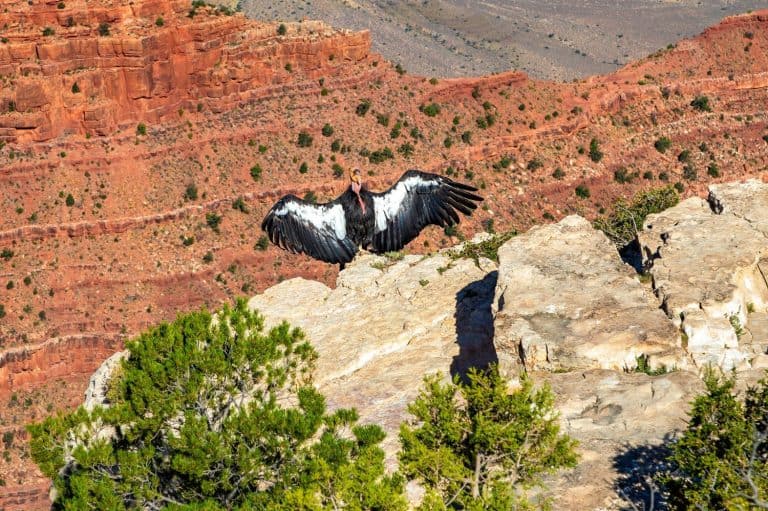
California condors are also large birds that are a part of the New World vulture family. They became extinct in the wild in 1987 when they were killed off and viewed as pests. Thankfully, wild specimens were captured and re-released later on, allowing them to become present in the wild again. They currently live in some locations in Arizona, Utah, California, and Baja, Mexico. They have a wingspan of 9.5 feet and weigh as much as 24 lbs. They are slightly smaller in height and wingspan than their Andean cousins. California condors eat large mammals, much like the Andean condor. Common foods include deer, goats, sheep, donkeys, and any other dead material they find.
The different species of New World vulture
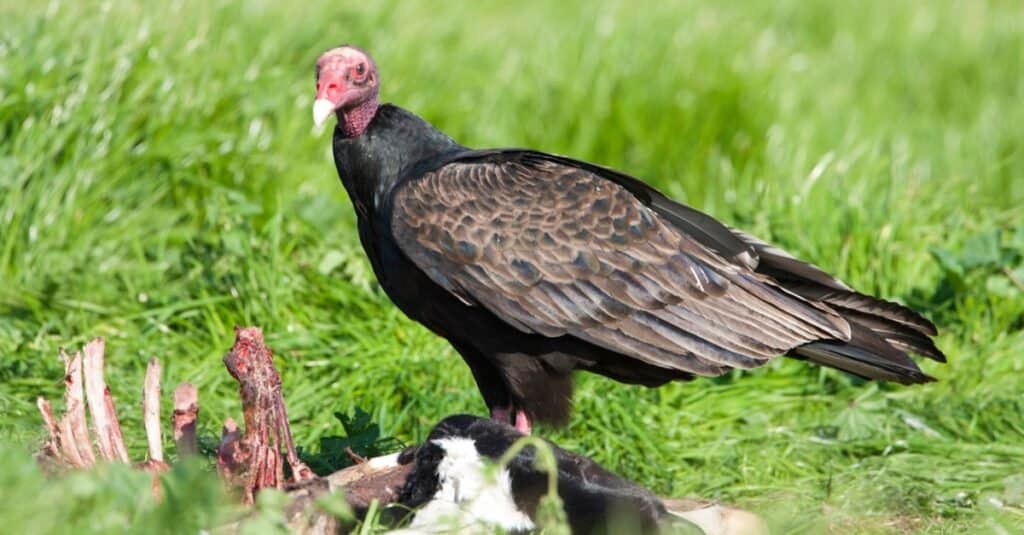
There are 7 different types of New World vultures in North and South America.
©Agami Photo Agency/Shutterstock.com
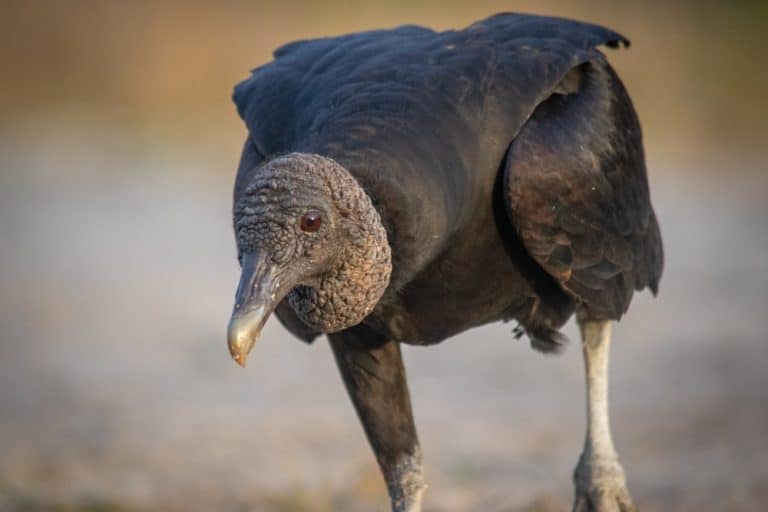
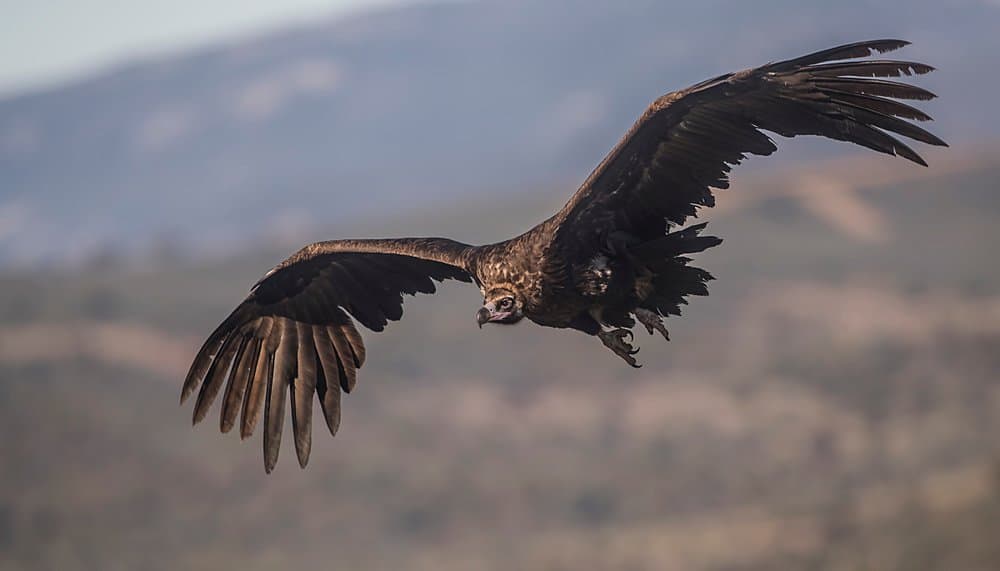
Black vultures live in North and South America and are mostly resident birds. They don’t make long migrations; they may shift locally with weather but aren’t known for true long-distance seasonal migration. They are commonly seen, and as their name suggests, they are black with featherless black heads. They have wingspans reaching lengths of 5 feet and can weigh as much as 4.3 lbs.
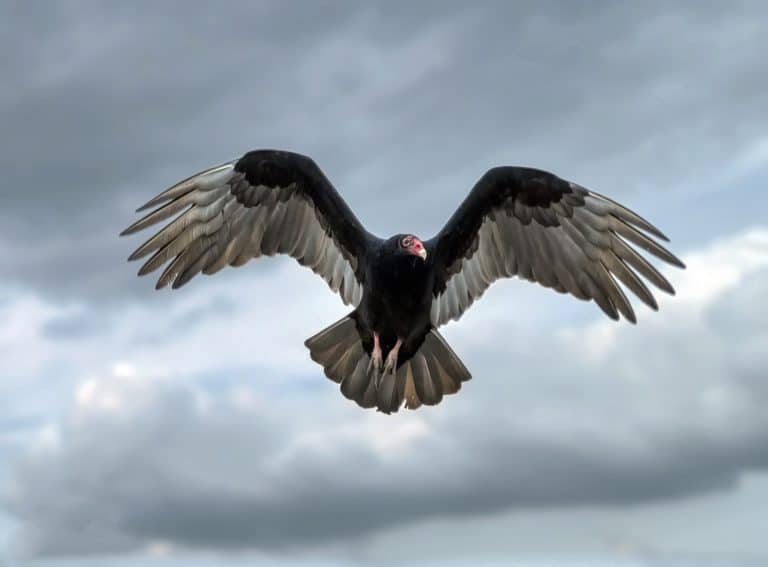
Turkey vultures have the widest range of any New World vulture. They have red heads and necks with dark brown feathers, hence their reference to turkeys. Their wingspans reach 6 feet long, and they can weigh as much as 3 lbs.
Yellow-headed vultures live in South America and are split into two distinct groups: lesser and greater yellow-headed vultures. They are the smallest of the New World vultures, and the smaller of the two generally have a wingspan of less than 5 feet. The larger of the two can have wingspans of up to 6 feet.
Finally, we have the king vulture. King vultures are white and black with brightly colored heads. Their heads are purple, red, blue, and orange, making them easily identifiable. King vultures are the largest New World vultures outside of the condors. They have wingspans that can reach 7 feet, and they weigh up to 10 lbs. They have strong beaks that the yellow-headed vultures rely on since they can rip open tough hide.
Where do vultures and condors live?
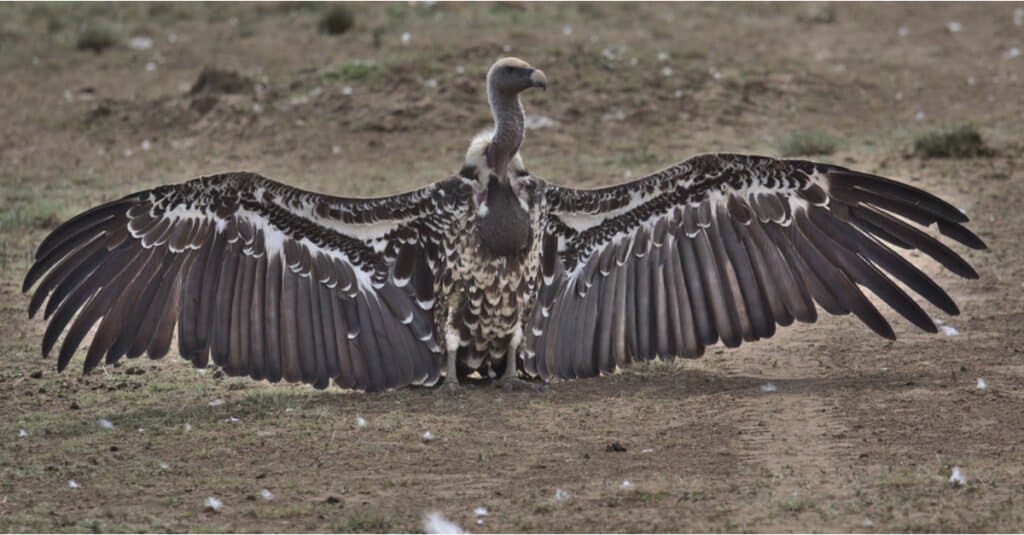
There are 7 species of vultures in North and South America and 16 species of vulture in Africa, Asia, and Europe.
©nshah86/Shutterstock.com
New World vultures and condors live in North and South America. Andean and California condors live along the Andean mountains and in the Southwest United States, respectively. Turkey vultures live in North America and most of the way through South America, stopping a bit short of the southern shore. Yellow-headed and king vultures share similar ranges, mostly living in South America down through Uruguay. Black vultures are mostly resident birds. They don’t make long migrations; they may shift locally with weather but aren’t known for true long-distance seasonal migration.
Old World vultures (of which there are 16) live in various locations across Europe, Africa, and Asia. The most commonly depicted Old World vulture is the white-backed vulture that lives in Africa. For reference, they are the ones seen in The Lion King when Simba is a cub.
Do vultures and condors eat carrion?
While condors are larger and resemble predators, they eat carrion, just like the other species of vultures across the world. Vultures eat carrion in various stages of decay, depending on the species. For example, black vultures often scavenge fresher kills and even attack live animals. All vultures have strong stomach acid and special gut biomes that allow them to eat and digest this material without any adverse effects.