
Quick Take
- The wildlife habitats scientists have long considered safest may actually be the most endangered, a finding whose explanation turns conventional wisdom upside down. See which biomes are truly at risk →
- When temperatures rise, most people assume wildlife simply moves to cooler areas. A surprising majority of at-risk species, however, are doing the opposite. Discover why species stay put →
- A new global study of 40,000 sites just changed which biomes deserve the most urgent protection, and the answer is neither the tropics nor the Arctic. Find out which biomes need protection →
Wildlife populations in places such as the Arctic are dwindling by the year, but new research sheds light on other biomes. The study was conducted by a research team led by Gopal Murali at the University of Arizona, which analyzed 40,000 locations worldwide. They found that extreme habitats are not the only ones experiencing significant wildlife losses.
Why Regions With Extreme Temperatures Are At Risk
Until recently, researchers believed that locations with extreme temperatures saw more biodiversity loss. This includes tropical regions, which are often affected by climate change. Here, plant and animal life is vulnerable to extreme temperatures, drought, and above-average precipitation, depending on the weather pattern.
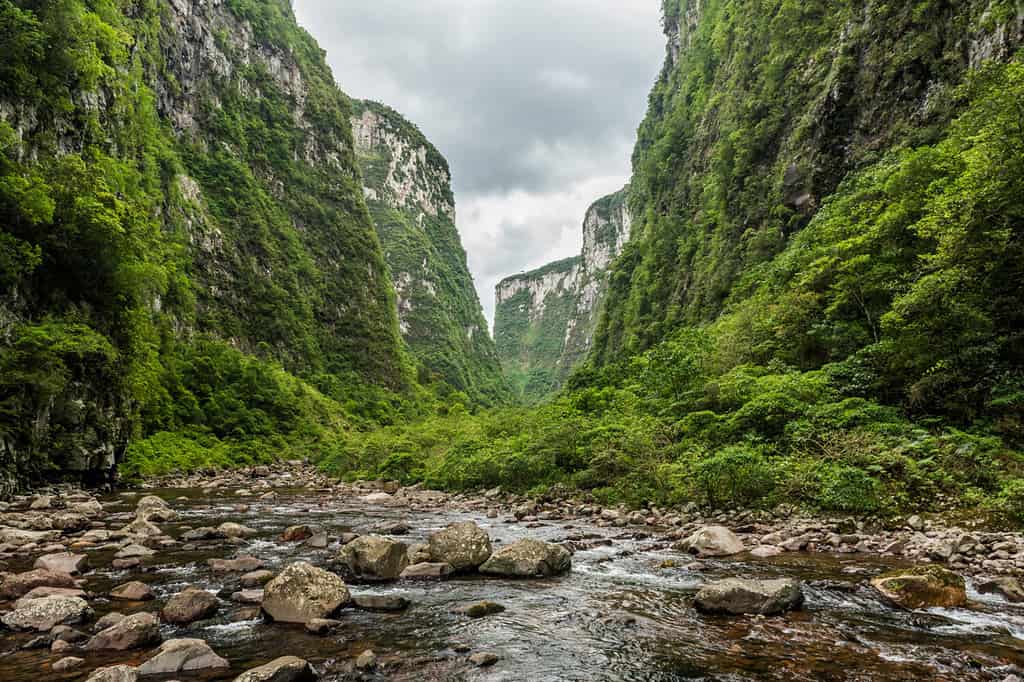
Great care is taken to protect the tropical flora and fauna in Aparados da Serra National Park, and only 1,500 visitors are allowed per day due to its vulnerable state.
©vitormarigo/Shutterstock.com
The animals within these biomes are genetically adapted to thrive in hot, humid climates. This also applies to marine life, which has its own set of conditions for survival. Because these needs are so specific, tropical biomes are typically some of the most at-risk locations in the world. They suffer from deforestation, pollution, and climate change, which adds to their vulnerability as native species.
This is also true of Arctic wildlife. With melting ice caps and disappearing sea ice, many species struggle to adapt. Similar to the tropics, there are few habitats they can migrate to that mimic the conditions they require. While these extreme habitats experience significant wildlife loss, the University of Arizona study suggests that temperate environments may actually be more vulnerable.
Temperate Biomes Face Higher Vulnerability Rates
The study analyzed 5,151 plant and animal species from nearly 40,000 sites to reach its conclusion. Of all the species studied, 49% belonged to temperate biomes. In comparison, approximately 33% belonged to tropical biomes. When rising global temperatures were taken into account, researchers found that temperate species were more prone to extinction than those in tropical habitats.
The theory behind this is that species in temperate environments have no way to cope with rising temperatures. These habitats are considered “neutral,” remaining within a certain temperature range. But as storms intensify and weather patterns change, these habitats become more unpredictable. As the planet warms, these species have nowhere to go and cannot adapt as quickly as those in tropical environments.
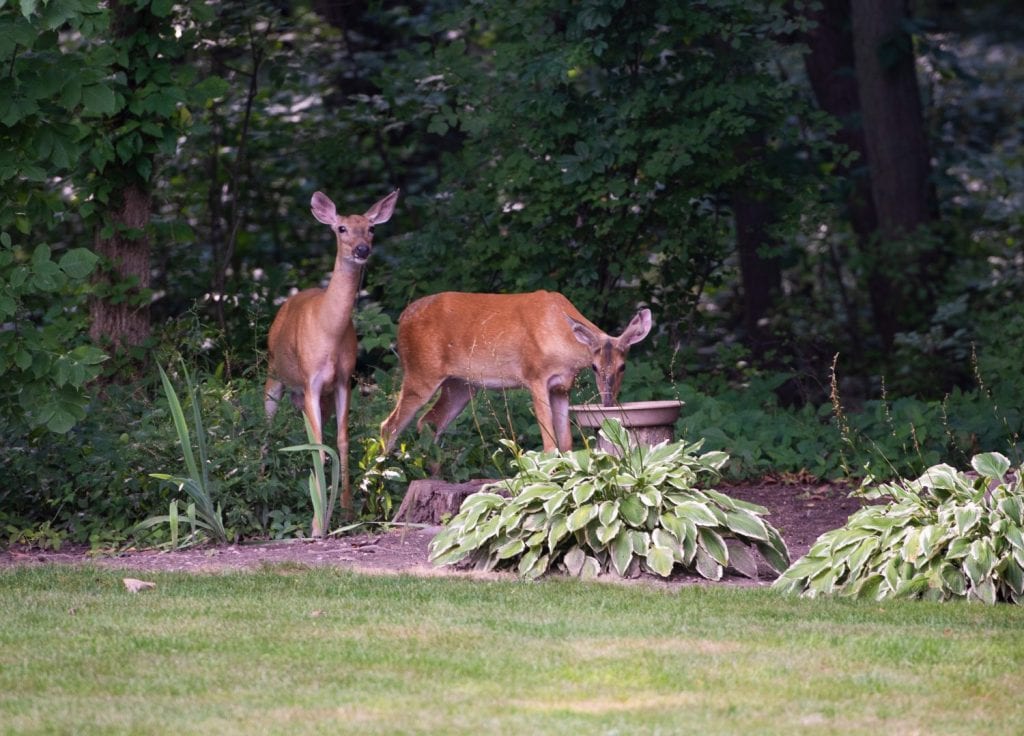
As humans encroach on temperate habitats, wildlife is often left with nowhere else to go, and no way to leave.
©Chris Converse/Shutterstock.com
It is also crucial to note that the researchers studied only local extinctions. This refers to a species that disappears from its native habitat but continues to exist in other areas. Animals native to temperate zones made up the majority of this percentage. This indicates that when an animal reaches its climate threshold, it ceases to exist in that part of the world. These species could not withstand extreme temperature swings, particularly in areas experiencing the greatest shifts due to climate change.
Some Species Have Nowhere Else to Go
Many people assume that at-risk species will migrate to cooler areas as temperatures rise. However, the study found that this rarely happens. The study found that more than 70% of the species analyzed remained where they were. This highlighted another significant issue affecting temperate species: infrastructure.
Humans happen to share many temperate habitats with vulnerable species. The difference is that when humans move in, buildings and construction soon follow. As this happens, more forests are cleared to make way for parking lots, resulting in habitat loss. However, that is not the only issue that new construction creates for at-risk species.
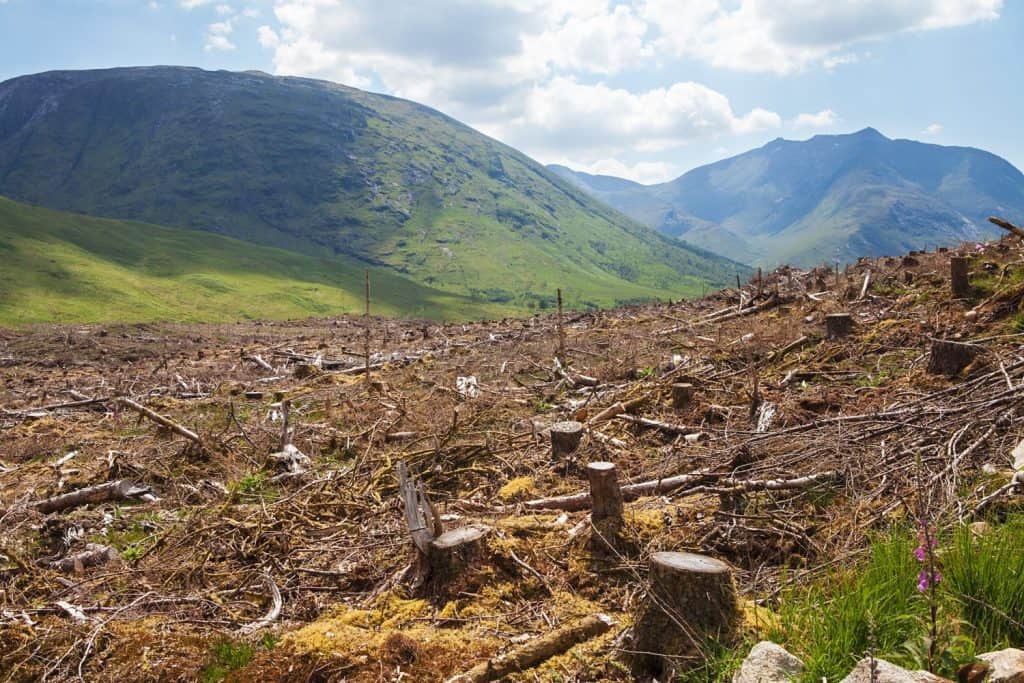
Some species face shrinking habitats, which essentially box them in, making them vulnerable as temperatures rise.
©Marten_House/Shutterstock.com
As buildings and roadways are constructed, natural corridors that animals use to migrate are often blocked. If an at-risk species tried to move to cooler ground, it would be unable to pass through a city or town. Even in rural locations, farms and agricultural land block the path to new habitats. This is especially complicated in mountainous or coastal regions, where waterways or lower passes are often blocked. As more people move in or tourism booms, these species remain trapped in an ever-changing climate.
The study highlights that temperate species may require increased conservation attention due to their higher rates of local extinction. As climate change continues to alter Earth’s landscape, these species are more vulnerable than ever before. According to researchers, this data is not only eye-opening but also serves as a warning. Current research aims to determine how quickly temperate species are affected, which species are able to adapt, and, most importantly, how to protect vulnerable habitats.