
Quick Take
- The dramatic Antarctic melt you see on the news is masking a quieter crisis beneath the surface, and scientists say this hidden crisis may be just as destructive. Discover the hidden crisis →
- A barely detectable drop in ocean saltiness shouldn't matter much, at least not to most observers. But one creature shows it can trigger irreversible physical collapse in minutes. See the saltiness experiment →
- One stressed crustacean in a remote Antarctic bay turns out to be a warning signal for global ocean circulation, and the chain of events that connects them is worth understanding. Trace the chain of consequences →
- Climate science has long fixated on rising temperatures, but researchers say that focus is causing us to overlook an equally lethal force reshaping the ocean. Explore the overlooked threat →
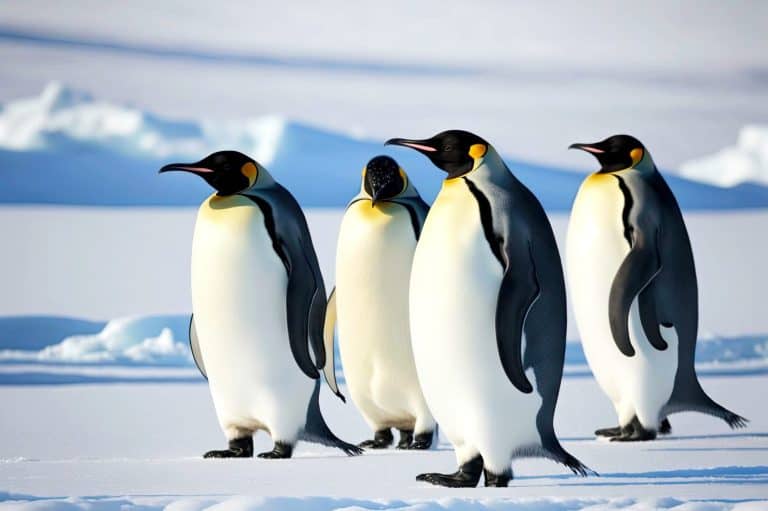
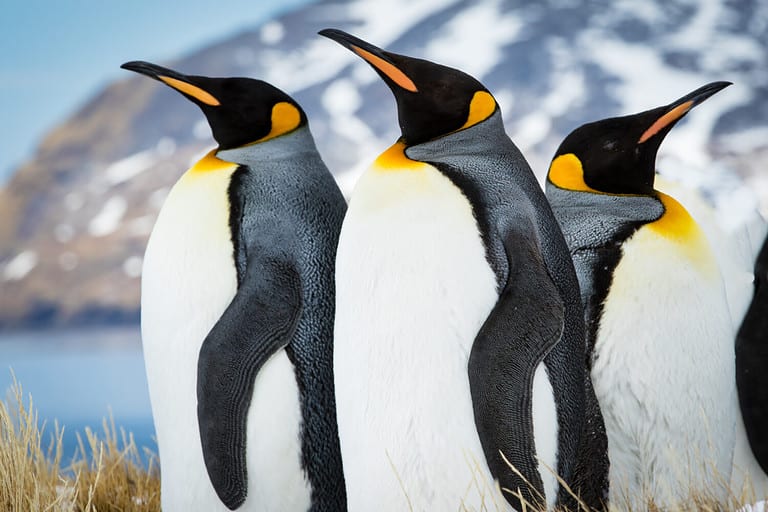
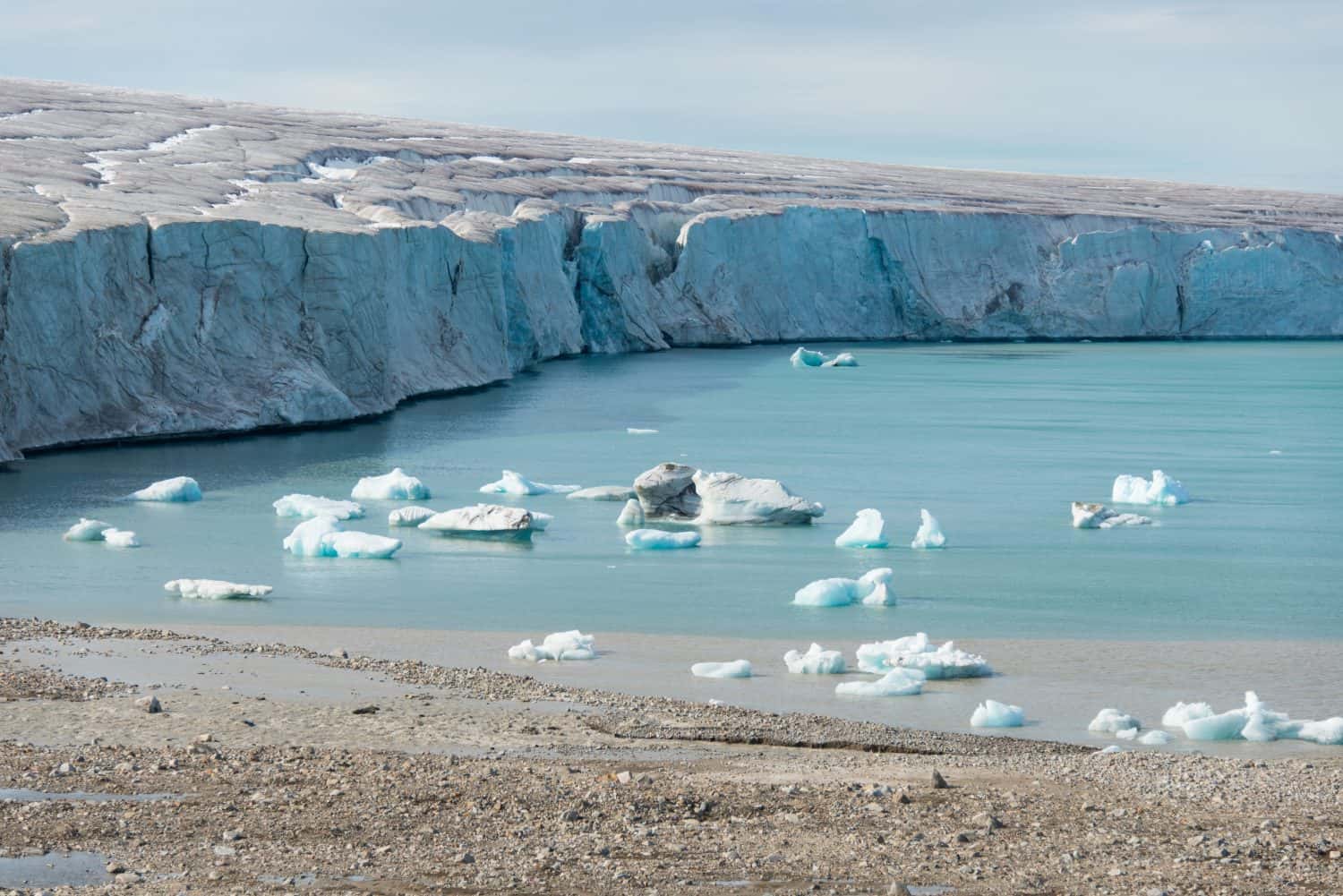
When we talk about climate change in Antarctica, the images that come to mind are almost universally dramatic: colossal icebergs shearing off ice shelves, melting glaciers, or displaced penguin colonies struggling to adapt to shifting pack ice.
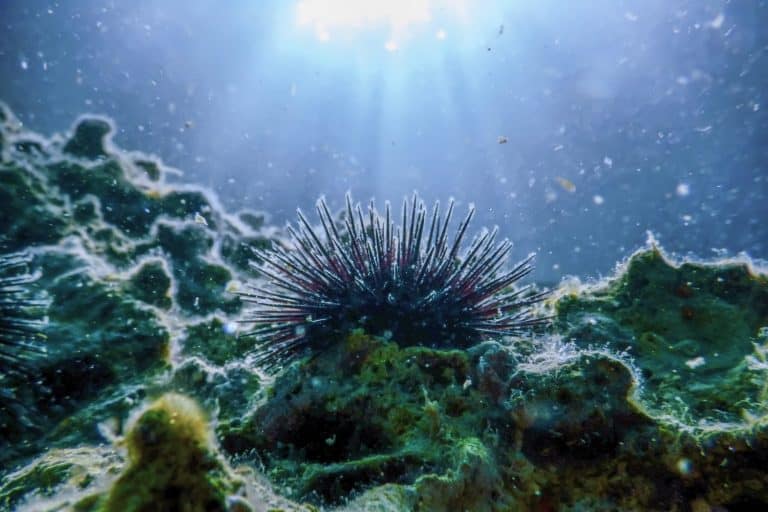
However, beneath the icy surface of the Southern Ocean, a quieter, microscopic crisis is unfolding.
Scientists call it coastal freshening, and a study published in Marine Environmental Research highlights just how destructive it can be. Conducted by researchers from the University of Plymouth and the British Antarctic Survey (BAS), the study reveals that even minor influxes of fresh water into coastal marine habitats can severely harm species that have spent millions of years adapting to stable, hyper-saline ocean conditions.
What is Coastal Freshening?
Antarctic marine life has evolved over millions of years in remarkably constant conditions. Unlike organisms in temperate zones, which regularly adapt to seasonal rainfall or estuary runoff, Antarctic sea life lives in salt water that barely fluctuates in chemical composition.
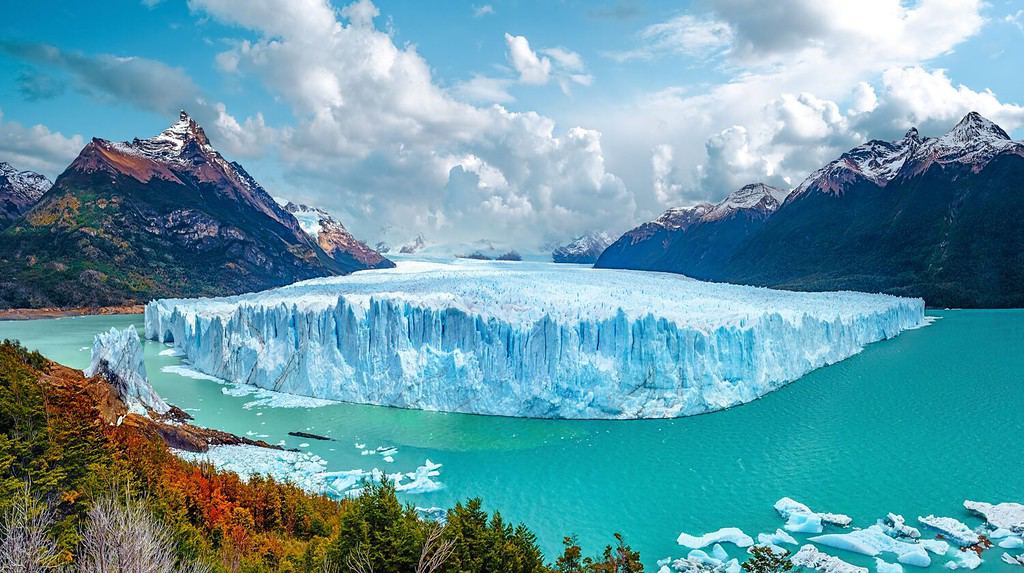
Glacier melt is one component of coastal freshening.
©NNER/Shutterstock.com
As global temperatures rise, Antarctica is experiencing accelerated glacier melt, increased rainfall, and localized extreme weather events. When massive volumes of fresh water pour into shallow bays, they dilute the surrounding seawater.
While a slight drop in salinity might sound harmless, to creatures built specifically for high-salt environments, it presents a severe physiological challenge.
The Case of the Giant Amphipod
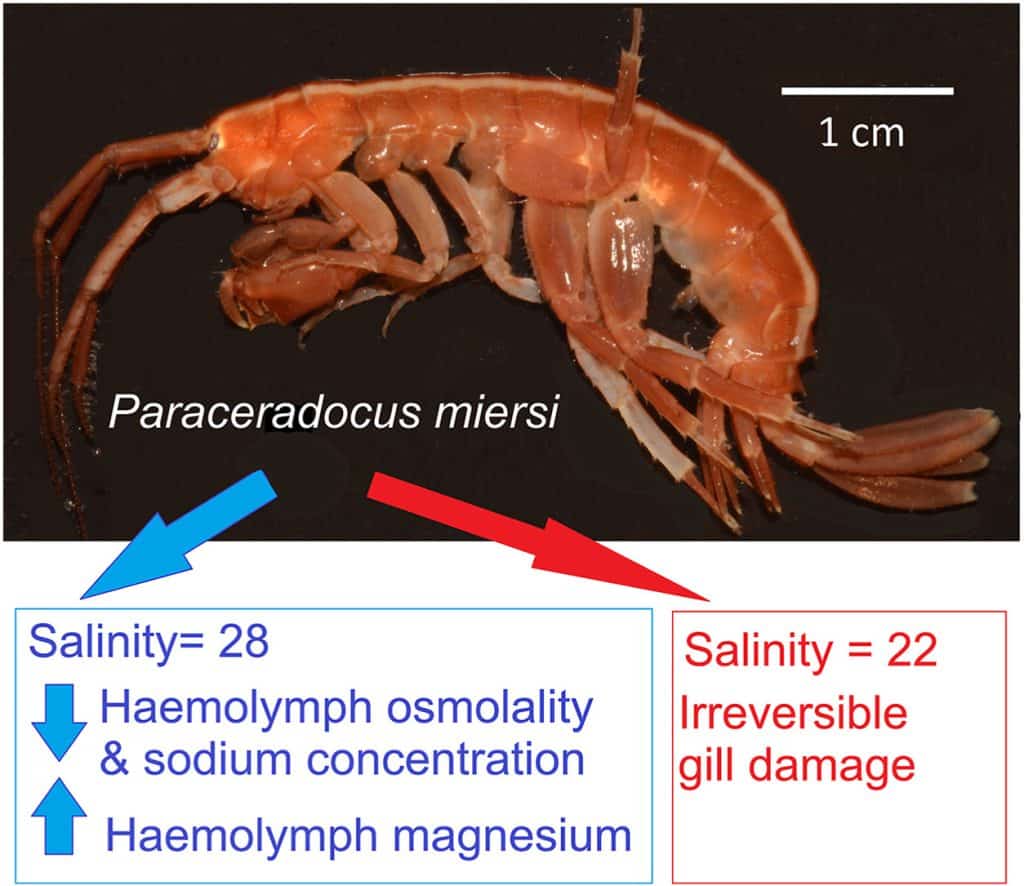
To understand how freshening impacts ocean life, the research team, led by Professor John Spicer, a marine zoologist with nearly 40 years of experience studying climate impacts, focused on Paraceradocus miersi.
These giant amphipods are distant, oversized relatives of the common sandhoppers found on temperate beaches. Thriving in shallow coastal waters around Antarctica, they play an essential role in the seabed ecosystem.
During field research at the Rothera Research Station on the Antarctic Peninsula following a severe freshening event, scientists observed how these amphipods reacted when exposed to diluted seawater.
The physiological breakdown occurred in a few key steps:
- Osmotic Stress: The amphipods’ body fluids are naturally tuned to match the salt concentration of seawater. When the surrounding water becomes less salty, water rushes into their cells via osmosis while vital salts leak out.
- Selective Ion Loss: While the amphipods managed to regulate specific critical ions like calcium, they could not maintain their overall electrolyte balance.
- Physical Damage: The rapid fluid uptake and salt loss caused cellular swelling, leading to direct physical damage to their delicate gill tissues.
©Marine Environmental Research
Even fractional drops in salinity caused structural gill damage and severe stress, conditions that likely caused significant mortality events during extreme freshwater influxes.
Why Small Disruptions Matter to the Planet
It is easy to view a stressed crustacean in a remote Antarctic bay as a isolated incident, but polar marine ecosystems are tightly interconnected.
Dr. Simon Morley, an ecophysiologist with the British Antarctic Survey and co-author of the study, noted that melting ice is driving the strongest climate change signal in Antarctic waters. When key seabed invertebrates like amphipods suffer, the effects ripple outward. For example:
- Food Web Disruption: Amphipods act as critical scavengers and a vital food source for fish, birds, and larger marine predators.
- Seabed Dynamics: Invertebrates turn over sediment, recycle nutrients, and keep the seabed healthy. Reductions in their populations reshape entire seafloor communities.
- Global Ocean Circulation: Polar oceans drive the global conveyor belt of ocean currents. Altering salinity levels in key Antarctic coastal zones carries long-term implications for oceanic circulation worldwide.
As Professor Spicer explains, “Damaging the Antarctic damages us all.”
Looking Ahead
This research underscores the fact that temperature is only half the story. While rising water temperatures receive most of the attention, changes in ocean chemistry, such as salinity dilution and acidification, can be just as lethal to specialized species. As climate change increases meltwater runoff, coastal freshening events will likely become more frequent and severe, putting vulnerable species near their physiological limits.
Understanding these microscopic mechanisms helps scientists build accurate predictive models for how marine biodiversity will shift in the coming decades and explains why protecting polar ecosystems remains essential for maintaining global climate stability.