
Quick Take
- Birds can fly away from flames, so it raises a question: why are bird populations collapsing in regions where wildfires never even touched? See how smoke travels far →
- Two specific ecosystems leave birds almost no escape from wildfire smoke, and one of them might surprise you. Discover the vulnerable regions →
- Bird diversity can bounce back after smoke exposure, but this outcome depends on one critical condition being met. Find out when birds recover →
- Post-wildfire conservation plans are missing a major threat to birds that has nothing to do with the fire itself. See the missing conservation gap →
Wildfire destruction can be seen in real time. As forests are reduced to barren wastelands and animals flee their homes, we feel sorrow for nature in what is often a large-scale loss.
However, wildfires are not the only thing that wreaks havoc on habitats. Wildfire smoke is equally damaging, especially to bird populations. Wildfire smoke is reducing bird diversity across America, and the problem is growing as the number and size of wildfires increase each year.
Continue reading
Bird Biodiversity Decreases in Regions Exposed to Wildfire Smoke
Wildfires can devastate ecosystems. Animals that live there flee to survive, but many cannot return because they have lost resources and proper shelter. It is not only the flames that keep animals from their habitats. Smoke can also make an environment uninhabitable for some.
According to a new study published in the Journal of Environmental Economics and Management, birds are highly affected by wildfire smoke. Fine particulates can irritate birds’ respiratory system and may impair immune function. This makes them more susceptible to disease.
Researchers found that smoke affecting birds does not have to come from a nearby wildfire. Instead, it can come from miles away and still negatively affect the birds.
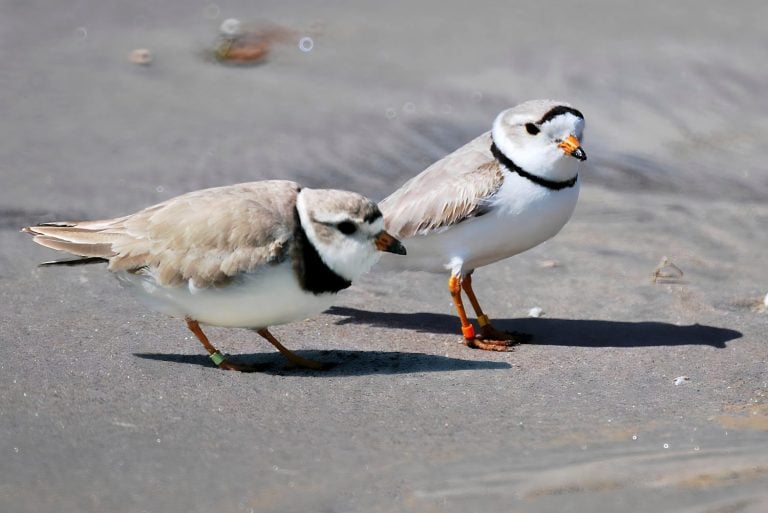
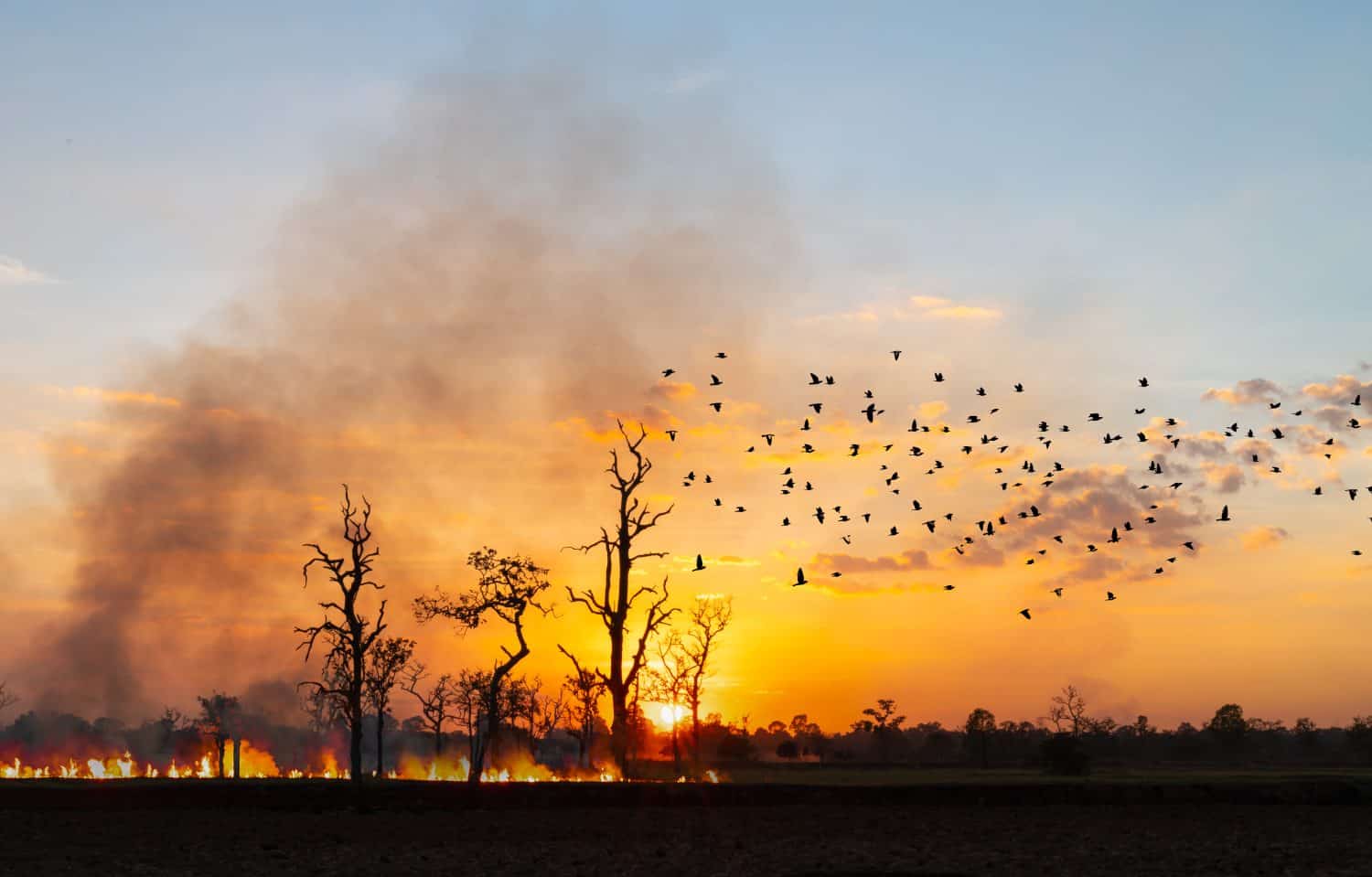
Wildfire smoke prevents some bird species from returning to their breeding grounds the following year.
©Photobox.ks/Shutterstock.com
Beyond respiratory problems, the study found that smoke affects bird diversity: in years when birds were exposed to wildfire smoke, fewer bird species returned to breed the following year. There was an average 3% decline in species diversity—roughly one to two fewer species on a route where 55 species were typically recorded.
According to Sarah Meier, an environmental economist at ETH Zurich and the study’s first author, there was fear that no measurable difference would be seen along typical bird routes.
“The effect isn’t huge, but it is measurable,” Meier stated in a press release. “And we never know which species will disappear and which of these are particularly important for an ecosystem. Therefore, even a small decline can, in the worst-case scenario, cause an ecosystem to become unbalanced.”
How Researchers Determined Wildfire Smoke Was the Culprit
Wildfires were once thought to be the only cause of population disruption in the habitats they directly destroyed. As the study points out, smoke is equally devastating.
Researchers combed through data from the North American Bird Breeding Survey from 2008 to 2022. The data came from 2,800 bird routes, each about 25 miles long. Within those routes, volunteers noted species at 50 fixed locations, whether observed or heard.
In total, researchers identified approximately 700 bird species based on 23,917 recorded observations.
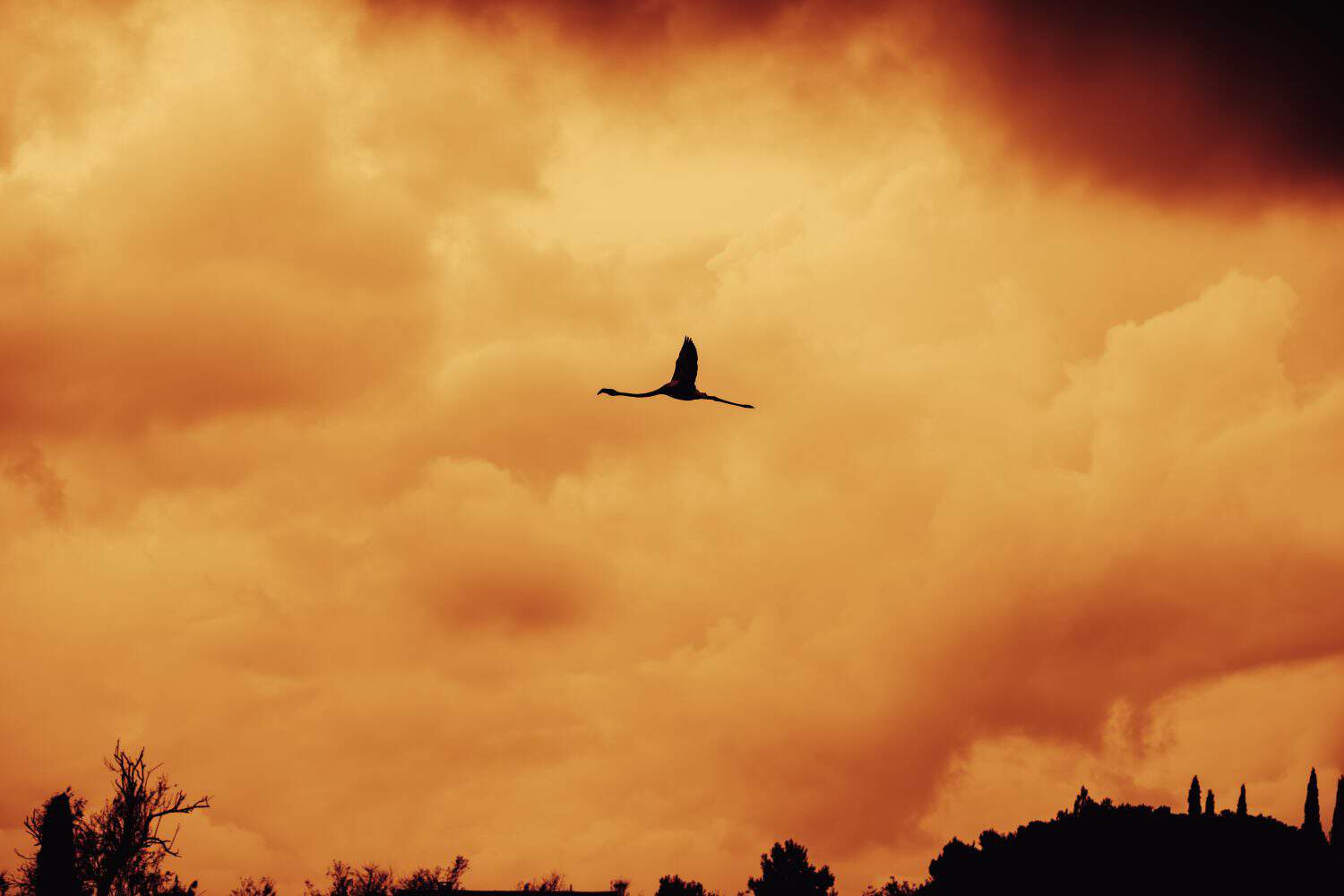
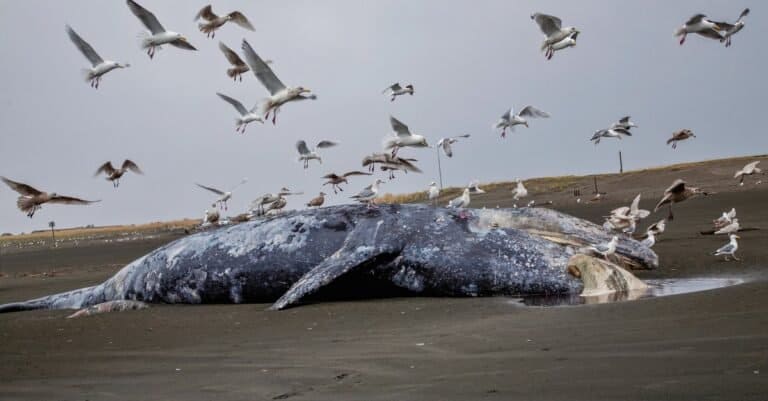
Researchers used data from the North American Bird Breeding Survey to draw conclusions.
©Bruno M Photographie/Shutterstock.com
Researchers compared these regions with the PM2.5 data noted from wildfires in and around the birds’ habitats. These data measure small smoke particles in the air that harm birds’ respiratory systems. This is how researchers found lower bird diversity during the breeding season after thick wildfire smoke affected a region.
More troubling still, diversity suffered in regions unaffected by wildfires. Because smoke can travel hundreds of miles, researchers noted that wildfire destruction was not limited to habitat loss. Poor air quality from smoke particulates is equally devastating for avian populations and diversity.
Is the Lack of Bird Biodiversity Permanent?
The loss of bird biodiversity that a region experiences after wildfire smoke blankets it is usually not long-term. According to the study, as long as air quality can return to its pre-wildfire smoke state, birds have the opportunity to rebound.
That said, there are some short-term losses. The breeding season immediately after smoke exposure tends not to yield as many hatchlings and fledglings. Therefore, birds born after wildfire smoke exposure will be fewer in number than their parents.
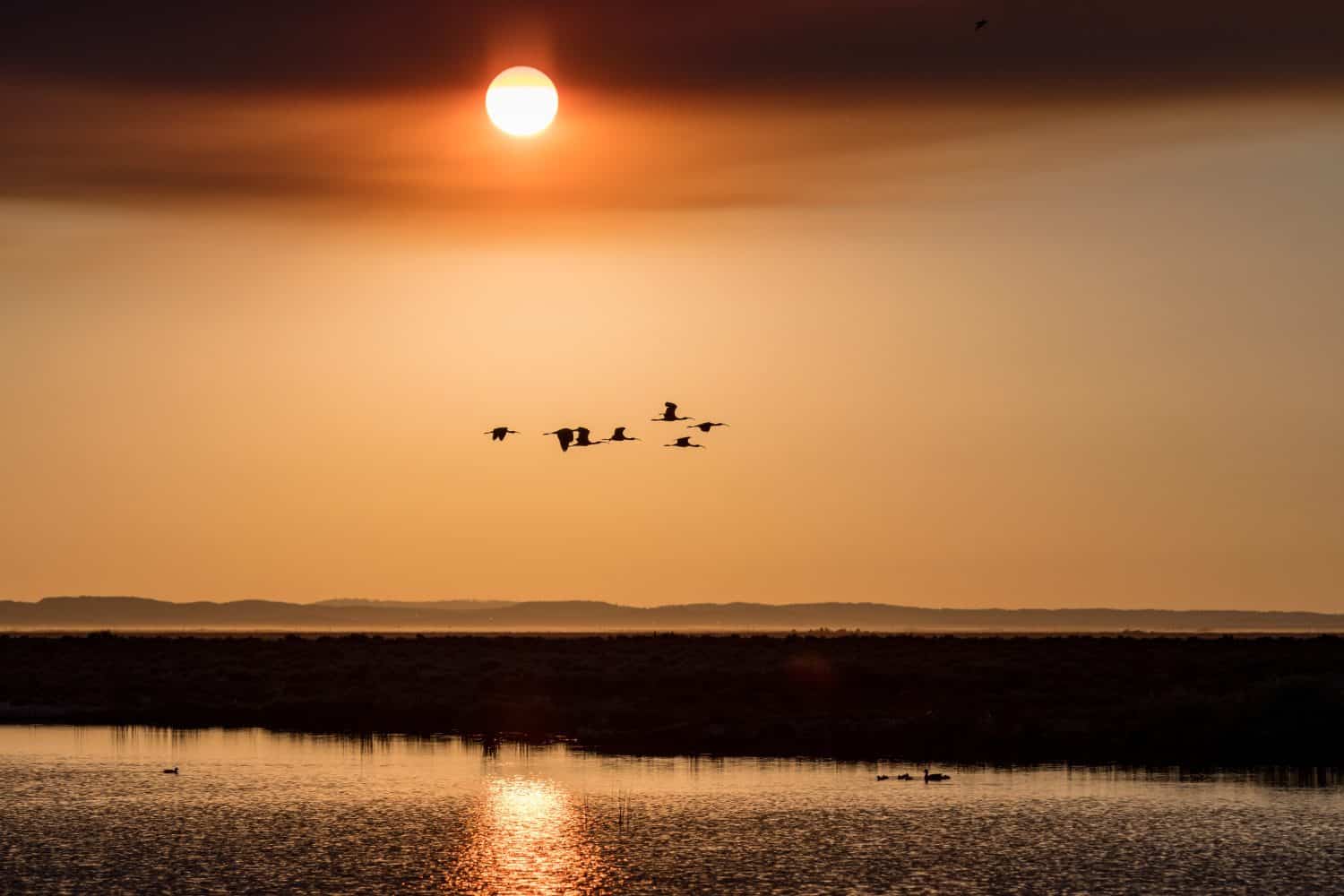
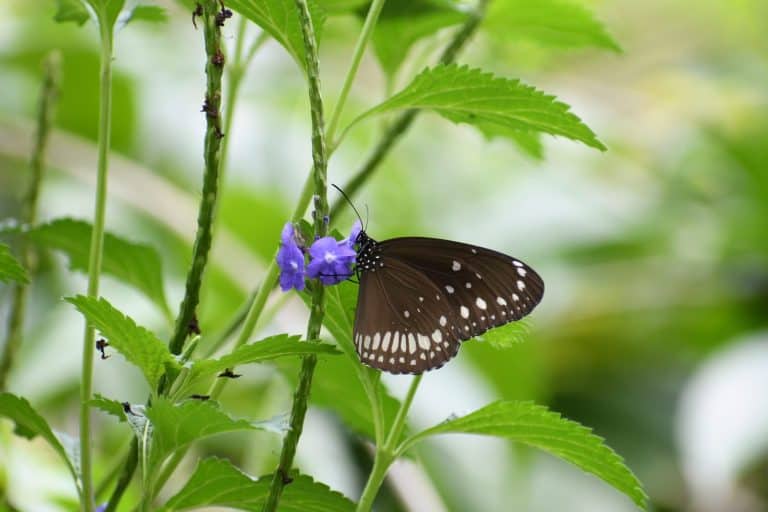
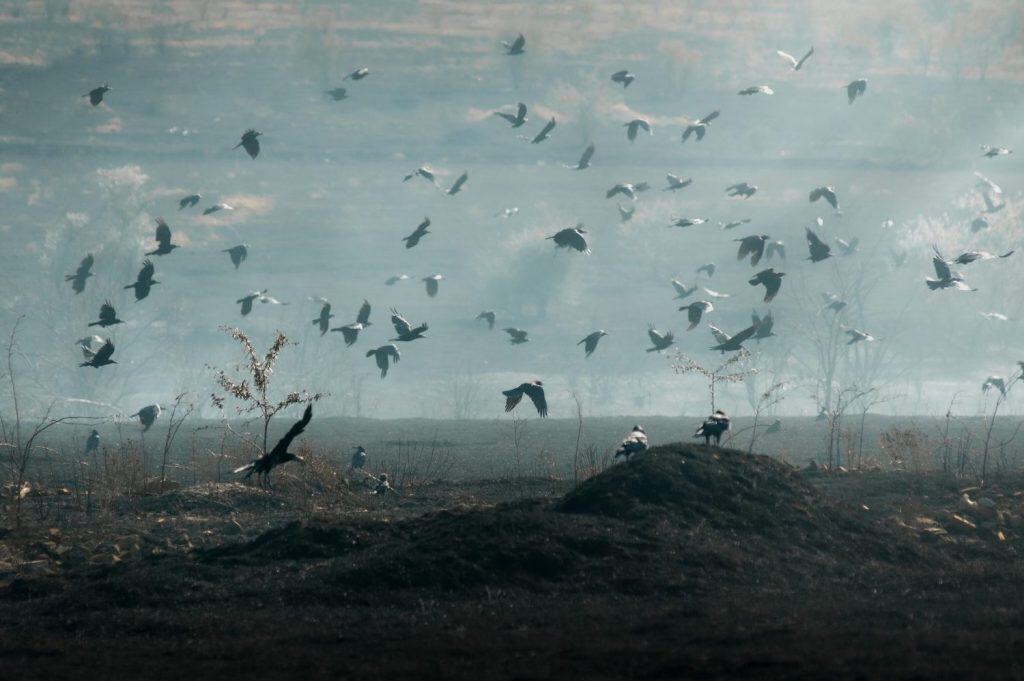
Birds affected by wildfire smoke one season can bounce back the next.
©Bandersnatch/Shutterstock.com
However, birds’ resilience has limits. If wildfire smoke is present in a bird’s native habitat for several years, multiple generations of birds will be affected. As each generation produces fewer offspring, the population declines rapidly. Those born tend not to be as healthy because of a lack of resources. This creates a snowball effect in which increasingly less-hardy birds make up the population, potentially putting the species’ overall survival at risk.
Smoke Affects Birds in Some Regions More Than Others
The desert and eastern temperate forests could not be more different. However, birds that live in both regions are more affected by wildfire smoke than those that call somewhere else home. Consequently, when wildfires strike and smoke fills the atmosphere, these birds may need more help than others to restore biodiversity after wildfires.
According to the study, birds living in the desert already face stress from food shortages, lack of water, and heat. Despite this, these birds have learned to thrive in a very limited ecosystem. When wildfire smoke pushes birds out of their desert habitats, they have few places to escape to. This makes it difficult for desert dwellers to find habitats with clean air.
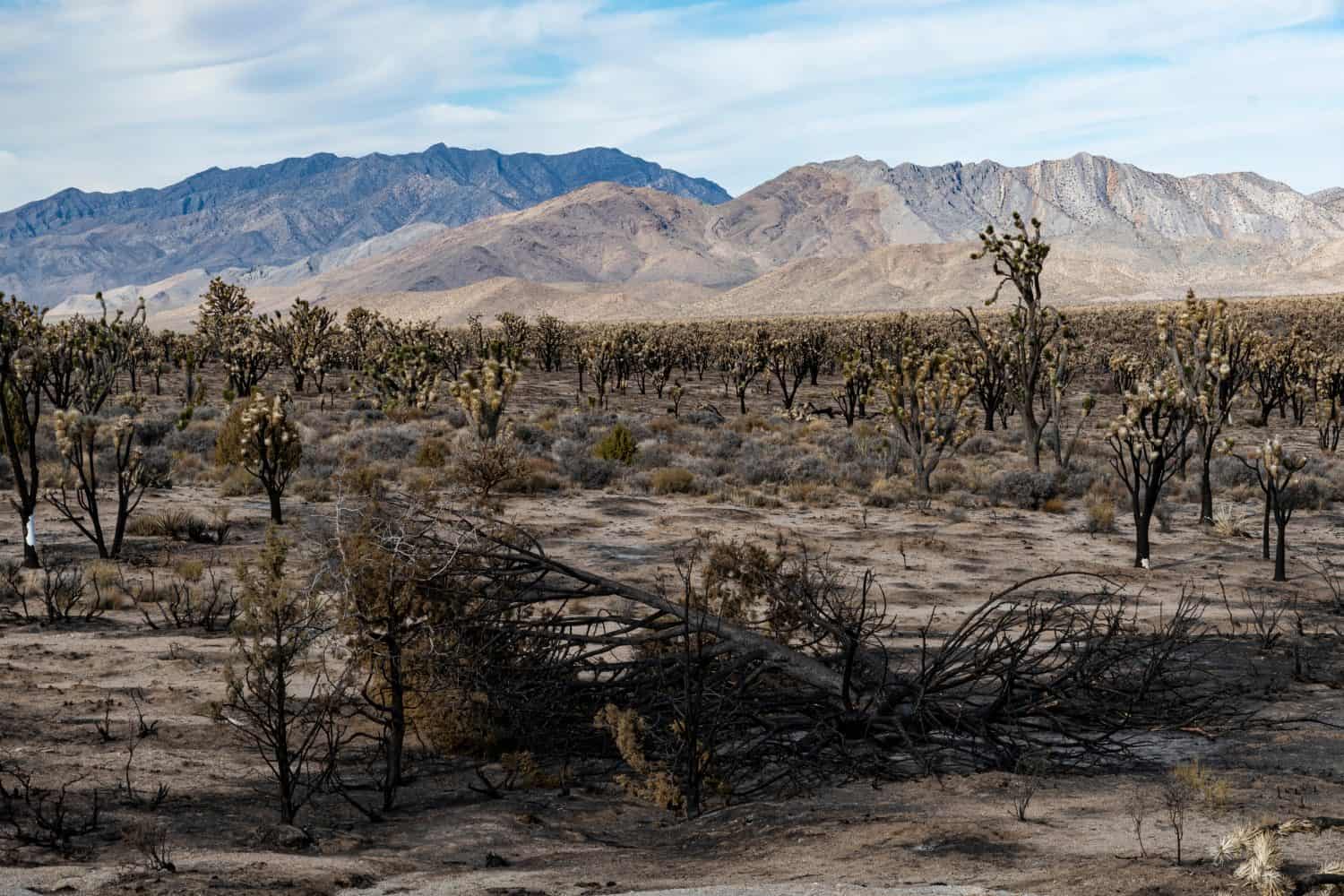
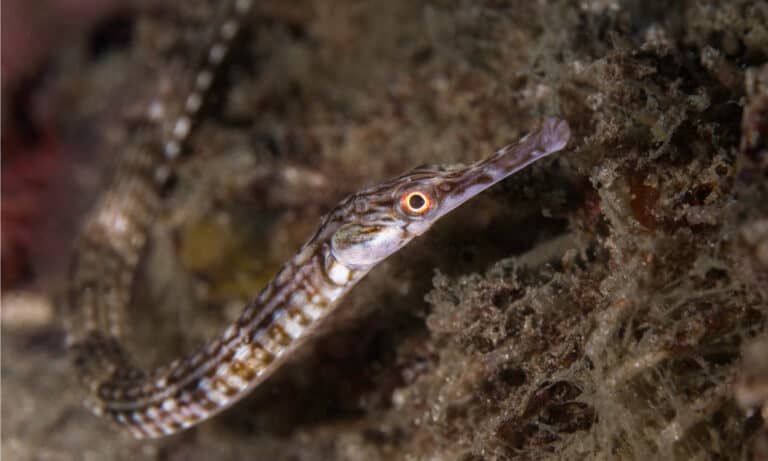
Fires in desert landscapes and eastern temperate forests can be more devastating for birds than in other regions.
©Valerii Tereshchenko/Shutterstock.com
Birds in eastern temperate forests are there to breed and build fat reserves. When smoke infiltrates these habitats, birds that migrated there for very specific nesting needs cannot escape it. This becomes especially problematic because insect species dwindle in regions heavily affected by smoke. As a result, the birds become sick from smoke inhalation, and smoke exposure may reduce breeding success and the likelihood of producing healthy offspring.
Additionally, birds that migrate through the eastern temperate forests become stressed. Not only is there not enough food to sustain them, but their navigation can also suffer. This can lead to fewer birds surviving migration, leading to fewer next-generation birds hatching.
Post-Wildfire Conservation Should Include Birds’ Exposure to Smoke
Bird populations clearly suffer in the short term from wildfire smoke exposure, yet post-wildfire conservation and forest management planners typically do not account for it.
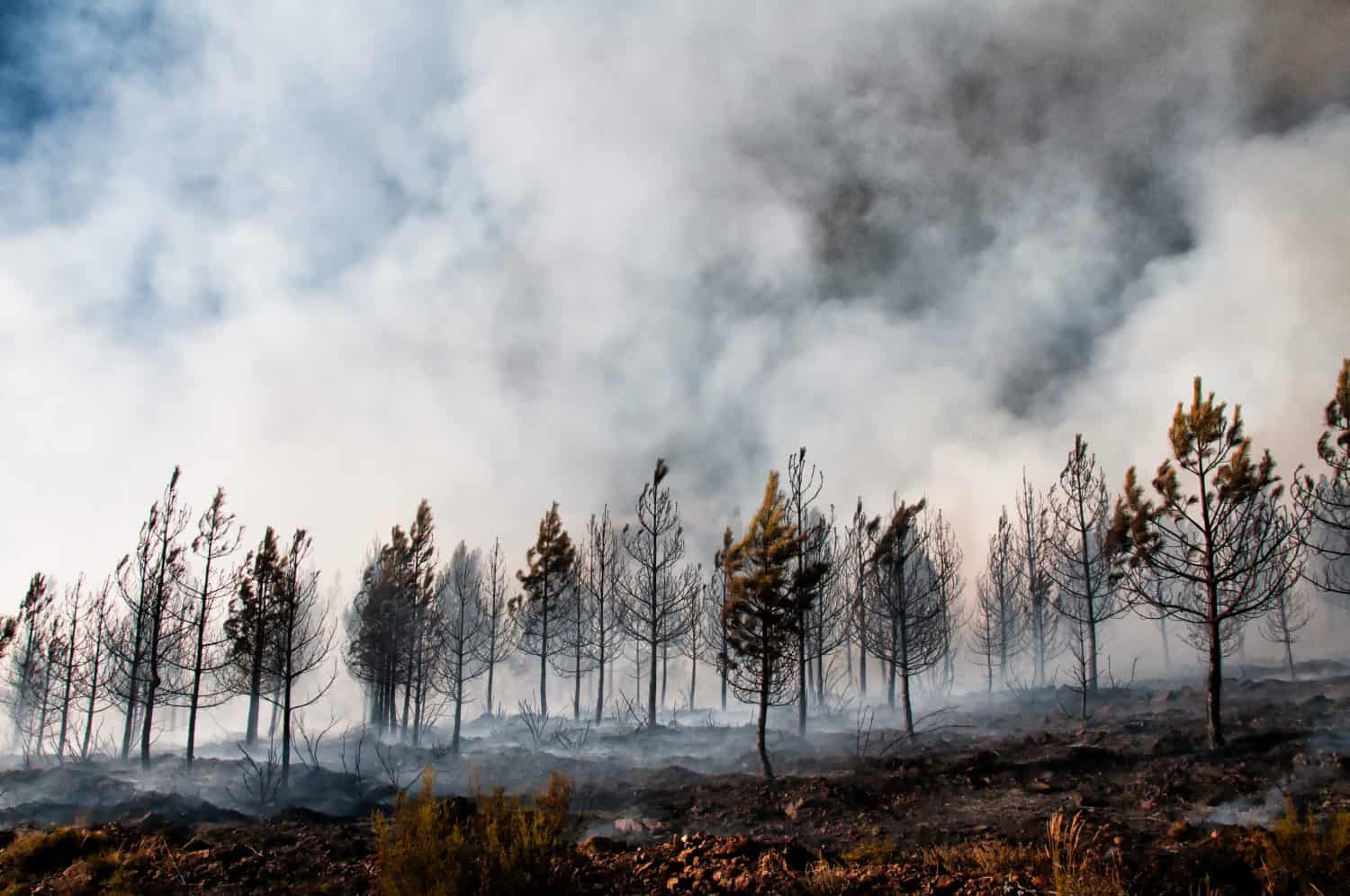
Conserving bird populations means having them protected both before and after fires break out.
©Ourigo/Shutterstock.com
Ways that birds can be better protected from smoke both before and after wildfires include:
- Low-intensity controlled burns keep smoke to a minimum, helping to ensure a massive wildfire does not break out
- Keeping development to a minimum in and around zones considered “high risk” for birds
- Ensure that birds in burned and smoky areas have access to water to drink, bathe, and clean their feathers
- Provide seeds, berries, insects, and other locally appropriate foods in areas previously blanketed in smoke to make it easier for birds to forage, promoting a return to their habitats
- Ensure there are land corridors between burned and smoky areas and areas untouched by wildfire
Because birds can fly out of wildfires, many assume they are less affected than land-dwelling animals. However, as the study notes, smoke contributes to everything from respiratory problems to behavioral changes in birds. These factors then lead to lower biodiversity in a region. To prevent this, conservation efforts need to prioritize birds, regardless of species or size. A region’s biodiversity depends on it.