
Quick Take
- The reason parent birds keep feeding their chicks plastic even when prey is available is stranger and more troubling than you'd expect. See why parents keep feeding plastic →
- Chicks that successfully leave the nest are being called 'the walking dead,' a label that redefines what a healthy breeding season actually looks like. Understand the 'walking dead' label →
- Plastic isn't just weakening these birds physically. It's also altering their brains in a way that makes them vanish permanently. See how plastic alters bird brains →
- Cleaning up the ocean may be a dead end unless a more upstream problem is solved first. Explore upstream solutions →
Over the last decade, the population of sable shearwaters off the coast of Australia is estimated to have declined by 50%. Seabird population losses are being driven by chicks eating plastic. With plastic consumption doubling in just one year for this sable shearwater population, it is unclear whether this breeding colony can survive.
Continue reading
Sable Shearwater Population Is Declining After Chicks Were Fed Plastic
Lord Howe Island, located off the coast of Australia, is home to one of the largest breeding locations for sable shearwaters. However, in 2025, CNN reported that researchers called these birds one of the most plastic-polluted species. This resulted from dozens of pieces of plastic being found in the bodies of fledglings that were too weak to survive.
According to a new study published in Proceedings of the National Academy of Sciences, the description of the birds being polluted by plastic is spot on. From their first feedings, sable shearwater chicks consume large amounts of plastic, which contributes to the decline of their population.
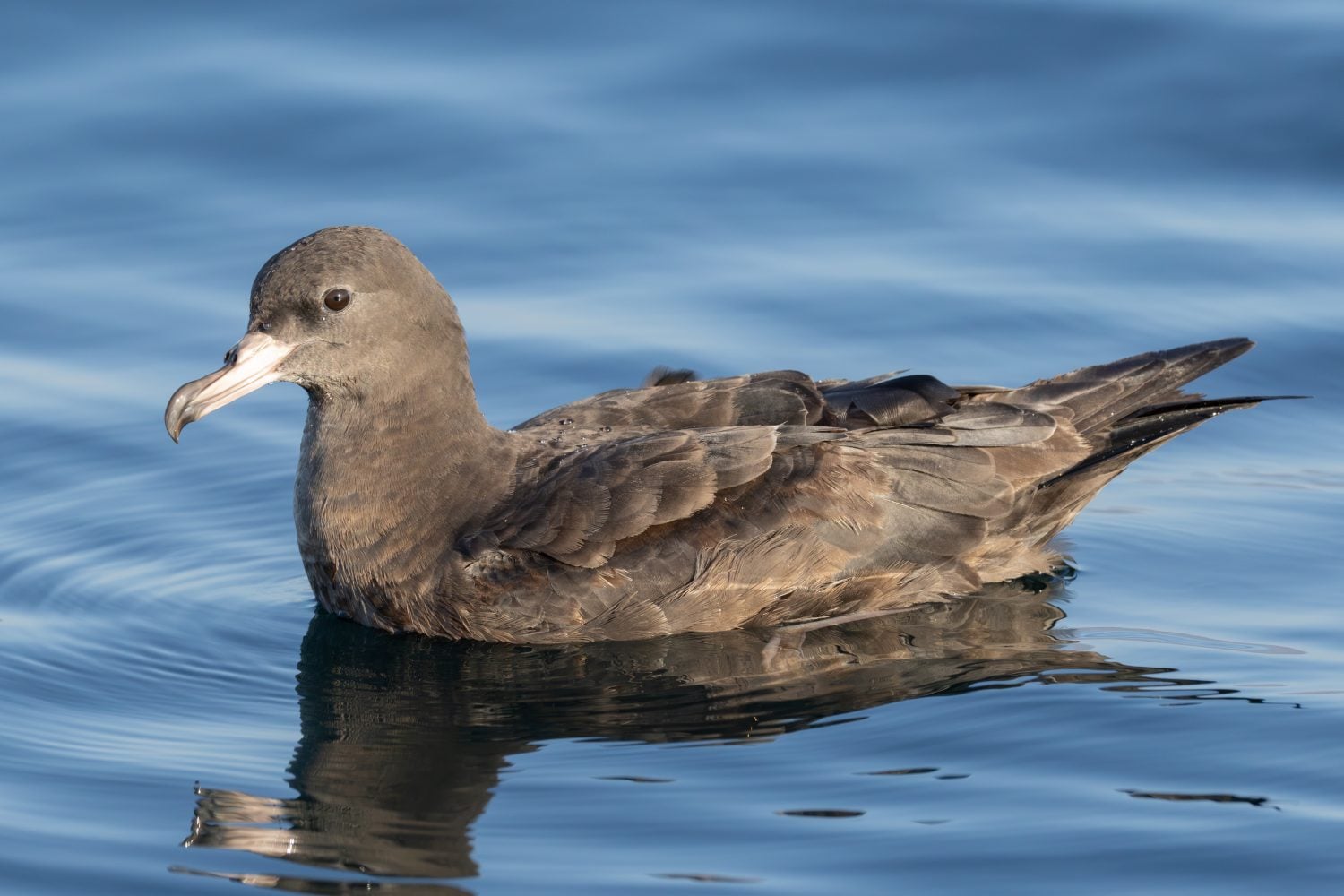
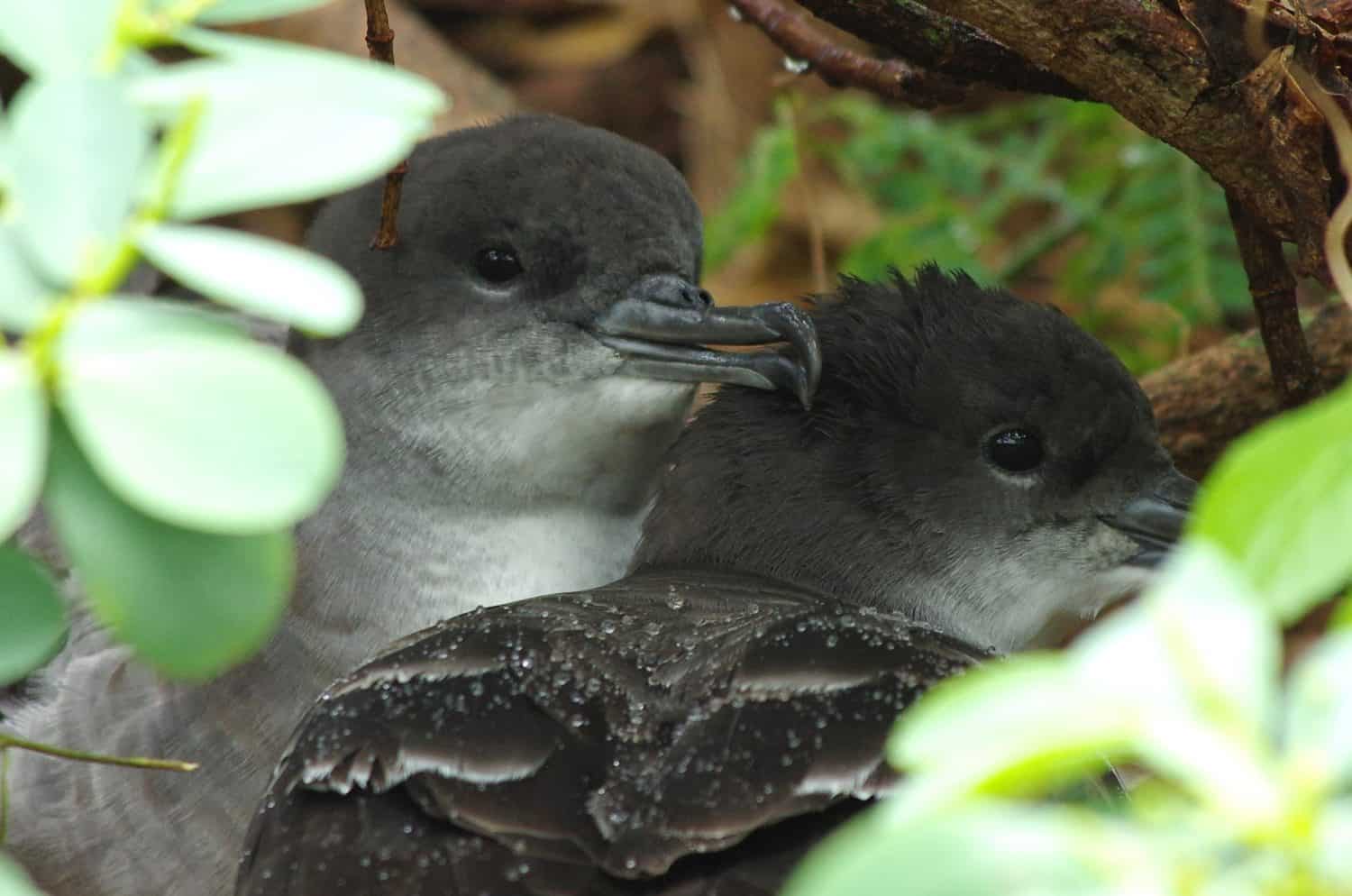
Sable shearwaters, similar to this flesh-footed shearwater, are declining due to plastic consumption as chicks.
©Jukka Jantunen/Shutterstock.com
Researchers determined how harmful plastic consumption was to sable shearwater chicks after 15 years of observation. The chicks are fed plastic by their parents, either because the plastic smells like prey or because their prey has already consumed plastic. If the chicks ingest too much plastic, they will not survive. They become underweight and develop physiological problems.
This lower survival rate impacts not only the individual chicks but also the long-term survival of the sable shearwater population. Fewer chicks that return to breeding grounds mean fewer breeding pairs. Over time, this could lead to the decimation of the Lord Howe Island sable shearwaters.
Effects of Plastic on Sable Shearwaters
Initially, the impact of plastic being fed to sable shearwaters on Lord Howe Island did not seem devastating, as chicks continued to fledge successfully each year. However, after 15 years of observation, it has become clear that plastics are harming the population. The result is a slow decline of this particular population of sable shearwaters.
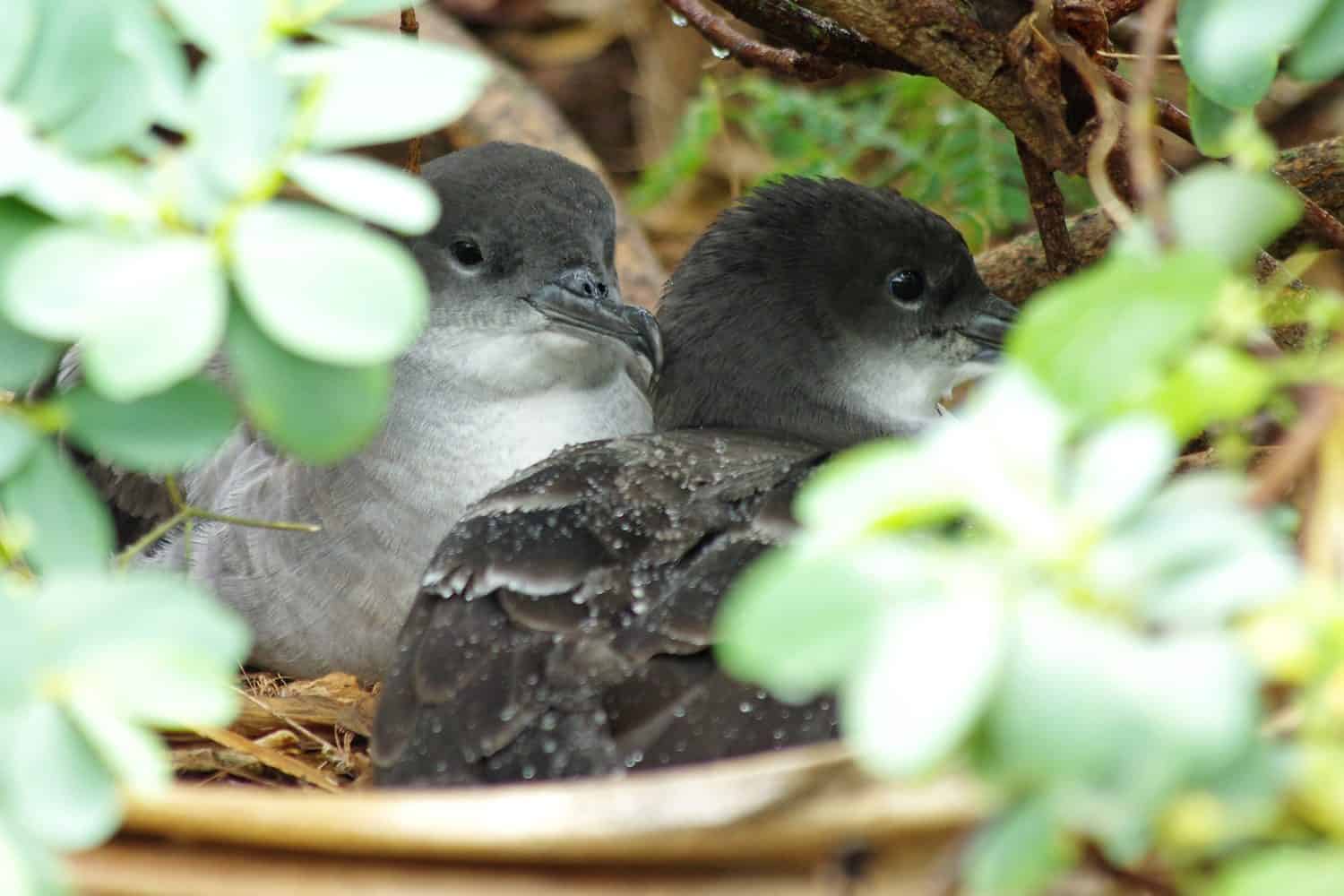
Sable shearwaters, similar to these Newell’s shearwaters, are developing plasticosis and dementia from plastic ingestion.
©FrankShirley/Shutterstock.com
According to the study, one of the main contributors to population decline is plasticosis. Plasticosis is a condition in which animals that consume or inhale plastic develop chronic inflammation in their bodies. The inflammation can lead to tissue scarring and eventual death.
Another major contributor is memory loss, similar to dementia. Chemicals in the ingested plastics cause physiological changes and brain damage. As a result, fledglings that leave Lord Howe Island forget how to return to their breeding grounds, become lost at sea, and are never seen again.
Chicks Fed Only a Small Amount of Plastic Are Labeled “The Walking Dead”
Because sable shearwater chicks are fed plastic, even a small amount can render them “the walking dead.” These chicks may fledge successfully but die within days or weeks of leaving the nest.
The study found that even small amounts of plastic fed to chicks can severely reduce their ability to return to breeding grounds. Just 0.02 ounces of plastic lowers the return rate by 12%. Since 20% of chicks have 0.04 ounces of plastic in their bodies, the overall return rate declines each year.
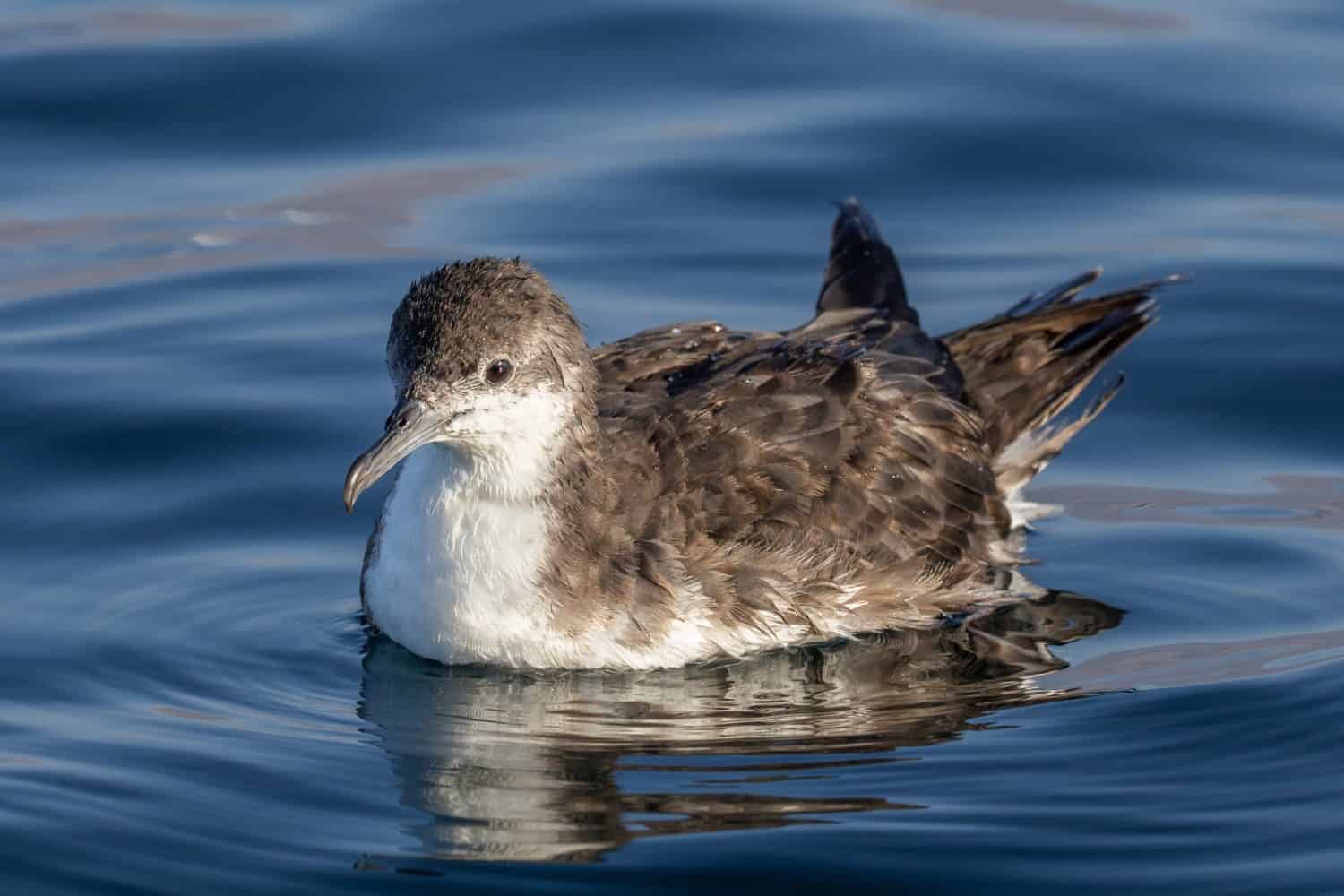
Sable shearwaters, similar to the Persian shearwaters, may fledge, but with too much plastic ingestion, they will never return to their breeding grounds.
©Jukka Jantunen/Shutterstock.com
Chicks that have consumed 0.07 ounces of plastic are labeled “the walking dead” because their chances of returning to the breeding grounds as adults are extremely low. Therefore, researchers measure the success of a breeding season not by how many chicks leave the nest, but by how many return the following year.
How Much Plastic Is There in the Ocean?
Plastic in the ocean may not always be visible, but it is present. Marine animals must navigate through tons of plastic debris every day, with some species coping better than others.
In total, the ocean contains between 75 and 199 million tons of plastic. Worse still, between 82 and 358 trillion plastic particles float on the surface. With this much plastic in the ocean, it is no wonder that animals like the sable shearwaters consume plastic from the time they are chicks through adulthood.
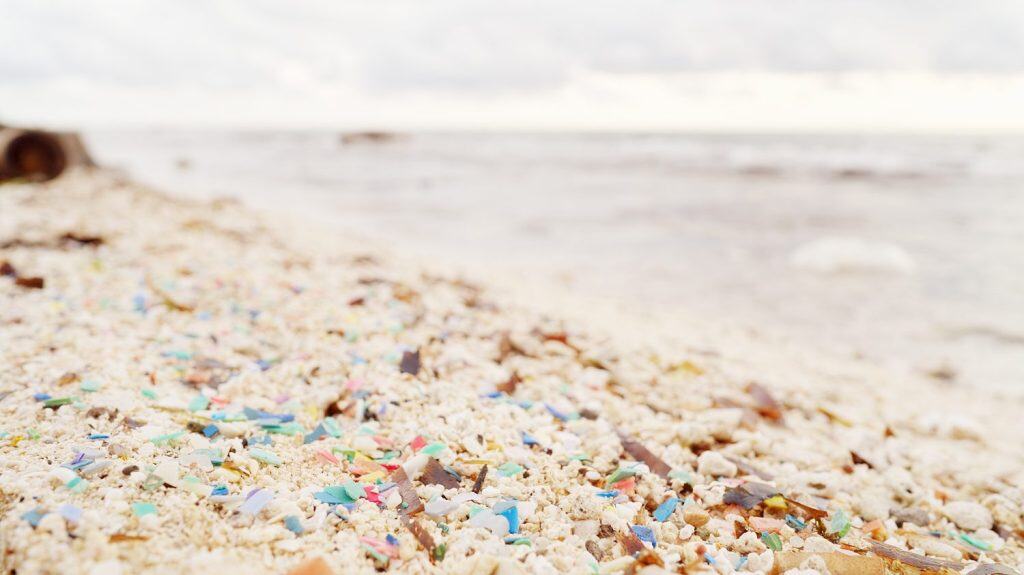
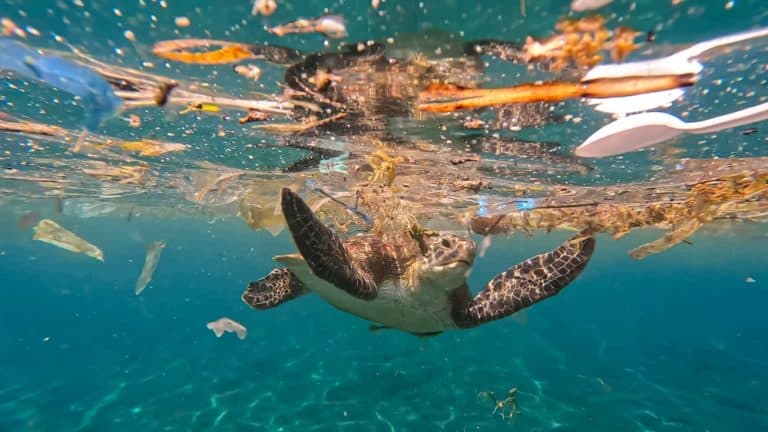
There are up to 199 million tons of plastic in the ocean, with up to 358 trillion particles floating on the surface.
©Spice Footage/Shutterstock.com
Some of the different types of plastic in the ocean include:
- Plastic bags and containers: Can take up to hundreds of years to break down
- Bottle caps, straws, and ropes: Can take 20 to 30 years to break down
- Construction material: Can take over 100 years to break down
- Plastic cups and Styrofoam: These plastics break down into microplastics with an unknown degradation time
- Plastic bottle and plastic food containers: Can take 100 years to break down
- Fishing nets: Can take 40 years to break down
Even items that are made of biodegradable plastics do not break down immediately. It can take 24 months for these products to degrade.
Because plastic takes so long to degrade and leaches harmful chemicals into the marine ecosystem, it is crucial to remove it from the ocean as soon as possible. Only then will wildlife both above and below the sea have a chance to survive.
What Can Be Done to Remove Plastic from the Ocean
Answering how to remove plastic from the ocean starts with how to keep it from getting into the ocean in the first place. This is because until that problem is solved, the sea will continue to be inundated with plastic debris.
The best ways to stop plastic before it reaches the ocean include:
- Banning single-use plastics
- Making recyclable products more affordable
- Removing plastic from rivers before the rivers flow into the ocean
- Filtering washing machines to stop microplastics from being put into wastewater
- Shoreline clean up
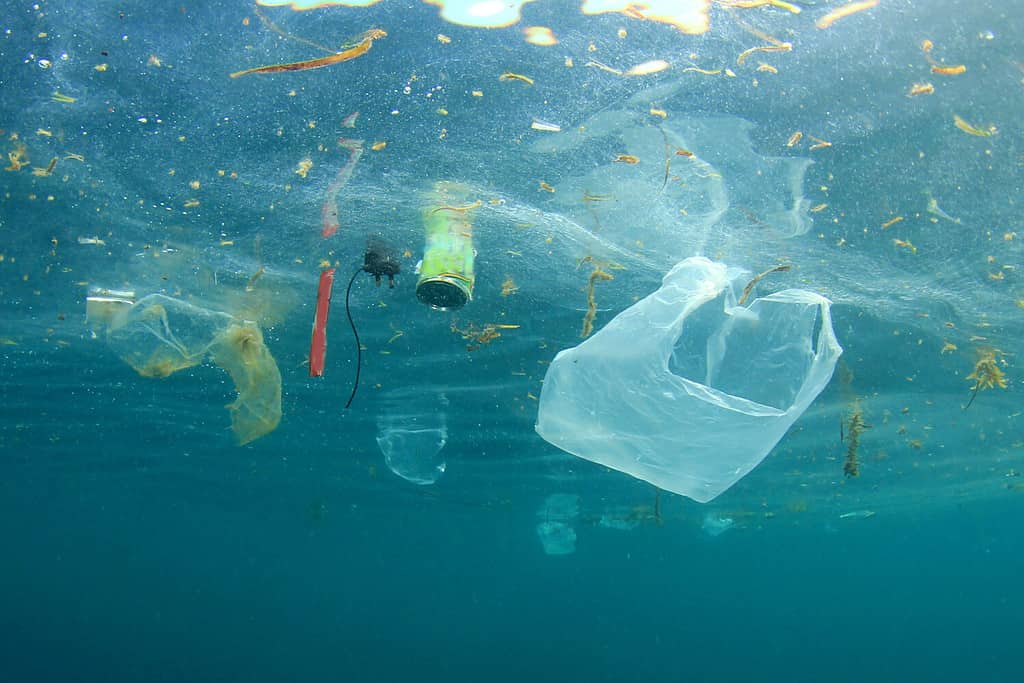
Removing plastic from the ocean means tackling the problem before it ever reaches the marine environment.
©Rich Carey/Shutterstock.com
Additionally, policy changes that address how plastics are produced—or whether they are produced at all—could prevent them from entering the ocean.
Of course, removing plastic directly from the ocean is a straightforward way to keep marine animals from ingesting it. However, if plastic continues to enter the sea, removing it will be a never-ending task. Preventing plastic from entering the marine environment is essential for meaningful change. Only then will animals like the sable shearwater have a real chance of survival.