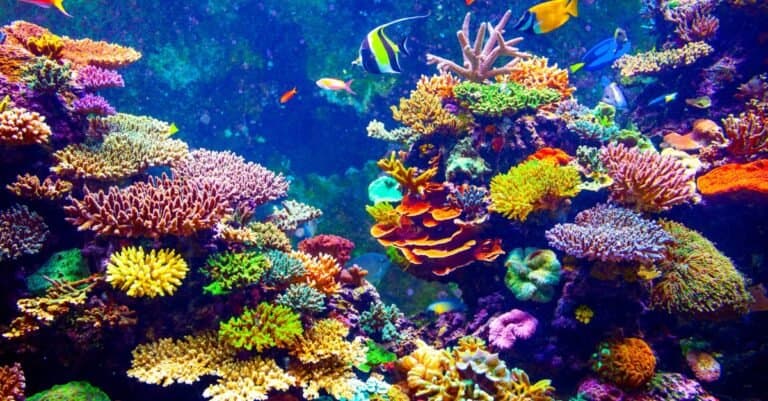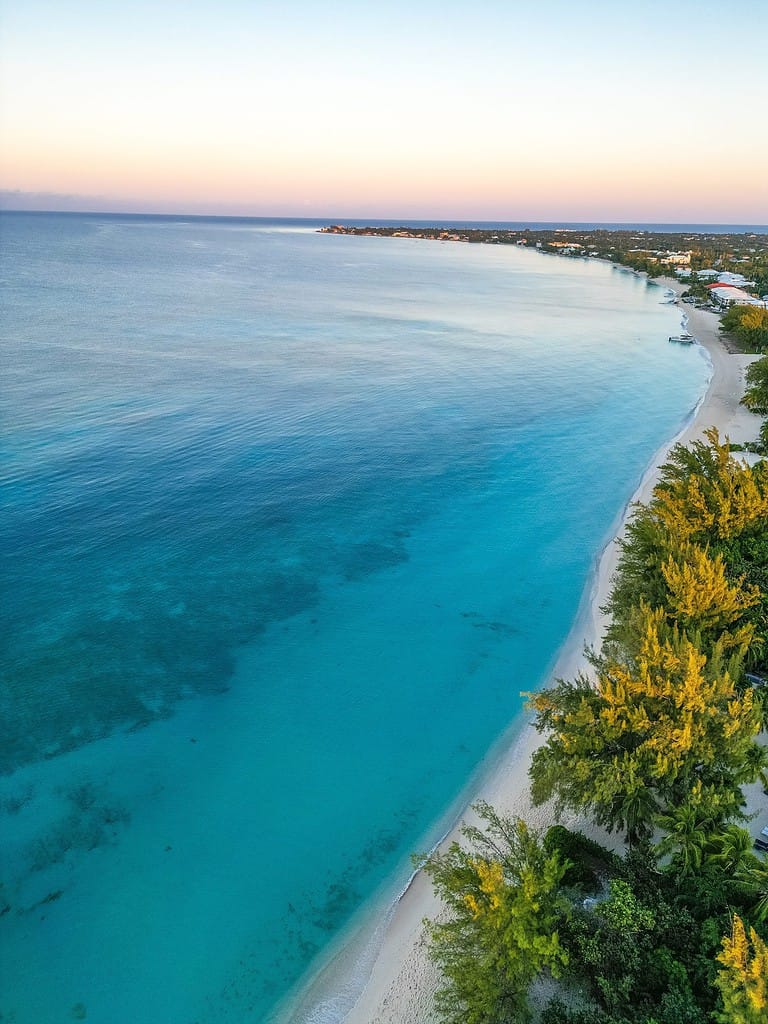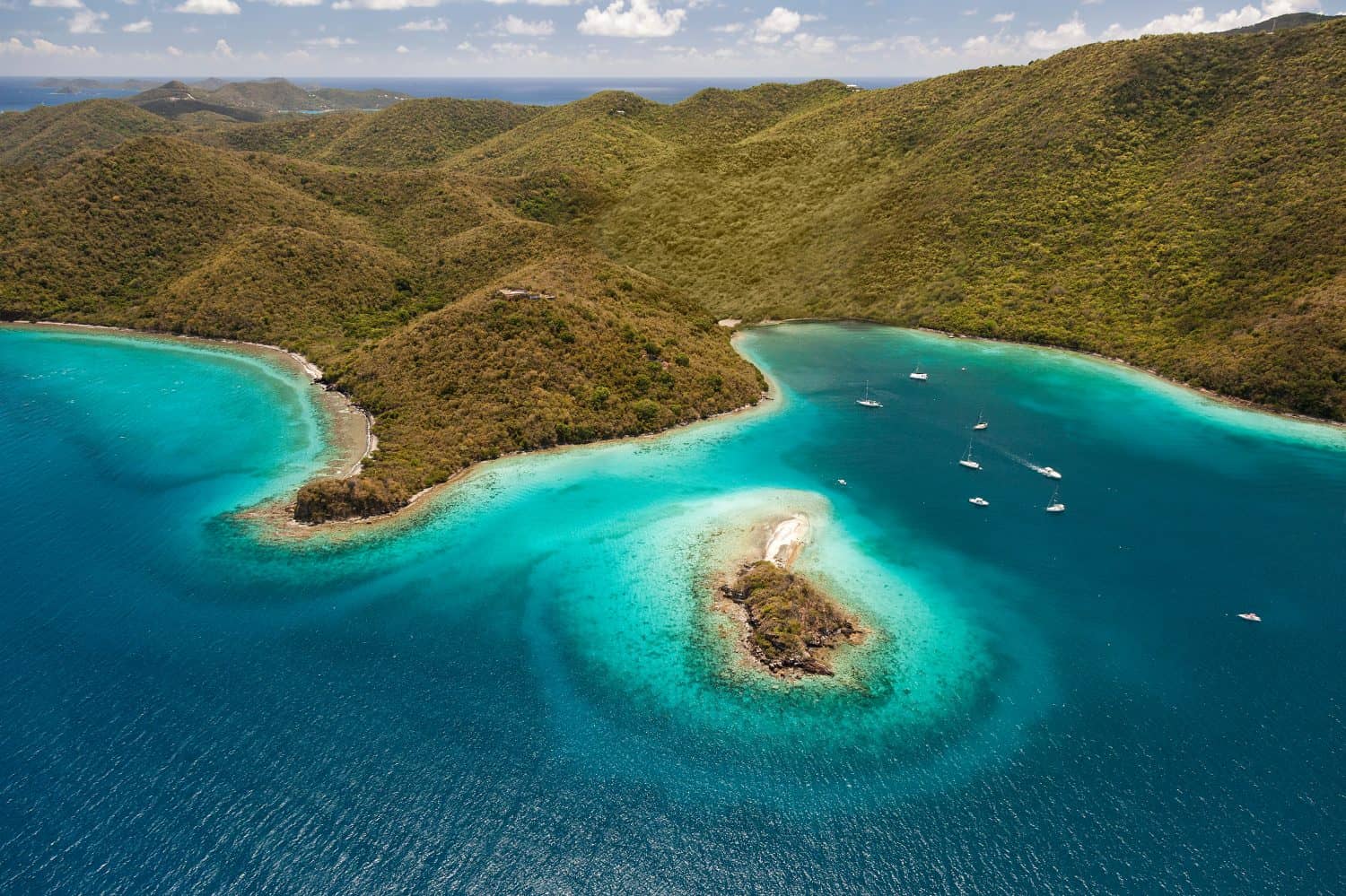

Virgin Islands National Park stretches across the heart of St. John and the surrounding water, creating a diverse land-and-sea sanctuary for wildlife. The park protects about 60 percent of the island’s interior and more than 5,000 acres of ocean that include coral reefs and mangrove lagoons. This combination of land and sea makes it possible to encounter creatures rarely found anywhere else. These are some of the most interesting.
Invasive Mammals
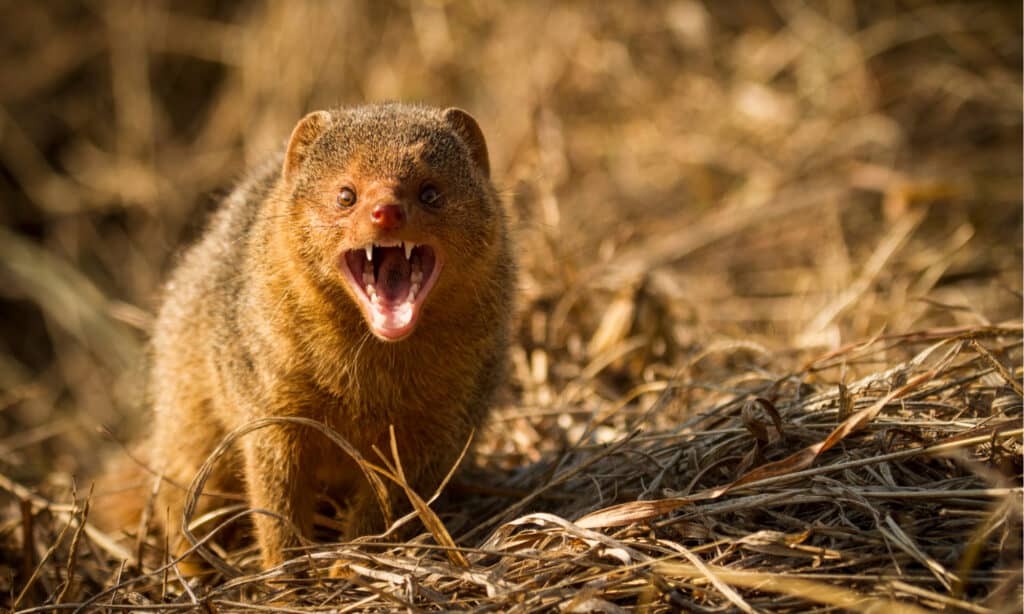
The mongoose is one of the invasive mammals now roaming the Virgin Islands.
©Mark Sheridan-Johnson/Shutterstock.com
There are a lot of mammals in the Virgin Islands but only bats are indigenous among terrestrial animals. Every other species now living on St. John was introduced by people. White-tailed deer and goats feed heavily on native plants and young trees, altering the forest floor and slowing recovery after storms or drought. Feral donkeys compound the damage by trampling soil and vegetation along trails and valleys, while feral pigs dig through the ground for roots and insects, causing erosion that can wash soil into coral reefs.
Other nonnative mammals, including the small Asian mongoose, feral cats, and rats, threaten native wildlife directly. Mongooses and cats prey on birds, lizards, and insects, decimating ground-nesting species. Rats compete with native animals for food and raid nests for eggs. Without natural predators to control them, these introduced species have multiplied, leaving park biologists with the difficult task of reducing their numbers without harming native wildlife.
Brown Pelican (Pelecanus occidentalis)
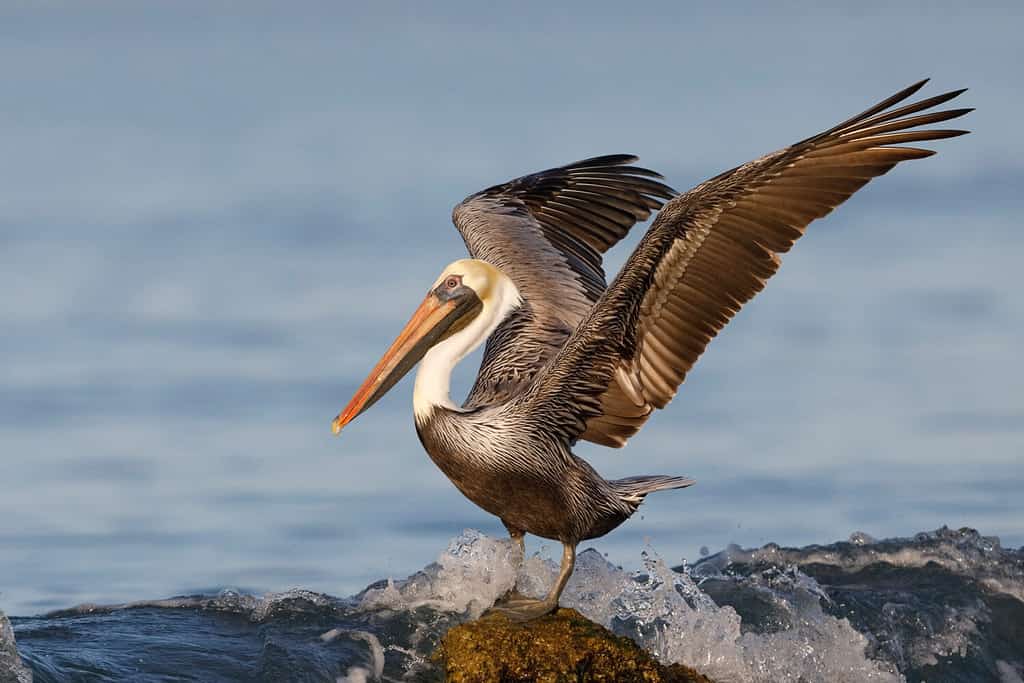
Brown Pelican (Pelecanus occidentalis)
©Brian Lasenby/Shutterstock.com
The brown pelican is one of the most familiar sights along the park’s beaches and cliffs. It dives headfirst into the sea to scoop up fish, the only pelican species known for such dramatic plunges. Once nearly wiped out by pesticide pollution, brown pelicans now thrive again, particularly around protected coves and harbor areas. Visitors can often spot them gliding in lines over the surf or resting in mangroves.
Red-Footed Tortoise (Chelonoidis carbonarius)
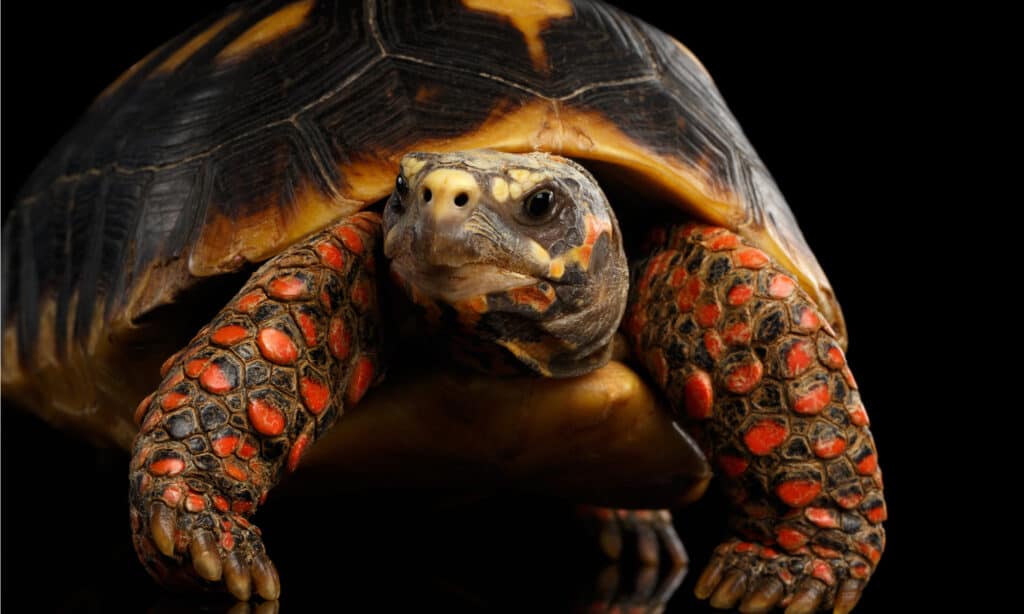
Red-Footed Tortoise (Chelonoidis carbonarius)
©Seregraff/Shutterstock.com
Native to South America but naturalized on St. John, the red-footed tortoise moves quietly through the island’s dry forests, foraging for fruit and fallen leaves. After rainfall, they appear in greater numbers, their domed shells blending into the leaf litter. These slow-moving reptiles help spread seeds, contributing to forest regeneration and the park’s plant diversity.
Bananaquit (Coereba flaveola)
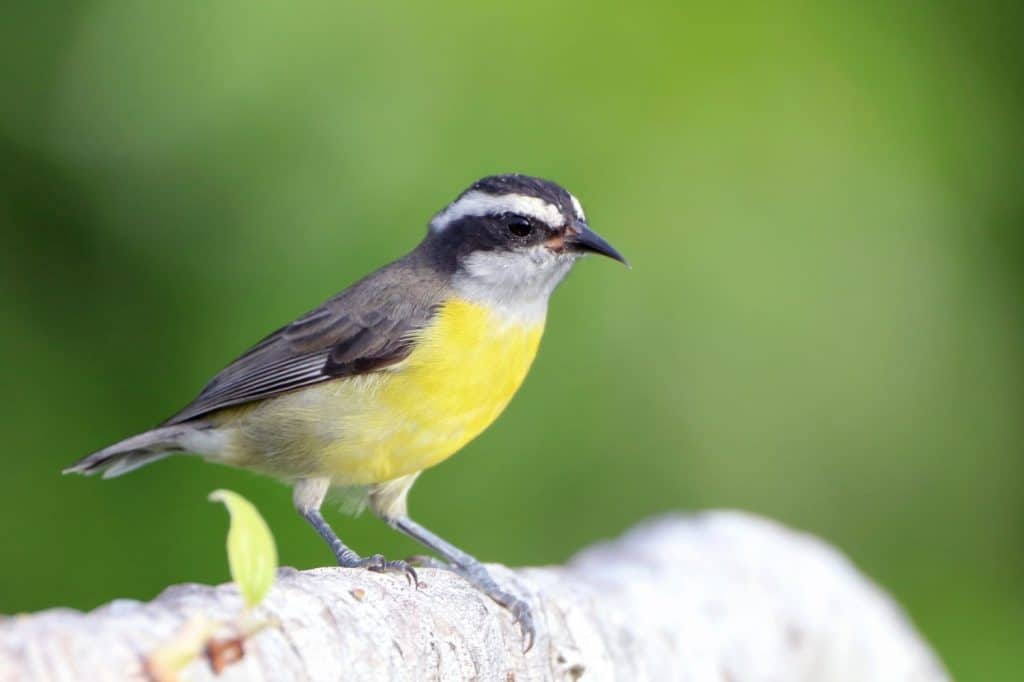
Bananaquit (Coereba flaveola)
©Rafael Cerqueira/Shutterstock.com
Small and lively, the bananaquit—often called the “sugar bird”—is the official bird of the U.S. Virgin Islands. Recognizable by its bright yellow breast and curved beak, it flits constantly among flowers, sipping nectar or investigating outdoor café tables. Its cheerful song echoes from sea level to mountaintop scrub, making it one of the park’s most common and endearing residents.
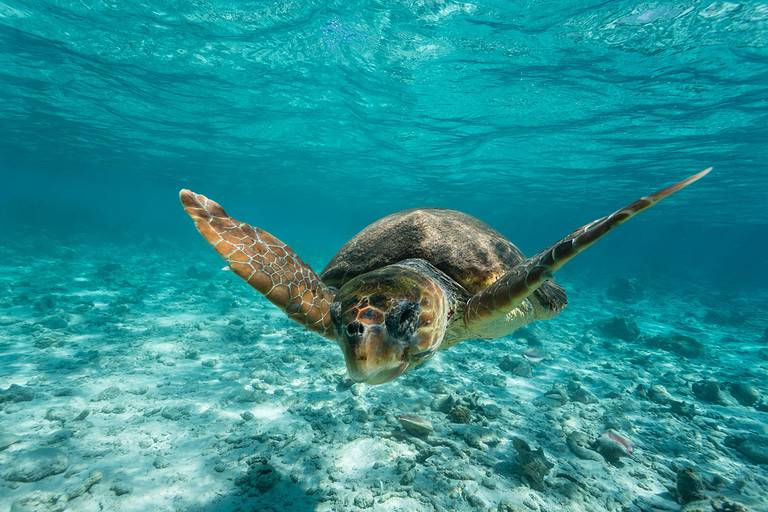
Green Sea Turtle (Chelonia mydas)
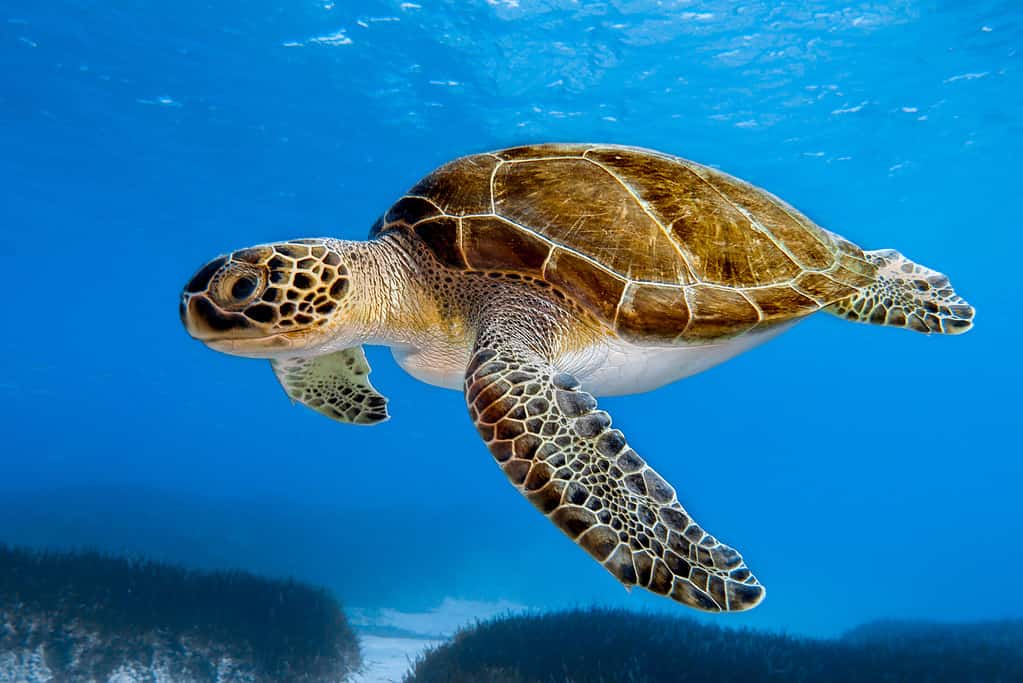
Green Sea Turtle (Chelonia mydas)
©Sakis Lazarides/ via Getty Images
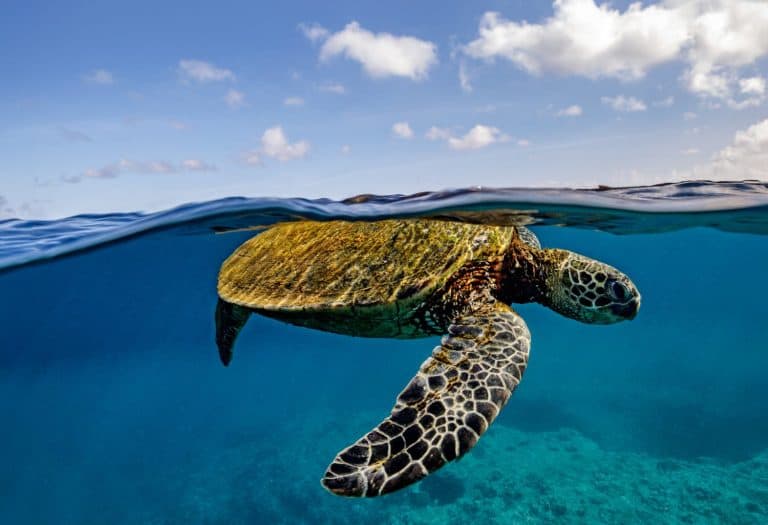
Just offshore, green sea turtles graze peacefully among the park’s seagrass beds. Visitors at Maho Bay or Trunk Bay often see them surfacing for air between leisurely dives. These endangered reptiles play an essential role in maintaining healthy seagrass ecosystems, which in turn shelter juvenile fish and crustaceans. During summer, hatchlings can sometimes be seen making their first scramble toward the ocean, which is an unforgettable moment for those fortunate enough to witness it.
Queen Triggerfish (Balistes vetula)
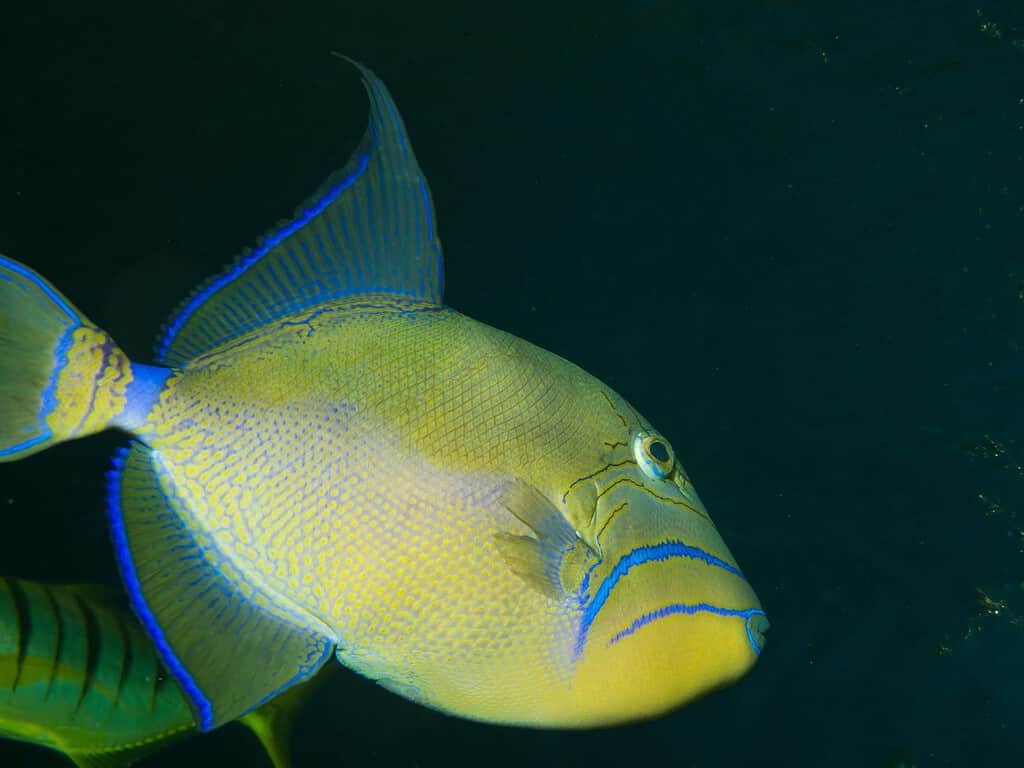
Queen Triggerfish (Balistes vetula)
©Sergey Dubrov/Shutterstock.com
Among the reefs, few fish rival the queen triggerfish in color or personality. Its turquoise scales and long trailing fins stand out as this fish patrols coral gardens, especially around Elkhorn and Brain corals. It feeds primarily on sea urchins, keeping their populations under control and helping preserve the coral structure. Snorkelers exploring Hawksnest Bay often encounter these unmistakable fish among the shallows.
Green Iguana (Iguana iguana)

Green Iguana (Iguana iguana)
©Vinod Ulahannan/iStock / Getty Images Plus via Getty Images
The green iguana’s spiny crest and vivid coloring make it impossible to miss. These reptiles are often seen basking on rocks, rooftops, or mangrove branches, warming themselves in the tropical sun. Although not native to the Virgin Islands, they have adapted well, feeding on flowers and fruit. They are photogenic favorites among visitors.
Brown Booby (Sula leucogaster)
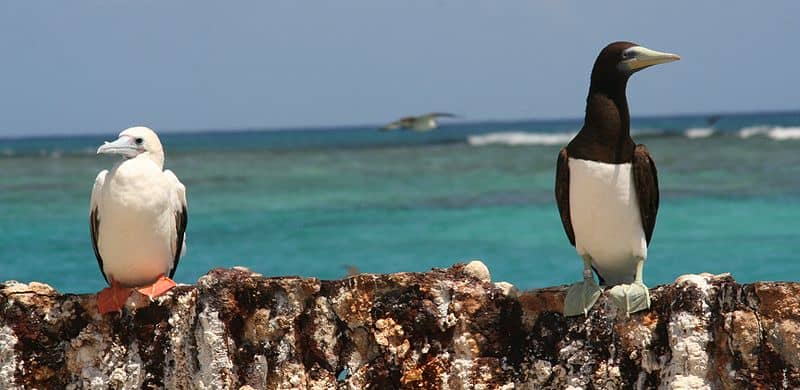
Brown Booby (Sula leucogaster)
©Duncan Wright – Public Domain by US Fish and Wildlife Service
Easily recognized by its dark body and white belly, the brown booby is a seabird that hunts by diving straight into schools of fish. They nest on remote cliffs and small offshore islands but often fish within park waters. Visitors scanning the horizon can watch flocks of boobies swooping in synchronized dives—a thrilling sight against the crystalline backdrop of the Caribbean Sea.
Caribbean Reef Squid (Sepioteuthis sepioidea)
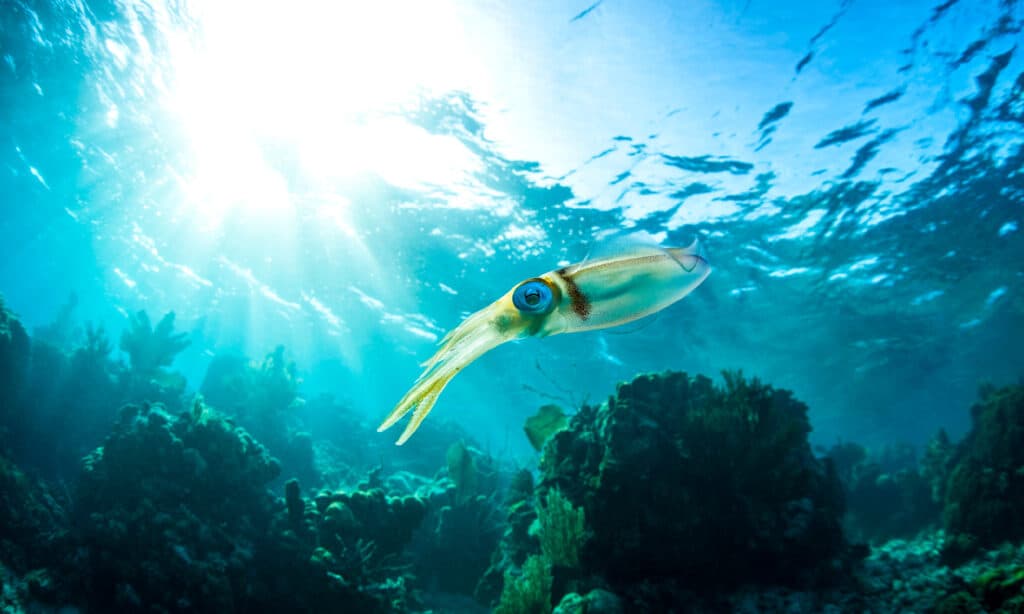
Caribbean Reef Squid (Sepioteuthis sepioidea)
©iStock.com/MichaelStubblefield
One of the most mesmerizing animals beneath the surface, the Caribbean reef squid glides through the water in small groups. Its skin shimmers with changing colors that communicate mood and intent. Found above seagrass beds and near coral outcrops, these squid are vital to the marine food chain, serving as both predator and prey. Snorkelers often pause to watch their rhythmic, almost hypnotic movements.
Sergeant Major (Abudefduf saxatilis)
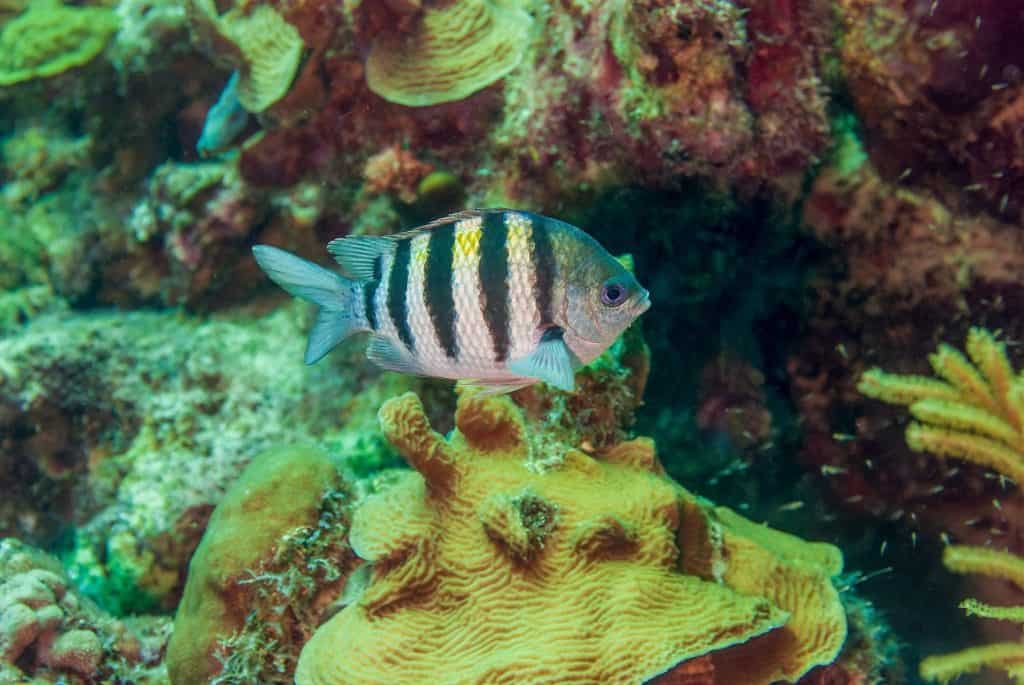
Sergeant Major (Abudefduf saxatilis)
©Focused Adventures/Shutterstock.com
Brightly patterned with black bars on yellow and blue sides, the sergeant major is one of the most common reef fish seen while snorkeling. They gather in schools above coral heads, feeding on plankton and algae. Juveniles often seek shelter near sea fans, offering easy viewing for swimmers exploring Trunk Bay’s underwater trail.
Parrotfish (Scarus spp.)
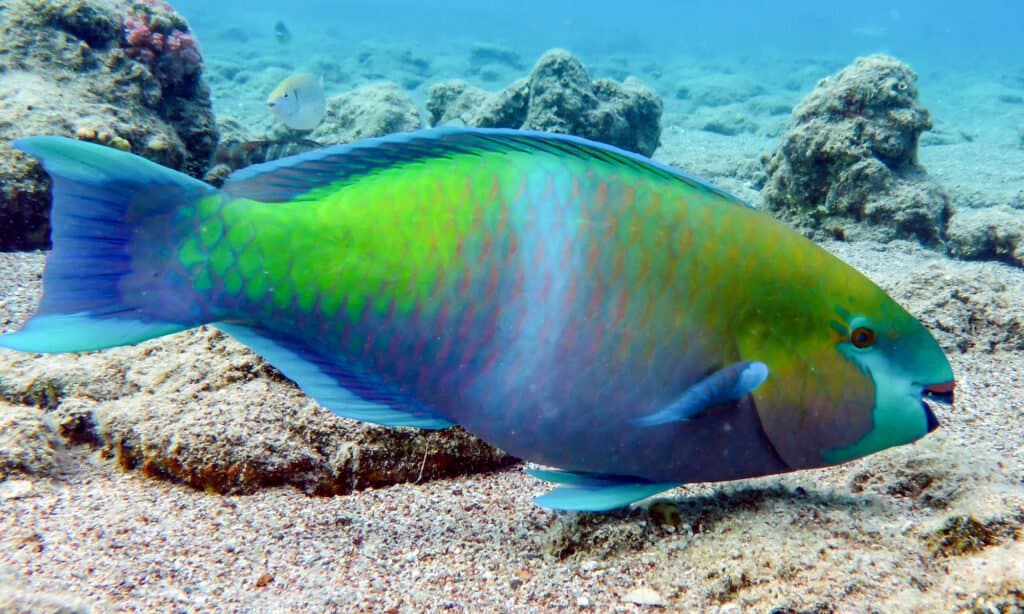
Parrotfish (Scarus spp.)
©FromMyEyes/Shutterstock.com
This species of fish is essential to the health of coral reefs. Using beak-like teeth, they scrape algae from coral and crush bits of limestone, creating the white sand beaches that frame the island. Their vivid colors range from turquoise and pink to deep blue, and their feeding sounds—an audible crunch underwater—are familiar to snorkelers drifting across shallow reefs.
Yellow Warbler (Setophaga petechia)
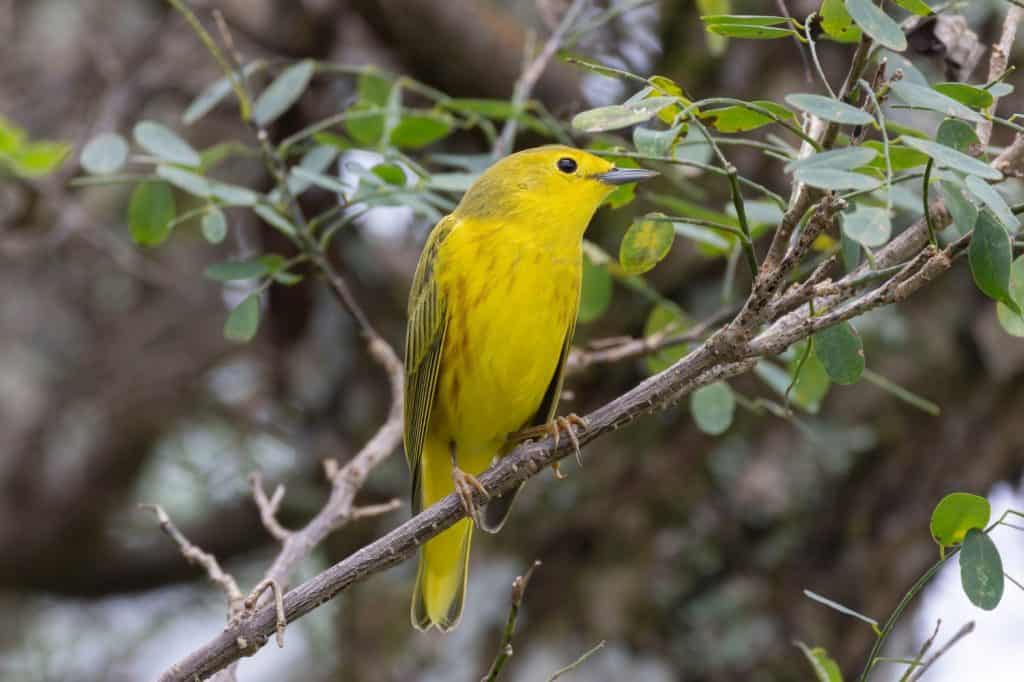
Yellow Warbler (Setophaga petechia)
©Gualberto Becerra/Shutterstock.com
The yellow warbler adds cheerful color and song to the island’s mangroves and dry forests. Males are bright yellow with faint chestnut streaks, singing from open perches to defend territory. Migratory populations breed here each spring, feeding on insects that thrive among flowering trees. Their presence helps regulate pest populations and signals the arrival of nesting season.
Nurse Shark (Ginglymostoma cirratum)
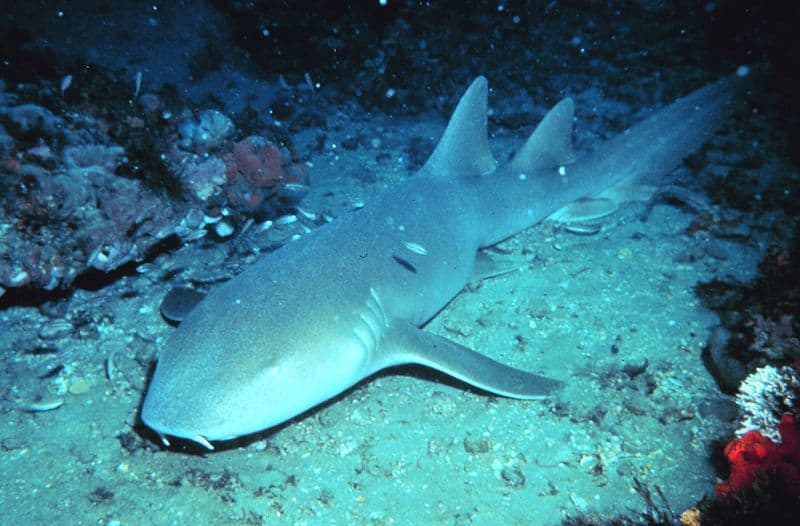
Nurse Shark (Ginglymostoma cirratum)
©Dr. Mathew Gilligan – Public Domain by U.S. National Oceanic and Atmospheric Administration – Original / License
Despite their size, nurse sharks are peaceful bottom-dwellers often found resting under coral ledges. They can grow up to ten feet long and feed by suctioning small fish and crustaceans from crevices. Night divers occasionally encounter these gentle giants gliding slowly through sandy shallows.
Giant Hermit Crab (Coenobita clypeatus)
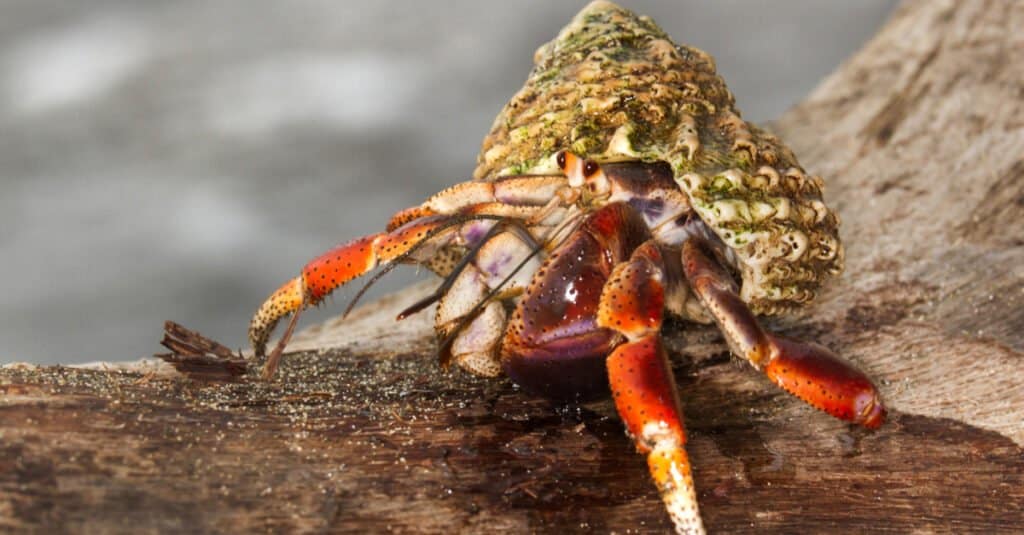
Giant Hermit Crab (Coenobita clypeatus)
©Natalia Kuzmina/Shutterstock.com
The giant hermit crab, a land-dwelling relative of marine crabs, patrols beaches and forest edges after rainstorms. Using empty snail shells for protection, they scavenge for fallen fruit and organic debris, helping to recycle nutrients. Going out on a trail at night with a flashlight, you’ll find them hard to miss.
Loggerhead Kingbird (Tyrannus caudifasciatus)
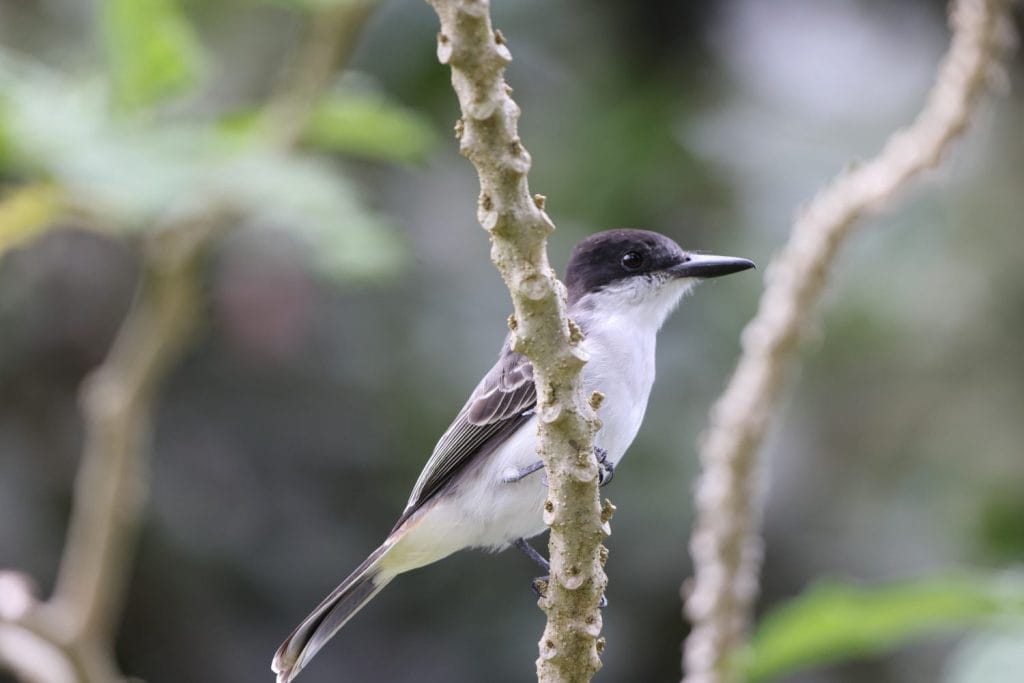
Loggerhead Kingbird (Tyrannus caudifasciatus)
©feathercollector/Shutterstock.com
Assertive and alert, the loggerhead kingbird perches on exposed branches along forest edges and roadsides, swooping out to catch flying insects. Its sharp calls and acrobatic chases are typical sights in tropical woodlands. This species helps keep insect numbers low and brings a burst of activity to open clearings.
Peacock Flounder (Bothus lunatus)
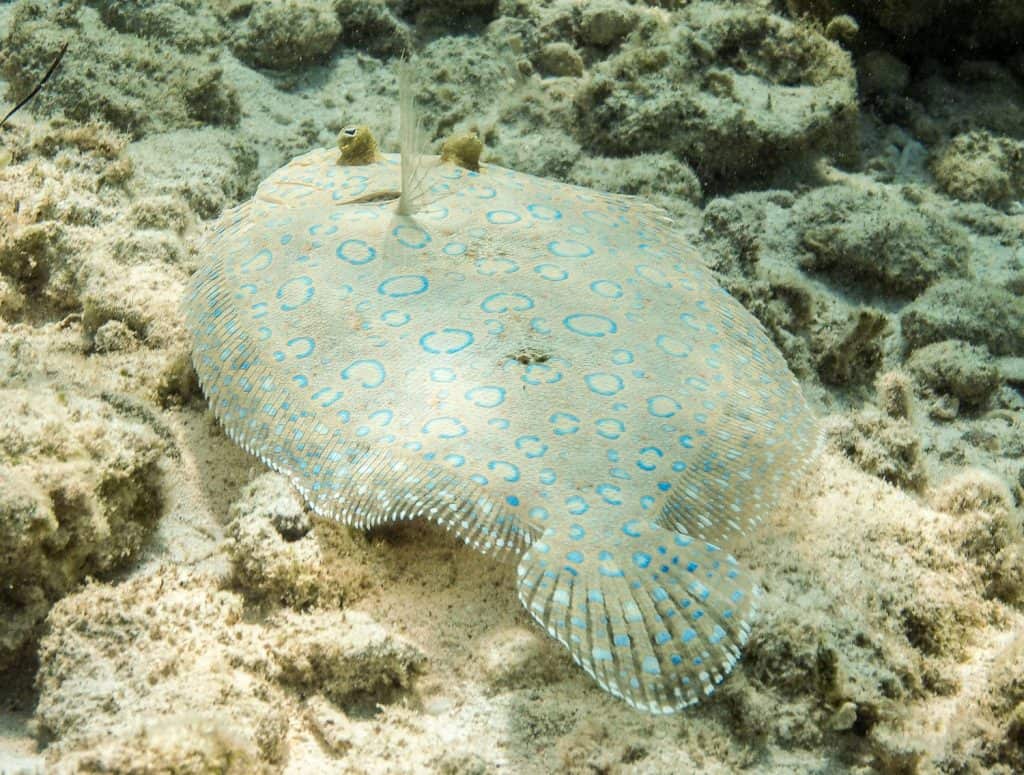
Peacock Flounder (Bothus lunatus)
©Hannah Prewitt/Shutterstock.com
Flat and well camouflaged, the peacock flounder hides on sandy bottoms near reefs. Covered with blue-green spots, it can change color to blend perfectly with its surroundings. When disturbed, it swims away with smooth, rippling motions that leave a ghostly impression in the sand. Patient snorkelers or waders can sometimes spot its subtle outline before it vanishes again.
A Rich Wildlife Experience
Virgin Islands National Park offers one of the richest wildlife experiences in the Caribbean, where forests, beaches, and coral reefs merge into a single living network. Visitors can explore the island’s trails, snorkel its reefs, or simply pause to watch a pelican dive or a sea turtle rise for air. Protecting that connection ensures that future generations will still find the same vibrant mix of life thriving in the heart of St. John.