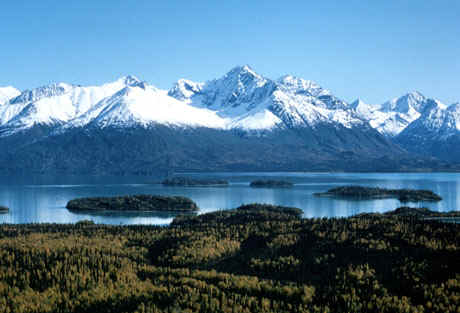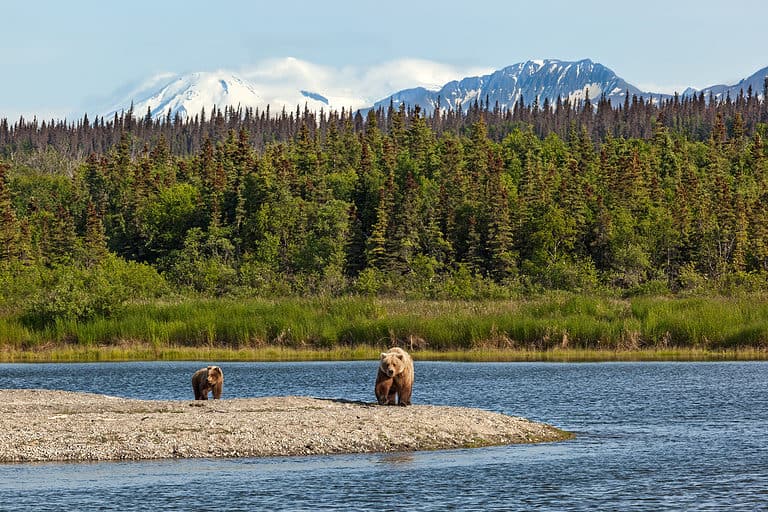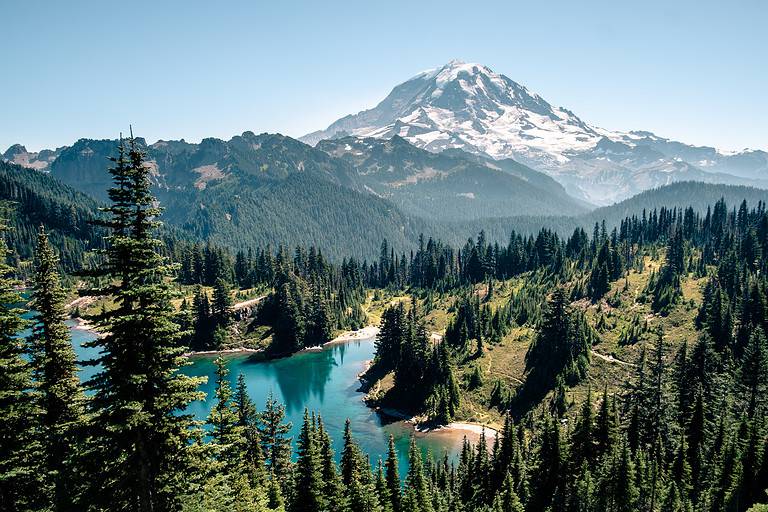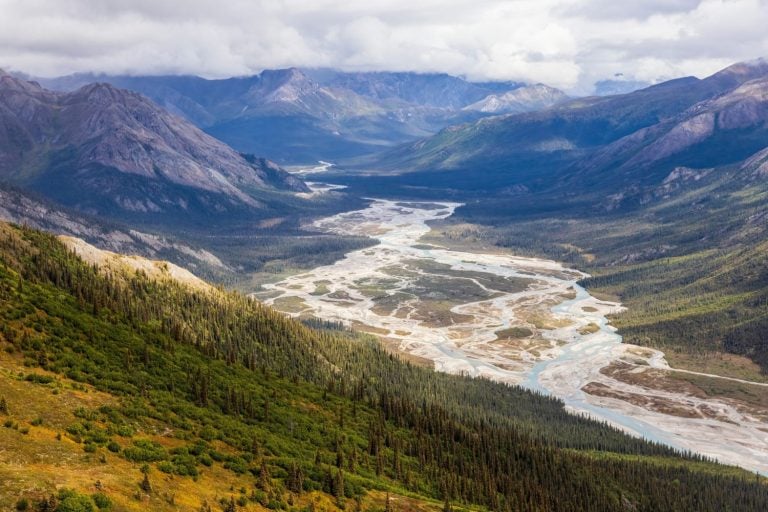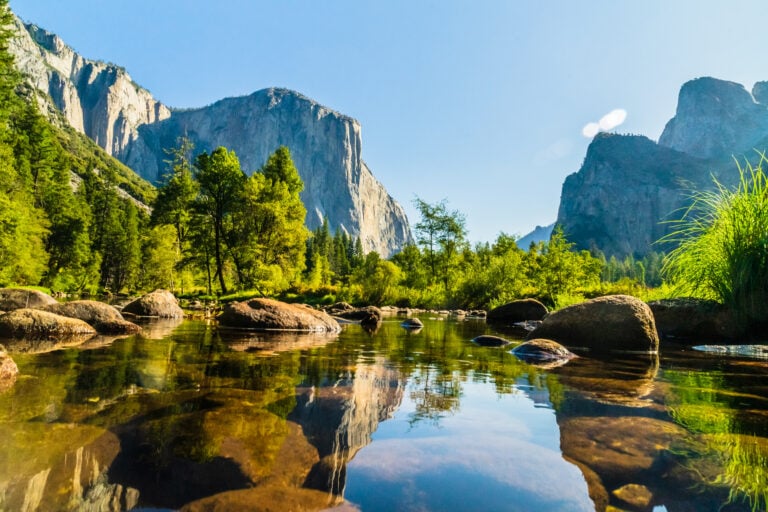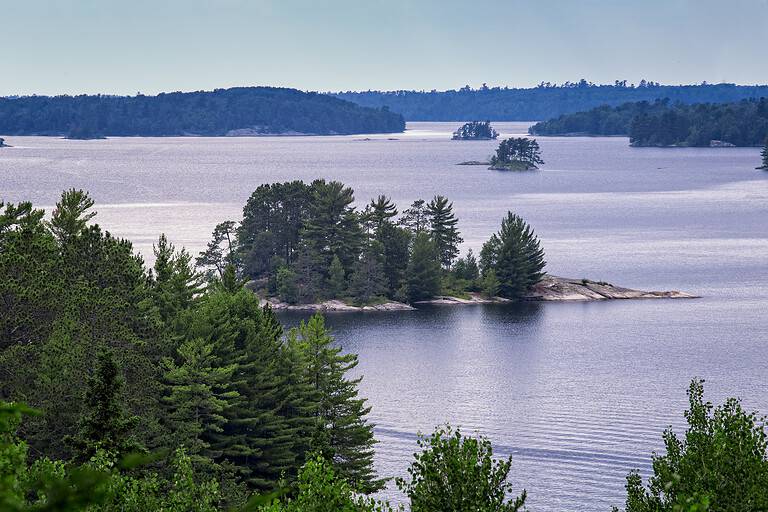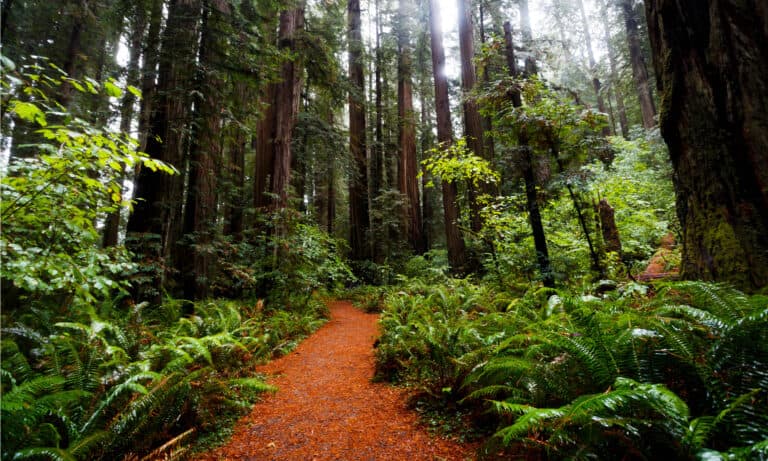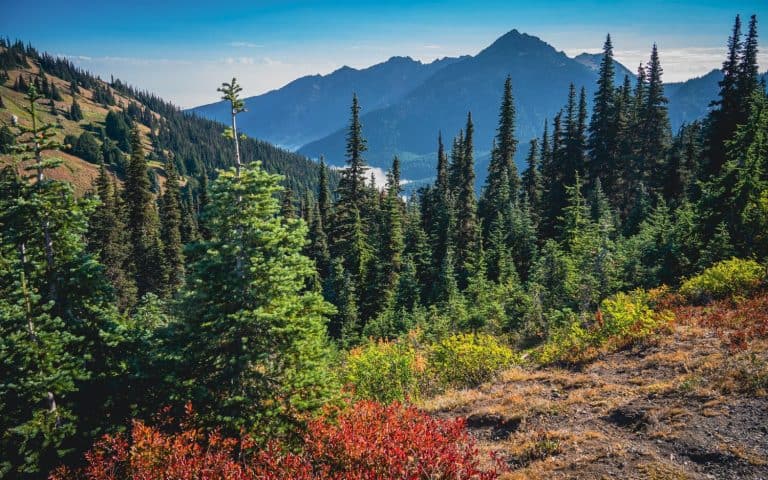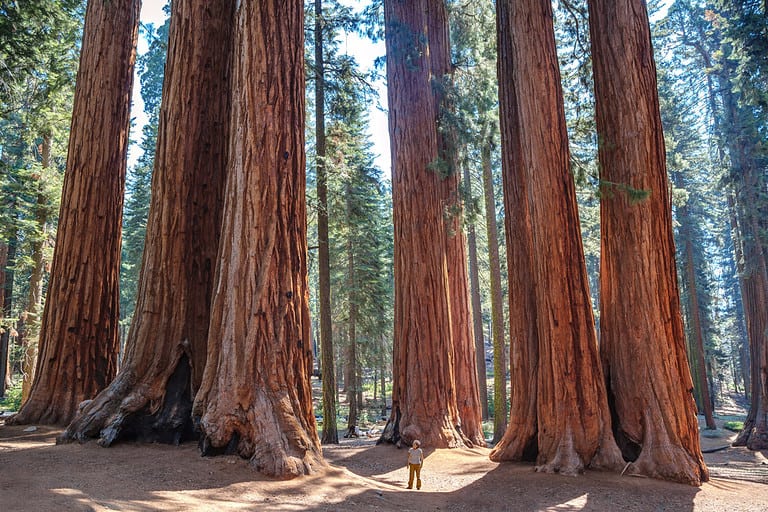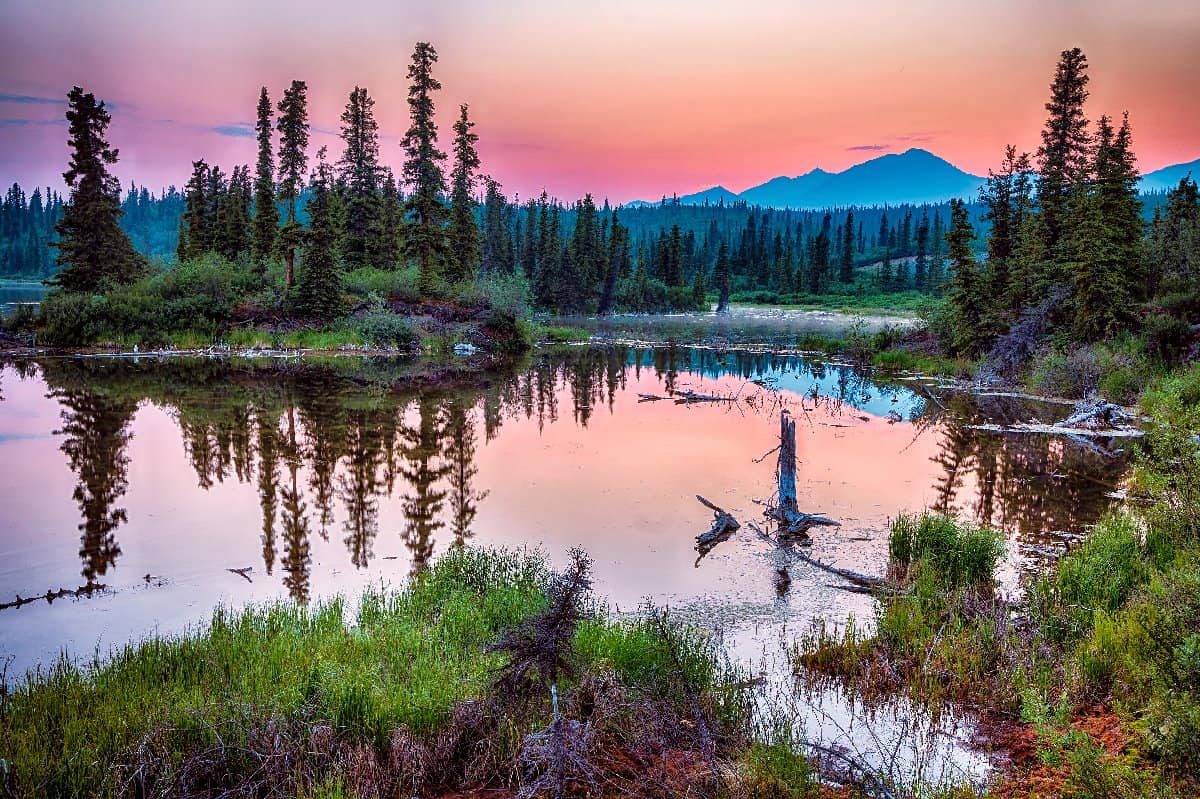

Wrangell–St. Elias National Park, located in southeastern Alaska, is the largest national park in the United States and one of the wildest places left on Earth. Covering an area larger than Switzerland, it stretches from glacier-clad peaks to coastal river deltas, connecting tundra, boreal forest, braided rivers, and icefields. Together, the national park and preserve protect a massive range of habitats, sustaining an extraordinary variety of wildlife, as you’ll see from the sample of resident animals below.
Dall Sheep (Ovis dalli)
Dall Sheep (Ovis dalli)
©iStock.com/RONSAN4D
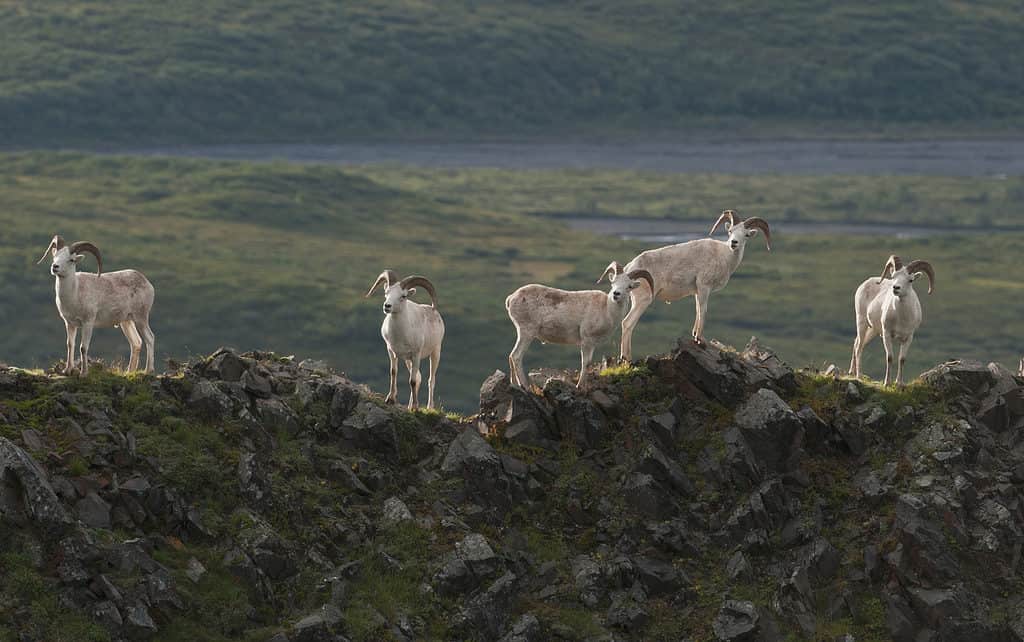
High above the tree line, Dall sheep stand like white specks on steep cliffs and rocky ridges. Wrangell–St. Elias hosts one of the continent’s largest concentrations of these mountain specialists. Their cloven hooves grip the crags, allowing them to move across terrain where few predators can follow. In early summer, small lambs appear beside their mothers, testing their footing on ledges that drop away into sweeping valleys.
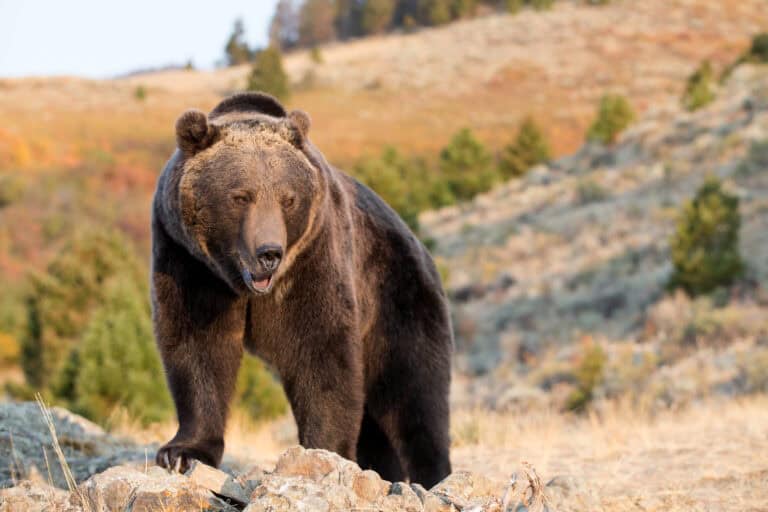
Brown Bear (Ursus arctos horribilis)
Brown Bear (Ursus arctos horribilis)
©Jilll Richardson/Shutterstock.com
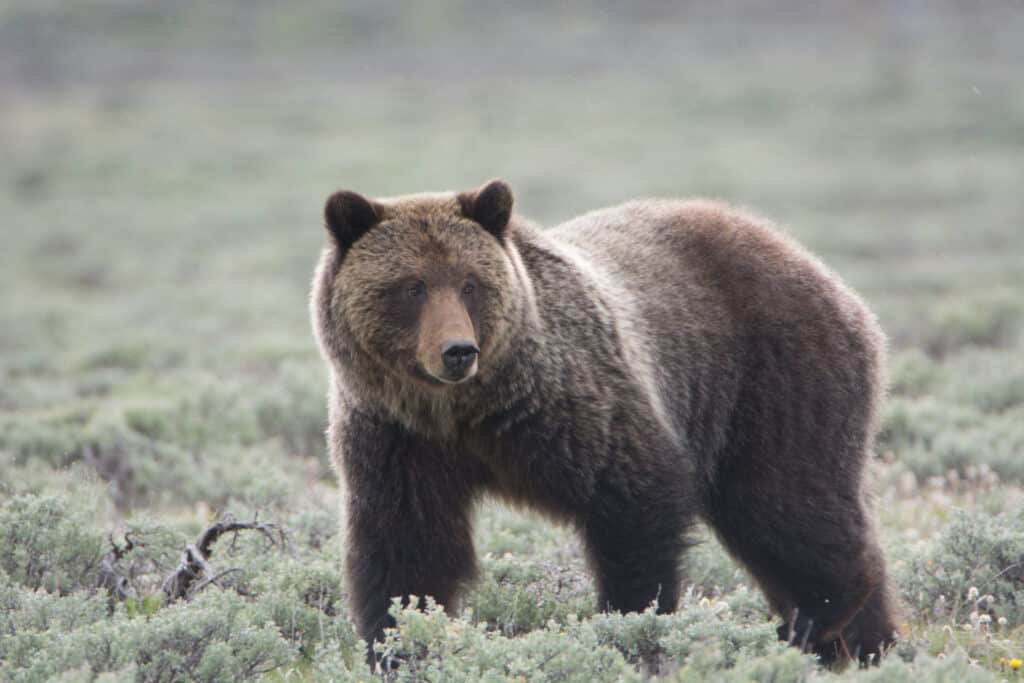
Few sights define Alaska like a brown bear fishing in a salmon stream. Wrangell–St. Elias provides ideal habitat dense willows, berry thickets, and glacier-fed rivers teeming with fish. These powerful animals dig for roots in spring, feed on berries in summer, and chase salmon in fall. Visitors may also encounter black bears at lower elevations. Sharing the park with bears means traveling wisely, keeping distance, and storing food securely.
Lesser Yellowlegs (Tringa flavipes)
Lesser Yellowlegs (Tringa flavipes)
©Dennis W Donohue/Shutterstock.com
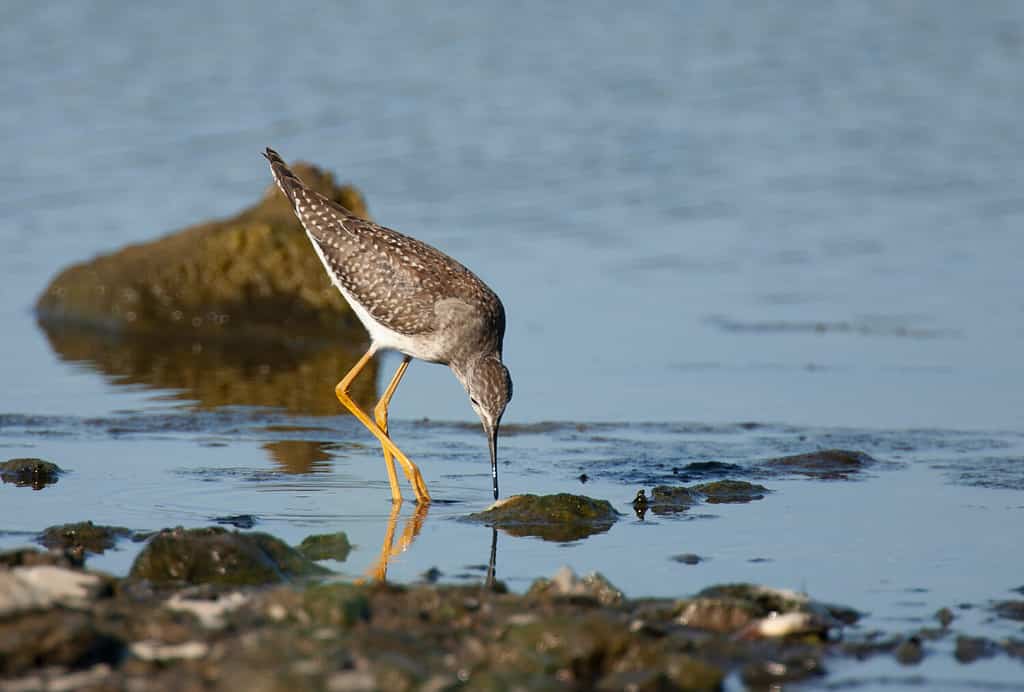
Wetlands and tundra ponds throughout the park echo with the sharp calls of lesser yellowlegs. These graceful shorebirds migrate thousands of miles each spring to breed in Alaska’s sedge meadows. With their vivid yellow legs and darting movements, they are easy to recognize as they probe shallow waters for insects. During late summer, families gather along river deltas before beginning their long flight south.
Caribou (Rangifer tarandus)
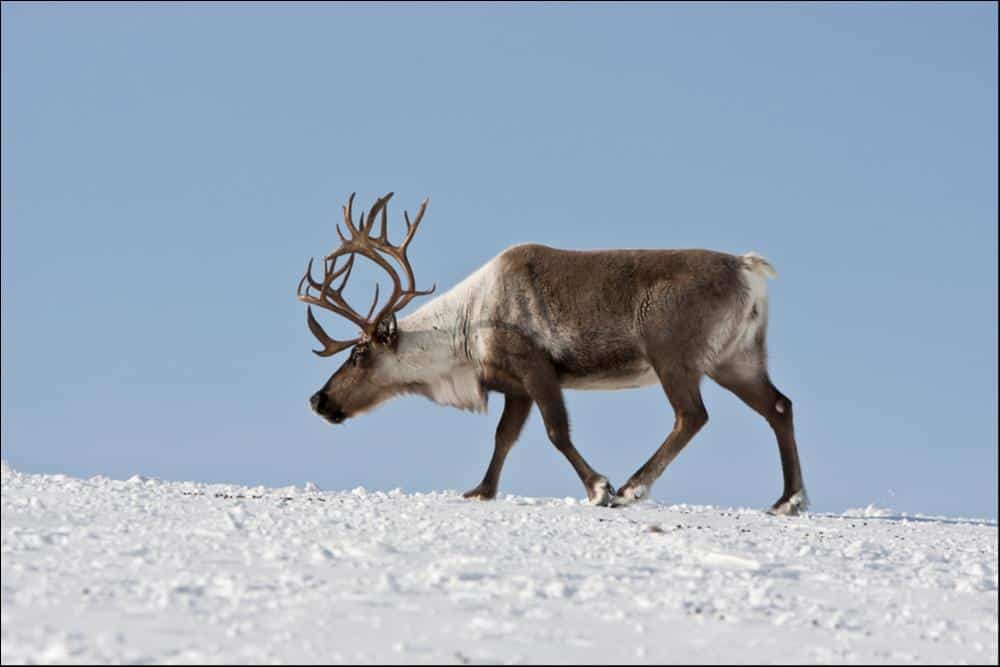
Caribou (Rangifer tarandus)
©iStock.com/Sergey_Krasnoshchokov
The nomads of Wrangell–St. Elias are the caribou. They move across vast tundra and spruce forests in search of food. Herds migrate seasonally, following ancient routes shaped by weather and vegetation. In autumn, the sight of hundreds of caribou crossing rivers or moving against snow-covered peaks is unforgettable. Both sexes grow antlers, and calves appear soon after snowmelt, ready to run within hours of birth.
Arctic Grayling (Thymallus arcticus)
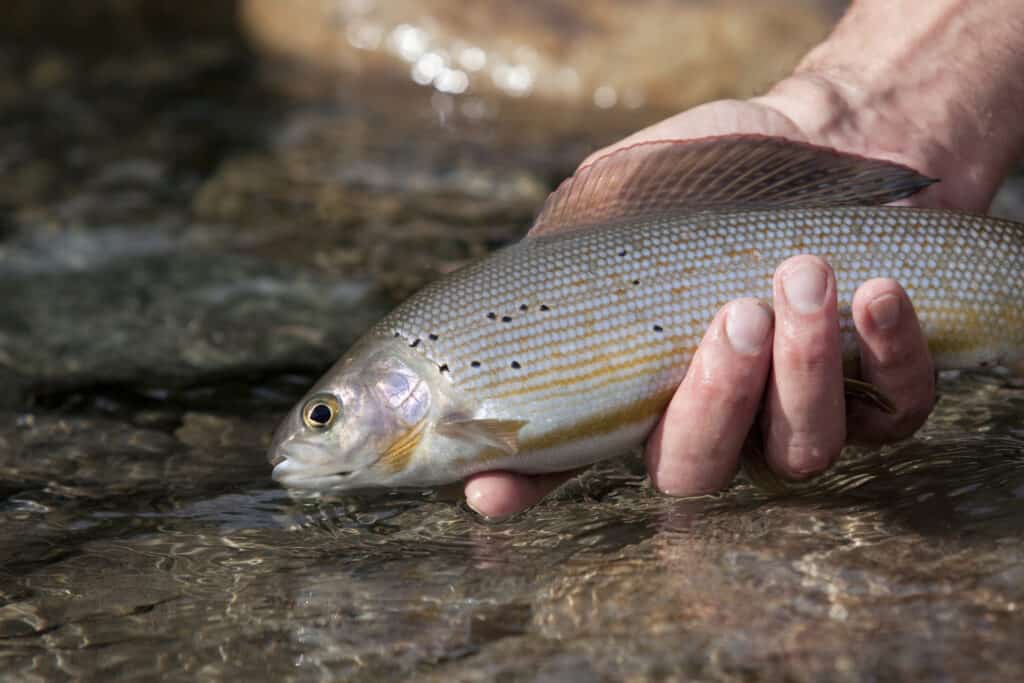
Arctic Grayling (Thymallus arcticus)
©iStock.com/Alaska_icons
Crystal-clear rivers and alpine lakes provide a home for the Arctic grayling, one of Alaska’s most graceful fish. Recognizable by their tall, sail-like dorsal fins streaked with blue and violet, grayling rise to feed on insects in summer. Anglers and wildlife watchers alike treasure glimpses of these fish darting through sunlit shallows, reflections rippling across their iridescent scales.
Porcupine (Erethizon dorsatum)
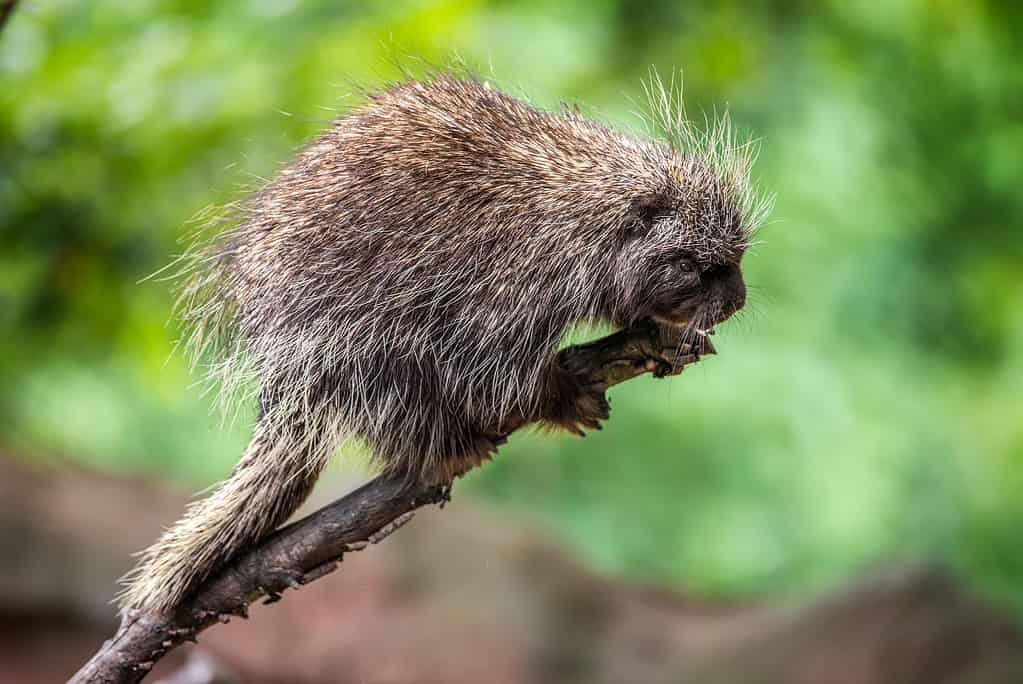
Porcupine (Erethizon dorsatum)
©miroslav_1/iStock via Getty Images
Among spruce and willow thickets, the North American porcupine makes its slow, deliberate way through the underbrush. Covered in thousands of sharp quills, it relies on its defenses rather than speed. Porcupines feed on twigs, bark, and leaves and often climb trees with surprising agility. In late summer, mothers guide their single offspring, called a porcupette, through the forest, teaching it which plants are safe to eat.
Trumpeter Swan (Cygnus buccinator)
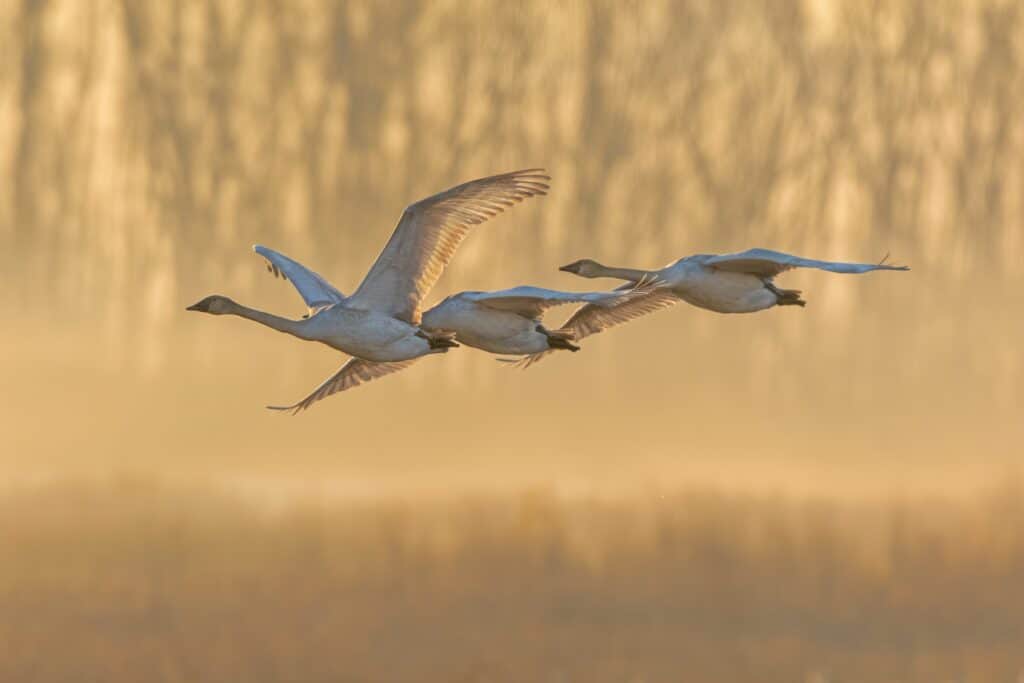
Trumpeter Swan (Cygnus buccinator)
©Danita Delimont/Shutterstock.com
The wetlands of the Copper River Delta and the park’s quiet lakes shelter nesting pairs of trumpeter swans, the heaviest native waterfowl in North America. Their deep, resonant calls carry over the water at dawn. During the brief northern summer, swans raise their cygnets among sedges and grasses before migrating south.
Wolverine (Gulo gulo)
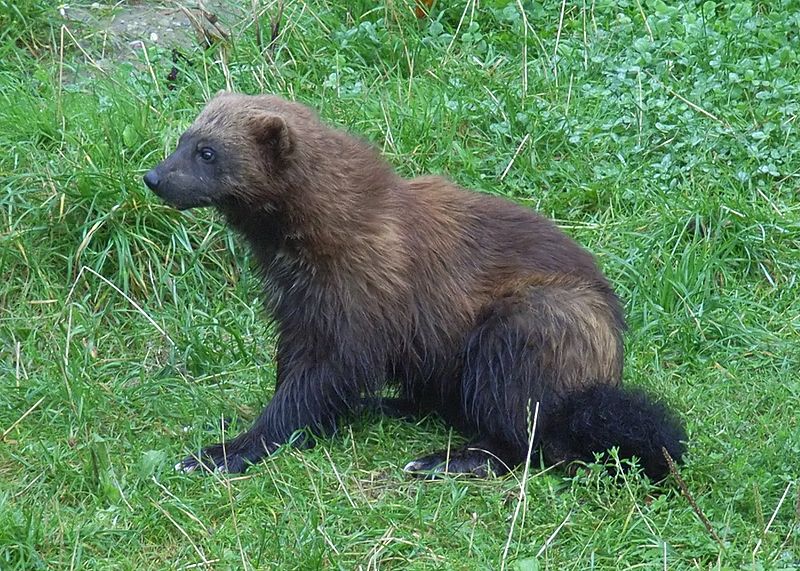
Wolverine (Gulo gulo)
©Zefram, CC BY-SA 3.0, via Wikimedia Commons – Original / License
The wolverine is the embodiment of Alaska’s rugged wilderness: solitary, strong, and rarely seen. Roaming enormous territories, it scavenges or hunts in some of the harshest terrain on the continent. Wolverines can travel miles through deep snow and climb steep mountains in search of food. Their tracks, found after winter storms, are often the only evidence they leave behind.
American Dipper (Cinclus mexicanus)
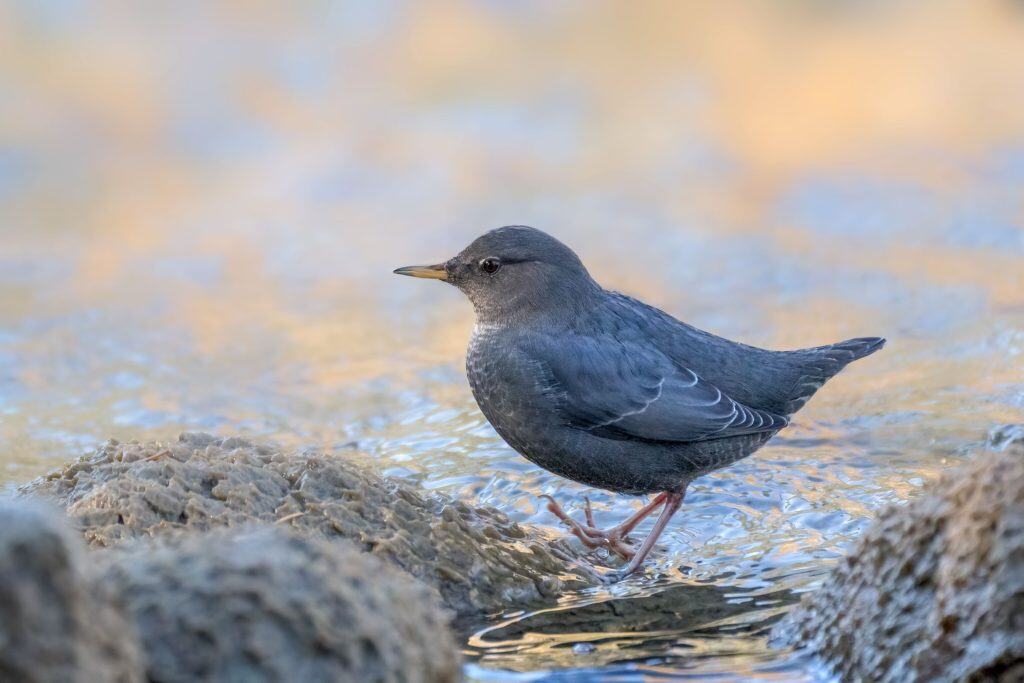
American Dipper (Cinclus mexicanus)
©Wirestock Creators/Shutterstock.com
The American dipper is North America’s only aquatic songbird, living year-round in Wrangell–St. Elias’s icy creeks and rivers. With slate-gray plumage and a bobbing gait, it perches on rocks before plunging into rapids to hunt aquatic insects. Even in winter, when streams freeze around them, dippers continue to dive beneath the water, an astonishing feat of endurance.
Mountain Goat (Oreamnos americanus)
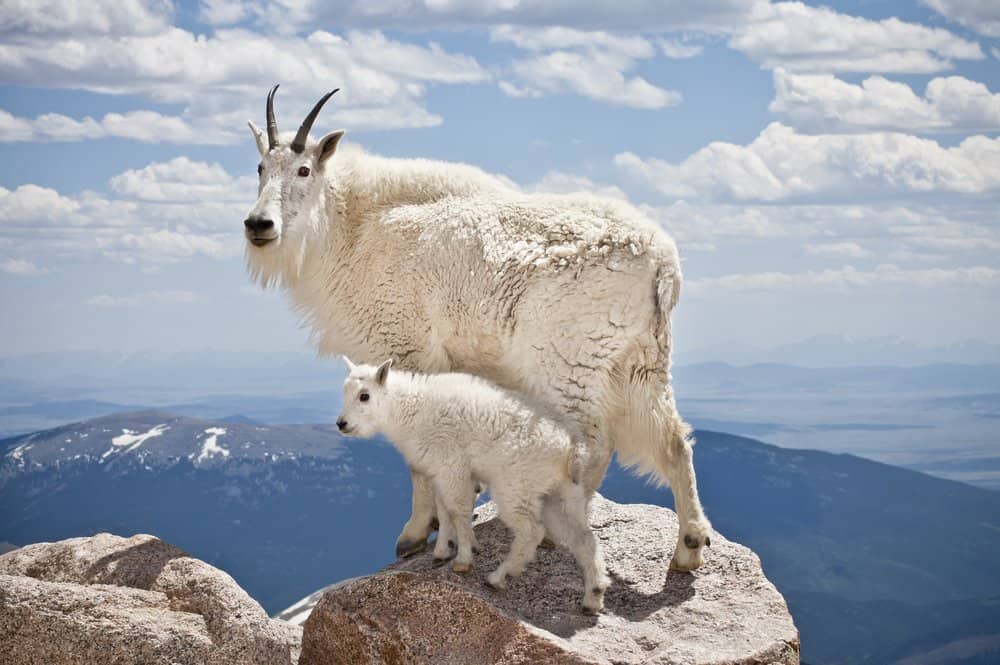
Mountain Goat (Oreamnos americanus)
©Joshua Schutz/Shutterstock.com
Clinging to sheer cliffs, mountain goats are symbols of the park’s alpine strength. Their thick coats blend perfectly with lingering snowfields. Equipped with powerful shoulders and specialized hooves, goats climb terrain few other mammals can reach. The cliffs near Kennicott and Nabesna offer some of the best chances to see them grazing on alpine plants in early morning light.
Boreal Owl (Aegolius funereus)
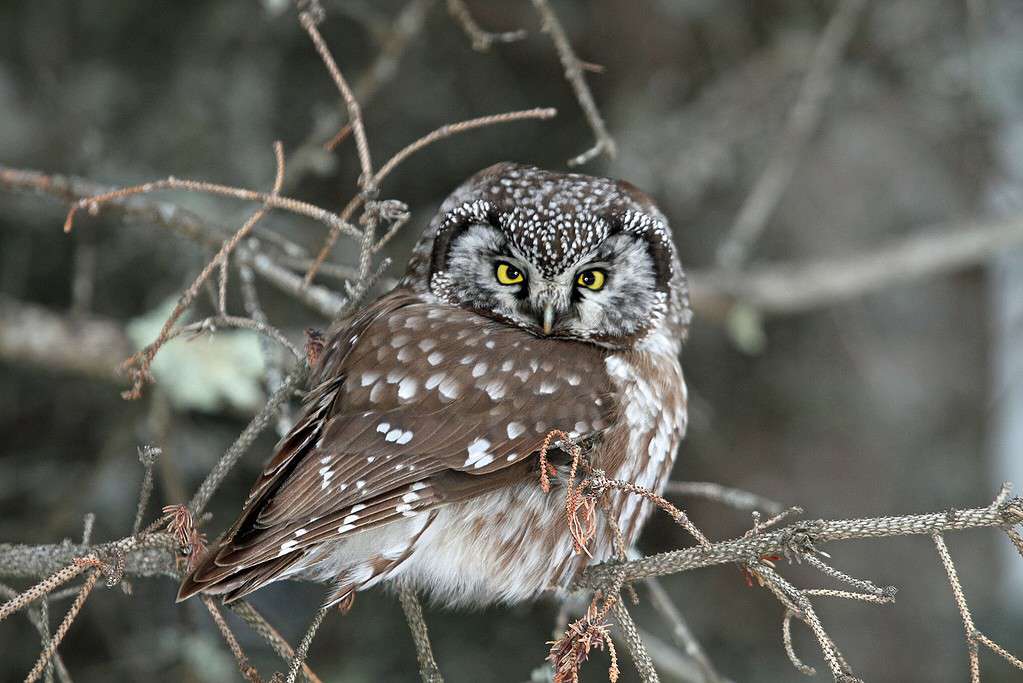
Boreal Owl (Aegolius funereus)
In the quiet spruce forests, the soft, trembling hoot of a Boreal owl echoes through the dusk. These small owls hunt voles and shrews in the shadows, flying silently between tree trunks. They are seldom seen, but their calls reveal their presence to patient listeners. During spring, lucky observers may glimpse one perched on a low branch, its yellow eyes bright in the fading light.
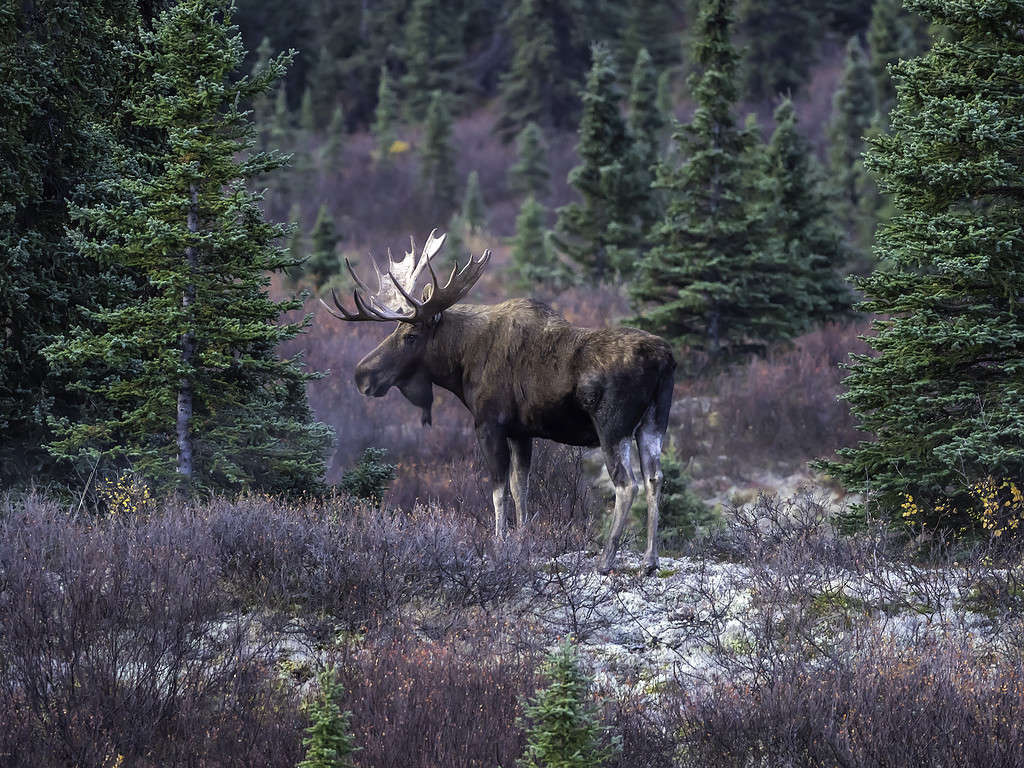
Moose (Alces alces)
Moose (Alces alces)
©Dee Carpenter Photography/iStock / Getty Images Plus via Getty Images
The willow bogs and lakeshores support healthy moose herds. Moose are the largest members of the deer family, with adult bulls carrying immense palmate antlers in autumn. They are adept swimmers, and cows can sometimes be seen with spotted calves wading through shallow ponds or browsing in lush summer thickets. Though seemingly calm, moose can be unpredictable and are best admired from a safe distance.
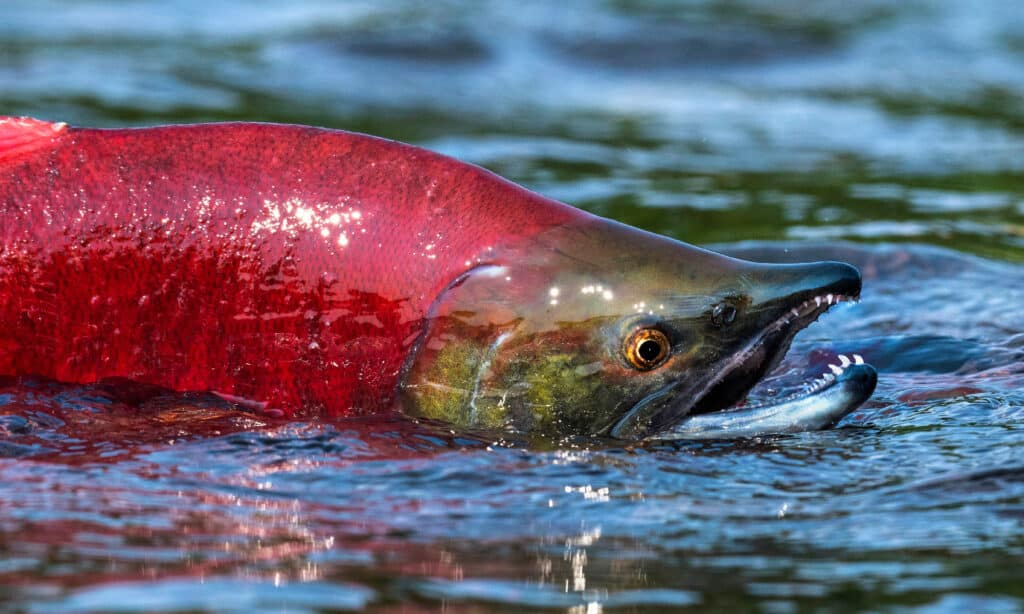
Sockeye Salmon (Oncorhynchus nerka)
Sockeye Salmon (Oncorhynchus nerka)
©Sergey Uryadnikov/Shutterstock.com
Each summer, glacial rivers blaze with color as sockeye salmon return from the sea to spawn. These fish transform from silver to brilliant red with green heads, crowding streams in a final display of life and purpose. Their journey sustains an entire ecosystem, feeding bears, eagles, and foxes while enriching the soil with marine nutrients carried inland.
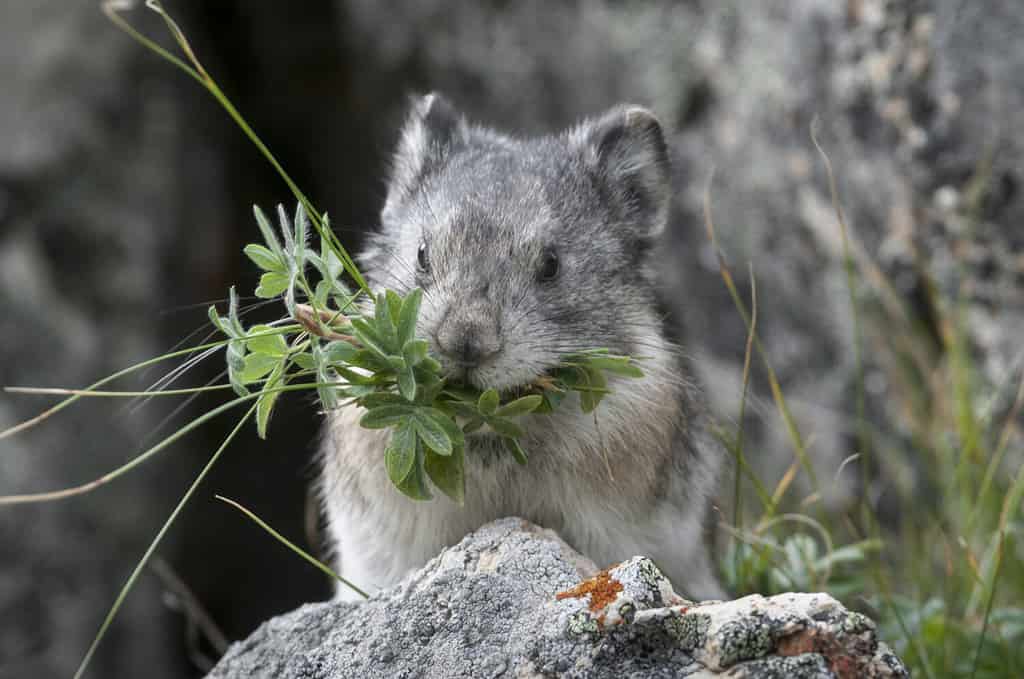
Collared Pika (Ochotona collaris)
Collared Pika (Ochotona collaris)
©NancyS/Shutterstock.com
In rocky slopes above the tree line, the collared pika spends the short summer gathering vegetation. These small relatives of rabbits create hay piles, carefully dried caches of flowers and grasses, to survive the long, frozen winter. Their high-pitched calls echo across boulder fields, alerting others to danger. Pikas are sensitive to heat, so early morning hikes are the best time to see them darting among the rocks.
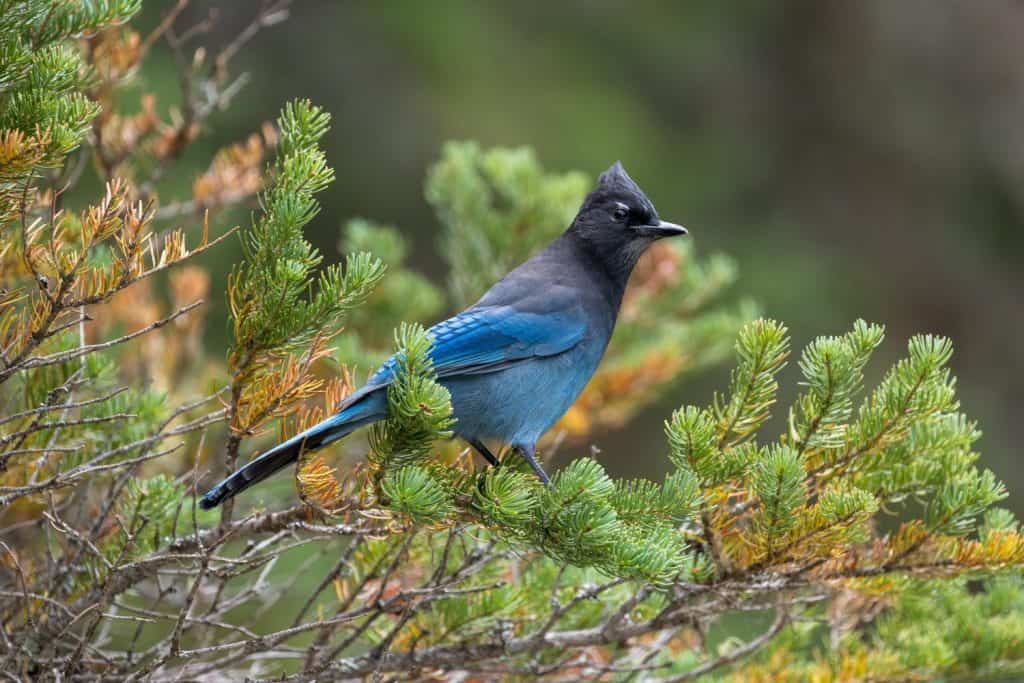
Steller’s Jay (Cyanocitta stelleri)
Steller’s Jay (Cyanocitta stelleri)
©GC Quarterland/Shutterstock.com
With vivid blue plumage and a black crest, Steller’s jays are bold and intelligent. Common around forested campsites and trailheads, they scold intruders and steal crumbs with equal enthusiasm. Their calls carry through the trees as they forage for seeds, insects, and berries. These lively birds add color and personality to the park’s quiet forests.
Alaskan Wood Frog (Lithobates [Rana] sylvaticus)
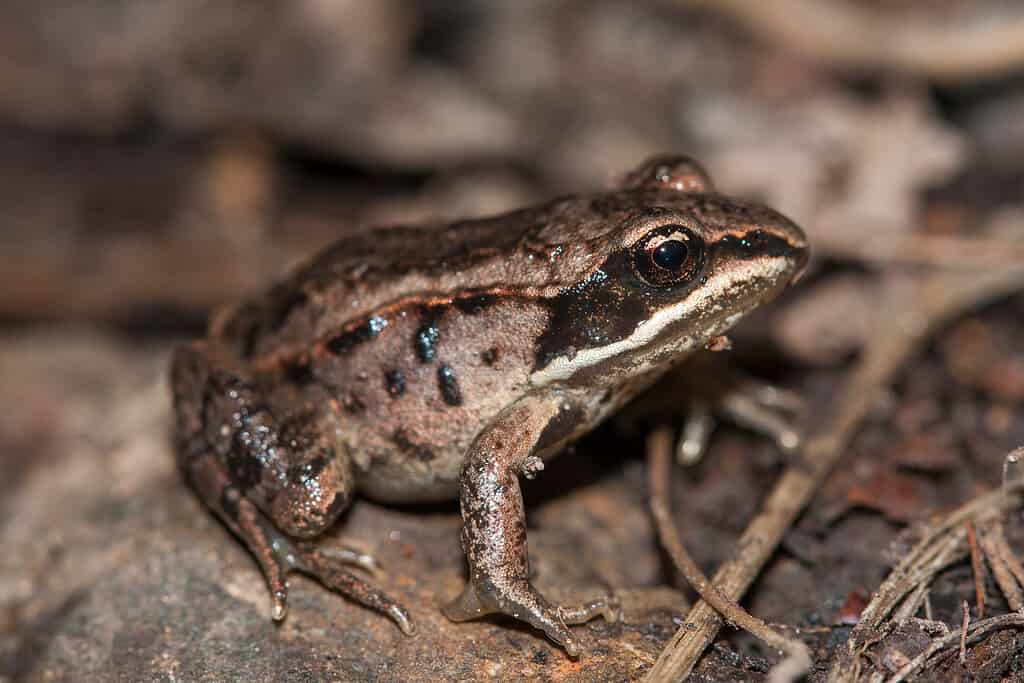
Alaskan Wood Frog (Lithobates [Rana] sylvaticus)
©Viktor Loki/Shutterstock.com
Wood frogs are among the Arctic’s most remarkable survivors. In winter, they freeze solid beneath leaf litter, their hearts stopping until spring thaw revives them. When ice melts, their quacking calls fill thawed ponds, signaling the start of breeding season. Tadpoles quickly develop before the next freeze, feeding fish, birds, and waterfowl throughout the brief northern summer.
Canada Lynx (Lynx canadensis)
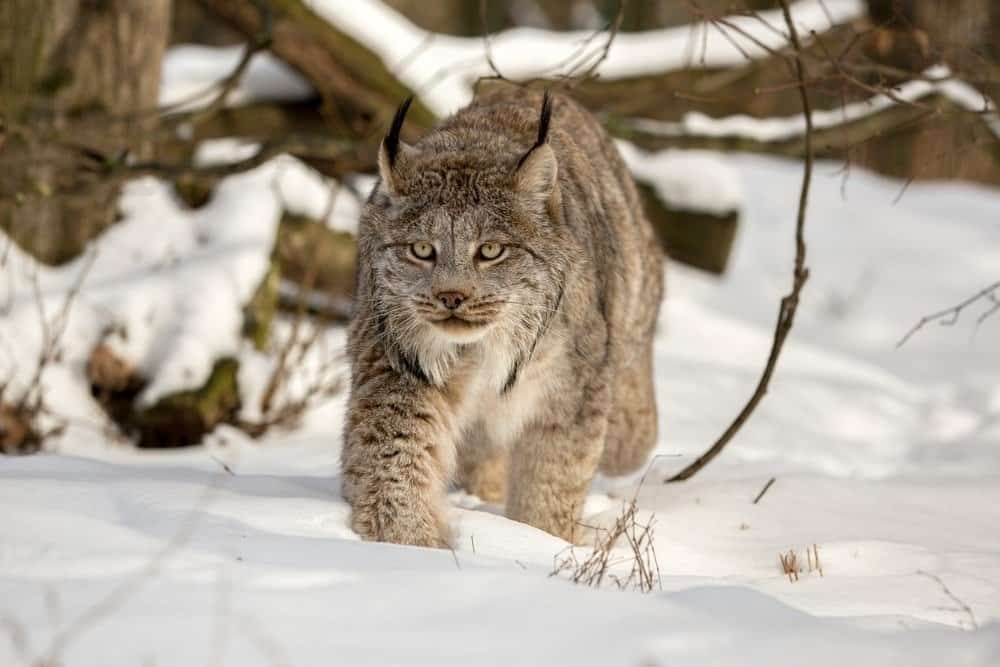
Canada Lynx (Lynx canadensis)
©Felineus/Shutterstock.com
The Canada lynx haunts the deep spruce forests of Wrangell–St. Elias. Its tufted ears, broad snowshoe-like feet, and pale fur make it perfectly adapted for winter hunting. Lynx prey primarily on snowshoe hares, and their populations rise and fall in sync with their prey’s cycles. Spotting one in the wild is a rare and unforgettable privilege.
Coho Salmon (Oncorhynchus kisutch)
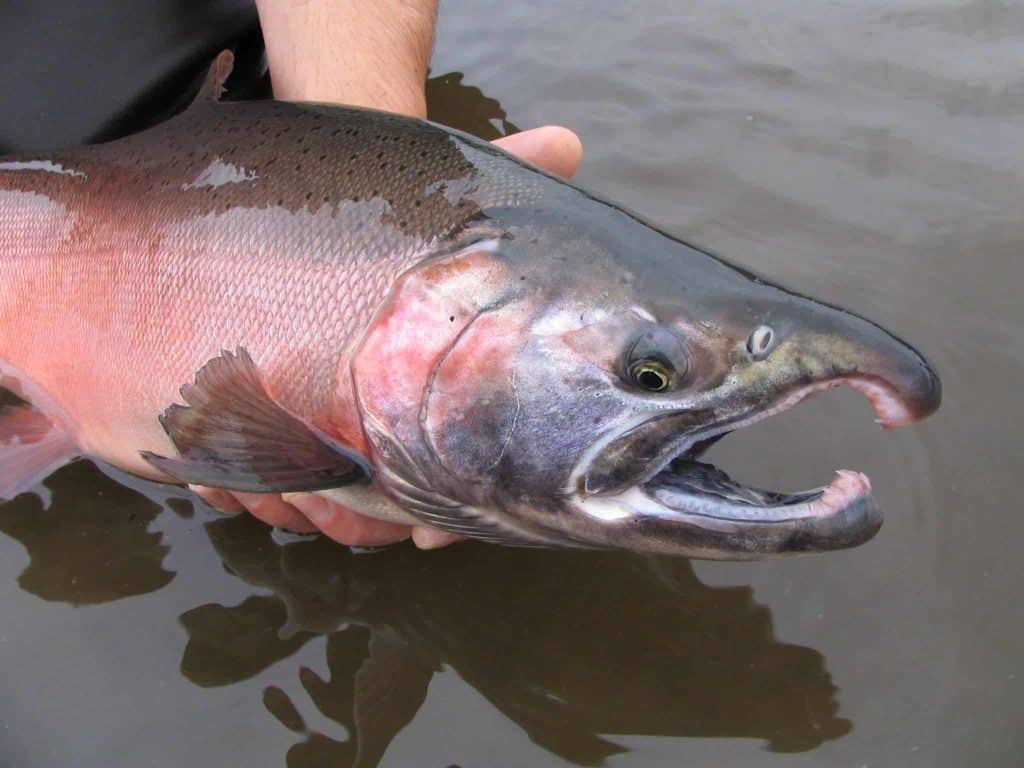
Coho Salmon (Oncorhynchus kisutch)
©United States Fish and Wildlife Services / Wikimedia Commons
Silver salmon, or coho salmon is the name of a species that returns from the Gulf of Alaska each autumn to spawn in the park’s rivers. Their arrival draws a feeding frenzy among bears, eagles, and gulls. Coho runs are an essential pulse in the ecosystem, linking ocean and forest. Anglers and naturalists alike watch for the silver flashes and leaps of fish fighting upstream against the current.
Harlequin Duck (Histrionicus histrionicus)

Harlequin Duck (Histrionicus histrionicus)
©Wilfred Marissen/Shutterstock.com
The park’s rushing glacial streams and rivers are the home turf of harlequin ducks. The males display patterns of slate blue, chestnut, and white, while females blend into rocky surroundings to protect their young. These small sea ducks dive skillfully in turbulent water, feeding on aquatic insects. Hikers who follow creeks into the mountains may be rewarded with a view of these hardy birds navigating the rapids.
Ice, Wind, and Time
From mountain ridges to ocean bays, Wrangell–St. Elias National Park is a living sanctuary for Alaska’s wild heritage. Here, caribou trace ancient paths, bears follow salmon-filled streams, and birds nest beside melting glaciers. Every valley, forest, and tundra slope hums with life shaped by ice, wind, and time.