
The International Union for Conservation of Nature, or IUCN for short, is one of the most powerful wildlife organizations. It comprises both civil and government groups, which study and support the conservation of the world’s plants and wildlife. Without the IUCN, many of our beloved species would be extinct, and no one would ever know about them. As it stands, more than 10,000 species are on the brink of extinction. Approximately 47,000 are currently threatened, which means they’re close to endangerment.
Many of these animals are native to Puerto Rico and the surrounding waters. As of 2025, these species are listed by the IUCN as threatened, endangered, or of special conservation status. For many of them, the IUCN’s calls to action are all that stand between future survival and extinction.
Leatherback Sea Turtle
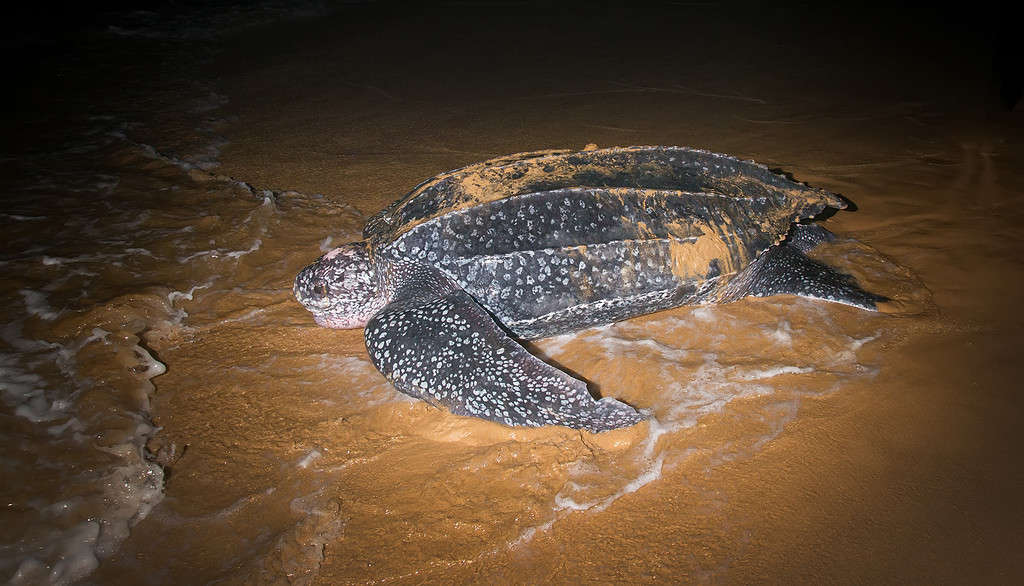
Leatherback sea turtles face habitat loss, specifically near their nesting grounds.
©irin717/iStock via Getty Images
Puerto Rico serves a crucial role in the survival of the leatherback sea turtle. While the species is listed as vulnerable by the IUCN, some subpopulations are Critically Endangered. Thanks to ongoing conservation efforts, this is one of the few locations where leatherback sea turtles find haven from overdevelopment, light pollution, overfishing, and polluted water. However, because the species as a whole is endangered, the leatherback sea turtle is an animal in need of protection.
Kemp’s Ridley Sea Turtle
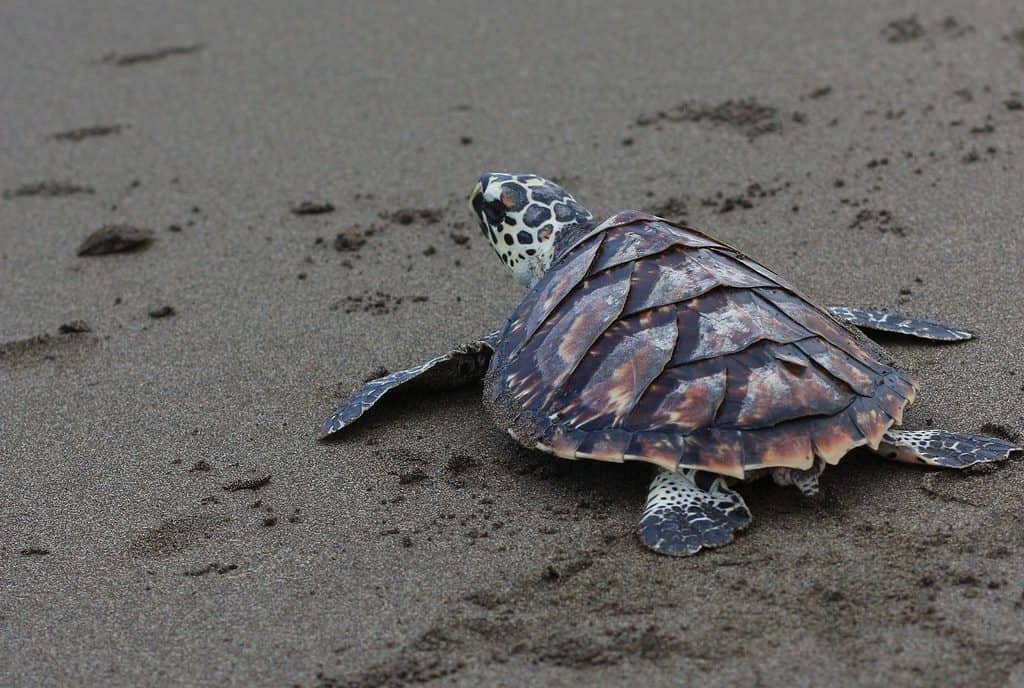
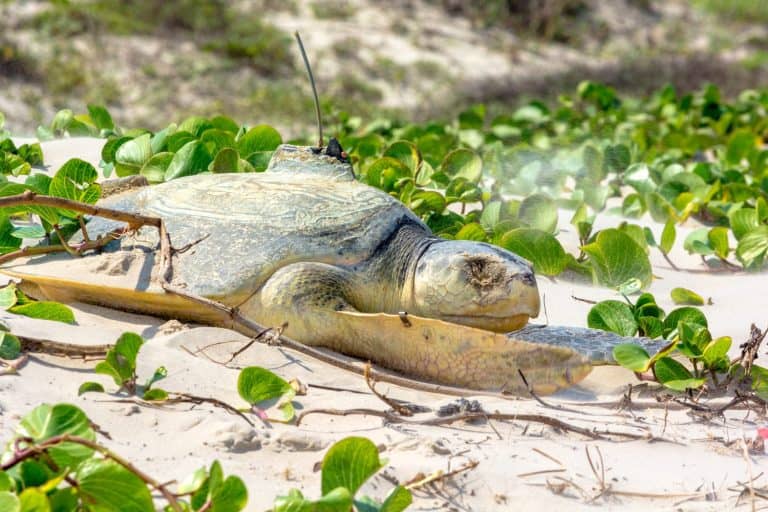
Kemp’s Ridley sea turtles are native to much of the Atlantic Ocean and the Gulf of Mexico.
©Mahmud Hidayat/Shutterstock.com
Efforts are currently ongoing to make Puerto Rico’s coastline safer for Kemp’s Ridley sea turtles. Their biggest threat is fishing because they’re often caught in fishing lines and shrimp trawls. They also face threats from beach erosion and development as their nesting locations disappear. Conservationists are working to recover Kemp’s Ridley sea turtle habitats, especially in Puerto Rico, since the coastline is home to several other endangered sea turtle species.
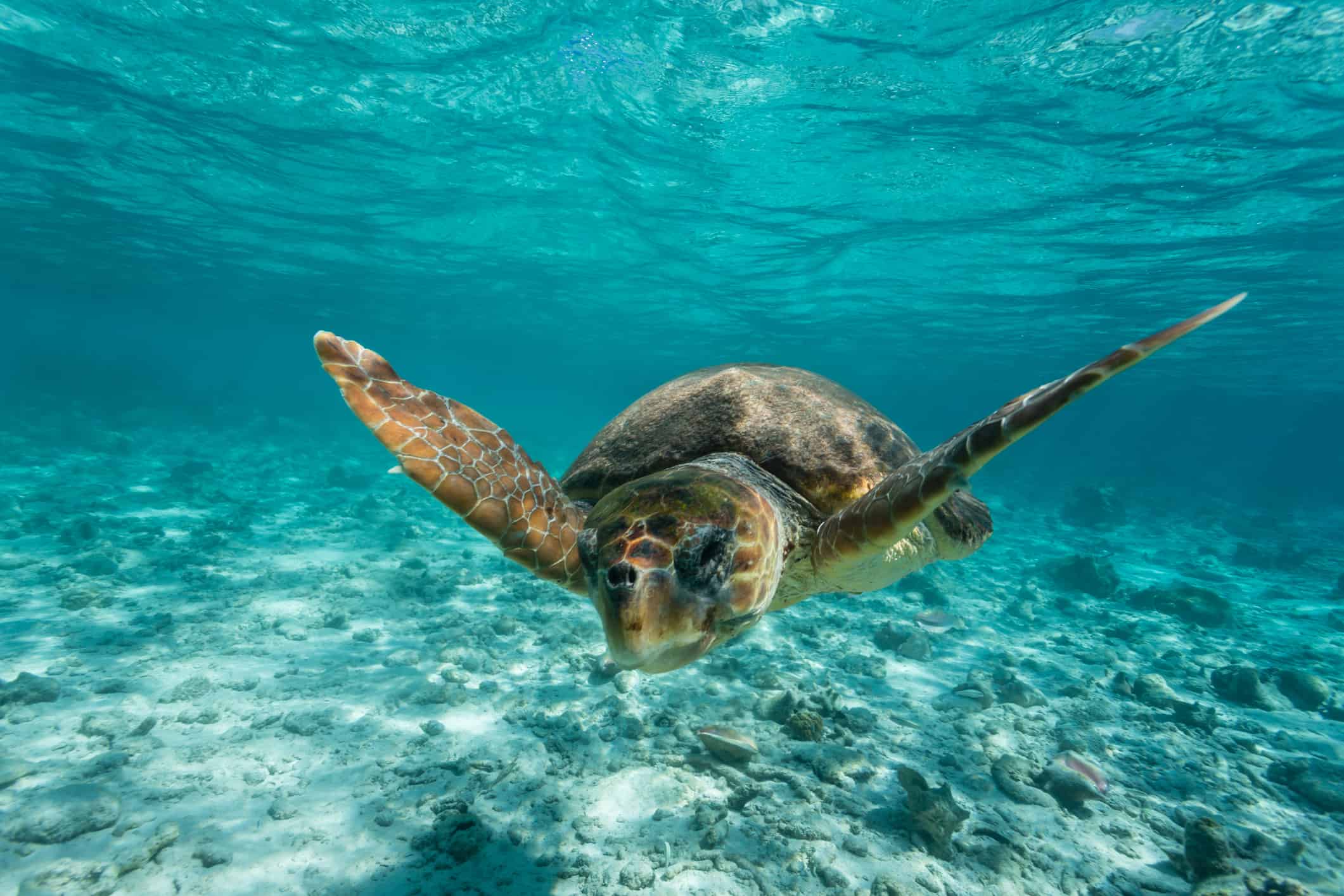
Loggerhead Sea Turtle
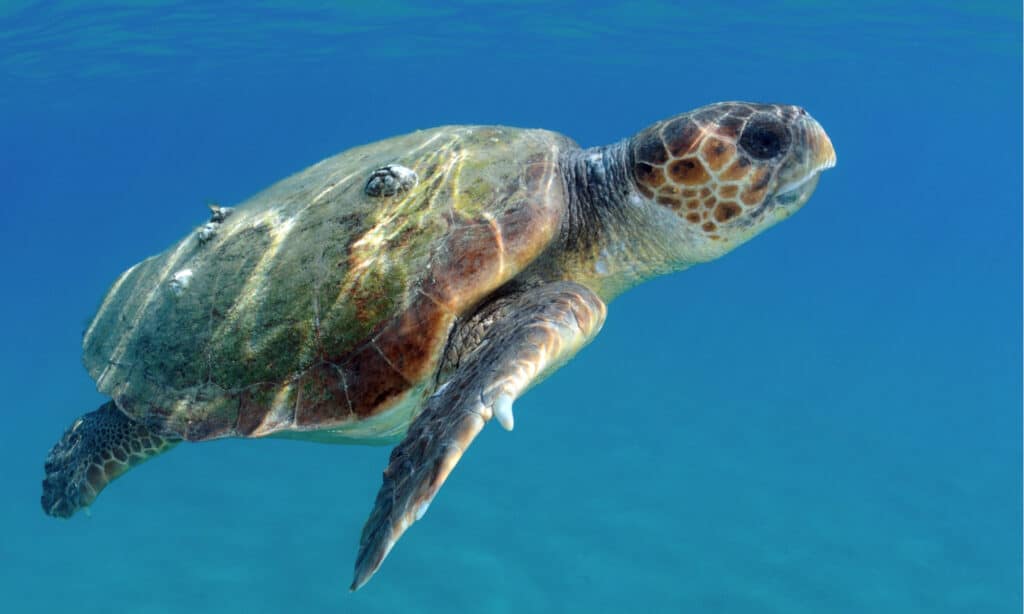
Loggerhead sea turtles are often caught in fishing nets.
©Matteo photos/Shutterstock.com
The loggerhead sea turtle is listed as “vulnerable” globally by the IUCN as of 2025. Additionally, the Northwest Atlantic population, which includes Puerto Rico, is listed as ‘threatened’ under the U.S. Endangered Species Act. It faces similar threats as other sea turtles that use Puerto Rico’s beaches as their nesting grounds. Accidental fishing, development, and erosion are the biggest threats to its habitat. While not as threatened as Puerto Rico’s other native turtles, the loggerhead still requires conservation efforts to avoid going extinct.
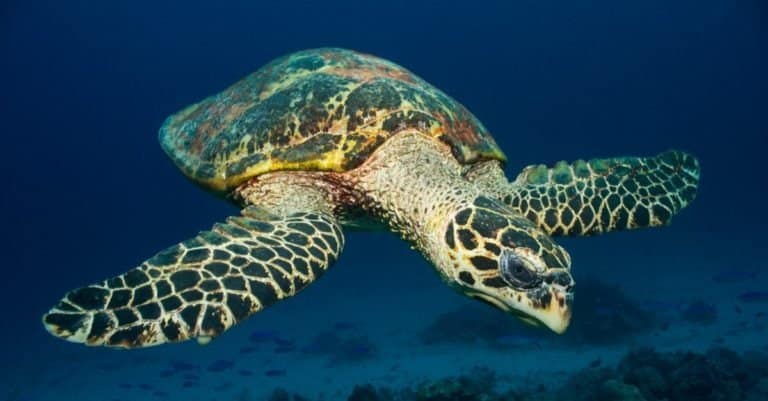
Hawksbill Sea Turtle
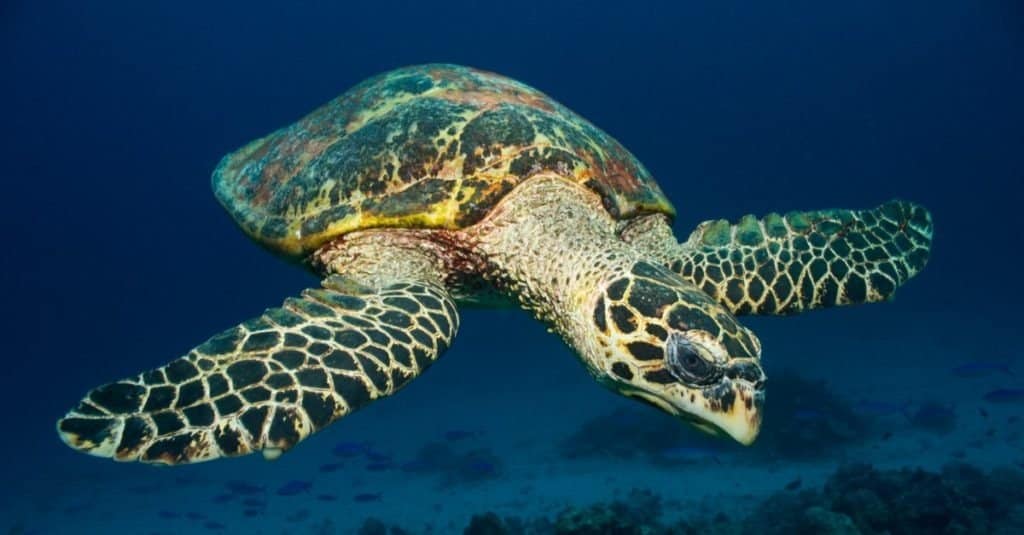
Hawksbill sea turtles face significant threats from eroding beaches.
©John Back/Shutterstock.com
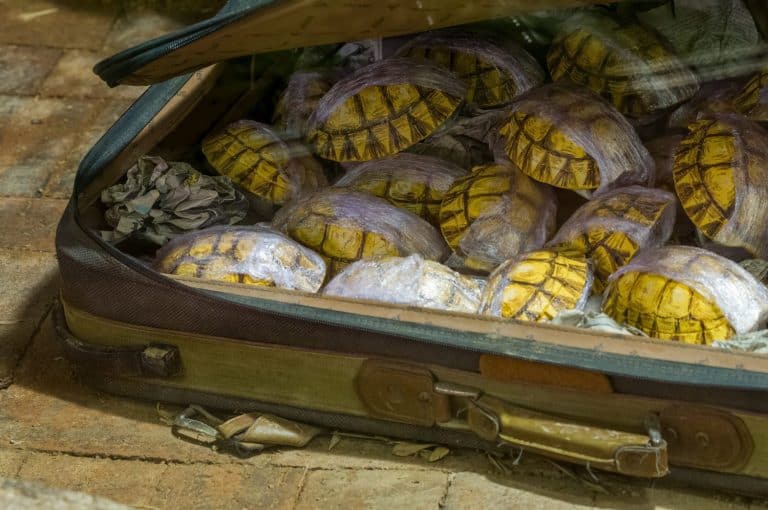
Along with leatherbacks, hawksbill sea turtles experienced the most habitat loss in 2023 due to significant pollution and erosion. These, combined with coastal development, put the species at substantial risk. It’s now listed as endangered in Puerto Rico, and local activists have even stepped forward to protect the species. As climate change causes eroding beaches, conservation groups are attempting to protect nesting grounds before they’re lost. Light pollution and the illegal, black-market trade in hawksbill tortoise shell also pose threats to the species.
Green Sea Turtle
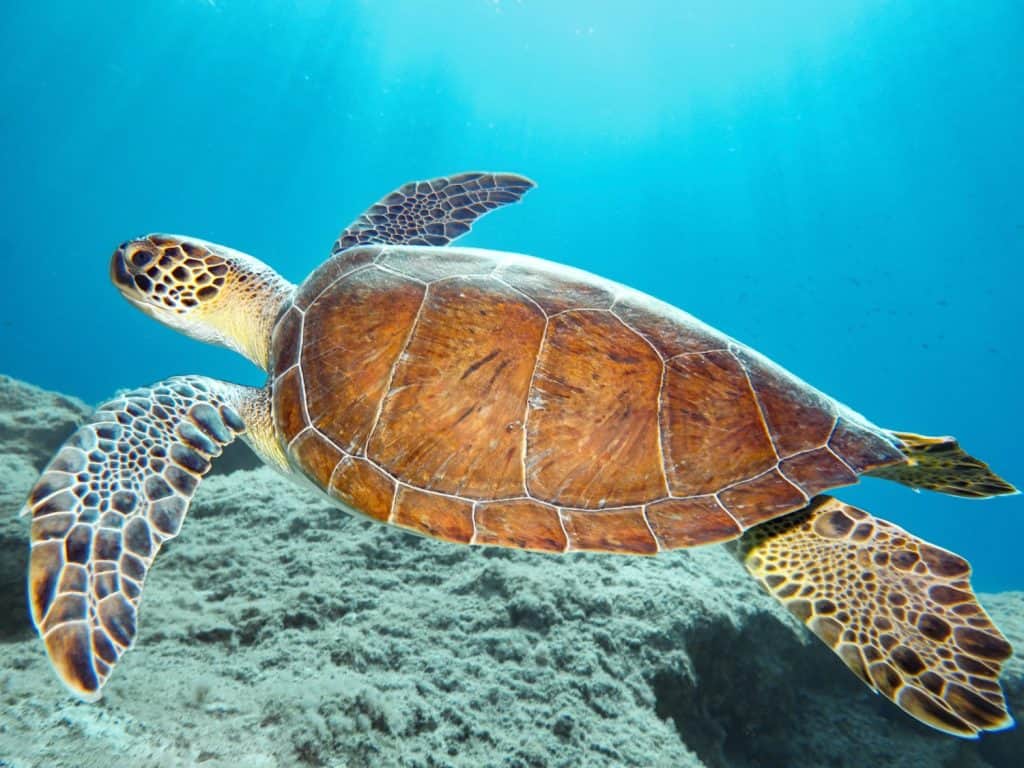
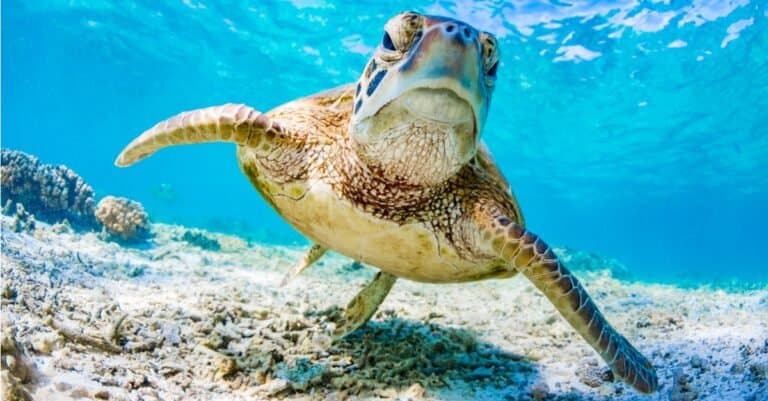
Losing the green sea turtle would be a devastating loss for Puerto Rico’s waters.
©Sakis Lazarides/Shutterstock.com
Puerto Rico’s local green sea turtle population faces grave threats from habitat loss, coastal development, light pollution, and vegetation destruction. Their nesting grounds and food sources have been hit hard, and they’re now considered locally endangered, but their global IUCN status was updated to Least Concern in 2025. As part of the North Atlantic distinct population segment (DPS), efforts have been made to protect specific green sea turtle nesting locations. These include Culebra Island, Vieques, and parts of Guayama and Maunabo.
Elkhorn Coral
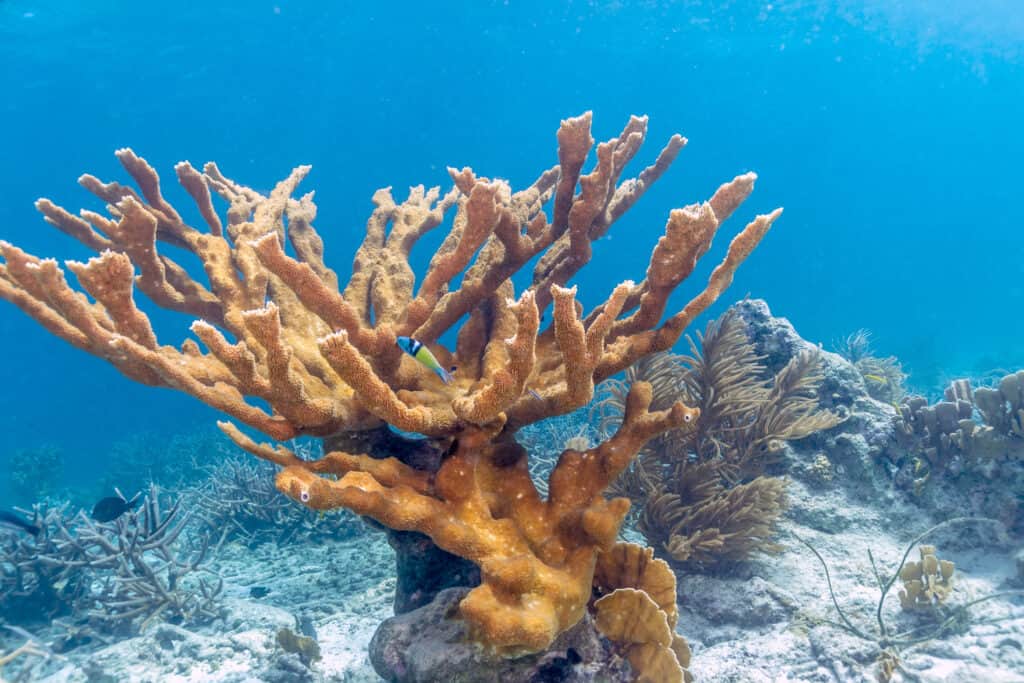
Elkhorn coral is considered to be one of the most important reef-building corals in the Caribbean.
©iStock.com/johnandersonphoto
Coral is a living, breathing part of our oceans. Elkhorn coral, which comprises a significant portion of Puerto Rico’s reefs, is listed as critically endangered by the IUCN. In 2006, Puerto Rico was declared a critical habitat for coral. Following the severe loss of 95% of all the country’s elkhorn coral in the 1980s, there have been signs of regrowth. Although some corals survived mass bleaching, the elkhorn is still at risk from future threats, including pollution, climate change, and human activity.
Staghorn Coral
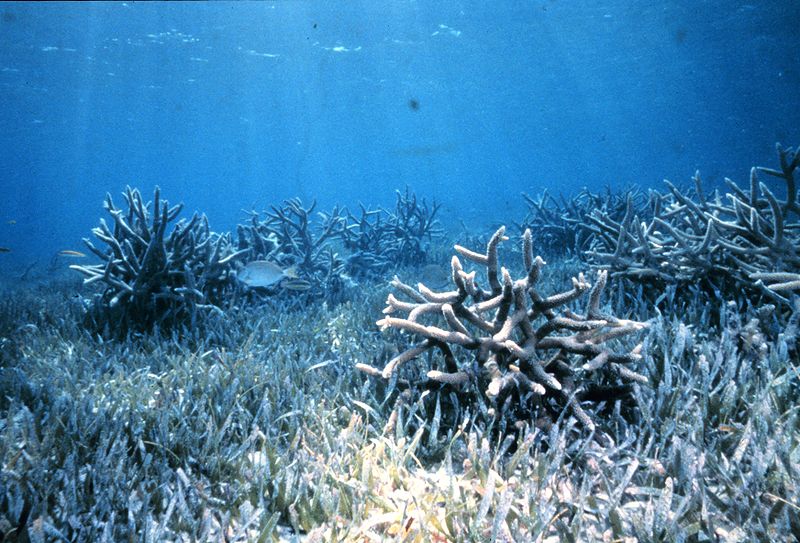
Staghorn coral faces threats from coral reef bleaching.
©Samuel Blanning – Public Domain
At the same time that Puerto Rico was declared a critical habitat for elkhorn coral, staghorn coral was listed as threatened under the U.S. Endangered Species Act. This stunning coral, recognizable for its massive stag-like shape, has faced a significant decline due to climate change. Warmer waters caused coral bleaching, and in 2008, Puerto Rico was designated a critical habitat for the species. At the time, 1,383 square miles of ocean were part of this reef habitat. Today, conservation efforts are ongoing to protect the country’s native reefs, including coral breeding and the establishment of reef nurseries.
Nassau Grouper
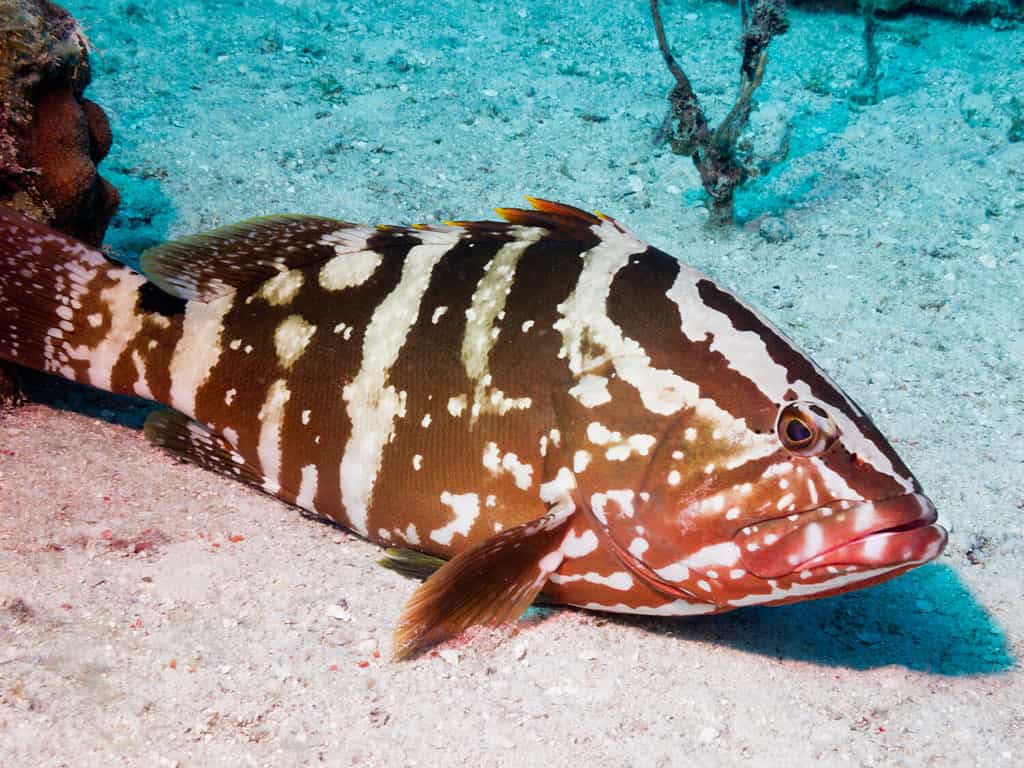
The Nassau grouper is rarely seen underwater today.
©Sergey Dubrov/Shutterstock.com
Sadly, the Nassau grouper is rarely seen in Puerto Rico due to its status as a nearly endangered species. It’s considered threatened in Puerto Rico and has declined due to overfishing. Because of this, it’s now illegal to catch and harvest Nassau grouper in U.S. waters. Conservation efforts have been ongoing to protect its native habitat in Puerto Rican waters, and special care is taken to monitor waters during the breeding season. However, reports of underwater sightings of the Nassau grouper remain low to this day.
Oceanic Whitetip Shark
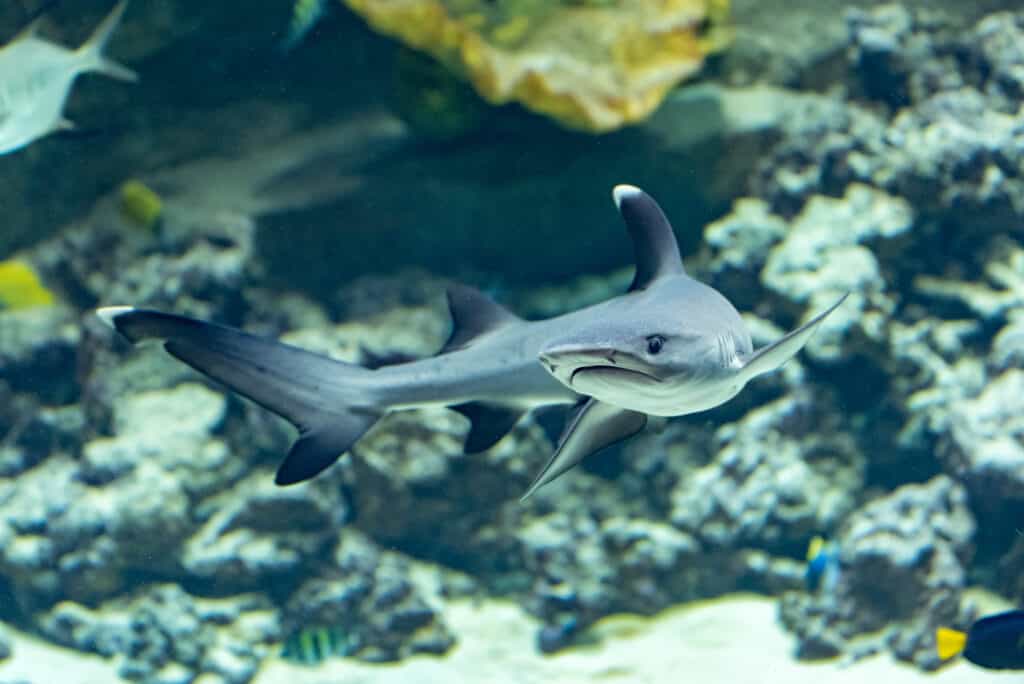
Oceanic whitetip sharks face additional threats due to their body anatomy.
©Artyom Mirniy/Shutterstock.com
Many sharks have faced adversity over the last few decades, whether it be sport fishing or climate change. Sadly, the oceanic whitetip shark continues to face these threats. It’s considered threatened under the U.S. Endangered Species Act in Puerto Rico, and the leading causes of this decline are overfishing and accidental shark catches. In the past, these sharks were caught and killed for their meat, liver oil, and fins. While they’re protected today, they face an additional danger due to their anatomy. If an oceanic whitetip shark stops moving for any period of time, it can no longer breathe and can die.
Culebra Skink
The Culebra skink is currently listed as threatened under the U.S. Endangered Species Act. This means the species is on the verge of extinction and will go extinct without human intervention. The species faces a myriad of struggles, including storm surges, climate change, predation by invasive species, and habitat loss. While these seem insurmountable, conservation efforts are ongoing to prevent the lizard from becoming extinct. Scientists are currently studying the Culebra skink’s habits and monitoring its numbers, while also trying to control the invasive species that prey on it.
Puerto Rican Skink
The Puerto Rican skink is relatively new to the U.S. Fish and Wildlife’s endangered species list. It was proposed for listing as Endangered under the U.S. Endangered Species Act in December 2024. However, the addition was made in response to a call to action in a 2014 petition. Today, roughly 143,947 acres in Puerto Rico and Desecheo Island have been declared critical habitat for the Puerto Rican skink. It faces severe habitat loss due to human activity, and efforts are still underway to conserve the remaining population.
Puerto Rican Crested Toad

Puerto Rican crested toads face challenges from invasive toad species.
©Jan P. Zegarra, U.S. Fish and Wildlife Service, Public domain, via Wikimedia Commons – Original / License
The Puerto Rican crested toad is threatened by invasive predators and habitat loss, much of which stems from agricultural development. Crested toads also face unnatural competition from invasive toads, such as the marine toad. Today, conservation efforts have been put in place to protect breeding sites and limit the spread of invasive species in Puerto Rico. Captive breeding programs and protection of nesting grounds will hopefully improve its status on the IUCN Red List from critically endangered.
Puerto Rican Plain Pigeon
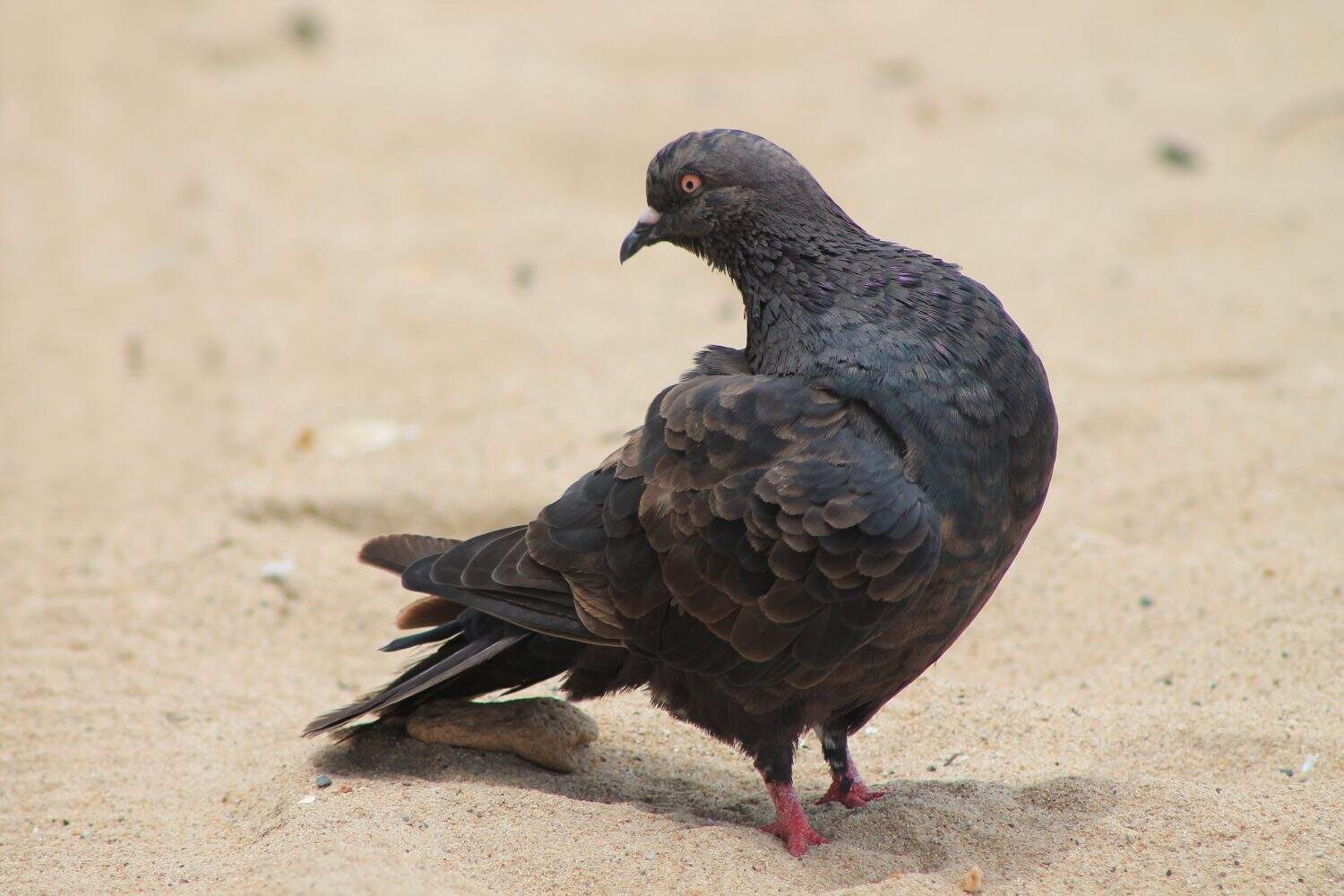
The Puerto Rican pigeon was nearly extinct at one point.
©Ednita/Shutterstock.com
The Puerto Rican plain pigeon has been at-risk since 1970. Knowing this, it’s an incredible feat to know that conservation has protected the species for decades. Even so, it still holds a near-threatened status due to hunting practices and deforestation. Its population declined sharply during the 1920s and 30s, and for some time, scientists believed the species was extinct. However, a 1960s sighting confirmed its existence, and conservation efforts have been ongoing to protect its habitat ever since.
Puerto Rican Nightjar
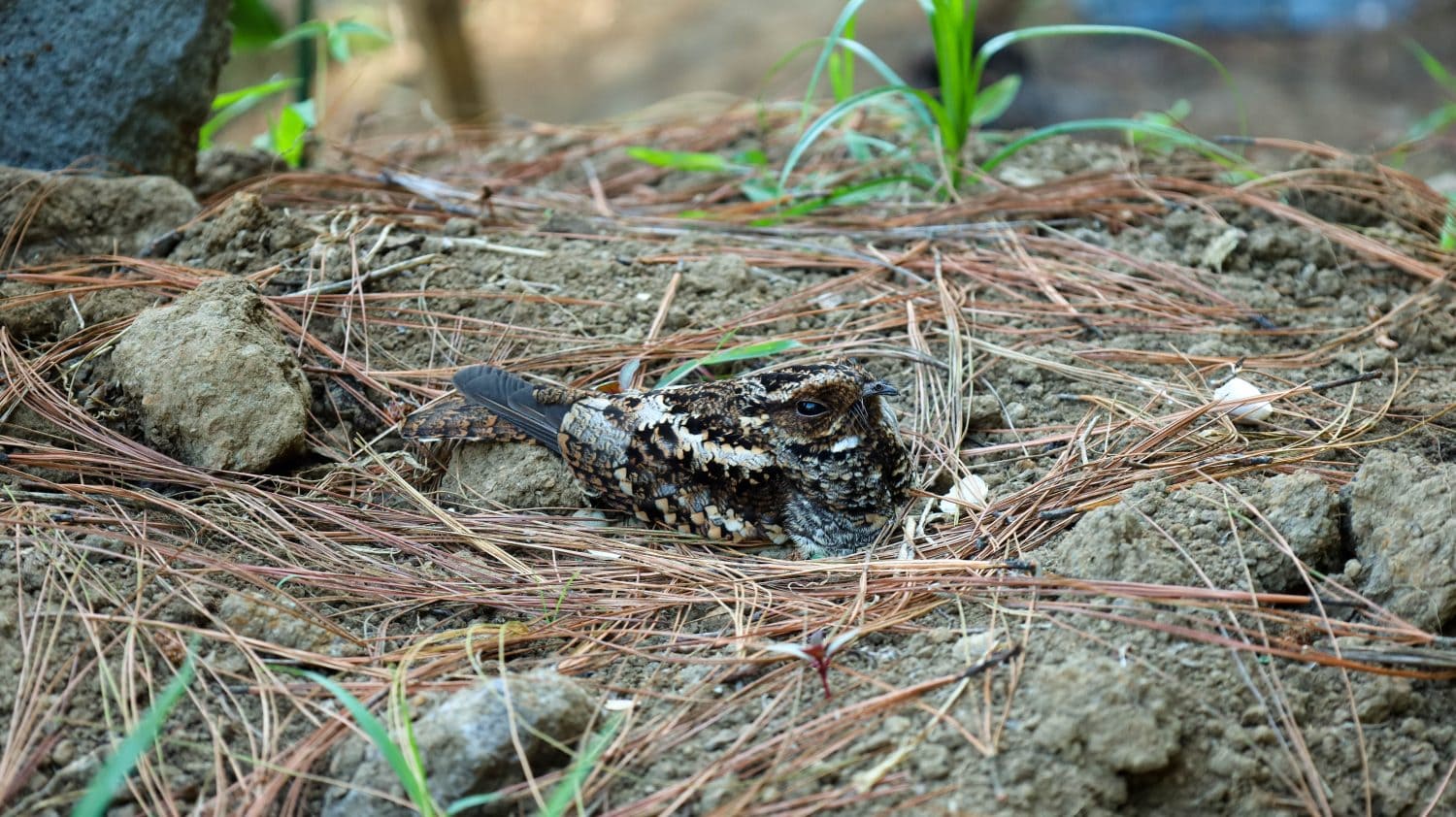
The Puerto Rican nightjar has been endangered since the 1960s.
©SOLVEIT/Shutterstock.com
The nightjar is an iconic bird, easily recognized by its long tail feathers. Sadly, sightings of this bird in Puerto Rico are rare due to its endangered status. In fact, it was believed to be extinct for years until a sighting in 1961. It was declared threatened in 1968, and as its numbers declined, it was moved to Puerto Rico’s endangered species list in 1994. Invasive species, such as the Indian mongoose and feral cats, are partially responsible for the decline in the nightjar population. However, residential and agricultural development are also to blame for habitat loss. Today, Puerto Rican nightjar numbers are considered stable, but the species as a whole remains endangered, with an estimated 1,400–2,000 mature birds.
Broad-Winged Hawk
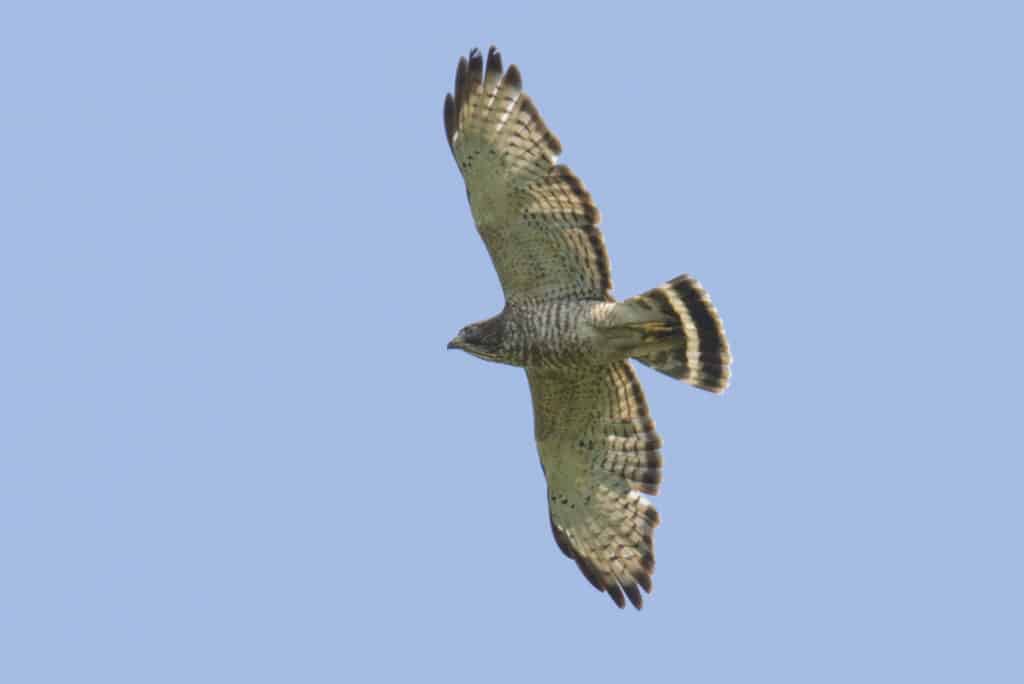
Broad-winged hawks face threats from development, which take away their nesting grounds.
©iStock.com/lrh847
The Puerto Rican broad-winged hawk is listed as endangered both locally and under the U.S. Endangered Species Act. Its status rides on the surge in construction, which has led to significant habitat loss for the species. The broad-winged hawk’s status in Puerto Rico is critical because it’s a predatory bird. Its role in the food chain is crucial, as it maintains balance among native and nonnative animal species. Because the broad-winged hawk is endemic to Puerto Rico, significant efforts by the Puerto Rico Department of Natural and Environmental Resources and The Peregrine Fund have been underway to maintain its population. Unfortunately, it’s not only human activity that poses a threat to the species. External factors, such as hurricanes and extreme weather, also put it at risk.
Puerto Rican Parrot
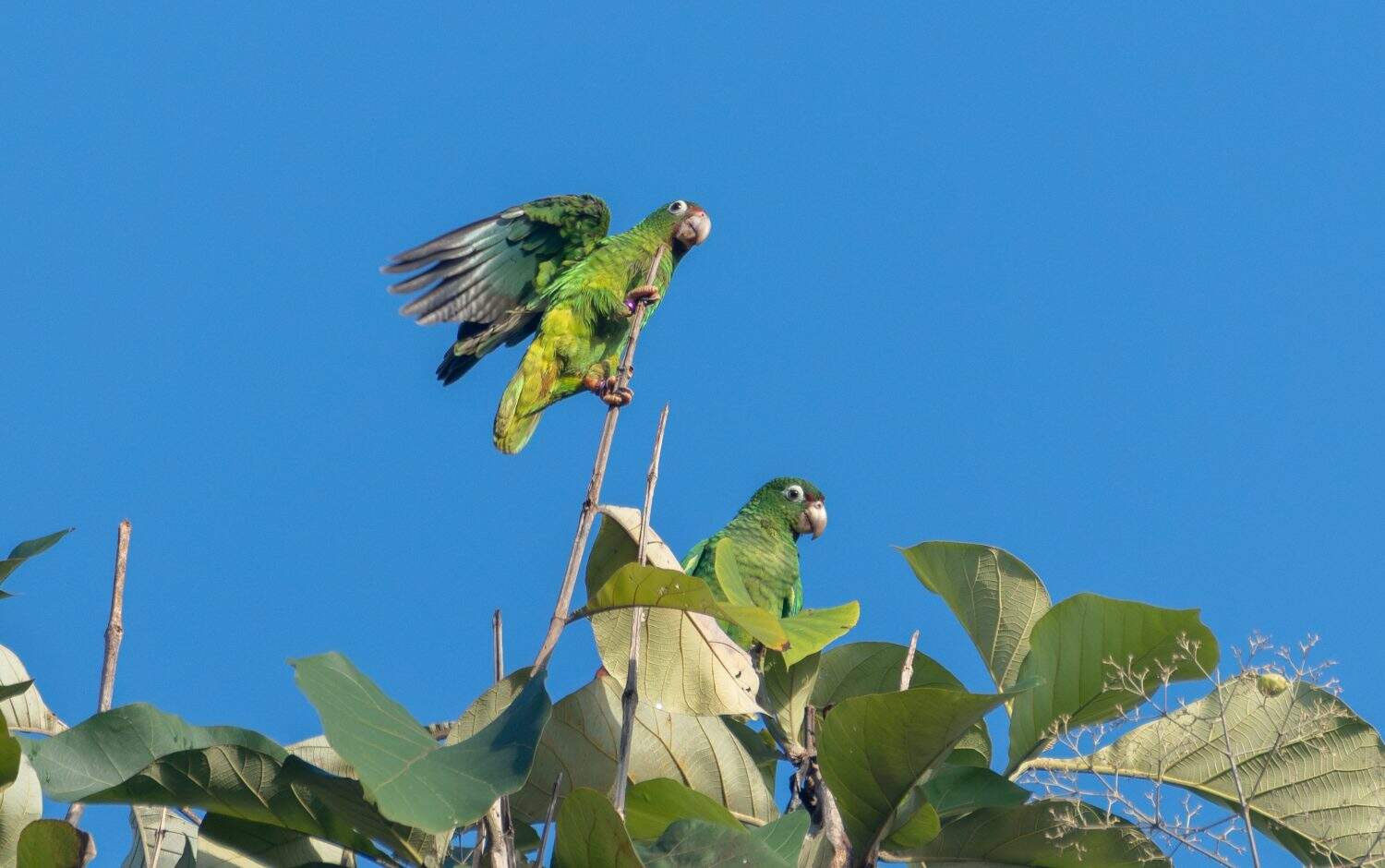
Puerto Rican parrots are a critically endangered species.
©Julio Salgado/Shutterstock.com
The Puerto Rican parrot is currently listed as critically endangered. Tragically, it nearly went extinct during the 1970s, when its population fell from the millions to just 13. A captive breeding program helped keep the species from going extinct. Today, its population is still low, and it’s rarely seen in the wild. Deforestation and development, dating back to the 16th century, still heavily impact the future of the species. Conservation efforts are ongoing to address issues such as climate change, illegal pet trade, and habitat loss. Thanks to local and federal efforts with aviaries in El Yunque and Río Abajo, the Puerto Rican parrot is not yet extinct.