
Quick Take
- Idaho provides ideal bear habitat with large, connected wilderness, abundant food, and low human pressure.
- Black bears are widespread, while grizzlies are limited to northern regions and areas near Yellowstone.
- Bear activity follows seasonal food patterns, with higher encounter risk in spring and fall.
- Awareness of terrain, food sources, and behavior helps people avoid conflicts and travel safely.
Idaho supports large populations of bears across a wide range of landscapes. From the wet forests of the Panhandle to the high country near Yellowstone, black bears and grizzlies move through mountains, rivers, and forest edges. Spotting a bear can be exciting, but it requires awareness. Understanding where bears are most common and why they use certain areas helps people explore safely while reducing risks for wildlife.
Travelers who read the landscape and follow basic safety habits can avoid most problems. In many areas, Idaho’s terrain provides ideal conditions for bears. Learning how habitat, food, and seasons shape bear movement turns uncertainty into practical knowledge that can be used on any trip.
Idaho as Bear Habitat
Idaho offers ideal conditions for bears because of its large, connected landscapes and relatively low human population. Much of the state remains undeveloped, with forests, mountains, and river systems stretching for miles without interruption. These unbroken habitats give bears room to travel, hunt, and avoid constant human pressure. Unlike more crowded states, Idaho provides long corridors where wildlife can move freely between seasonal feeding areas.
Food availability is another key factor. In spring, bears feed on grasses and early plant growth in open areas. Summer brings insects, roots, and expanding vegetation, while late summer and fall provide high-calorie foods such as berries and seeds. Water sources are also widely available, from rivers to alpine lakes, supporting plant and animal life that bears depend on. This combination of space, food, and limited disturbance makes Idaho one of the most reliable places in the lower 48 for sustaining both black bear and grizzly populations.
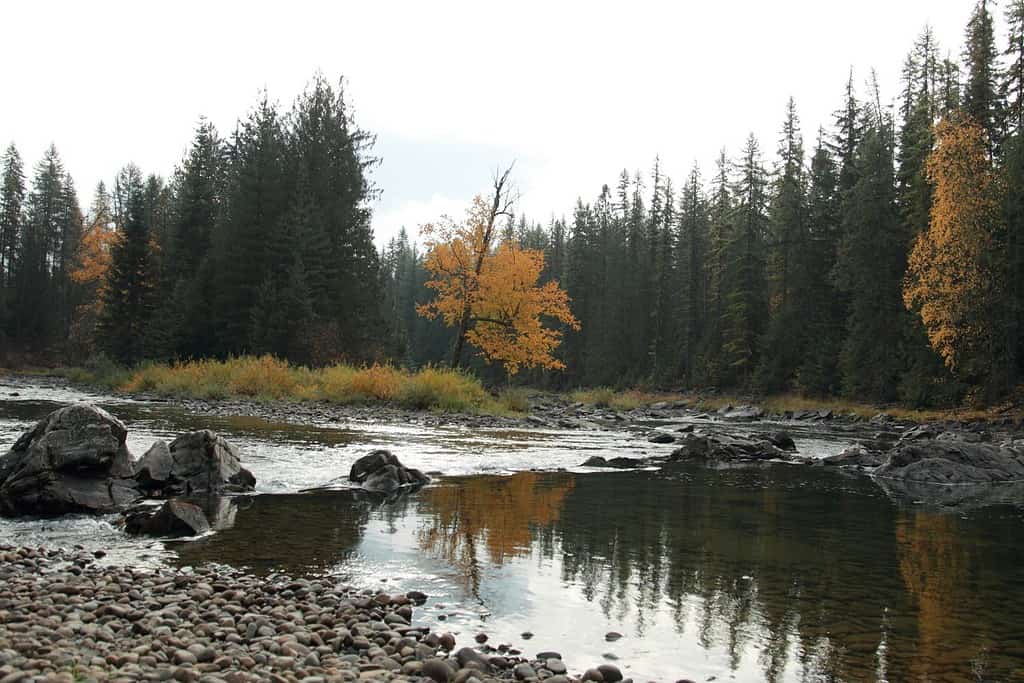
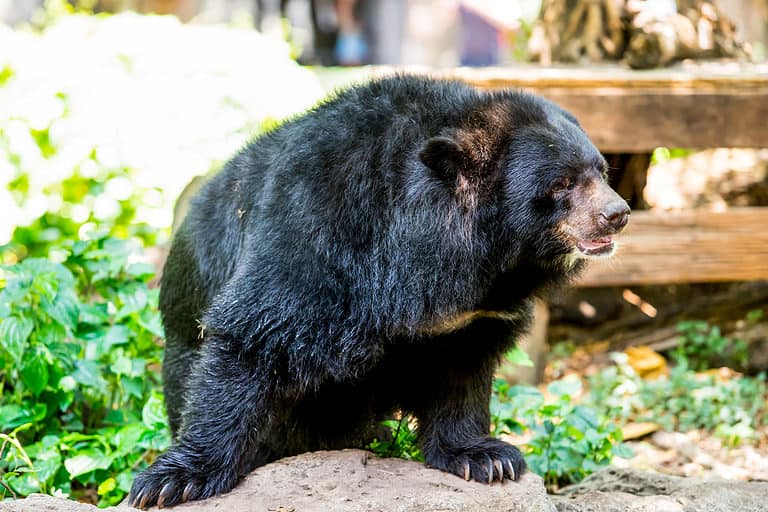
Idaho has enormous tracts of unspoiled areas that provide perfect habitat for bears.
©Steve Jamsa/Shutterstock.com
Bear Species Found in Idaho
Two species live in Idaho: The North American black bear and the grizzly bear. Black bears are widespread and occupy much of the state, especially in forested regions across the north and central mountains. Grizzlies have a much smaller range and are found mainly near the Yellowstone ecosystem in the east and in the Selkirk and Cabinet mountains in the far north.
Estimates suggest Idaho has about 10,000 to 15,000 black bears and around 100 grizzlies, and because both species can occupy the same regions, hunters must pass an identification test before pursuing black bears. Confusion often comes from color, since black bears can appear brown or cinnamon, leading people to misidentify them as grizzlies. The real differences are in size and shape, with grizzlies generally larger, more defensive, and marked by a distinctive shoulder hump. For anyone outdoors, especially in northern and eastern Idaho, it is safest to assume bears may be present. Understand how to tell them apart and how to respond appropriately.
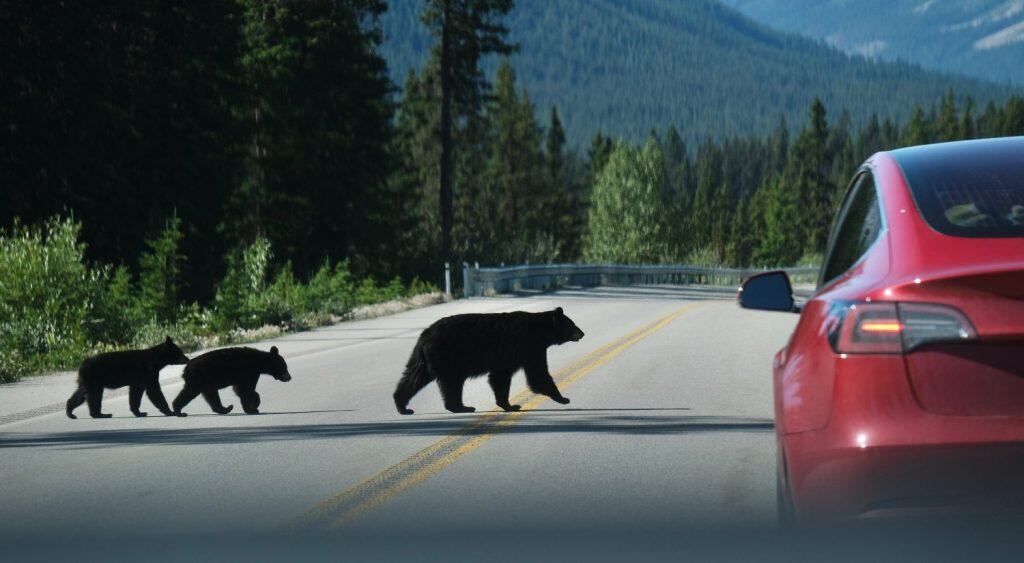
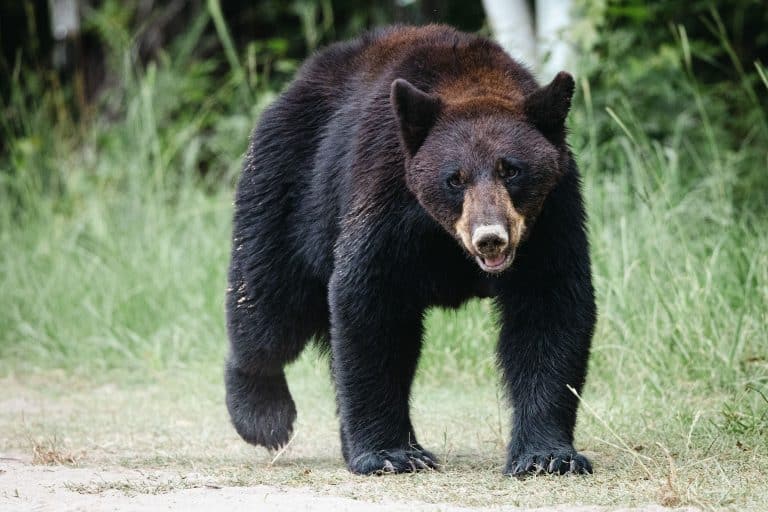
A black bear mother and her cubs crossing a road.
©Marina Poushkina/Shutterstock.com
Northern Forests and the Panhandle
The Panhandle region is one of Idaho’s most active bear areas. Heavy rainfall, dense conifer forests, and rugged terrain provide steady food and cover throughout the year. Black bears are common across this region and use a wide range of habitats, including low-elevation wetlands, forest edges, and higher mountain slopes. These environments support diverse plant growth, which in turn supports bear diets.
Grizzlies are present in parts of the Selkirk and Cabinet-Yaak recovery areas. Although their numbers are lower than in Yellowstone, they remain an important part of the region’s ecosystem. These bears travel long distances through steep drainages and forested ridges while searching for seasonal food sources such as berries and carrion. The thick vegetation and uneven terrain in this region can limit visibility, increasing the chance of surprise encounters. Because of this, anyone hiking, fishing, or camping in the Panhandle should stay alert, make noise in dense areas, and carry bear spray.
Central Mountains and Remote Wilderness
Central Idaho contains some of the largest stretches of undeveloped land in the continental United States. Regions such as the Frank Church–River of No Return Wilderness and the Gospel Hump provide vast areas where wildlife can exist with minimal human interference. These landscapes include steep canyons, forested slopes, alpine ridges, and river systems that support a wide variety of plant and animal life.
Black bears thrive in this region due to the availability of food and cover. They use brushy creek bottoms, regenerating forests, and open slopes where plants grow quickly after snowmelt. Grizzlies are not common here, but occasional sightings confirm that they do pass through certain areas. Because of the remote nature of this region, help is often far away, making preparation especially important. Visitors should carry proper safety equipment, remain aware of their surroundings, and treat all remote terrain as potential bear habitat.
Yellowstone-Linked Landscapes
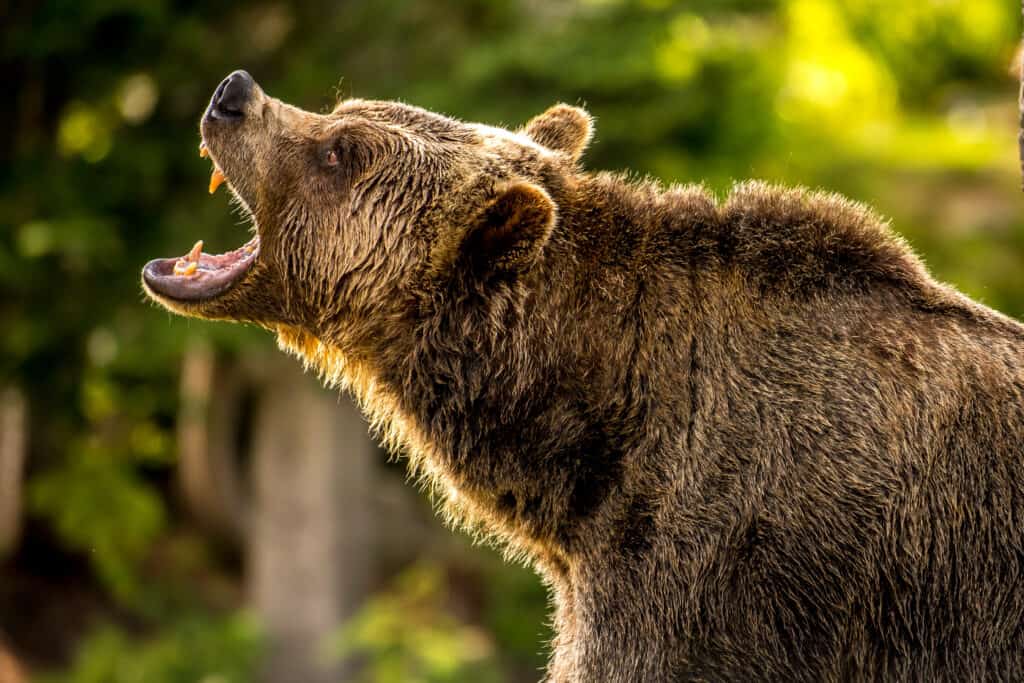
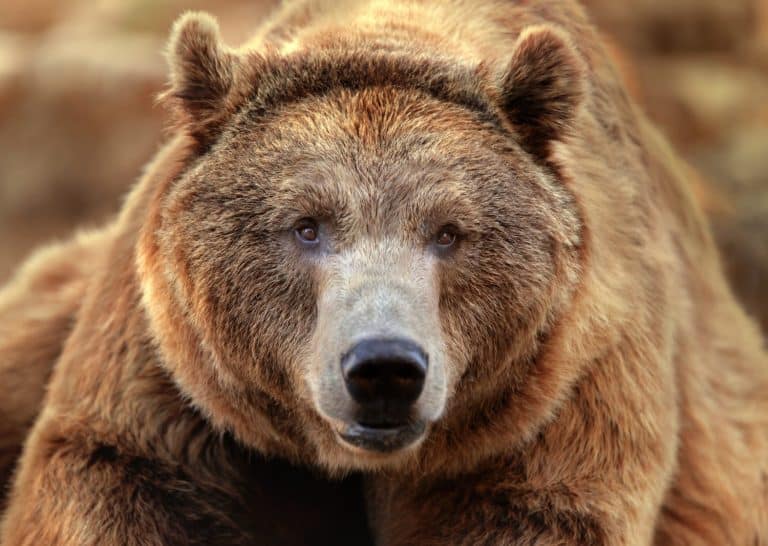
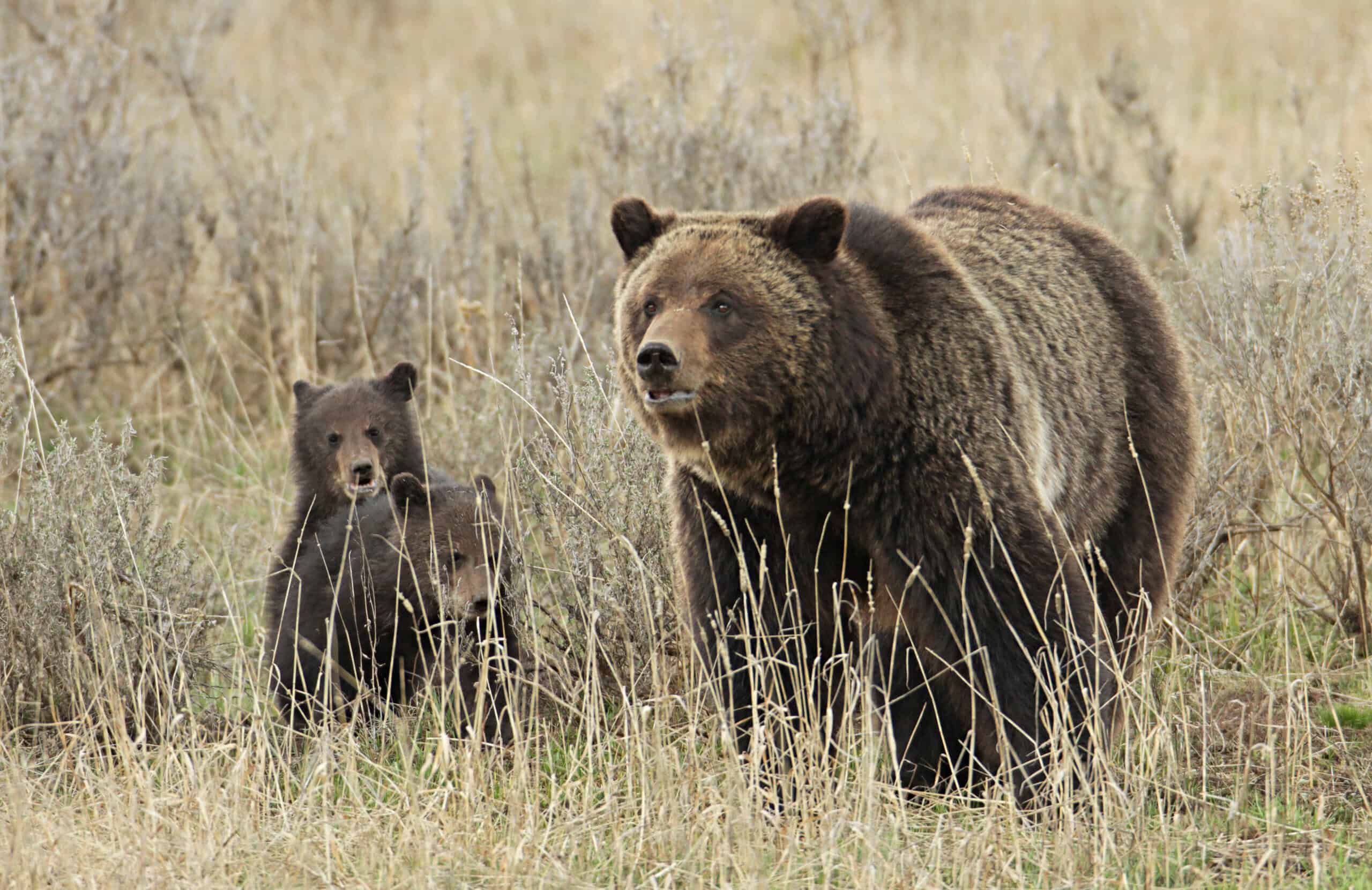
The Greater Yellowstone Ecosystem supports a healthy population of grizzlies.
©toseeg/Shutterstock.com
Southeastern Idaho connects directly to the Greater Yellowstone Ecosystem, one of the most important wildlife regions in North America. This area includes forests, meadows, and river valleys that support both black bears and grizzlies. Regions such as Island Park and Teton Valley provide a mix of cover and food that allows bears to move freely across the landscape.
In spring, bears often appear at lower elevations where snow melts first and food becomes available. As temperatures rise, they move into higher terrain, following plant growth and expanding food sources. By late summer, berry patches and other high-calorie foods become critical. Because this region attracts a large number of visitors, human activity often overlaps with bear movement. Campgrounds, fishing areas, and vacation homes all sit within active bear habitat. This makes proper food storage and awareness essential for reducing conflicts and maintaining safety.
Where Black Bears Are Most Common
Black bears are the most widely distributed large predator in Idaho. They occupy much of the northern and central parts of the state, especially areas with dense forests and varied terrain. Their ability to adapt to different environments allows them to thrive in both remote wilderness and areas closer to human activity.
These bears follow seasonal food sources, which influences their movement patterns. In spring, they focus on new plant growth at lower elevations. As the season progresses, they move higher into the mountains and later return to areas rich in berries and other food sources. Because of their adaptability, black bears are often the species people are most likely to encounter. They may appear near trails, campsites, and even residential areas, especially when food is easily available. This makes awareness and proper behavior important throughout much of Idaho.
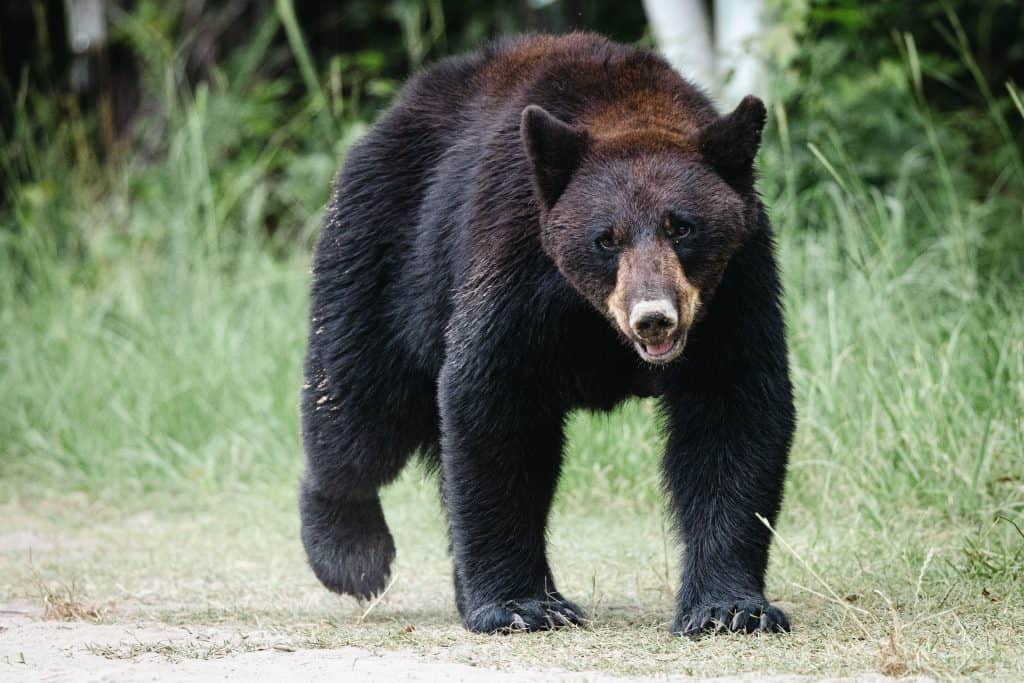
Black bears are the most widely-distributed predators in Idaho.
©Wirestock Creators/Shutterstock.com
Why Bear Activity Varies by Region
Bear activity in Idaho is shaped by a combination of food availability, habitat quality, and human influence. Areas with abundant natural food and large, connected habitats tend to support higher bear populations. Northern Idaho and the Yellowstone region are strong examples of this pattern, as they provide consistent food sources and space for movement.
Human activity can also affect bear behavior. When food sources such as garbage, livestock feed, or fruit trees are left accessible, bears may begin to associate people with food. This increases the likelihood of repeated visits and potential conflict. Wildlife agencies stress that most bear-related problems begin with human actions rather than natural behavior. Managing attractants and maintaining clean environments help keep bears focused on natural food sources and reduce the chance of dangerous encounters.
When and Where You’re Most Likely to Encounter Bears
Bear activity in Idaho follows clear seasonal patterns tied to food. In spring, they emerge from dens hungry and concentrate at lower elevations where snow melts first. South-facing slopes, open meadows, and river corridors are common feeding areas, and this is when many surprise encounters occur, especially in brushy terrain.
As summer progresses, bears spread across higher elevations, following plant growth, insects, and early berries. By late summer and fall, they enter a phase called hyperphagia, feeding heavily to prepare for winter. During this time, berry patches, ridgelines, and forest edges become high-use areas. They may stay focused on feeding, but they should never be approached.
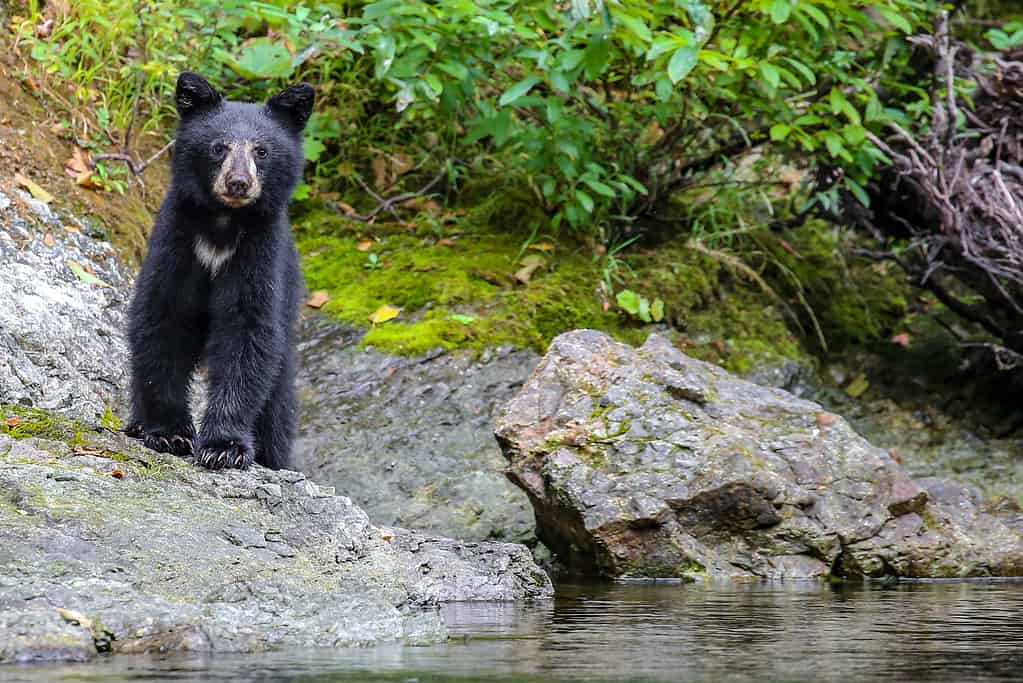
Areas of dense forest and underbrush near a water source are prime bear country.
©christiannafzger/iStock via Getty Images
Certain landscapes consistently signal bear presence. Dense forests with water nearby, thick understory vegetation, and areas with abundant food sources all increase the likelihood of an encounter. Near towns, unsecured garbage, fruit trees, and livestock feed can attract these animals into developed areas.
Seeing Bears in Idaho and Staying Safe
Idaho offers strong opportunities to see bears, especially in regions where habitat and food sources are abundant. The Panhandle’s forests support high black bear numbers, while southeastern Idaho near Yellowstone provides chances to see both black bears and grizzlies. Open meadows and river corridors offer better visibility, while dense forests require more caution due to limited sightlines.
Safe viewing depends on distance and awareness. Bears should always be observed from afar using binoculars or similar tools. Getting closer or attempting to follow a bear can quickly create a dangerous situation. Staying on trails and making noise in thick vegetation helps prevent sudden encounters.
Basic habits reduce risk in nearly all situations. Travel in groups when possible, stay alert for signs such as tracks or scat, and keep bear spray within reach. Food storage is critical in both camps and residential areas. Garbage, coolers, and pet food should always be secured so bears do not associate people with food.
Understanding where bears are active and how they behave allows visitors and residents to move through Idaho’s landscapes with confidence. A safe encounter is one where both people and bears continue on without conflict.