
Quick Take
- In 2004, there were only 50 surviving burbot in the Kootenai River system.
- Dam construction and over-fishing caused a decline in the burbot population.
- The combined efforts of the Ktunaxa Nation Council, the Kootenai Tribe of Idaho, and the Idaho Department of Fish and Game helped to save the burbot from extinction.
- Today, burbot fishing is permitted again in the Kootenai River system, following a 2019 population rebound.
With reports of 200 or more species going extinct each day, it can seem like an uphill battle to keep vulnerable populations alive. However, sometimes communities come together to bring back species on the brink of extinction. Such is the case with the burbot. From near-extinction to a renewed fishing season, the recent comeback of the Kootenai leopard is proof that, with conservation, even animals on the verge of extinction can recover.
The Burbot Makes a Miraculous Comeback from the Brink of Extinction
Today, burbot are synonymous with the Kootenai River system. However, a few decades ago, it appeared as though the burbot were on the brink of extinction in this portion of Idaho. It was unclear whether it was possible to rebuild the fish population, but thanks to the efforts of the Ktunaxa Nation Council, the Kootenai Tribe of Idaho, and the Idaho Department of Fish and Game, the seemingly impossible became possible.
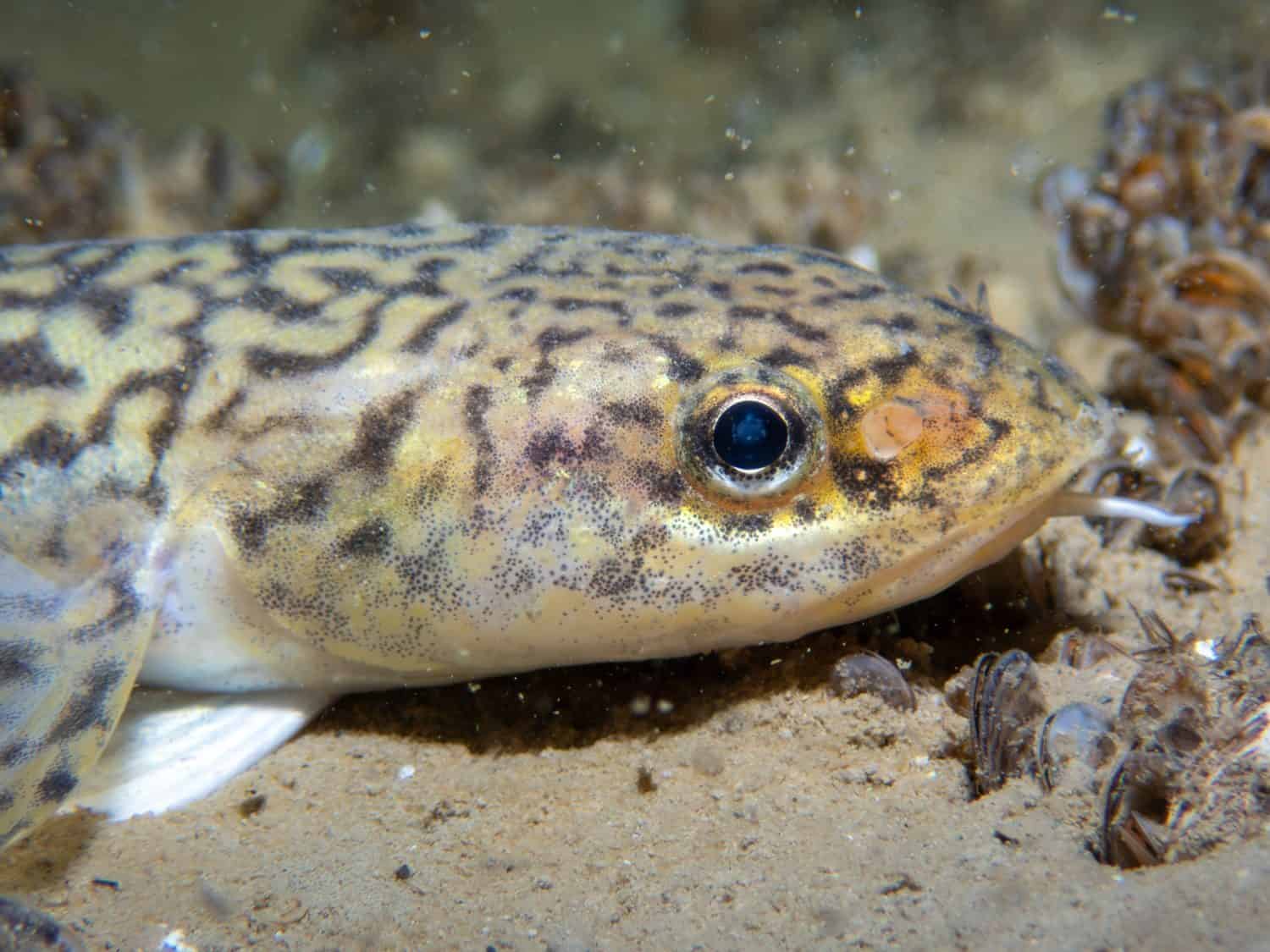
The burbot were once plentiful in the Kootenai River system. Free to swim to their native spawning regions, the fish kept the ecological balance of the river and waterways it fed into in check. However, with the construction of multiple dams, the burbot were unable to swim upstream to spawn. Add overfishing, and it was the perfect storm that dramatically reduced the population. In just three decades, the burbot population was estimated to have dropped to approximately 50 fish. Essentially, the species was functionally extinct in the Kootenai River system.
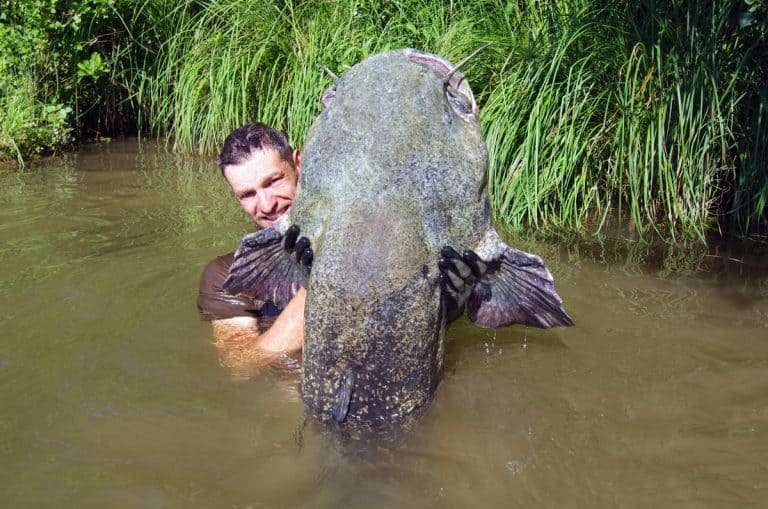
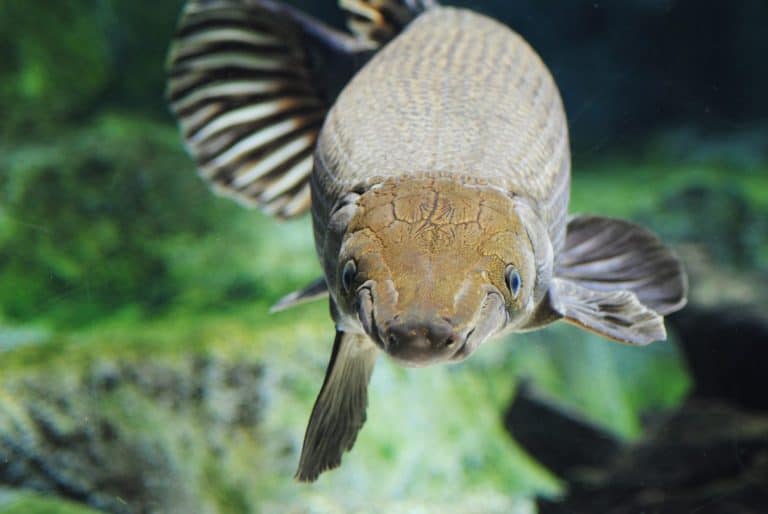
Burbot were nearly eradicated from the Kootenai River system.
©scubaluna/Shutterstock.com
Beginning in the early 2000s, the Ktunaxa Nation Council, the Kootenai Tribe of Idaho, and the Idaho Department of Fish and Game began working together to save the burbot. Tagging and tracking the fish helped biologists learn more about their spawning patterns. Areas within the Kootenai River system were identified as suitable for releasing fish raised in the Kootenai Tribe of Idaho fisheries. Sport fishing was even suspended until the population could recover.
Thanks to these efforts, the burbot population had increased dramatically by 2019. Fishing was again allowed. However, this is not where conservation and restoration efforts stopped. Sustaining the burbot population in the Kootenai River system is an ongoing process. Without continued conservation efforts, the burbot could face extinction again in the future.
How Did the Burbot Get Its Name?
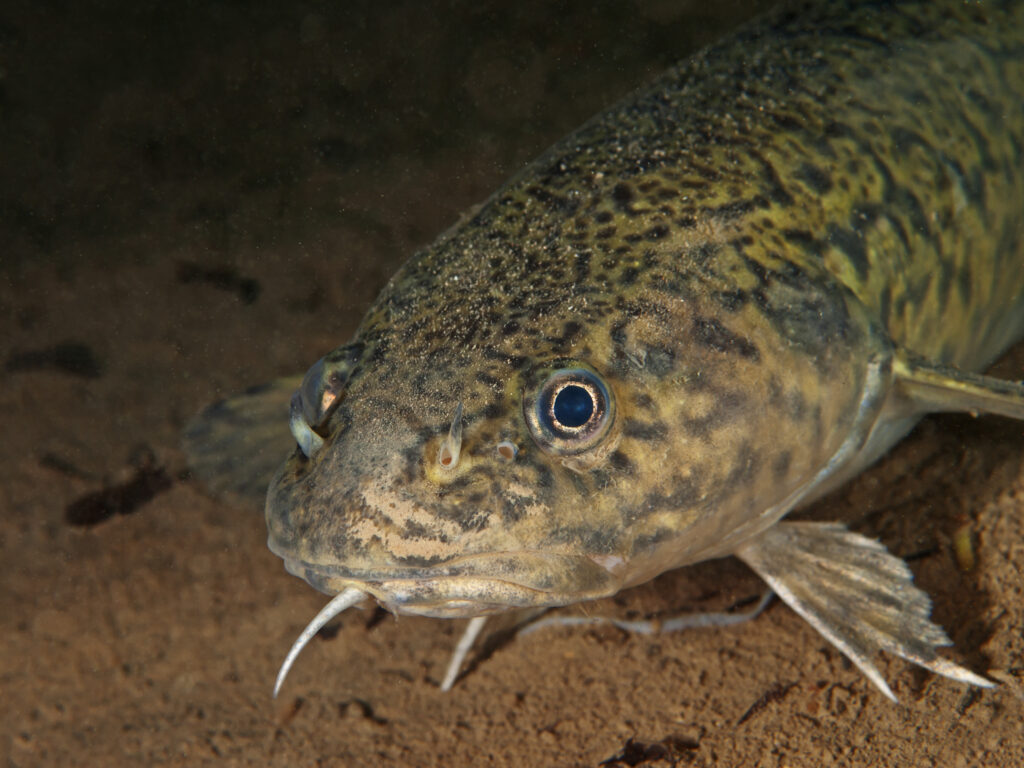
The burbot (Lota lota) got its name because of its appearance. The freshwater cod looks to have a beard. This ‘beard’ is actually a chin whisker, or barbel, which serves as a sensory organ. The chin whisker led to the fish being named after the Latin word barba, which means beard.
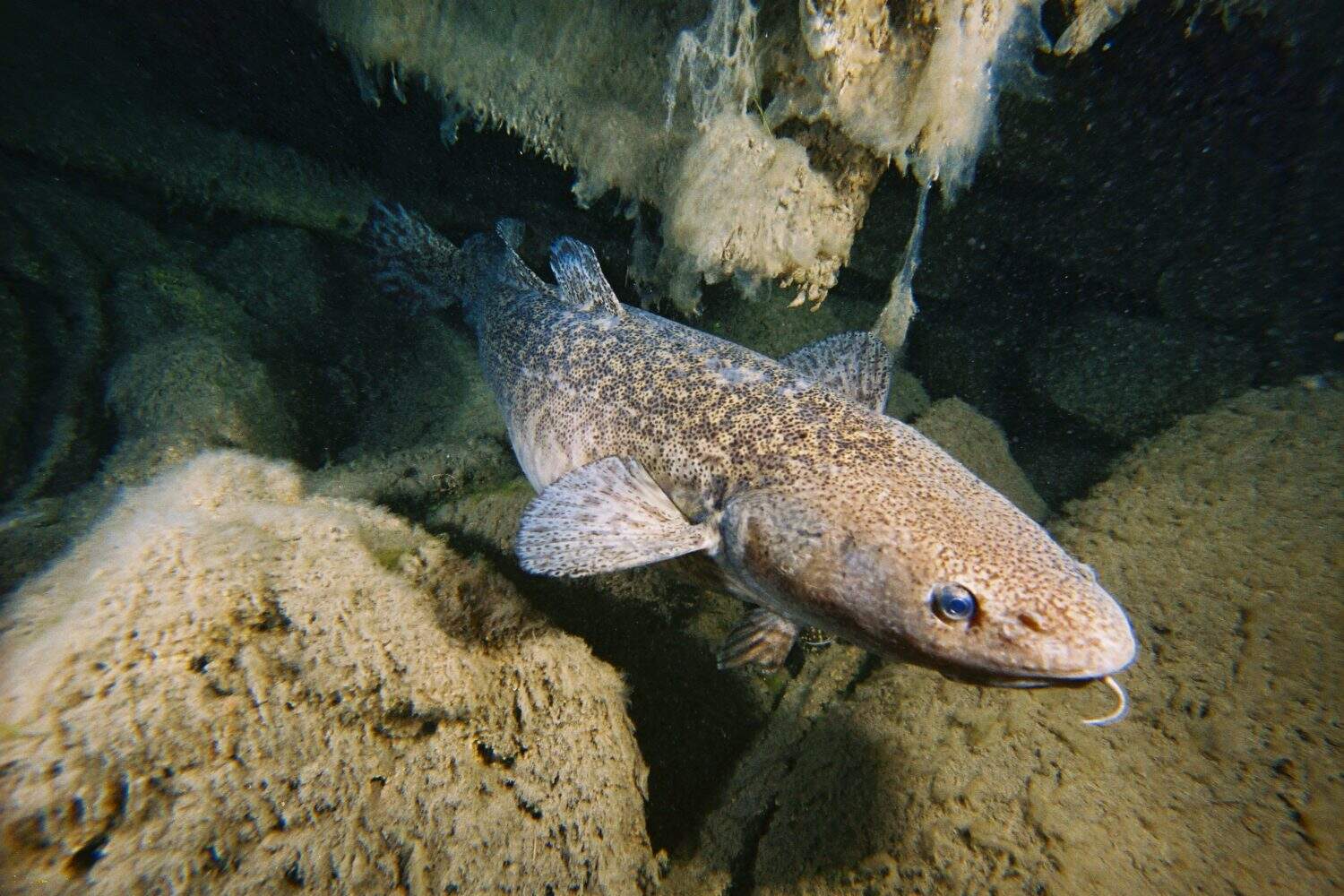
Burbot got their name from their beard and their nickname from their leopard spots and fierce hunting skills.
©vit08/Shutterstock.com
However, when it comes to the burbot’s nickname of the Kootenai leopard, that is a different story altogether. The Kootenai leopard name comes from the leopard-like patterns on its skin. It is also a name that stuck because of the burbot’s hunting skills. The burbot is nocturnal and strikes its prey with fierce speed. Therefore, in Idaho, the burbot is known by many as the Kootenai leopard.
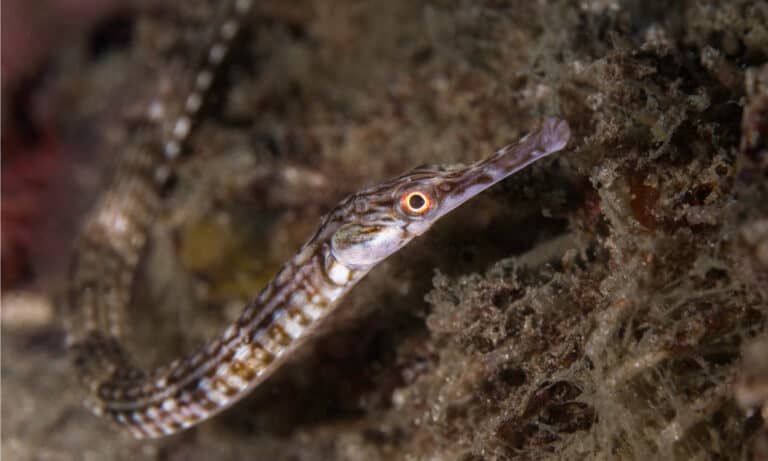
Given the fish’s appearance, which many also believe resembles an eel, and its hunting prowess, it is not surprising that the burbot is one of the top predators in the Kootenai River system. This is one of the reasons why it is so important for the burbot to remain a strong presence in the waterway and not face extinction again in the future.
Why Burbot Are Important for the Ecosystem
Burbot are apex predators. Consequently, they play a significant role in the Kootenai River system. If the fish were to go extinct, the river and the bodies of water it feeds into would look completely different. The Kootenai River supports a variety of fish species. The fact that these fish populations are kept in check largely results from the presence of the burbot.
These freshwater cod are opportunistic feeders. As adults, they consume everything from small fish to invertebrates and even fish eggs. The juvenile fish are fond of zooplankton. This balanced diet helps ensure that no fish population becomes too large and that there is enough food for the inhabitants of the Kootenai River system.
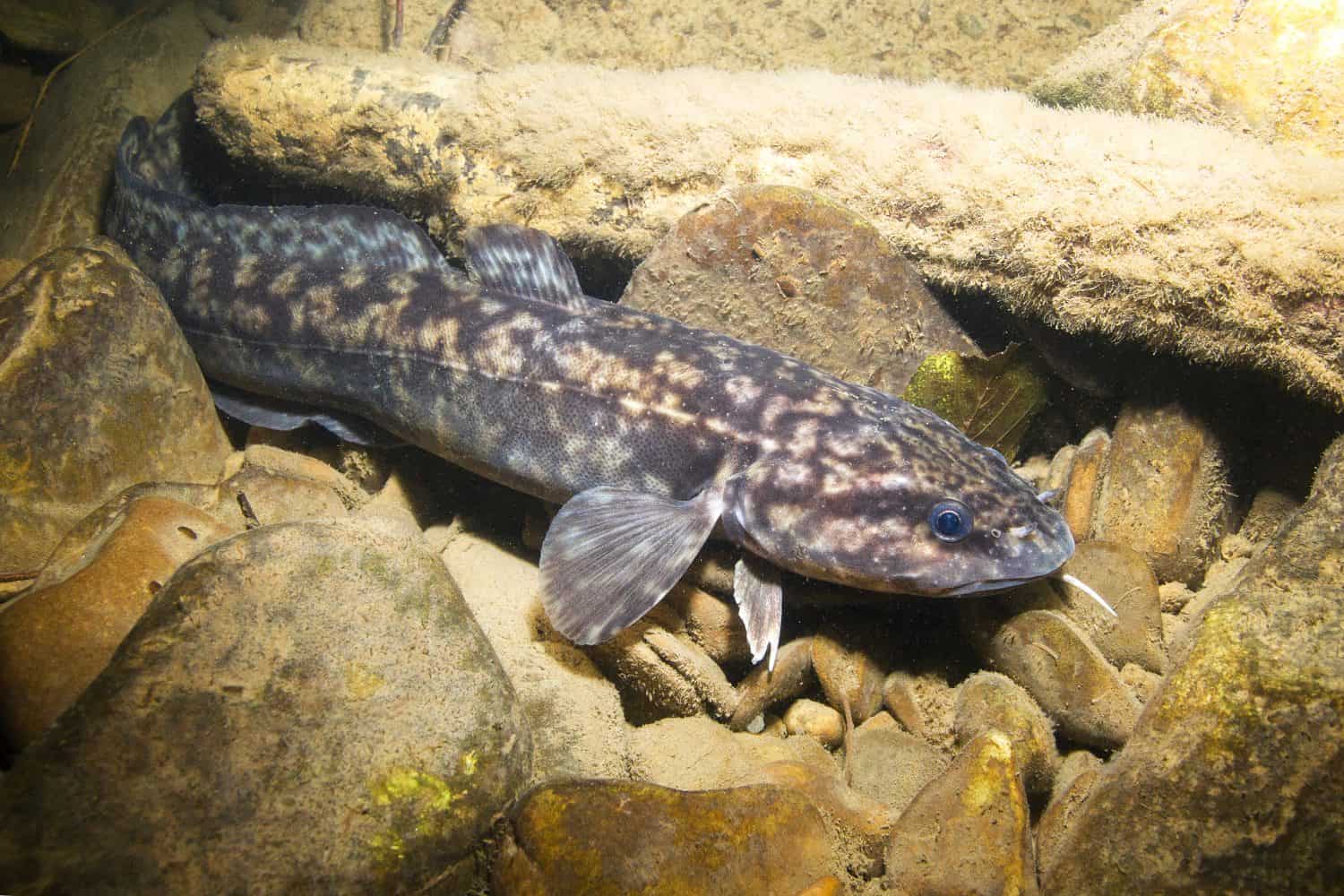
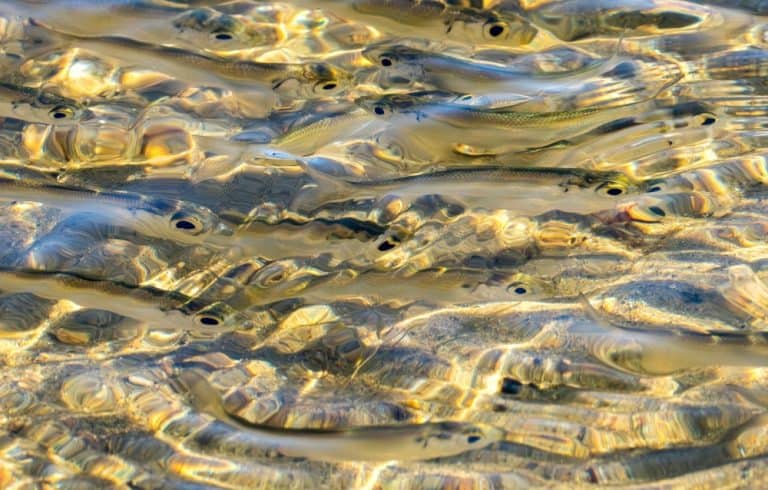
Burbot are apex predators that keep the ecosystem in check and healthy.
©Rostislav Stefanek/Shutterstock.com
If the burbot were to go extinct in the Kootenai River, it would create a massive imbalance in the ecosystem. The river would have a less diverse fish population and an increase in prey species that the ecosystem could not support. Overall, the Kootenai River system would be unhealthy.
Additionally, burbot are an indicator species. This means that when there is an abundance of burbot, it shows the ecosystem is healthy, and water temperatures are suitable to support the fish. When the population is smaller, it points to a disturbance in the ecosystem. This may be caused by climate change, water pollution, or other factors that make it difficult for a burbot population to persist. Therefore, whether in the Kootenai River system or in other freshwater bodies that support burbot, they are an important species that requires protection.
Where Burbot Can Be Found in the United States
Burbot are not only found in Idaho. They are also found in other states, in varying lengths and weights. Because burbot are not typically targeted by anglers, there are usually few restrictions on fishing for these freshwater cod. (This is not the case in Idaho, as fishing for burbot is not allowed from February through March, given that it is when the fish spawn.) However, it is best to contact local Fish and Game offices to confirm fishing license requirements and ensure compliance with all local and state regulations.
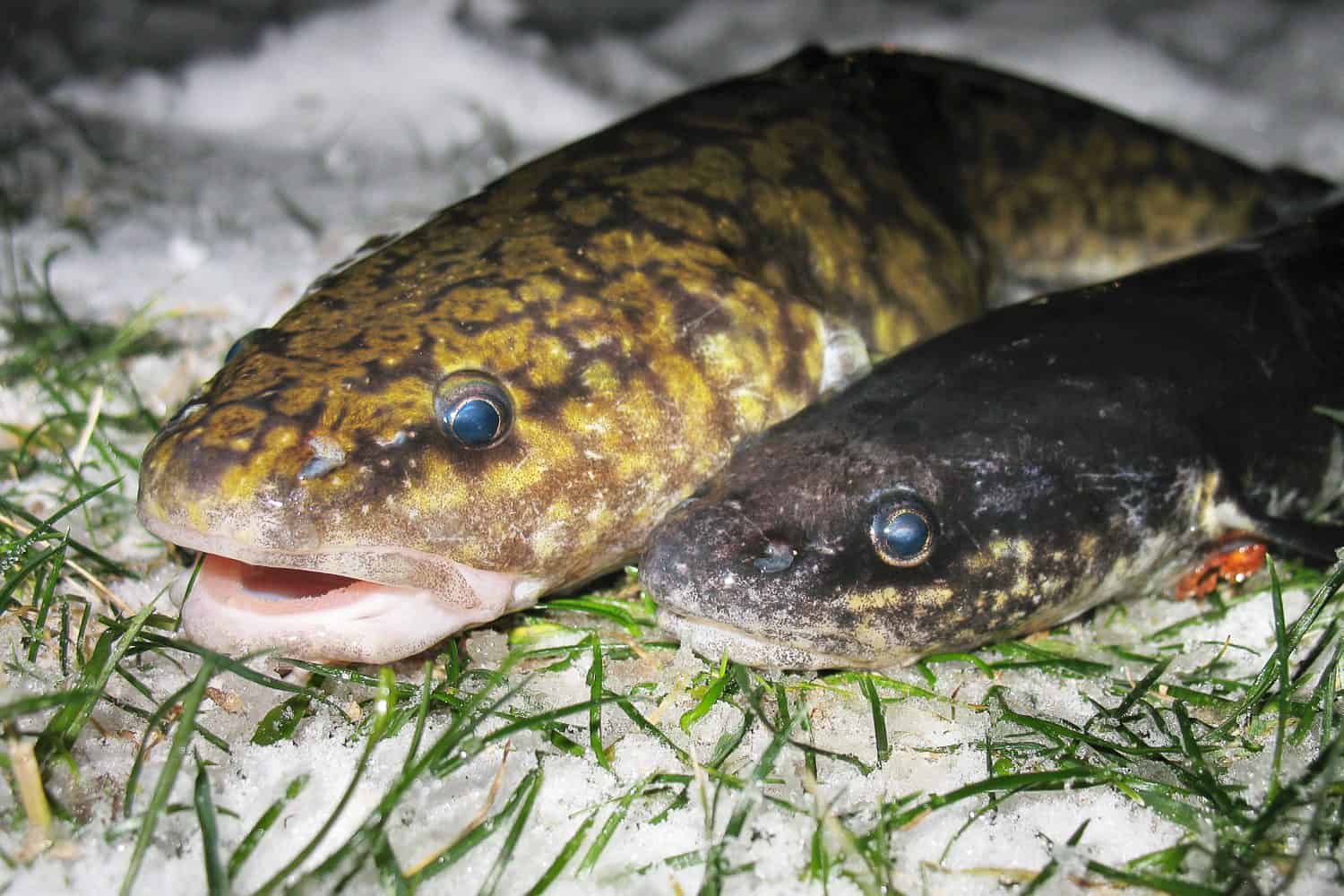
Burbot can be found in freshwater bodies throughout the United States.
©Rostislav Stefanek/Shutterstock.com
States where burbot can be found outside of Idaho include:
- New York
- Pennsylvania
- Ohio
- Indiana
- Illinois
- New Jersey
- Washington
- Oregon
- Alaska
- Montana
- Kentucky
- Missouri
- Wyoming
- Connecticut
- Massachusetts
- North Dakota
- South Dakota
- Nebraska
- Kansas
- Wisconsin
Notably, in most states, burbot populations are declining. There are only a few instances where the population is considered stable. Yet there are no notable conservation efforts in place. Whether burbot populations in these freshwater lakes and rivers will face the same fate as those in Idaho remains to be seen.
What Does Fishing Season Look Like for Burbot?
Now that burbot have rebounded from their all-time low of 50 total fish in the Kootenai River system, they can be fished for. Many think they have to be prepared to fish in the cold and at night, as this is when burbot are most active. However, it is possible to catch one of these freshwater cod with the sun shining. It just takes some effort.
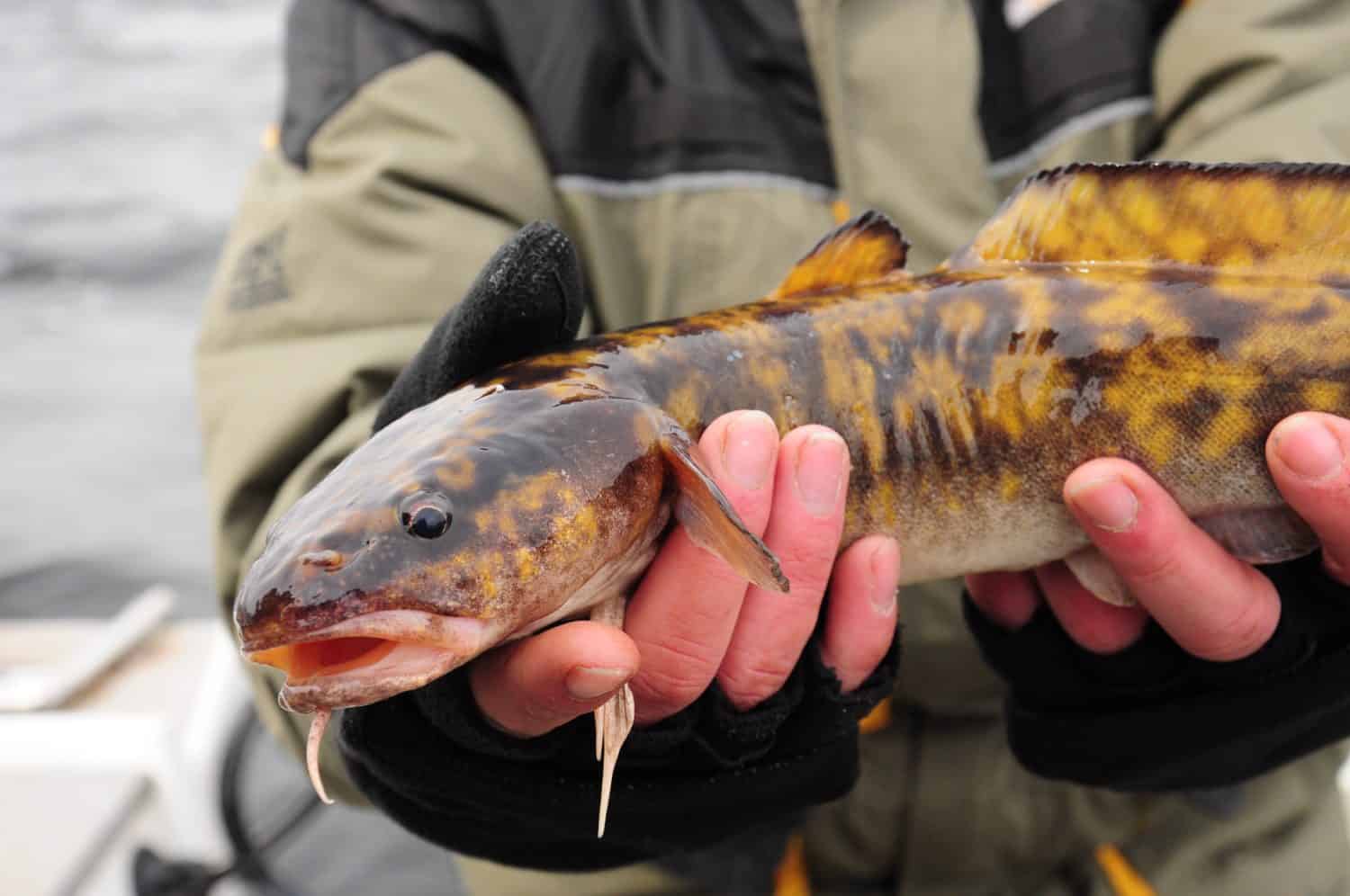
Burbot are most active for fishing during the winter months.
©Neon_TI/Shutterstock.com
Burbot are among the most active fish during the winter months. This is because their spawning season runs from February to March. Because of this, fishing for burbot is restricted in Idaho during these months. Outside of spawning season, burbot are fair game.
Those who are most successful at catching burbot will fish at night. Burbot are nocturnal and swim more toward the surface after the sun goes down. However, this does not mean it is impossible to catch burbot during daylight hours. However, it does mean that the deeper parts of the Kootenai River system will need to be explored. Burbot tend to swim approximately “15 to 30 feet below the surface” when the sun is out. But with the right bait, such as chicken livers, dead minnows, and the like, it is very possible to catch a burbot during the afternoon hours.
Ongoing Conservation Efforts to Keep the Burbot Population Stable
While the conservation efforts in the past helped the burbot population rebound, that does not mean restoration efforts ended. Today, the Ktunaxa Nation Council, the Kootenai Tribe of Idaho, and the Idaho Department of Fish and Game continue to work together to help ensure the fish are never at risk of extinction within the Kootenai River system again.
Since the restoration project began, fish have been tagged. Today, the fish are still tagged using a non-invasive approach. It is called Parental Tagging (PBT), and it enables those working on the restoration project to track the health and growth of the fish. Anglers who catch a tagged burbot are encouraged to contact the Department of Fish and Game and provide the length, weight, and sex of the fish when reporting the tag.
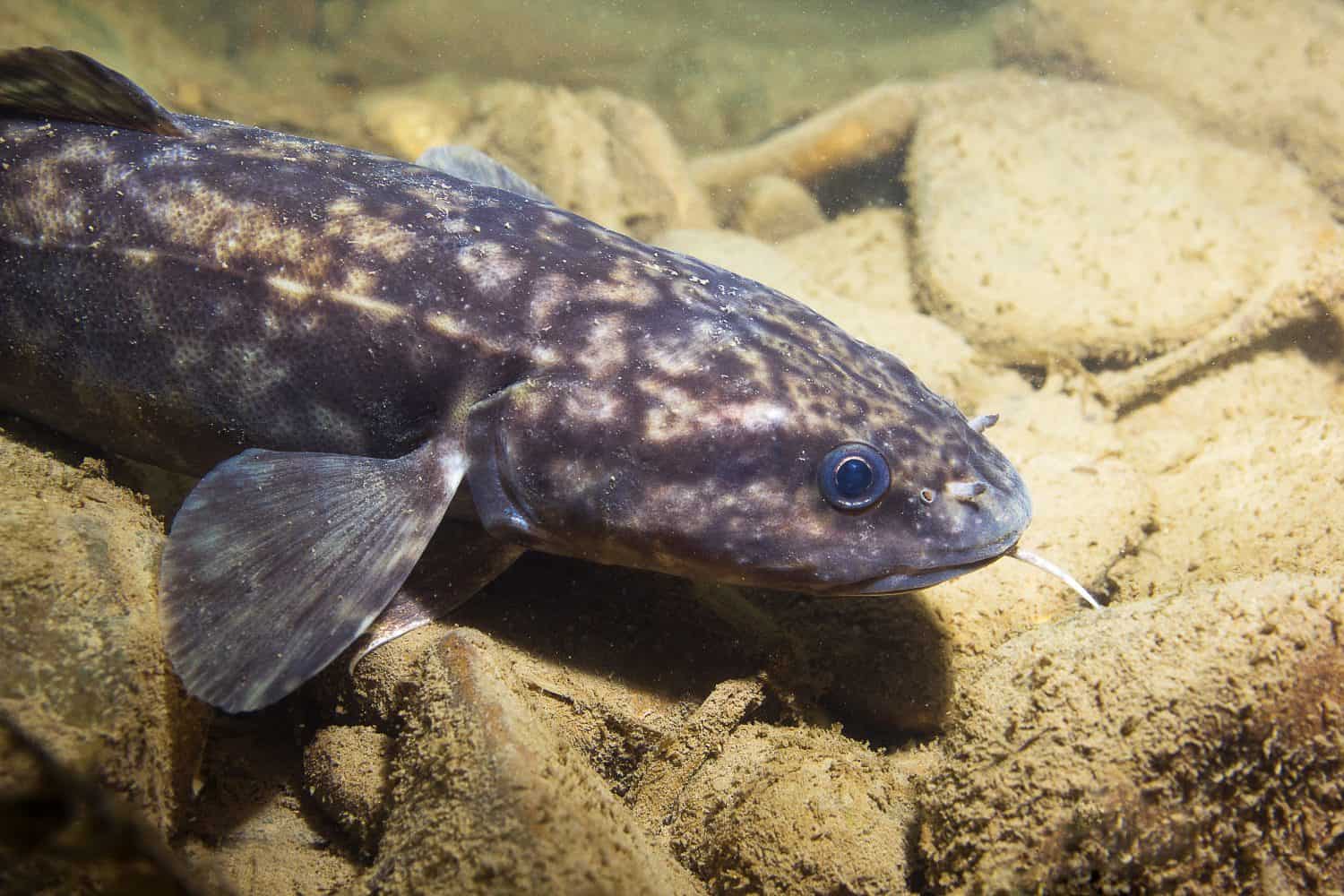
Burbot still need conservation if they are to survive at their current population in the Kootenai River system.
©Rostislav Stefanek/Shutterstock.com
Additionally, select females have their eggs collected each year. The eggs collected from approximately 28 females are then raised, according to Marley Bassett, a biologist with the Ministry of Water, Land and Resource Stewardship, before being returned to the Kootenai River.
“The fish gametes from fish eggs and milt (fish sperm) are collected and fertilized,” Bassett explains to Cast a Net, “then taken back to a hatchery and brought to different life stages.”
Unfortunately, despite the restoration efforts, challenges remain. The biggest, according to Bassett, include changes to the Kootenai River through re-channelization. This caused major disruption to the river’s natural flow, making it impossible for the burbot to spawn in their historical spawning grounds without help. Consequently, unless dams such as Libby Dam in Montana, Meadow Creek’s Duncan Dam, and the Corra Linn Dam are removed—which is not currently planned—the restoration project will need to continue if burbot are to reach historic numbers in the Kootenai River system.