
Quick Take
- An angler found himself lucky one January morning, landing an 84-pound trophy catfish in Alabama.
- Navigating 69,000-acre Lake Guntersville often results in multiple sizable catches, especially when it comes to blue catfish.
- Winter produces more elite-class giants in this lake than the summer peak.
- Scouting 50-foot depths near Goose Pond helped to isolate the system’s heaviest feeders from standard schools of much smaller fish.
A particular photo making the rounds on This Is Alabama’s Instagram shows the kind of fish that can be caught within this state, if you’re lucky. An 84-pound catfish isn’t a normal occurrence anywhere, but one angler was blessed with this once-in-a-lifetime catch. Where did this legendary fish make itself known, and were there any tricks used by the lucky angler in question?
Found in Lake Guntersville, one of Alabama’s best-known big-fish systems, this is Forrest Winters’ massive catfish catch, as well as why this story spread so fast across the entire state and beyond.
Why Lake Guntersville Occasionally Produces Giant Catfish
Located in northern Alabama and a reservoir of the Tennessee River, Lake Guntersville’s reputation involves its large water area and deep structure. With heavy forage options and the kind of habitat that lets a catfish keep eating and keep growing year after year, this lake has the potential to produce some giant fish, including the one caught by Winters.

A large reservoir that’s part of the Tennessee River, Lake Guntersville maintains impressive catfish populations.
©Dharris324/Shutterstock.com
The day in question began as a guided outing on 69,000-acre Lake Guntersville, with the boat working the mid-lake area near Goose Pond before moving to another section of the reservoir later on. The boat’s guide assisted in dragging shad bait along the bottom of the lake, with calm, cool conditions prevailing on the morning of January 17th.
It was apparently the right method to utilize; serious catfish anglers bait waters in this way when they’re targeting fewer bites, aiming to reel in a big catch.
What Kind of Catfish Was It?
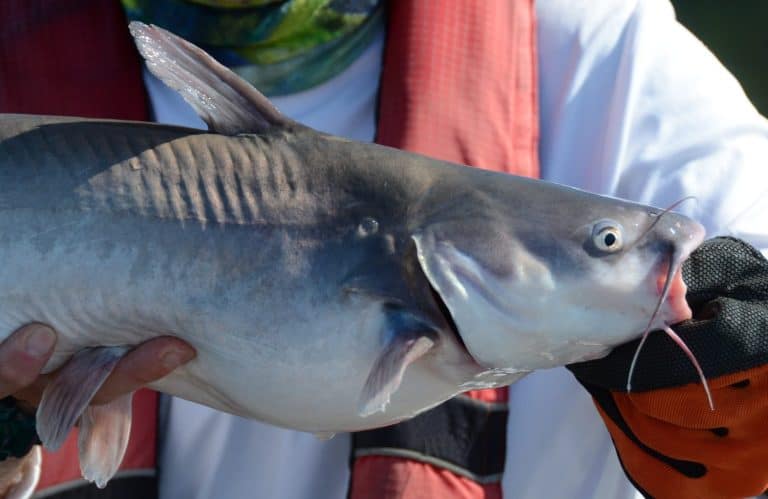
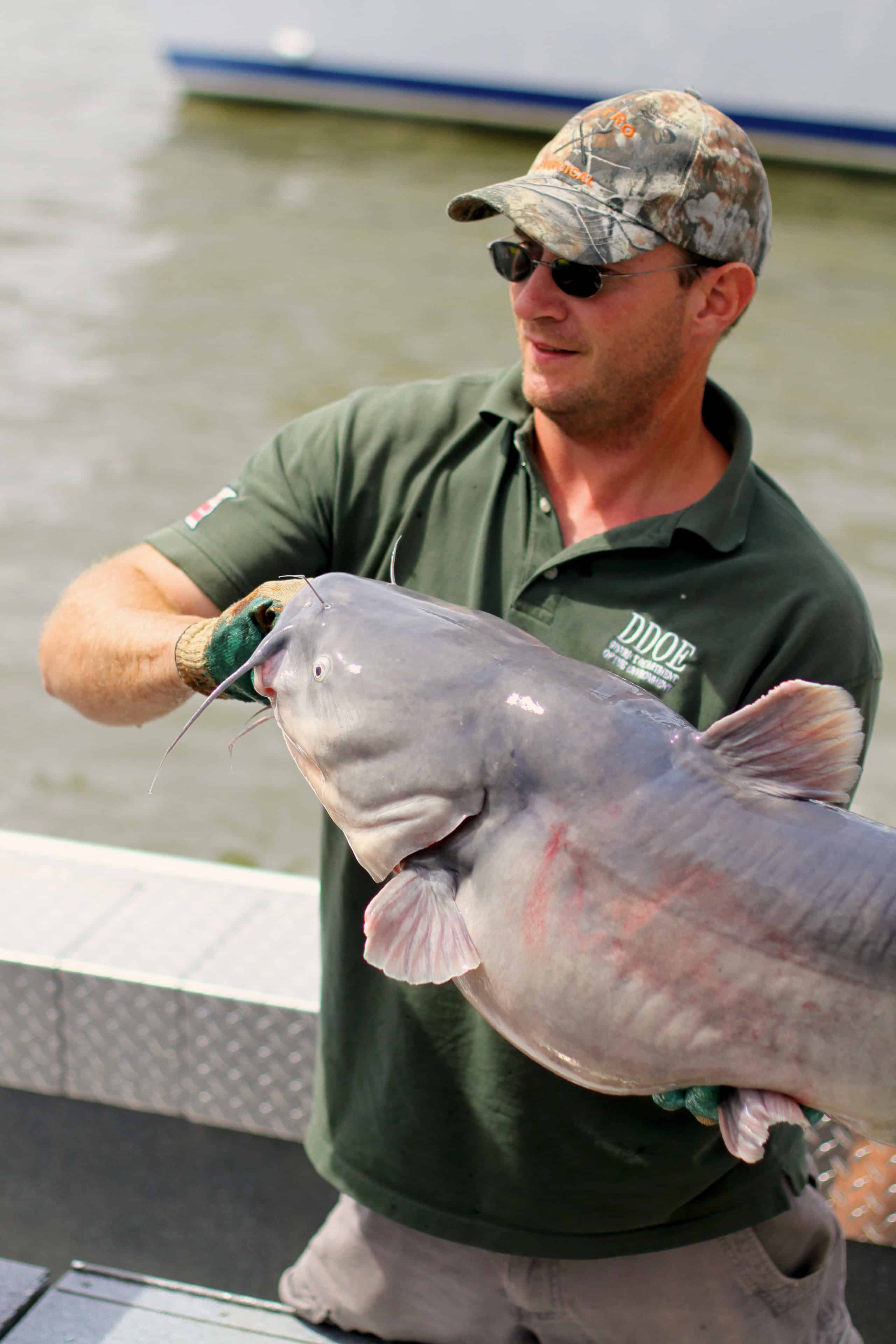
Everything about this particular catch points to a blue catfish, a heavyweight species that dominates the seemingly impossible fishing stories occurring across much of the South. Alabama’s own species profile gathered during river surveys notes that the state only infrequently collects blues in the 30- to 50-pound range, and that the majority of specimens are 10 pounds or less. An 84-pound catfish means it’s a once-in-a-blue-moon class fish for most anglers, especially in Alabama.
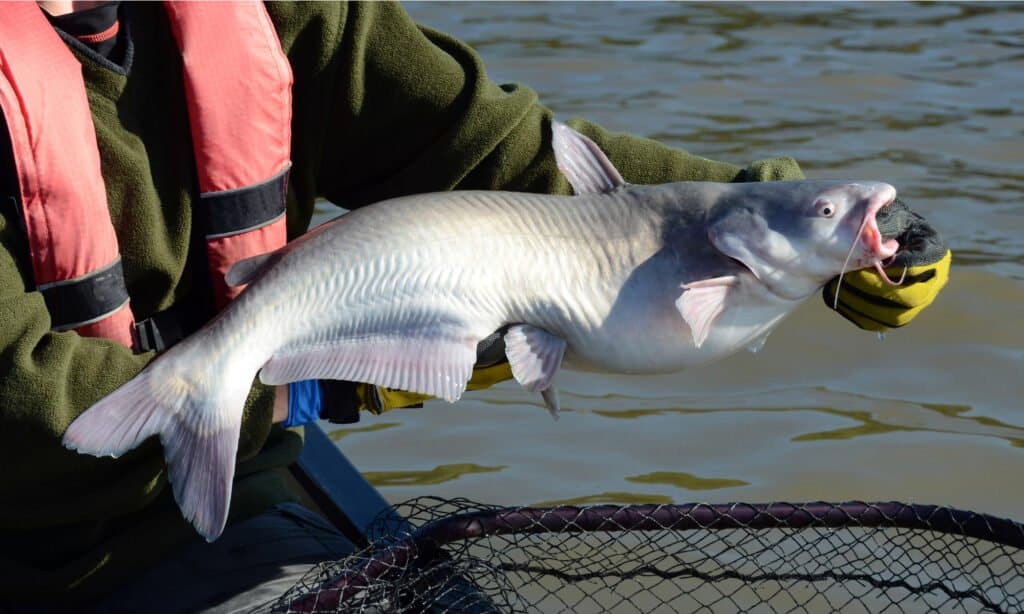
Blue catfish can get big, but 84 pounds is still an outlier in terms of weight.
©M Huston/Shutterstock.com
In a nearby state, a reference from Georgia Wildlife Resources Division’s blue catfish identification information says weights over 100 pounds can happen, but that fish weighing 1–20 pounds are far more typical. Even in waters where blue catfish are common, 84 pounds is an outlier. However, it isn’t the largest catfish to be caught in Alabama’s history.
Record-Breaking Catfish Caught in Alabama
Like most states, Alabama keeps an official list of certified state records, and the entry for blue catfish lists the current record at 120 pounds, 4 ounces. It was caught in 2012 at Holt Reservoir by John Paul Nichols. While Winters’ fish doesn’t threaten the current record, it still makes for an impressive, abnormal catch.
Another detail worth mentioning is that Winters’ father caught a 70-pound blue catfish earlier in the day, right before the 84-pounder showed up. When a lake is capable of giving you two fish like that in one outing, you’re looking at a location with serious trophy potential, making Lake Guntersville a prime fishing spot.
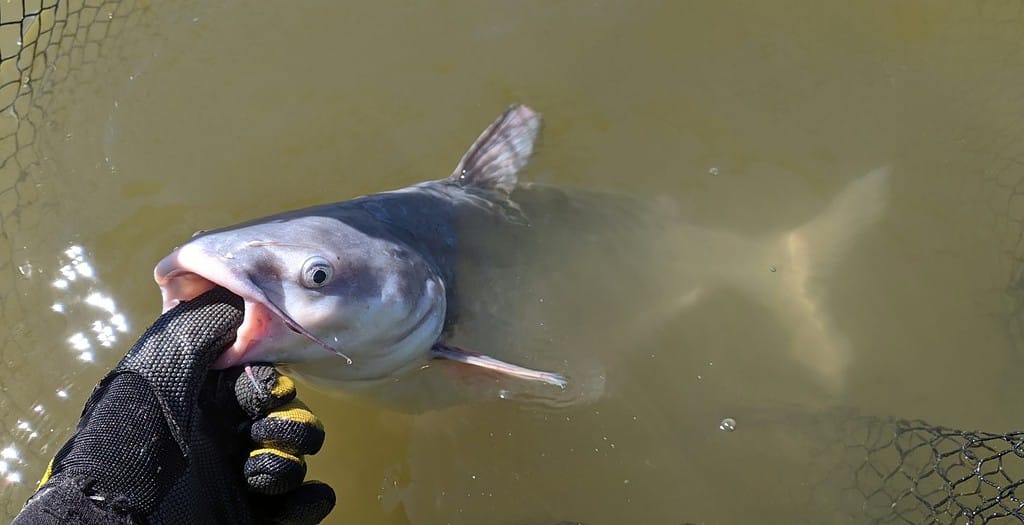
Most blue catfish average anywhere from 10-20 pounds, depending on the state, which is why this catch was so impressive.
©226794761/Shutterstock.com
But there’s another key reason this lake maintains its fishing reputation, and that reason resides in the hands of any angler who chooses to traverse its waters.
What Happened to the Catfish?
After the fish was weighed on a digital scale at 84.3 pounds and photographed, it was then released back into Lake Guntersville. The guide accompanying this lucky father-son duo said that the decision to release is common on this lake; it’s up to the angler, but releasing sizable catches helps maintain the long-term trophy quality of the lake.
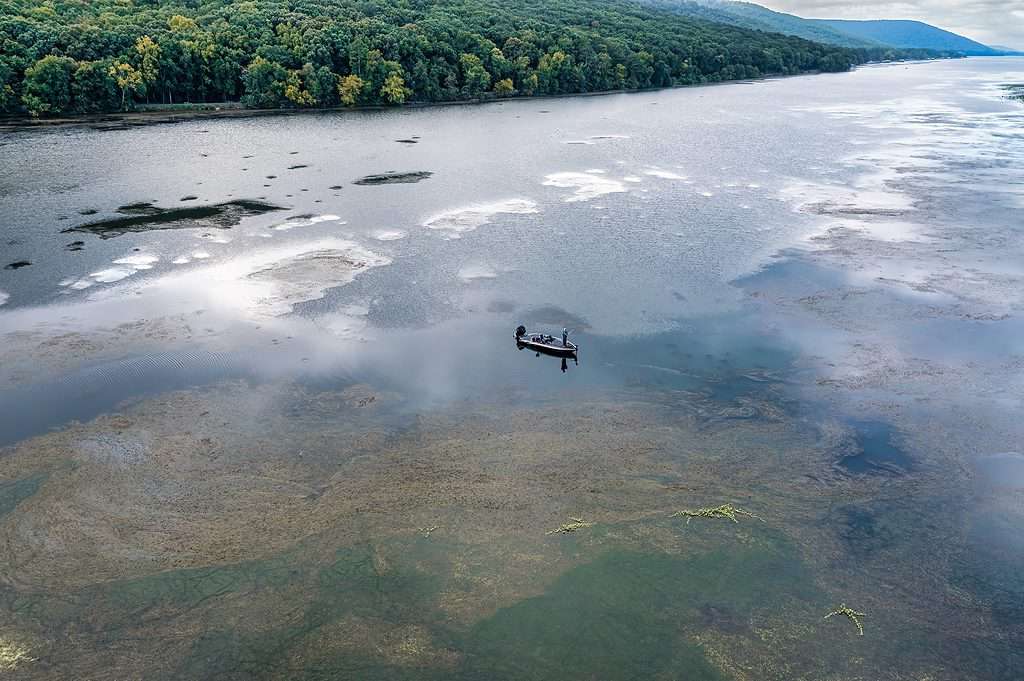
Fishing is a common activity on Lake Guntersville, and for good reason.
©Carl37306/Shutterstock.com
While it may be surprising to hear that this winning catch was released rather than brought home, it’s vital and important that it got to live another day. In trophy fishing, releasing the biggest breeders is often part of why the next giant is even possible, offering future opportunities to even more anglers.
Why Winter Is an Ideal Time for Giant Catfish
Catfish may seem like a hot-weather, shallow-water catch, but blue catfish don’t always follow the rules. Cold water in particular can concentrate fish and push them into far more predictable travel lanes compared to summertime, which is why slow trolling and deep presentations show up again and again in trophy catfish stories. Forrest Winters likely knew this before setting out, which is how he was able to have such success.
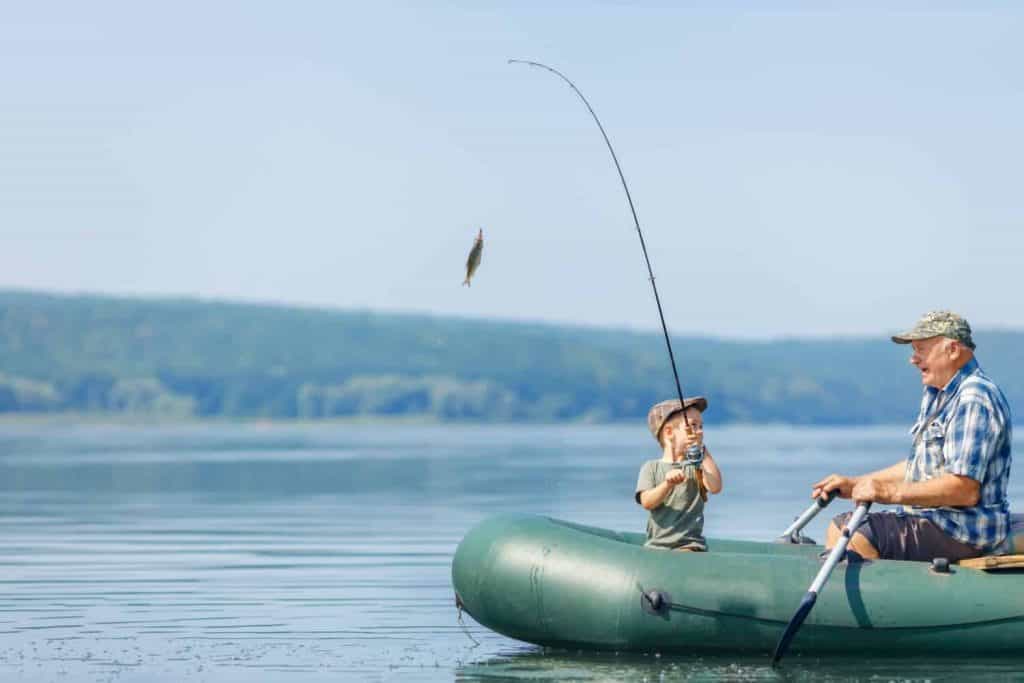
Alabama is full of large catfish, so it’s worth a trip if you’re an avid angler.
©Alter-ego/Shutterstock.com
Ultimately, Lake Guntersville is producing fish that have had the space, food, seasonality, and time to become legitimate giants. Most anglers never expect to catch an 84-pounder. However, if you fish during the right season and treat the lake and its creatures with respect, your next catch might be a lot closer to legendary than you thought.
CORRECTION: This article was updated on March 9, 2026. A previous version of this article included a photo of a flathead—instead of a blue—catfish.