
Quick Take
- Scientists gave this catfish hunting behavior a nickname borrowed from a famous ocean predator, and the comparison turns out to be more accurate than you might expect. See the orca comparison →
- Some individual catfish feast on pigeons regularly while their neighbors never touch them, a difference whose explanation reveals something strange about how predators learn. Explore individual differences →
- The catfish can't even see its prey, so how does it know exactly when to strike? How catfish detect prey →
- For the Seine River's ecosystem, this predator's rise is either a success story or a disaster, and which one it is depends entirely on which fish you're rooting for. Weigh the ecological impact →
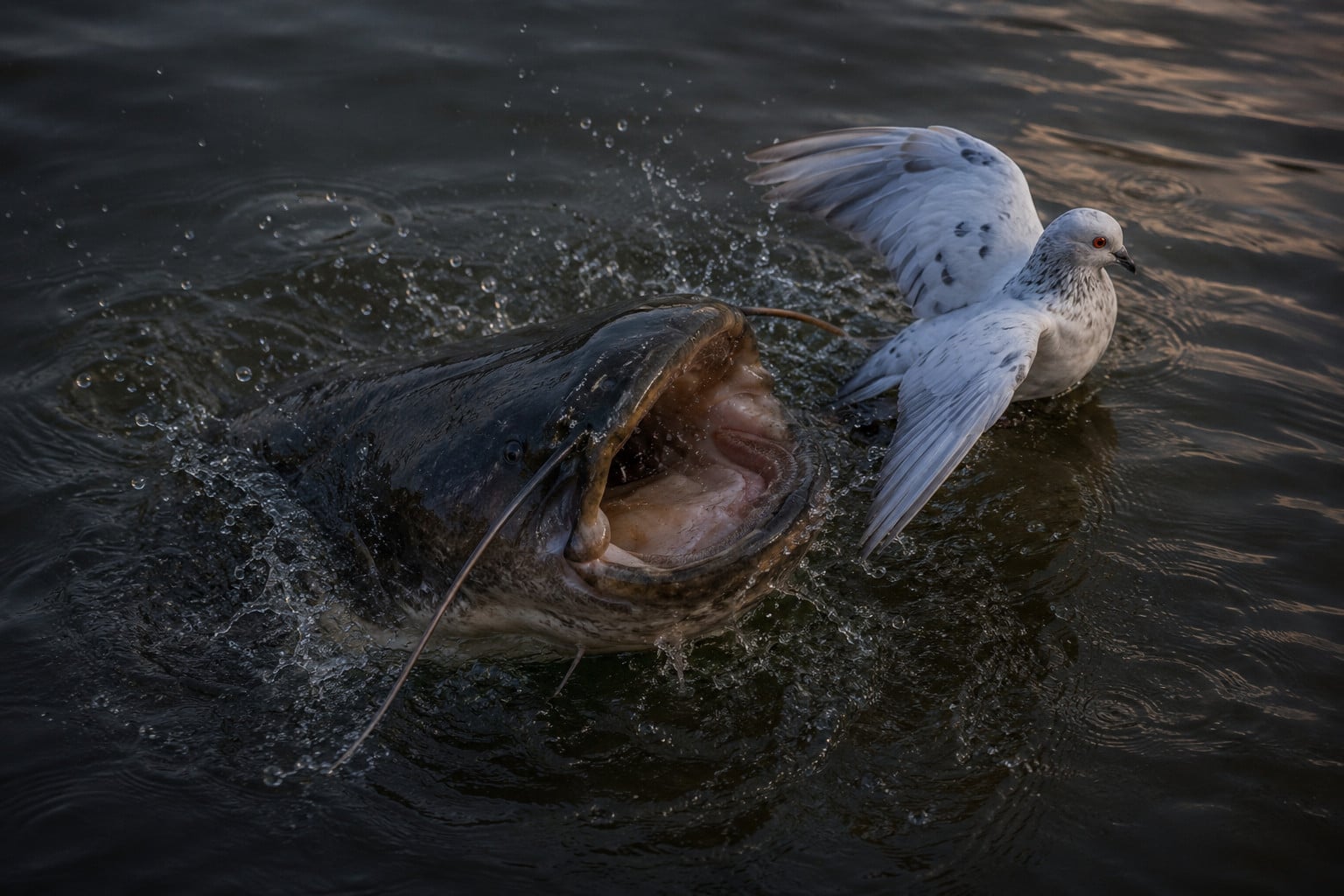
This short clip filmed from a boat on the Seine River in Paris captures something that still shocks local fishermen: a massive Wels catfish surging out of the water to snatch a pigeon right off the surface. In the video, the person filming repeats that he had only ever seen this on YouTube, never right in front of him. But while it looks like something out of a sci-fi movie, this behavior is well-documented by scientists.
Meet Europe’s Largest Freshwater Fish
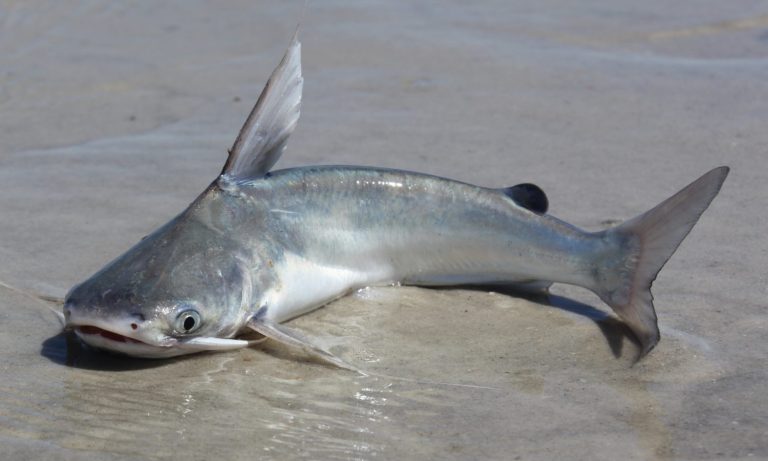
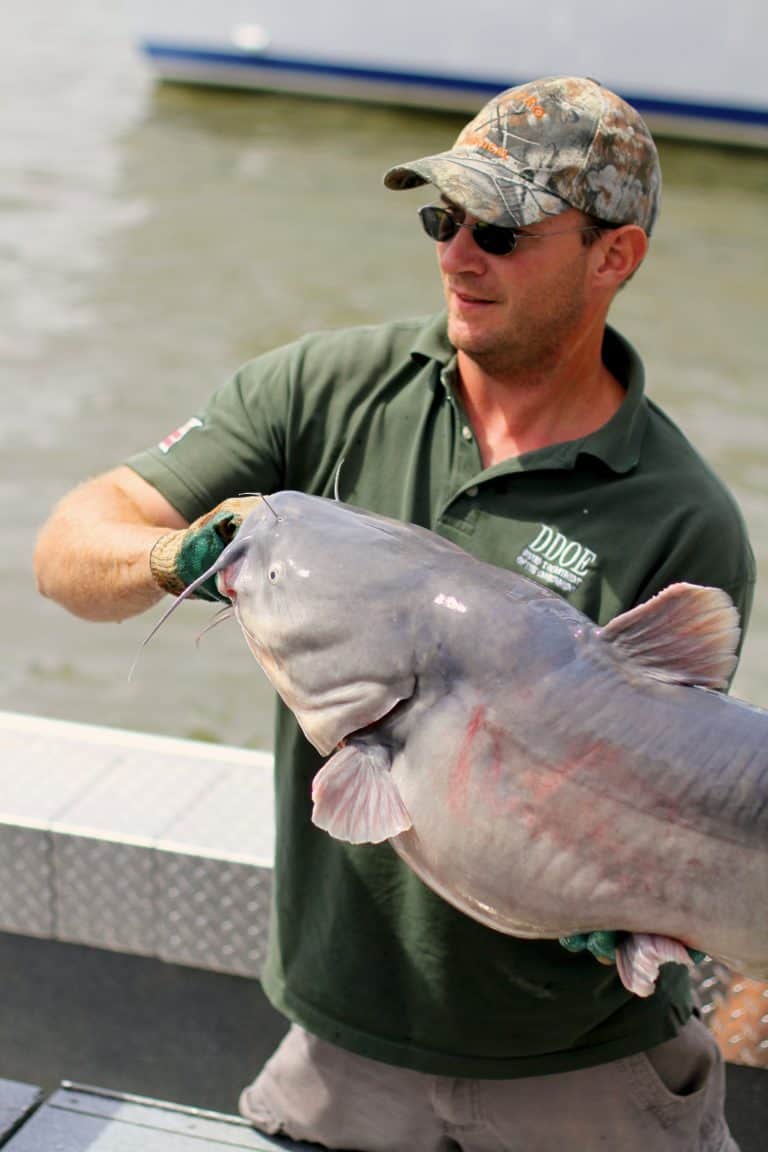
Wels catfish (Silurus glanis) are absolute monsters of the deep. They can grow over 8 feet long and weigh more than 220 pounds. While they are native to Eastern and Central Europe, they were introduced into French river systems, including the Rhône, Saône, and Tarn, over the last few decades, eventually making their way into the Seine basin. Researchers tracking their DNA have shown that a mix of human stocking and natural dispersal helped these giants spread westward.
The “Freshwater Killer Whale” Maneuver
The pigeon-hunting phenomenon was first officially documented in 2012 by scientist Julien Cucherousset and his team. They published a study famously titled “Freshwater Killer Whales,” focusing on catfish in the Tarn River in southern France.
The team filmed catfish lunging their upper bodies completely onto gravel shorelines to grab unsuspecting pigeons drinking or bathing, before thrashing back into deep water. The fish were surprisingly good at it, boasting a 28% success rate. Scientists immediately compared them to the famous ocean orcas that intentionally beach themselves to hunt seals in Patagonia.
This footage from Paris shows a slightly different twist on the tactic: instead of lunging onto the riverbank, this catfish strikes a bird that is already floating on the water’s surface.
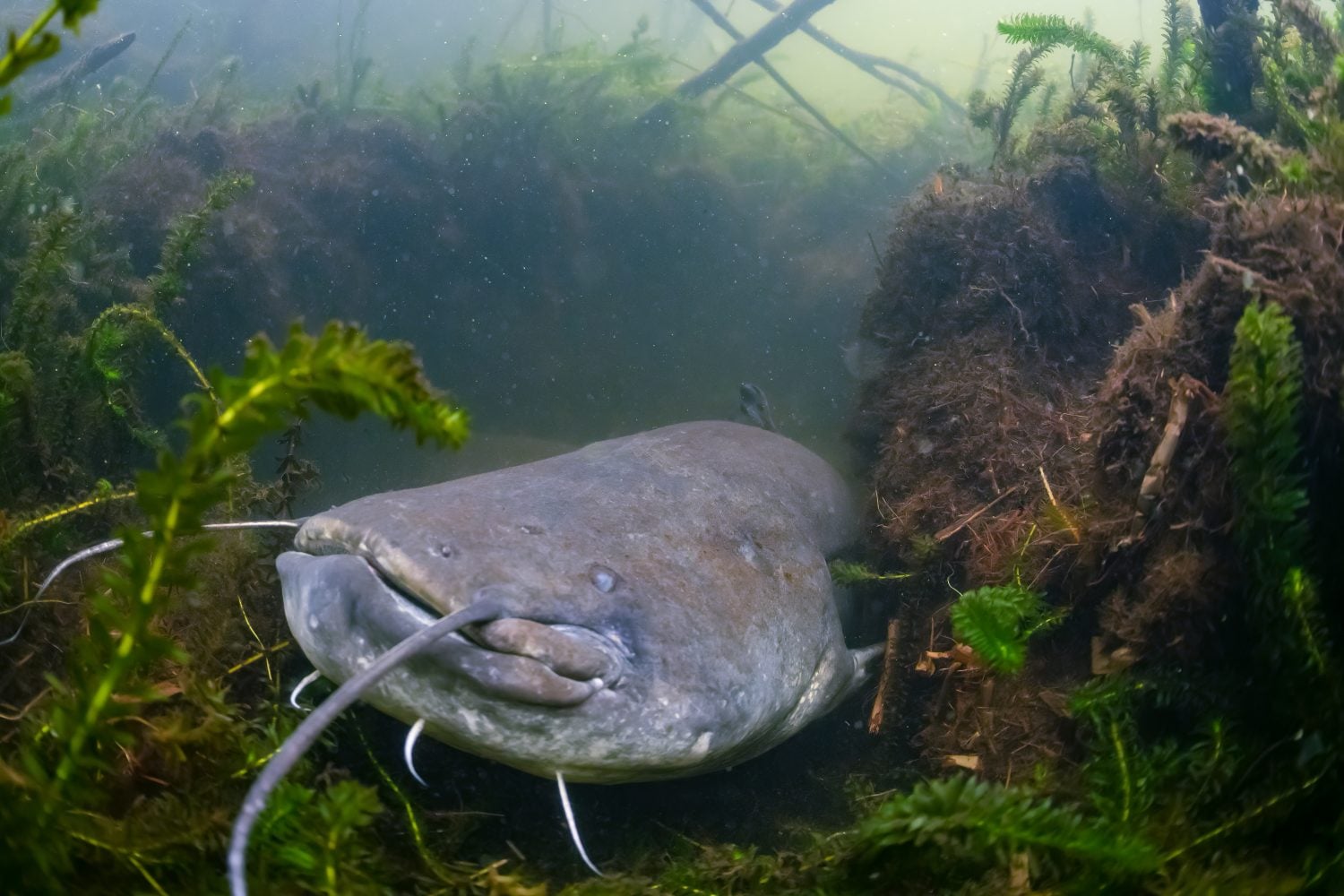
Wels catfish can grow to more than 8 feet long!
©Subphoto.com/Shutterstock.com
Picky Eaters?
Interestingly, not every catfish likes bird meat. When scientists analyzed the chemical signatures in the fish’s tissues, they discovered that some individual catfish get a huge chunk of their diet from pigeons, while their neighbors completely ignore the birds and stick to traditional fish diets. This kind of “menu specialization” is becoming a hot topic for biologists studying large predators.
Why Pigeons?
City rivers like the Seine create a perfect storm for this behavior. Urban areas pack massive flocks of feral pigeons right at the water’s edge to drink and bathe.
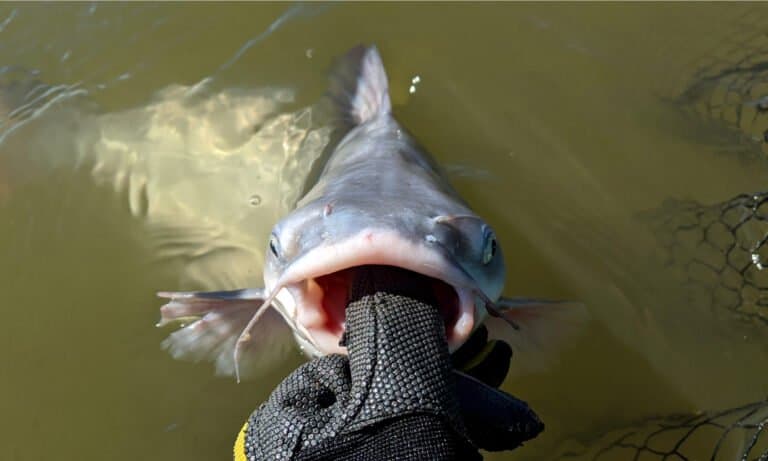
When a bird splashes onto the surface, it generates low-frequency vibrations in the water. Wels catfish have terrible eyesight and live in murky water, so they rely on a specialized “lateral line” system along their bodies and highly sensitive whiskers (barbels) around their mouths to detect movement. To a hunting catfish, those bird splashes sound like a giant dinner bell.
Catfish are ultimate opportunists. Across Europe, their diet includes regular fish, crayfish, frogs, ducks, small rodents, and even animal carcasses. This shift toward hunting pigeons seems to be a learned, locally passed-down trick rather than something all Wels catfish do automatically. Follow-up studies in 2020 found that only a specific clique of catfish in the river actually performed these beaching raids, and those individuals would return to the exact same hunting hotspots day after day.
Busting the Catfish Myths
Because these videos rack up millions of views, a few misconceptions are worth clearing up:
- The catfish isn’t breaching through the air. It is rolling or surging aggressively at the surface, usually with only its head or back breaking the water.
- Despite centuries of European folklore about man-eating river monsters, these fish have zero interest in people.
- These aren’t native river monsters finally showing themselves. They are an introduced species, first recorded in French rivers in the late 1960s and introduced more widely in the mid-1970s, whose population has exploded in the decades since, which is why people are suddenly seeing this happen more often.
Good or Bad for the River?
For the ecology of the Seine, the rise of the Wels catfish is a bit of a double-edged sword. On one hand, environmental agencies are worried because the catfish prey on vulnerable migratory fish, like young Atlantic salmon and allis shad, which conservationists have spent years trying to protect. On the other hand, they eat a ton of invasive crayfish and feral pigeons, both of which are also introduced by humans and considered pests in their own right.
The Paris clip offers a quick look at a predator-prey battle that biologists have been quietly studying for over a decade. The fisherman’s shocked reaction is completely fair. It is wild to see firsthand. But for the fish? It was just using a clever hunting trick its cousins down south have been mastering for years.