
Many people call their pets “fur baby” without truly understanding that the phrase is part of a cultural phenomenon. A true “fur baby” has taken the place of human children and is pampered by many as if the pet were their own child. While this may not seem like a bad thing for the caregiver or the pet, a new book, entitled Veterinary Controversies and Ethical Dilemmas, is shining a light on the “fur baby” culture and how doting on your “fur baby” may be doing more harm than good.
The book was initially intended for those within the field of veterinary medicine. However, the authors soon realized that the information could be beneficial to those pet owners who see their pets as their children. In many cases, the care given to these pets can be excessive and, unfortunately, not in their best interest.
What Is “Fur Baby” Culture?

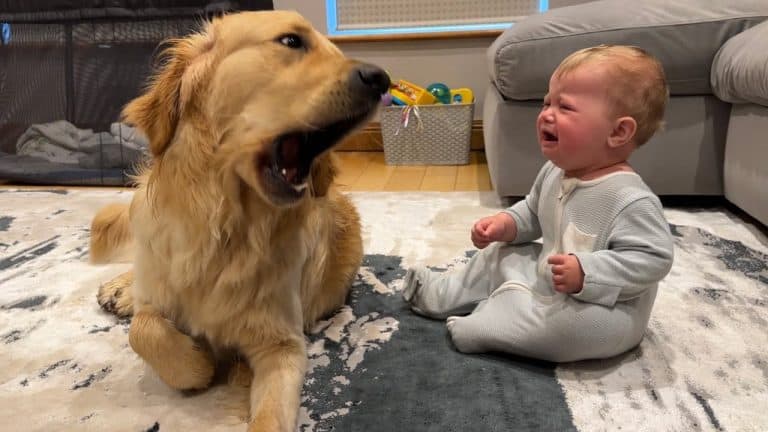
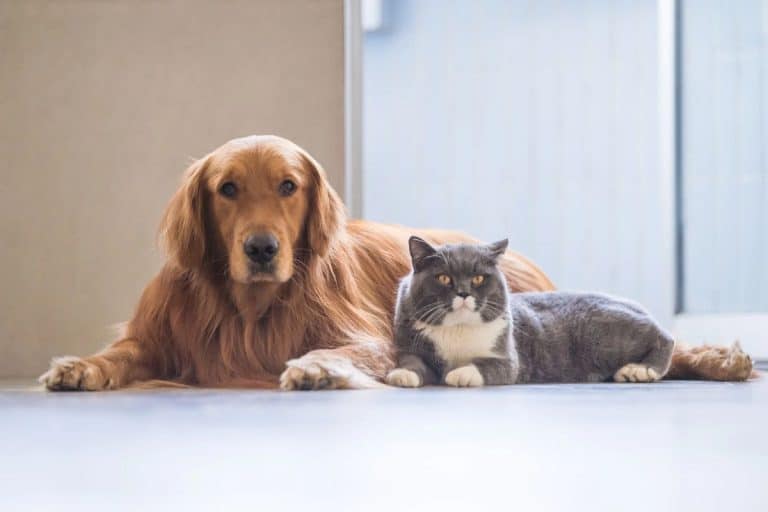
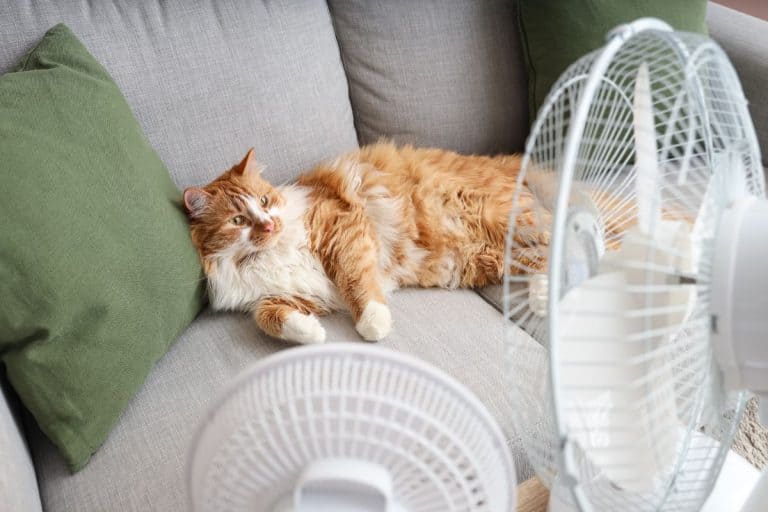
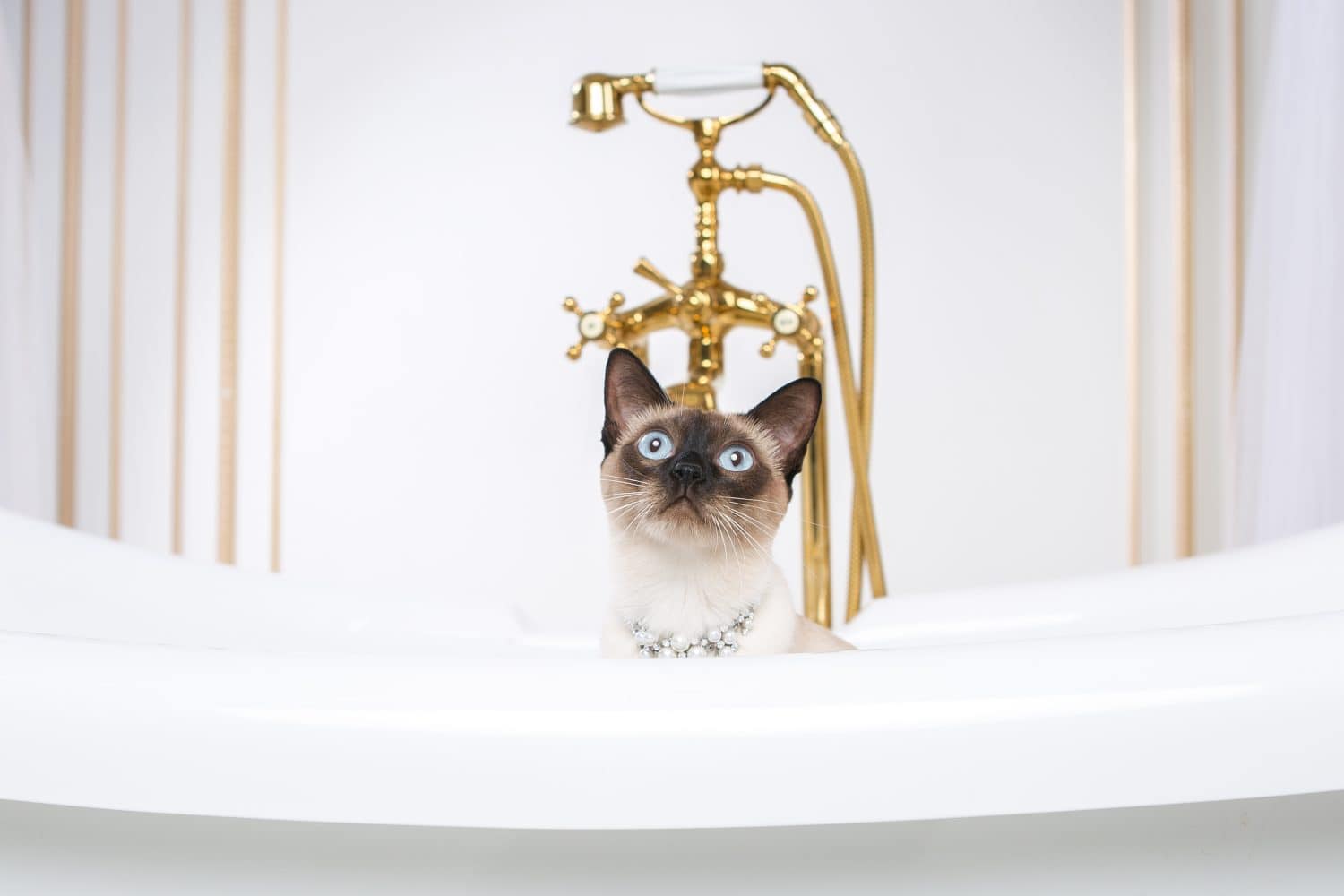
“Fur babies” have taken the place of human babies in some people’s lives.
©Firn/Shutterstock.com
Since ancient times, dogs and cats have played a role in people’s lives. Historically, canines and felines were revered, served as companions, or worked alongside humans, but they were always regarded as animals. Somewhere along the way, this changed. The “fur baby” culture was officially born during the late 20th century.
The term was used to describe the emotional bond between a human and their pet. The pet was no longer seen as an animal but instead as a furry family member. There have been claims of health benefits of having a “fur baby” over the years, according to the Natural Parenting Center. Some of the benefits include:
- Emotional support
- Increased physical activity
- Creating a routine and structure that is good for both the pet and the human alike
- Unconditional love given by the pet
- Constant companionship provided by the pet
As people began to see their pets as children rather than animals, the book notes that ‘encouraged anthropomorphism’—treating animals like human children—was often promoted by social media, celebrities, and similar influences. This led to pets being treated differently than ever before in history.
While the devotion to pets is seen in many circles as a positive, treating a pet as a “fur baby” is detrimental to a dog or cat’s behavior and health. This is why the book encourages giving love to dogs and cats, but seeing them for what they are: animals, not humans.
Why Doting on a “Fur Baby” Is Not Always Healthy
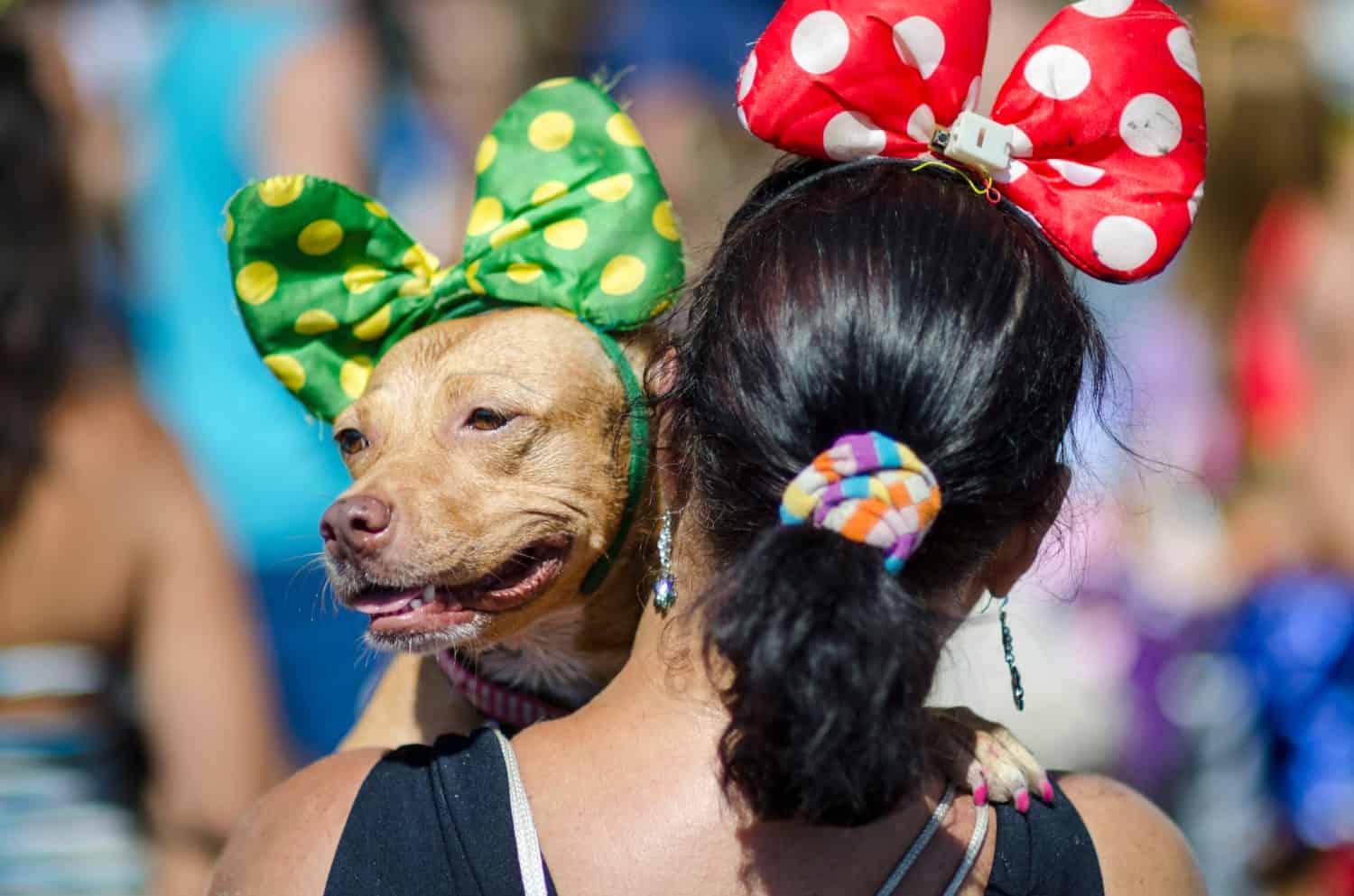
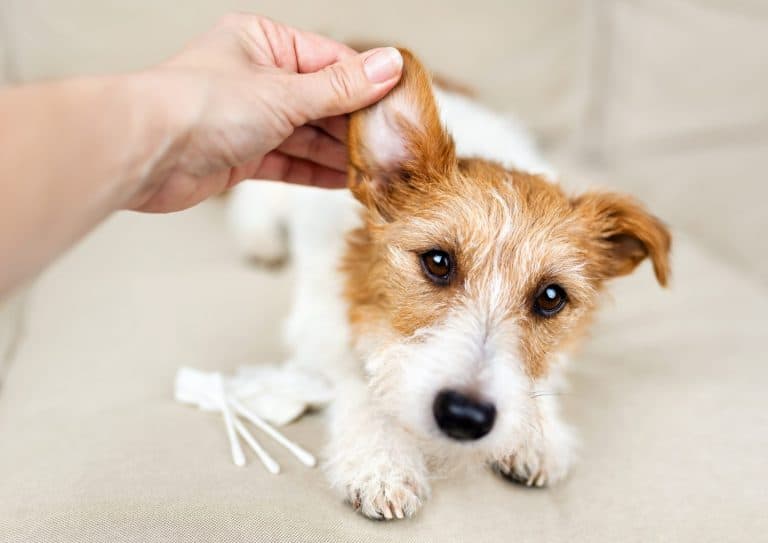
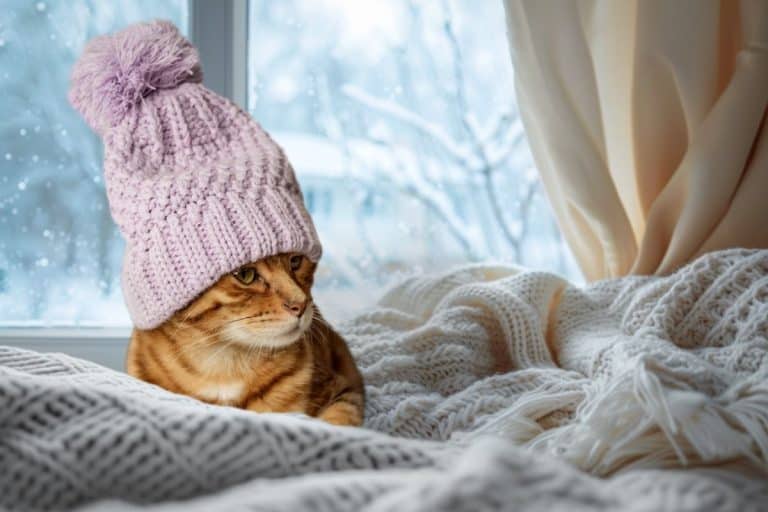
Pets that are true “fur babies” are often subjected to unnecessary treatments and health remedies that are not in their best interest.
©lazyllama/Shutterstock.com
The rise of the “fur baby” culture has come at a cost to animals. To be fair, it is not necessarily a bad thing to spoil a pet from time to time. However, when dogs and cats are subjected to unnecessary veterinary tests that may cause suffering, or when health advice is taken from unqualified sources, these actions are not in the pets’ best interests. Instead, they are often motivated by profit.
Additionally, as Veterinary Controversies and Ethical Dilemmas points out, many pets seen as “fur babies” are often only pets. This means they frequently spend long periods alone. According to Tanya Stephens, a veterinary practitioner and wildlife researcher who co-authored the book, dogs treated as “fur babies” may have a lower quality of life than those that do not live in such luxury.
“Village dogs which hang around in groups may have a better quality of life than a designer dog left alone all day,” Stephens writes. “There is no doubt that this emphasis on the human/animal bond supports the rise of the ‘fur baby.'”
Statistically, more people see their pets as valued family members than those who do not. Therefore, the idea that “fur babies” have a lower quality of life than pets treated as animals may seem counterintuitive to most cat and dog owners.
The Majority of Pet Owners See Their Animals as Family Members
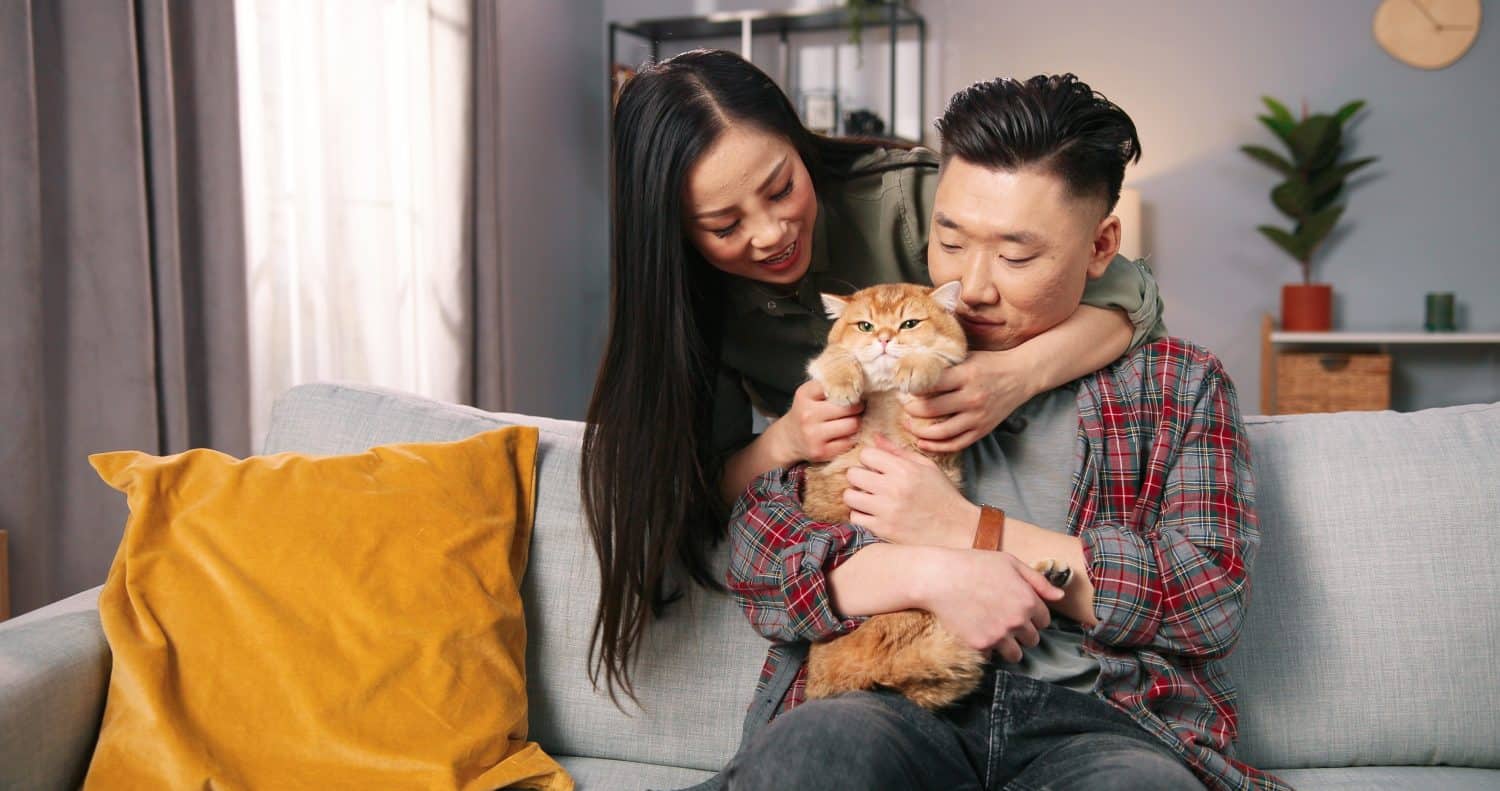
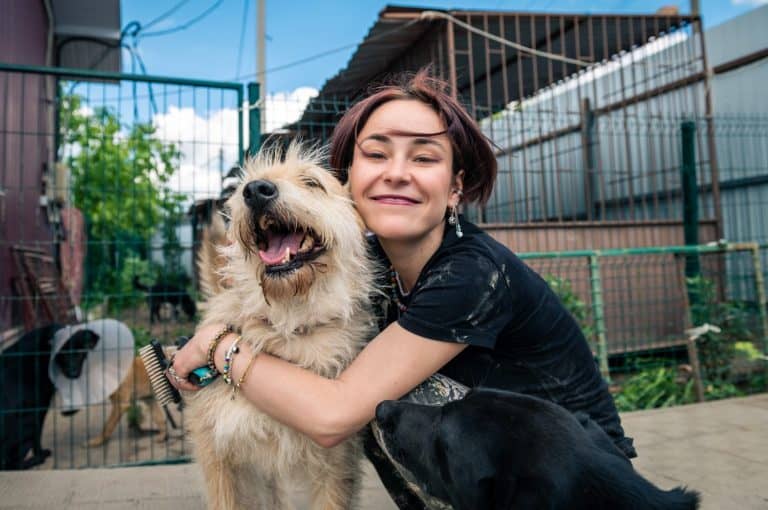
“Fur babies” are seen as much as a member of the family as humans are.
©VAKS-Stock Agency/Shutterstock.com
Americans love their pets. Across the United States, 62% of people own a pet. 35% own more than one. Interestingly, nearly all pet owners see their pets as members of the family. According to a 2023 Pew Research Center study, 97% of pet owners see their four-legged friends as part of the family. Of those, 51% saw their pets “as much a part of their family as a human member.” The numbers were broken down further to see exactly who saw their pets as a human member of the family, or as a “fur baby.”
- 57% of women and 43% of men saw their pets as “fur babies”
- 64% of lower-income families, 46% with middle incomes, and 43% of high-income families saw their pets as “fur babies”
- 61% of those living in urban areas, 50% in rural areas, and 46% in the suburbs saw their pets as “fur babies”
While there is nothing wrong with being strongly attached to a pet, treating them as human children is not in the best interest of either the pet owner or the pet. According to the book, it is nothing more than a culture built to be profitable for multiple entities across a variety of industries.
The Profit Incentives of “Fur Baby” Culture

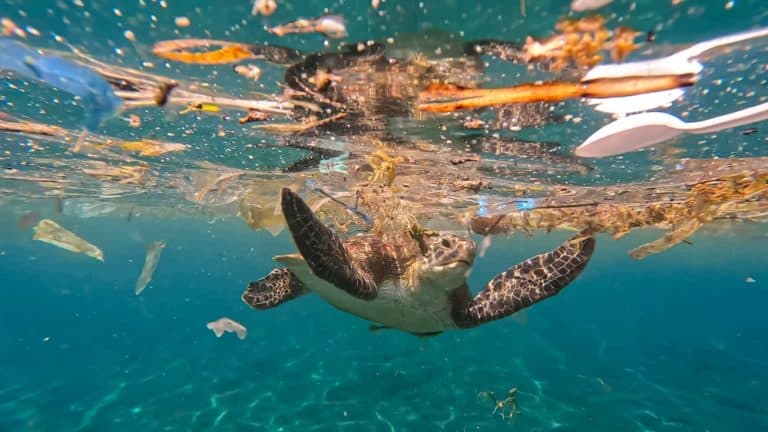
The “fur baby” culture is recession-proof.
©Kashaeva Irina/Shutterstock.com
The “fur baby” culture has grown exponentially since the COVID-19 pandemic. During an uncertain time when people were home for months on end, pets were adopted from shelters to the point that some shelters were left empty. Pets became not only family members but also emotional touchstones, sources of structure, and contributors to improved mental health during a time when many struggled with isolation.
According to distinguished veterinary anesthesiologist Professor Eddie Clutton, who also authored and edited the book, the “fur baby” culture, from a financial standpoint, does not prioritize animal welfare. Instead, it is profit-based in both the corporate and veterinary worlds.
“A few vets, us included, see the rise of the ‘fur baby’ as a huge problem for animals and their welfare,” Clutton writes. “Some, perhaps many vets, as well as corporate shareholders, see the concept as a tremendously useful way in which to make loads of money.”
Unlike other industries that have seen profit losses over the past few years, the pet industry has not. It has proven to be recession-proof. This is evidenced by the projected 2025 market size of the pet industry in the United States, which is expected to reach $157 billion. This is due to a compound annual growth rate of 8.2% from 2018 to 2025. In 2024, $152 billion was spent on pets. The breakdown is as follows:
- $65.8 billion in food and treats
- $39.8 billion in veterinary care and product sales
- $33.3 billion in supplies, over-the-counter medications, and live animals
- $13 billion in other services outside of veterinary care, such as boarding, grooming, insurance, training, pet sitting, and pet walking
Unfortunately, all of this spending is not directly correlated to the welfare of pets. Many of these services, treatments, and even foods and treats are unnecessary or even harmful to pets. However, due to social media and other influences, pet owners trying to do their best for their “fur baby” often spend money unnecessarily.
Social Media Plays Into the “Fur Baby” Culture
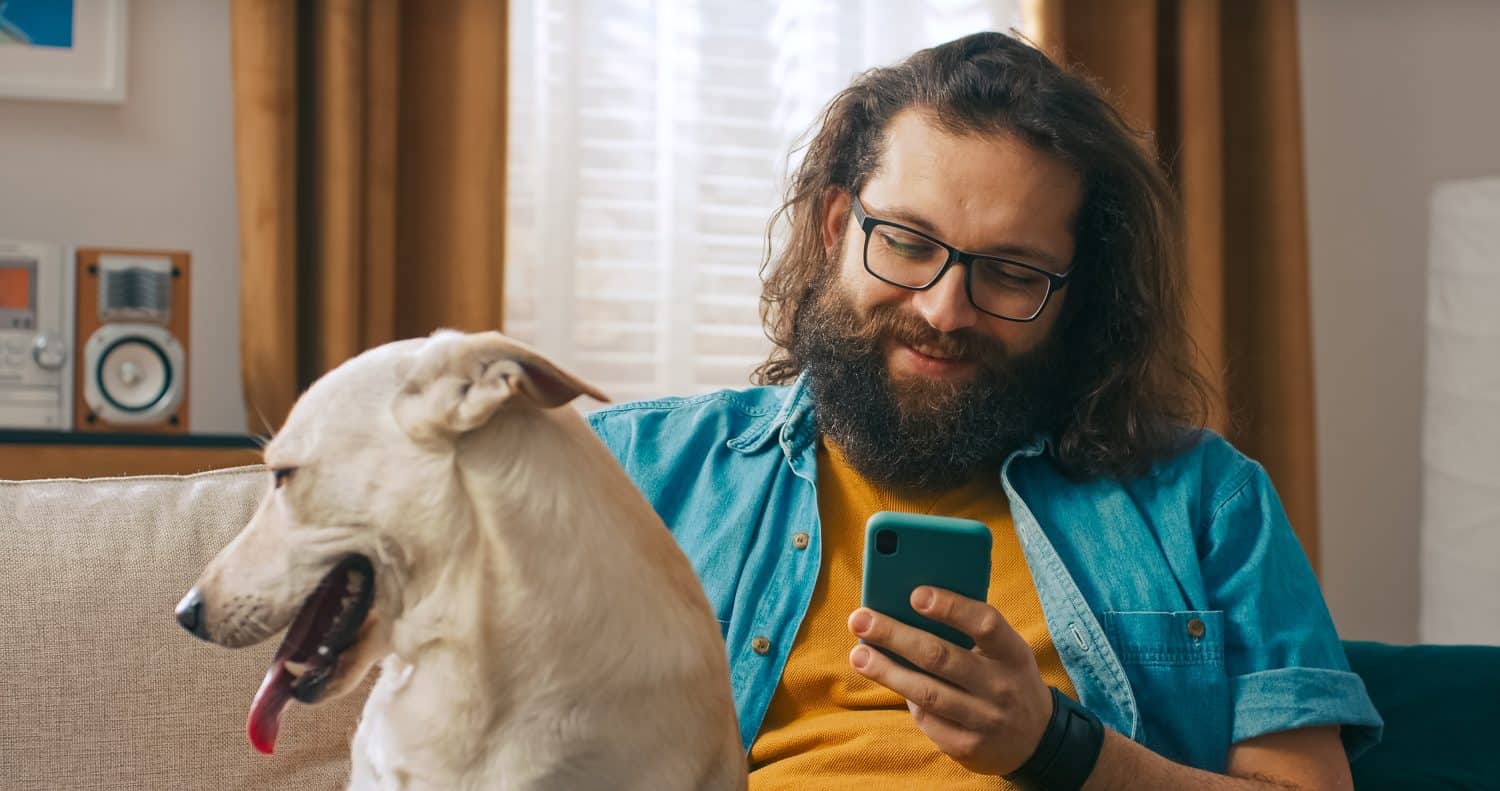
Social media influencers use the “fur baby” culture to sell a lifestyle.
©Trzykropy/Shutterstock.com
Like most things on social media, the “fur baby” culture is about selling a lifestyle. Instagram, TikTok, and other social media platforms are flooded with the latest trends in dog and cat care. Influencers show their beloved “fur baby” and how a product or food has changed their lives. This prompts pet owners who want the best for their cat or dog to imitate these behaviors, which is how successful influencers make their fortunes.
Unfortunately, as the book points out, most influencers are not educated in veterinary medicine. They have no background in what is best for their animals. The “health tips” shared are not science-based. However, because these claims are posted on social media, they are often believed regardless of the source. Additionally, when people exclusively believe what influencers say, sound veterinary advice is not always followed. Therefore, the pet’s best interests are again not taken into account in the “fur baby” culture, and the only ones who suffer for it are the animals.
“Fur Baby” Culture Has Led to Older, Not Healthier Animals
The “gold standard of care” has led to animals living longer, but not necessarily better-quality lives.
©Tylinek/Shutterstock.com
Today, veterinary medicine does not always prioritize the patient’s best interests. Under the ‘gold standard of care’ described in the book, many procedures, blood tests, and experimental treatments are performed on pets. The outcome may allow the pet to live longer, but there is a cost associated with longevity that is no longer being considered.
“Better preventative medicine has allowed animals to reach old age,” Stephens writes. “However, longer lives may not necessarily be happier ones if the animal is riddled with old-age ailments and the owner and veterinarian are reluctant to say the last goodbye.”
While the authors of the book expressly state they are not trying to place blame, they do want veterinarians to reassess why they are performing a procedure. According to Polly Taylor, a distinguished veterinary anesthesiologist and one of the authors/editors of the book, the “motivation” for a veterinary procedure is often detrimental to a pet.
“Groundbreaking veterinary treatments are accoladed, but all too often the motivation for the procedure appears to be something other than the animal patient’s welfare – be it kudos, financial gain, or failure to recognize that the needs and wants of a dog or cat are not those of a human,” Taylor writes. “This has led to some alarmingly invasive and prolonged interventions which do not benefit the patient.”
If a pet will benefit and experience an improved quality of life, then the treatment is worthwhile. If the quality of life will suffer or the outcome will only briefly extend life, the treatment should be reassessed, prioritizing the pet’s best interests.
How “Fur Baby” Culture Affects Vets and Technicians
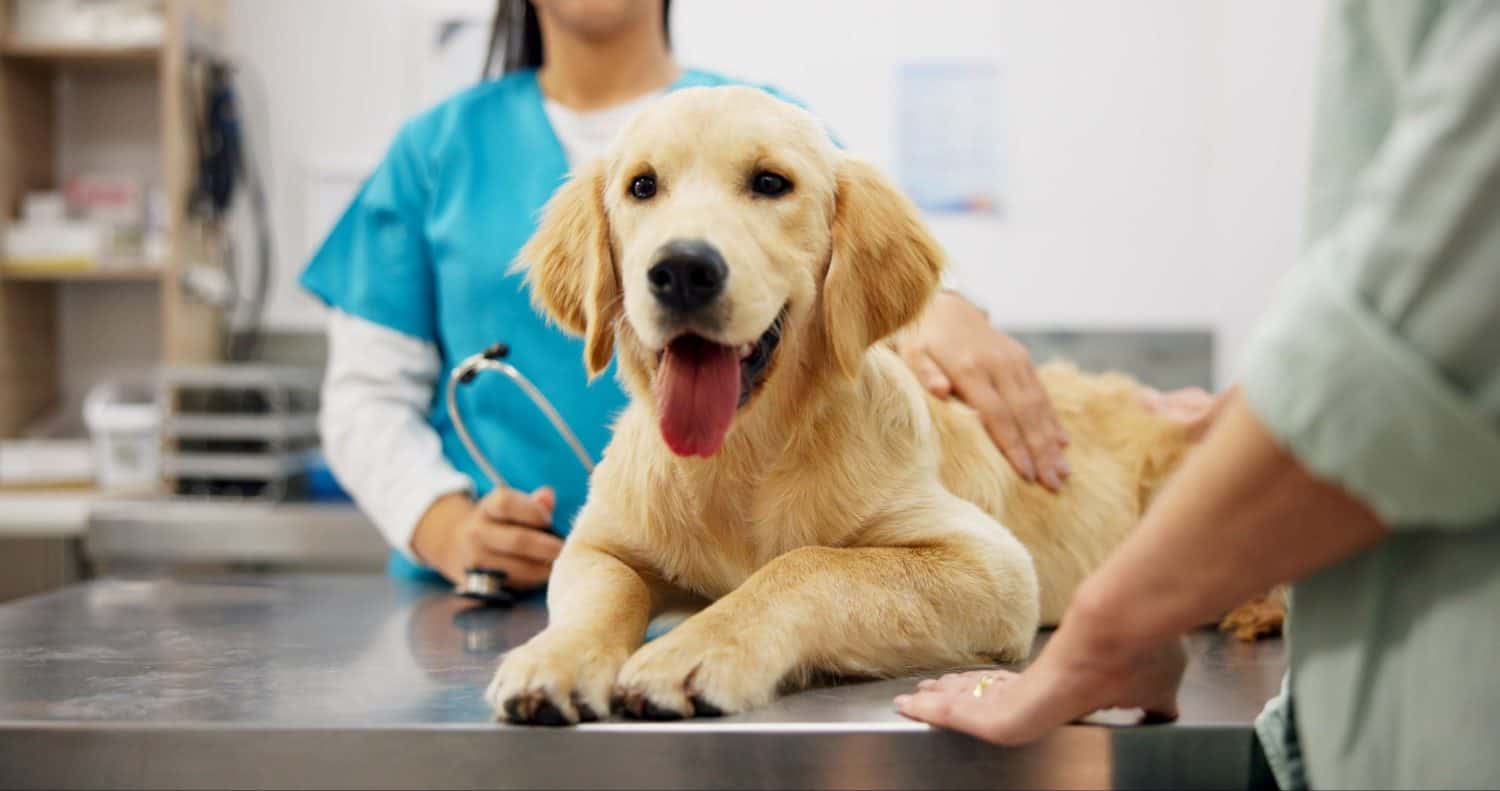
Veterinarians and staff are facing burnout in massive numbers due to the increased visits associated with the care believed to be needed for “fur babies.”
©PeopleImages/Shutterstock.com
It should come as no surprise that, as pet owners self-diagnose their “fur babies” and demand numerous physical and blood tests, veterinarians and technicians are becoming burned out. Pet parents are no longer relying solely on veterinarians for the best care for their dogs or cats. Instead, they often demand treatments beyond what is necessary, leading to longer hours and increased burnout among veterinary professionals.
The book points out that ethical veterinarians and staff are constantly juggling to ensure the best interests of pets are at the forefront of treatment recommendations. However, the needs of pet owners are now taken into account at rates never seen before. This is leading to:
- Widespread dissatisfaction
- High stress
- Understaffing
- Long working hours
- Abuse of veterinary staff
This is not new news, however. A 2023 study published in Frontiers in Veterinary Science found that over 50% of veterinarians experienced some degree of burnout, ranging from moderate to high levels. The biggest culprits behind burnout were an overloaded workload and the time pressure put on veterinarians to get through exams or procedures.
Perhaps if pets were again treated like animals, rather than human children, some of the stress veterinarians face would be reduced. Veterinarians could then focus solely on the needs of the pet and recommend only what is in the best interest of the dog or cat, rather than performing procedures at the request of pet owners who are not ready to say goodbye to their beloved pet.
The “fur baby” culture may have begun as a way for pet owners to give their dogs and cats the best possible life and care. Somewhere along the way, the lines between pets and children became blurred. “Fur babies” were forever treated as toddlers and became the recipients of care they did not always need. However, as the culture became more popular, it also became profitable. Companies and unscrupulous veterinarians sought to capitalize on the “fur baby” culture to increase their profits. This not only drained the finances of pet owners who wanted the best for their animals, but also prolonged life in cases where animals should have been treated more humanely.
The bottom line is, love your pet. Make them a part of your family. But remember, they are not a child. They are animals with different needs than humans. By caring for them in that light, not only will the lives of animals be changed for the better, but so will the lives of their owners.