
Quick Take
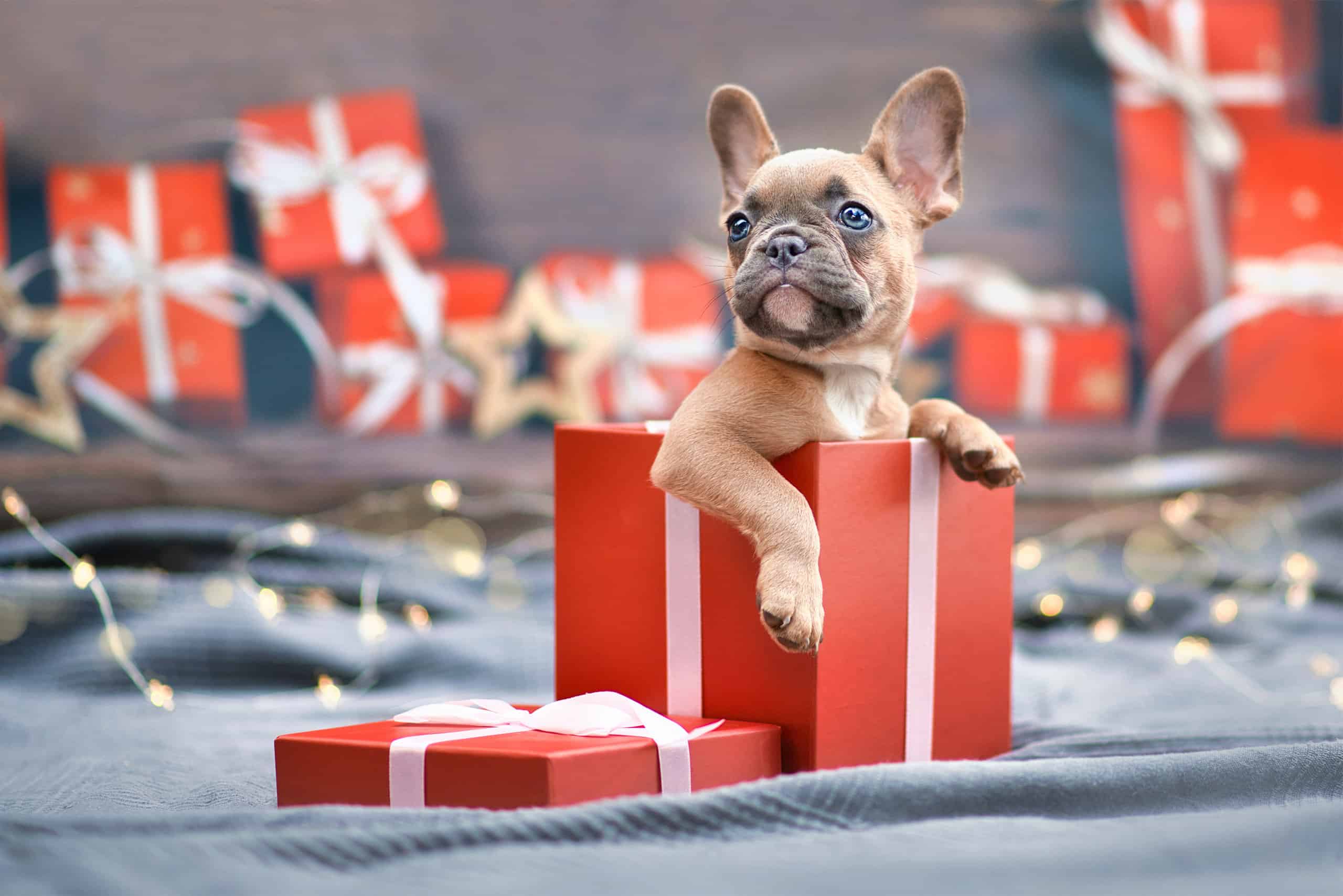
- Puppies are a popular gift for the holidays, but before you give one, be sure you understand all the responsibilities that go with a pet as a present.
- Purebred puppies are sought after for their predictable demeanors and appearance.
- Adopting a puppy from the shelter is another alternative.
The other night I re-watched the movie The Santa Clause starring Tim Allen. It’s an oldie, but still a goodie. A Christmas classic.
One scene in particular caught my attention. It was when Charlie, the young son of Tim’s character, is in the backseat of the sleigh with a cute puppy licking his face like crazy. Of course, the puppy had a bow around its neck. It was destined to be a present, after all. The whole scene was cuteness overload. There was a sweet little kid giggling profusely as the puppy did what puppies do best: be adorable.
But it made me think of all the ways Hollywood and the media glamorize the idea of giving a puppy as a Christmas gift. Yes, it is a wonderful surprise to find a living, breathing, rambunctious puppy under the tree, especially for kids. But is it still so wonderful in the weeks and months after the holiday decorations are stored away for the year? That depends.
The truth is that puppies, and dogs in general, require a lot of effort. Before you jump into the “puppy for Christmas” trend, be sure to know exactly what you’re getting into.
Puppies are a Lot of Work!

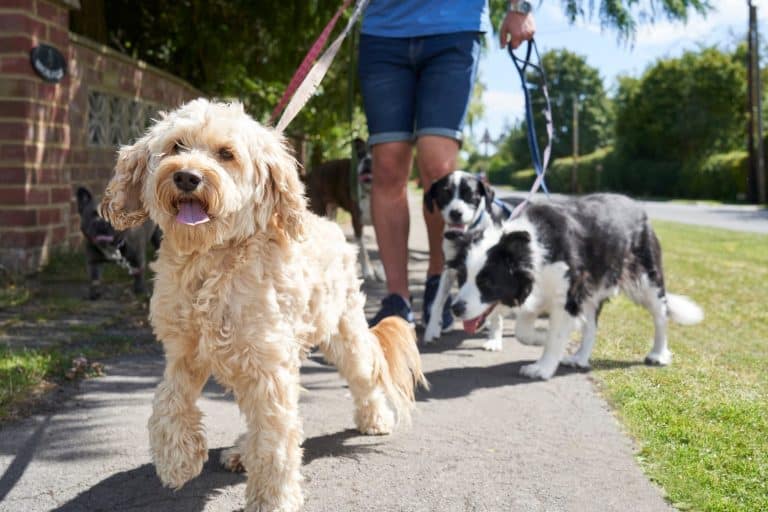
Puppies are cute, but require a lifetime commitment.
©ConstanzaMartinez/Shutterstock.com
There’s no sugar-coating this. Puppies are an incredible amount of work. I’ve had dogs most of my life, starting when I was about five years old. My first puppy was a miniature poodle, and my mom did most of the work taking care of him. I just played with him, dressed him up, and generally considered him a little friend that required no real sacrifice.
Fast forward to adulthood, when I added a Pembroke Welsh Corgi puppy to our family. At the time, I was a mom with young kids, so all the work fell to me. That was fine because I was the one who wanted the new dog anyway. She wasn’t a gift under the tree, and I knew what I was getting into. Still, getting her through puppyhood was a lot of work.
Here are a few things to consider before you put a puppy under your Christmas tree this year.
- Puppies need constant supervision. They are curious creatures and will somehow find that electrical cord or shoe they have no business chewing. Yet, they will happily devour anything in sight, including the furniture. You need to be vigilant any time they aren’t sleeping or sitting right next to you. Puppies cannot be ignored like the other toys that kids casually discard after playing with them once.
- Puppies require regular bathroom breaks. They don’t care about the temperature or how dark it is outside. When they need to go, they need to go. They’re not good at holding it until you feel like rolling out of bed. If you prefer sleeping in or loathe going out in the cold in your pajamas, just know your schedule will be temporarily disrupted. Somebody has to do it, and that somebody is usually the adult in the household.
- Potty training is not optional. Ideally, puppies would arrive already knowing the difference between going potty outside versus on your favorite rug. They do not. In the first few months of their lives, someone has to work closely with them to teach them the difference. Some puppies get it right away, and others take more time. Either way, it will become a primary focus of your life for those early weeks and possibly months. There will be accidents along the way. Be prepared.
- Puppies are expensive. Keeping your new puppy healthy requires regular visits to the vet, especially in that first year. Initial vaccinations can run up to $300, and the general vet office fees will add to these costs. Then, there is ongoing care required throughout your puppy’s life. Whether it is preventative or to treat an illness, vet care can add hundreds to thousands of dollars across your dog’s lifetime.
- Puppies require socialization and training. Puppies require guidance to grow into pleasant adult companions. The puppy phase only lasts a short time, but your efforts to get the puppy comfortable in social situations directly influence their behavior as adults. Training and obedience courses, socializing them with other animals, and introducing them to strangers are all things you need to do.
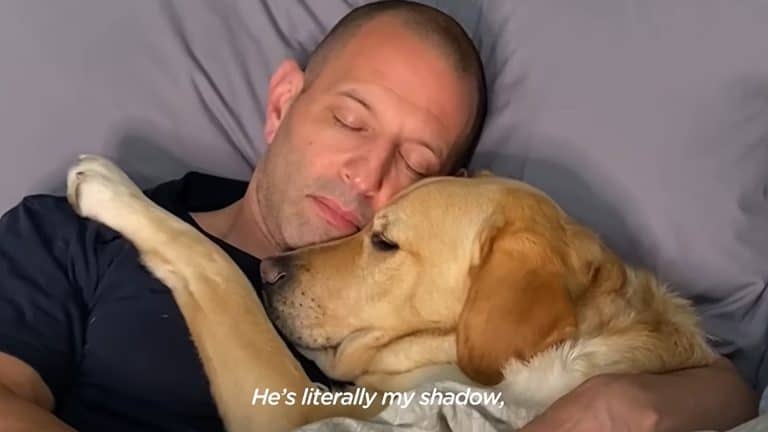
- Puppies (and dogs) need human companionship. Dogs are social creatures and thrive on human attention. There’s a reason they wait at the door for you to come home. If you are gone much of the time and the new puppy will be home alone for long hours on end, it may not be the best time to add one to your family. Lonely puppies often become destructive puppies. It is better to wait until you have adequate time to spend with a new puppy before bringing one home.
- Dogs are not disposable! Shelters around the world are bursting at the seams with unwanted dogs, some of which started life as a cute bundle of joy under someone’s Christmas tree. If you are unsure you can meet the long-term commitments of dog ownership, skip a puppy as a holiday gift. Opt for a stuffed animal or a pet that requires less care, like a goldfish. And never, ever give a puppy as a gift to someone else if you aren’t ready to assume care for the dog if the recipient doesn’t want it at some point.
What If You Want a Purebred Puppy?
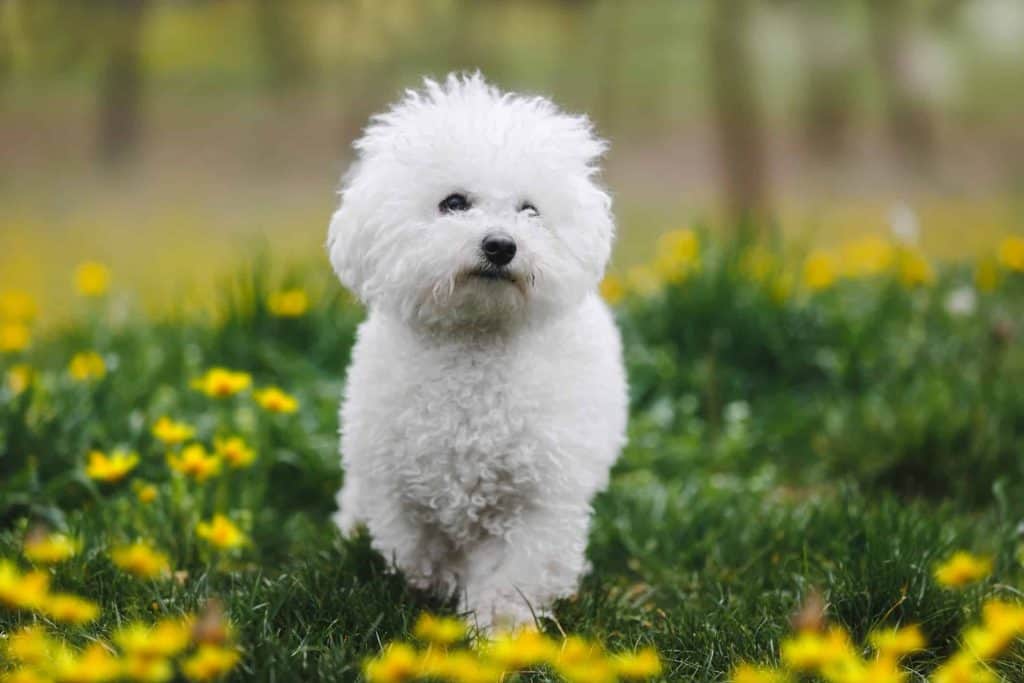
Purebred dogs are a popular choice for many new puppy owners.
©iStock.com/SStajic
If you’re intent on putting a puppy under the tree, you have two options: buy a purebred or adopt a puppy from a shelter.
People often have a preference for a purebred dog. One reason is that their dispositions are a bit more predictable. You generally know what you’re going to get. Whether it’s for lifestyle or aesthetic reasons, purebred dogs make a great addition to your home.
The biggest hurdle you’ll face, though, is finding a reputable breeder. Research is the key to finding a great breeder who offers healthy, even-tempered puppies. Reputable breeders ensure you get both. The most direct route to finding them is by going to dog shows and talking to the people who are there showing the dog breed you’re interested in.
It’s how I found the breeder for my Corgi. She was extremely active in the dog show circuit and had glowing reviews from her peers and many satisfied customers. She never advertised anywhere. Her customers all came to her through word of mouth. She also offered a health guarantee and a lifetime commitment to taking the dog back if it ever became necessary.
She was also quite particular about who she sold her puppies to and required an in-person interview with any prospective client. We drove several hours to her home to meet her dogs, tell her about our lifestyle, and answer her questions. We then drove back to pick up our puppy once our application was approved. Our Corgi lived a long, healthy life and had a very sweet disposition. She was a wonderful Corgi.
One thing to avoid is purchasing a puppy from a backyard breeder. There are many signs that you’re dealing with one. They often advertise on social media or Craigslist. They’ll sell to anyone willing to pay and often price their puppies well below standard rates. They always seem to have litters available. They also offer no health guarantees and use “official” paperwork to prove the lineage of their puppies.
These types of breeders are in it purely for profit, without much care for the health of either the mother dog or her litters. The animals’ living conditions are often atrocious, which is why these breeders rarely let you meet the puppy on site. Often, people who buy from these backyard breeders end up with puppies that have serious medical issues.
If you really want to purchase a purebred puppy (or even a designer mix like a doodle), be prepared to jump through the hoops a reputable breeder requires. Then be prepared to wait some more for a healthy litter to become available. The reward for your patience will be a lifetime of companionship and joy.
What About Adopting a Shelter Dog?
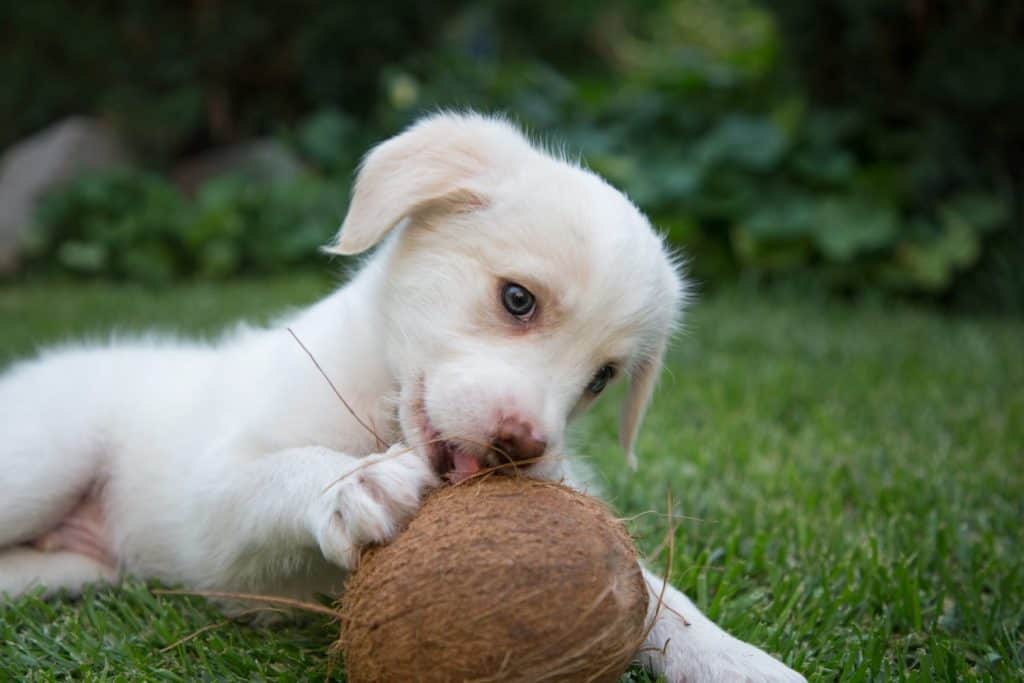
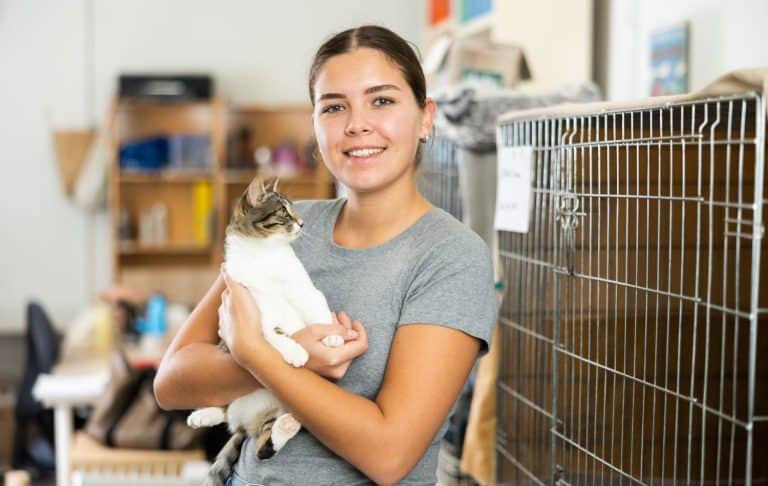
Adopting a dog from a shelter is also a great option.
©Anna Pasichnyk/Shutterstock.com
“Adopt, don’t shop” is a slogan you hear often. After all, there always seems to be an abundance of puppies at shelters everywhere. There are many reasons people choose shelter dogs. What could be nicer than giving one of these unwanted dogs a second chance?
Adopting a shelter pup can be an excellent way to add a new dog to your family. You do need to do your homework, though, before making a decision.
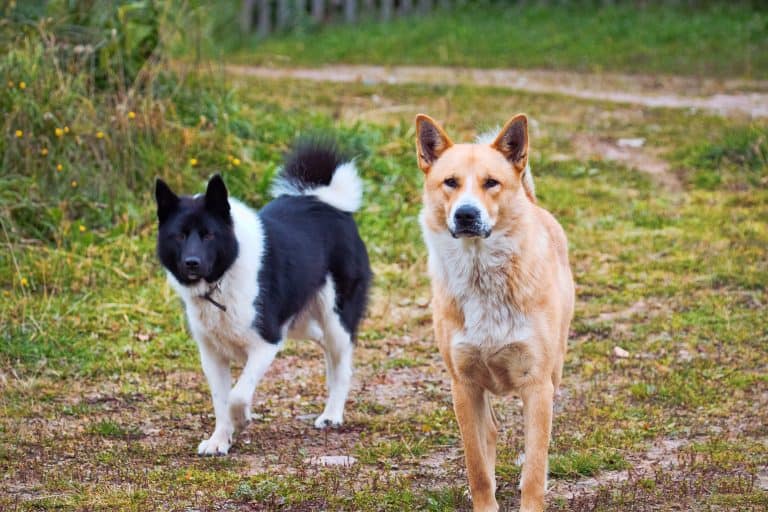
I currently have two shelter dogs in my own family. They are lovely, medium-sized, mixed-breed dogs that have been part of our home for nearly a decade. They’ve moved abroad with us twice, and I couldn’t imagine life without them.
Regardless of which route you take to find the puppy you’re seeking, be sure you’re making the purchase after weighing all the considerations, and then commit to providing that puppy with the best life possible — for the rest of its life.