
Quick Take
- Achieving a $20,000 valuation requires antique insect collections to meet strict preservation standards.
- Missing essential insect label data converts Victorian specimens into scientifically worthless items, regardless of aesthetics.
- A complete antique insect cabinet often holds more market value than the rarest individual insect within it.
- Establishing transparent provenance is the only way to bypass smuggling risks in modern insect collection trade.
Antique insect collections became exceedingly popular in the 1800s and early 1900s. They were often built as working reference libraries, containing pinned and labeled insects so that naturalists could compare species and easily display new finds. Because of this precision, some of the best insect collections still bring in serious money today, with some as high as $20,000.
Intact collections are especially valuable, especially if they have their original casework, consistent labeling, documented ownership, and specimens that haven’t yet deteriorated. Buyers are seeking preserved and perfect insects, which is how some collections fetch extremely high prices. What insects are the most valuable in antique collections, and how did they become valuable to begin with?
Today, we’ll explain why complete, credible sets of preserved insects can become status objects in their own right. Using historical sources and museum notation, here’s how insect collections grow in value and what specimens to look for if you’re curating your own set nowadays.
How Insect Cabinets Became Valuable
Victorian collecting, including insect collecting, was widely practiced. Growing an insect collection typically meant someone preferred an educational hobby, as using specimens for comparison and research was the most valuable aspect of owning one. The Portsmouth Natural History Museum notes in its “Pins of the Past” story that display cabinets were built to be both practical and visually satisfying in the home.
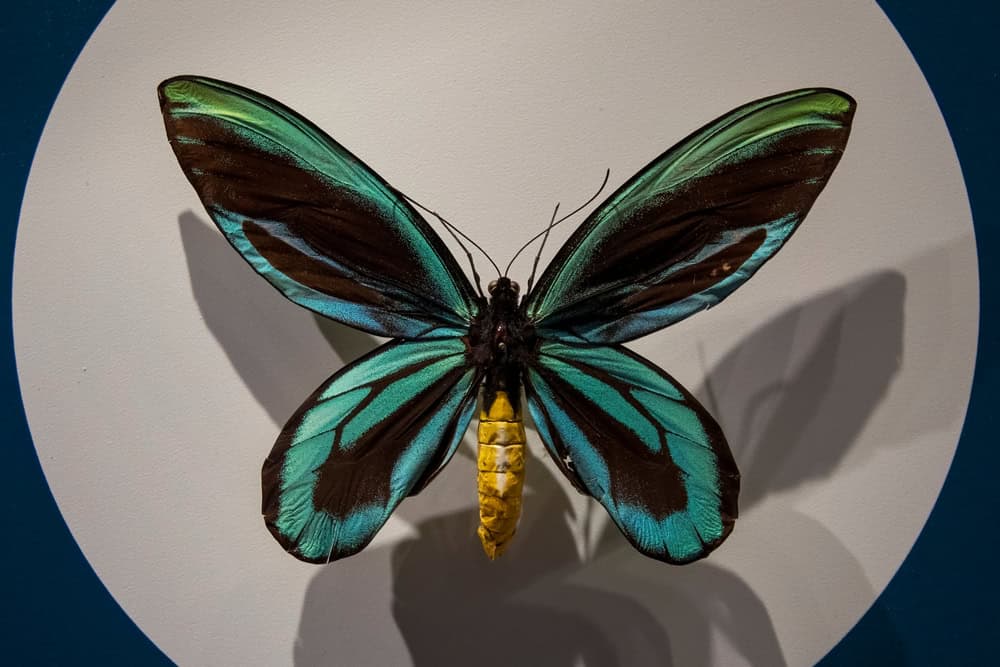
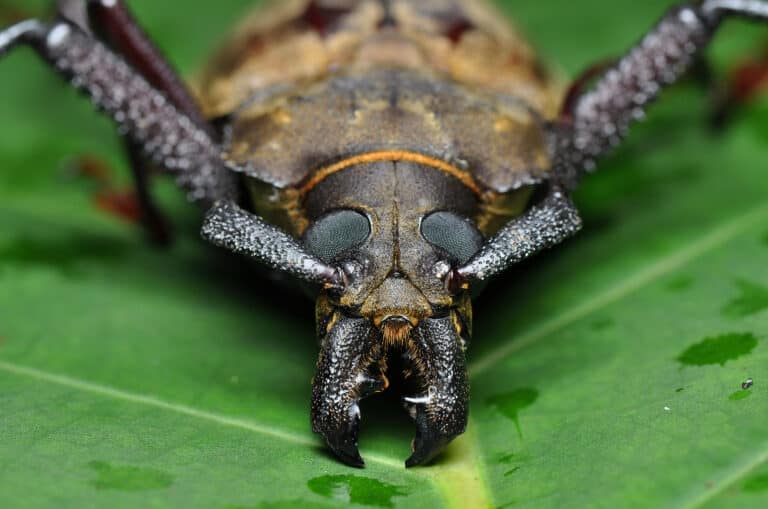
Insect collections vary in price, but complete and accurate scientific information helps increase its value.
©Anthony King Nature/Shutterstock.com
This is why both aesthetic and the scope of an insect collection still shapes the price of it today. A surviving cabinet should look curated before anyone even opens a drawer, and that first impression matters when buyers are comparing similar-looking sets. A well-displayed collection makes it more likely to fetch a high price. And so much of a good display involves good labels.
Why Labels and Documentation Drive the Price
Collectors new to the market tend to fixate on certain display aspects, including its overall color palette and symmetry. Museums and serious buyers also prioritize labels, especially when it comes to what’s listed about the insect itself.
The UC Riverside Entomology Research Museum explains that a poorly pinned antique insect can often be remounted, but a specimen missing its essential label data can wind up being scientifically worthless, which is why two cabinets that look similar at a glance can be worlds apart in value once you read the cards. The data must be there, or else the specimen won’t matter.
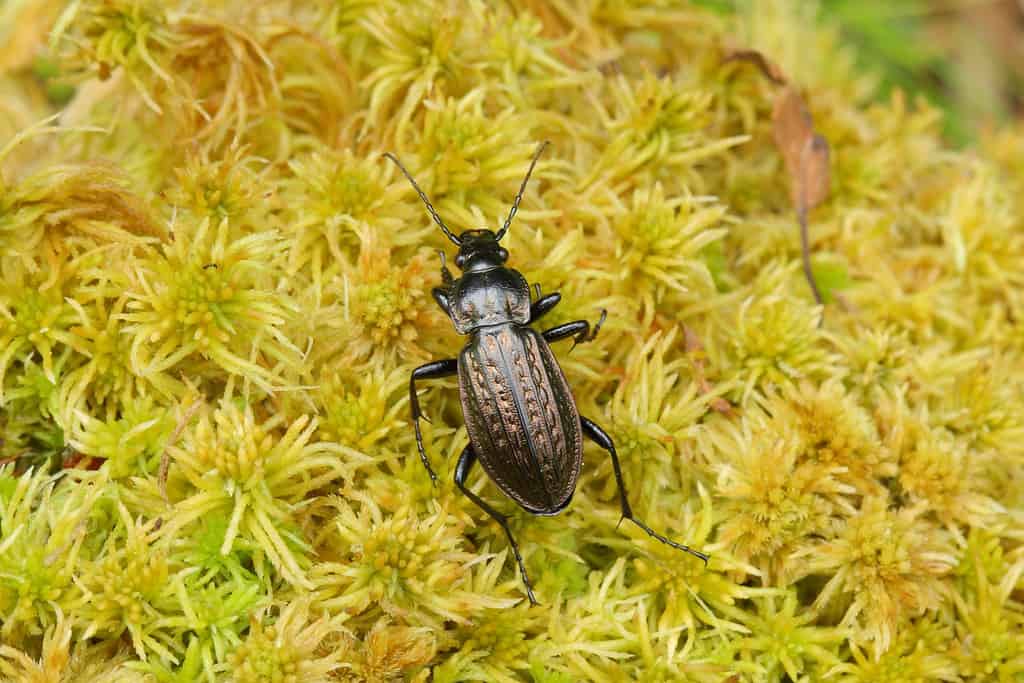
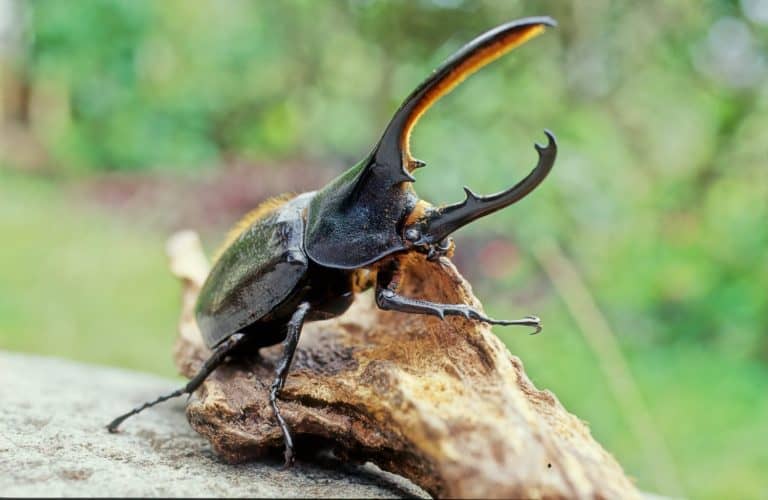
The accurate documentation of an antique insect collection’s history is a must.
©Peter Muckstein/Shutterstock.com
Documentation also makes a cabinet usable, as its information can be invaluable. Some of the core data points to include in a collection may consist of what the specimen is, where it was found, when it was collected, and other acquisition details that help future researchers interpret what they’re seeing, as well as the setting in which the creature once lived.
The Value of Provenance
Provenance is essentially a paper trail for a collection. It answers key questions like who assembled the cabinet and when the collection was largely undertaken.
Institutions care about provenance, as it is tied to the legality of the collection and long-term public accountability. For example, the Smithsonian’s collections policy makes it explicit, that the provenance of acquired collection items is a matter of public record, which is one reason why well-documented sets feel safer and more valuable to both invest in and potentially donate later.
Why Whole Cabinets Can Outprice Any Single Specimen
A single insect can indeed be rare, but a complete, coherent collection can be far rarer, regardless of the value of any single specimen held within.
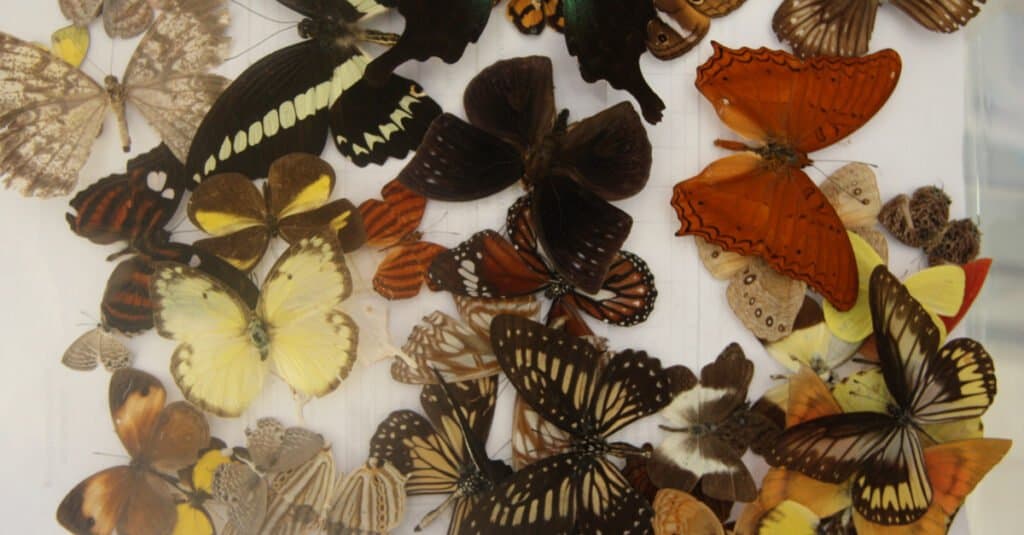
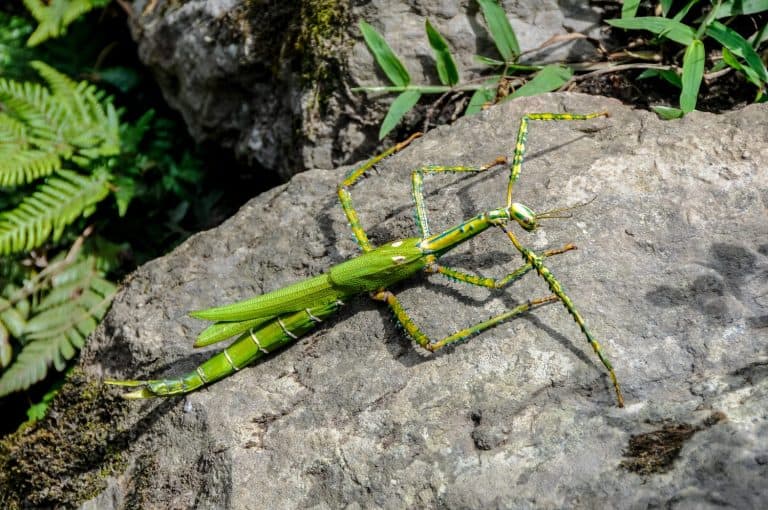
Oftentimes, complete or accurate sets of insect collections fetch higher prices.
©HASIHOLAN SIAHAAN/Shutterstock.com
Complete cabinets tend to bring in higher prices because they offer things like:
- Comparative power: drawers organized by group, geography, species, or time let you compare variations in insects side-by-side.
- Consistency: matching pins, uniform labels, similar frames, a stable storage system, and any other consistent aesthetic choices make the set feel more valuable.
- Survival odds: an intact antique cabinet means it likely avoided the usual threats to these collections, ranging from pests to humidity damage, as well as individual handling.
- Narrative value: when the cabinet is tied to a named collector, expedition, school, or region, the story becomes part of the asset. If an antique collection comes with any significant history, this should also be preserved alongside the specimens.
Rare insects within a collection naturally matter, but the entire composure of the collection tends to matter more, especially to buyers in our modern day.
Who Buys Antique Insect Collections Today?
There are three primary buyers of insect collections today, and these top-tier buyers purchase for different reasons.
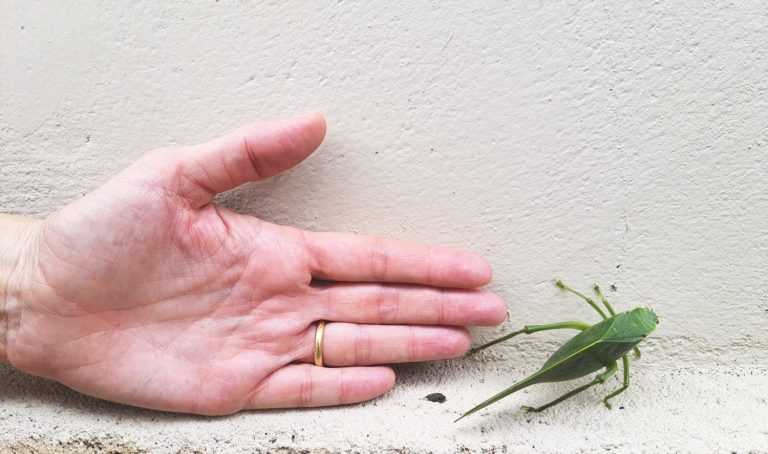
Museums and private collectors seek different things when shopping for antique insect collections.
©Frame Stock Footage/Shutterstock.com
Museums and research collections are an obvious buyer, as they want specimens that still function as evidence and pieces of history. Acquisitions made by museums and researchers should be documented using standards appropriate to the discipline, which means paperwork and records must be part of the collection.
Private collectors can range vastly in why they’re purchasing, as taxonomy or aesthetics can drive individuals. However, most private collectors tend to pay more for cabinets that feel internally coherent, with drawers that are organized and groupings that feel more complete.
Finally, designers and decorators often want insect cabinets themselves as statement objects, especially the more aesthetically unique they are. For them, completeness also matters, as it’s much harder to fake a real archive than it is to frame one rare butterfly. That’s why designers seeking entire collections do their research too; the more complete a species collection is, the more likely they’ll be to purchase.
The Legal and Ethical Layer of Antique Insect Collecting
In 2026, high-end buyers are paying for risk reduction if they’re attempting to purchase an antique insect collection.
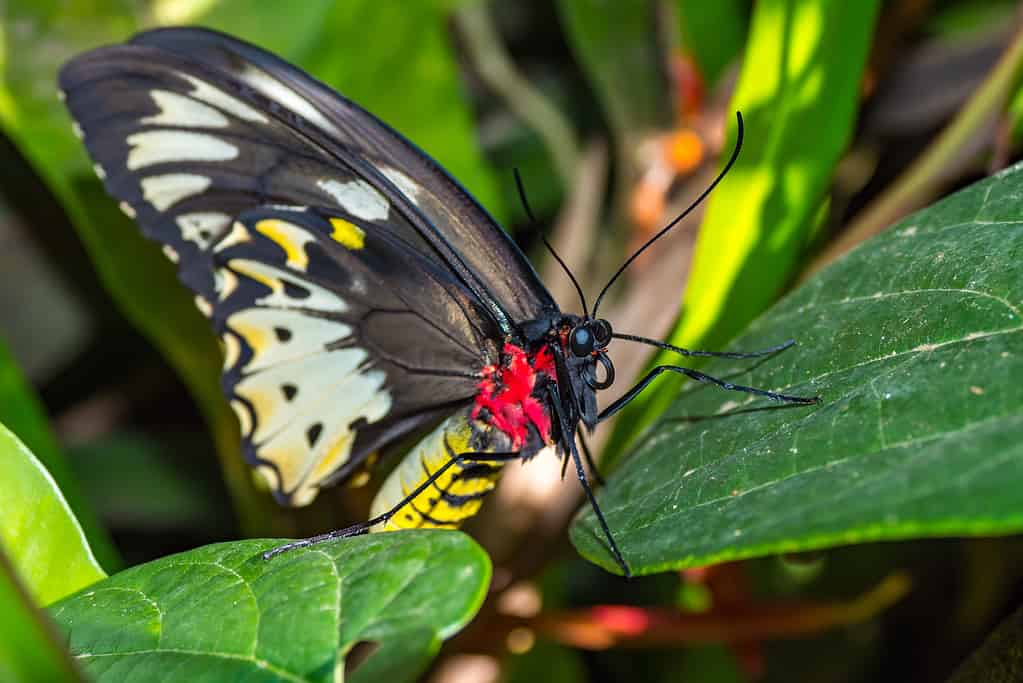
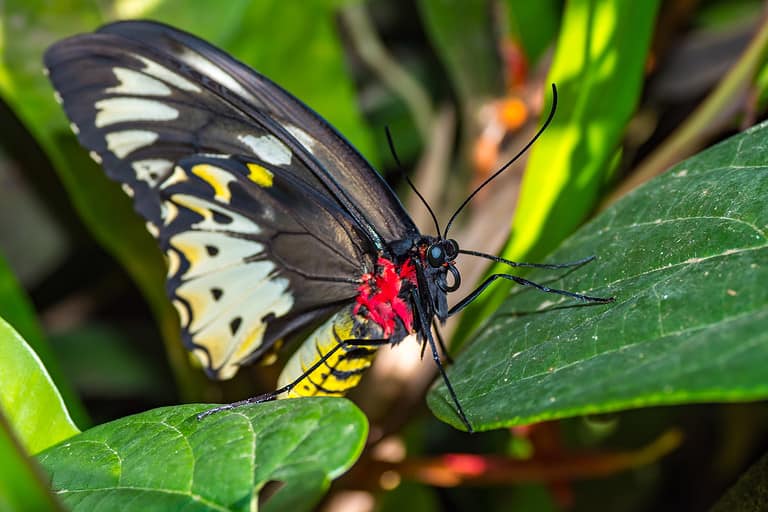
Birdwing butterflies are considered a protected species, which is why collections featuring them need accurate dating and information to be legal.
©MICHAEL WORKMAN/ via Getty Images
For example, some insect groups are regulated under CITES. Most birdwing butterflies fall under CITES Appendix II, which imposes trade restrictions, but Queen Alexandra’s birdwing (Ornithoptera alexandrae) is listed under Appendix I, meaning international trade is generally prohibited except under exceptional circumstances. This is why serious buyers care about clean documentation and lawful acquisition history before purchasing any set.
In addition, high priced insect cabinets may be associated with smuggling or other illegal practices, and that risk pushes reputable buyers toward specimens and cabinets with transparent provenance. Whether you’re buying or selling, legitimacy matters a great deal.
The Most Valuable Insects You’ll See in Antique Collections
A valuable insect can mean many different things in entomology: monetary value, scientific value, historical value, or all three, plus the value an individual collector might be placing on any given piece. In major museum collections, the insects that sit at the top of the heap tend to fall into a few recognizable categories.
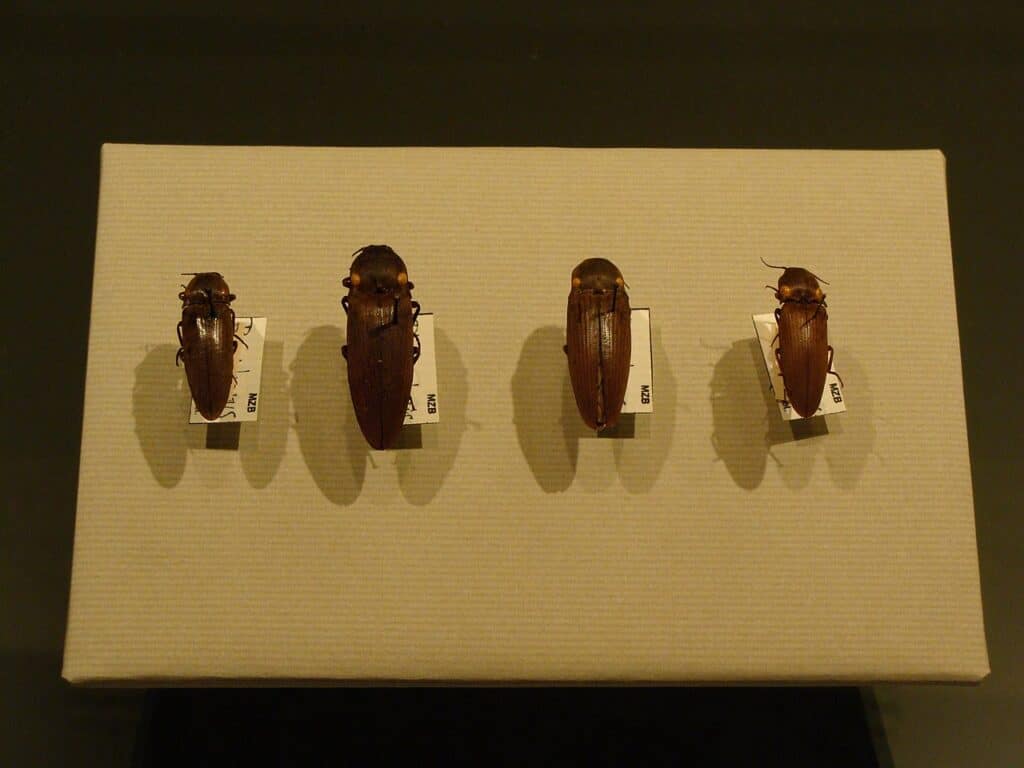
Iconic insects in collections matter, but complete sets of any given species also fetch fair prices.
Type Specimens and Name-Bearing Insects
A type specimen is the individual insect tied to the formal description and name of a species. These aren’t typically traded like normal collectibles, but they’re among the most valuable specimens inside of institutional collections, as they anchor taxonomy and future identification work. They’re also the reason museums treat label data and custody history as non-negotiable.
Iconic Birdwings and Other High-Profile Butterflies
Even when a single specimen isn’t legally tradable, birdwings are a good example of status insects, ones that ultimately shape the market’s imagination and affect prices. Conservation-focused organizations bring up why this species is so tightly protected, and that rarity in tandem with restriction is exactly what makes properly documented and legal historical material so sought after.
Extinct or Regionally Lost Species
For museums, extinction can turn a specimen into an irreplaceable record. Century-old specimens can still answer modern scientific questions, which is why ordinary-looking insects in a collection can still be priceless in context. It’s important to know what any given collection includes!
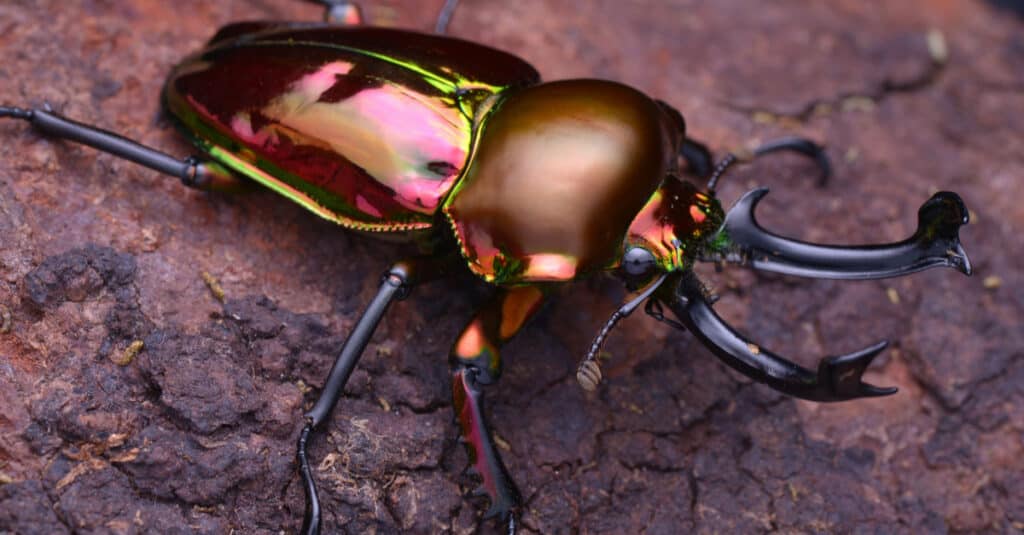
Insect collections featuring data from a given region over time can be extremely valuable.
©SIMON SHIM/Shutterstock.com
Data-Rich Series from One Place Over Time
A drawer containing decades of specimens from the same region, paired with reliable dates and locations, can be more valuable than the average collection. For research purposes, it’s invaluable because it lets scientists track change using physical evidence. Big institutions enjoy single-region collections with extensive taxonomic and geographic information, but only if the records are accurate.
What Makes an Antique Insect Cabinet Valuable
There’s no single checklist that guarantees a $20,000 sale for any antique insect collection, but the cabinets that fetch the highest prices tend to include:
- Original or period-correct cabinetry that still functions smoothly.
- Consistent labeling that preserves the core what/where/when of the species in question.
- Specimens that look stable, with no obvious grease damage, mold, bodily imperfections, or re-pinning damage.
- A coherent internal logic, including taxonomy, geography, collector, or expedition, that makes the set feel like an archive.
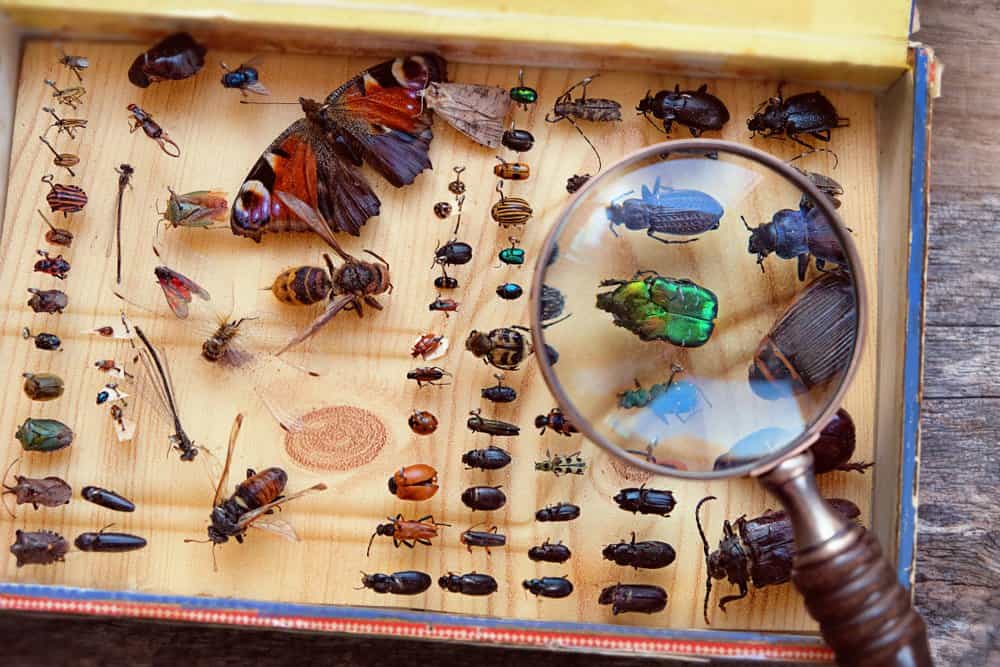
No matter what’s in the collection, a high-priced insect cabinet must include valuable information too.
©ju_see/Shutterstock.com
At the end of the day, when an antique cabinet combines science and aesthetic, it can become an heirloom artifact with a market all its own. These collections can be the star of any home, especially if you understand the unique history and value of the insects within.