
Quick Take
- Collectors generally pay between $470 and $938 for a single Hercules beetle specimen.
- One Hercules beetle fetched over $5,400 at market.
- Breeders put high prices on Hercules beetles because of how long it takes them to reach maturity.
- Hercules beetles can lift 850 times their body weight.
Most of us think of beetles as small creatures flying through the air or scurrying across the ground to get to their destination without falling prey to a predator. But as bug enthusiasts know, there are many species of beetles, some of which are massive in size.
One such beetle is the strongest of all: the Hercules beetle. Depending on location, it can also be bought, and it can cost more than $2,000.
How Much Do Hercules Beetles Typically Cost?
It may seem strange to think of a beetle being worth a lot of money. However, several will fetch top dollar, including the Hercules beetle, one of the largest beetles on the planet.
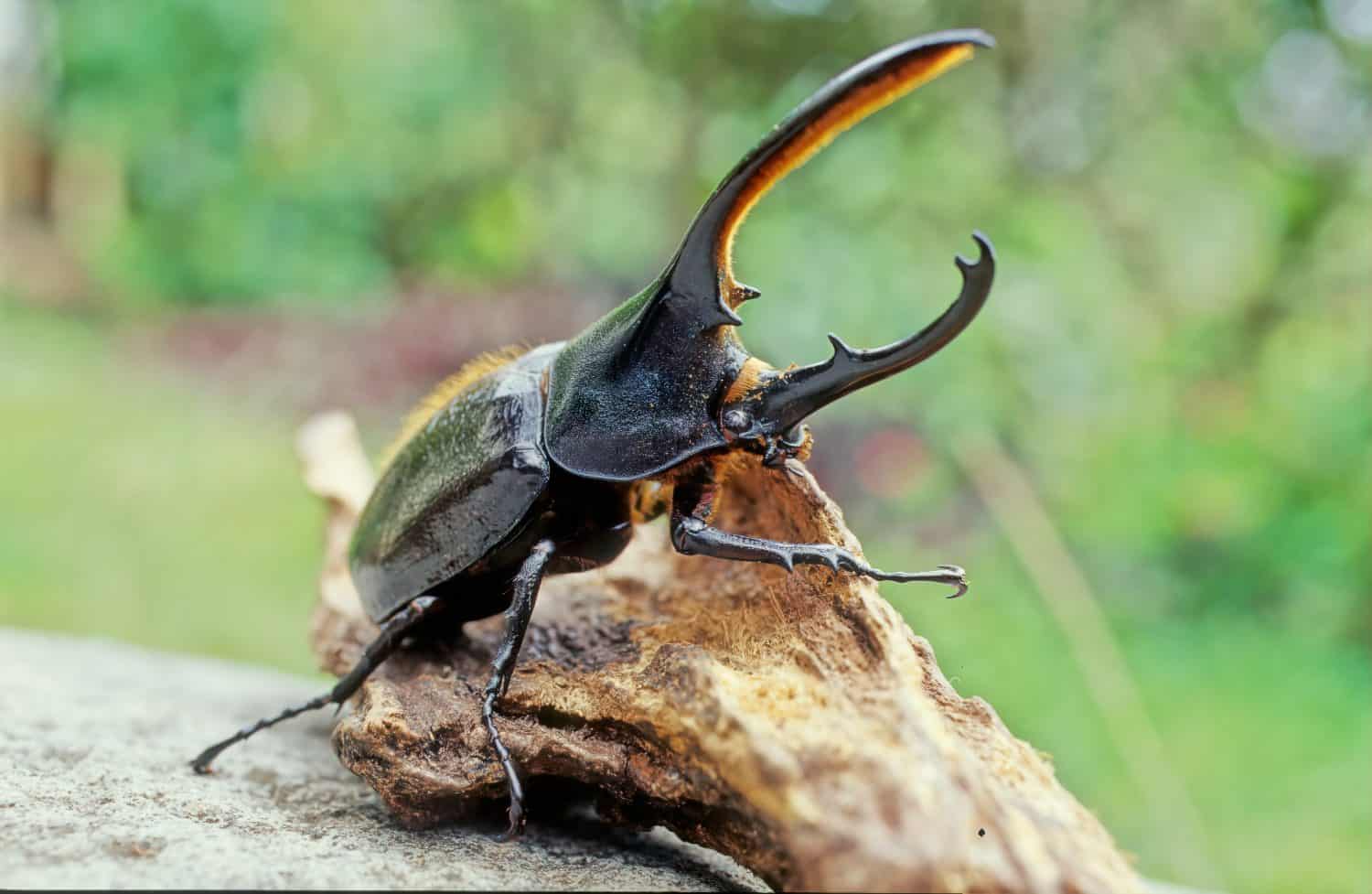
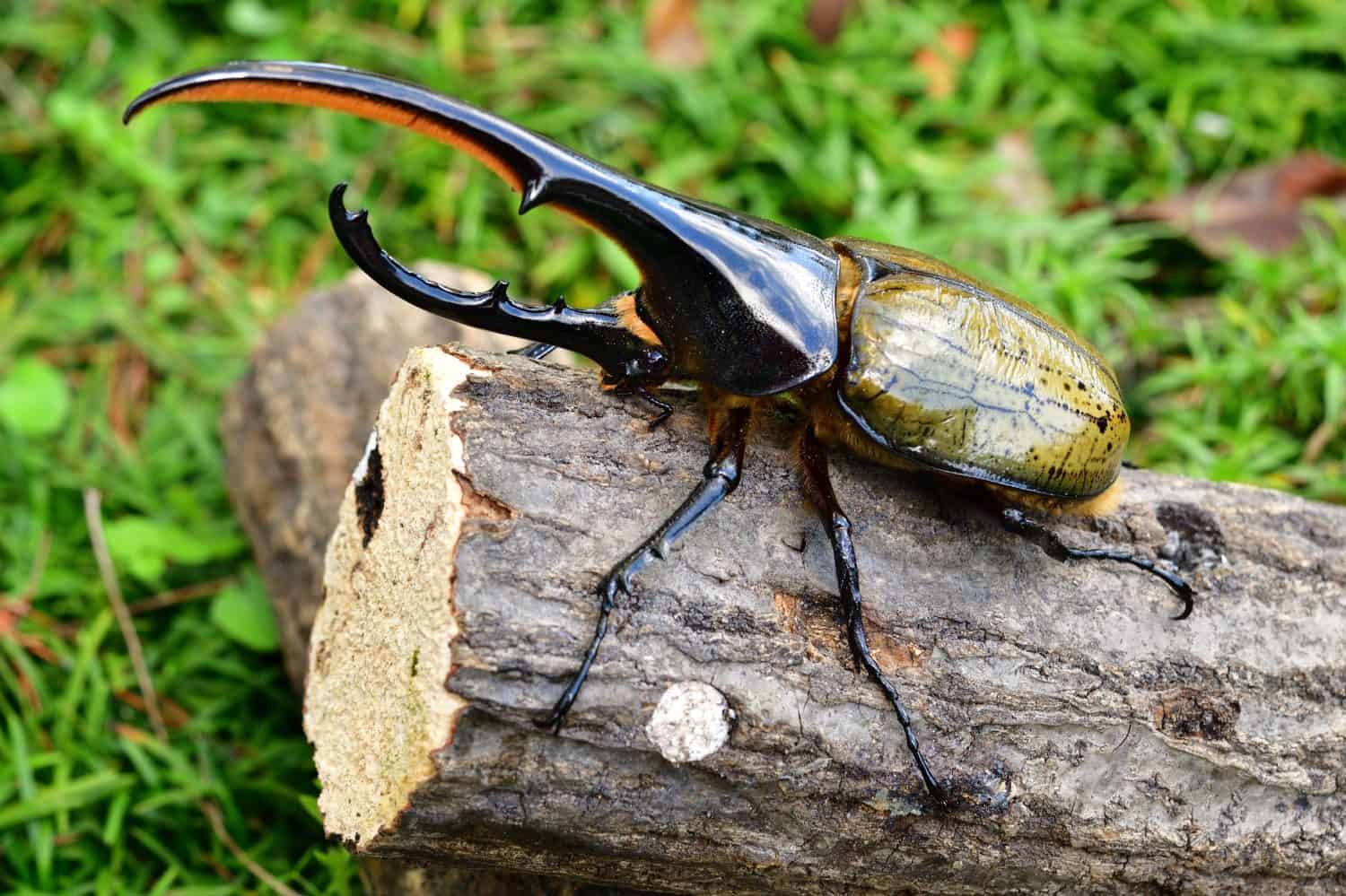
The typical Hercules beetle ranges in size between two and three inches. Some truly remarkable beetles have been measured at nearly seven inches long. This does not include the impressive horns that adorn their head, making this beetle a sight to behold.
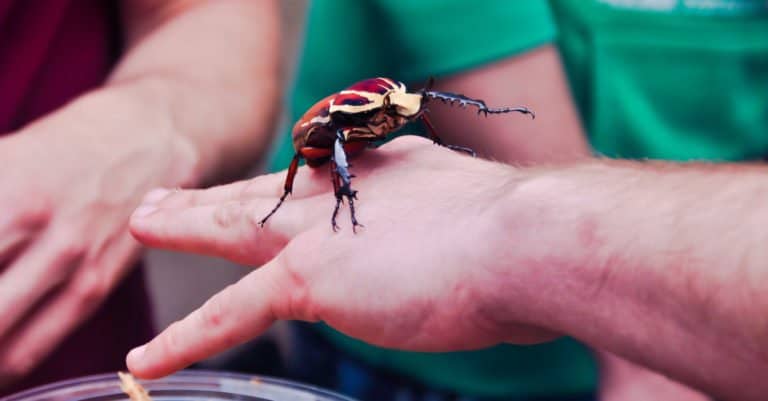
Hercules beetle prices range from several hundred dollars to several thousand dollars.
©fukushima_insectarium/Shutterstock.com
Because of their looks and coloration, which can range from gray to tan to olive green, these beetles, capable of lifting hundreds of times their body weight, are highly sought after. The typical cost of one Hercules beetle is between $470 to $938. But, for remarkable beetles that are larger than typical sizes or have unique coloration, it is not out of the realm of possibility to go for $2,000 or more. One, sold by a Japanese breeder Hirofumi Kawano, known in the Hercules beetle world as HirokA, sold for $5,440.
These seem like insane prices to pay for a beetle. But once you understand the effort it takes to successfully raise a Hercules beetle from egg to adulthood, the prices begin to make more sense, even to those not enthralled by the massive beetles.
Why Hercules Beetles Cost So Much
Hercules beetles are not cheap. It can be hard for the average person to understand paying so much for an insect that may only live a few months. But for entomologists and bug enthusiasts, the price is well worth it, especially considering what goes into getting a Hercules beetle to market.
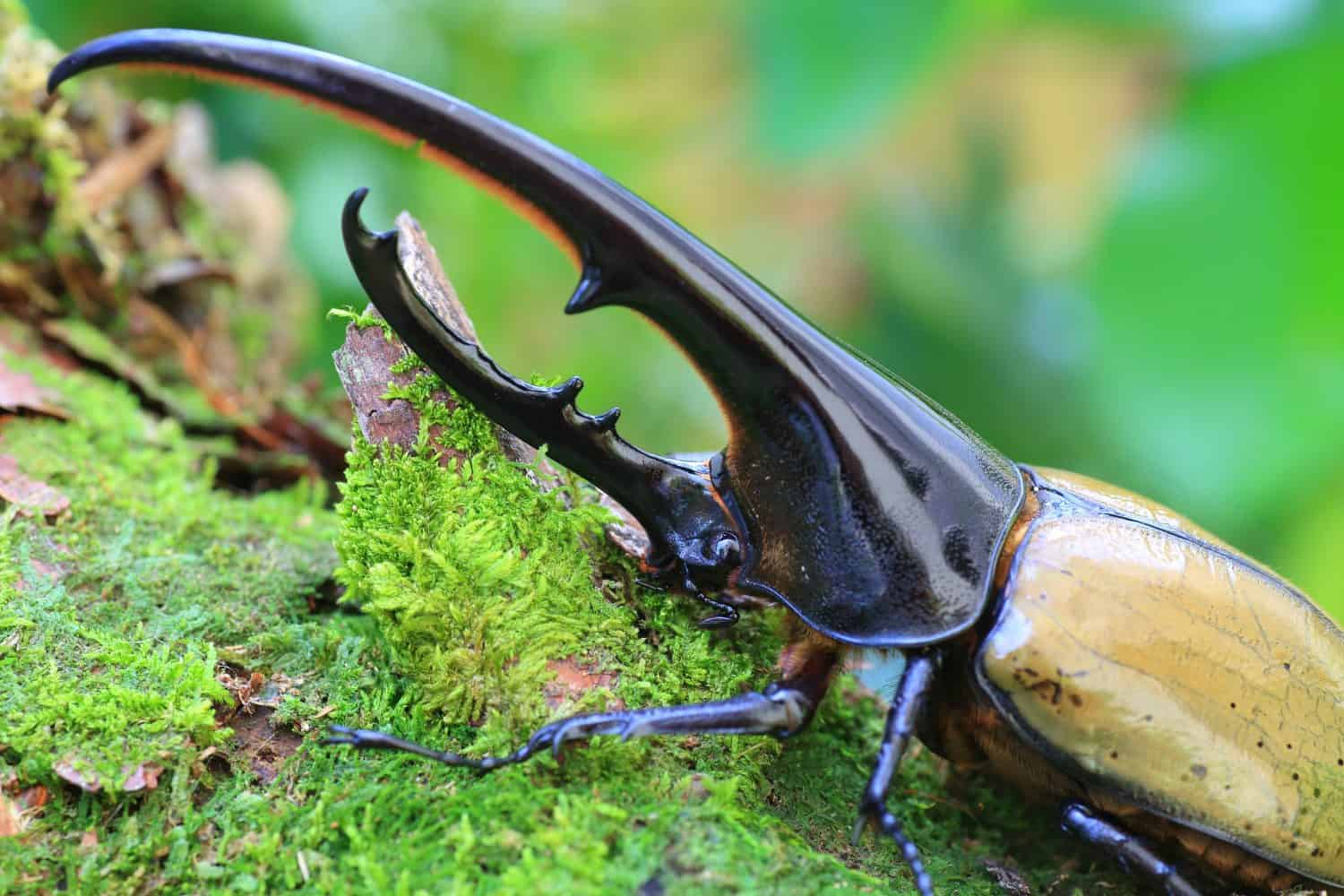
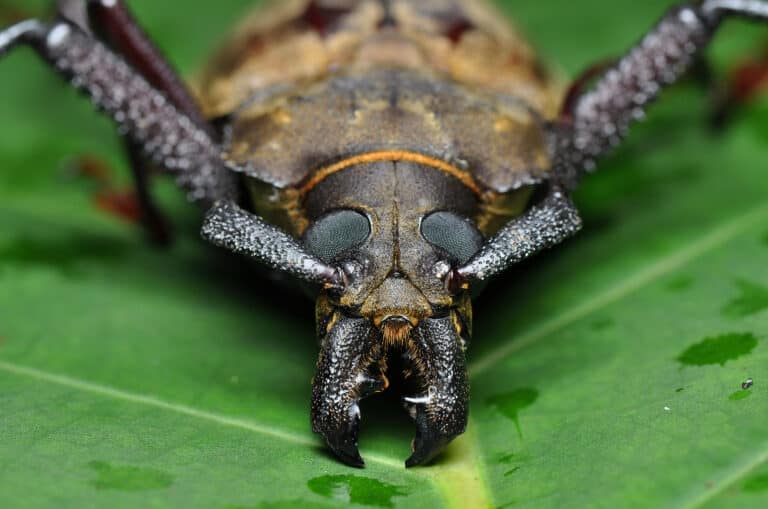
There is a lot of effort that goes into raising Hercules beetles, which leads to high prices when they reach market.
©feathercollector/Shutterstock.com
Hercules beetles take time to become adults. From the time the egg is laid until a beetle emerges spans well over a year. During this time, the larvae’s caregivers need to ensure the substrate they live in is chock-full of nutrients from decaying wood and other bits of organic matter. Without it, the larvae will not survive.
There is no money to be made during the early stages of the beetle’s lifecycle. The value lies in the insect once it morphs into its final stage as a beetle. This is why Hercules beetles are so expensive; breeders are not only paid for healthy specimens but also for their time in rearing Hercules beetles, which takes well over a year from egg to adulthood.
How Did Hercules Beetles Get Their Name?
The Hercules beetle is a member of the rhinoceros beetle family. However, given its size and strength, any common name would not do for this beetle. This is why it was named after a demigod with the same physical prowess as the flying beetle.
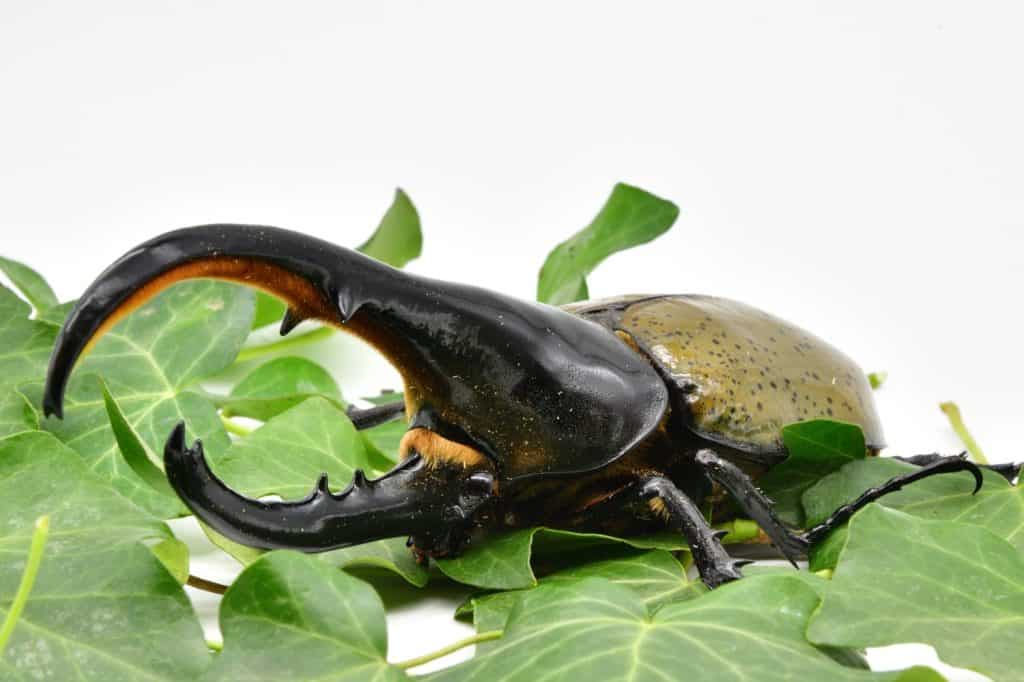
Hercules beetles were named after the demigod Hercules.
©fukushima_insectarium/Shutterstock.com
The Hercules beetle was named after the Greek demigod known for his strength. Given that Hercules beetles can lift up to 850 times their body weight (with some sources citing 1,000 times the body weight) and can grow up to seven inches in length, these beetles are formidable.
Also, like Hercules, who was seen as peaceful despite personal conflict, the Hercules beetle is docile. The beetle poses no threat to people (but do not get a finger stuck between the horns) and breaks down organic matter in tropical rainforests in its native Mexico, Central America, South America, and the Lesser Antilles. The only time Hercules beetles become aggressive is during mating season. The male beetles use their horns to battle other males until one gives up and moves on in the attempt to find another mate.
Efforts To Raise a Hercules Beetle
Part of the reason for the high cost of Hercules beetles is the time it takes to raise them. While not overly difficult, especially for those experienced, it can take a year or more of care for the larvae to develop into beetles. During this time, funds must be spent while no profit is being earned.
When a female Hercules beetle lays eggs, she can lay up to 100 at a time. The incubation period for the eggs is approximately 30 days. Once the incubation stage has passed, the Hercules beetle larvae will emerge. These larvae will remain underground for over a year. They require rotting wood and other organic materials to feast on as their bodies grow to incredible sizes.
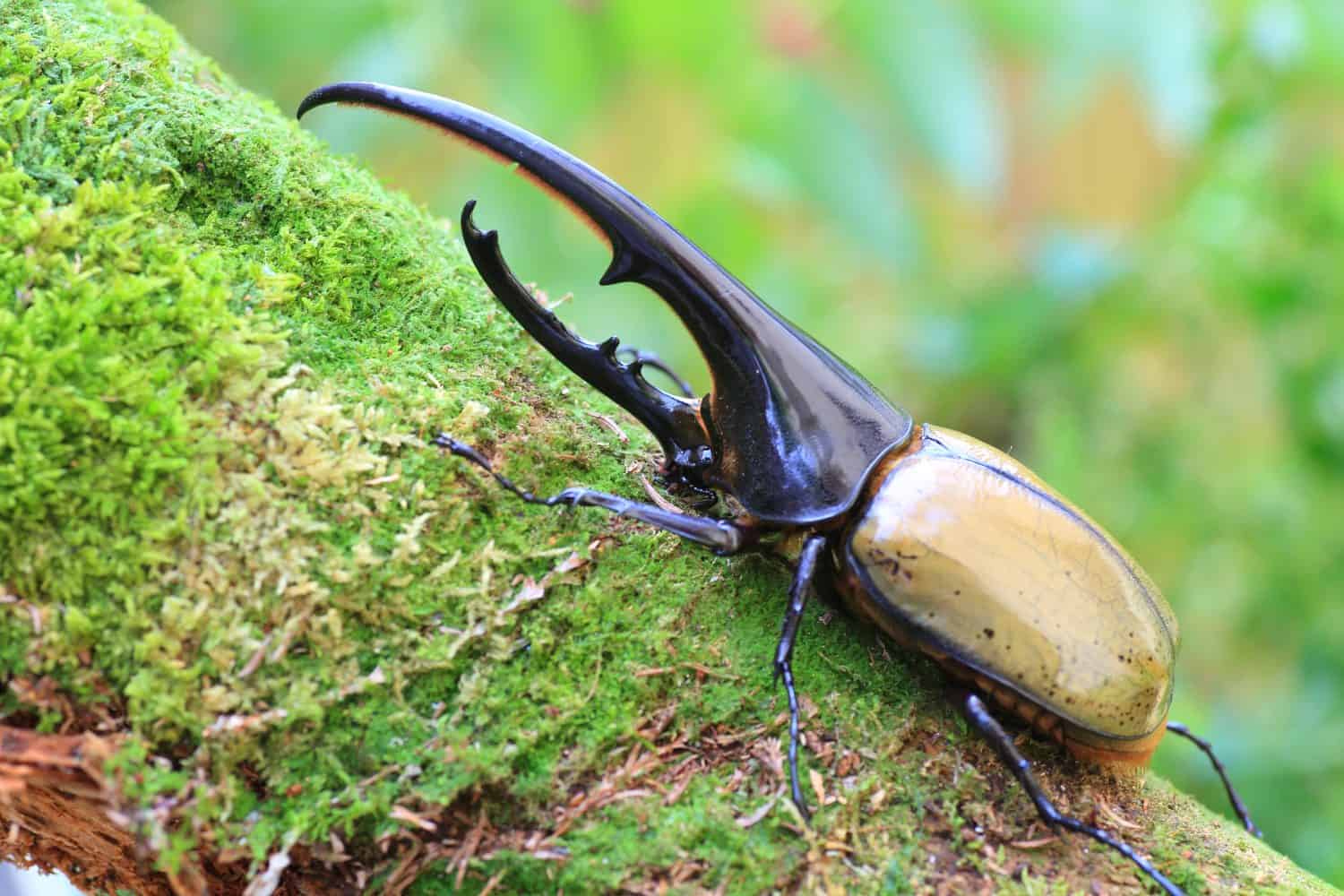
With the right substrate, it is not difficult to raise Hercules beetles, but it is time-consuming.
©feathercollector/Shutterstock.com
After over 550 days underground, the Hercules beetle will enter the pupal stage, which lasts another 30 or more days. Once this stage is complete, the Hercules beetle will emerge. It is then that the beetle can finally be sold.
The typical lifespan of captive Hercules beetles is three to six months. However, in some instances, the beetles can live for a year or more. Breeders with a proven track record earn the most money for their Hercules beetles.
Is It Legal to Own Hercules Beetles in the United States?
Given how fascinating these massive beetles are, it is no wonder that Hercules beetles are a bug enthusiasts’ dream. But for those living in the United States, owning a Hercules beetle legally may not only be expensive, but difficult as well.
Researching whether Hercules beetles qualify as legal pets in the U.S. is an exhausting process. The answers range from a flat no to contacting local wildlife authorities to get a clear response. There is no one answer that amateur entomologists can agree upon.
However, one thing that is common knowledge is that Hercules beetles require permits. It appears that in order to own a Hercules beetle in the U.S., the beetle needs to be owned for “research or exhibition purposes.” This is because non-native beetles are illegal to own nationwide. The reasoning is that if the beetles were released into the wild, where there are no natural predators, they could take over habitats, harming other native species.
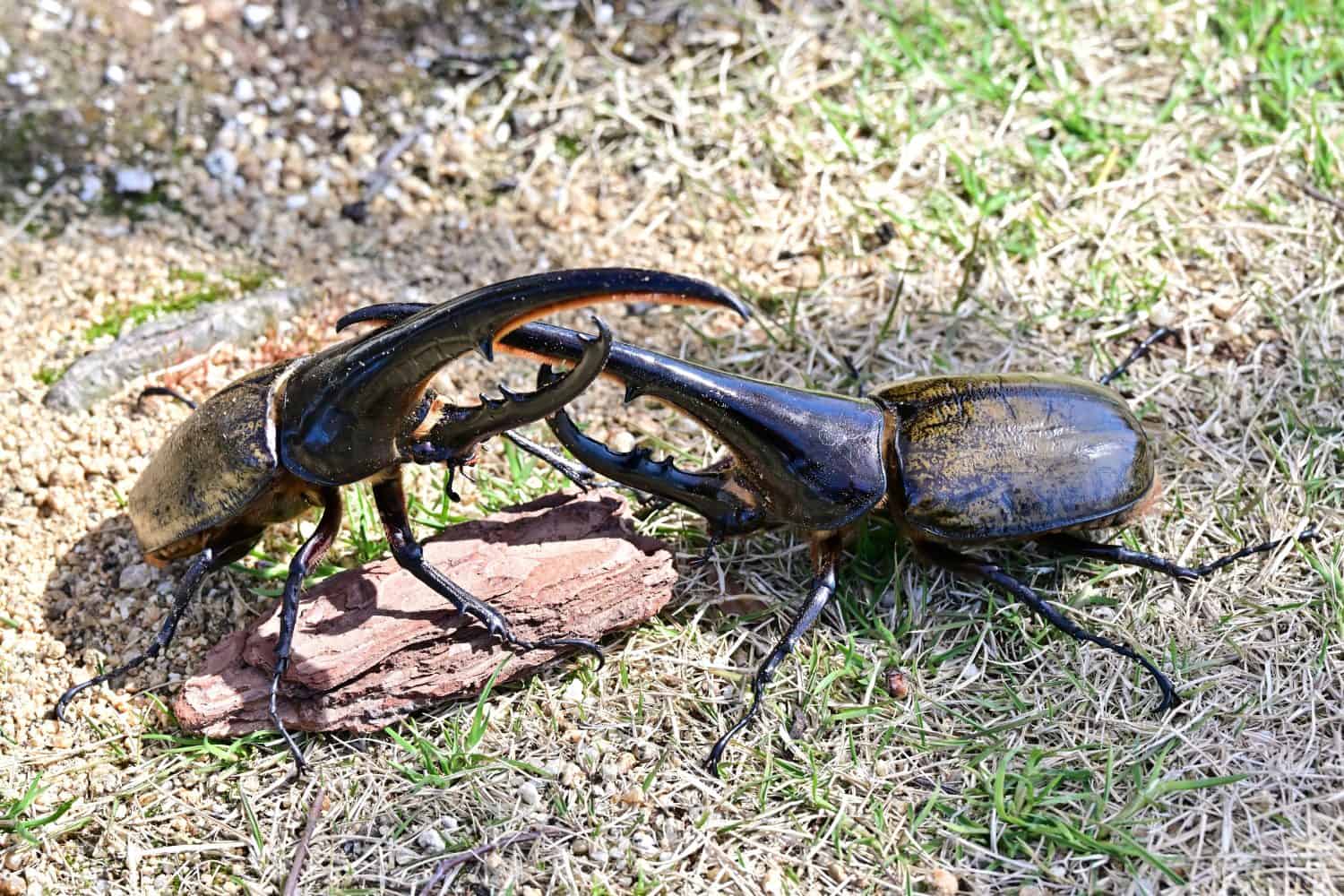
It is recommended to check with local Fish and Wildlife agencies to determine whether Hercules beetles can be legally owned.
©fukushima_insectarium/Shutterstock.com
Therefore, before purchasing a Hercules beetle from an online retailer, it is recommended to contact a local Fish and Wildlife agency. The official can inform you as to whether owning one of these insects is illegal, or whether specific paperwork is required to legally own a specimen. They can also indicate whether native species, such as the Eastern Hercules beetle, can be owned with a permit or whether state and local ordinances prohibit it.
Do not just buy a Hercules beetle before checking the legality. There is a very real chance the beetle could be confiscated if it is illegal, leaving the buyer to be out hundreds of dollars as well as vulnerable to fines.
Why Hercules Beetles Are So Popular Among Bug Enthusiasts
Many would love to own a Hercules beetle. However, due to price or local regulations, it simply is not feasible. That does not stop enthusiasts from fawning over the enormous beetles, and honestly, it is easy to understand why they are so fascinated.
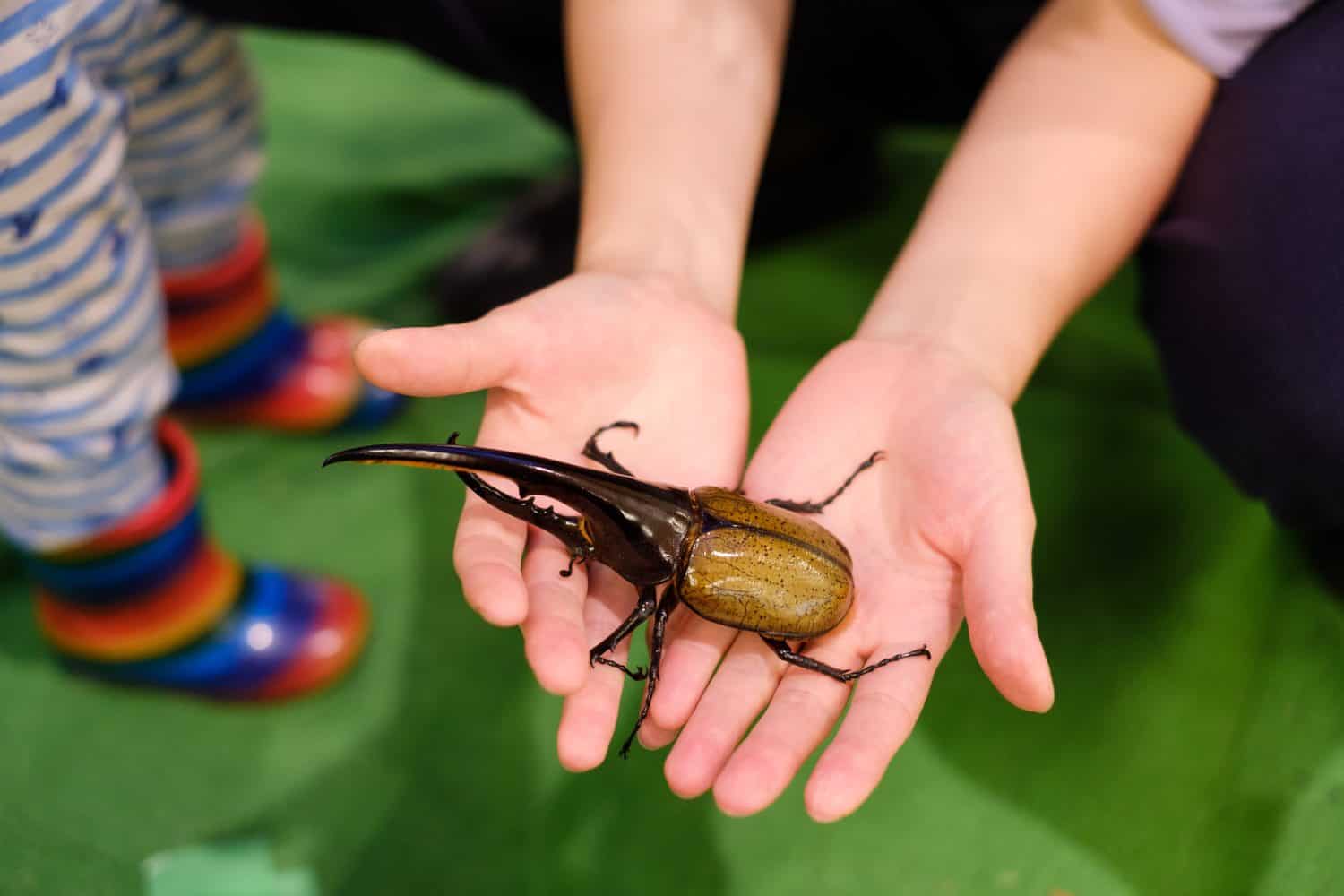
The size, strength, coloration, and more are why enthusiasts are drawn to Hercules beetles.
©Rammy_Rammy/Shutterstock.com
There are several reasons entomologists and bug enthusiasts are enthralled with Hercules beetles. The main ones include:
- Size
- Strength
- Massive horns
- Color changing capabilities
- Male beetle combat during mating season in which the horns are used to battle
- Lifespan from larvae to adult being longer than most beetles
The Hercules beetle is truly a one of a kind. The fact that they look like predators but are really gentle giants only adds to the beetle’s mystique and the desire to own one. For those who can obtain a permit, remember to only purchase Hercules beetles from reputable breeders. This will ensure the beetle is well cared for and healthy, giving it the best chance of living a full life and making the cost worth it.