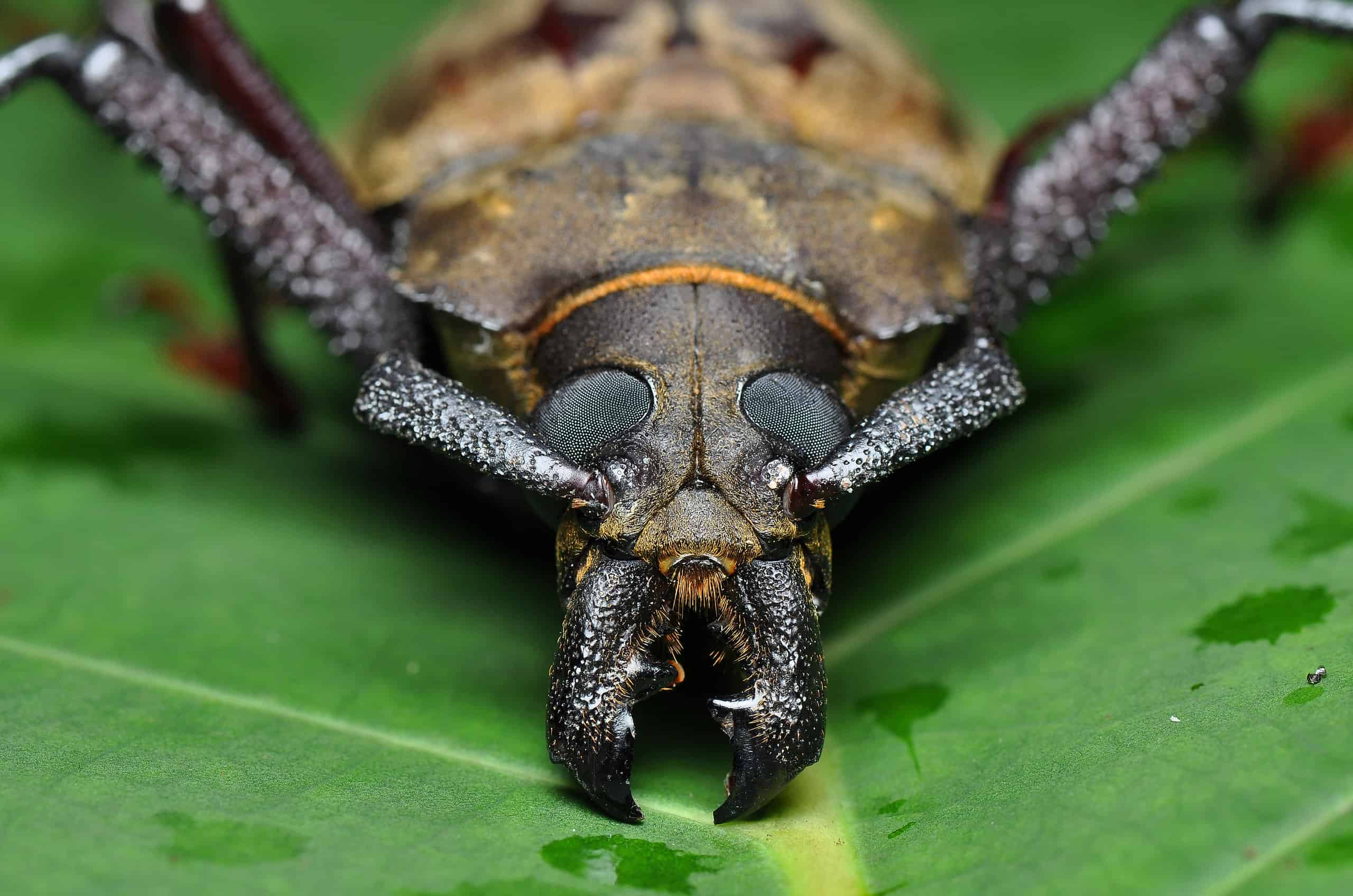

Quick Take
- A Titan beetle specimen can reach a high and profitable valuation, but only after meeting specific requirements.
- The Titan beetle, a member of the Cerambycidae family, is difficult to find due to its short adult lifespan of about 2–4 weeks.
- The Titanus giganteus is also difficult to find in the wild, seemingly attracted by artificial lights.
- French Guiana regulations limit the export of Titanus giganteus to one specimen per person per year.
The titan beetle (Titanus giganteus) may just be the insect equivalent of a giant, flawless diamond. The species has a reputation that borders on myth, given that it’s rarely seen alive, which is why a single specimen can spark real competition among serious insect collectors.
The titan’s value in an insect collection is built on a few facts, and nonnegotiable ones at that. Adult titan beetles rarely inhabit areas near humans, and their lifespan is regrettably short. But what else makes the titan beetle such a special insect for a professional collection, and what do serious collectors end up paying for a single specimen?
Here’s everything you need to know about the titan beetle from an insect collector’s perspective, including where it lives, how long it lives, what makes it so valuable, and just how costly it can be.
Meet the Titan Beetle
The titan beetle is a Neotropical longhorn beetle from the Cerambycidae order that lives in the Amazon region. The Smithsonian’s own titan beetle collection describes it as one of the largest insect species in the world, with a general range across parts of northern South America. This relatively small range is part of the reason why collectors treat it like a once-in-a-lifetime piece; it’s not found many places.
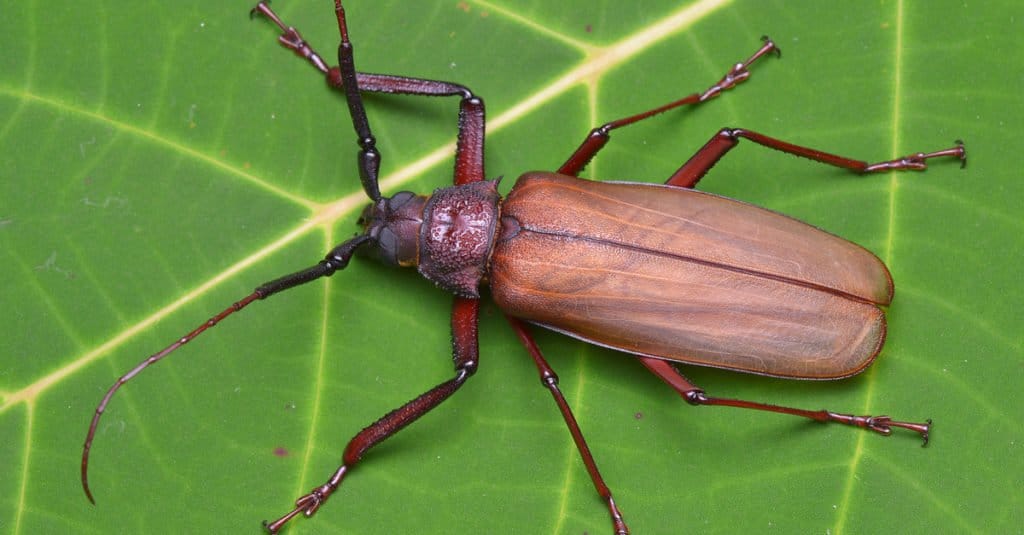
With its size and fearsome appearance, the Titan Beetle may appear dangerous, but it is generally harmless to humans.
©SIMON SHIM/Shutterstock.com
What makes it even more alluring is how much remains unknown about its history. In a peer-reviewed MDPI paper, the authors note that basic biological information about the Titan beetle is still limited. Additionally, the larvae of this beetle have not been formally described in much scientific literature, making it all the more of a mystery.
Insect collectors love nothing more than a mysterious, valuable piece to help their collection stand out.
Why the Titan Beetle Is So Hard to Find Alive
Encounters with titan beetles aren’t typical, especially when it comes to encounters with adults. These tend to be rare and happen most often at night, linked to the presence of bright artificial lights. For example, a male titan beetle examined in a previously mentioned study was collected after being attracted to a strong light source late at night.
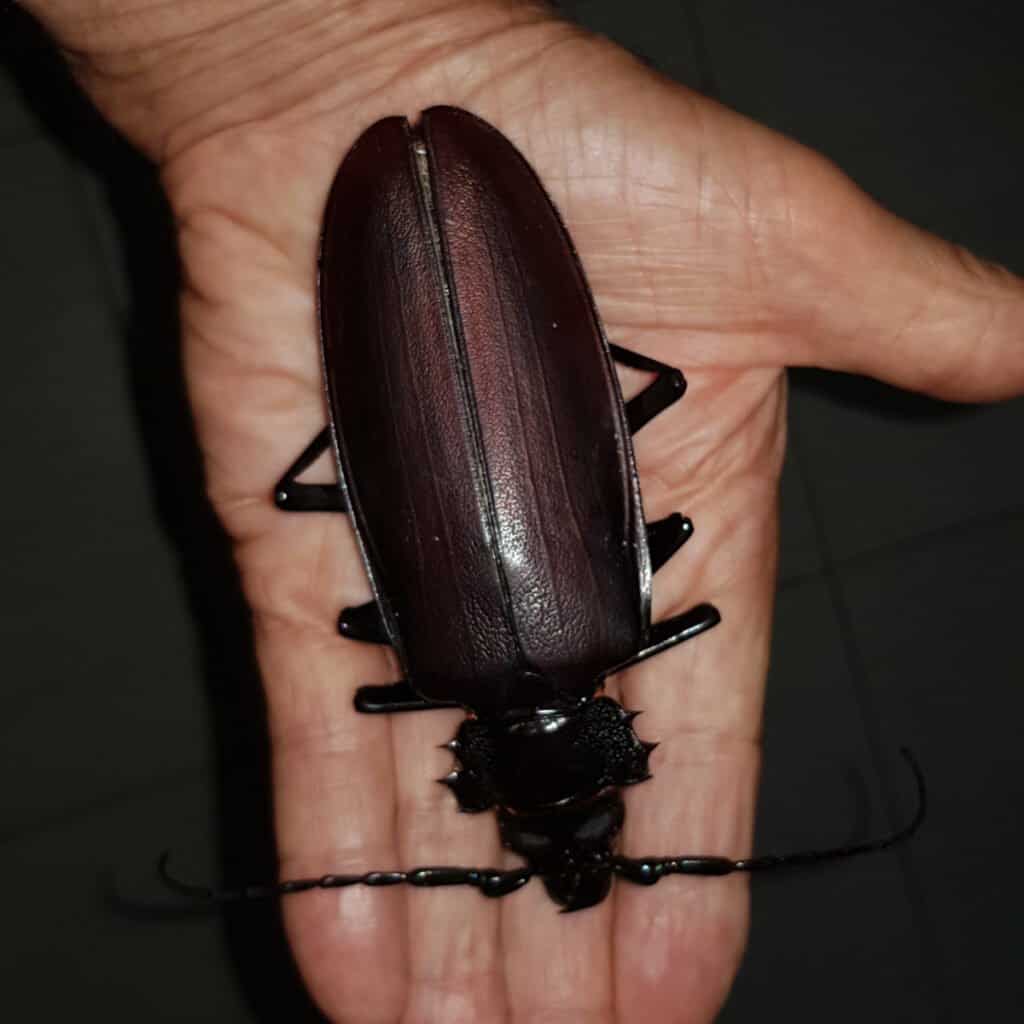
This photo gives a true indication of the size of the titan beetle, making it an impressive specimen for any collection.
©guentermanaus/Shutterstock.com
Additionally, a long-running IUCN report on commercial non-timber forest products describes T. giganteus as very difficult to find in the wild, with its prices rising steeply as body length increases. This elusive, rare beetle is also difficult to find alive in the wild for a potentially obvious reason: its lifespan isn’t terribly long.
The Short Adult Lifespan of the Titan Beetle
One of the biggest reasons titan beetles are expensive is that adults live extremely short lives, making them difficult to find in a condition worth collecting. Research suggests these beetles become non-feeding adults with degenerating digestive systems during a roughly 2–4-week adult lifespan, meaning an adult titan beetle is essentially running on stored energy.
The time and luck necessary for a beetle to be encountered, collected legally, and preserved in good condition makes these insects incredibly prized. It also explains why most examples of titan beetles in circulation are dried; the market isn’t built around keeping them alive, so long as they’ll still make a stable display specimen.
What Collectors Actually Pay for Titan Beetles
$3,000-$5,000 isn’t the average price tag of a titan beetle; it’s actually the top of a market where size, condition, provenance, and legality set the price.
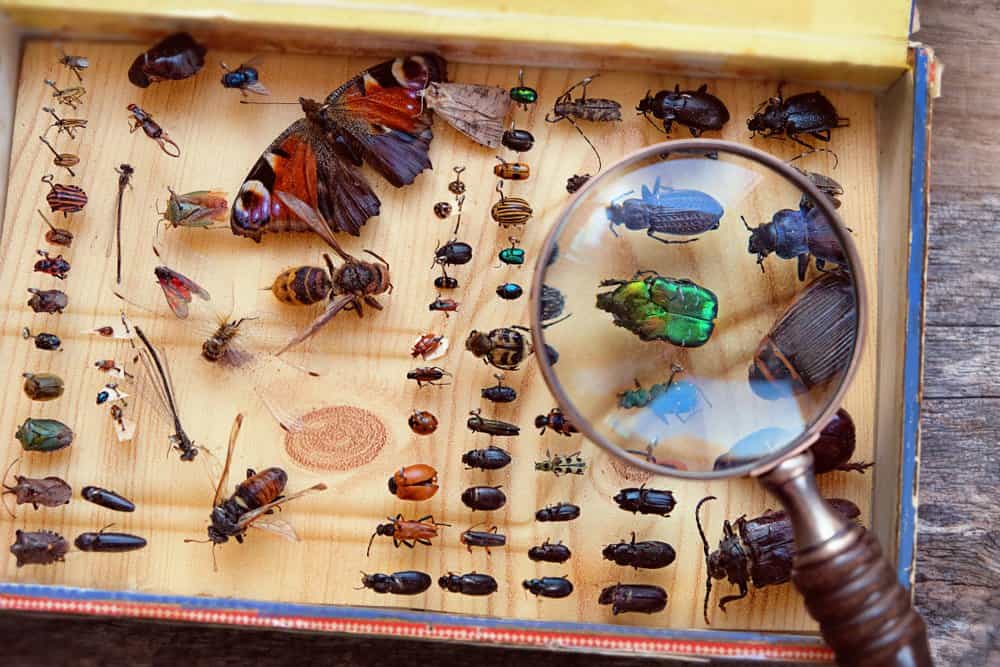
Insect collections can fetch high prices, depending on the quality and specimens involved.
©ju_see/Shutterstock.com
Here are some examples of previous titan beetle sales and what made them so expensive:
- A premium, display-ready specimen that’s unusually large and professionally mounted can fetch a high price. One example is this listing for a framed titan beetle on InsectCollective’s store page, which shows a 145 mm specimen priced at $1,275 and described as prepared to museum standards.
- Older trade reporting shows similar high-end pricing tied directly to length. For example, a 16 cm T. giganteus from French Guiana was offered online for about $1,200, and it’s explicit that larger individuals sell for more.
- If titan beetles appear in elite cabinet displays or high-end lots rather than as a single loose specimen, they can reach the $5,000 price tag. A recent example is a closed listing on Catawiki’s auction page, which estimated €4,500–€5,500 for a display that included a 149 mm Titanus giganteus among other large beetles.
Buyers willing to pay thousands of dollars are usually looking for a beetle of a very large size, high-quality prep/presentation, and strong documentation. These purchasers usually care more about owning an ideal specimen than getting a deal.
Where Do Legal Titan Beetle Specimens Come From?
The legality of titan beetles varies by country and even by region within a country, which is why this is the first serious question collectors ask.

Titan beetles hide in rainforests and can be exceedingly difficult to locate.
©streetflash/Shutterstock.com
For example, French Guiana is often mentioned in collector circles because it has a clear framework for taking insects out of its territory. The Amazone Nature Lodge’s regulations section summarizes this insect quota system and states that travelers may transport up to 1,000 insect specimens over 1 cm per person per year, but only 1 specimen of Titanus giganteus, making these beetles all the more difficult to obtain.
While this system doesn’t automatically make every purchase ethical, it creates the possibility of documentation, which is a must in reputable collecting. An undocumented specimen can essentially be worthless, especially with titan beetles, given the legalities involved.
The Legal and Ethical Rules of Collecting Titan Beetles
If a titan beetle specimen is taken or exported illegally under local rules, importing or selling it elsewhere can become a serious problem.
For U.S. buyers, import requirements matter, even for dead, framed specimens. For example, most dead arthropods do not require a specific permit (with some exceptions), but shipments are still subject to inspection and must be free of prohibited contaminants like soil or plant material. A completed wildlife declaration may also be required in some cases, making inspection and compliance responsibilities a must for any collector. A US Fish & Wildlife Service Form 3-177 declaration is required for all wildlife imports, including dead insects.
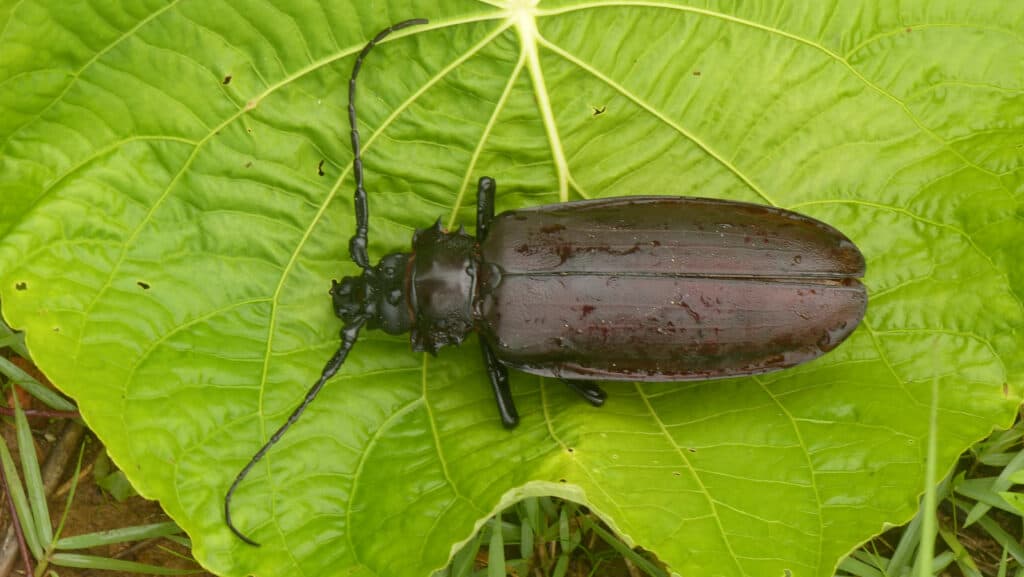
The destruction of the tropical rainforest threatens the long-term welfare of the titan beetle, making them an especially rare collector’s item.
©guentermanaus/Shutterstock.com
Ethically, reputable sellers and collectors typically look for:
- Clear locality and origin information
- Evidence of legal export where required, including all necessary permits
- No live importation, as insects can be carriers of many diseases if still living
Why Museums and Elite Collectors Want Titan Beetles
Museums want titan beetles because they’re an obvious way to teach biodiversity, and properly documented specimens remain scientifically valuable. The Smithsonian Institution has an impressive titan beetle specimen, using it in educational realms, to teach guests about beetles as well as insect collectors about legal collecting.
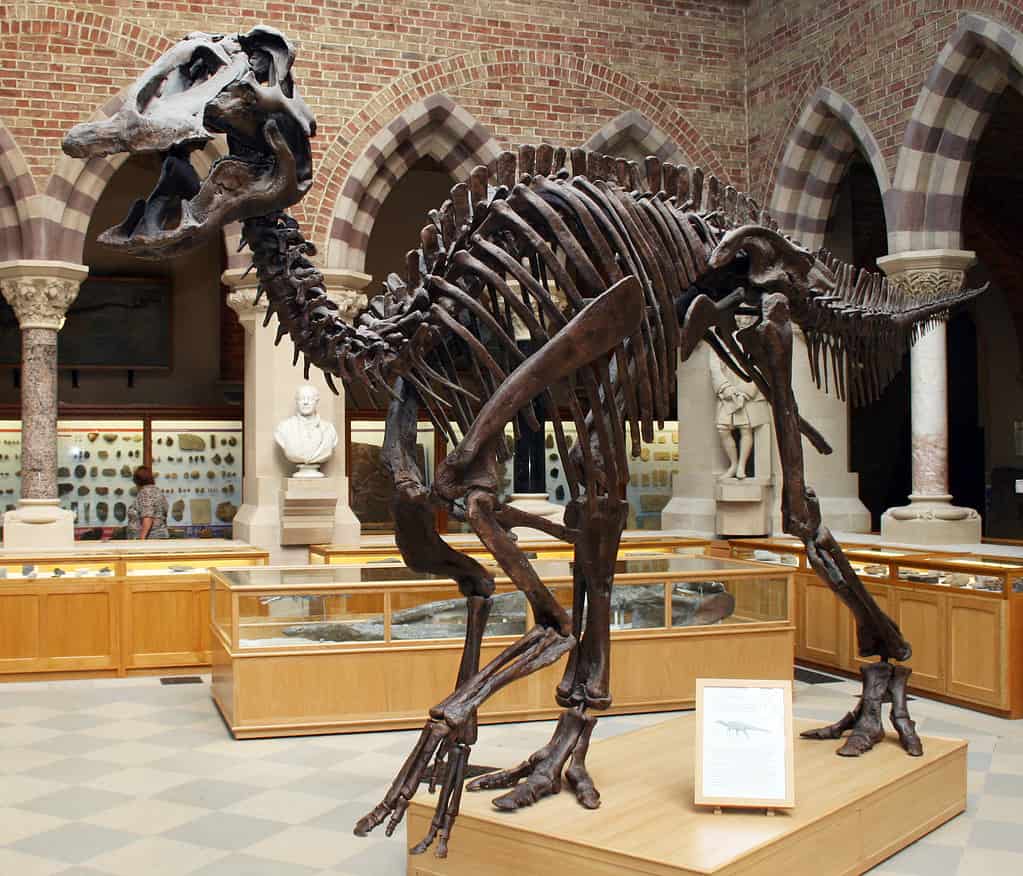
Museums value rare specimens for their collections, and insects count too.
©Kevin Walsh from Bicester, England, CC BY 2.0 – Original / License
Private collectors chase them for some of the same reasons, but status definitely plays a role too. Titan beetles are prized for their rarity and recognizability; even non-collectors understand that it’s special, which is exactly what trophy collecting is built on. In many ways, titan beetles feel like a once-in-a-career acquisition for collectors, a niche find for a niche hobby.
The Titan Beetle: High-Priced, But for a Reason
The titan beetle’s price is high for multiple valid reasons. It’s a huge specimen, short-lived as an adult, hard to encounter, and incredibly difficult to move legally across borders without the right documentation. Many collectors don’t understand or grasp the entire effort involved in obtaining one of these beetles.
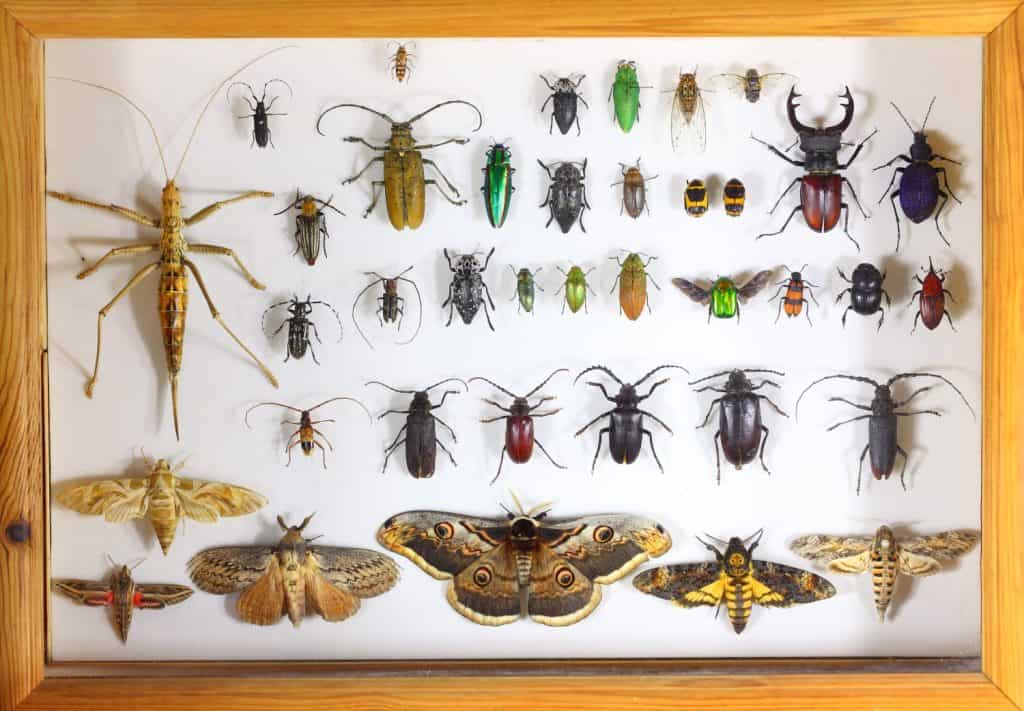
Insect collections can get expensive, but for good reason.
©Protasov AN/Shutterstock.com
In many ways, the titan beetle becomes an artifact rather than a simple insect specimen. Their unique reputation is why museums and elite collectors compete for the best-documented specimens. These beetles are truly impressive and worth adding to any insect collection, if you can do so legally.