
Quick Take
- Gibbons, langurs, and macaques all crossed the same bridge first, so what was it about one orangutan's crossing that triggered cries of delight from the research team? See why it matters →
- Conservationists waited two years to see this happen, and the reason orangutans take so long before trusting something new says a lot about how they think. Understand the species significance →
- Forest fragmentation is one of conservation's biggest threats, but the fix turns out to be almost shockingly low-tech. Explore the simple fix →
- This crossing doesn't just help one orangutan get across a road. It could determine whether the entire species has a future. Learn about species survival →
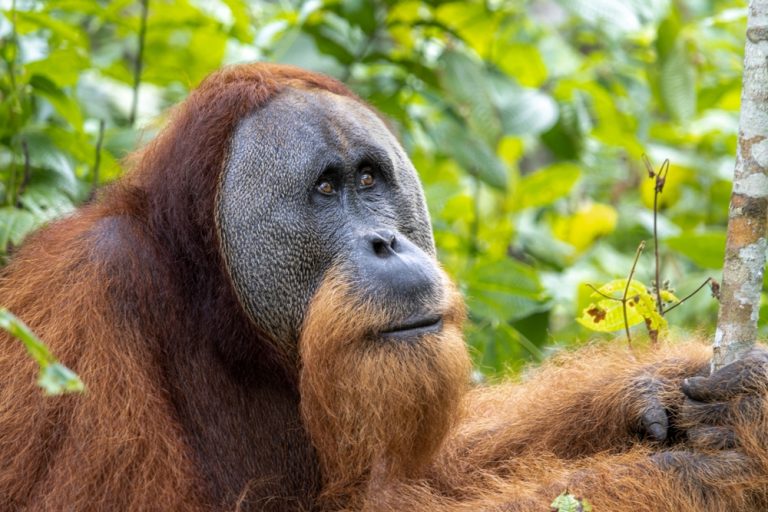
History was made in Indonesia recently, and it’s a huge win for the wild animals who live there. In April 2026, for the first time on record, a Sumatran orangutan was filmed using a human-made rope canopy bridge to cross over a public road — and it’s an exciting moment for wildlife conservation!
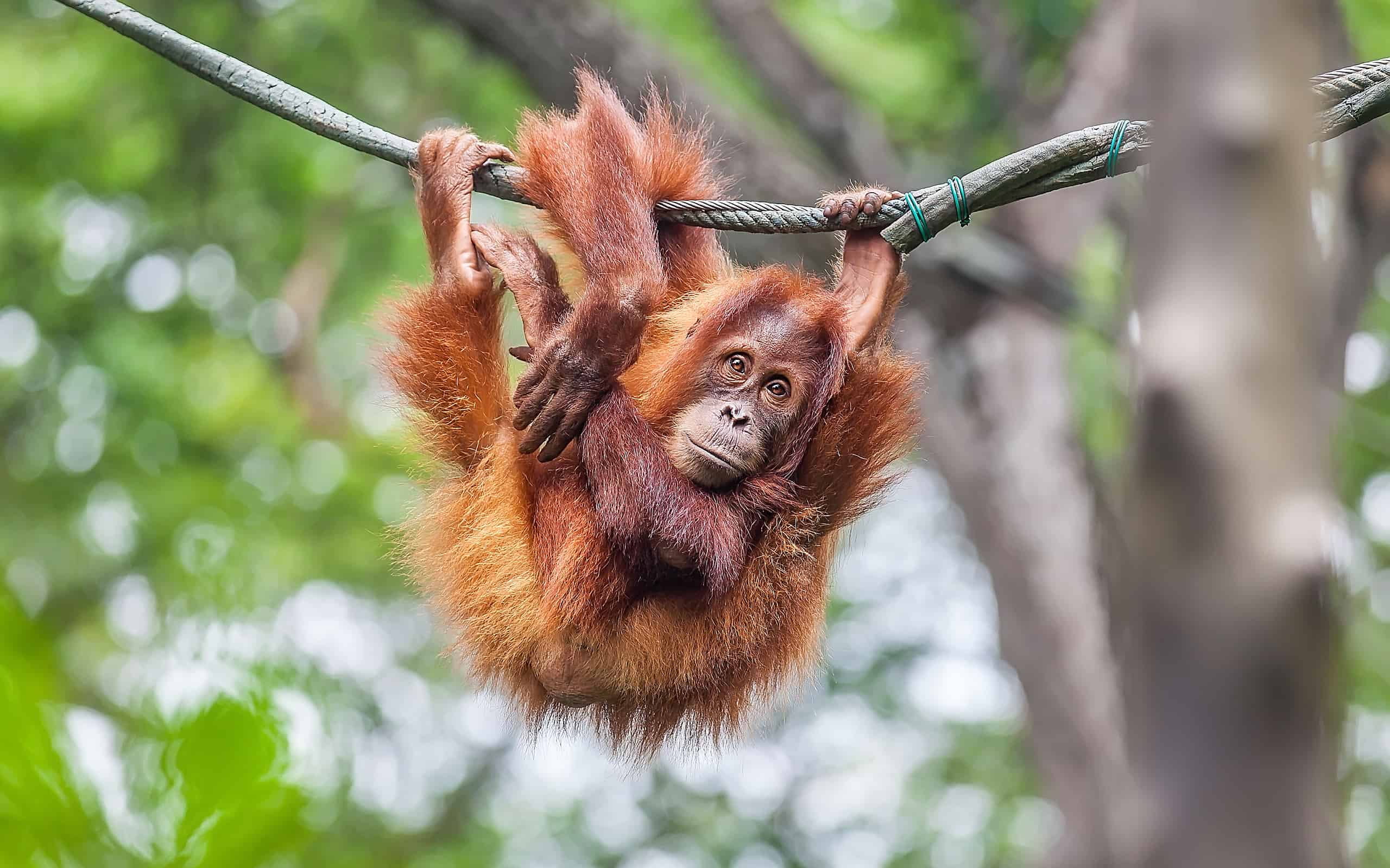
The Sumatran Orangutan Society (SOS) shared a video on YouTube of this historical moment, which took place in the Pakpak Bharat district of North Sumatra, which conservationists estimate is home to about 350 orangutans. In the video, several animals crossed the bridge before the Sumatran orangutan. The orangutan used both hands to grip the rope as it moved through the trees. At one point, the orangutan paused to admire the view from the swinging bridge before continuing to the other side. Such a cool moment!

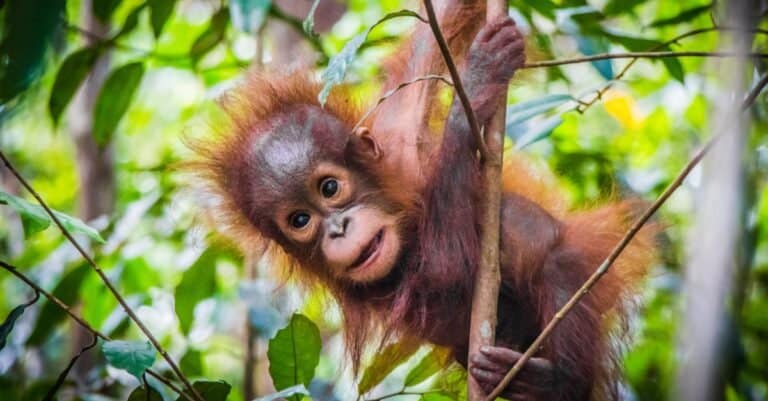
With Sumatran orangutans crossing the rope bridge, they can overcome forest fragmentation.
©Jim Schwabel/Shutterstock.com
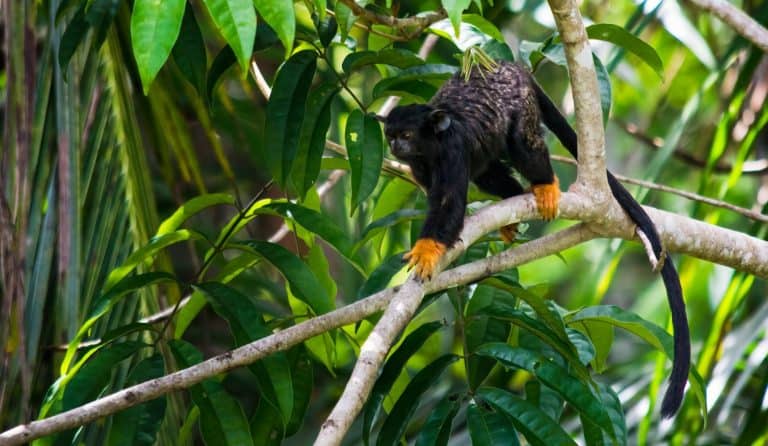
“While other primates, including gibbons, langurs, and macaques, have previously been observed using the canopy bridges to cross the public road, this event confirms that critically endangered Sumatran orangutans can and will use canopy bridges to overcome forest fragmentation,” the SOS wrote in the caption.
Why Was This So Significant?
It was exciting to see the Sumatran orangutan cross the bridge, but why was this event so significant? According to a blog post on the SOS, this video proves that Sumatran orangutans will use the rope structure to get to the other side of the fragmented forest. This allows orangutans to find new habitats, food sources, and mates, which improves gene flow and overall population health. While it is notable that other animals have used the bridge, it is crucial that Sumatran orangutans use it, as they are considered critically endangered on the IUCN Red List.
“This is it. The moment we have been patiently waiting for since we first began our canopy bridge project in West Toba over two years ago,” the SOS wrote. “For the first time, a critically endangered Sumatran orangutan has been filmed using a canopy bridge to cross over a public road.”
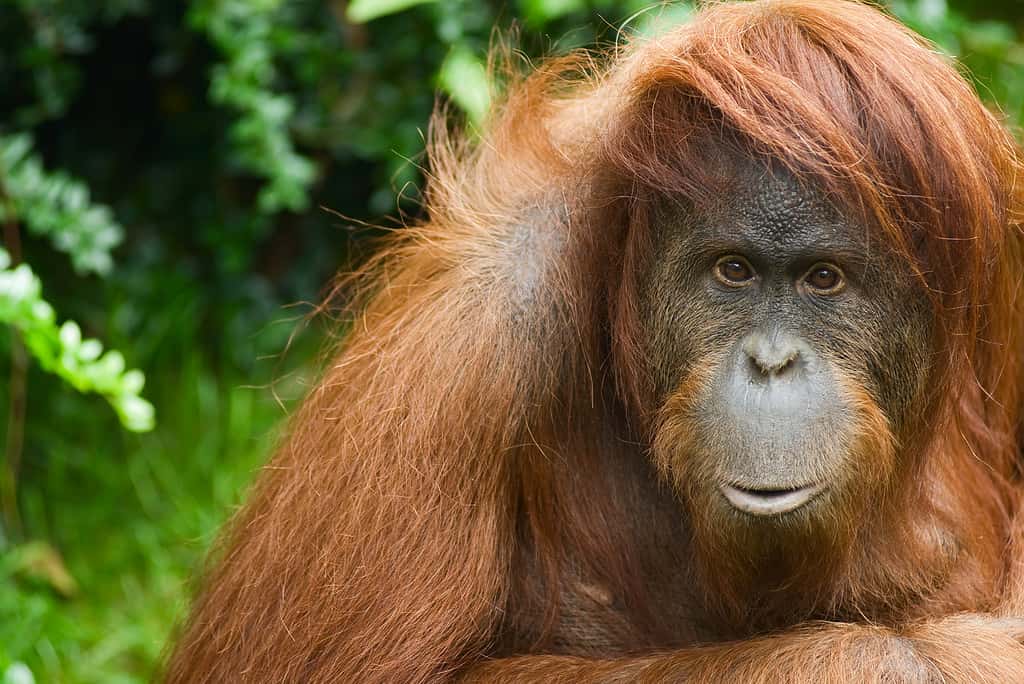
Sumatran orangutans are considered critically endangered.
©Michael Steden/iStock via Getty Images
The researchers demonstrated remarkable patience, waiting two years to witness a Sumatran orangutan cross the bridge. “You should have heard the cries of delight from the team,” Helen Buckland, chief executive of SOS, told The Guardian about the moment. “After two long years, it’s finally happened.”
Erwin Alamsyah Siregar, executive director of Indonesian conservation group TaHuKah, told the Associated Press that orangutans will typically take their time before doing something new. “They observe,” Siregar said. “They don’t rush. They watch, they try, they retreat. Only when they’re certain it’s safe do they move.” This is the first documented instance of an orangutan from anywhere in the world using a human-made bridge to cross a major public road, according to the outlet.
An Easy Solution for Forest Fragmentation
According to the U.S. Department of Agriculture’s Forest Service, “Forest fragmentation refers to a loss of forest and the division of the remaining forest into smaller blocks.” This can hurt the biological diversity of the area.
“Forest fragmentation is one of the greatest challenges in contemporary conservation,” the SOS said in its blog post. “This successful project has brought together conservationists, local authorities, and community leaders to create a model for sustainable coexistence.” They added that these simple bridges require just 200 meters of rope and only take a few days to install, making them an affordable and easy-to-use solution for forest fragmentation in Indonesia and around the world.
“Witnessing a Sumatran orangutan confidently crossing that bridge is living proof that we need not sever the forest’s lifeline in order to build our communities’ own,” Franc Bernhard Tumanggor, head of the Pakpak Bharat district, told The Guardian. “Modernization does not have to mean destruction.”