
Quick Take
- Maintaining 24/7 surveillance across Amazon basins is an impossibility, requiring new technology for remote monitoring.
- TinyML technology is designed for use in these remote areas, as they only record when specific and programmed triggers occur.
- Pilot projects and case studies indicate that TinyML has the potential to enable faster response times for anti-poaching units, but comprehensive, large-scale operational data confirming its effectiveness is still limited.
- Executing periodic retraining is mandatory to stop model degradation as environmental soundscapes shift, making TinyML technology still a work in progress.
Modern conservation technology has one simple goal, even though achieving it is anything but simple: to spot a threat or threatened species instantly, right where it happens—even in places with no cell service or routine coverage. Remote habitats and ecosystems are home to many animals in need of help, but locating these areas and understanding the threats they face remains difficult.
That’s why Tiny Machine Learning (also known as TinyML) is a rising tool for biodiversity protection, and it’s showing up in more conversations surrounding remote location and species monitoring. While TinyML isn’t designed to replace field teams, it can act like an early warning tool in landscapes where threats exist and happen quickly.
What are conservationists attempting to do with TinyML technology, and how is it designed to work? This is an overview of this budding technology, supported by sources and research performed by some of the most cutting-edge conservation tech companies out there today. Let’s dive into this unique system and the benefits it might have for animals around the world.
What Is TinyML?
TinyML is machine learning designed to run on microcontrollers, which are small chips that cost little. These chips are also designed to slowly utilize their power supply and can even work offline. In a study conducted by researchers at Cambridge University, TinyML is described as putting AI models into ultra-low power, low-cost microcontrollers that don’t need an internet connection, enabling tasks like recognition and classification directly on-device as opposed to sending signals elsewhere.

Conservationists process huge amounts of data using existing technology, making TinyML a potentially more efficient option.
©PeopleImages/Shutterstock.com
In conservation practices, TinyML works using:
- Lightweight models that can hold limited memory and stand alone
- On-device inference, where the model is capable of making local calls
- Minimal transmissions, sending a small alert or a day’s summary instead of streaming raw audio or video
- Alerts triggered by distinct or abnormal sounds in a typically remote or quiet area
TinyML is designed to help conservationists uncover what is happening in remote areas—places where traditional technological tools often fail due to their memory and battery requirements. But where are these new monitors most useful, and which locations are conservationists targeting first for deployment?
Where Scientists Plan to Roll Out TinyML Monitors First
Ultimately, TinyML will be deployed where connectivity is unreliable. Additionally, any threat where response time matters and traditional monitoring either misses events or overwhelms teams with data is another situation where it is worth utilizing this technology.
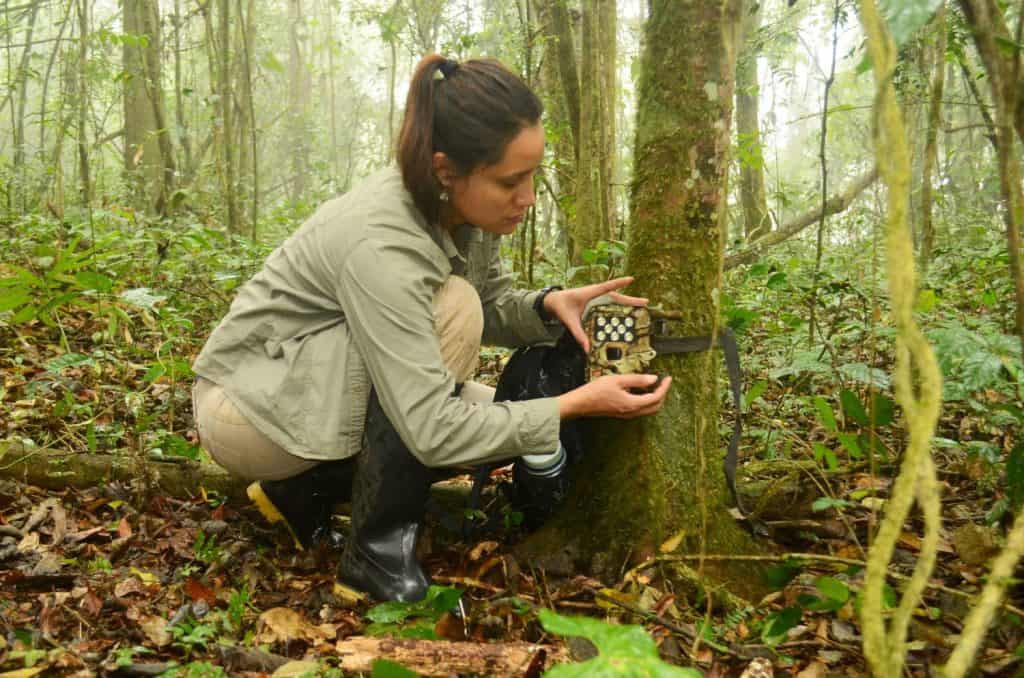
Deploying TinyML devices in remote areas and endangered habitats is the first step following its programming.
©AlvaroGO/Shutterstock.com
The aforementioned study notes remote tropical forests, especially the Amazon and Congo basins, as ideal locations because these regions include vast, unmonitored areas where real-time reporting is hard to sustain without on-device processing—the type of processing TinyML is designed for. In practice, scientists and practitioners tend to prioritize a few rollout zones, including locations like these:
- Protected-area edges and logging frontiers where chainsaws, trucks, or gunshots create clear acoustic signatures, and rapid alerts can actually change outcomes for animals, utilizing real-time threat detection.
- Areas such as roads, habitat fringes, river access points, and entry corridors that funnel human activity into a smaller number of predictable routes, as conservationists consistently attempt to monitor key access routes tied to poaching patterns.
- Central African rainforest sites where acoustic monitoring has already been piloted with ranger partners, including work in Cameroon, a project where monitoring deployment supports local enforcement in dense, largely unmonitored rainforest.
- Research-grade edge computing testing areas, or locations where teams can evaluate a machine’s accuracy, its power budgets, and even its false-positive rates before scaling the technology to other locations in need.
Given how new the technology is, tropical forests, other low-connectivity landscapes, and select remote environments are among the first to receive these machines—locations where response time is critical, and there is little signal for traditional technologies to work.
How TinyML Monitoring Works in the Field
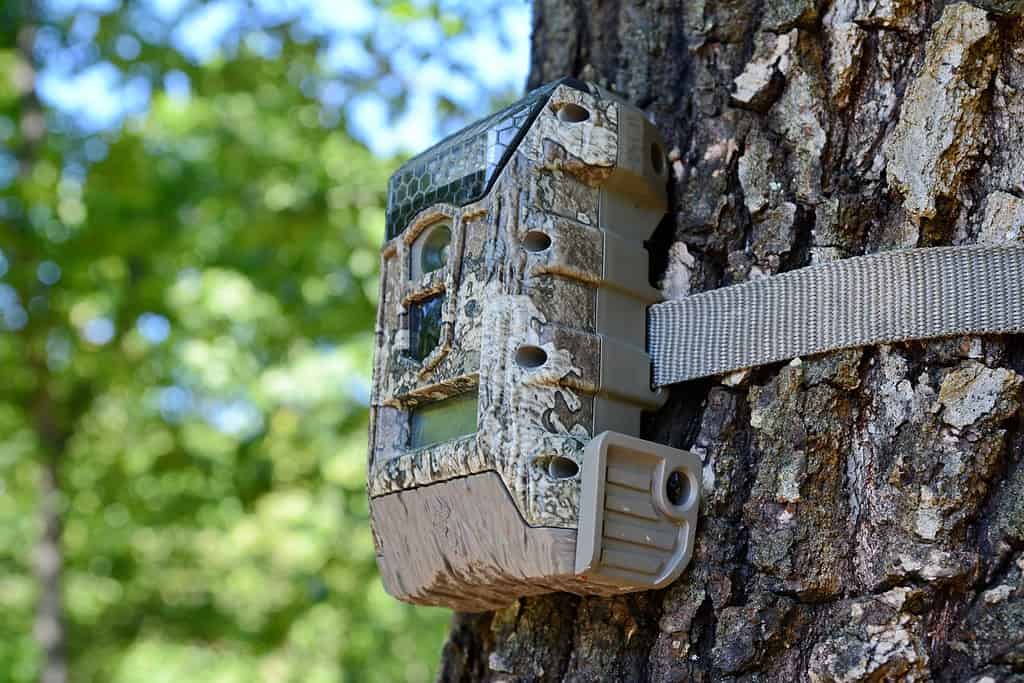
A typical TinyML node makes decisions in the forest 24/7. These machines are compact, but they are full of processing capabilities unlike anything conservationists have used before.
Acoustic signals are at the heart of how TinyML sensors work.
©milart/Shutterstock.com
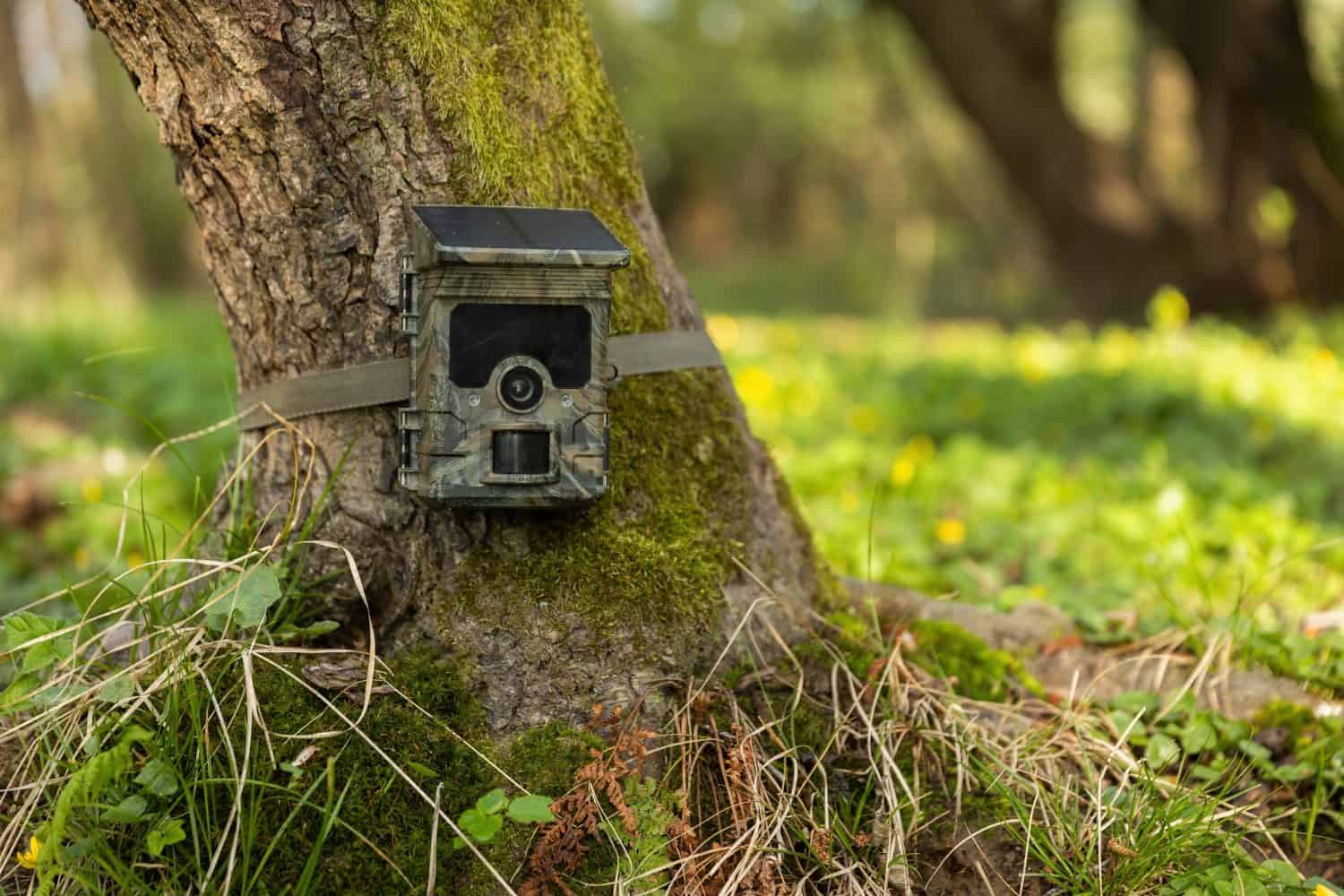
For example, TinyML trackers are equipped with a microphone or camera, vibration sensor, accelerometer, and other technologies to capture raw input. From there, the device converts its recordings and data into compact features, using far less memory and battery to do so.
The TinyML model then classifies what it is detecting—whether it is a chainsaw, gunshot, vehicle, or distinct species call—and the device either stores evidence locally or sends a low-bandwidth alert to a nearby conservation station. From there, rangers and local monitors decide whether to investigate, as their hands-on involvement is what keeps these regions protected.
Why Acoustic Detection Is Proving Vital to Remote Ecosystems
Audio is information-dense and vital for conservationists to truly understand what is happening in remote areas where they cannot always be present. However, transmitting continuous recordings is expensive and unrealistic in these remote spots. With TinyML, the device can operate quietly in the background, transmitting only audio that falls outside normal parameters.

Conservationists can’t always access remote areas in time to stop a threat, making TinyML a step up in the monitoring process.
©CarloStock25/Shutterstock.com
For example, the Rainforest Connection’s Guardian machine is designed around sending real-time threat alerts with a location and captured audio tied to the event, making it an exceedingly practical tool in rainforest settings. Conservationists aren’t processing hours of audio or camera data; they’re only getting alerts and recordings when anything appears out of the ordinary.
Why TinyML Matters for Biodiversity and Anti-Poaching
TinyML is a potential step forward for real-time biodiversity detection in remote landscapes, alongside its ability to stay ahead of poaching activities. With this technology, conservationists can respond much more quickly because they are not sifting through an overload of data. Coverage is also possible in dead zones, since sound detection can occur offline. These devices require far less bandwidth, as they transmit alerts and summaries instead of entire raw files.
TinyML nodes can also monitor for species presence. Once programmed, these tiny devices can detect specific calls, rhythms, movement signatures, and other key information, logging detections that support trend monitoring, including soundscape shifts that may indicate ecosystem changes.

Stopping poachers in the act is a potential possibility for TinyML devices.
©Virrage Images/Shutterstock.com
While TinyML relies on on-device decision-making and machines can make mistakes just like humans, it is a promising solution to the practical constraints ecologists encounter with long-term deployments, especially in remote locations. Additionally, each TinyML unit is less expensive and uses less power than its counterparts, allowing conservationists to deploy more devices in a given location and cover a much broader area.
Notable Progress and Drawbacks of TinyML Deployment
While TinyML conservation deployments remain far less widespread than camera traps and standard acoustic recorders, a growing number of pilot field deployments and initial published results show promise. For example, developers built and deployed a chainsaw-style detector onto TinyML-capable hardware, helping them stay aware of illegal logging practices in remote forests.
However, tradeoffs and drawbacks exist with this technology, too. No matter where these devices are deployed, field acoustics are ultimately difficult to interpret. These AI models require local training data and continuous validation; otherwise, false positives are likely to occur.

Reprogramming TinyML devices is a must, even if it is left in the same habitat year-round.
©pcess609/iStock via Getty Images
In addition, a model trained in one forest may perform poorly in another. Even in the same location, seasonal changes alter the background soundscape, which means that periodic retraining and calibration become part of the overall maintenance plan for these devices. Finally, if alerts reveal patrol patterns or device locations, this can create risks. Systems require encryption, and conservationists must decide what data is transmitted versus stored locally.
The notion of transmitting data also raises a broader question: who benefits from these tools, and will gaps in access cause tension in areas or organizations that believe they deserve access to this data?
While TinyML can support community-led monitoring, the deployment model must be designed to share control locally to prevent legal issues in the future when swift action is needed.
What Comes Next for TinyML Devices
If TinyML delivers on its promise, the future of conservation in remote areas may change for the better. In fact, the technology could expand and improve, allowing for greater accuracy and enhanced tracking abilities, but only time will tell if this is possible.
While TinyML will not solve enforcement challenges or funding issues in conservation, it addresses a key problem: it makes it possible to enable decision-making in places the internet does not reach, which is often where biodiversity protection fails first.