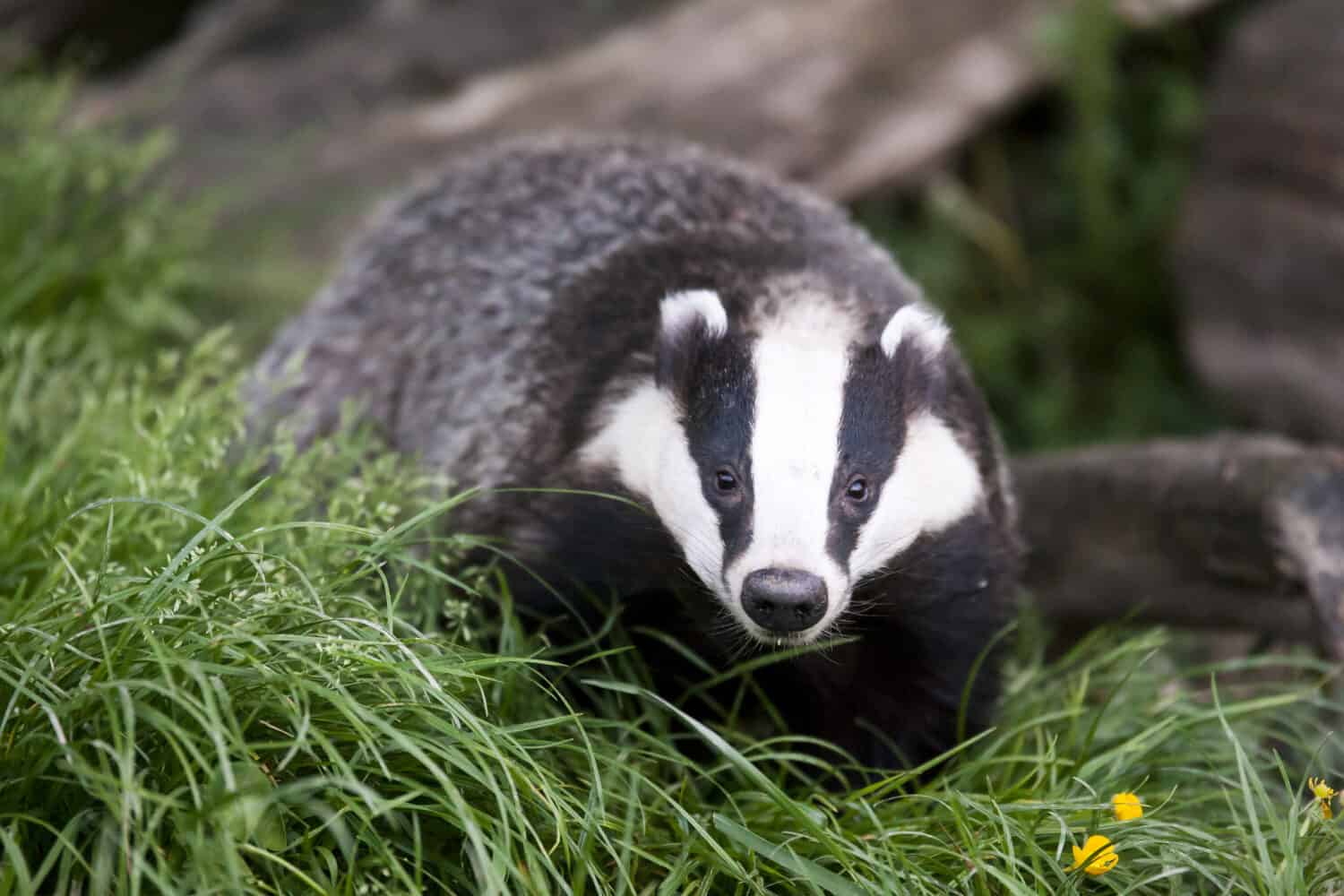

The European badger is not an animal that you normally associate with making a noise. We are more accustomed to seeing silent footage of them shuffling around their setts at night. This fascinating clip Instagram post from the Badger Trust, however, tells a different story. This shy animal can be very vocal when they want to be. Here, we reveal some key badger phrases!
About the European Badger
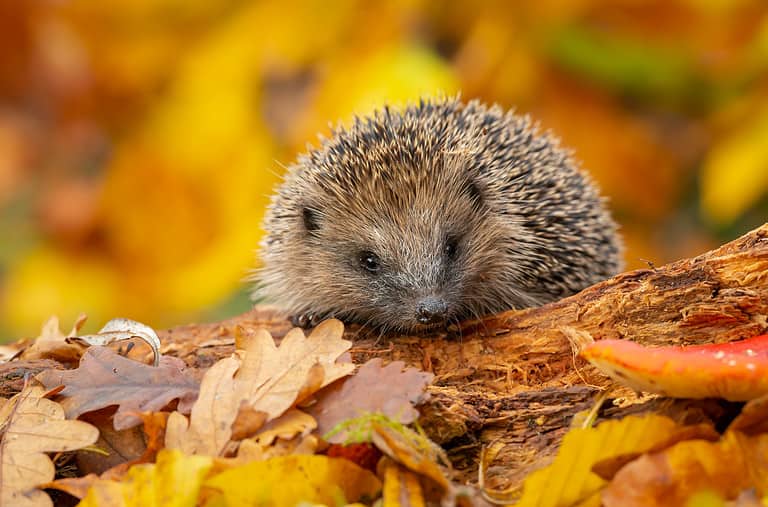
European badgers (Meles meles) are the UK’s largest land predator. Adults typically measure 2 to 2.9 feet long and weigh between 15 to 29 pounds, with 26 pounds being an average autumn weight. Their striking black and white striped face is a form of aposematism, which means that it is a warning to potential predators. They live in family groups in underground burrows called setts. Badgers feed on small mammals, birds’ eggs, worms, fruit, and plants. A single badger can eat up to 200 earthworms in one night if they are available!
Learning to Speak Badger
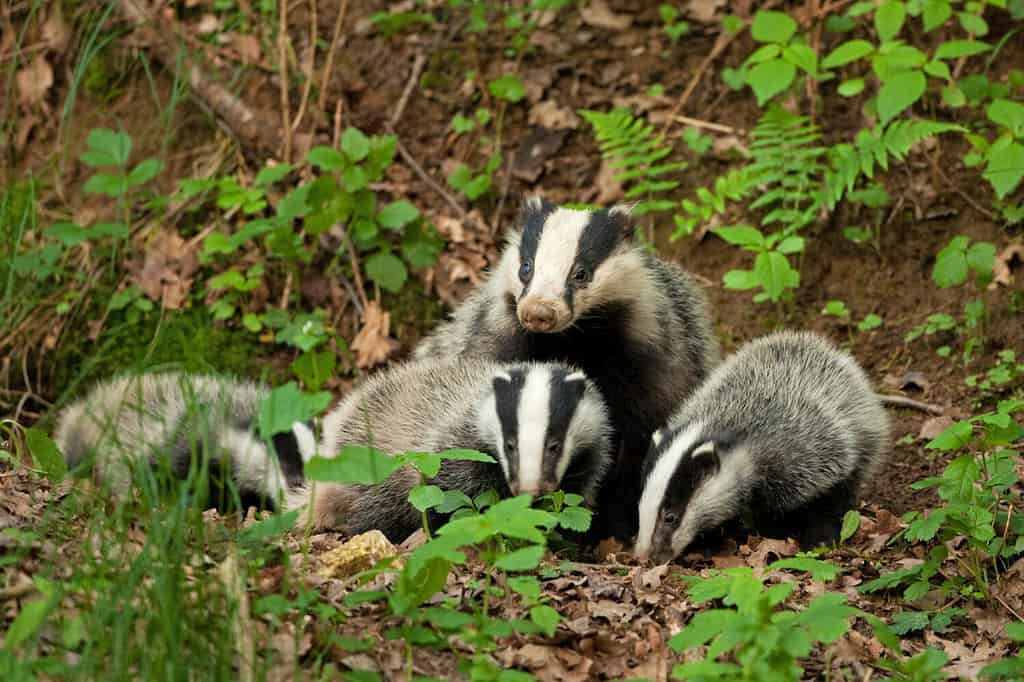
Badgers live in family groups in dens called setts.
©Martin Prochazkacz/Shutterstock.com
UK badger enthusiasts and academic researchers have recorded the various sounds that badgers make and interpreted them. However, it is essential to note that badgers do not solely communicate through sound. They have an excellent sense of smell and also use body language. Overall, their communication is a combination of sight, smell, and sound.
Badgers can make at least 16 discrete calls. These vary from a long, low-pitched growl to a short and high-pitched squeak. The sound in the Instagram clip is most likely a ‘growl’. This is a low-pitched rumbling sound that is sustained for some time and is coarse. It is clear from the clip that it is being used as a warning and is part of defense. It appears that the badger in the clip is defending its territory. It is used to communicate that they want the other badger to retreat. Badgers may also use a ‘bark’ in this sort of situation. This sounds very like the bark of a small dog! Finally, badgers may also ‘hiss’ as a warning or a form of defense. The visiting badger in this clip is left in no doubt that it is not welcome!