
Quick Take
- Witnessing this rare sight requires 2 parents to carry a specific recessive genetic condition simultaneously.
- The mutation known as erythrism creates a fatal visibility crisis within standard environmental settings.
- This shift in pigment production differs fundamentally from the mechanics of standard albinism.
- Maintaining the camouflage stage is necessary for survival, but becomes impossible under these genetic conditions.
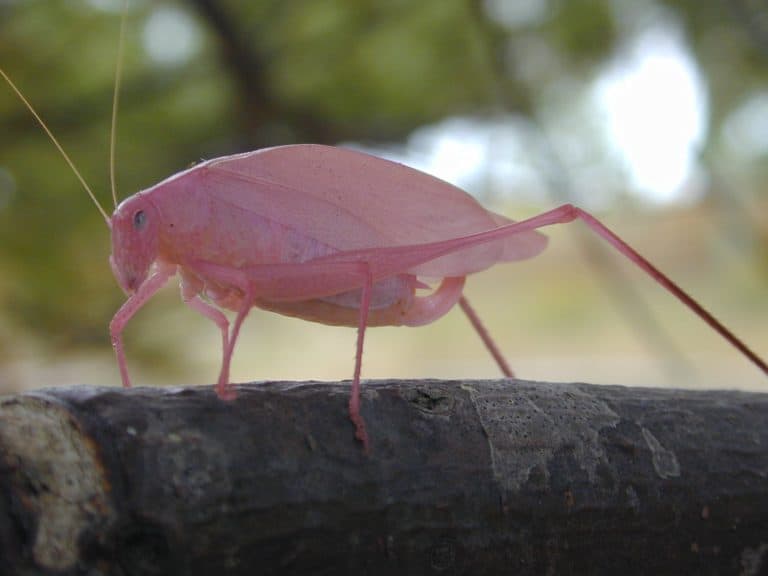
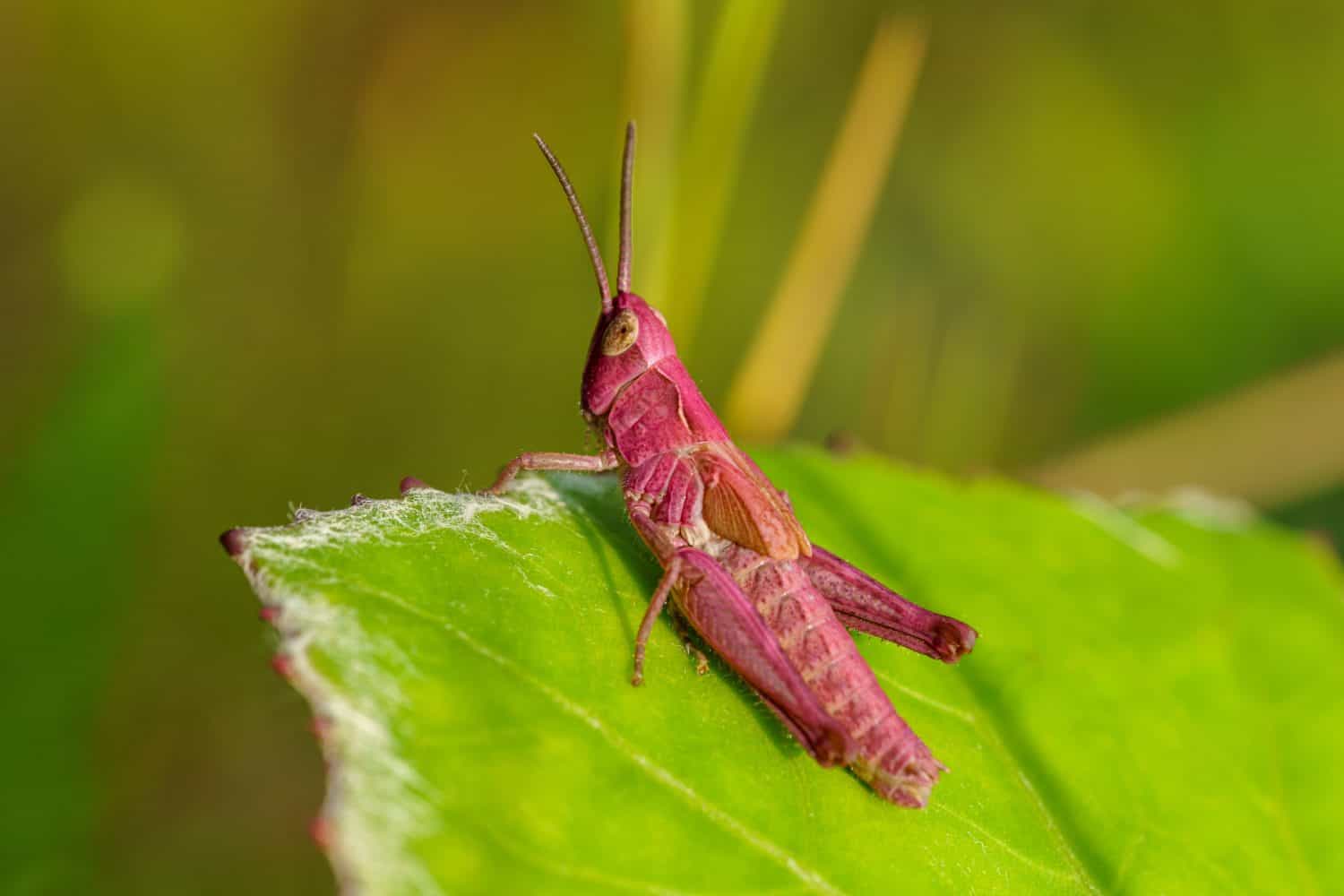
While a pink grasshopper may sound fantastical, certain genetic mutations can cause them to develop this unusual color. The genetic mutation is known as erythrism, and it alters the genes that control pigment production. This rare mutation can lead to some amazing sights. This Instagram post by @amnh shows one of these bright pink grasshoppers as it stands out on the green grass. Read on to learn more about how some grasshoppers can turn pink.
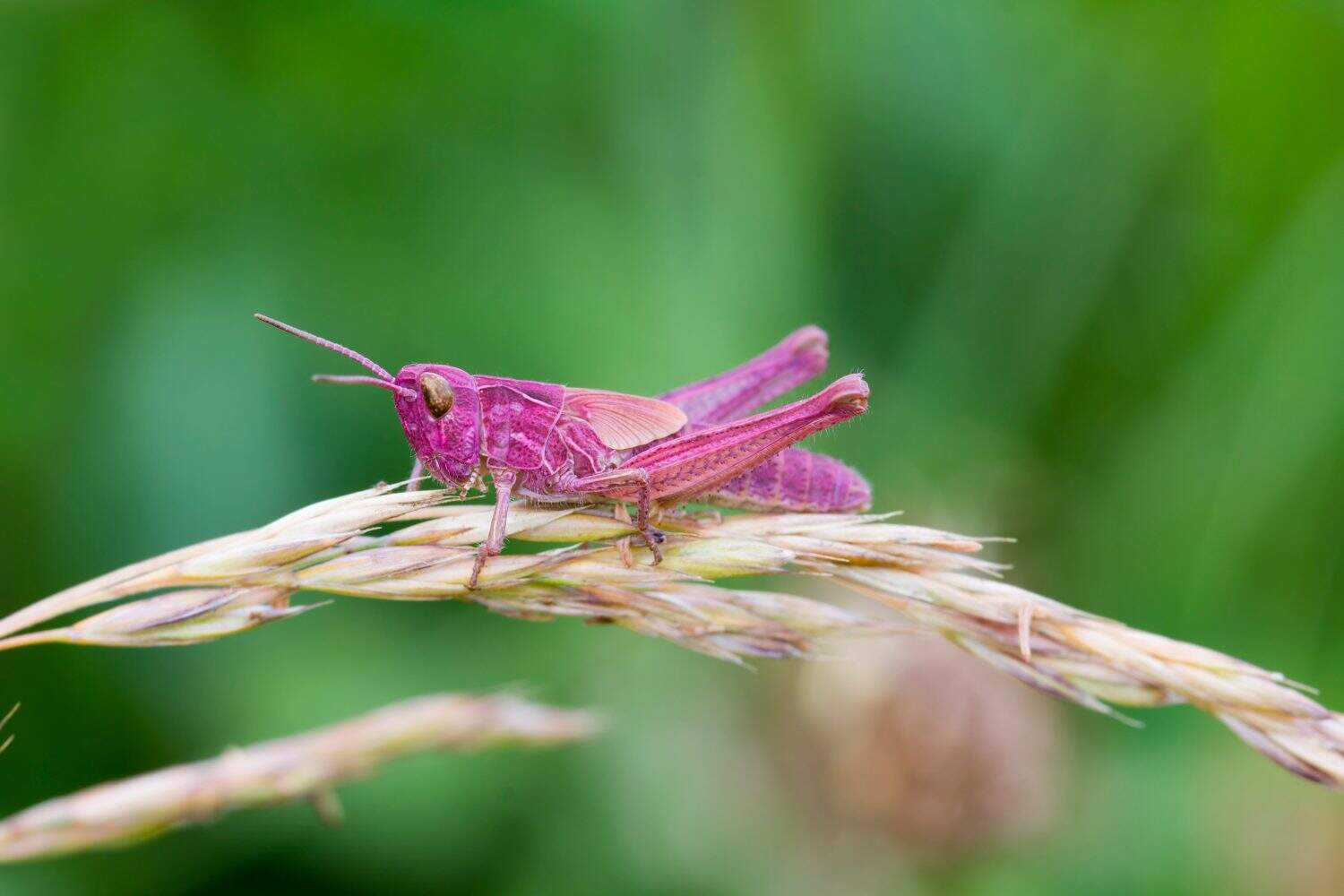
Pink grasshoppers are extremely rare, as both parents need the recessive gene for the erythrism mutation.
©chris276644/Shutterstock.com
Pink Grasshoppers
While pink grasshoppers may seem like a completely different species, they are actually individuals within a species who appear pink due to genetic mutations. The mutation, known as erythrism, affects pigment production. It causes changes in the genes responsible for pigment, shifting the classic green and brown colors of grasshoppers to pink and red.
This mutation is similar to albinism or leucism. Rather than losing all pigment, however, it alters the pigment. While there is no population estimate, it is highly unlikely that you will ever see one. Thanks to social media, though, we are able to see amazing pictures of them.
Part of the reason why they are so rare is due to a combination of genetics and survivability. The mutation requires a specific genetic condition in which both parents must carry the recessive gene. This occurrence is already quite uncommon. However, the pink coloring is a disadvantage for the grasshopper. Because green and brown coloring are essential for camouflage, the pink coloration makes them stand out.
Their standard coloring helps them blend in with vegetation, hiding them from birds and mammals. But when they are bright pink, even a bird could likely spot them from high in the sky. This lowers the survivability of these grasshoppers, making them even rarer to see. Erythrism is not only found in grasshoppers, but also occurs in other insects and mammals. This rare gene mutation results in some amazing and unique color variations.