
Quick Take
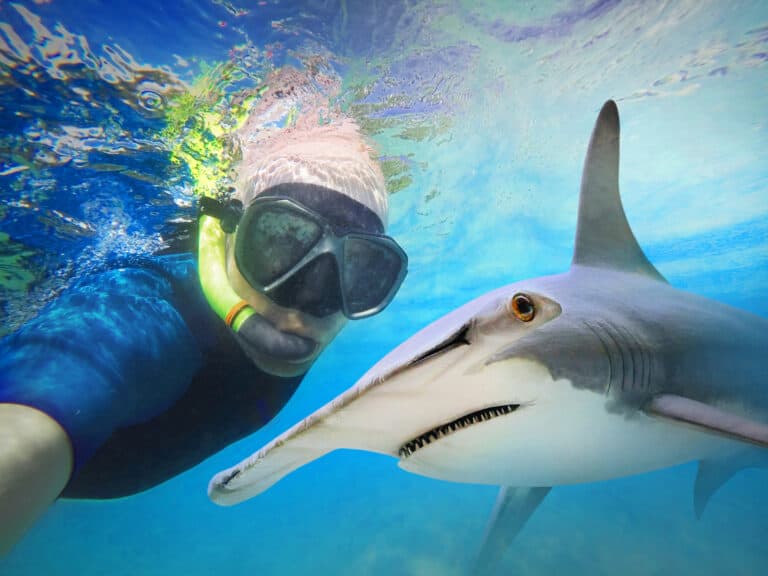
- Snorkeling near a whale shark sounds thrilling, but that feeling changes once you see what this footage actually captures.
- Whale shark poop is more than just gross. Scientists are racing to collect it for reasons that have nothing to do with waste. See how fecal plumes form →
- The world's largest fish has teeth but doesn't use them to eat, and its actual feeding strategy is stranger than you'd expect. Discover their filter feeding →
- Whale sharks roam almost every ocean on Earth, yet there's one depth-related behavior that still surprises researchers. Explore their ocean range →
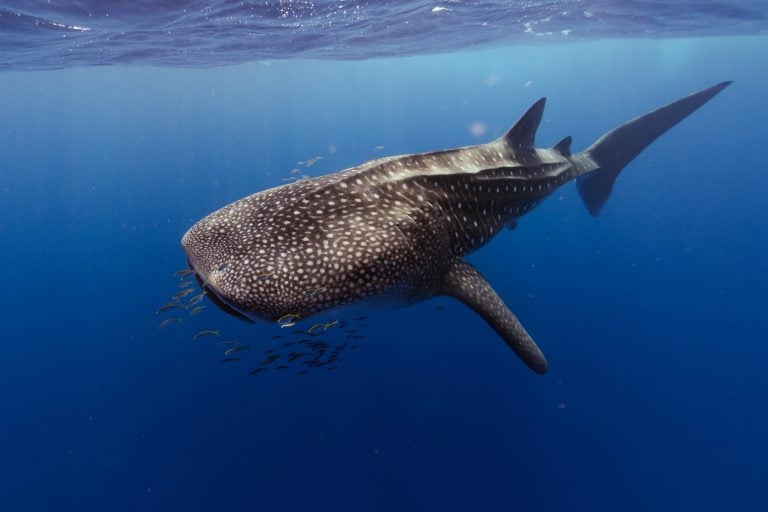
This must be a snorkeler’s worst nightmare! But all animals have to poop somehow and that is as true for whale sharks as for any other species. The bigger the animal, the bigger the poop and whale sharks are pretty big creatures. In this extraordinary clip, we see a whale shark creating a fecal plume leaving a brown trail in the blue water. Fecal plumes can be useful to scientists. By studying the waste produced by sea creatures, they can learn a lot about their diet, as well as their health and hormonal status. Collecting samples must get quite messy!
Where Do Whale Sharks Normally Live?
Whale sharks are a type of pelagic shark that are found in tropical seas but are highly migratory. Between 30° north and 35° south latitude, nearly every coastal nation has had whale sharks in their waters. Whale sharks’ habitats include deep and shallow coastal waters of sub-tropical zones and they are also spotted in the lagoons of coral atolls and reefs. There’s plenty of footage online of them swimming in the ocean waters off Australia, Mexico, and South Africa.
Whale sharks are predominantly surface-dwelling sharks. They live off zooplankton and hang around where the food is! However, we know that they can also dive to depths of over 6,000 feet and can survive in temperatures as low as 7.8° C.
What Do Whale Sharks Normally Eat?
©Sean Steininger/Shutterstock.com
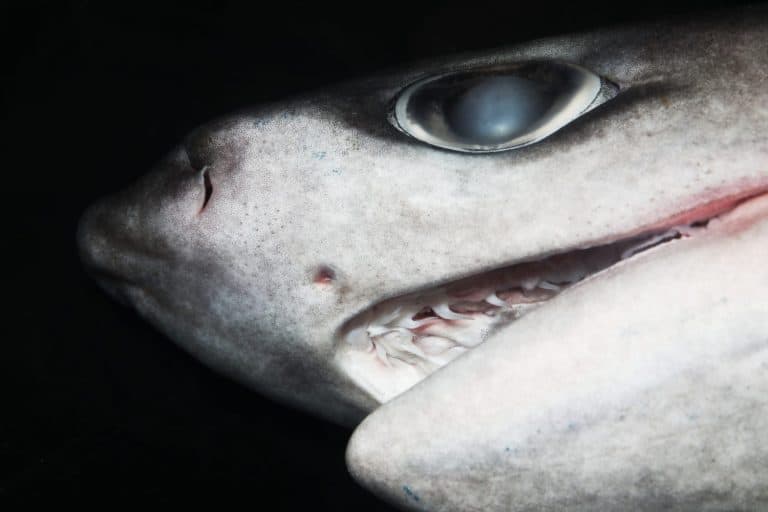
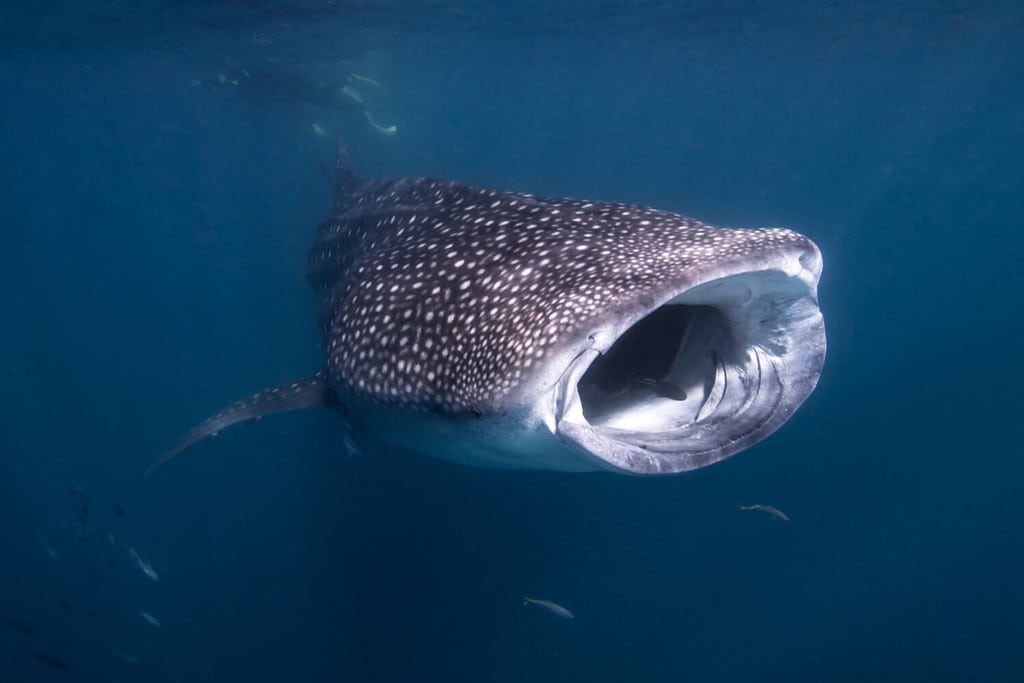
Scientists can find out a lot about a whale shark’s diet by examining their fecal plumes. They are large animals and can weigh up to 20 tons. These sharks can also reach lengths of up to 62 feet and are the largest species of fish on the planet right now. Even though they have teeth, they are filter feeders. Whale sharks are also very friendly and allow themselves to be approached by divers. They’ve even been seen swimming up to boats and bumping into them by mistake.
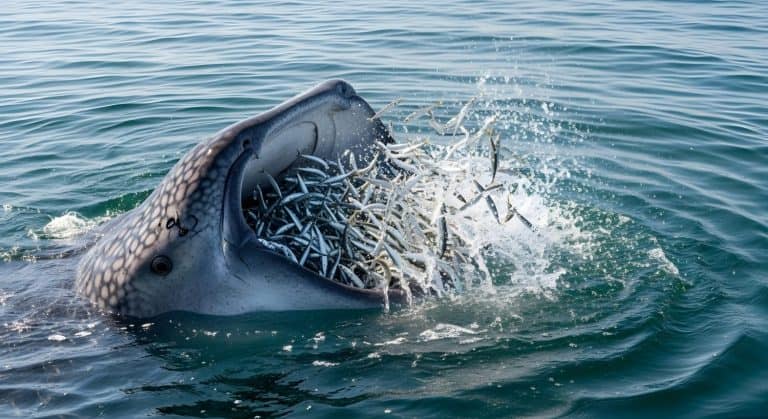
The largest part of their diet is made up of plankton but they also eat other small animals including anchovies, krill, and sardines. Whale sharks also feed on the occasional small jellyfish, crab, and squid.
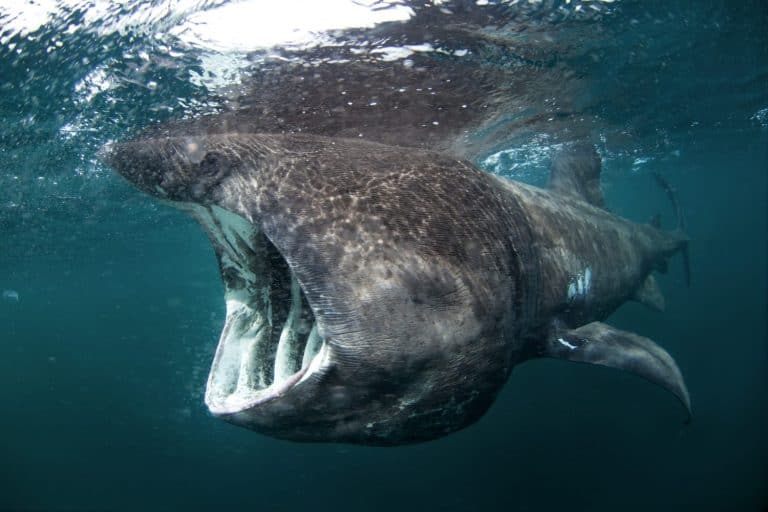
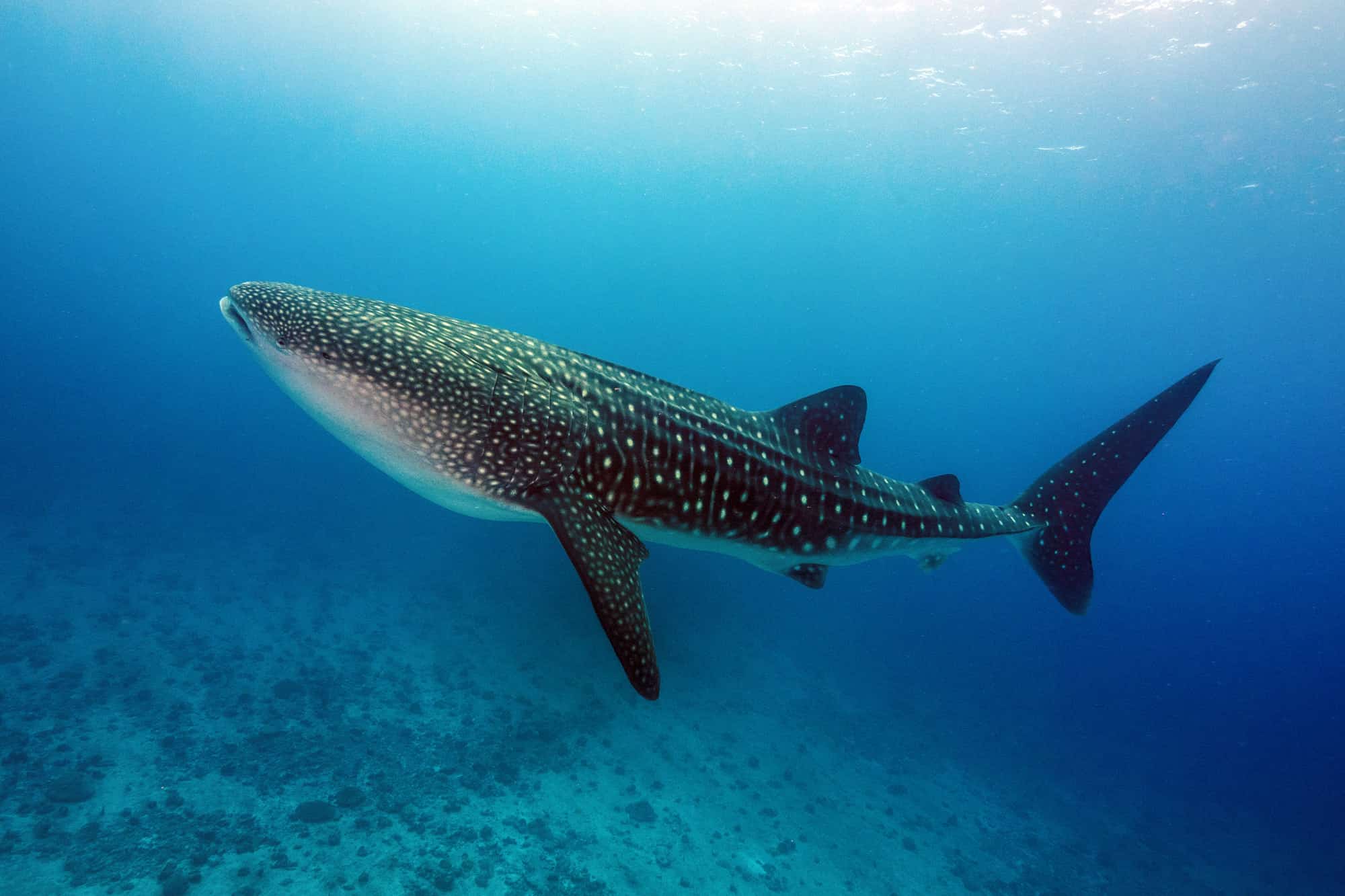
Their feeding technique is passive. This means that they swim slowly with their mouth open sucking in any food that happens to be in the water. When their mouth is full, they close it and the water is ejected through the gills. The tiny prey gets caught on gill rakers and is then swallowed. Once digested, the prey ends up as a fecal plume!