
Quick Take
- Crabeater seals have a name that's flat-out wrong, and what they actually eat reveals something surprising about how nature names things. See what they really eat →
- Seals' closest animal relatives aren't dolphins, sea lions, or fish. The real answer is something most people would never guess. Trace their evolutionary roots →
- Female seals can pause pregnancy on demand, and the biological reason behind it turns out to be more strategic than you'd think. Explore delayed implantation →
- The US Navy has quietly trained seals for real military operations, and the applications go far beyond circus tricks. Discover their military roles →
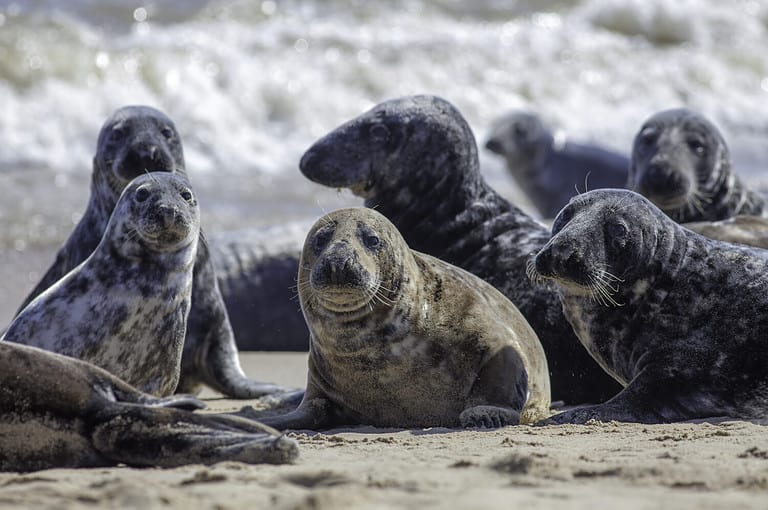
The seal’s paddle-shaped flippers and unique physiology enable it to thrive in even the most perilous aquatic conditions. It is an inquisitive, social, and communicative mammal adapted to living on both land and sea. Once hunted relentlessly, its numbers have been on the rise for several decades.

4 Amazing Seal Facts
- Seal vocalizations consist of grunts, barks, growls, chirps, and whistles to communicate with one another, both on land and in the water.
- Due to their intelligence, playfulness, and diverse behavior, seals are often kept in captivity by zoos and aquariums. They have even been trained by the US Navy for limited military applications.
- Seals have played an integral role in the culture of the Inuit, North Sea peoples, and others. In Scottish mythology, the selkie is a creature that can transform from a seal to a human.
- Seals are most closely related to modern-day musteloids, including weasels, raccoons, skunks, and red pandas.
Classification and Scientific Name
“Seal” is the informal name for all Pinniped species. The name Pinniped is aptly chosen, since it means “fin-footed” in Latin. Despite their amphibious lifestyle, all pinnipeds occupy the order Carnivora — the same order as cats, bears, canids, raccoons, skunks, and mongooses. Tens of millions of years ago, they branched off from other Carnivorans and evolved to inhabit the oceans and coasts. The term Pinniped itself does not refer to any specific family or genus. Instead, it represents a group of similar marine organisms with a single evolutionary origin.
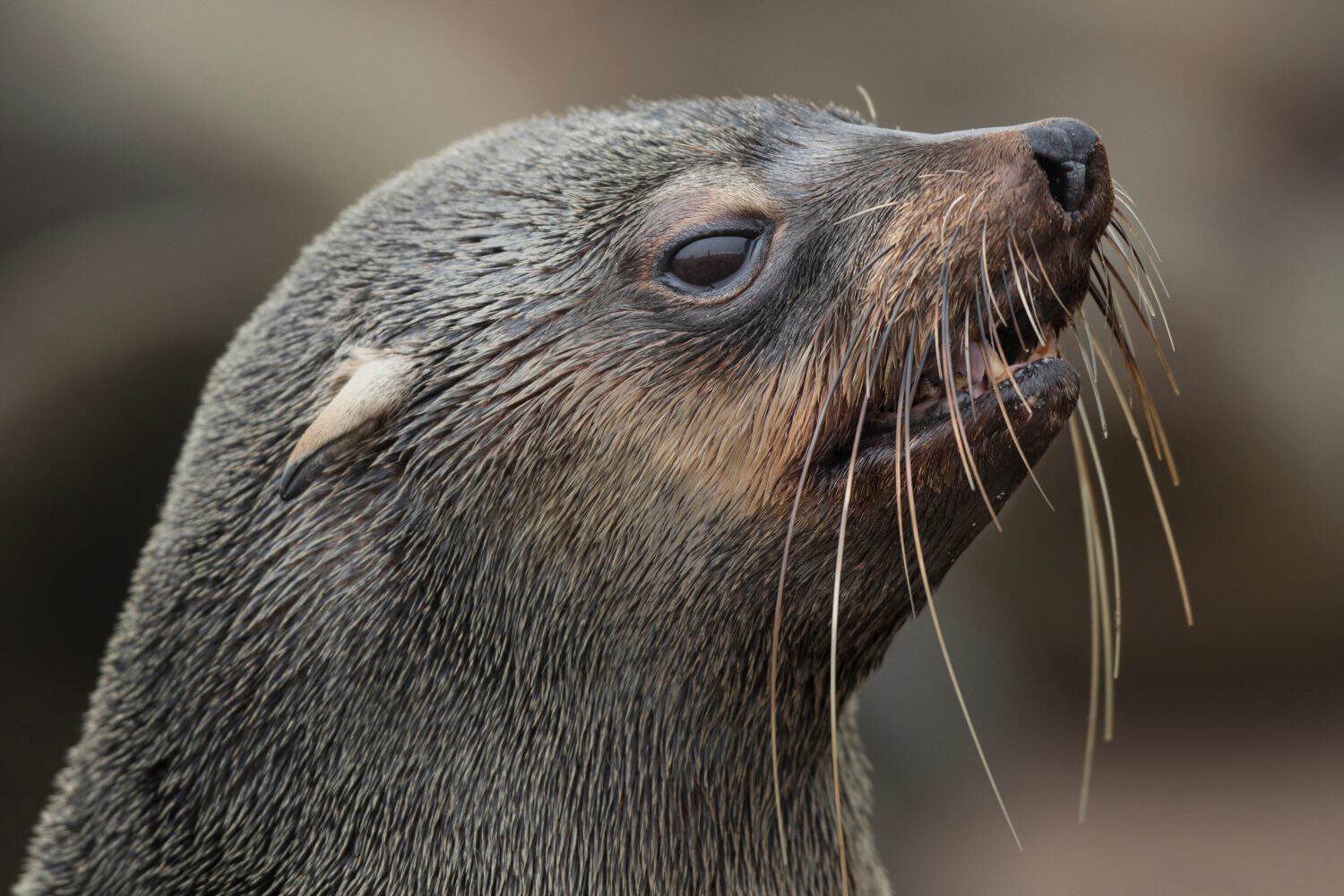
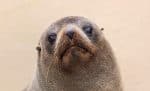
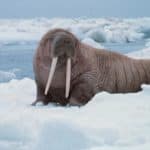
Pinnipeds fall into three broad families. The Otariidae encompasses all the major species of eared seals, including sea lions and fur seals. The Phocidae family comprises all true seals or earless seals (the name is a misnomer; though not visible, the ears are actually located underneath the skin). The Odobenidae family is the third and the smallest group. It contains only a single living species, the walrus. Together, these three families account for approximately 33 to 36 living species, plus several subspecies, depending on the taxonomic authority consulted. Fifty more extinct species have been documented from either recent history or the fossil record.
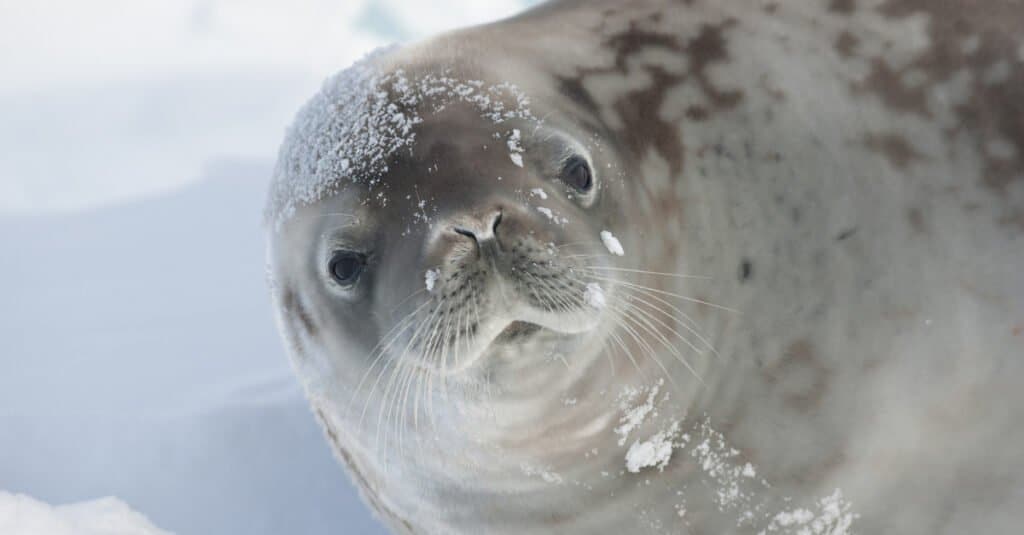
All seals, sea lions, and walruses are pinnipeds.
©Tarpan/Shutterstock.com
Phocidae
- Baikal seal (Pusa sibirica): No one quite knows how this pinniped came to live at Lake Baikal, and yet there is a thriving population on the shores of the body of water. As far as true seals go, it is pretty small and grows to around 4–4.6 feet (1.2–1.4 m), typically weighing 63–70 kg (139–154 lbs), though it can reach up to 286.6 lbs (130 kg). The Baikal seal is one of the few exclusively freshwater seals in the world and loves to spend its time enjoying the summer sunshine while squabbling with its neighbors for space on the rocks.
- Caspian seal (Pusa caspica): These small earless seals can be found on the shores, the rocky islands, and ice floes of the Caspian Sea. They typically grow to slightly over 4 feet in length and under 200 pounds in weight. They enjoy a varied diet including crustaceans, smelt, and sprat, and are rather solitary when not searching for a mate.
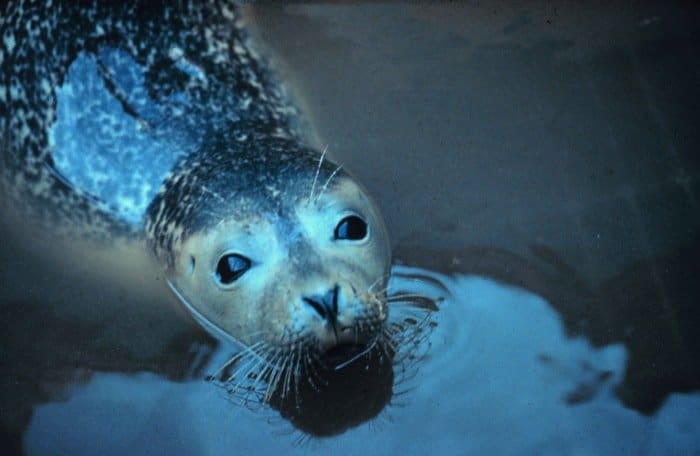
- Common or harbor seal (Phoca vitulina): This rather bulky pinniped can be found on Baltic, Pacific, Northern Atlantic, and North Sea coasts. Unlike its smaller relatives mentioned above, a harbor seal is capable of reaching up to 6 feet in length and 300 pounds in weight. Its young can take to the water within hours of being born. Some of its favorite foods include anchovy, cod, crab, salmon, and squid.
- Harp seal (Pagophilus groenlandicus)
- Ribbon seal (Histriophoca fasciata)
- Ringed seal (Pusa hispida)
- Spotted seal (Phoca largha)
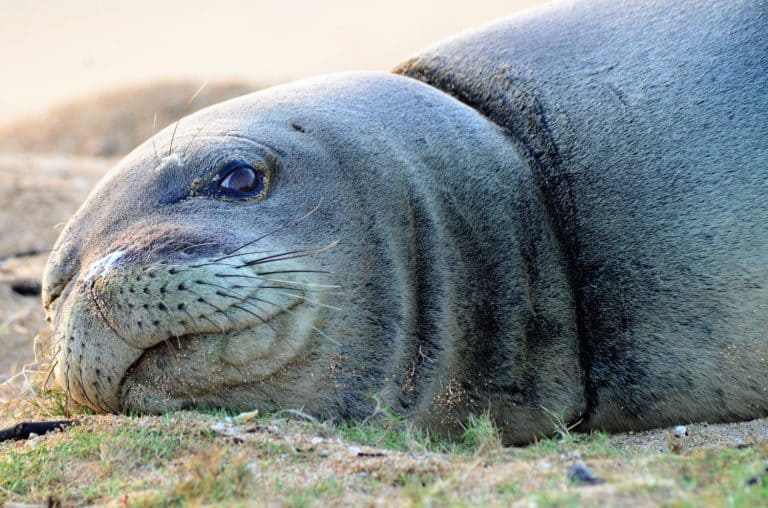
- Hawaiian monk seal (Neomonachus schauinslandi)
- Mediterranean monk seal (Monachus monachus)
- Bearded seal (Pusa hispida)
- Crabeater seal (Lobodon carcinophaga)
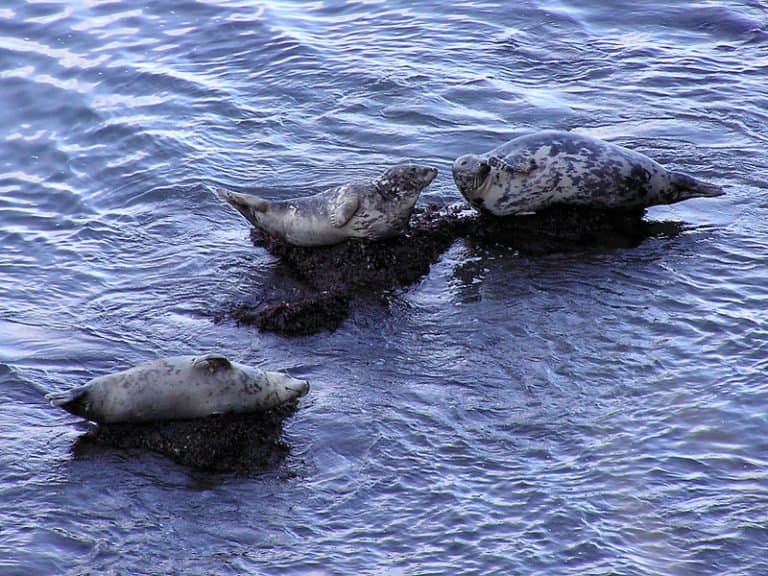
- Gray seal (Halichoerus grypus)
- Hooded seal (Pusa hispida)
- Leopard seal (Hydrurga leptonyx)
- Ross seal (Ommatophoca rossii)
- Southern elephant seal (Mirounga leonina)
- Northern elephant seal (Mirounga angustirostris)
- Weddell Seal (Leptonychotes weddellii)
Otariidae
- Antarctic fur seal (Arctocephalus gazella)
- Australian fur seal (Arctocephalus pusillus doriferus)
- Australian sea lion (Neophoca cinerea)
- Brown fur seal (Arctocephalus pusillus)
- California sea lion (Zalophus californianus)
- Galápagos fur seal (Arctocephalus galapagoensis)
- Guadalupe fur seal (Arctocephalus townsendi)
- Juan Fernandez fur seal (Arctocephalus philippii)
- New Zealand fur seal (Arctocephalus forsteri)
- Northern fur seal (Callorhinus ursinus)
- South African fur seal (Arctocephalus pusillus pusillus)
- South American fur seal (Arctocephalus australis)
- South American sea lion (Otaria flavescens)
- Steller sea lion (Eumetopias jubatus)
- Subantarctic fur seal (Arctocephalus tropicalis)
Odobenidae
- Walrus (Odobenus rosmarus)
Evolution
The Oligocene period saw an abundance of vertebrates on every continent. Scientists believe that the end of this epoch, which coincided with the oceans becoming cooler, attracted some of these land animals to the oceans. The drop in oceanic temperatures resulted in an abundance of food, which drew land-dwelling animals to the water.
Around 12 million years later, a creature known as Puijila darwini (discovered by Natalia Rybczynski) swam around in the waters of the Arctic Circle. This creature is currently considered the ancestor of pinnipeds. It is believed to have had four stout legs for walking and swimming, webbed toes, the body of an otter, and the head of a seal. While by no means as adroit in the water as its descendants, it didn’t do too badly. That said, it is believed to have kept to fresh water rather than the saltwater its distant offspring would become rather fond of.
However, into the Miocene Period, the Enaliarctos appeared. And it is this creature, which had four flippered limbs, that is considered by scientists to be the earliest pinniped on the planet.
Appearance and Behavior
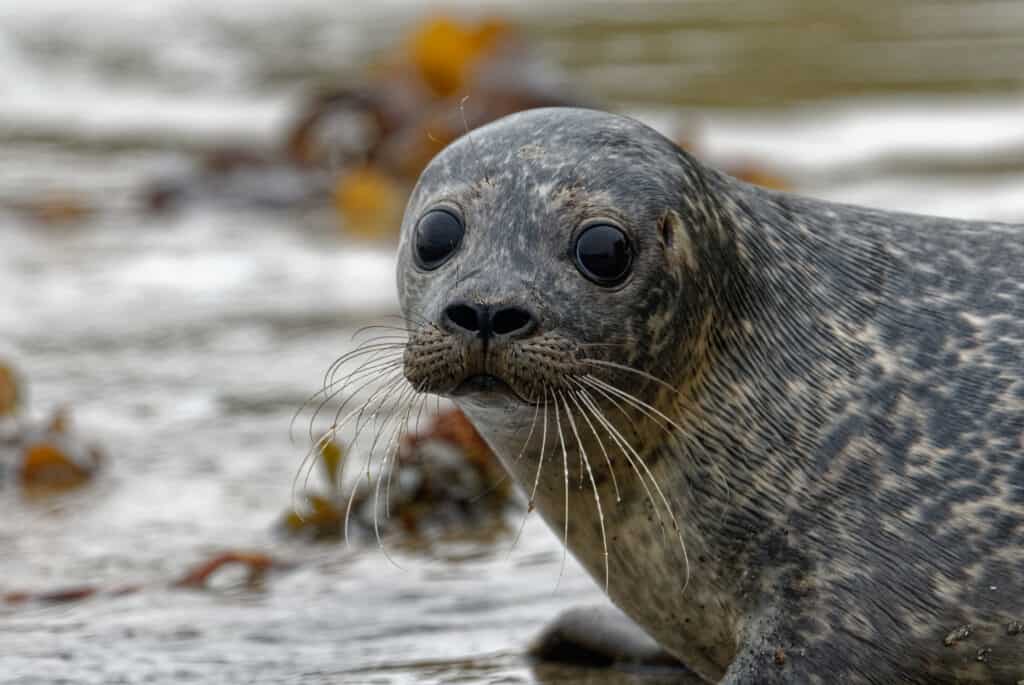
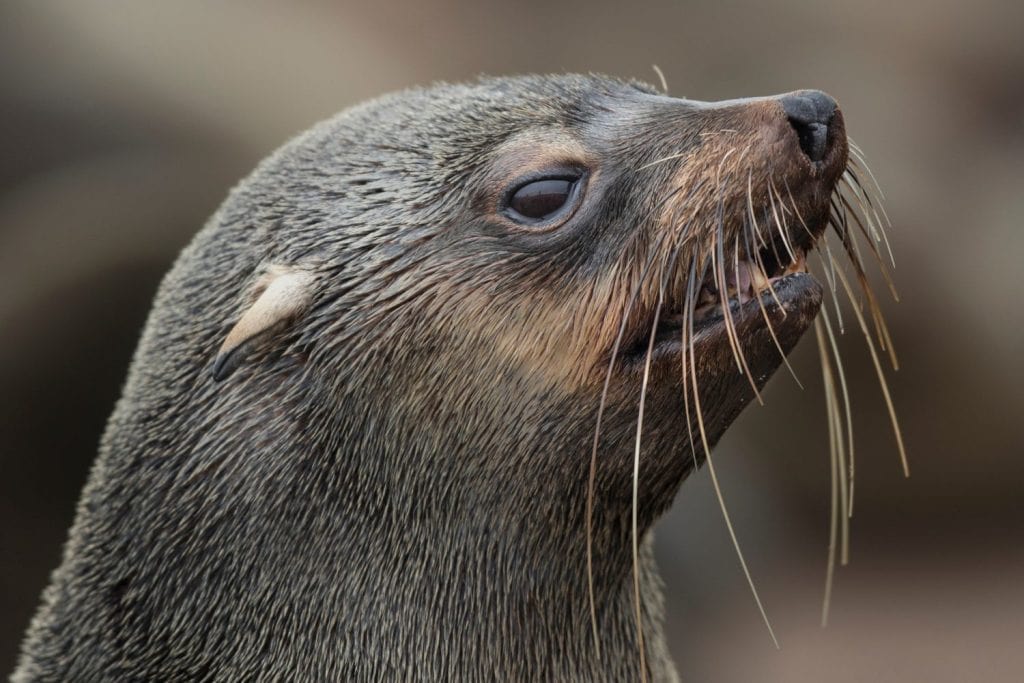
Thanks to their whiskers, these marine mammals are able to detect vibrations in the water.
©Colin Seddon/Shutterstock.com
Pinnipeds are a diverse and heterogeneous group. While they do share several features in common, including long, flexible bodies, flipper-shaped limbs, short snouts, and round heads, it is also easy to spot the many differences between them. The location of the ears and the presence of thicker coats of fur are the two major characteristics that distinguish the eared seals from true seals. The walrus diverges from both families. This species can be identified by its large tusks, smaller eyes, especially prominent whiskers, and almost completely hairless bodies.
Beyond these broad characteristics, individual species have evolved many unique features to suit their conditions. For example, elephant seal males have an elongated nose that aids them during mating and reproduction. Hooded seals have a nasal cavity on the top of their heads that can inflate and deflate at will. Species with unique ornamentations like this tend to be sexually dimorphic, meaning that males and females differ in appearance.
One glance at these animals’ anatomy will tell you that seals are extraordinarily well-adapted to water. Their dense layers of blubber keep them insulated from the frigid cold. They also have the remarkable ability to detect vibrations in the water with their whiskers. But their affinity for the ocean is best exemplified by pinnipeds’ most important innovation: the flipper. It allows them to glide gracefully through the water to catch prey and avoid predators. The flipper is an excellent example of convergent evolution in mammals: cetaceans, seals, and sea cows all developed the flipper independently as a means of navigating the aquatic environments.
Even in this crucial aspect, however, true seals and eared seals have different methods of locomotion. To swim, true seals move their hind limbs and lower body from side to side for continuous propulsion, while their forelimbs are used to help them maneuver. Because they cannot turn their hind limbs forward, their movements on land are severely hindered. They have to pull their bodies forward in a clumsy and cumbersome manner.
Eared seals are more like penguins and sea turtles. They use their front limbs for propulsion in a sort of discontinuous rowing motion. When on land, they have the ability to turn their hind limbs forward and walk. Walrus locomotion combines elements of both true and eared seals. Their hind limbs are capable of propulsion in the water and walking on land.
Although pinnipeds cannot match the top speed of some aquatic animals, their greatest advantage in the water is their flexibility. Despite their size, their smooth, streamlined bodies can execute sharp turns with great agility. Some species can even bend their bodies almost completely backwards.
Pinnipeds spend the majority of their lives in the water, so their physiology has adapted to withstand deep dives and long periods of oxygen deprivation. They are aided by larger stores of oxygen-binding proteins in their blood. They have also evolved methods to empty their lungs of air, close their nostrils and throat, and slow down their heart rate. Some species can hold their breath for up to two hours at a time.
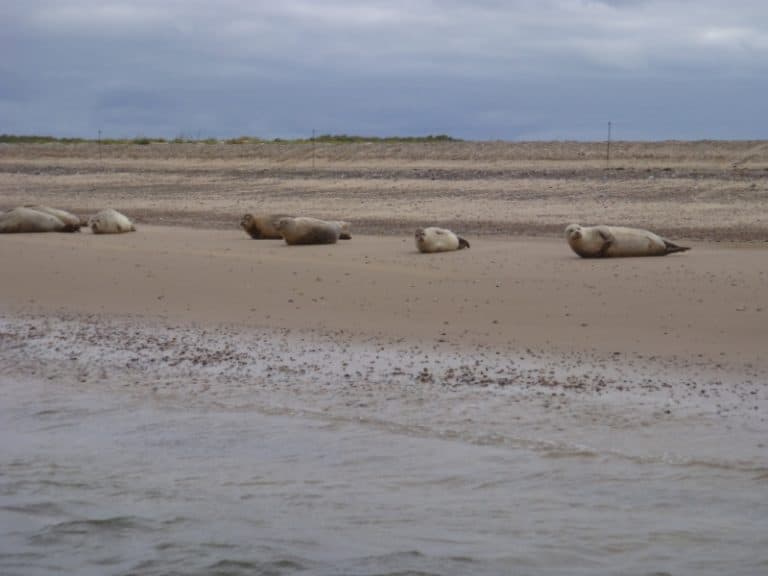
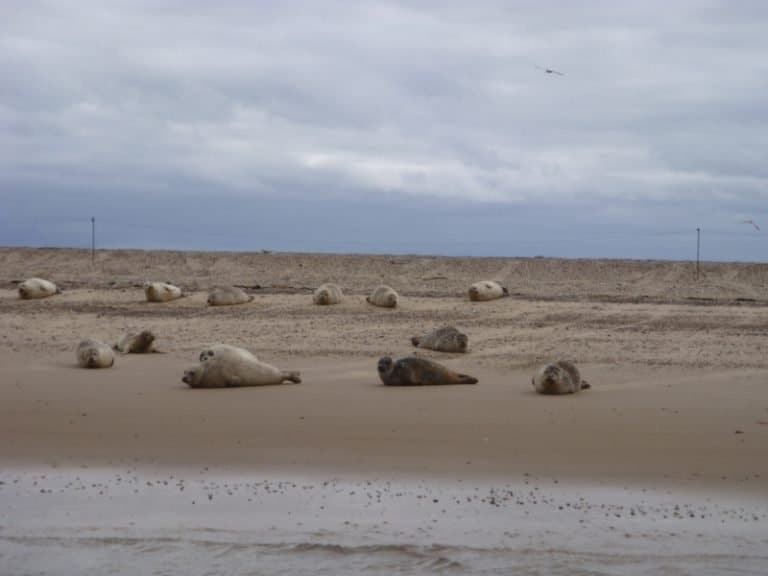
After extended periods at sea, pinnipeds will return to land or sea ice for mating, births, molting, or safety. Here they tend to congregate in large groups, which are known as herds or pods (depending on the species). Whether a species prefers land or sea ice may determine many aspects of their behavior, including reproductive strategies.
These animals’ lithe movements in the water belie their enormous size. Even the smallest seals are about three feet long and weigh no less than 100 lbs. The largest species is the southern elephant seal. According to National Geographic, it can reach up to 20 feet and weigh 4.4 tons, which is heavier than a pickup truck. They are some of the heaviest mammals in the world, outweighing even giraffes, hippos, and rhinoceroses.
Habitat
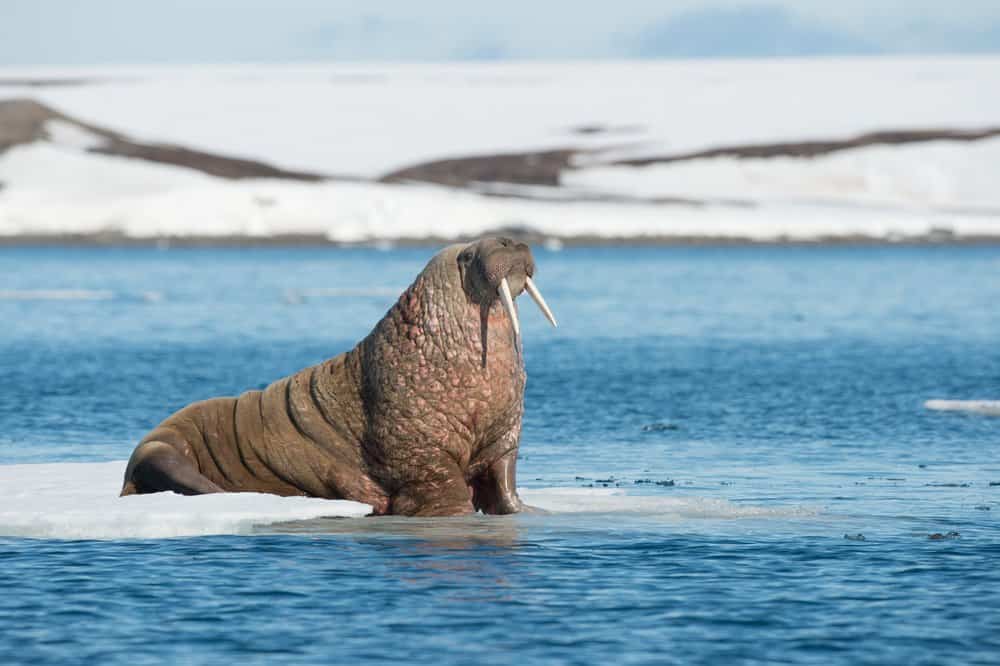
Pinnipeds strongly prefer cold water filled with nourishing fare.
©Inge Jansen/Shutterstock.com
These animals are widespread along the coasts and open oceans of every continent on Earth, including Antarctica. They prefer the cold, nutrient-rich waters of the world. This is true even in the oceans around California, Africa, and Australia. Pinnipeds inhabit saltwater regions almost exclusively, but they do swim up rivers and estuaries to hunt for food. The Baikal seal in Siberia is the only species that prefers freshwater. When they reach land, they inhabit beaches, caves, tide pools, shoals, and even man-made structures such as piers and oil platforms. Seal species that live in polar areas tend to prefer the ice. They are specially adapted for navigating the ice floes.
Diet
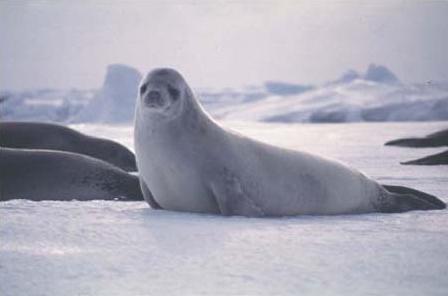
The Pinniped diet is best described as eclectic. Although fish is the most common part of their diet, these animals are also known to feed on squid, octopus, lobsters, and eels when given the opportunity. A few species have evolved distinct specialties. The crabeater seals, despite the name, actually filter out krill through their specialized teeth. Leopard seals are notorious for hunting down penguins, sea birds, and even other species of seal. The walrus subsists on a steady diet of clams and shellfish at the bottom of the sea. They can detect prey with their whiskers and then suck the prey up through their powerful mouths. Seals are deadly and effective hunters on their own, but some prey may require the cooperation of an entire group to catch.
Predators and Threats
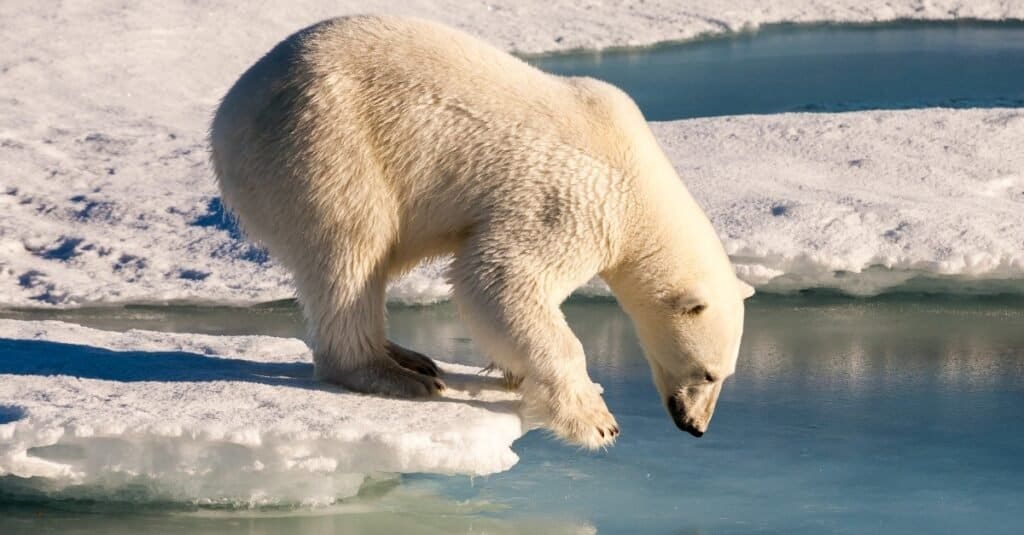
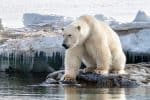
Polar bears are one of pinnipeds’ main predators.
©Mario_Hoppmann/Shutterstock.com
Despite their size, seals make a tempting target for orcas, sharks, bears, and other large and ferocious predators. Orcas in particular seem to have unique hunting strategies to catch their prey. They have been known to stun the seals with their tails, fling them in the air, surprise them on the beach, or trap them on the ice. Young pups and lone adults are the most likely to be the target of a hungry predator. Seals ward off predators by congregating in large groups. The size and ferocity of the seal are often a deterrent. Hissing, teeth chattering, and aggressive visual displays are exhibited as a warning to predators.
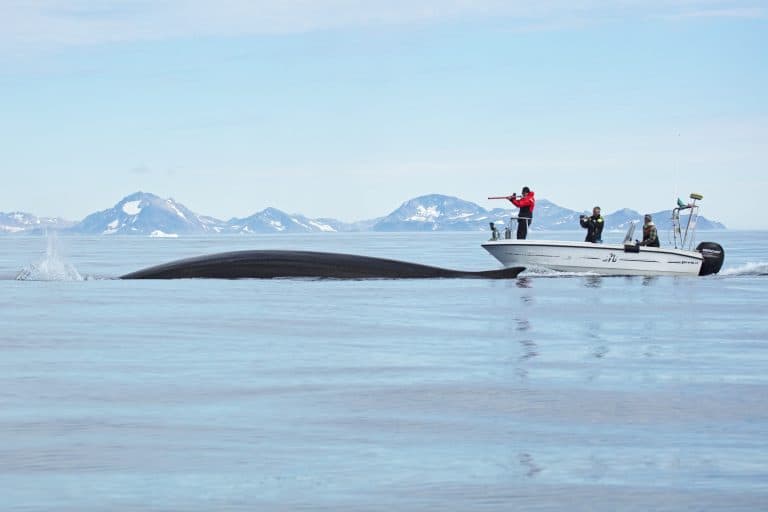
Humans represent another potential danger to seals. Indigenous groups have traditionally hunted seals for their fur and meat for thousands of years, but the rise of mass industrialized hunting in the 19th century imperiled many seal species, pushing them to the brink of extinction. Thanks to protection by international law, seal species are recovering worldwide.
However, seals are still at great risk from marine pollution (including chemical contamination and oil spills), conflicts with local populations, vessel accidents, and entanglements in fishing nets. Climate change looms as the most significant disruption to the seal’s natural habitat. As sea ice melts, Arctic seals may lose their natural breeding grounds. Their physiology is also a poor fit for warming waters.
Reproduction, Babies, and Lifespan
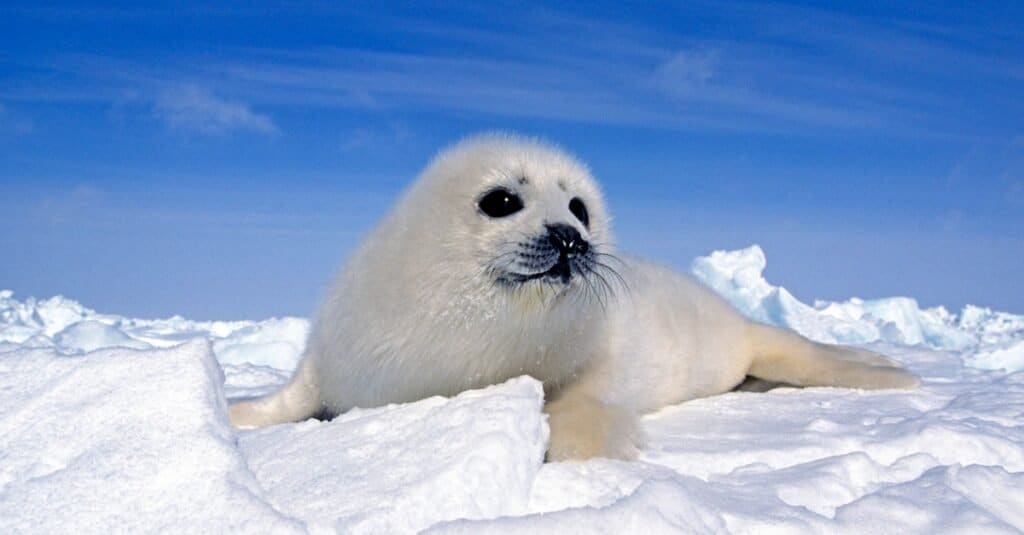
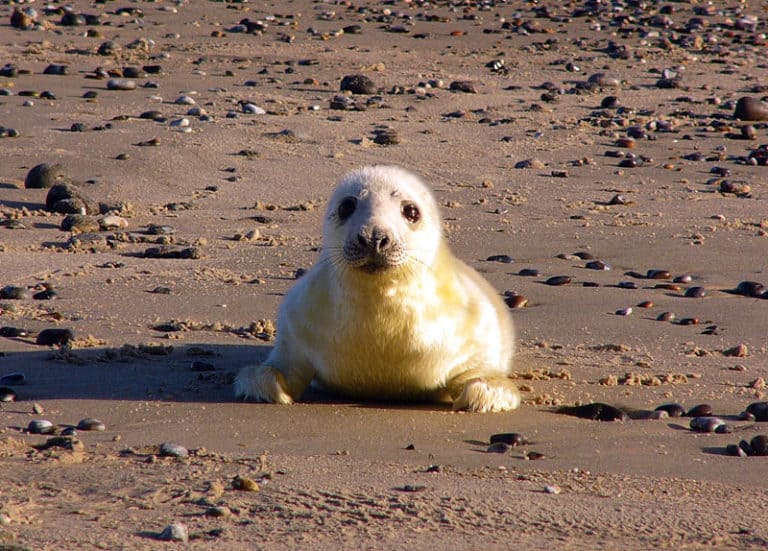
Seal pups can dive and swim capably a few hours after they are born.
©iStock.com/slowmotiongli
Pinnipeds exhibit wide variability in their mating patterns. Some species are highly monogamous, mating only in pairs, while other species are polygynous, meaning a single male mates with multiple females but each female has only one mate. Seals are fiercely territorial creatures. Males fight for the opportunity to mate by biting or hitting each other. They rely on vocalizations to attract mates and ward off reproductive rivals. Elephant seals are the largest and most aggressive. They establish hierarchies based on the dominance of a single male.
Once mating is completed, female seals have the remarkable ability to delay the implantation of an embryo in the uterus until conditions are more favorable. Gestation periods vary according to species but can last up to a year. The mother’s milk contains mostly fat rather than lactose, so once the pup is finally born, it can grow quickly and begin to fend for itself.
The seal’s long-term survival depends on those first crucial days of life. The parents tend to play only a minimal role in the raising of young pups, which may learn to swim mere days or weeks after birth. It can take several years for a seal to reach full maturity. If the seal survives into adulthood, then it can live up to 30 years in the wild. A lifespan beyond 40 years has even been documented.
Population
Seal populations once plummeted to dangerously low numbers, but they have begun to recover thanks to the efforts of the worldwide conservation community. The elephant seal is one such success story. A study from Frontiers in Ecology and Evolution estimates that this species has recovered from a minimum population of 100 to at least 100,000 in 70 years. However, not every species is lucky enough to have recovered from its lowest point. Several species of seals, including the Mediterranean monk seal, the Hawaiian monk seal, and the Caspian seal, are still endangered. The Caribbean monk seal went extinct sometime in the mid-20th century.
Seal Pictures
View all of our Seal pictures in the gallery.

Sources
- David Burnie, Dorling Kindersley Animal, The Definitive Visual Guide To The World's Wildlife / Accessed November 10, 2008
- Tom Jackson, Lorenz Books The World Encyclopedia Of Animals / Accessed November 10, 2008
- David Burnie, Kingfisher The Kingfisher Animal Encyclopedia / Accessed November 10, 2008
- Richard Mackay, University of California Press The Atlas Of Endangered Species / Accessed November 10, 2008
- David Burnie, Dorling Kindersley Illustrated Encyclopedia Of Animals / Accessed November 10, 2008
- Dorling Kindersley Dorling Kindersley Encyclopedia Of Animals / Accessed November 10, 2008
- David W. Macdonald, Oxford University Press The Encyclopedia Of Mammals / Accessed November 10, 2008