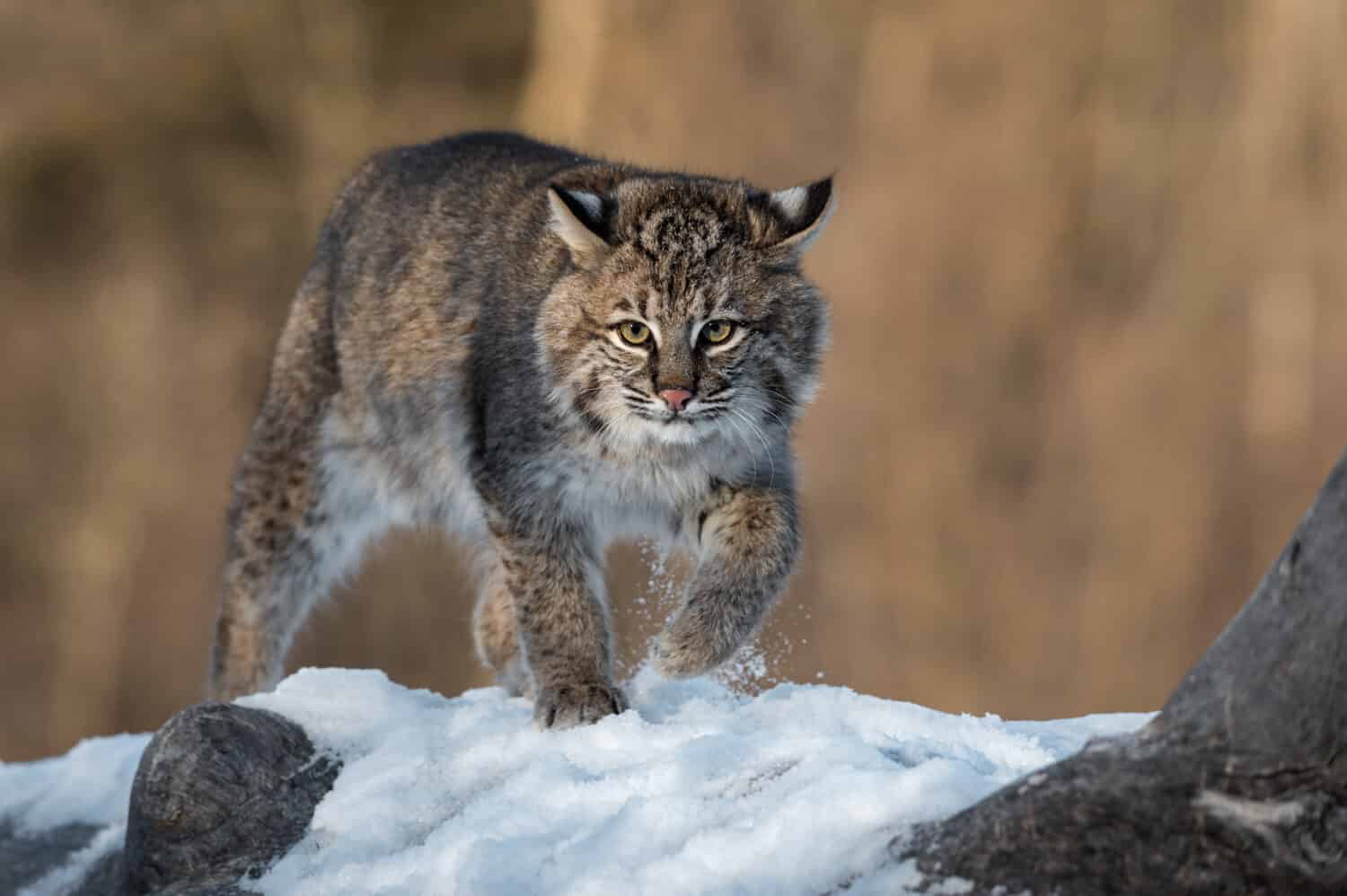

The population of bobcats in Utah surprises most. In fact, these cats are everywhere and nowhere all at once. Widely distributed across the state, bobcats tend to be so secretive that most residents will go years without seeing one.
The Utah Division of Wildlife Resources (DWR) manages bobcats, monitoring population trends annually and adjusting hunting seasons and permits to keep their populations healthy. If you hike along the Colorado Plateau, the Great Basin, or the Wasatch Front, you may not realize you’re in bobcat territory. Chances are, they’re aware of you even if you never see them.
This guide covers everything you need to know about bobcats in Utah. We’ll give you in-depth information about what regions they specifically live in, how the state manages them, what animals they hunt, whether the bobcats themselves can be hunted or trapped, and what to do if you cross paths with one.
Where You’ll Find Bobcats In Utah
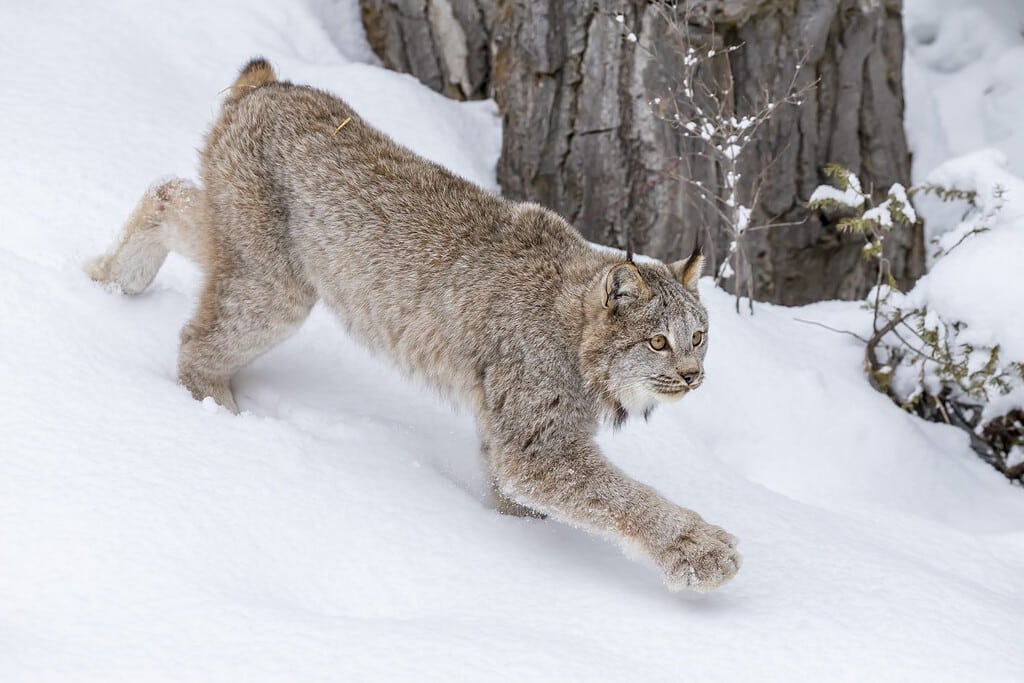
There are many ideal habitats for bobcats within the state of Utah.
©Grindstone Media Group/Shutterstock.com
There are multiple wildlife zones and areas of Utah where bobcats are likely to be found. These are the most common areas reported by state officials.
- Wasatch Front and Northern Mountains
- Uinta Mountains and High Plateau
- Colorado Plateau and Canyon Country
- Great Basin and West Desert
- Urban Edge and Agricultural Valleys
Bobcat Population Status: What The State Actually Tracks
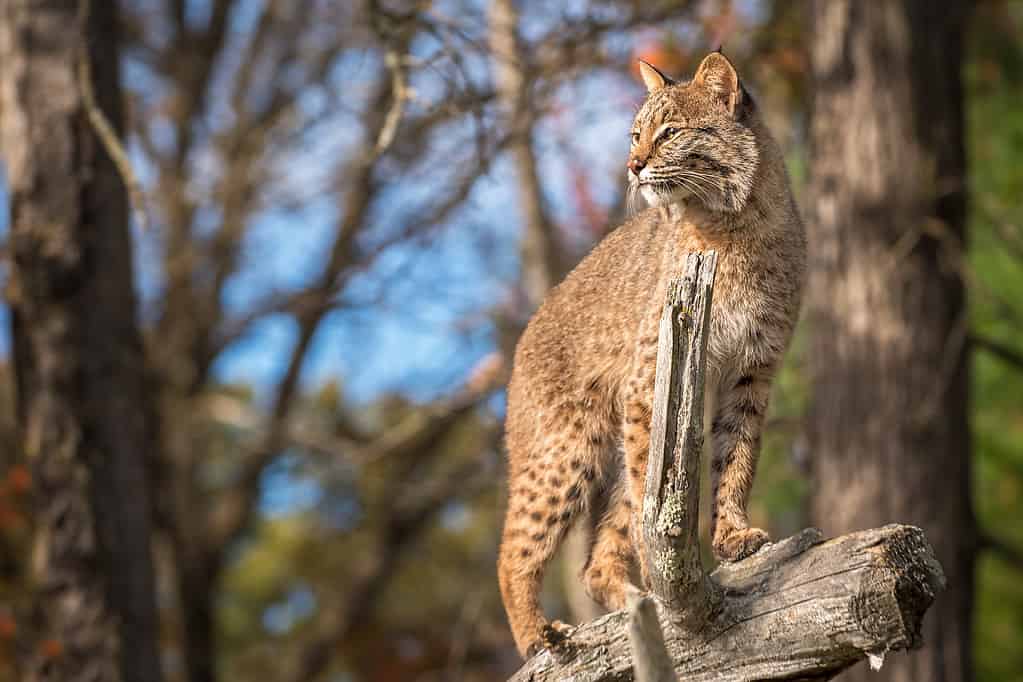
There are multiple ways that Utah state officials track the bobcat population within the region.
©Geoffrey Kuchera/Shutterstock.com
Utah does not actually publish a single statewide headcount for bobcats. However, biologists track population trends using ages from harvested animals, survival rates, additional harvest data, and pelt market conditions that influence trapping pressure.
Managers compare these indicators over multiple years rather than relying on a single metric. The statewide goal is to keep bobcat populations stable in suitable habitats while providing sustainable recreational opportunities for residents. This raises the question: Can you hunt bobcats in Utah?
Legal Status: Can You Hunt or Trap Bobcats?
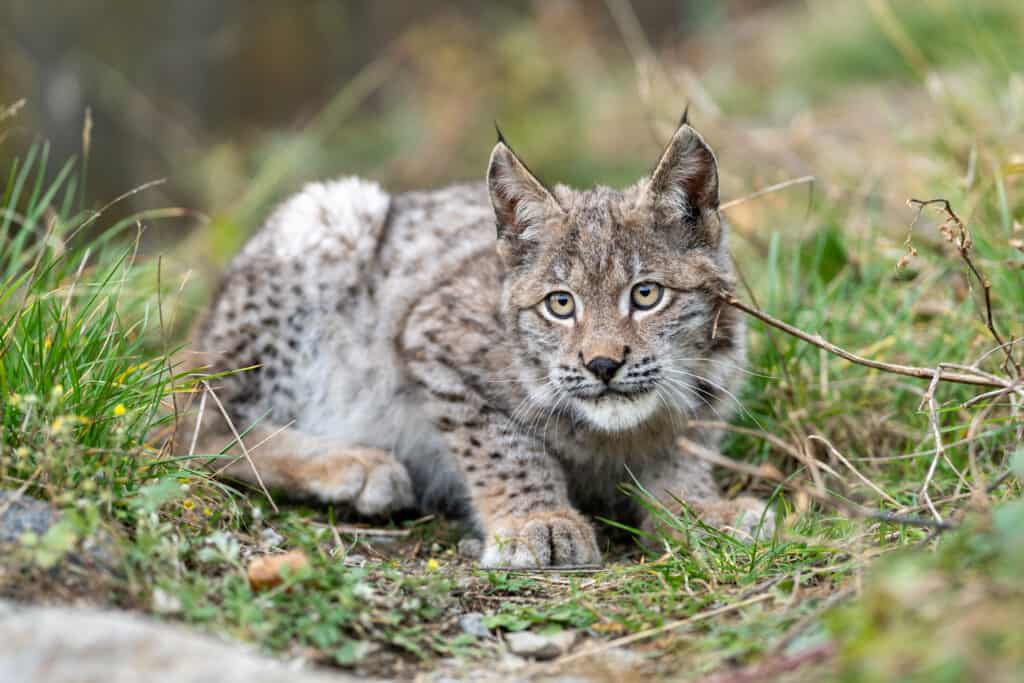
A permit is required for hunting bobcats in the state of Utah.
©Vaclav Sebek/Shutterstock.com
Bobcats are technically a protected furbearer animal in Utah, which means they may be harvested during regulated seasons, so long as you have the proper licenses and a bobcat permit. Specific season dates, permit numbers, and check-in requirements are set annually and can change from year to year, so be sure you’re keeping up to date if you’re interested in hunting bobcats. Trappers must always register their traps and follow the equipment and set rules established by the state. Always review the current Furbearer Guidebook before heading into the field, especially if this is your first time hunting.
What Bobcats Eat in Utah
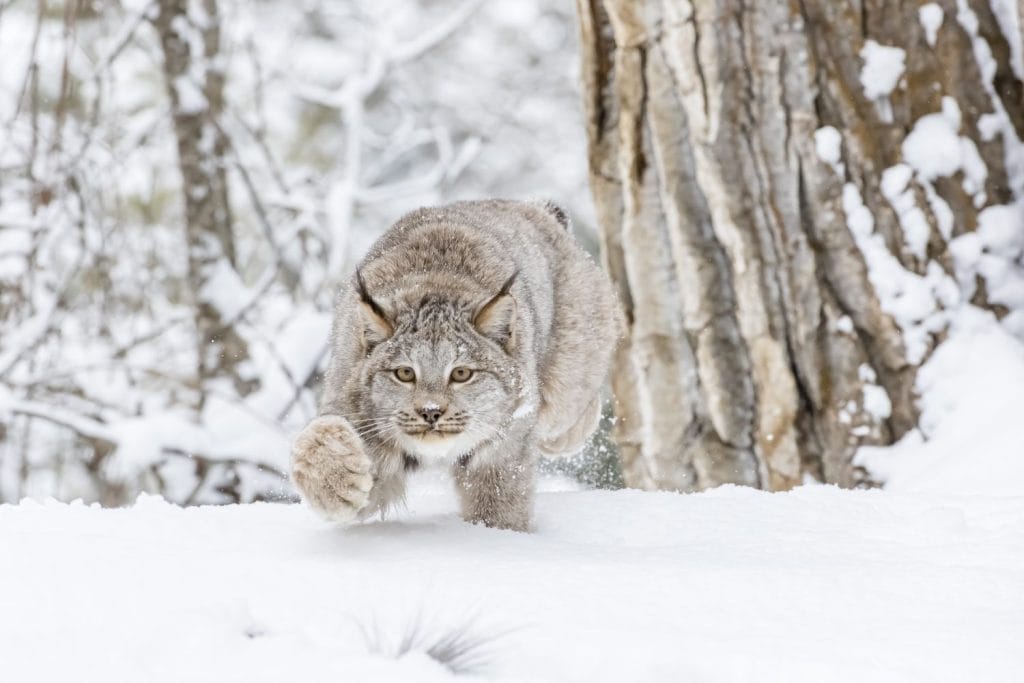
Rabbits, rodents, and birds are some of a bobcat’s ideal prey to hunt.
©Grindstone Media Group/Shutterstock.com
One of the reasons why bobcat populations are regulated is to keep other species thriving, too. Bobcats are incredible generalists when it comes to their diet, choosing whatever they can get more often than not. Rabbits are their favorite prey in most regions, with cottontails and jackrabbits being the most common.
Bobcats also eat rodents, birds, and the occasional reptile when it is available in Utah’s desert regions. They scavenge when winter storms or drought reduce their hunting success, which is why they are such adaptable, flexible hunters.
What To Do If You Meet a Bobcat
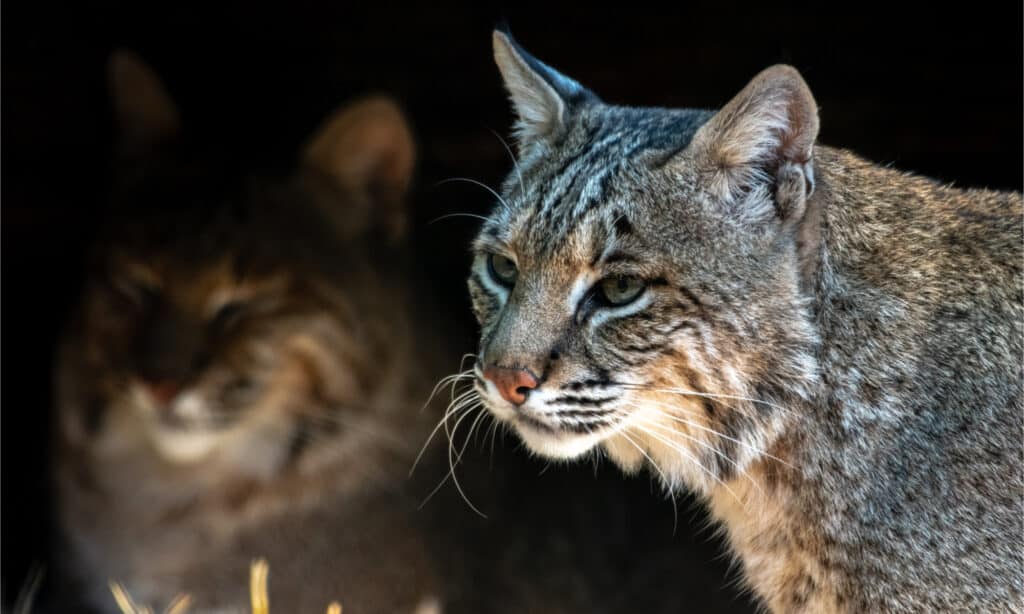
If you have a bobcat regularly visiting your property in Utah, state officials may need to be contacted.
©Karyn Honor/Shutterstock.com
Should you ever encounter a bobcat in Utah, stay calm and give the animal plenty of space. Keep your dogs leashed, pick up any small pets in the area, and never try to approach a bobcat for photos or to offer food.
If a bobcat is on your property frequently, remove any potential attractants such as unsecured poultry or open garbage. Additionally, close up den sites, which are most likely found under decks or outbuildings. If a bobcat causes damage or threatens people, pets, or livestock, report the incident to local authorities so a conservation officer can respond and find a solution.
When and Where Your Odds Improve of Seeing a Bobcat
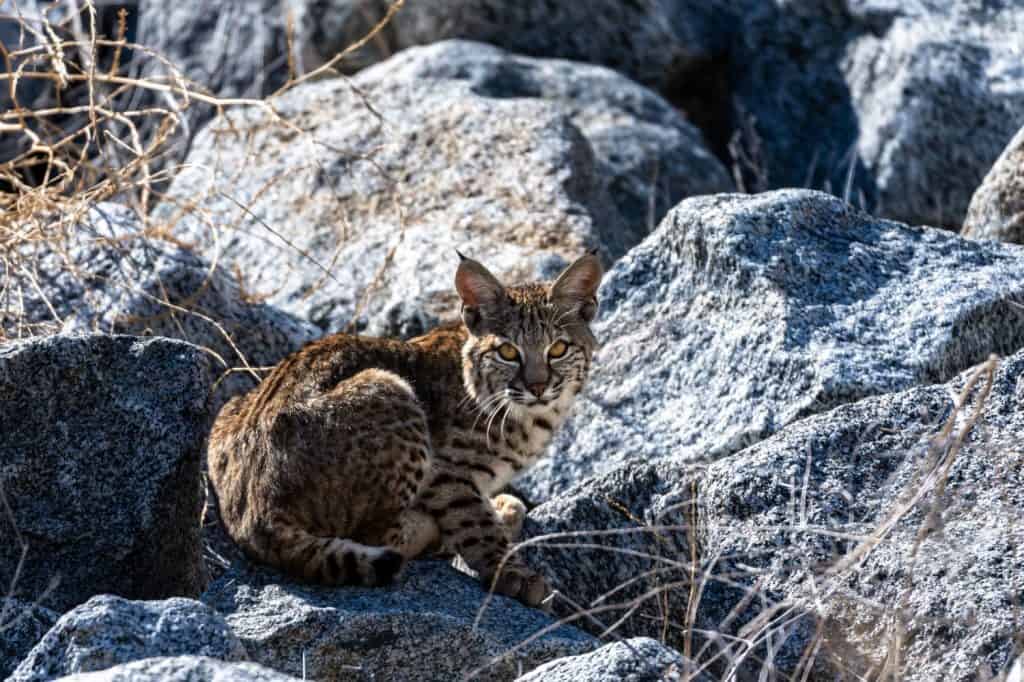
Bobcats are most often seen at dawn and dusk, when prey is most active.
©Wirestock Creators/Shutterstock.com
Your best opportunities for hunting or viewing a bobcat are during dawn and dusk, when rabbits and small mammals are most active. After light rain or fresh snow, check for bobcat tracks along your hunting routes. Non-harvest parks, refuges, and low-traffic state lands with water, cover, and prey offer the best chances for spotting a bobcat, though hunting may not be permitted in these areas.
How DWR Uses Bobcat Observations and Harvest Data
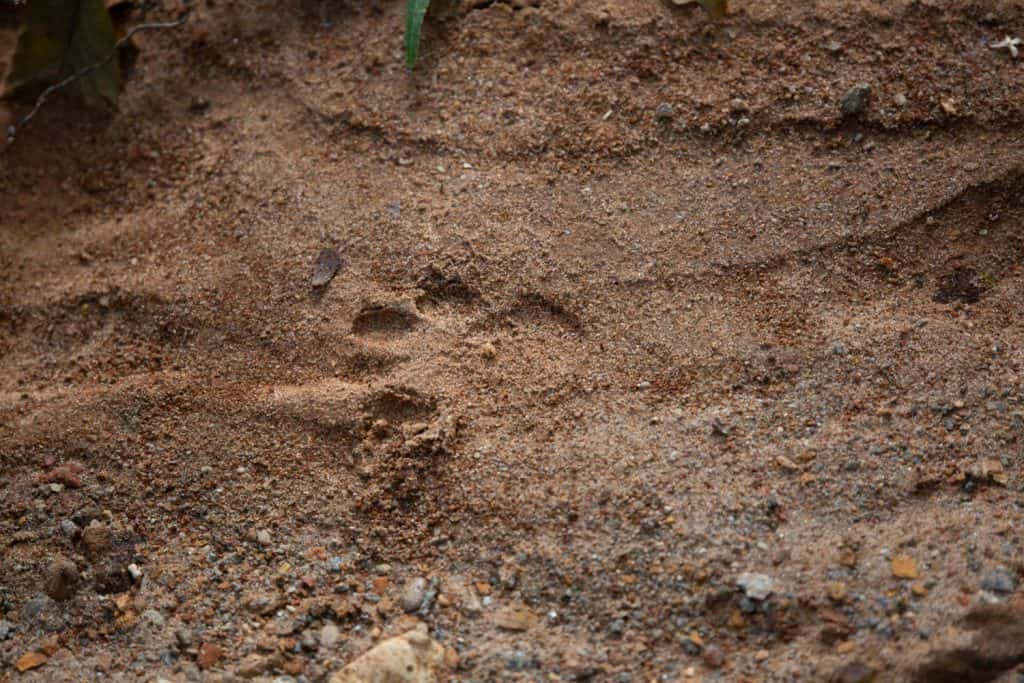
Tracking bobcats in Utah is easiest after fresh snow or rain.
©Brandy McKnight/Shutterstock.com
Every bobcat reported to state officials provides valuable information for species management, including age, sex, location, and time of harvest. Public reports of conflicts or unusual behavior help map hotspots and prioritize outreach or enforcement, depending on bobcat numbers. The outcome is a conservative, adjust-as-needed approach that aims to maintain stable bobcat populations in Utah through adaptive management
Bottom Line
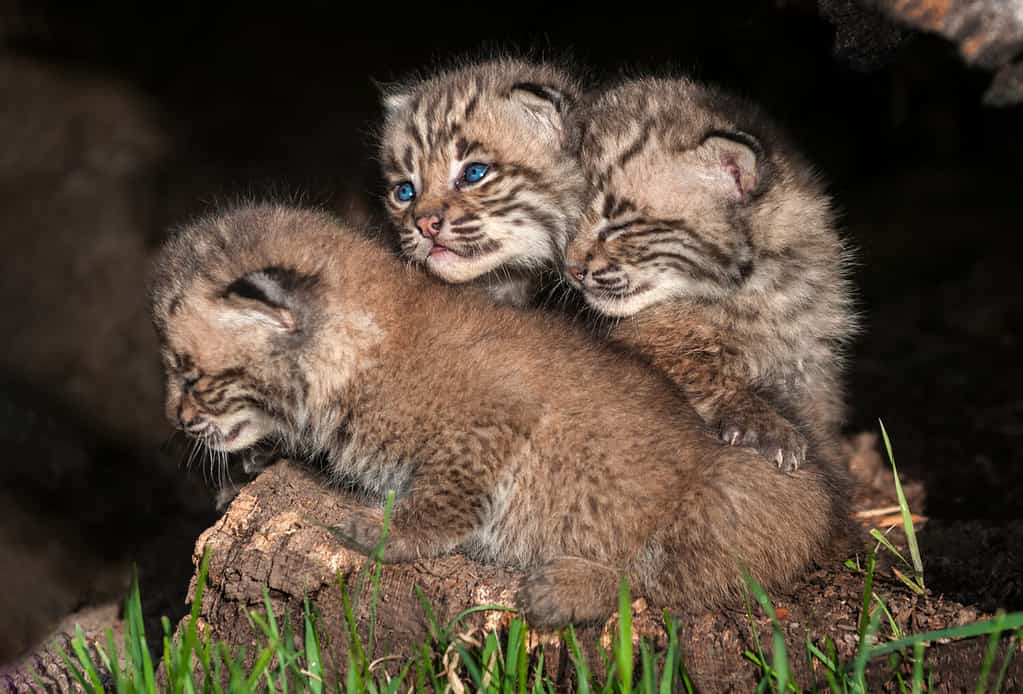
Maintain caution should you ever find yourself in bobcat country while visiting Utah.
©Holly Kuchera/Shutterstock.com
If you are in Utah, you are in bobcat country. While the state manages the species carefully and emphasizes coexistence, know that safety should be your priority. Enjoy any bobcat sightings from a distance, and always report conflicts so professionals can assist. With patient scouting and the right timing, you may just have a chance to view a bobcat in the state of Utah.