
Quick Take
- Carbon monoxide killed miners without warning, and the solution hiding in plain sight had nothing to do with chemistry or engineering. Discover the hidden danger →
- Canaries weren't chosen randomly. Something about their biology made them able to detect danger before any human could. See the biology behind it →
- The phrase 'canary in a coal mine' outlived its origin, and the reason it still resonates reveals something about how we talk about risk today. Explore the lasting idiom →
- When canaries disappeared from mines in 1986, something had to take their place. That replacement can now do things no living creature ever could. Meet the modern replacement →
Idioms help people express complex ideas in familiar ways. Yet there is one saying in this category with a significant history, though many people today may not know its origins. This is the real story behind the saying “a canary in a coal mine.”
Coal Mining in the 1800s Was Especially Dangerous
Coal mining is a profession that goes back thousands of years. Used as a fuel source, coal was important for societies across the world. However, being a coal miner was not an easy job, and those who took on the profession knew that each day entering the mine could be their last.
One major danger coal miners in the 1800s faced was the buildup of carbon monoxide. Because the gas is both colorless and odorless, coal miners would not know they were breathing toxic levels of it until symptoms appeared.
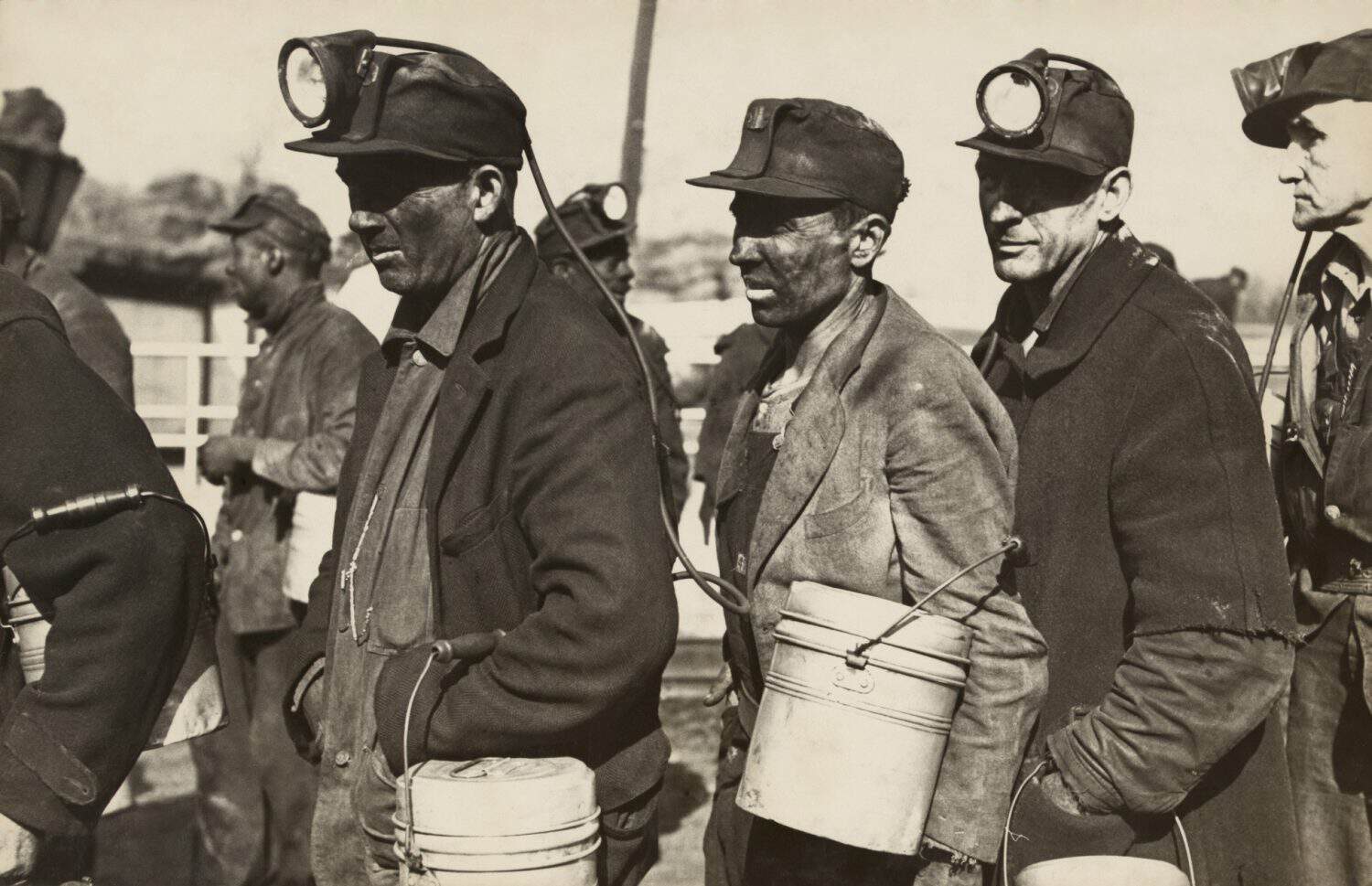
Coal mining was an even more dangerous job decades ago.
©Everett Collection/Shutterstock.com
Some of the mild to moderate symptoms miners experienced from elevated levels of carbon monoxide include:
- Headache
- Lightheadedness
- Nausea
- Vomiting
- Fatigue
- Disorientation
- Confusion
- Blurred vision
- Shortness of breath
If the levels were extremely high, miners could lose consciousness and die within minutes.
There needed to be a way to save miners from the perils of their profession by giving them a fighting chance to leave the mines before the carbon monoxide levels got too high. That chance was not discovered until the late 1800s and proved to be instrumental in saving the lives of miners.
Canaries Saved Lives in Coal Mines
To help coal miners survive their profession, a British physiologist named John Scott Haldane discovered that several animals would show sensitivity to carbon monoxide earlier than people would. However, the canary became the most popular due to its small size and portability.

Thanks to their unique respiratory system, canaries were successfully able to warn miners of carbon monoxide gas.
©Ilen Photograph/Shutterstock.com
Canaries have a unique respiratory system that allows them to absorb air both when inhaling and exhaling. This requires a good deal of oxygen to keep circulating through the canaries’ bodies. Consequently, carbon monoxide would affect canaries before miners even felt symptoms in some cases. If the birds showed signs of illness or died, miners knew they needed to evacuate the mine immediately.
The use of canaries became synonymous with coal mining, as they were employed from 1896 to 1986. Eventually, this practice was phased out, making the profession safer but leaving it without its singing sentinel.
What “a Canary in a Coal Mine” Means Today
Canaries are no longer used in coal mines today. Yet, 130 years after canaries were used in mines, the saying “canary in a coal mine” persists. Why is it still used today?

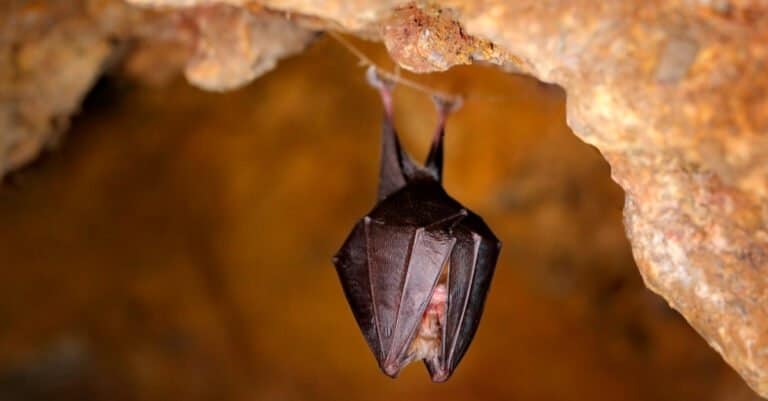
“Canary in a coal mine” is a saying meant to warn of danger.
©Mysikrysa/Shutterstock.com
The expression now describes a sign that trouble may be ahead. This no longer only applies to the mining industry. It is now used across many industries, as well as in discussions about the environment and politics.
When the saying is used, it serves as a warning to take action and change course before a negative outcome occurs.
What Is Used Today to Detect Carbon Monoxide in Mines?
Coal mining continues today. While the canaries may have disappeared from the work environment, the carbon monoxide has not. However, technology has advanced to the point that miners can still be warned to evacuate a mine without having to use live animals.
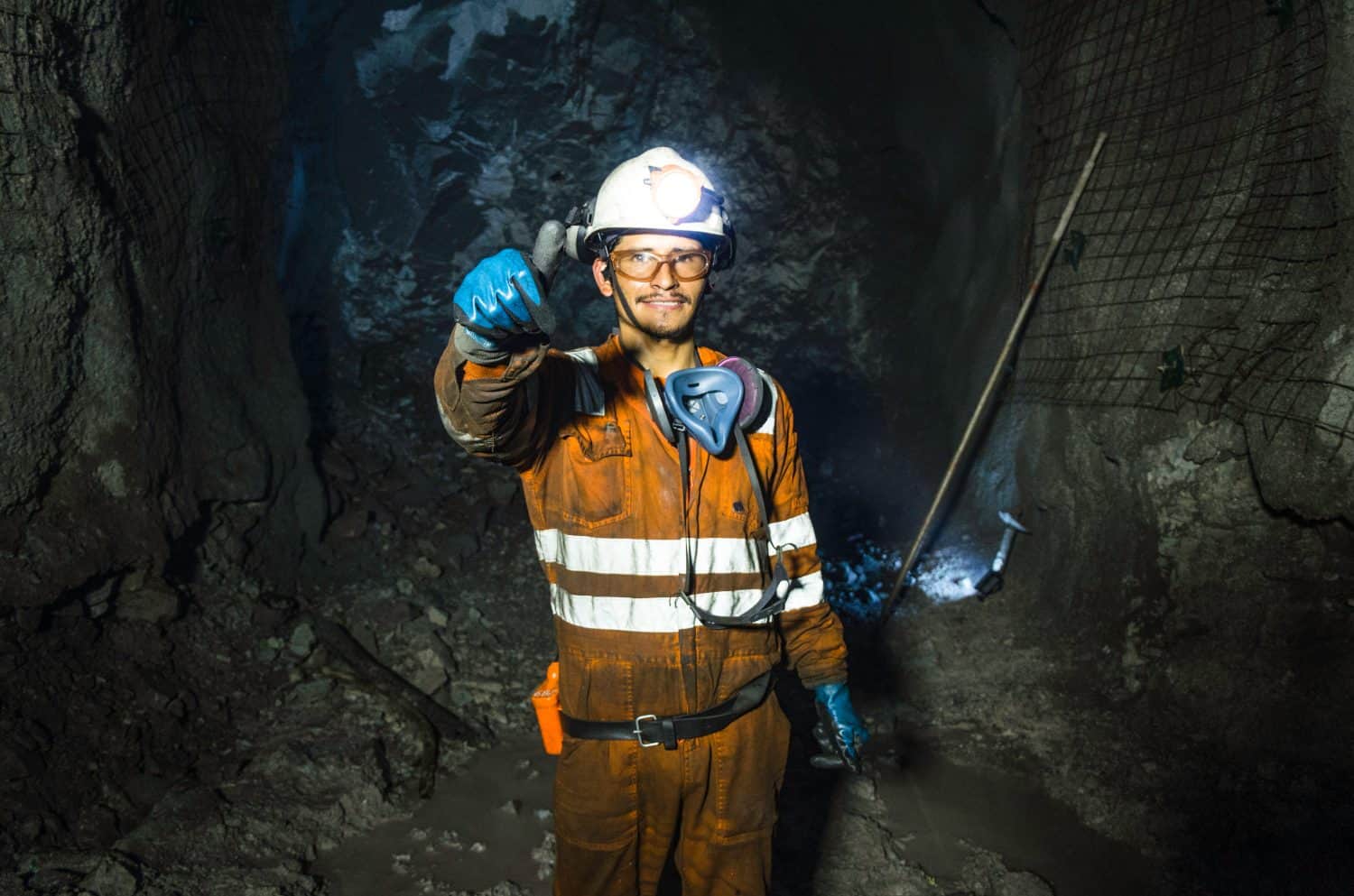
Miners today use handheld and stationary carbon monoxide detectors to remain safe in mines.
©Peruphotart/Shutterstock.com
Some of the technologies used to warn coal miners of increasing levels of carbon monoxide include:
- Handheld carbon monoxide detectors
- Stationary carbon monoxide detectors
In addition to warning miners of dangerous carbon monoxide levels, some detectors can also sound the alarm for methane and hydrogen sulfide. The detectors can even alert miners if oxygen levels are dropping.
In some instances, the carbon monoxide levels rise so quickly that there is no time for a miner to warn others before passing out. Alarms are activated when a coal miner goes unconscious to both warn others and inform where the downed miner lies.
Canaries bore a heavy burden for coal miners in the past. Thanks to technology, this is no longer necessary. Technology allows miners to monitor dangerous gases without using animals.