
Quick Take
- A digital twin is a dynamic digital model of a physical object, system, or process that is continuously updated using real-time or near-real-time data.
- NASA used mirrored systems during the Apollo missions — including Apollo 13 — to simulate spacecraft conditions on the ground, an early example of what would later evolve into digital twin technology.
- Engineers, manufacturers, and governments use digital twins to test products and run simulations to test theories.
- Digital twins are now being used to help mitigate climate change and prevent biodiversity loss.
When you hear the phrase ‘digital twin’ for the first time, your mind may race to the science fiction idea of people being cloned. With the rise of AI and the repeated promise by some in the tech sector of ‘a robot in every home,’ who could blame you?
But the digital twin concept–at least so far–is far from a science fiction nightmare. Instead, it is a novel approach to solving some of Earth’s most pressing environmental issues.
What is a Digital Twin?
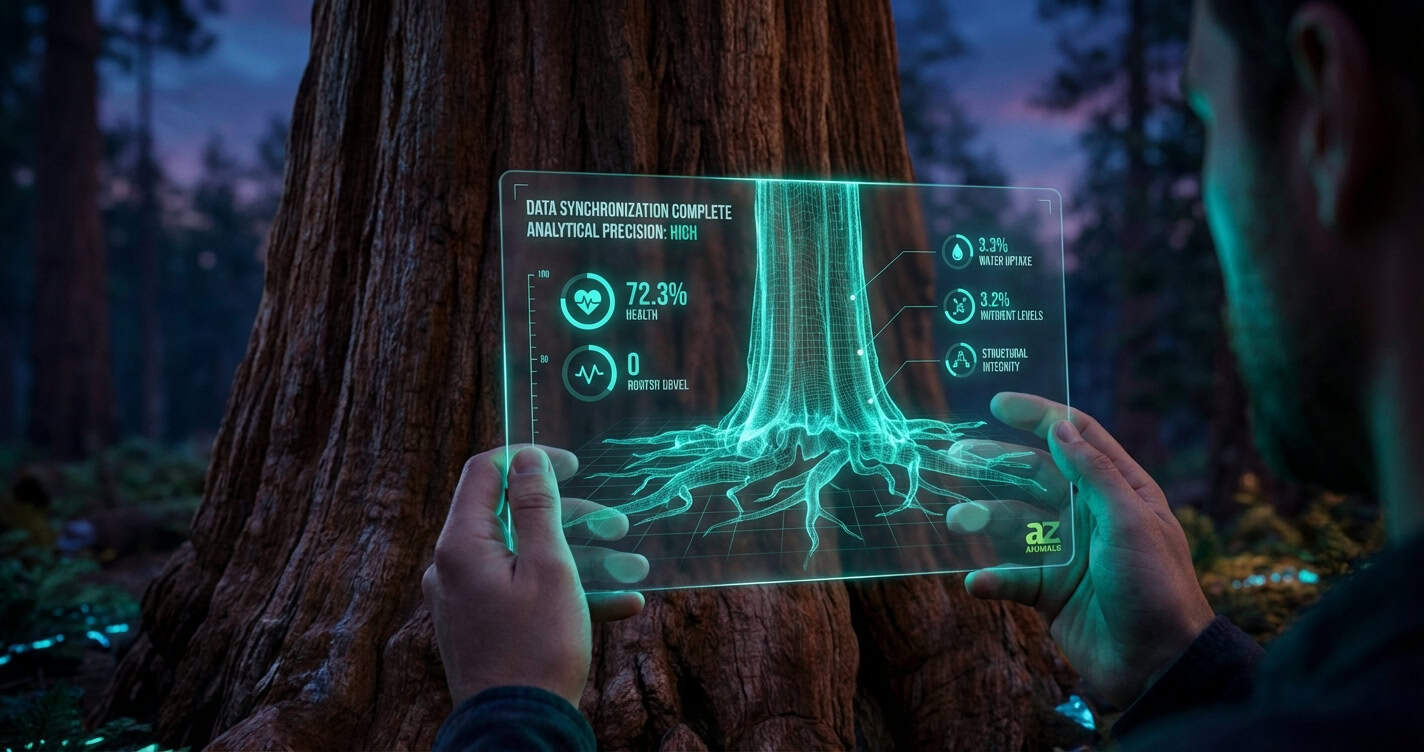
A digital twin is a virtual representation of a physical object, system, or process that mirrors its state and behavior using real-time data. This digital doppelgänger stays connected to its physical, living counterpart via sensors. Those sensors, in place on or near the physical twin, feed data to the digital twin in real time.

A digital twin is an exact replica of something else, usually used to gather data and test simulations.
©Gorodenkoff/Shutterstock.com
The data is used for analytics and to perform simulations on the digital twin without risk to the physical twin. It basically lets engineers, scientists, and researchers try out different scenarios without risk to the physical twin.
How Digital Twin Technology Can Be Used
NASA was one of the first to pioneer the digital twin concept, although the name hadn’t yet been coined. That came many years later.
During the Apollo 13 mission, Mission Control used mirrored systems on the ground to simulate and troubleshoot issues the astronauts were encountering in space.
Digital twins are regularly used to test everything from machinery and production lines to test how ‘smart cities’ can optimize functionality.
But the digital twin concept has moved beyond these standard applications. Today, digital twins are proving valuable in more expansive and natural ways.
How the Environment is Benefitting From Digital Twins
Digital twin technology has successfully moved to the realm of environmental issues.
One area where the concept has proven helpful is with renewable energy. The management and optimization of wind farms is one example. By implementing digital twin technology, producers can continuously monitor wind speeds and adjust windmill blade angles in real-time. This helps them optimize output and minimize wear-and-tear on the machinery.
Waste reduction is another. In manufacturing and supply chains, digital twins help companies track materials and optimize product lifecycles. Some studies, including research cited by McKinsey, suggest digital twin systems can reduce waste by up to 20% in certain industrial settings. This helps reduce the amount of waste going into landfills. One study by McKinsey found the waste reduction was up to 20%.
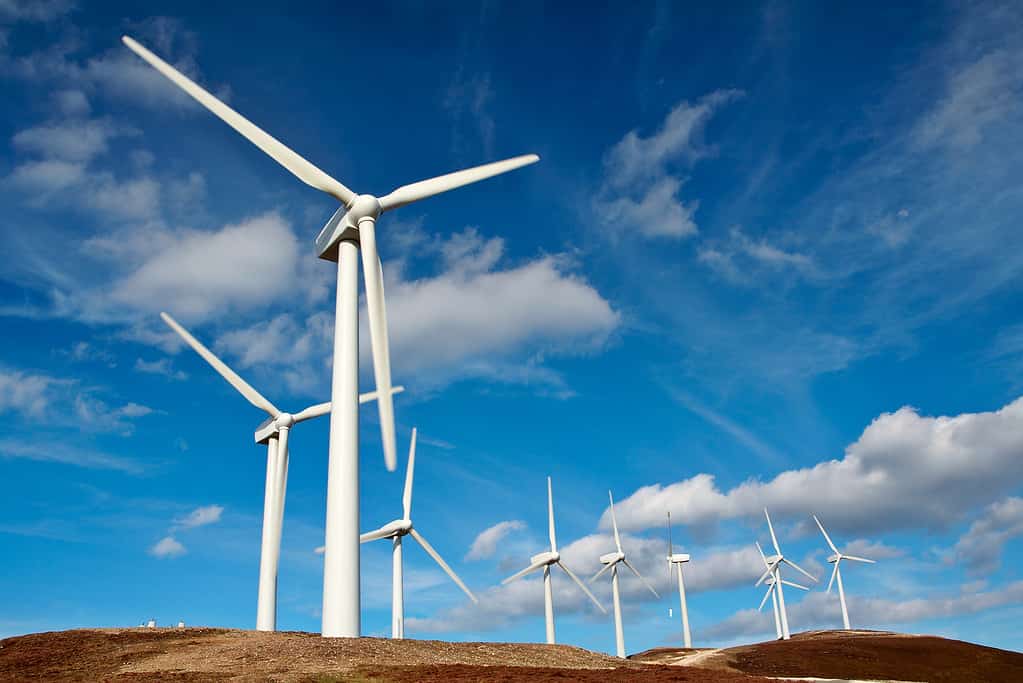
Wind turbines can be monitored and controlled using their digital twins.
©Rafa Irusta/iStock via Getty Images
Other entities, like the Natural Resources Institute Finland (LUKE), are using digital twins to help businesses stay competitive while honoring the sustainability and protection of the country’s natural resources. Their Digital Forest Carbon Twins program uses advanced forest modeling and remote sensing to create digital representations of forest landscapes that estimate biomass and carbon stocks. Using drones and satellites to capture data, they can measure biomass and carbon stocks in real-time, allowing the country to efficiently calculate and issue carbon credits to forest owners.
One of the broadest applications of digital twins to help the environment, though, is through the European Commission’s Destination Earth initiative. This project aims to create highly detailed digital models of Earth systems to simulate climate change and extreme weather scenarios. The objective is to support the EC’s Green Deal and Digital Strategy.
The digital earth model will initially focus on the impact of climate change and extreme weather events. The data will be used to develop mitigation and adaptation strategies. The EC has commissioned the European Centre for Medium-Range Weather Forecasts (ECMWF) to spearhead the effort. Working together with more than 100 other European partners, the goal is to develop two digital twins–the Climate Change Adaptation Digital Twin and the Weather-Induced Extremes Digital Twin.
Can Digital Twins Save the Biodiversity Crisis?
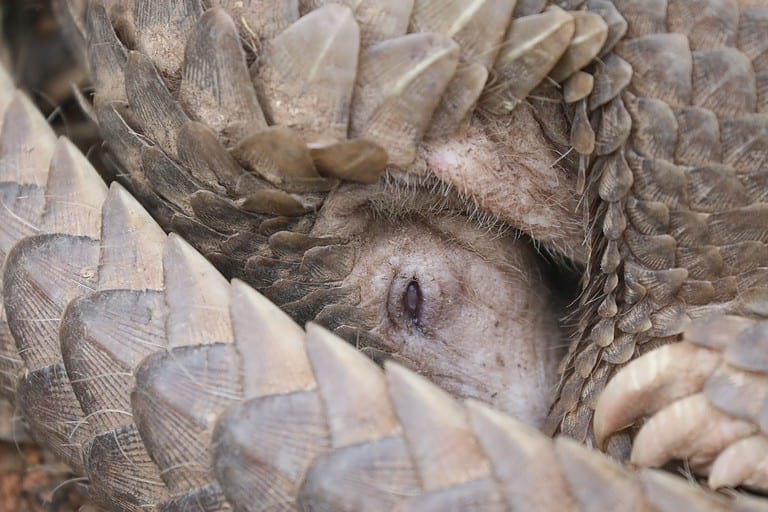
An estimated 30 percent of the Earth’s species have been lost or threatened with extinction in the past five hundred years. Experts warn that if current trends continue, a significant proportion of species could face extinction by the end of the century.
One entity that believes digital twin technology can help prevent biodiversity collapse is Digital AECOM. It is using digital twins to create virtual replicas of natural landscapes to help guide decision-making and focus on the best locations to focus habitat protection and restoration.
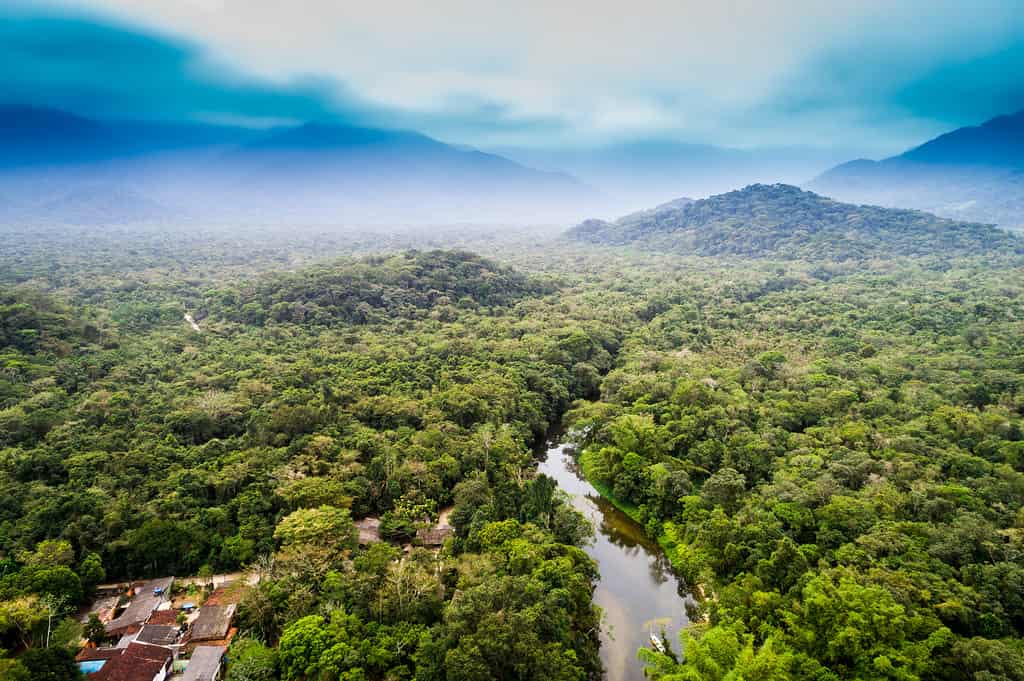
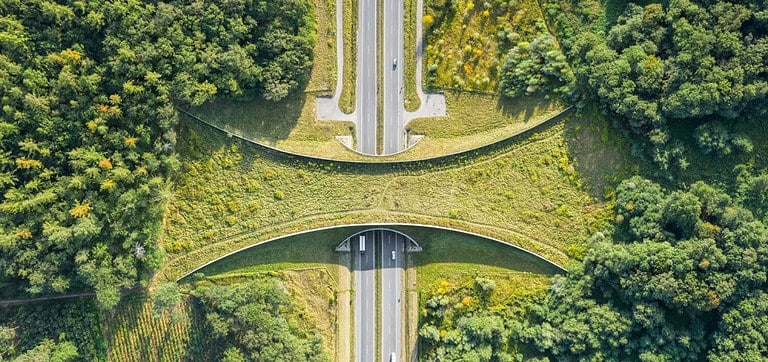
Digital twin technology can be used to make data-driven decisions on both the development and preservation of wild spaces.
©gustavofrazao/iStock / Getty Images Plus via Getty Images
Its digital twin initiative leverages the power of data collection, AI, and machine learning to speed up efforts towards nature recovery. It plans to use digital twins to run climate-risk simulations to identify how various nature-based solutions would impact the real-world. This will guide the selection of the most effective solutions.
Digital AECOM is also leveraging the digital twin technology to determine the ‘natural capital’ of an untouched landscape. This helps guide future development by avoiding the destruction of habitats that ultimately prove not to support the planned use. This results in the more efficient preservation of natural spaces.
The company also uses digital twins to monitor habitat health. It connected the Internet of Things (IoT) to nature, a relatively new concept dubbed the Internet of Nature (IoN). The IoN lets entities use biosensors to monitor everything from stormwater and air pollution to vegetation health and urban heat islands. It also allows for the simulation of future green space development.