Dogs are extraordinary protectors when it comes to detecting health emergencies in people, thanks to their astonishing sense of smell. Diabetic alert dogs are trained to recognize shifts in their owner’s blood sugar and alert them before symptoms even begin. These companions literally save lives daily, and their abilities go far beyond what most people expect.
A Keen Sense of Smell
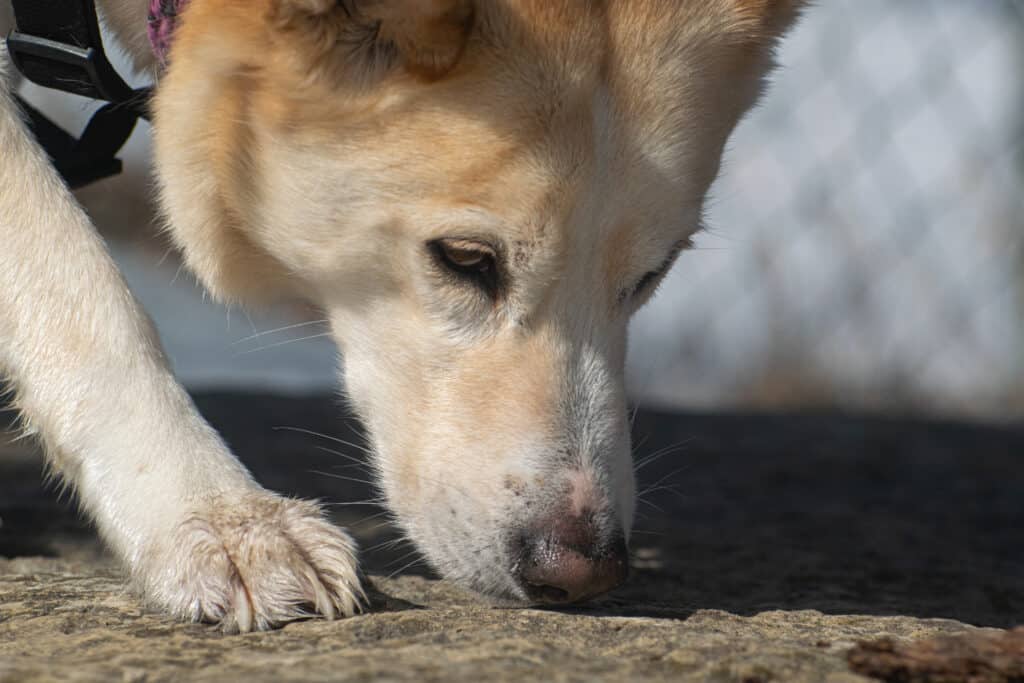
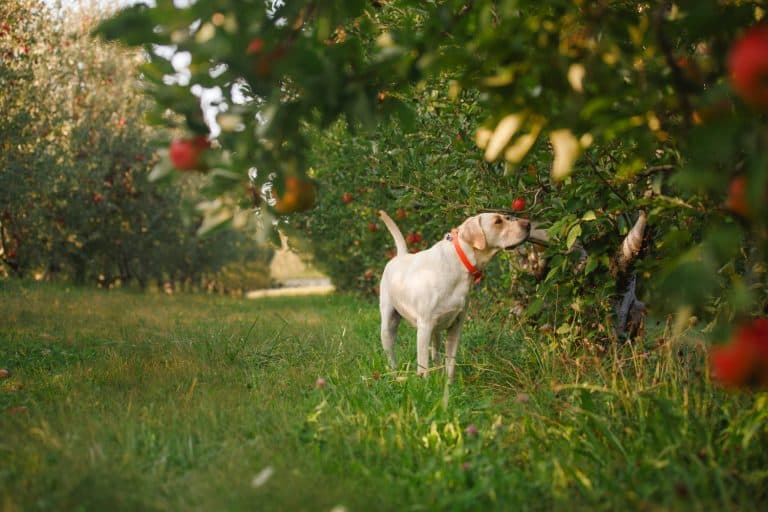
Dogs have a special organ that helps them detect even the faintest scents.
©Klod/Shutterstock.com
Dogs’ noses are built for a level of detection humans can hardly imagine. While we have about five million scent receptors, dogs have anywhere from 100 to 220 million, depending on their breed. A significant portion of their brain is devoted to analyzing scent, with the olfactory bulb and related structures being much larger than in humans.
Dogs’ incredible sense of smell explains why they are trained to detect not only diabetes but also cancers, Parkinson’s disease, migraines, seizures, malaria, and narcolepsy. Most are trained to focus on a single illness, but with careful instruction, one dog can learn to give distinct signals for multiple conditions—much like airport security dogs detect different drugs or explosives. Which leads to the hilarious thought of going to the doctor for lab work, only to discover it’s Lab work, as a cheerful yellow dog sniffs you and presses pre-recorded buttons: “diabetes: no,” “snack now!”
Why Blood Sugar Alerts Matter for People with Diabetes

Dogs are especially helpful in monitoring children’s blood sugar and getting compliance from them to take necessary action.
©Tomsickova Tatyana/Shutterstock.com
For people with diabetes, knowing when blood sugar is dropping too low or climbing too high is critical—severe episodes can lead to confusion, fainting, seizures, or hospitalization. Early warning allows quick action, such as eating a snack or taking insulin, to prevent dangerous complications. This is especially important for children, who may not always notice or take their symptoms seriously. Many families report that kids are more likely to respond when a dog alerts them compared to a parent’s reminder. The bond between child and dog turns a medical necessity into a trusted, even playful, partnership, improving safety and compliance at the same time.
How Diabetic Alert Dogs Detect Blood Sugar
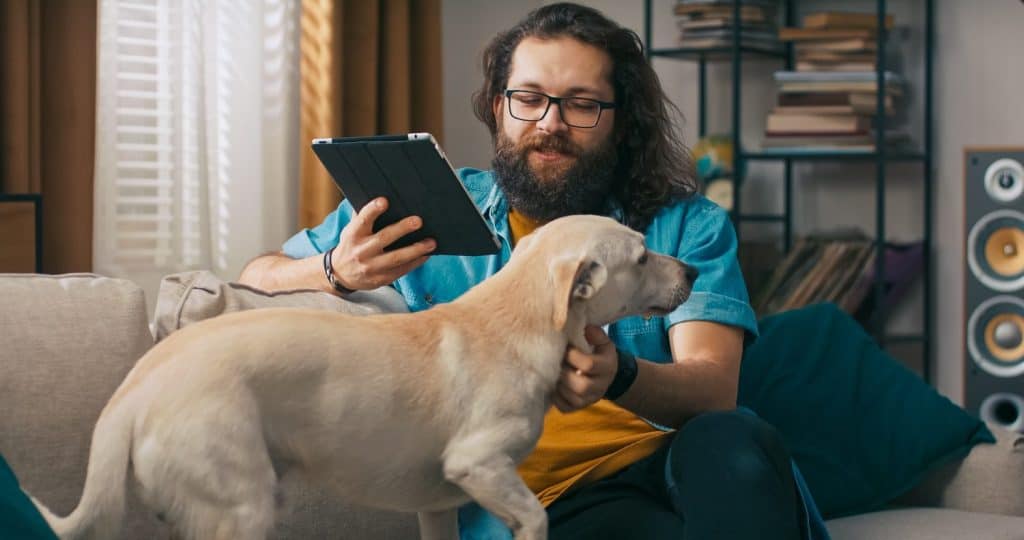
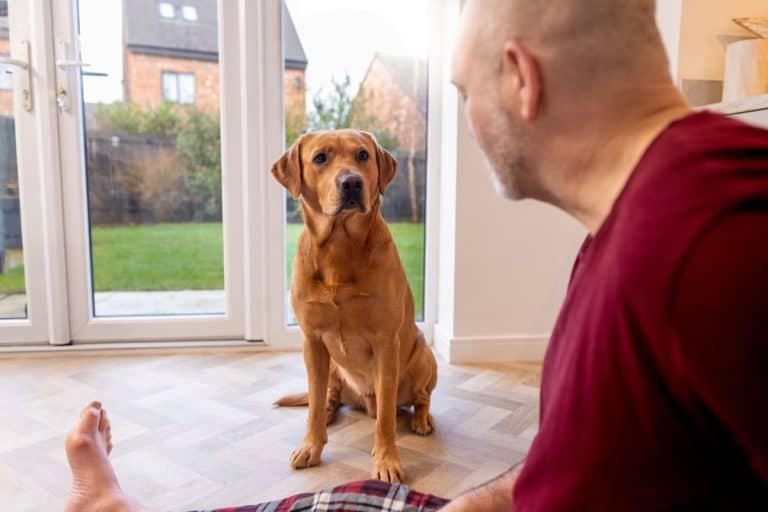
A trained dog can alert its owner when it smells a change in blood sugar levels.
©Trzykropy/Shutterstock.com
When blood sugar levels rise or fall, the body releases volatile organic compounds into breath, sweat, and saliva. One marker, isoprene, increases in breath during hypoglycemia (low blood sugar), and dogs may use this and other chemical cues to detect changes in blood sugar. Dogs learn to recognize these unique scent signatures and distinguish between high and low blood sugar shifts with remarkable accuracy. Once they notice a change, they respond with a trained alert—pawing, nudging, licking, barking, or even retrieving a glucose meter. Some alert dogs can also be taught to press a medical alert button to call for help.
How Far Away Can They Smell?

Bloodhounds are some of the best trackers in the dog world.
©msgrafixx/Shutterstock.com
Diabetic alert dogs don’t need to be close to notice changes. Their noses split each sniff into separate pathways for breathing and scent analysis, allowing them to “zoom in” on odors. By layering faint signals into a kind of scent map, they can pick up health-related changes even when their person is asleep or behind a closed door.
Research shows that dogs can track human scent up to 100 meters (328 feet) away, which is almost as long as a football field. In daily life, diabetes-alert dogs often pick up changes from across a room, yard, or another part of the house. Airflow plays a significant role, as odor molecules can drift through vents, cracks, and window seals, allowing a dog indoors to detect scents from someone who is outside.
What Dog Breeds Make the Best Diabetes Sniffers?

Standard poodles are an intelligent and trainable breed with a strong sense of smell, making them excellent diabetic alert dogs.
©Gayleen Froese/Shutterstock.com
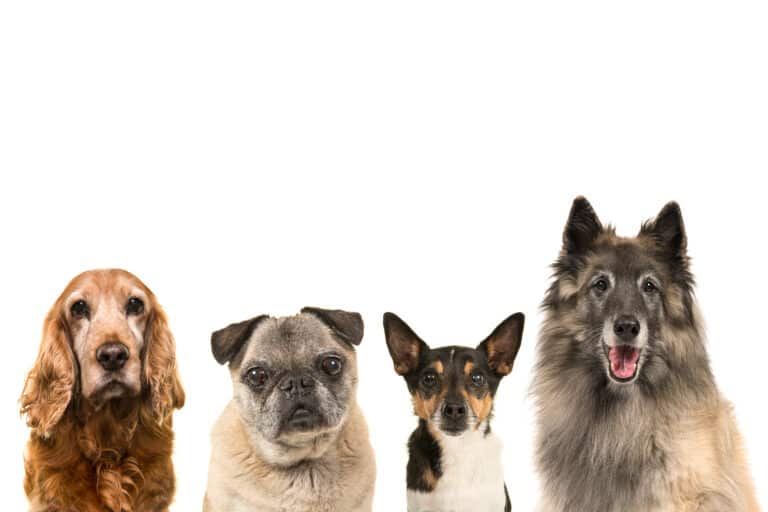
The breeds most often favored for diabetic support are ones with strong scenting ability, trainability, and steady temperaments. The top choices include:
- Labrador Retrievers – Highly trainable, people-oriented, and excellent scent detectors.
- Golden Retrievers – Gentle, intelligent, and naturally attentive to their handlers.
- Poodles (especially Standard Poodles) – Smart, hypoallergenic, and good at scent work.
- German Shepherds – Strong work ethic and loyalty, though less common than Labs/Goldens.
- Mixed breeds – Sometimes chosen if they show the right combination of intelligence, temperament, and scenting skill.
Labs and Goldens dominate because they combine a reliable nose with a calm, people-friendly personality—the perfect balance for working closely with someone who may suddenly need help.
The Training Process
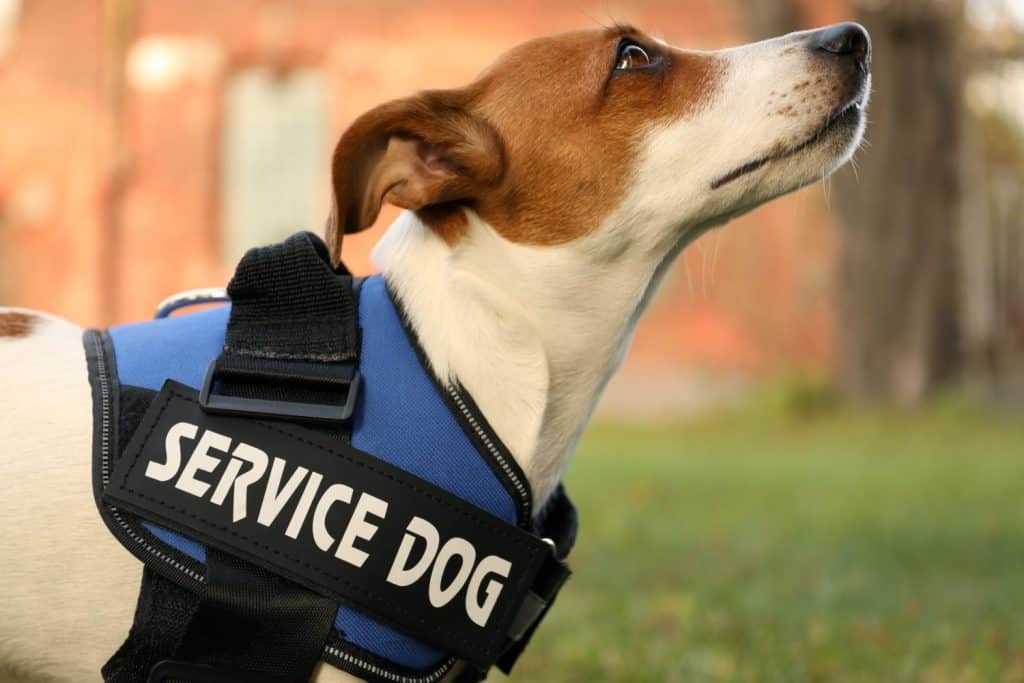
It can take up to 2 years to train diabetic alert dogs.
©New Africa/Shutterstock.com
Becoming a reliable diabetic alert dog is not an overnight achievement. Training takes patience, consistency, and positive reinforcement, usually over 18 months to two years. The process generally unfolds in stages:
- Early scent introduction: Puppies are exposed to samples of their future owner’s saliva or sweat collected during episodes of high or low blood sugar.
- Positive reinforcement: The target scent is paired with a reward—a treat, toy, or praise—so the dog learns that detecting the odor is desirable.
- Matching and alerting: Dogs are taught to perform a consistent behavior, like pawing at their owner, when they identify the target scent.
- Advanced practice: Training expands into real-life settings—public places, nighttime, or times when the owner is asleep.
- Ongoing maintenance: Even after placement, owners continue with weekly refreshers to keep their dog’s skills sharp.
Do They Alert for Other People Too?
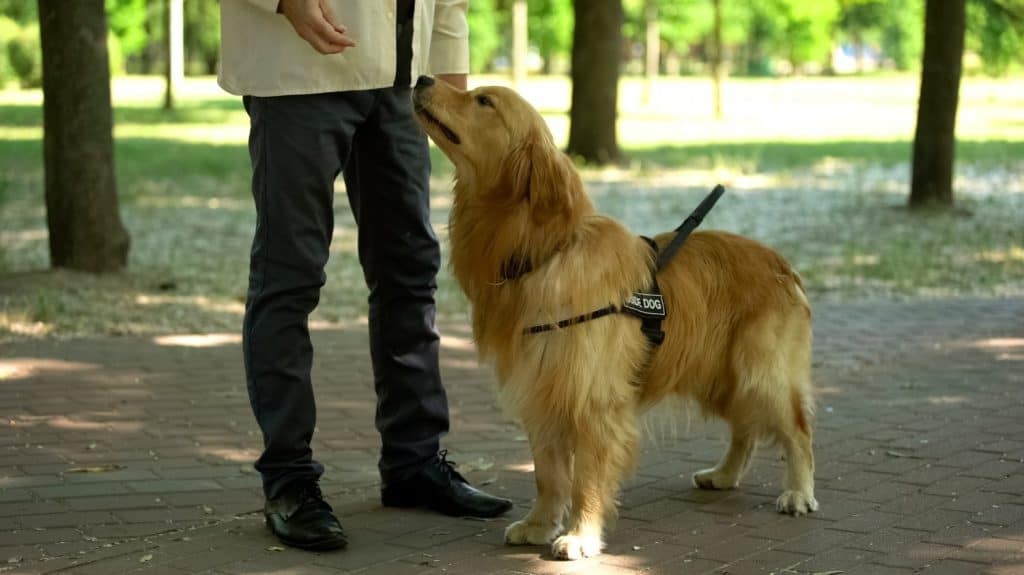
Sometimes a medical support dog will alert to the presence of disease in another person.
©Motortion Films/Shutterstock.com
Diabetic alert dogs are trained to focus on their primary handler, practicing that person’s scent until alerts become second nature. While they may occasionally react to others—family, friends, or even strangers—consistent alerts happen only for their trained partner, since that’s what gets rewarded. In short, they’re specialists for “their person,” but their noses don’t ignore others entirely.
How Do People Get These Dogs?

Acquiring a fully-trained diabetic alert dog can take a long time and cost a lot of money.
©Pixel-Shot/Shutterstock.com
Families usually go through nonprofits or specialized programs that breed and train diabetic alert dogs, a process involving applications, interviews, and long waits—often 18 months to three years, with priority for children or urgent cases. Adults can qualify but may wait longer. Because of the time and expertise involved in training them, these dogs can cost anywhere from $15,000–$50,000. Insurance rarely covers them, so families often turn to grants or fundraising. Despite the expense and wait, for many people, the safety and independence they provide make the investment worthwhile.
Can You Train Your Own Dog?
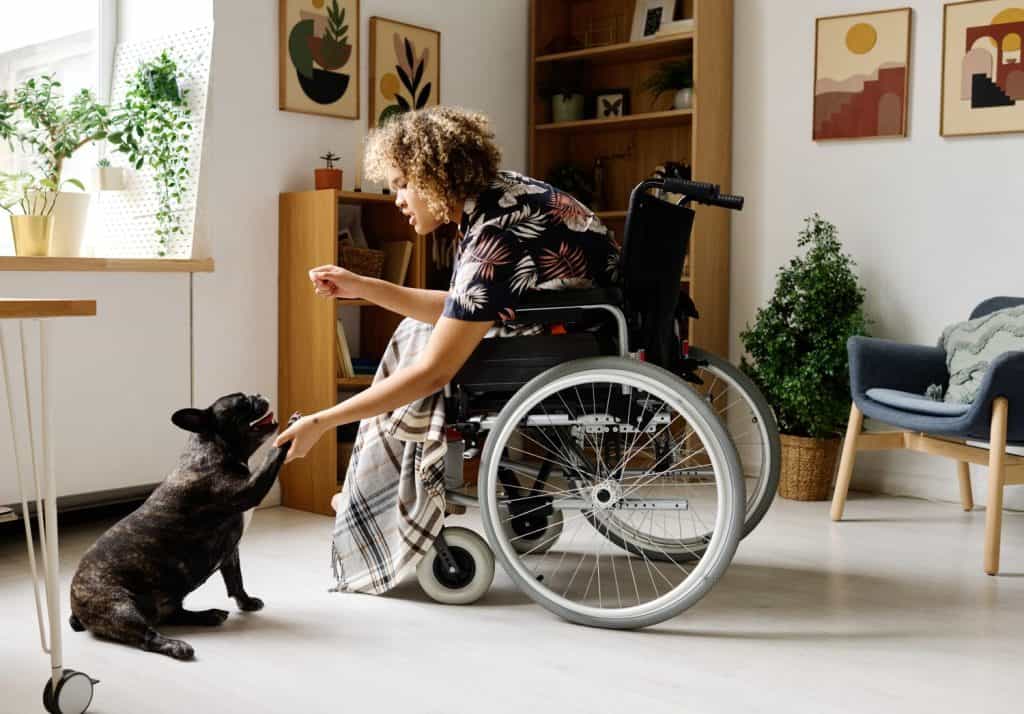
It’s possible to train your own dog for medical support, but for complex tasks like identifying blood sugar changes, professional training is necessary.
©AnnaStills/Shutterstock.com
While professional training is the gold standard, some people do work with trainers to teach their own dogs basic medical support tasks. For example, a pet might be trained to wake its owner at night, fetch a phone, or respond to an alarm. Teaching scent detection for diabetes, however, is highly complex and rarely successful without expert guidance. Owners interested in this path usually begin by enrolling in structured programs, rather than attempting to train their dog entirely on their own.
Health Benefits of Owning a Dog
With or without diabetes, dog owners can enjoy well-documented health benefits that go beyond companionship. Daily walks encourage regular exercise, which supports heart health, weight control, and lower blood pressure. Interacting with dogs also triggers the release of oxytocin, serotonin, and dopamine—hormones linked with bonding, relaxation, and happiness. These calming effects lower stress hormones like cortisol, easing tension and improving emotional balance. Studies have shown that dog owners often enjoy reduced loneliness, stronger immune function, and even faster recovery from illness. Combined with their remarkable scent-detection system, these animals provide safety, independence, and peace of mind to people who need it most. They remind us that sometimes the best technology comes on four legs, wagging its tail, and eager to help.