
Quick Take
- Global conservation success now requires tracking 126 bird species currently classified as lost to science.
- Facing 10 times more extreme heat days has created a critical survival barrier for tropical species.
- Counterintuitively, tropical birds are the most vulnerable to extinction despite their naturally warm habitats.
- Identifying long-term ecosystem trends was necessary to trigger effective global conservation intervention.
Birds are a barometer of the health of water sources, habitats, and air quality. A notable example is the use of canaries in coal mines during the 20th century to detect unsafe carbon monoxide levels for miners. In more recent decades, bird population trends have revealed the health of Earth’s ecosystems before people were even aware that anything was amiss. This has led to the development of an entire field of science, known as bird population dynamics, which tracks bird population trends to reveal the health of Earth’s ecosystems.

How Birds Are Barometers of Ecosystem Change
Birds play an integral role in the ecosystems they live in. Not only do they help keep insect populations in check, but they are also key players in pollination and seed distribution. While not all bird species are keystone species in their habitats, many are. This means that if they were to disappear, the ecosystem would become unbalanced and would eventually collapse, showing just how necessary birds are for the healthy functioning of local and global environments.
In addition to playing these critical roles in an ecosystem, birds are also barometers of the health of the habitats they live in. No other animals have proven to be as sensitive to changes in climate, pollutants, or other environmental factors. This is why birds are so closely studied and monitored, allowing researchers to receive real-time data regarding regional and global health.
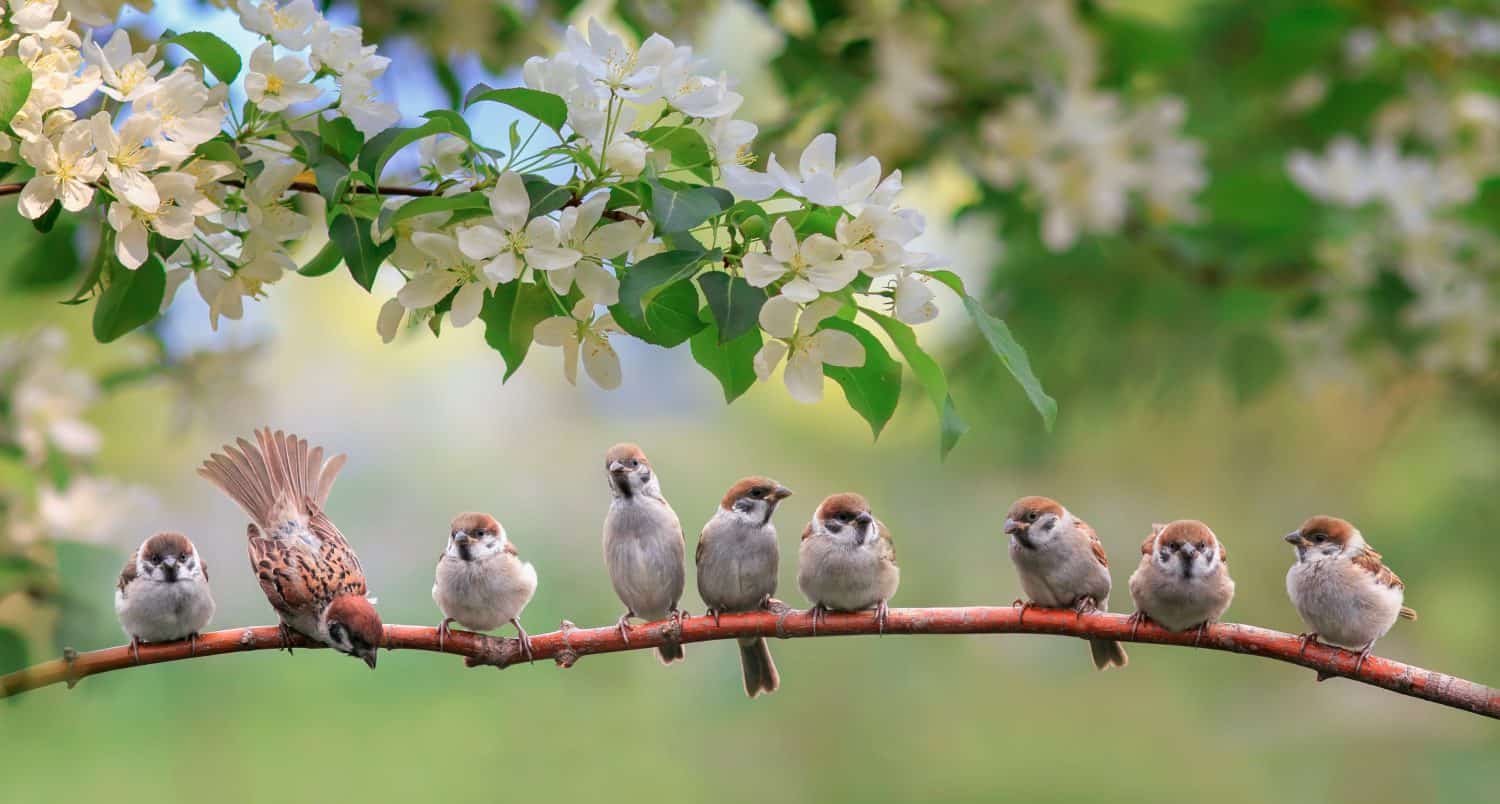
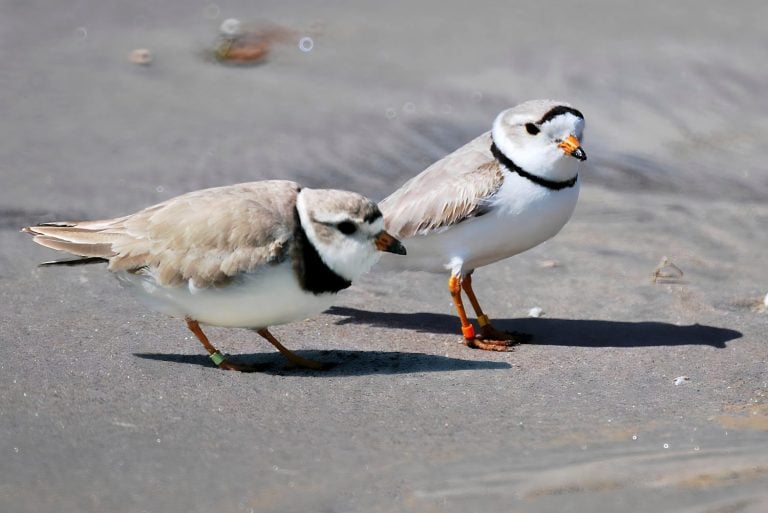
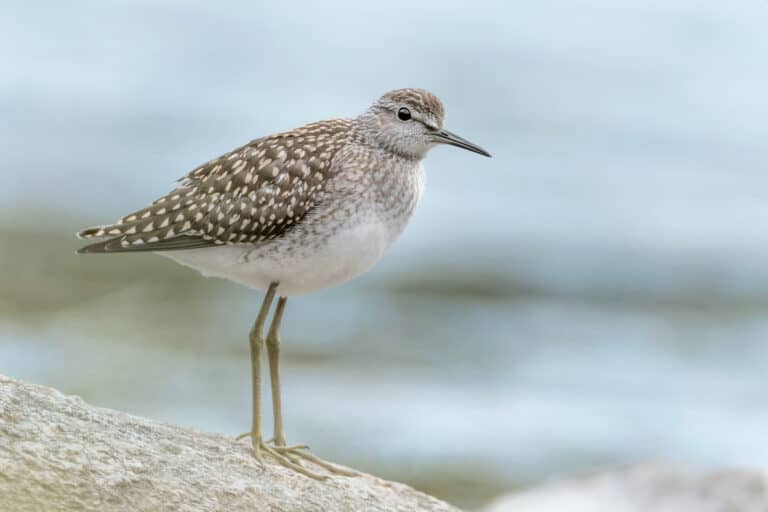
When bird health takes a turn, it is an indicator that something is amiss within the ecosystem.
©Bachkova Natalia/Shutterstock.com
Birds are often the first to signal that something is amiss in an ecosystem. Some of the ways they indicate the health (or lack of it) of an ecosystem include:
- Quality of the habitat
- Indicator pollutants are in the environment, be it in the air, land, or water
- An abundance of particular bird species in an ecosystem indicates rich biodiversity
- Deaths of bird species point to disease outbreaks
Overall, it is relatively simple to determine if an ecosystem is thriving. If there is not only a significant but also a diverse bird population, the ecosystem is considered to be in good shape. When fewer birds are observed, it often signals underlying problems in the habitat. Therefore, examining long-term trends in ecosystem health is essential for making effective conservation efforts that keep both birds and the planet healthy.
How Do Scientists Study Bird Trends to Determine the Health of Ecosystems?
To determine how ecosystem health is faring, scientists study birds using a variety of methods. Each method is effective individually, but together they provide a comprehensive picture of global bird populations and, by extension, the planet’s health.
The most effective methods for studying birds include:
- Monitoring nests – Scientists keep count of eggs, how many hatched, and how many fledglings survived, which is correlated with bird reproductive health.
- Christmas Bird Count (CBC) – Given its name because monitoring occurs during the winter, bird watchers in particular regions can provide scientists with real-time data on how many birds have returned to winter.
- Monitoring migration – Scientists can monitor the success of bird migration using GPS technology, banding, and radar. The more birds that complete their journey and rest in known areas, the healthier the population is. Conversely, when fewer birds reach their destination, it indicates potential problems.
- Breeding Bird Survey (BBS) – Volunteers in different regions of the world will count the number and distribution of bird species during mating season. Fewer birds indicate a smaller overall population.
Monitoring and/or counting birds worldwide provides a good indicator of the health of the planet. When numbers are higher than the previous season, it suggests that ecosystems are, at a minimum, stable. Unfortunately, the opposite is true when fewer birds are observed, fewer eggs are laid, and fewer baby birds make it to become fledglings. This all highlights how much more sensitive birds are to ecosystem changes than other animals, making it imperative to continue studying their patterns and looking for warning signs.
Birds Are More Sensitive to Habitat Change Than Other Animals
Birds are the most sensitive animals to habitat and ecosystem change. This is because bird populations need consistency to survive. Migratory birds follow established routes that are essential to their survival. Mating occurs at the same time each year. Weather patterns signal to birds when to move to particular feeding grounds. When this consistency is disrupted, bird populations begin to falter, demonstrating how greatly they are affected by change.
In recent years, bird populations have been most affected by climate change, leading to reduced biodiversity in habitats. This is because, as cooler temperatures arrive later, migration patterns are delayed. The longer birds wait, the less food is available along their journey, causing many to perish.
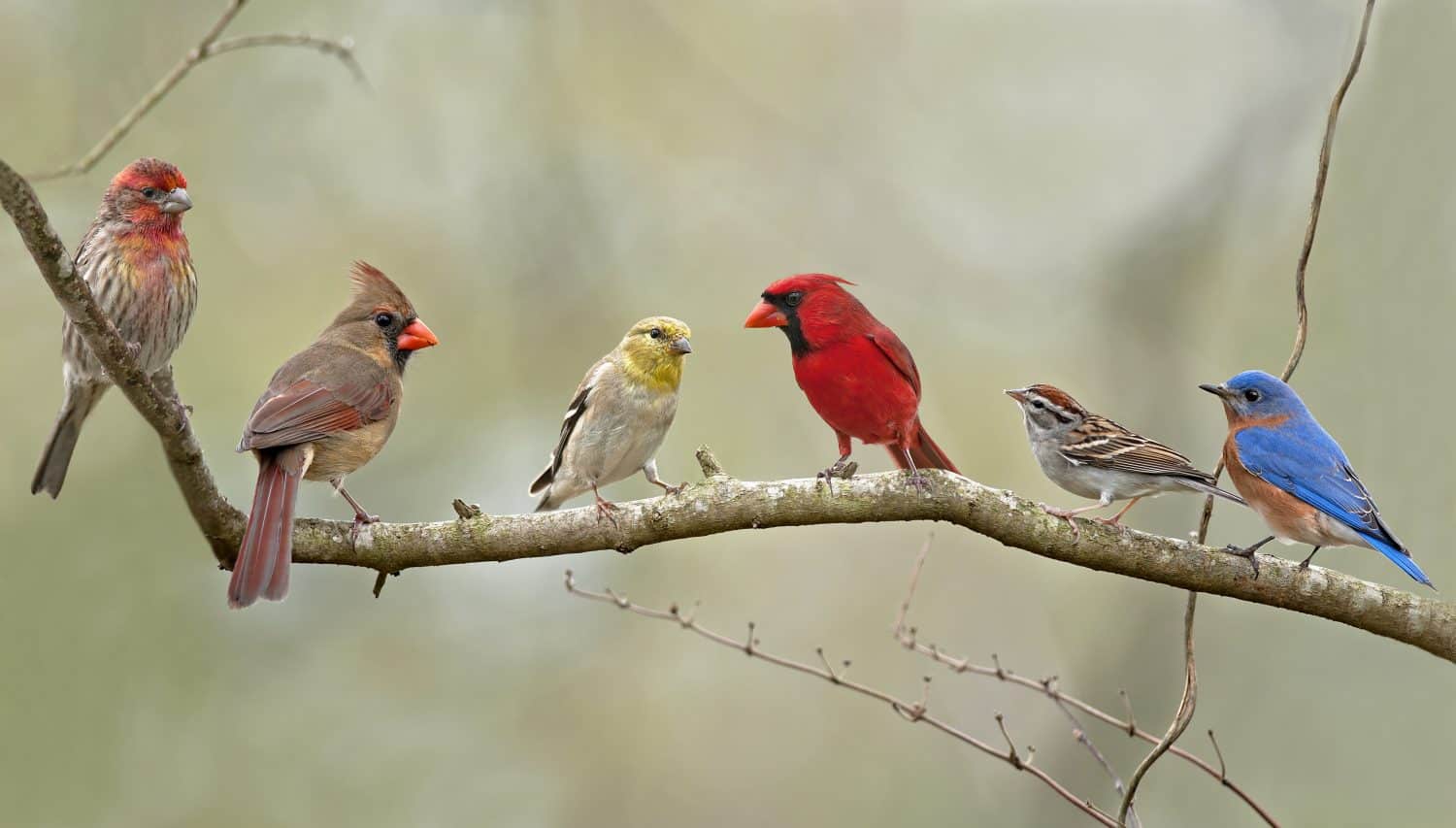
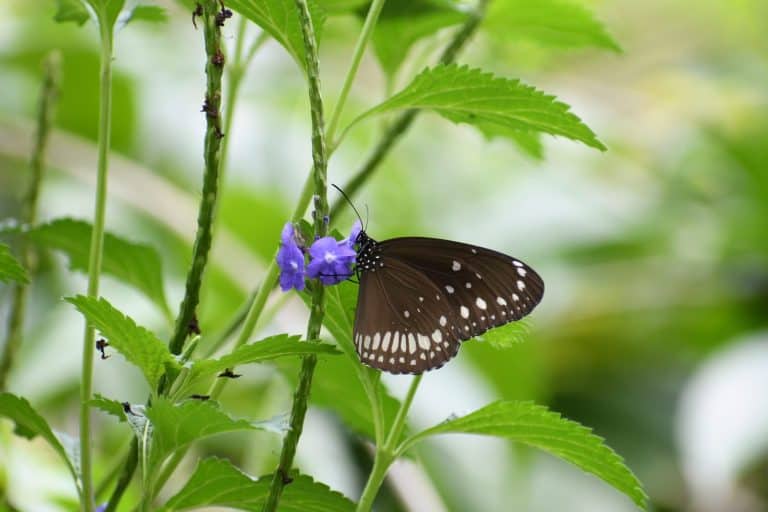
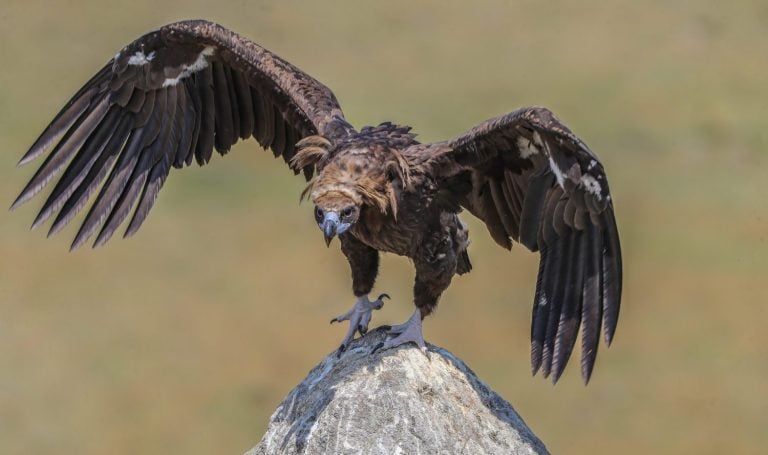
When there is bird biodiversity, the ecosystem is healthy and thriving.
©Bonnie Taylor Barry/Shutterstock.com
Additionally, birds that reach their migration destinations may find fewer potential mates, further reducing population numbers. As temperatures soar, birds struggle to survive because warmer weather can lead to habitat loss and food shortages. Birds may relocate to unfamiliar habitats in search of food, water, and shelter. Birds are sensitive to more than just climate change. This is why paying close attention to bird behavior is key when determining the health of an ecosystem.
What Are Birds Sensitive To?
Birds are very sensitive to changes in the ecosystems they inhabit. This is why they are considered the barometers of the planet’s health. But what exactly are they sensitive to? Even slight changes in an ecosystem can have devastating effects on bird populations. Some of the changes in conditions birds are sensitive to include:
- Pollutants and toxins
- Plastic debris is being consumed, and drinking-water plastic has leached into.
- Pesticides, either being directly or indirectly consumed, can lead to death.
- Heavy metals like lead leach into water sources.
- Coming into contact with oil spills can immediately kill birds or cover them with oil, leading to a massive decrease in temperature and/or death.
- Loss of habitat
- Loss of wetlands decreases the number of habitats available to feed and breed.
- Deforestation displaces birds, leading them to move to areas where they have to compete for resources or die.
- Fragmenting habitats leads to less genetic diversity and less healthy birds.
- Noise and light pollution
- Noise pollution makes it difficult for birds to communicate with one another, decreasing the chances of mating, warning of danger, and defending themselves.
- Light pollution is directly responsible for the decreased success in migration due to disorientation.
- Diseases
- West Nile Virus
- Avian Flu
- Parasitic infections
- Lyme Disease
- Climate change – Extreme weather events, rising oceans, too much or not enough rain, and odd timing of flowers blooming and insects hatching are all things birds are sensitive to that decrease their populations.
Given the many factors birds are sensitive to, their declining populations must be taken seriously, as they are a direct indicator of the planet’s health.
Bird Population Declines and the Health of the Planet
As bird populations continue to decline worldwide, it is clear that the planet’s health is deteriorating. Due to climate change and habitat degradation, multiple bird species are going extinct. This decline will continue unless global action is taken to reduce rising temperatures, protect wild habitats, and prevent the displacement of animals from their native regions.
In 2024, 126 bird species were classified as ‘lost to science’ after not being seen for over a decade, though only a few were officially declared extinct. Several others were added to the ‘lost’ list in 2025. This trend is likely to continue as the planet nears its critical climate thresholds. If these thresholds are exceeded—specifically a 2.7 °F (1.5 °C) temperature increase—the planet may no longer support life as it once did.
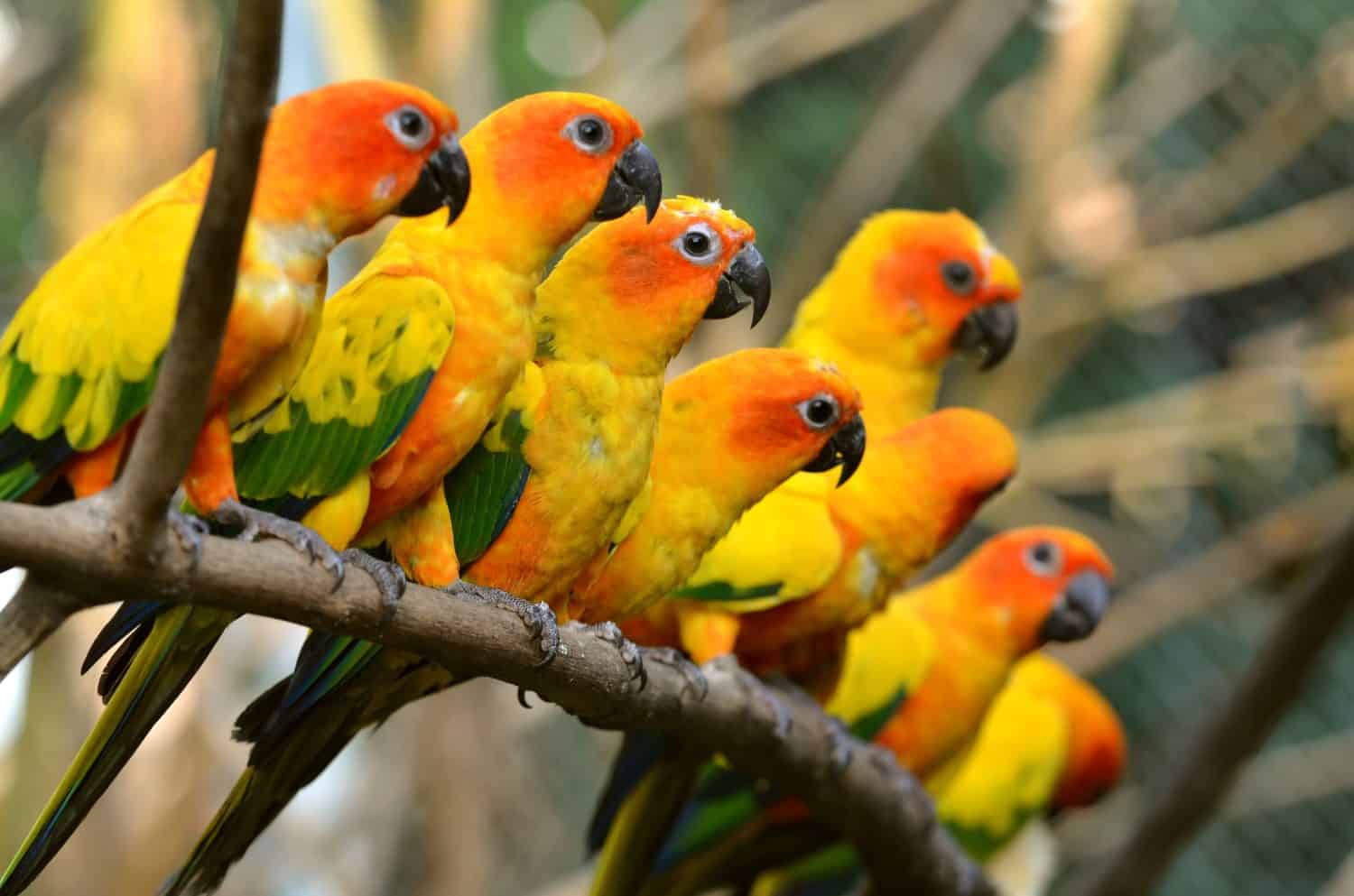
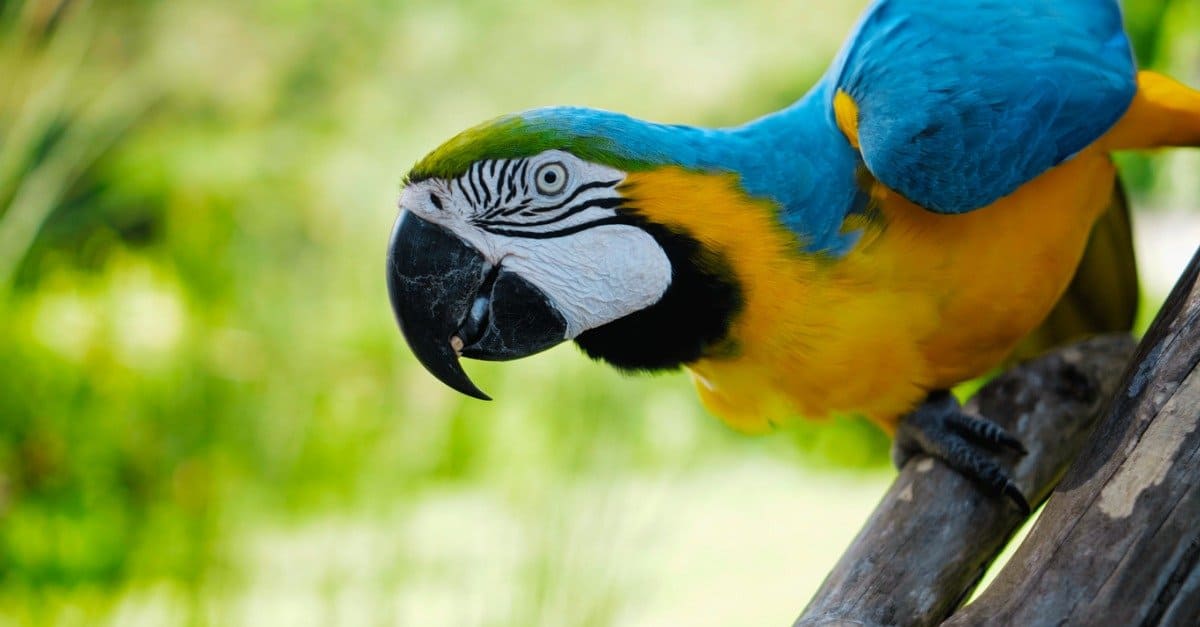
Birds living in the tropics are facing extinction at higher rates than other bird species due to rising global temperatures.
©Anan Kaewkhammul/Shutterstock.com
Currently, the region of the planet most affected, based on the declining bird populations, is the tropics. Bird populations in these areas are already near their thermal limits. As temperatures rise, birds struggle to regulate their body heat, putting them at risk of hyperthermia and, in many cases, death.
An August 2025 study published in Nature Ecology & Evolution found that birds living in the tropics are facing 10 times as many extreme heat days as they did 60 years ago. This rise in temperature has caused the extinction of multiple bird species, reducing biodiversity and severely damaging previously healthy ecosystems.
Without intervention, this trend will begin to affect other regions of the world as temperatures rise. Declining bird populations demonstrate beyond a shadow of a doubt that the planet and its ecosystems are in crisis. Immediate action is necessary, as waiting until the planet reaches its threshold may make recovery impossible.