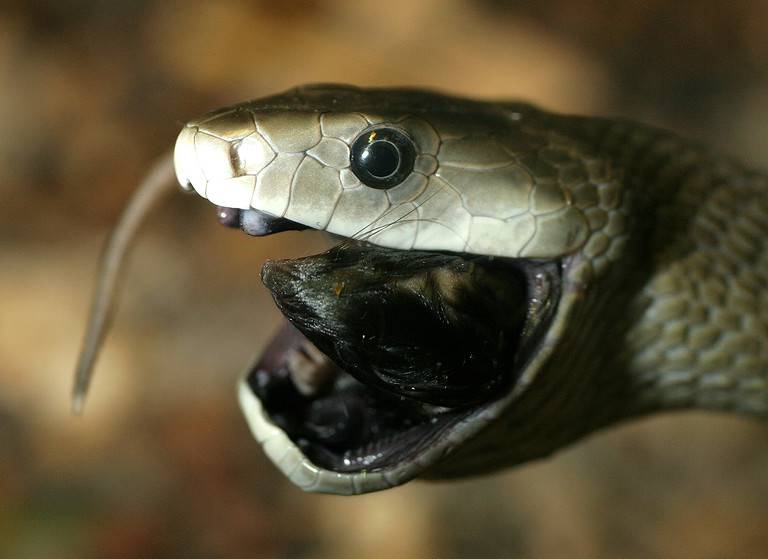

Snake envenomation statistics vary from region to region worldwide. In countries with limited or no access to antivenom, the risk of death from a venomous bite is significantly higher. Even in countries like the U.S., which have multiple antivenom banks available, a bite can have long-lasting effects even after it has been treated. Due to this inconsistency, many people attempt to treat bites on their own, often relying on outdated remedies. This leads to additional problems, often based on outdated myths and misconceptions. If you thought sucking the venom from a bite was a cure, think again. Here’s what else you should know about outdated remedies and how they can actually exacerbate the situation.
The Problem With Outdated Snake Bite Remedies
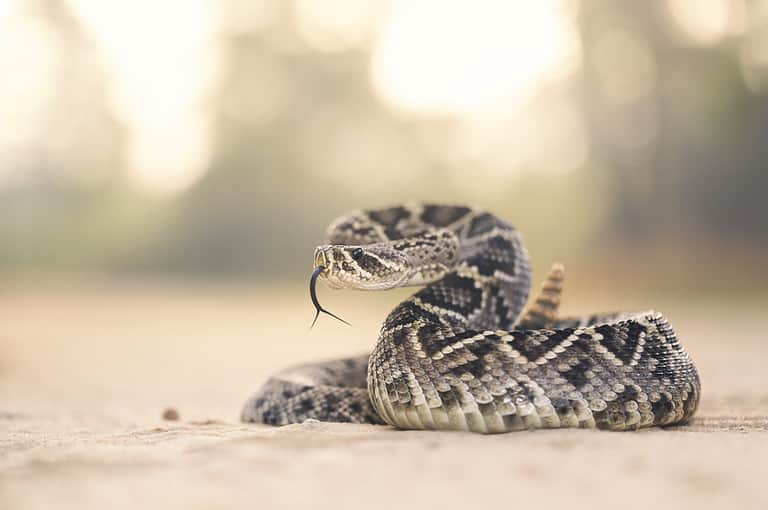
Researchers at the University of Florida recently published a 20-year analysis of snake bites in the Sunshine State. The study concluded that approximately 10% of snake bite victims, mostly adult men, treated themselves for the bites with traditional remedies. The majority of the bites were caused by pygmy rattlesnakes and copperheads, which require professional medical attention. These bites can be fatal if left untreated, and treating them with outdated methods can worsen bite symptoms.

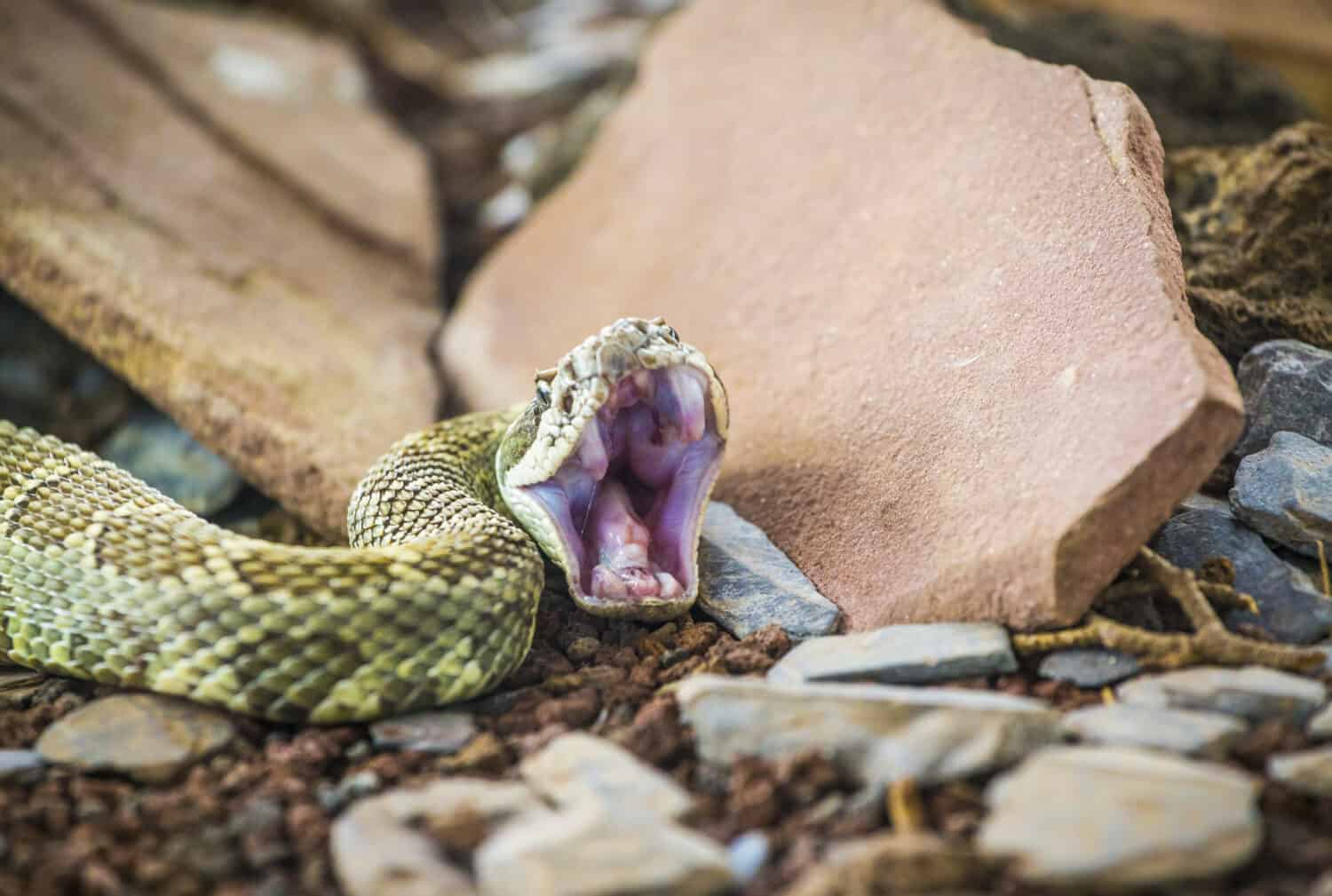
Don’t try to treat a snake bite yourself.
©Jason Patrick Ross/Shutterstock.com
Of these patients, some went to the hospital after two hours, while others waited up to four hours before receiving medical attention. Three of the patients died after arriving at the hospital, and many experienced:
- Oedema (severe tissue swelling)
- Paraesthesia (tingling, prickling, itchiness, or numbness)
- Nausea
- Emesis (vomiting)
- Tachycardia (high heart rate)
- Myotoxicity (tissue damage or destruction)
- Respiratory distress
- Bleeding
- Altered consciousness
- Hypotension (low blood pressure)
- Diaphoresis (excessive sweating)
- Tissue necrosis (tissue death)
- Seizures
Over time, many of these symptoms became severe and even life-threatening. Although this study was limited to Florida, it represents people worldwide who still believe in outdated snakebite treatments. There is no reliable way to treat a venomous snakebite at home, and antivenom remains the only effective method to stop the toxin once it has entered a victim’s bloodstream.
How Most People Are Accidentally Bitten
According to a study in Transactions of the Royal Society of Tropical Medicine and Hygiene, most snake bites occur due to improper handling of wild venomous species. Approximately 33.5% of snakebites result from handling or harassing snakes, leading to defensive bites. An additional 23.4% of snakebites occur entirely by accident, specifically when walking past a venomous snake, and 13.4% of bites occur when someone accidentally grabs a snake. Another 7.9% of bites occur when someone accidentally steps on a snake, and the least common occurrence (1.6%) involves handling a captive snake.
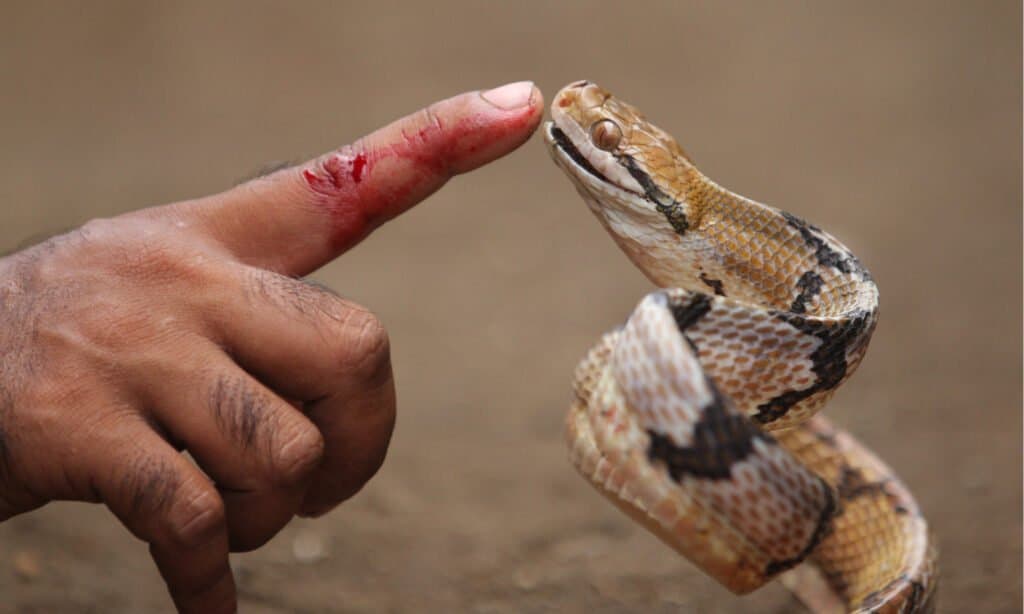
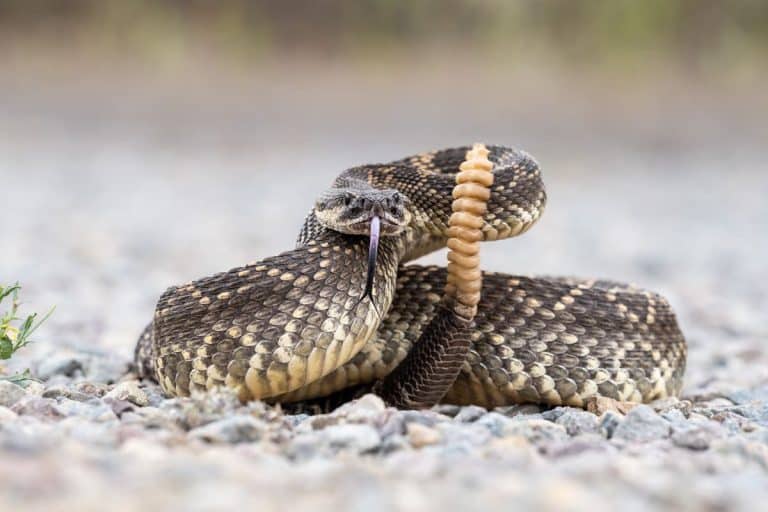
Many snake bites in Florida are defensive.
©Mufti Adi Utomo/Shutterstock.com
The data on bite location supports the findings on how bites occurred, with 62.7% of bites occurring on the finger and/or hand. This is followed by 28.4% of bites occurring on the foot or toe, likely due to walking past or accidentally stepping on a snake. The remaining 8.9% of bites occurred on regions above the knee. These data support the idea that snakes rarely bite without provocation. Most of these bites are defensive, and the vast majority occur due to rough or improper handling of venomous species.
The Types of Snakes Responsible for Most Bites
Not surprisingly, the majority of snake bites studied in Florida were caused by pygmy rattlesnakes and cottonmouths. Of the snake bite cases analyzed, these venomous species were recorded:
- Pygmy rattlesnake
- Cottonmouth
- Southern copperhead
- Eastern coral snake
- Eastern diamondback rattlesnake
- Timber rattlesnake
While pygmy rattlesnakes accounted for 27.8% of snake bites, cottonmouths accounted for nearly the same percentage. This was followed by the eastern coral snake, a species that is typically elusive in Florida waters. The eastern diamondback, timber rattlesnake, and cottonmouth were responsible for the fewest snake bites, which also suggests their elusive nature.
Most Common Snakebite Remedy Myths
The CDC reported in 2024 that roughly 7,000-8,000 people are bitten by snakes annually in the U.S. While fatalities are rare, outdated treatment methods are still being used despite science proving them wrong. It’s estimated that anywhere from 10% to 44% of people bitten by rattlesnakes, specifically, will experience long-lasting damage, which may include permanent tissue damage or loss of function. Of all the remedies for treating snakebites, these are the most outdated and unsuccessful.
Sucking Out The Venom
This treatment is neither effective nor feasible. Venom is injected directly into tissue and can spread rapidly throughout the body. Suction does not remove the venom and is not strong enough to reverse the blood flow in the human body. According to First Aid Pro, doing this can cause more harm than good by introducing bacteria to the wound. If any contaminated blood is sucked from a wound, it could cause further infection for both the victim and the person providing aid.
Extraction or Cutting the Bite Out
Similar to sucking the venom, it’s also impossible to “cut” the bite out. The venom may have already begun to spread throughout the body’s tissues and potentially into the bloodstream, making this a dangerous remedy. Attempting to cut out the bite site or remove ‘infected’ tissue will only increase the risk of infection. This could also cause severe bleeding, which may be worsened by the effects of snake venom.
Using a Tourniquet
The bite from a venomous snake is already designed to cause tissue damage. Many people believe that cutting off circulation to the infected area reduces the amount of venom, but this is not true. Instead, tourniquets can increase restriction, reduce blood flow, and cause further tissue damage. A tourniquet will not reliably prevent venom from spreading through the body and is unlikely to save the affected limb.
“Shocking” the Site of the Bite
Using heat, ice, or even electricity is a bad idea on any open wound, especially those caused by snake bites. Heat can exacerbate the symptoms of the bite and should never be used as a treatment. Ice can also exacerbate bites and do nothing to slow the venom. Applying electricity is extremely dangerous and can be fatal to both the victim and anyone nearby.
The Only Proper and Efficient Snake Bite Treatment
According to the study, the majority of patients received antivenom for envenomation. This life-saving measure is the only correct way to treat a snake bite, and it must be administered by a medical professional. Most of these patients received 9-10 standard vials of antivenom, which is enough to counteract the venom injected during a bite. Additional care included tetanus shots, antibiotics, and surgical fasciotomy (for treating compartment syndrome).
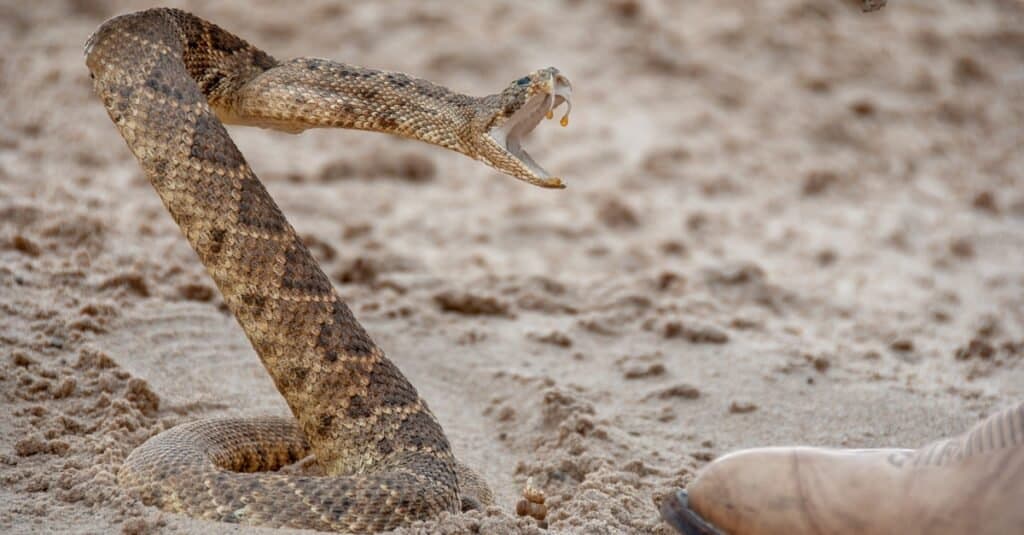
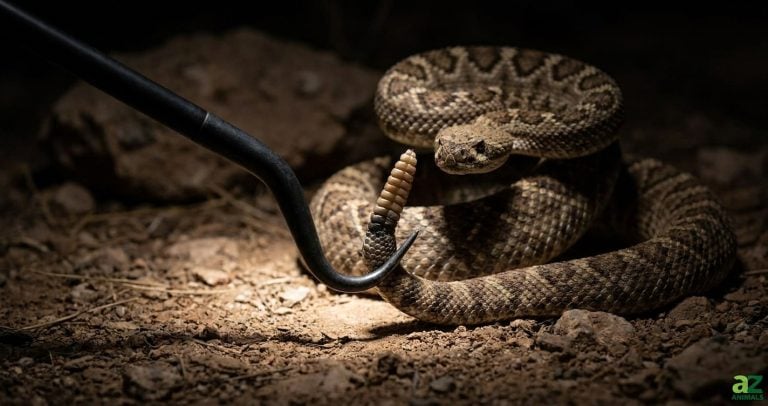
Check out these fangs!
©Maria Dryfhout/Shutterstock.com
The average time between being bitten and seeking medical attention was approximately two hours. During this time, the venom had ample opportunity to take effect. The key to surviving a snake bite is to seek medical attention immediately, as this gives antivenom the best chance of working. Remain calm, immobilize the affected area below heart level, and remove any tight jewelry or clothing until help arrives.
“The large time delay between patients being bitten and seeing a healthcare provider, as well as the prevalence of contraindicated self-treatment attempts, suggests a deficiency in public knowledge regarding proper treatment of envenomations.”
Afsana Afroz, Univeristy of Melbourne and Timothy N. W. Jackson, Co-Head, Australian Venom Research Unit, Univeristy of Melbourne
The distance to the nearest hospital was found to have no significant impact on the time elapsed. This further demonstrates that prompt medical care can effectively manage the effects of a snake bite before substantial damage occurs. The study also noted that “the frequency of potentially harmful self-treatment attempts is also concerning; folk remedies such as suction removal of snake venom are common public beliefs with no proven efficacy that only delay appropriate management.” This reveals that more often than not, common myths are believed over factual, proven treatment options for snake bites. Accurate information is our best defense against ineffective remedies, and sharing the facts can potentially save lives.