
Quick Take
- Barn owls don't just hunt vineyard rodents. Their presence also triggers an unexpected behavioral effect that researchers found nearly as valuable as the hunting itself. See the fear effect →
- Vineyard design accidentally hands barn owls a hunting advantage that leaves rodents defenseless in a way no chemical control ever could. See the hunting advantage →
- What rodents silently drain from California vineyards each year makes the price tag of this solution almost embarrassing by comparison. See the cost of rodents →
Vineyards in California may have just unlocked the ultimate achievement in rodent control. Where there’s fresh produce, there are typically gophers, voles, mice, and, occasionally, rats. California’s temperate climates invite all types of wildlife, meaning its orchards require a little extra protection. But it turns out that not every animal is unwanted; more vineyards are welcoming a new type of visitor.
After all, if you can’t beat them, you might as well work with them. That’s exactly what some winemakers are doing to keep their fields pest-free.
The Barnyard Vineyard Defenders
Rodents and other unwanted pests can cost California vineyards tens of millions of dollars annually, according to industry estimates. This is a significant dent in annual profits, especially for small-batch growers. If the grape-growing season is shortened by weather or other unpredictable events, this cost eats even more profit for winemakers.

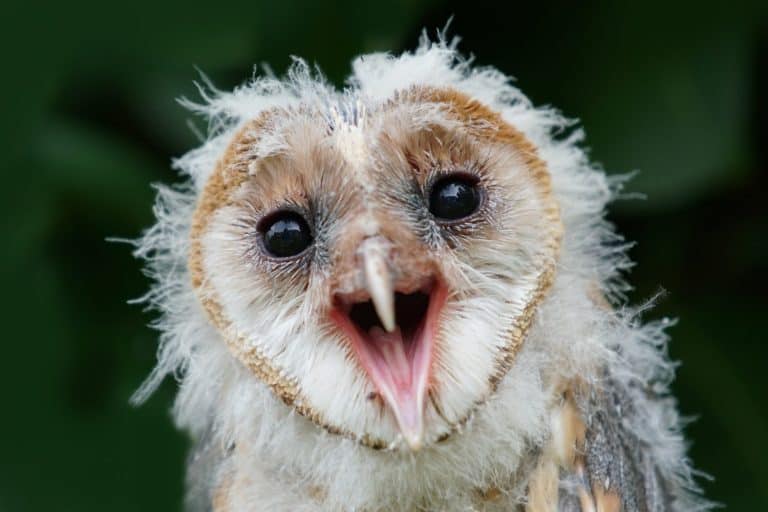
Vineyards throughout Napa Valley are turning to barn owls for help.
©Bob Corson/iStock via Getty Images
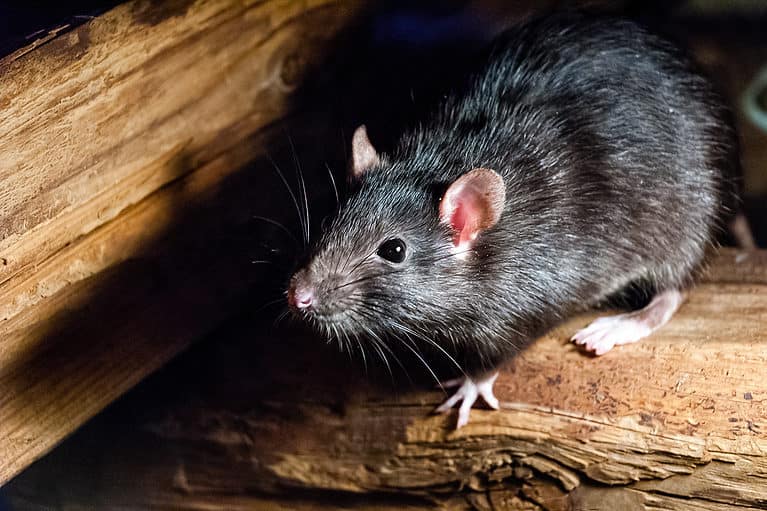
Pest control is also expensive and requires additional health and safety considerations. Furthermore, not all rodent control methods are efficient or effective for vineyards. That’s why winemakers are turning to one unlikely source for protection: Barn owls. While voles make up the majority of their diet, mice and rats are a close second. In vineyards, these rodents are often abundant.
As rodents are drawn to fresh grapes, barn owls are drawn to large numbers of rodents. This is a pest control solution that simply makes sense, according to researchers and authors of a study recently published in Ecological Applications. Cal Poly Humboldt Wildlife Professor Matt Johnson and Wildlife graduate student Katherine Larson, along with UC Davis Wildlife Professor Roger Baldwin, studied the effects of barn owls that lived on or near California’s vineyards. What they found wasn’t just a decrease in overall rodent populations. They also found a long-term solution that could be the safest pest control to date.
Barn Owls Prove to Be Worthy Exterminators
The study, which was based at vineyards throughout Napa Valley, revealed jaw-dropping results. Researchers analyzed data from six different vineyards dating back to 2023. All of these had a barn owl resident living inside a specialized owl box. During the study, researchers left trays of food out for rodents. The amount of leftover food indicated whether the rodents felt safe enough to leave their hiding spots to eat.
However, a significant threat was present near each tray: specialized barn owl boxes that allowed owls to nest, hunt, and rest. Researchers carefully monitored both owl and rodent activity. By the end of the experiments, researchers found that there were 38–52% fewer rodents in vineyards with barn owl boxes.
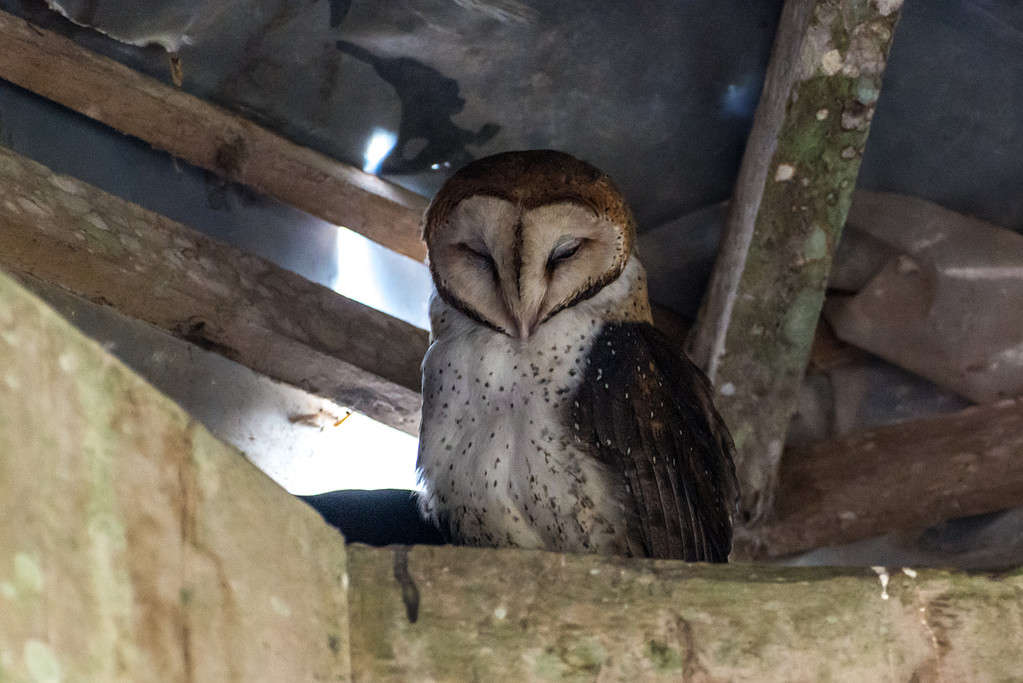
Not only do barn owls hunt rodents, but their presence also spooks them away.
©Kirk Hewlett/iStock via Getty Images
Interestingly, researchers also found that vineyards are prime hunting grounds for barn owls. Coverage from grape vines and other flora provided the perfect opportunity to swoop in and surprise unsuspecting rodents. Additionally, while this cover helped barn owls, it gave rodents a disadvantage. Rodents that left their safe hiding spots were disoriented. Because barn owls have exceptional hearing, rodents—who rely on visual cues to spot danger—had little chance of escaping.
Barn Owls Offer Long-Term Vineyard Protection
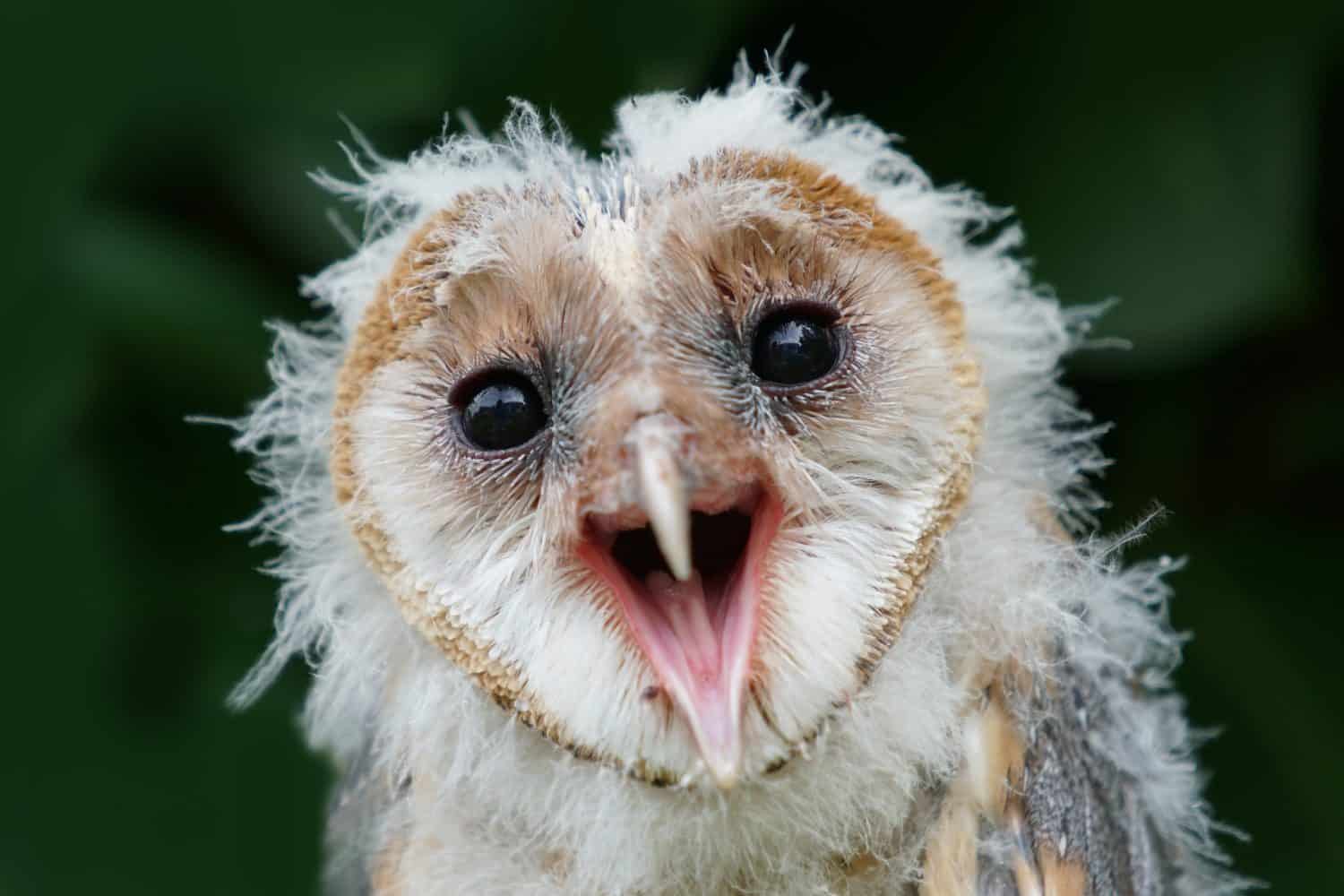
The only downside to this new rodent control method is the time it takes to become effective. It can take one to three years for a barn owl to move into a barn owl box. But once one does, researchers found that pest control is long-lasting and offers more benefits than simply ending an infestation.
The good news is that out of more than 500 barn owl boxes placed throughout California’s vineyards, roughly 30%-75% are occupied by breeding owls in a given year. Additionally, each barn owl family can eliminate between 1,000 and 4,000 rodents per year. For only the cost of a barn owl box, this outcome is incredible. However, the most notable benefit is the long-term protection that barn owls provide to vineyards.
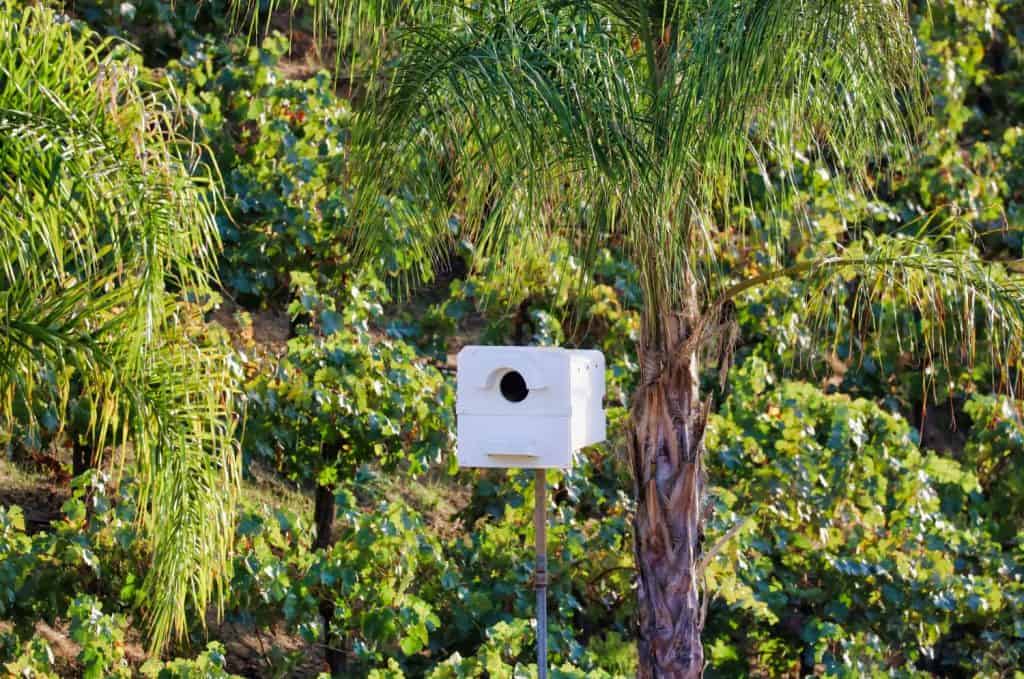
It can take up to three years for a barn owl to become established in an owl box.
©Rosamar/Shutterstock.com
During the study, researchers discovered that barn owls didn’t just prey on rodents; they also spooked them. Roughly 16%-38% of rodents showed increased fear of predators in the vineyards. Therefore, barn owls acted as a living scarecrow. Not only were the rodents eaten by the owls, but many were scared enough to avoid a vineyard’s crops altogether. Barn owls are now being hailed as California’s vineyard heroes, and the scientific data agrees.