
Quick Take
- Farmers have a very specific reason to love barn owls that has nothing to do with their looks. Explore barn owl traits →
- Something caught on camera at this nest site is not what most owl-watchers expected to see. See the camera setup →
- The barn owls' biggest threat didn't come from outside the barn. It came from another owl. Read about the intrusion →
The lives of animals used to be mysterious and out of reach, with only fleeting glances afforded to people interested in seeing what they were up to. With the advent of small, affordable webcams, however, watching animals in their natural habitats has become easier than ever. While there are many animal webcams across the internet, some are too cute to ignore. Take this barn owl cam that has taken social media by storm.
The North Carolina Wildlife Resources Commission established the barn owl webcam. Even though it only went live a few months ago, the look into the lives of fledgling barn owls has already grown into a massive hit. By spring, over 62,000 people had already tuned in to the ongoing story, with many more expected to join as the owlets mature. Let’s learn more about the feathered stars of the show and how you can watch them as they learn to fly and eventually leave the nest.
Webcam Features
What started as a general promotional push by the North Carolina Wildlife Resources Commission (NCWRC) quickly grew into a social media sensation. Case in point: over 60,000 people tuned in to watch the first of the six barn owls hatch in real-time at an undisclosed location in North Carolina. Viewers could immerse themselves in the experience thanks to the website’s full audio offerings and multi-view player.
Indeed, three cameras are positioned both inside and outside the nesting box, and additional views are available to the public via the site’s toolbar. As Wildlife Conservation Engagement Coordinator Austin Hill explained in a statement, this multi-view feature allows for an incredible variety of viewing experiences. He said, “The outside box cams allow us to be able to capture some unique behaviors not previously seen: an owlet teetering on the edge of a rafter, boosting itself into wobbly flight, or even downing a Southern flying squirrel… We’ll continue to move the cameras around to provide the best viewing opportunities.”
Barn Owl Background
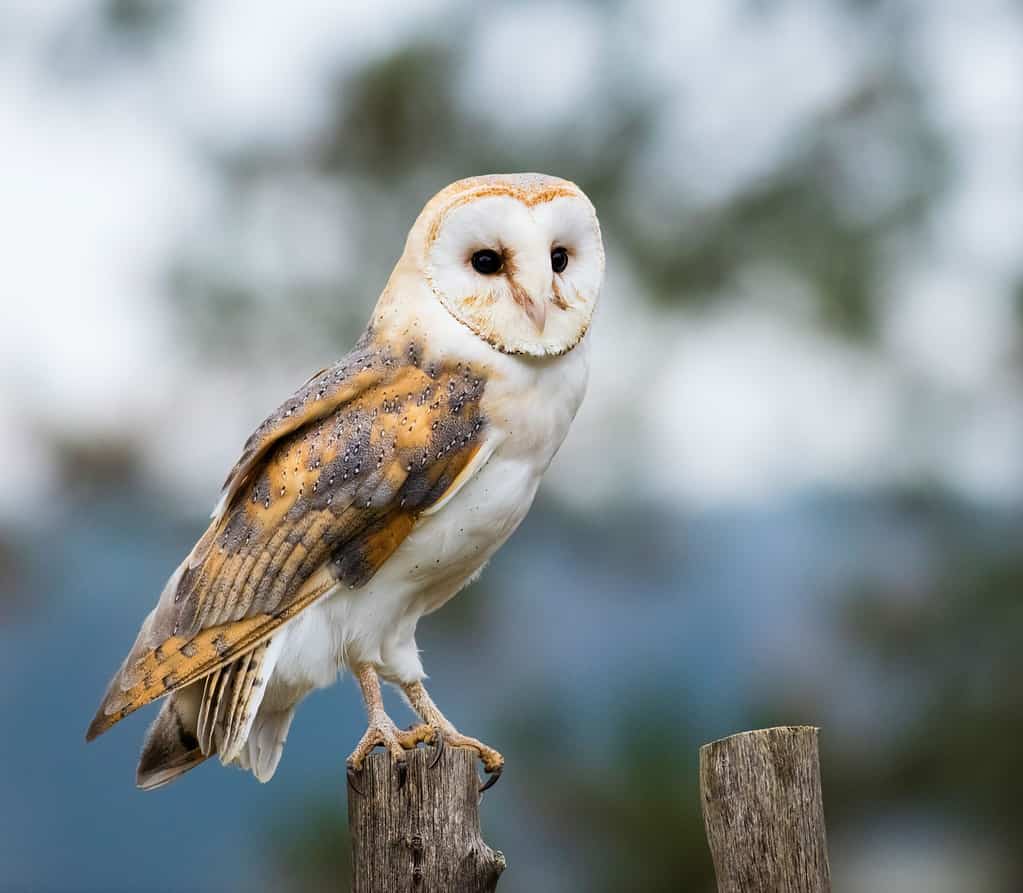
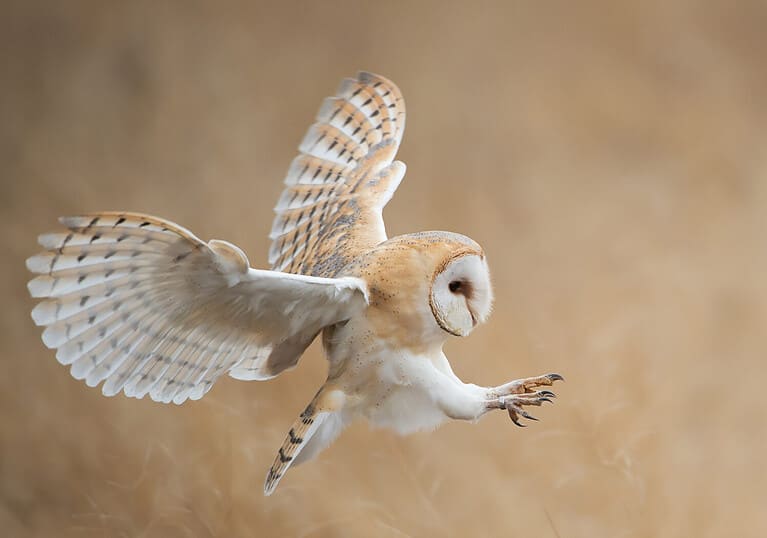
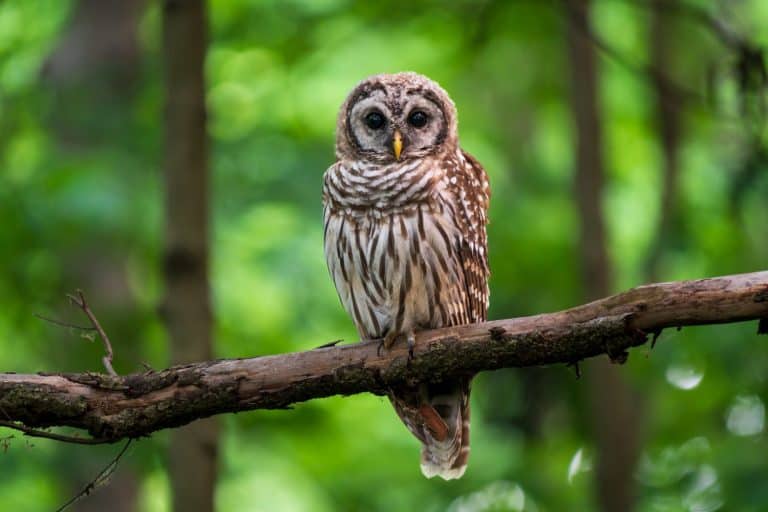
The barn owls on the webcam are in the process of learning to fly.
©Kesu01/ via Getty Images – Original
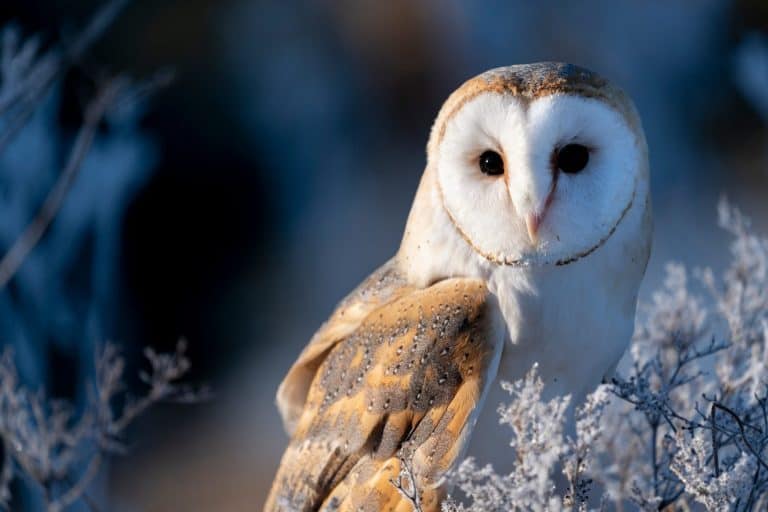
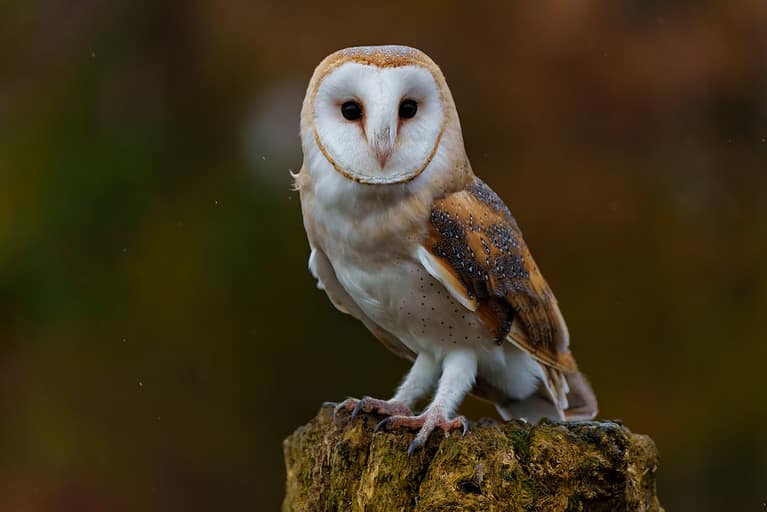
American barn owls are nocturnal birds of prey with elusive behaviors and striking looks. They can be hard to spot, but their white, heart-shaped faces and lack of visible ear tufts (unlike many other owl species) make them distinctive once seen. They fly silently over fields and meadows, hunting rodents like mice and voles, as well as shrews. Farmers cherish American barn owls because they act as natural pest controllers. They often nest in hollow tree cavities as well as in man-made structures like silos and barns (hence the name).
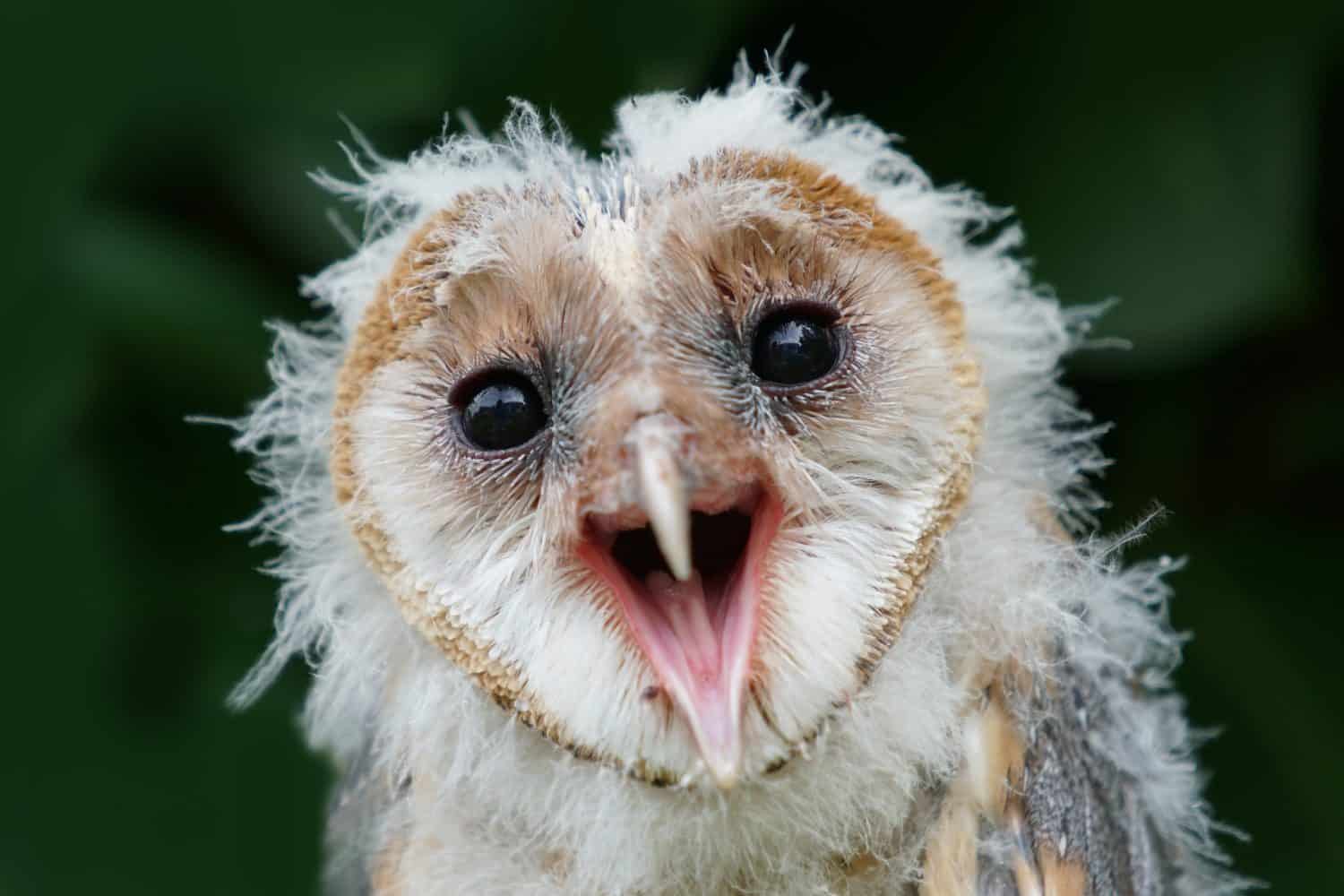
As for the owls starring in their very own web series, they live in an undisclosed location in western North Carolina. Other barn owls have used this location at least six times in the last 16 years. Furthermore, the NCWRC believes the location may even be used by the same nesting pair each year. Currently, the owlets are about 10 to 11 weeks old, which means they still have some wispy down feathers on their heads. It also means they are getting very close to their first test flights.
Barn owlets are blind and vulnerable for the first few days after hatching. By the third week, they become fuzzy balls of feathers with their eyes fully open, and they begin eating after learning to swallow small prey whole. As the weeks progress, barn owlets slowly grow adult flight feathers. Come week nine or ten, just about the age of the owlets on the webcam, they start to take flight.
Latest Updates
Tragically, about a week ago, the youngest owlet passed away, likely due to a combination of factors such as malnutrition, competition, and other pressures. The remaining four owlets successfully fledged by the end of May. Most of the activity on the barn owl webcam happens between 7 pm and 9 pm. That’s when the owlets start to leave the box and practice flying around the barn.
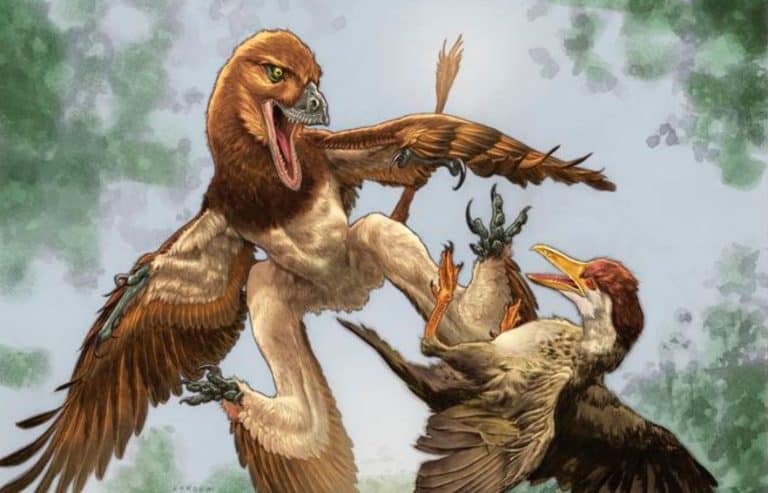
The most recent update to the barn owlet saga, on June 24th, involved a Great Horned Owl entering the barn and killing one of the owlets. The footage even showed the Great Horned Owl fighting with one of the barn owl parents. While such incidents are violent and potentially jarring for viewers, the North Carolina Wildlife Resources Commission (NCWRC) stressed to viewers that this is simply the state of things in nature. After all, Great Horned Owls are the main predators of barn owls.
Going forward, viewers remain enchanted by the barn owl webcam. It stands as one of the most fascinating recordings of animals in the wild.