
Quick Take
- Eye placement separates predators from prey, though several animals completely break that rule in ways you wouldn't expect. See the exceptions →
- Having 'better' vision isn't as straightforward as it seems. The eye position that gives the sharpest focus comes with a significant hidden cost. Explore the tradeoff →
- One predator solved its vision blind spot with a body part that has nothing to do with its eyes. See how sharks compensate →
One of the funnier animal-related trends on social media lately involves content creators digitally editing animals that have side-facing eyes. In these hilarious (and sometimes unsettling) edits, creators move the animal’s eyes to the front of their faces instead of their natural side placement. These edits seem so strange to us because we are accustomed to seeing animals with eyes on the sides of their heads, which is different from humans and many other creatures.
These hilarious memes made us start to ask ourselves: Why do so many animals have eyes on the sides of their heads in the first place? As it turns out, eye placement isn’t random. Instead, the placement of eyes is instrumental in an animal’s ability to survive. Today, we’ll answer all of your questions about animal eye placement and discuss how it helps specific creatures.
Why Do Some Animals Have Side-Facing Eyes?
Essentially, the reason why some animals have eyes on the sides of their heads is so they can see more of the world around them. As you start to look around, you’ll likely start to notice that many of the animals with side-facing eyes are often those that are primarily prey in the animal world.
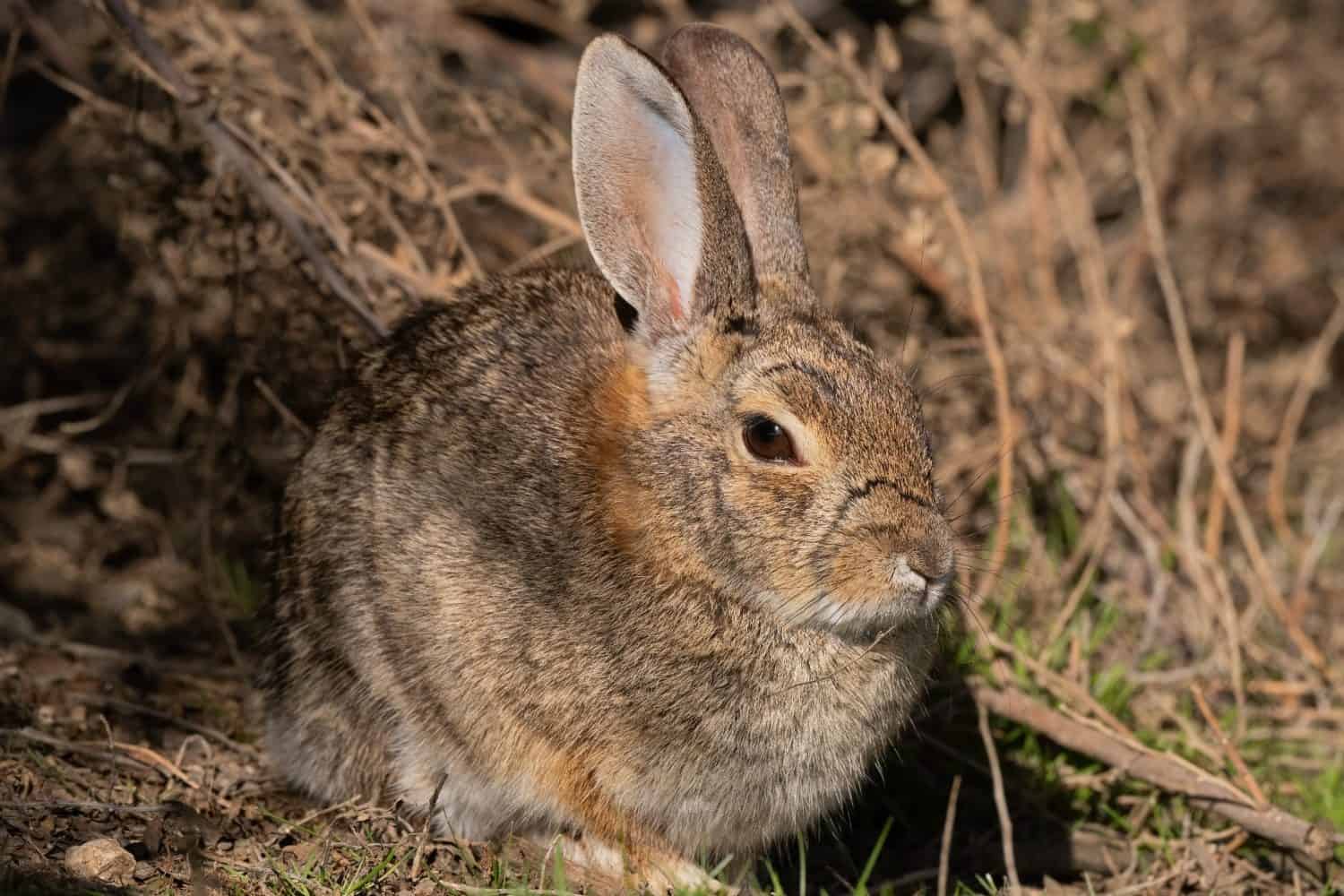
Take rabbits, for example. When enjoying a meal, danger can come from almost anywhere. A fox could sneak through the bushes, a coyote could come from behind, or an eagle could dive from above. If the rabbit’s eyes were front-facing like humans, it would have a limited view and would need to constantly turn its head.
Instead, rabbits have eyes positioned high and on the sides of their heads. Together, those eyes give them an enormous field of vision—close to 360 degrees. That means they can continue grazing while simultaneously watching for predators approaching from multiple directions. So, the biggest advantage of side-facing eyes is maximizing awareness of the surroundings, rather than depth perception.
That said, there are some disadvantages to having eyes on the sides of the head. This positioning greatly reduces depth perception and forward focus when looking straight ahead.
Why Predators Usually Have Forward-Facing Eyes
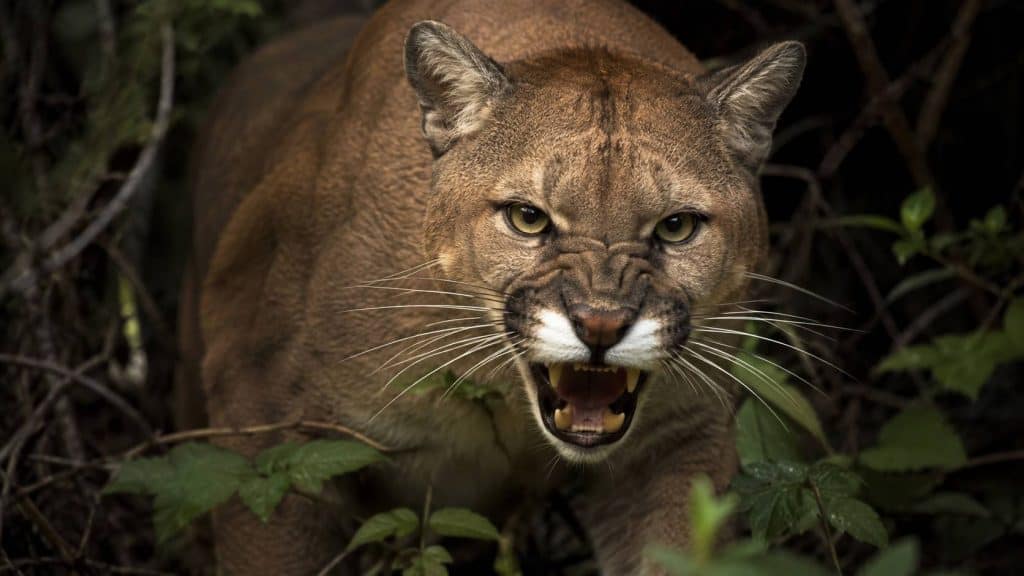
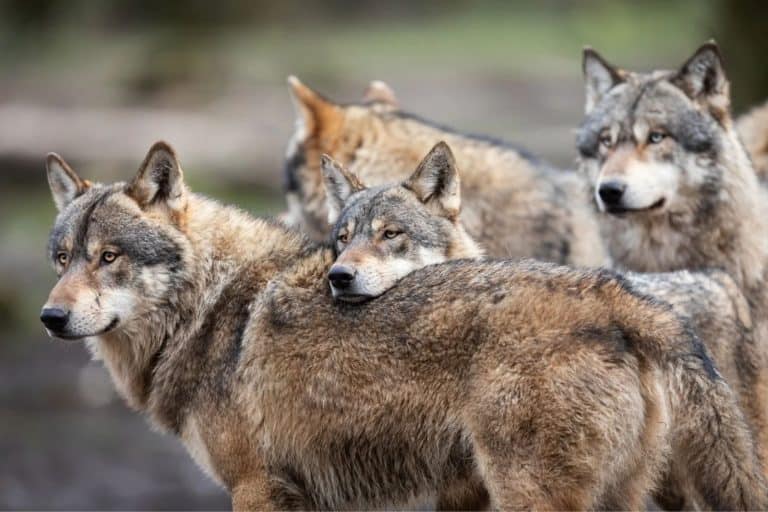
With that knowledge in mind, you may now be thinking about why other animals have forward-facing eyes. In many cases, it’s predators that have eyes that are more similarly positioned to humans. That’s because wolves and lions aren’t trying to avoid predators; they are trying to catch prey. That changes everything. Forward-facing eyes create overlapping visual fields. The brain combines information from both eyes to create stereoscopic vision—what we commonly call depth perception.
This allows predators to judge how far away prey is, exactly when to leap, where to bite, and how quickly prey is moving forward or away from them. It’s essential that they have eyes in the front of their heads. Missing a target by even a few inches can mean missing dinner. That said, there are some limitations with forward-facing eyes for animals. Their overall field of view is limited, and their peripheral vision is reduced. However, overall, the placement of an animal’s eyes is more advantageous for that particular creature than any alternative.
How Eye Position Affects Specific Animals
To further illustrate the importance of eye placement, we can look at specific animals and how their eyes help them survive and thrive.
Horses
Horses are one of the best examples of side-facing eyes. Since their eyes are far apart on each side of the skull, they have an amazing panoramic view, allowing a horse to detect movement from almost everywhere around its body. Their few blind spots are directly in front of their nose and behind their tail. That’s why experienced riders avoid suddenly approaching horses from directly behind. The horse may not see them until they are extremely close, and it may lash out in surprise.
Deer
White-tailed deer spend much of their day feeding. Side-facing eyes allow them to do so while also constantly scanning for danger, including the appearance of wolves, coyotes, humans, and other predators. Interestingly, deer often react to movement before they identify exactly what caused it. That’s because noticing danger quickly is more important than understanding every detail, and it often saves their lives.
Fish
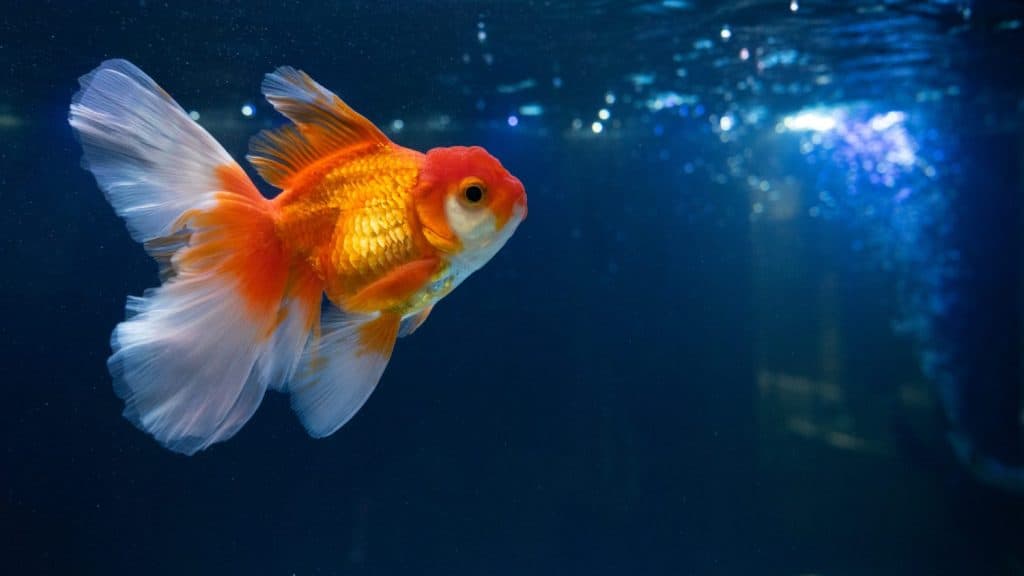
Fish have side-facing eyes so they can keep an eye on their surroundings because a predator can come from anywhere.
©VixtorPhoto/Shutterstock.com
Many fish also have side-facing eyes, and that’s because in underwater environments, threats can approach from virtually any angle. Predatory fish, birds, seals, and larger marine animals may attack from above, below, behind, or the side. A wide field of vision gives fish more time to react. Fish are even more protected when they swim in schools.
Birds
Birds are interesting because some species have eyes in the front, while others have them on the sides. Many seed-eating birds have eyes positioned toward the sides. This allows them to watch for hawks and other predators while feeding. On the other hand, birds like owls have forward-facing eyes. That’s because they are predators that rely on depth perception to catch mice and other prey in darkness. To compensate for the front-facing eyes, owls have incredibly flexible necks that allow them to rotate their heads to compensate for the narrower field of view.
Primates
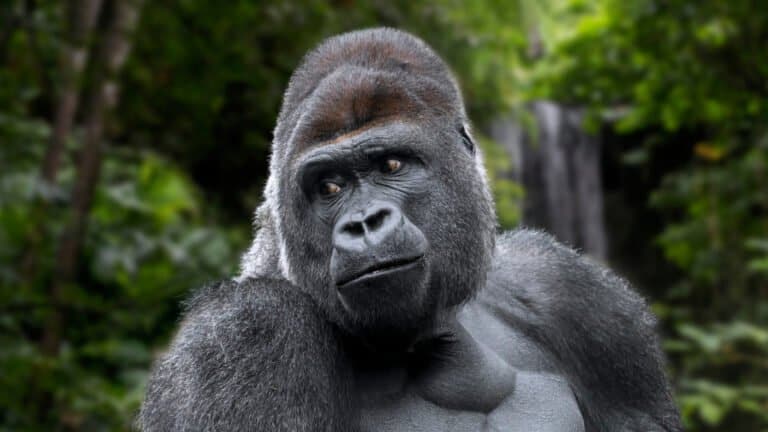
Look at monkeys, chimpanzees, and apes, and you’ll notice they have front-facing eyes. This is mostly because they spend much of their time climbing trees. Jumping from branch to branch requires precise distance judgment. A single mistake could mean falling many feet and risking injury, so depth perception is incredibly valuable.
Domestic Cats
Cats also have the best of both worlds. Their eyes are mostly forward-facing, which gives them excellent depth perception. However, they also retain a wider peripheral vision than humans. Cats don’t need 360-degree awareness because they are usually the predators, not the prey. However, because they hunt using stealth and precise timing, having better overall vision is key.
Goats
Goats have famously remarkable vision. Their wide eye placement allows them to monitor rocky terrain and simultaneously watch for predators. Like many grazing animals, goats also have horizontal pupils, which help them stay constantly aware of the horizon and detect movement when climbing uneven landscapes. Horizontal pupils are remarkable. As the animal lowers its head to graze, muscles rotate the eyeball so the pupil remains aligned with the ground, maximizing their awareness.
Sharks
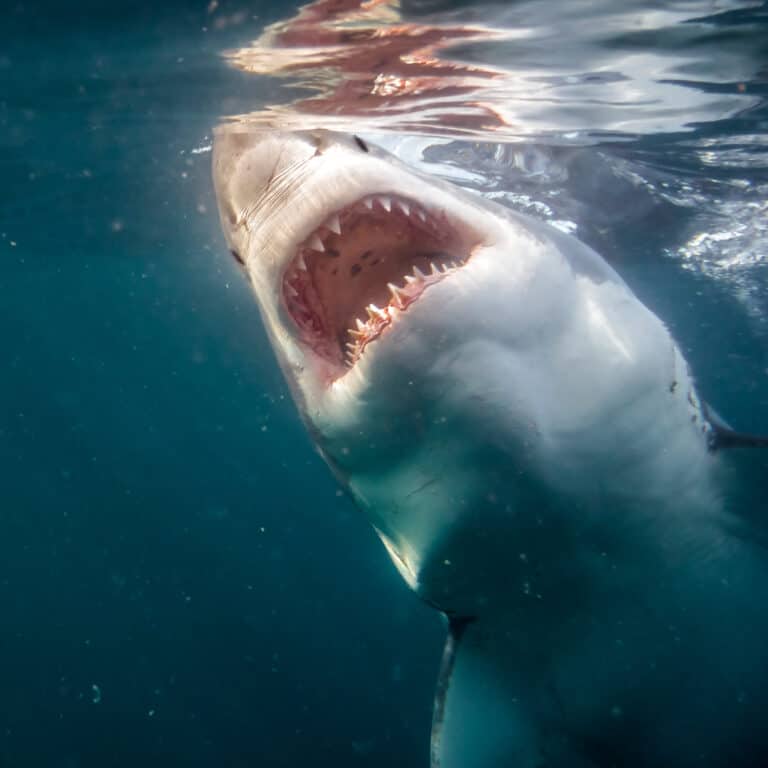
Many sharks have eyes that are closer to the sides of their heads, especially hammerhead sharks. While eye positioning is important, sharks don’t rely solely on their eyes when hunting. They also use their other senses, including smell, hearing, and detection of electrical signals, to thrive in their underwater world.
The Amazing Diversity of Animal Vision
Now that you know more about animal vision, you may never look at animals the same way again. It’s amazing how creatures in the animal kingdom thrive because of their unique natural attributes. The next time you see a funny meme involving animal eyes, you may still chuckle, but you’ll also have a more profound appreciation of Mother Nature.