
Quick Take
- Greater sac-winged bat pups practice vocalizations for weeks.
- Researchers recorded and classified over 50,000 individual vocal syllables.
- Social imitation and maternal feedback drive greater sac-winged bat linguistic development.
Babies babble for a good while before they are capable of forming and enunciating full words. Bats do too, even though their vocalizations never become as advanced as human language. At least, that seems to be the case according to new research published in the peer-reviewed journal Science. Researchers discovered that baby bats from the greater sac-winged bat species start to babble to help develop their ability to communicate.
It seems that baby babble serves future expression, no matter the type of language, as greater sac-winged bat babies—called pups—exhibit plenty of it. Researchers learned that these bat pups spend a considerable amount of their childhood practicing something like proto-syllables. Their species maintains an elaborate repository of calls, territorial songs, mating whistles, and more. Perhaps this incentivizes the young to start learning early. It also makes them the only non-primate mammal known to engage in baby babbling, as similar behavior has also been observed in songbirds. Whatever the case, let’s learn more about this fascinating new study and what it tells us about the increasingly complex-looking social lives of greater sac-winged bats.
Greater Sac-Winged Bats
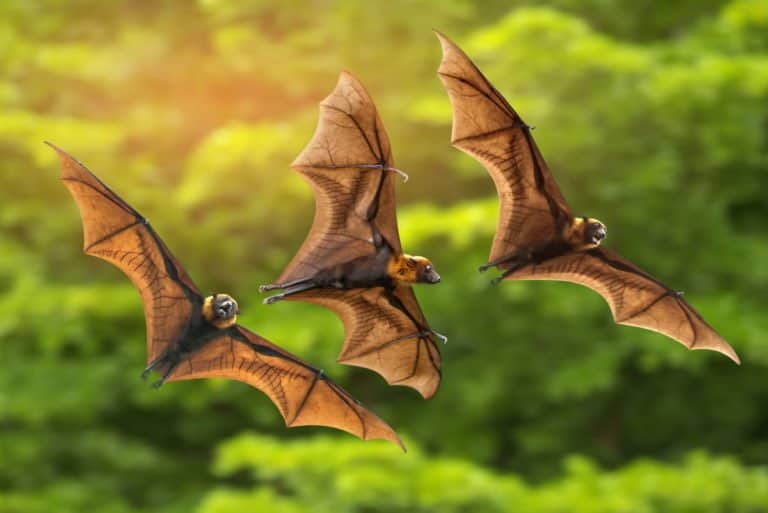
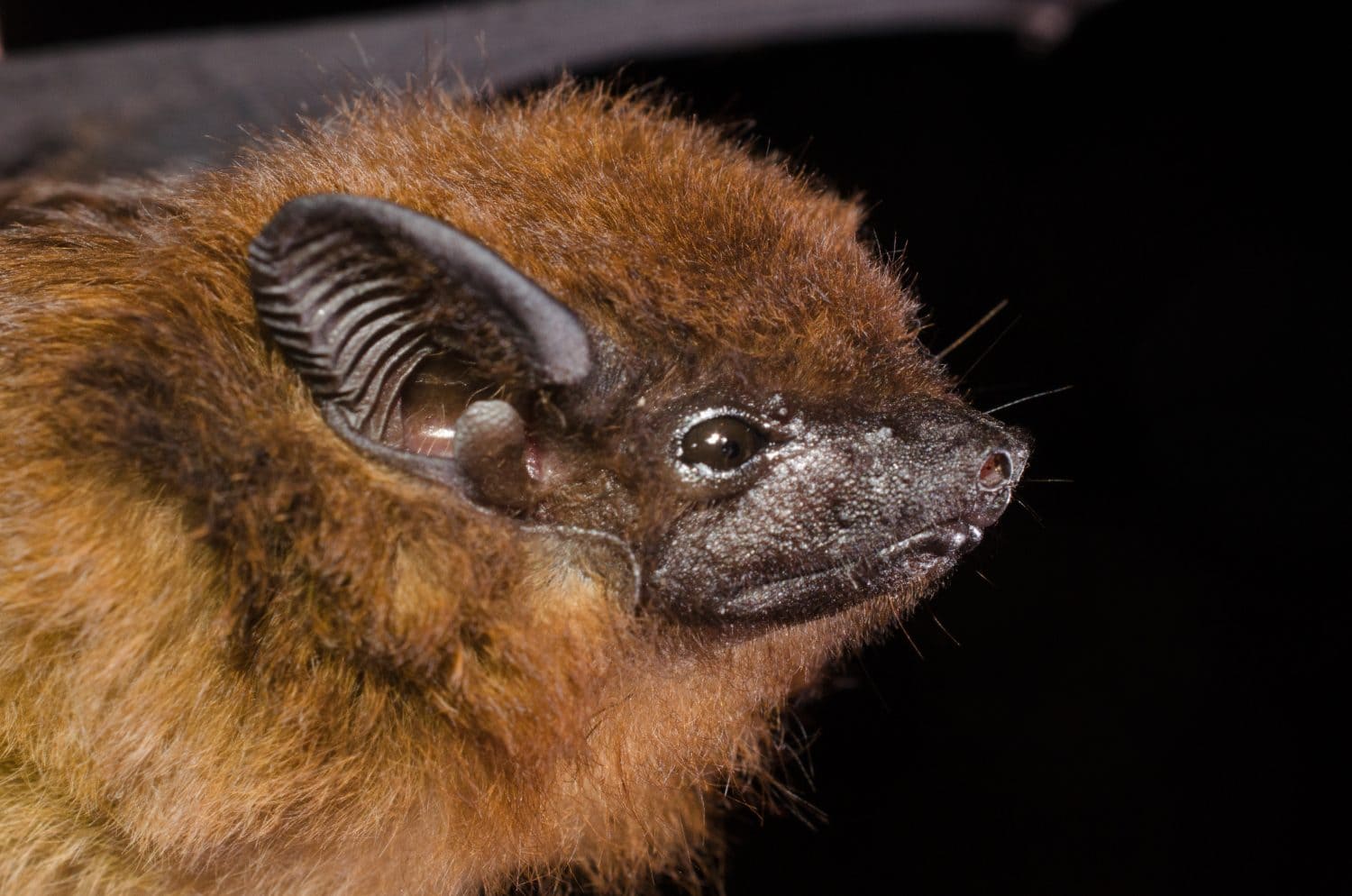
Greater sac-winged bats (Saccopteryx bilineata) belong to the family Emballonuridae and are native to Central and South America. They are characterized, most notably, by small pouches on their wings—hence the name sac-winged. Males use their sacs to attract females. They also fill these sacs with urine and other glandular secretions to mark their territory. During courtship, male sac-winged bats hover in front of a potential mate and fan her with their sac wings. They also have long noses and upper lips flexible enough to shift upward and enlarge their mouth opening.
Commonly seen in the rainforests of South and Central America, greater sac-winged bats roost on the exterior of large trees. They are insectivores like other bats, but sac-winged bats have a relatively unique ability: they can track flies, butterflies, moths, and beetles through their mouth using echolocation. They are already remarkable creatures, but scientists recently discovered an attribute that makes greater sac-winged bats a species for the record books: their ability to engage in baby babble.
Sound It Out
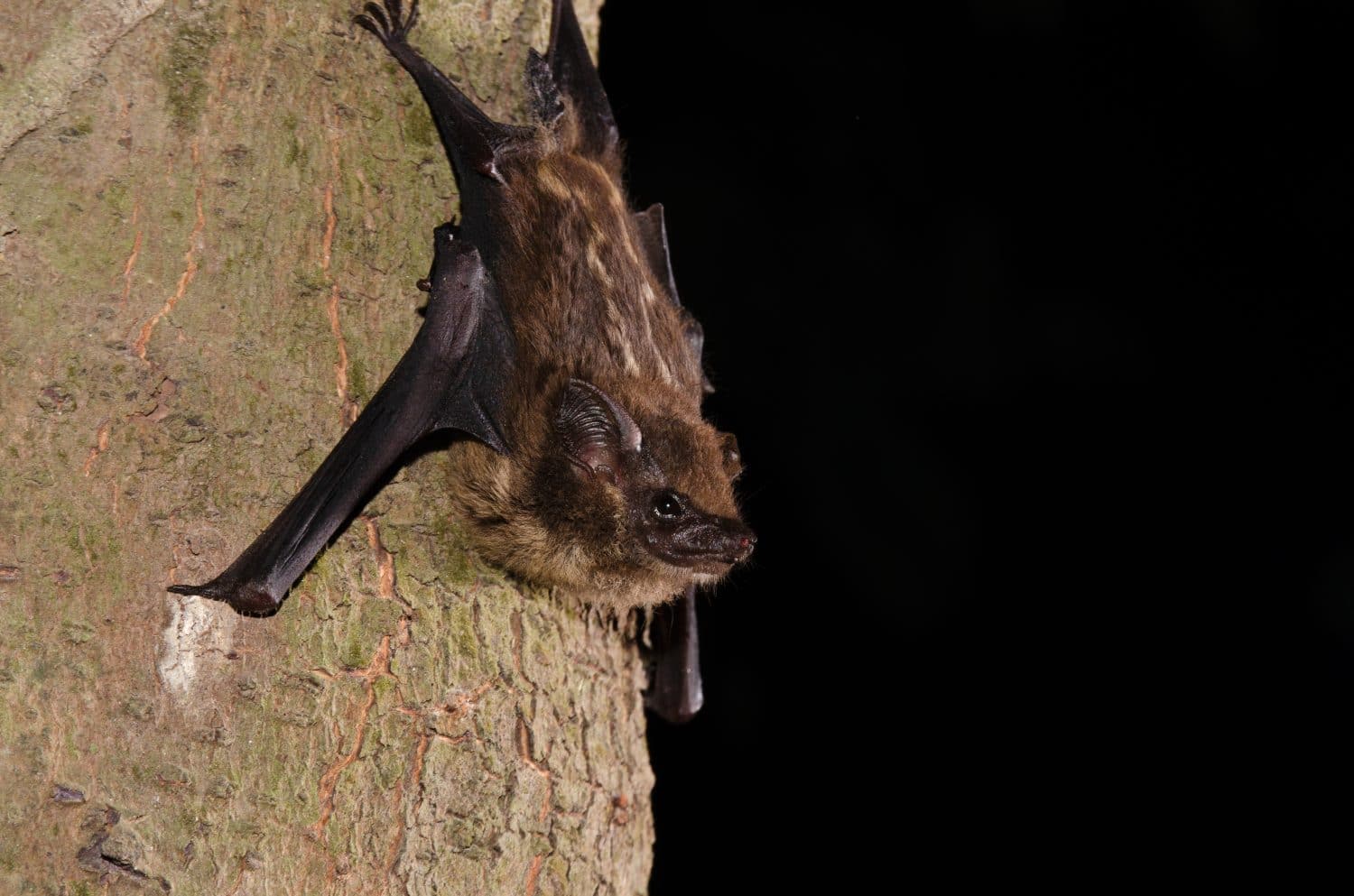
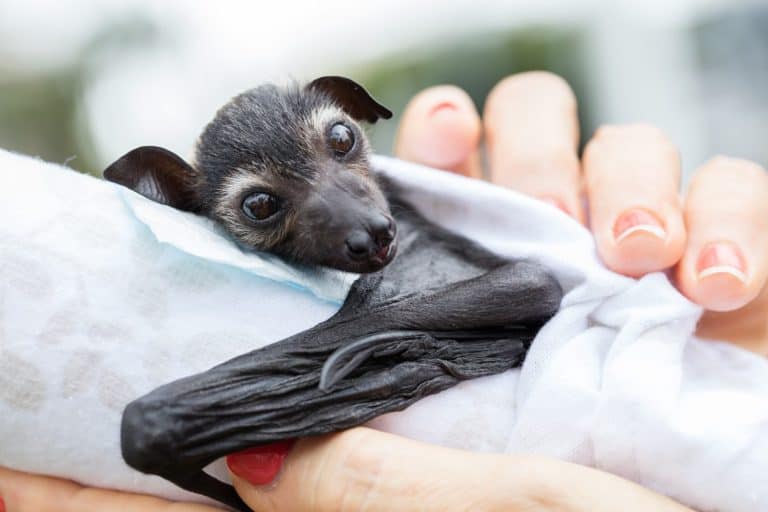
Researchers discovered that greater sac-winged bat pups babble like human infants.
©Mendesbio/Shutterstock.com
While studying bats in the lush forests of Central America, scientist Ahana Fernandez and her colleagues kept hearing unusual, high-pitched sounds consisting of rhythmic chirps and squeaks, emanating from the trees above. This prompted them to try to figure out where the sounds were coming from and why. At first, it sounded like baby babbling, but the researchers couldn’t be sure, so they sought advice from experts in language development.
Next, the team spent a considerable amount of time in Costa Rica and Panama, recording the squeaks of 20 bat pups from eight different colonies. Many of these sounds contain frequencies beyond human comprehension, so the team used a laptop with visual representations to ‘sound out’ the babble. It was the first study of its kind, so the team recorded an exhaustive list of 55,000 syllables and classified them by hand.
The result was one of the more remarkable animal behavior studies in recent memory. Published in the journal Science, “Babbling in a vocal learning bat resembles human infant babbling,” showed that bat pup babble shared all the major features of human baby babbling. Beginning in early development, these bat pups repeat syllables as a form of both self-soothing and learning. This babbling did not alert the bat mothers. According to the researchers, it resembled play as the pups did it even when they were alone and well-nourished. Though not involved in the study, numerous scientists, including developmental linguist Clara Levelt, expressed gratitude for the team’s novel exploration. She told Science.org that it was “beautiful work. It will form the basis of a lot of new research.”
Very Social Bats
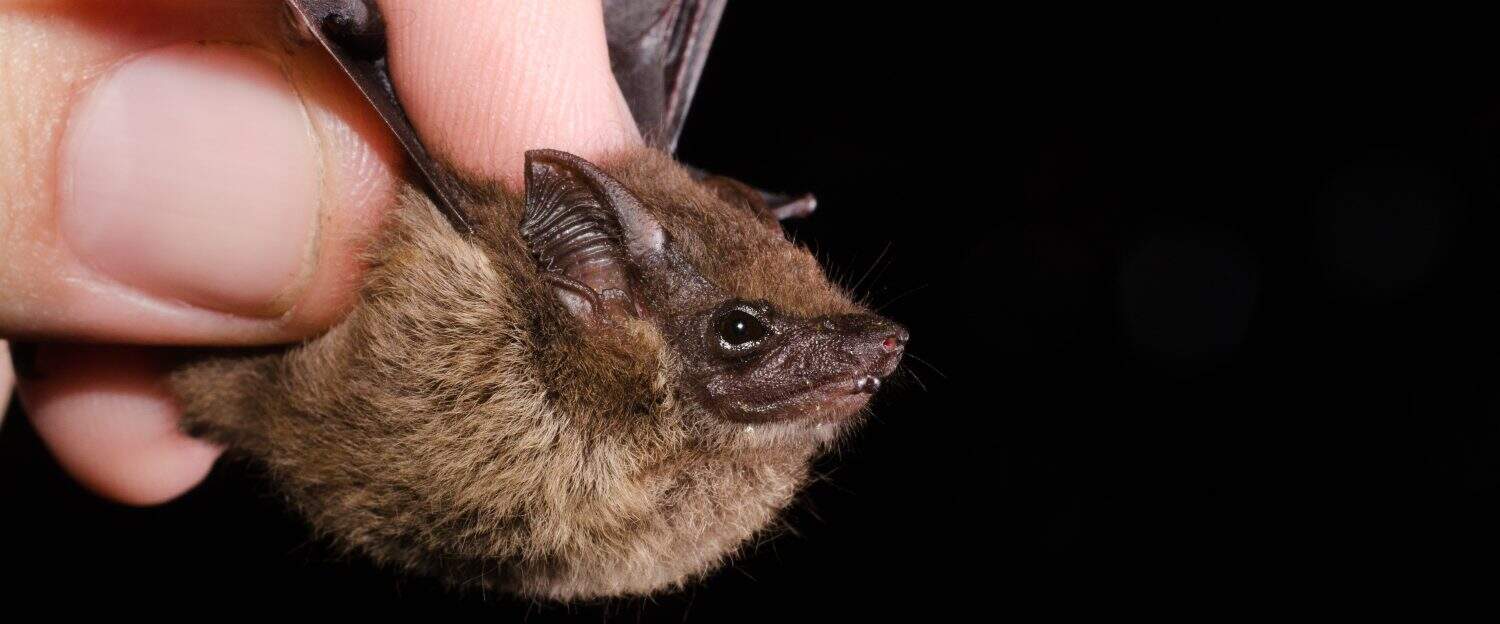
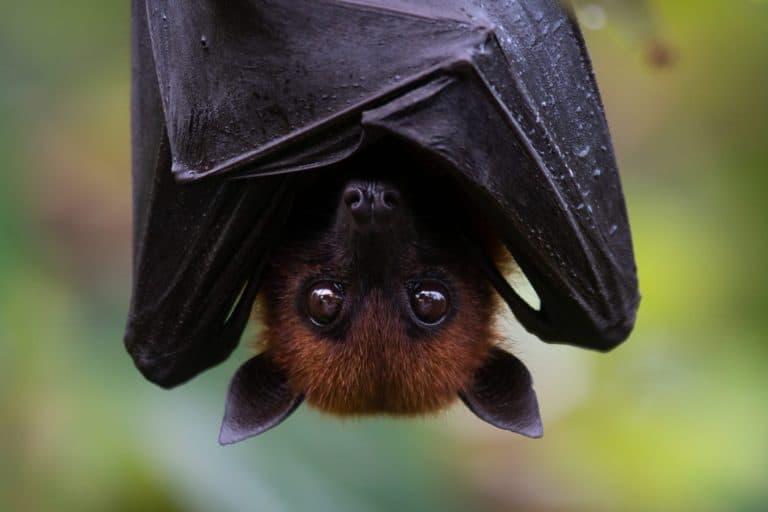
Data from this new study could help further the understanding of animal vocalization and behavior in the future.
©Mendesbio/Shutterstock.com
As it stands, this bat pup babble is the only example of such behavior in a non-primate mammal, though similar babbling is also seen in songbirds. But if any creature were to need this kind of expression training, it would be greater sac-winged bats. These creatures chirp and squeak and even sing like songbirds. They are also known for being incredibly social creatures, with complex pecking orders and lifelong shared communities. As lead researcher Ahana Fernandez told CNN, “Bats are fascinating creatures, they are animals with highly complex social lives (and) many species live in stable perennial groups for their entire life. What probably most people don’t know is… that many [bat] species have sophisticated social vocal communication.”
However, there are key differences between bat and human vocalizations. For one, bat pups appear to have much more abrupt onsets and endings to their babbling phase. They also learn a narrower set of syllables than humans. Even so, scientists familiar with the new study suggest the similarities point to “new options for studies of vocal learning.” At the very least, it’s easier to study bats in much greater numbers than other ‘babbling’ species like primates. Plus, with the thousands of recorded and classified bat pup syllables, researchers can try out new machine learning approaches in the future.