
Quick Take
- Open wounds carry a major risk of death in all animals, including ants.
- Some ants treat the wounds of their nestmates by applying an antimicrobial secretion.
- Florida carpenter ants, however, cannot produce the excretion and perform amputations instead.
- The ants can detect the location of wounds and alter their treatment accordingly. Only femoral wounds are amputated.
When sepsis results in gangrene, amputation is often necessary to save life. It prevents the spread of infection and the release of harmful toxins from dead tissue. Years of medical research have shown us this, but ants have been practicing it all along! We are not the only species that amputate limbs to save lives; Florida carpenter ants do it too!
How Do Ants Perform First Aid?
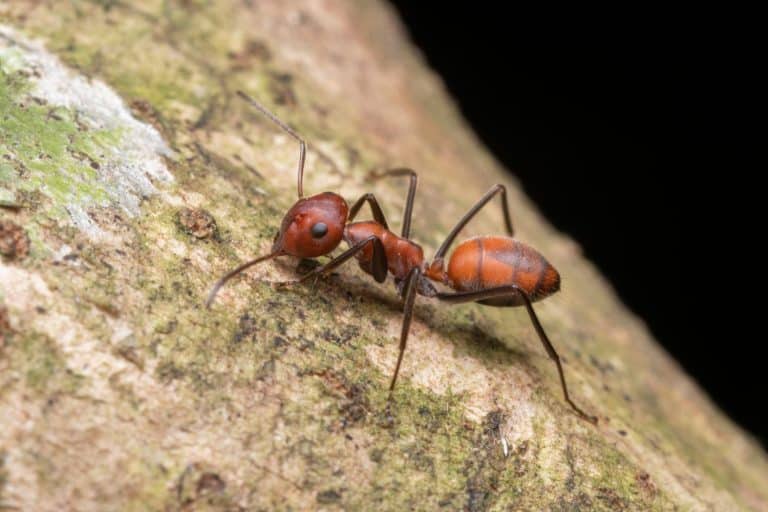
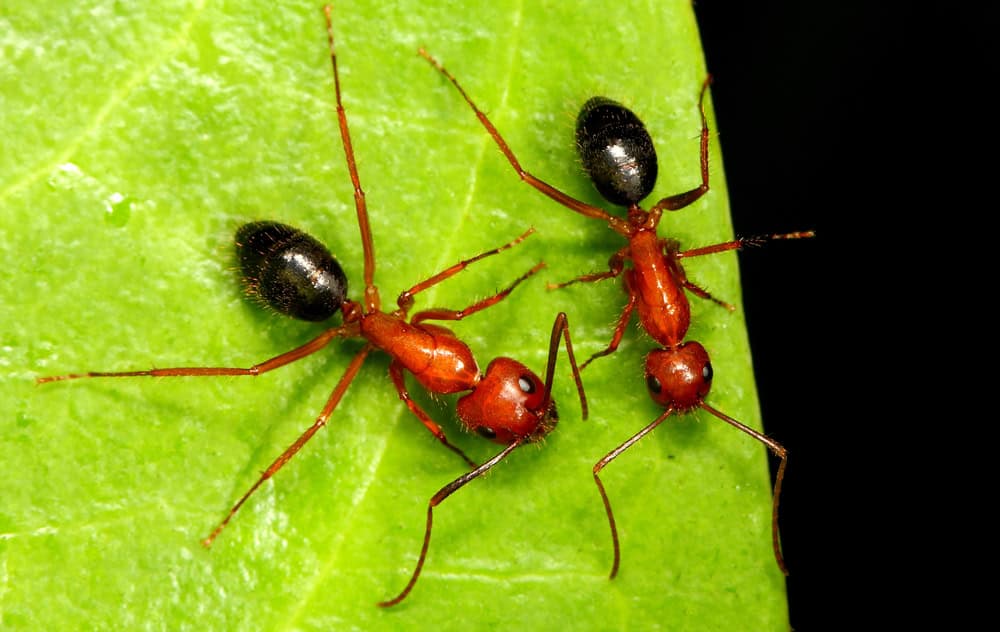
Florida ants (Camponotus floridanus) belong to the Camponotus genus. Like most ants, they live in highly organized colonies where every individual has a role to play. Most carpenter ants in the US are considered pests, and their colonies can contain 100,000 workers and several queens.
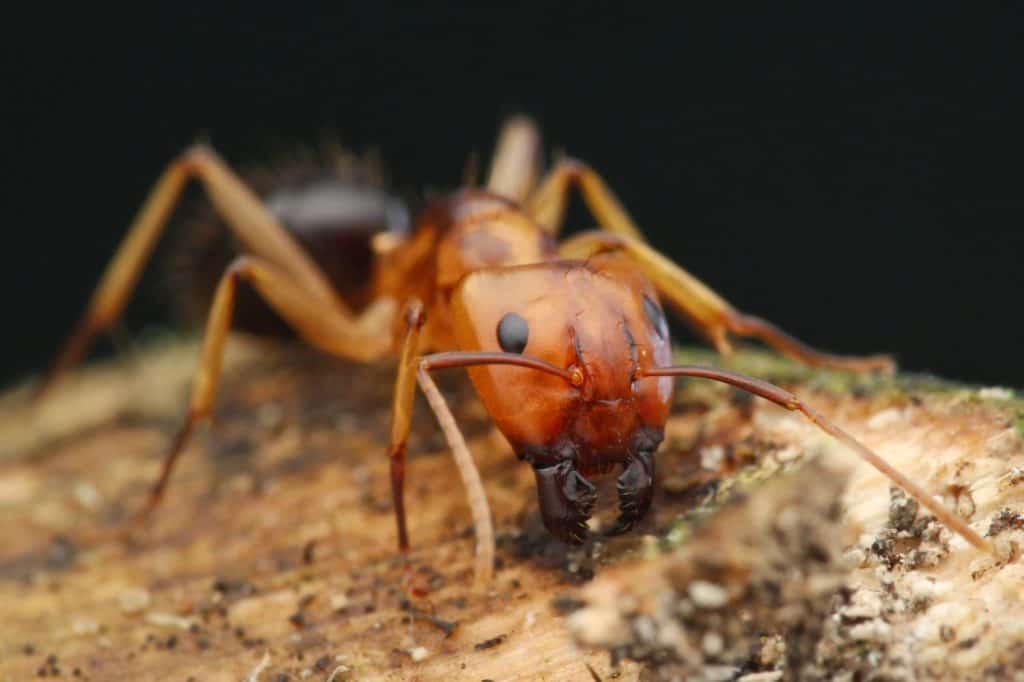
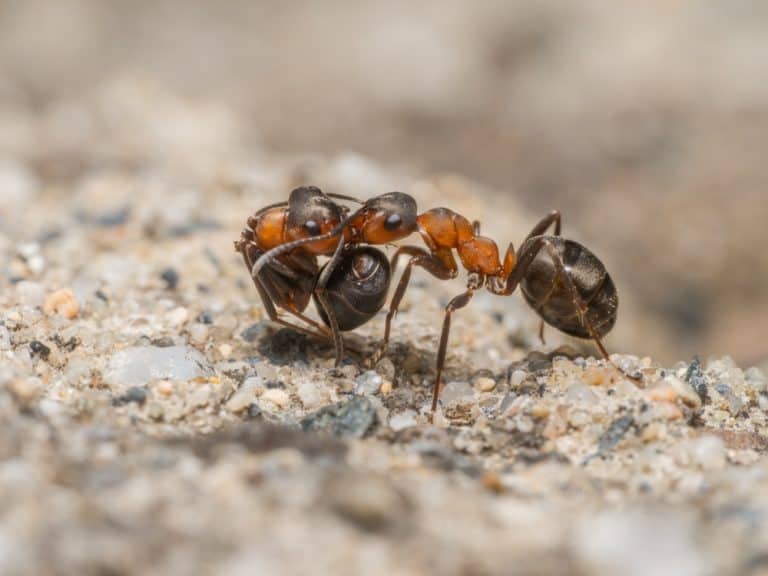
Florida carpenter ants apply first aid to open wounds.
©Waffa/Shutterstock.com
Open wounds carry a major risk of death in all animals, including ants. Despite the huge size of their colonies, many ant species actively try to save the lives of their injured comrades. This also makes sense from the perspective of the entire nest. Infections can spread quickly in these conditions, so an infected colony member needs to be dealt with promptly.
Many ant species apply a type of antimicrobial secretion to the wound, which they produce from their metapleural gland. In Florida carpenter ants (Camponotus floridanus), however, that gland has been lost. Therefore, they have to adopt a more drastic approach to infection control.
Amputation to Prevent Infection
Scientists conducted experiments on Florida carpenter ants to discover how they prevented infections. The researchers inflicted injuries on the ants’ femur (thigh) and tibia (shin) and then observed how the nestmates behaved.
They discovered that when ants were injured in their femur, the ‘treatment’ started with licking. Then an amputation at the trochanter (the joint with the hip bone) was performed by repeatedly biting the area until the leg came off. Ants injured on their lower leg, however, received only a licking treatment as wound care.
This was the case regardless of whether the wound was infected. Upper leg wounds are probably more likely to spread infection because they are closer to structures that circulate a blood-like substance throughout the ants’ bodies. Amputation significantly improved the survival chances of the ant.
This amazing research shows that ants are able to detect the location of wounds and alter their treatment accordingly. The research, reported in 2024, was the first documented example of a non-human animal performing purposeful amputations to improve the survival chances of a member of its own species.