
Quick Take
- A teacup pig is not a distinct breed or specific classification.
- The Vietnamese potbellied pig was the first pig to be marketed as a pet in the U.S.
- Most pigs marketed as teacup varieties will grow to be between 70 and 150 pounds at maturity, with some reaching 200 pounds or more.
Don’t be fooled by the myth of the teacup pig. Teacup pigs are not a distinct, recognized breed. The term is nothing more than a marketing ploy used to sell small potbellied pigs. In reality, these animals are simply young pigs that will grow to be 70 to 200 pounds or more within 3 to 5 years. Although they are often advertised as a teacup or micro, a healthy, fully-grown, small breed pig will still grow to be the size of a medium-to-large dog. Vietnamese potbellied pigs, Juliana pigs, KuneKunes, and American mini pigs are four of the most popular commercially available breeds of companion pigs. Continue reading to discover how large the most widely available smaller pet pig breeds get.
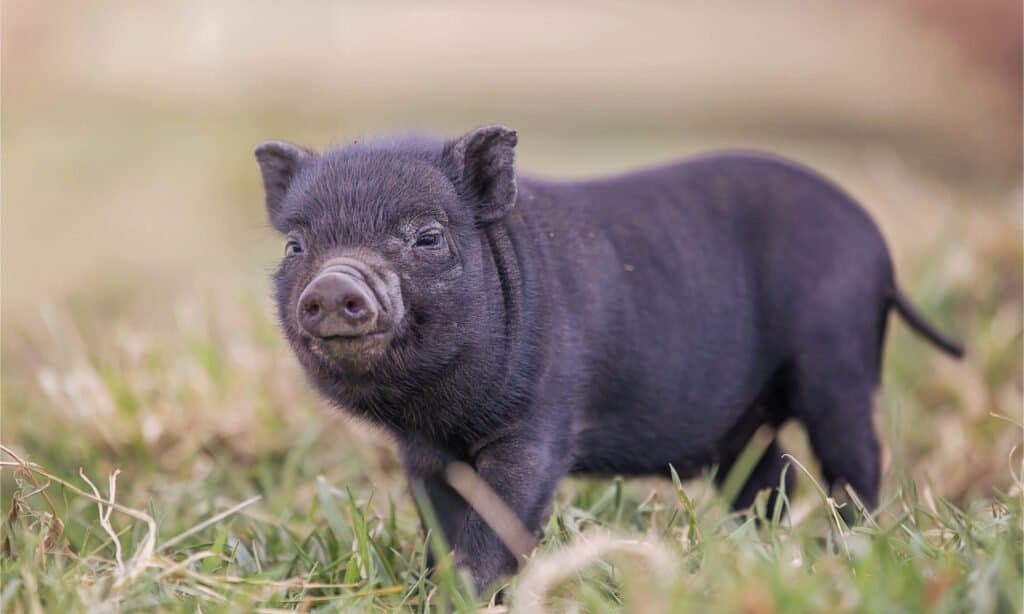
Pigs are highly intelligent, social, and clean pets that require specialized care and significant space.
©sinagrafie/Shutterstock.com
Vietnamese Potbellied Pig
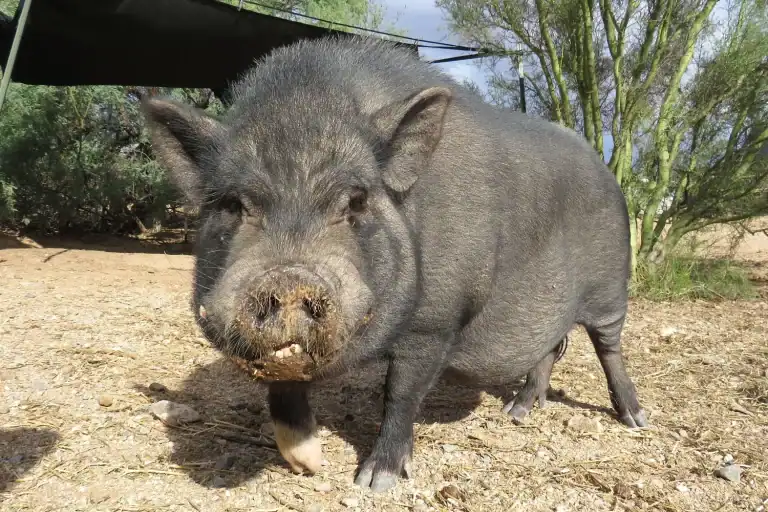
The Vietnamese potbellied pig was the initial pig breed marketed specifically as a household pet in North America, triggering a pet pig craze in the mid-to-late 1980s. Originally imported for zoos in the 1960s, potbellied pigs gained popularity due to their small size, intelligence, and cleanliness compared to farm hogs.
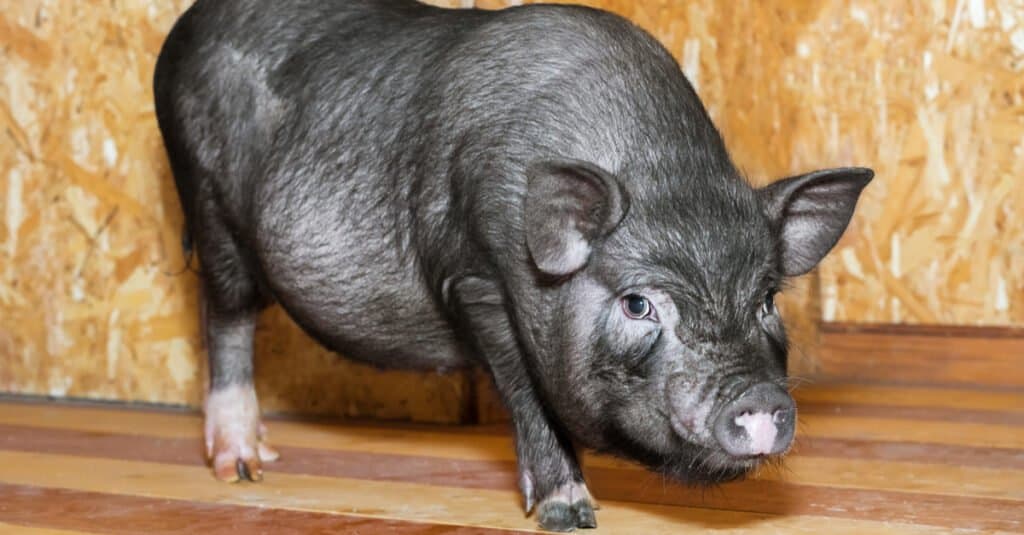
The Vietnamese potbellied pig was the initial offering in the petite pet pig market.
©Anton Watman/Shutterstock.com
Although other small pig breeds existed, the Vietnamese potbellied pig was the first to be heavily marketed and adopted as a domestic, house pet in North America. Vietnamese potbellied piglets weigh only a few pounds at birth, but grow quickly.
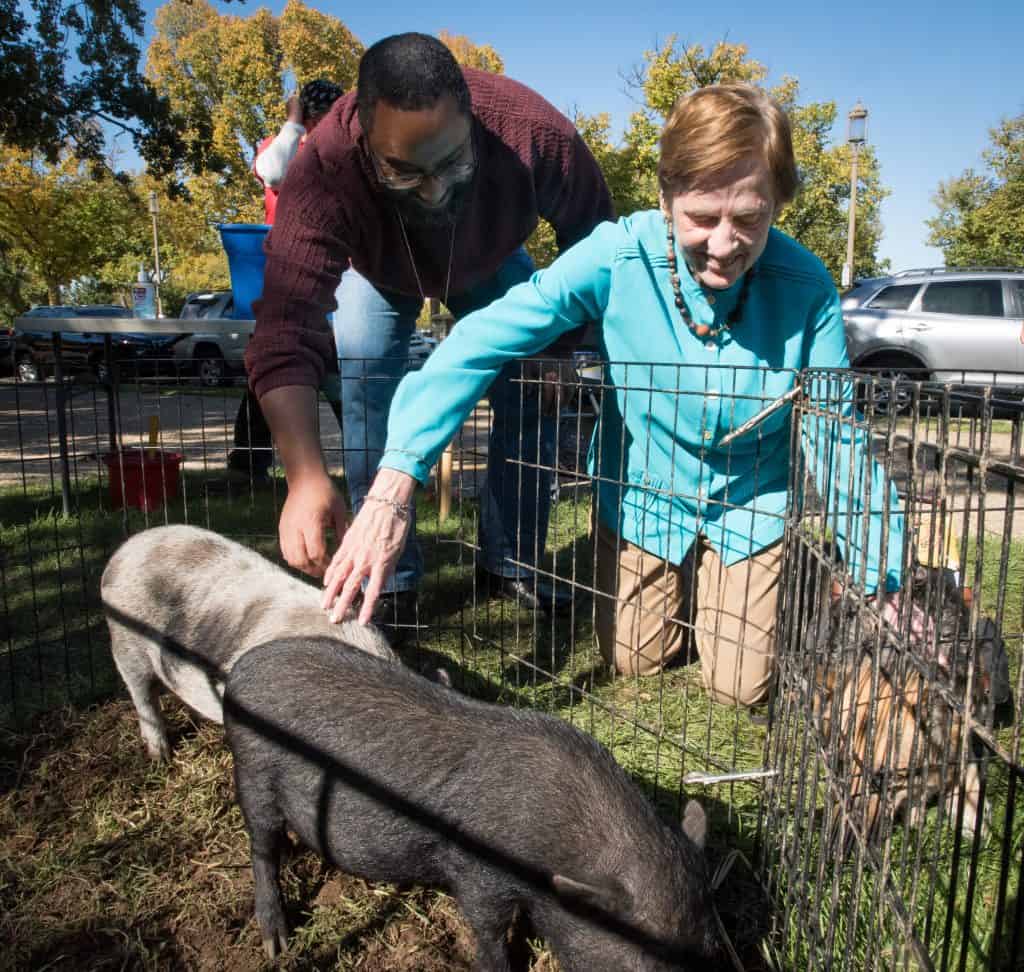
Vietnamese potbellied pigs were originally only available in black. Today, potbellied pigs are often crossbred, resulting in many color variations.
A full-grown potbellied pig typically weighs between 70 and 175 pounds, though some individuals can exceed 200 pounds by age 5. They are approximately 3 feet long and stand 14 to 20 inches tall, with a signature pot belly and sway back. The characteristic saggy belly is primarily anatomical, designed to accommodate their digestive system, but it is often exaggerated by weight gain.
Juliana Pig
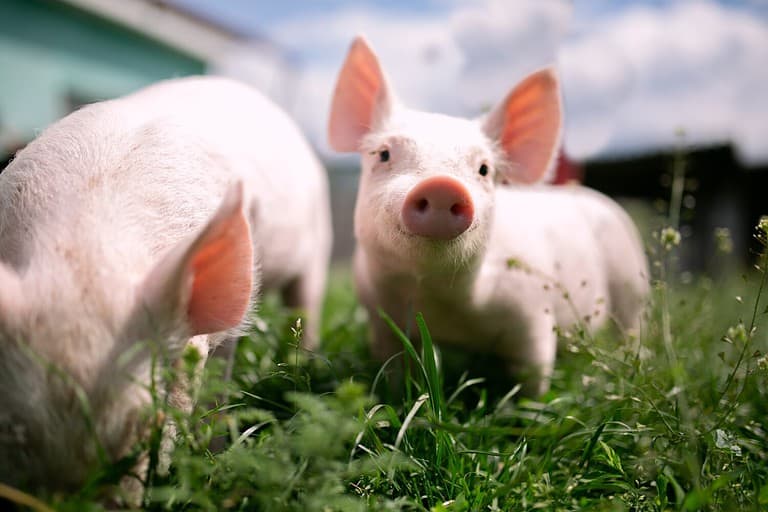
The Juliana pig is a small, colorful, spotted breed originating in the Netherlands that weighs between 50 and 70 pounds when mature, though some may reach up to 100 pounds. Julianas stand 13–17 inches tall and 13-20 inches long. Juliana pigs were specifically bred for companionship. They are highly intelligent and social animals known for their lean, muscular build.
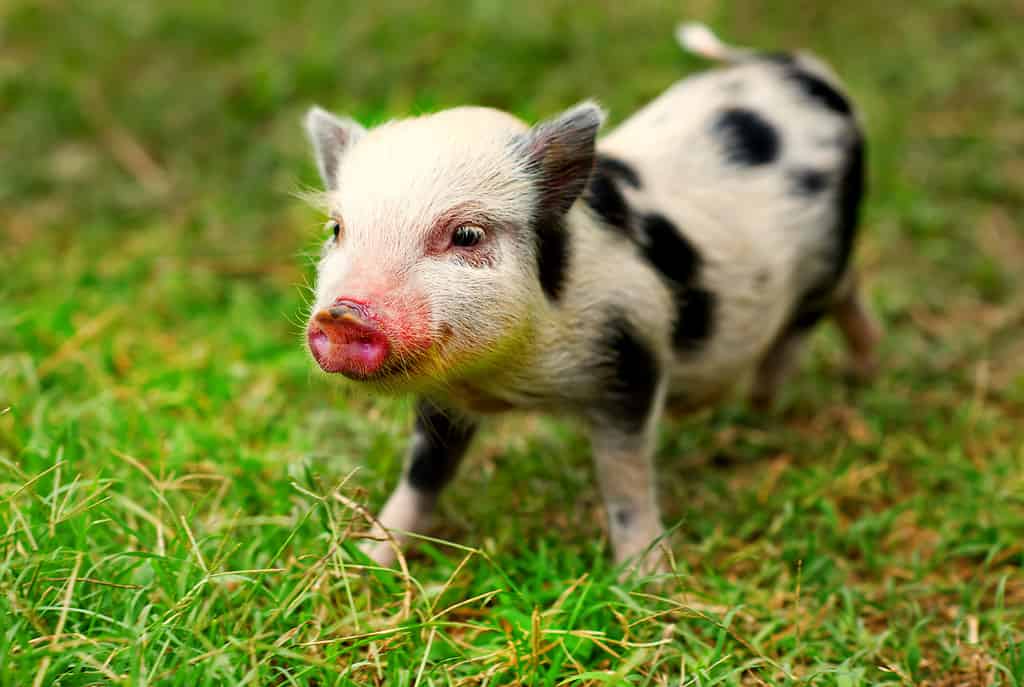
This Juliana piglet will grow to be the size of a large dog.
©Joe Herlong/Shutterstock.com
Juliana pigs were developed during the late 20th century, gaining popularity in the early 2000s. They were created by selectively breeding various miniature pigs, including the Vietnamese potbellied pig.
Juliana pigs are highly intelligent and easy to house train, often mastering litter training or learning to use a doggie door faster than puppies. They are clean animals that naturally prefer not to soil their sleeping or eating areas.
KuneKune
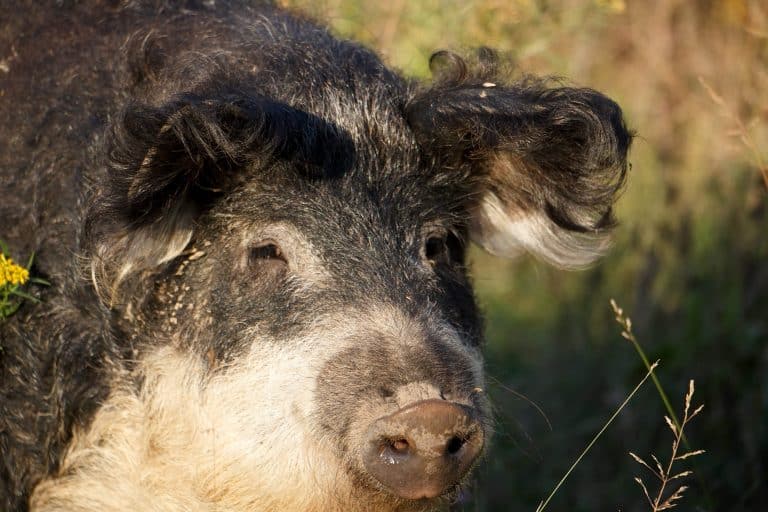
The KuneKune pig was developed in New Zealand by Māori tribesmen during the early 19th century. The KuneKune was likely developed from Asian stock introduced by whalers. Developed as a domesticated, free-roaming village pig, they were purposefully bred for their docile, friendly nature, grazing ability, and high-quality meat and lard.
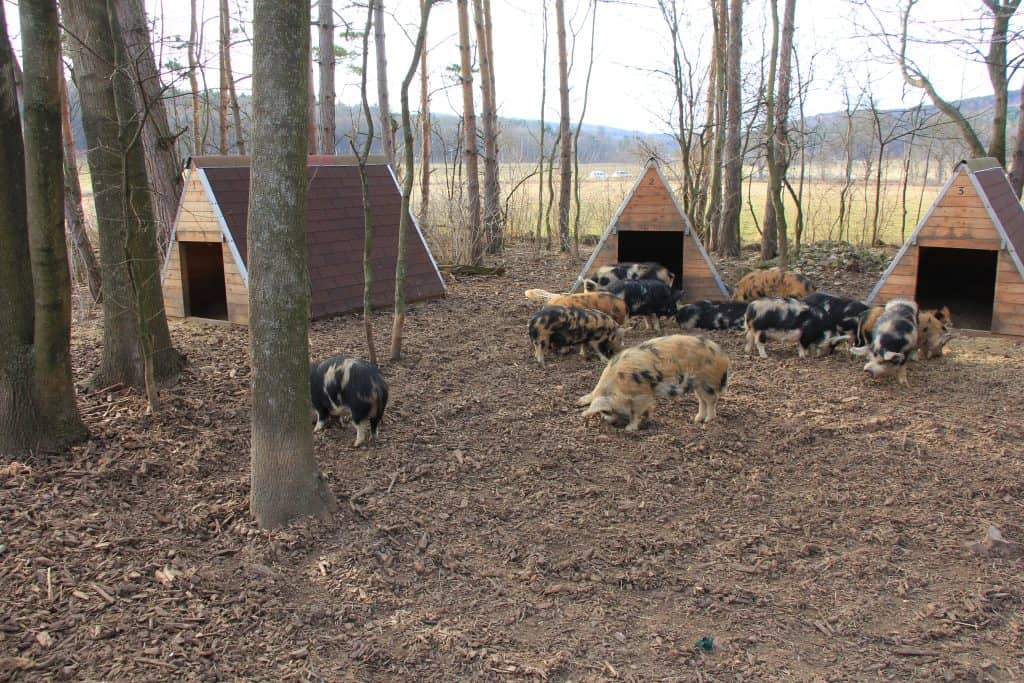
KuneKunes are an older breed of teacup pig.
Mature KuneKune pigs are a small-to-medium-sized heritage breed, generally reaching 24–30 inches in height and weighing between 120–300 pounds at maturity (3–4 years). Sows weigh 120 to 200 pounds, while boars can weigh up to 300 pounds.
KuneKunes are intelligent and make affectionate pets, often compared to dogs. They can be housebroken using litter boxes or, preferably, by going outside. While they can live indoors, they are active grazers that thrive with outdoor access and require significant training, consistent routine, and companionship to avoid boredom.
American Mini-pig
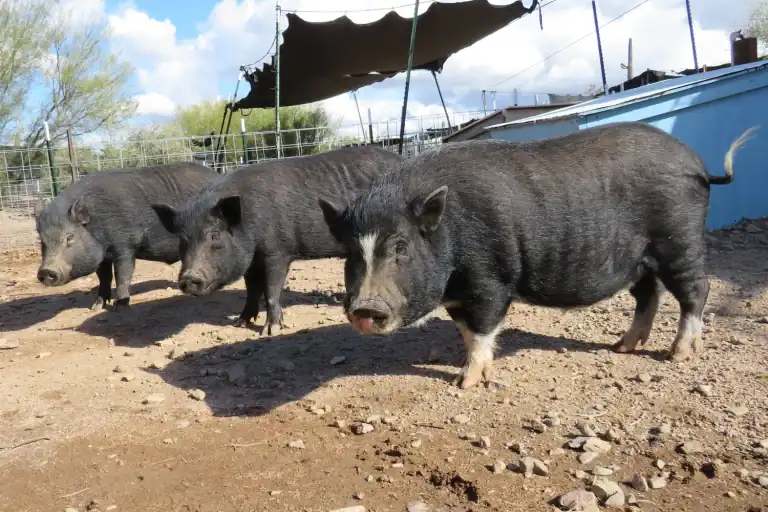
The American Mini-pig is a hybrid classification for smaller, mixed-breed pigs developed for companionship, often combining potbellied, Juliana, and other small breeds. They generally weigh 50–150 pounds and are 15–20 inches tall at maturity. Although they are much smaller than farm hogs, American mini-pigs are not as tiny as the term mini might suggest.

©Charming Mini Pigs – Original
The American mini-pig was primarily developed for biomedical research in the mid 20th century, specifically at the Hormel Institute and the Mayo Clinic. Although they were developed for research purposes, they have since become popular pets.