
Quick Take
- Canadian super pigs will eventually make their way into the northernmost states in the U.S.
- Canadian super pigs are a hybrid of a Eurasian boar and a domestic pig created in the 1980s.
- Canadian super pigs are better adapted to a wider range of climates than feral pigs in the U.S.
- There is a real risk of disease transmission between Canadian super pigs and domestic pigs when the super pigs cross the border into the U.S.
Canada has been dealing with feral pig problems for decades. What was once considered a problem shared by the United States and its northern neighbor is about to become a bigger problem for America. This is because of a “super pig” incursion that northern states are bracing for, which will cause a catastrophic disease spillover in the nation.
The “Super Pig” Incursion Is Imminent
The United States is no stranger to feral pig problems. Since being introduced to the nation in the 1500s, feral pigs have established populations that have caused massive destruction to the habitats they occupy and to the agricultural and livestock industries they affect.
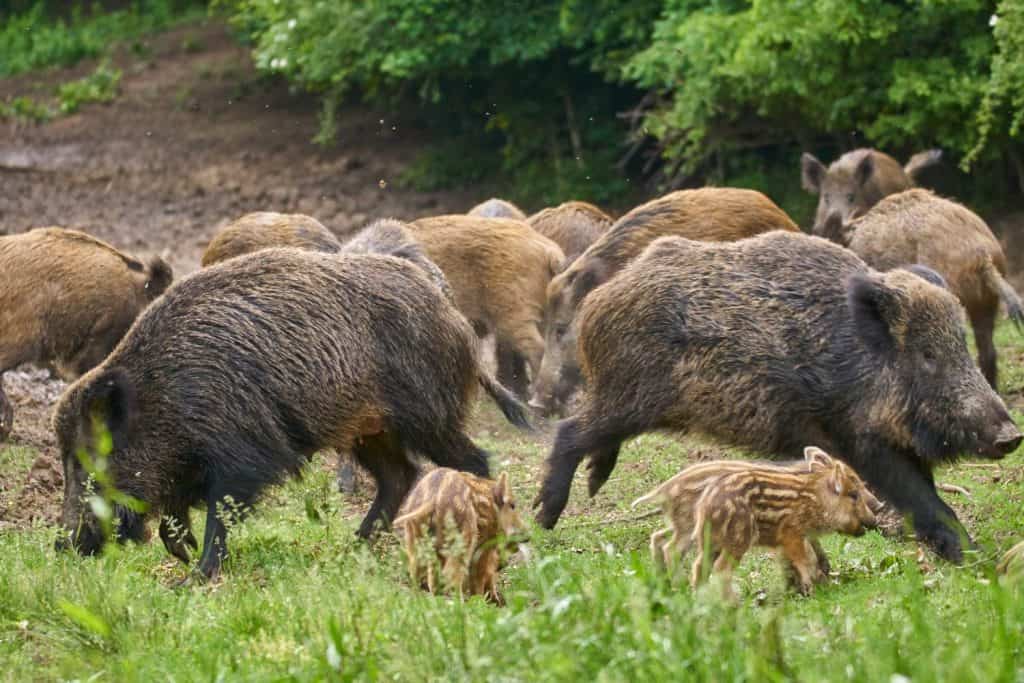
It is only a matter of time before “super pigs” make their way across the United States border from Canada.
©Slatan/Shutterstock.com
As large as this problem is, a bigger one looms on the horizon. “Super pigs,” currently residing in Canada, are threatening to invade the U.S. These pigs are just as destructive as the feral pigs that more than half of the nation is combating. But what makes them stand out is their ability not only to survive but also to thrive in climates that U.S. feral pigs cannot.
The Canadian super pigs have not yet crossed the border. Each year, the pigs move farther north, closer to states where feral pigs have never been a problem. Given the billions in annual economic impact from disease spread in other states, being prepared for the inevitable incursion is essential to mitigate both environmental and fiscal damage. Without intervention, the super pigs will continue to grow their populations and cause as many problems in the north as the current feral pig population does, making no state immune to feral pig issues.
What Is a Canadian Super Pig?
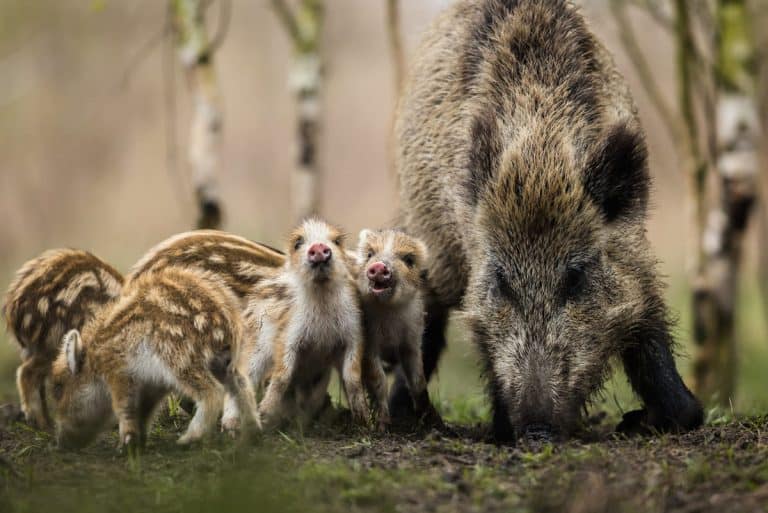
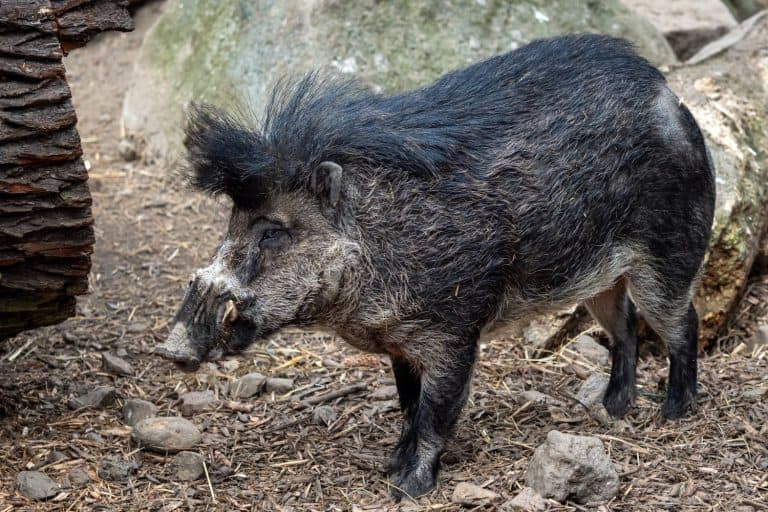
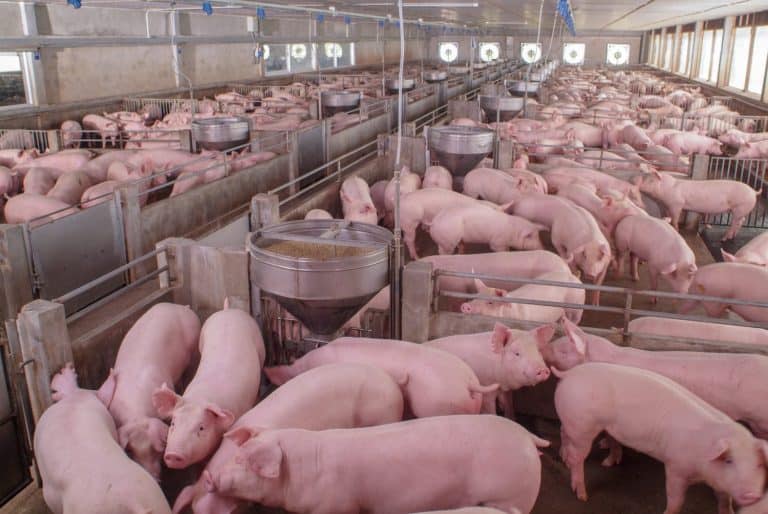
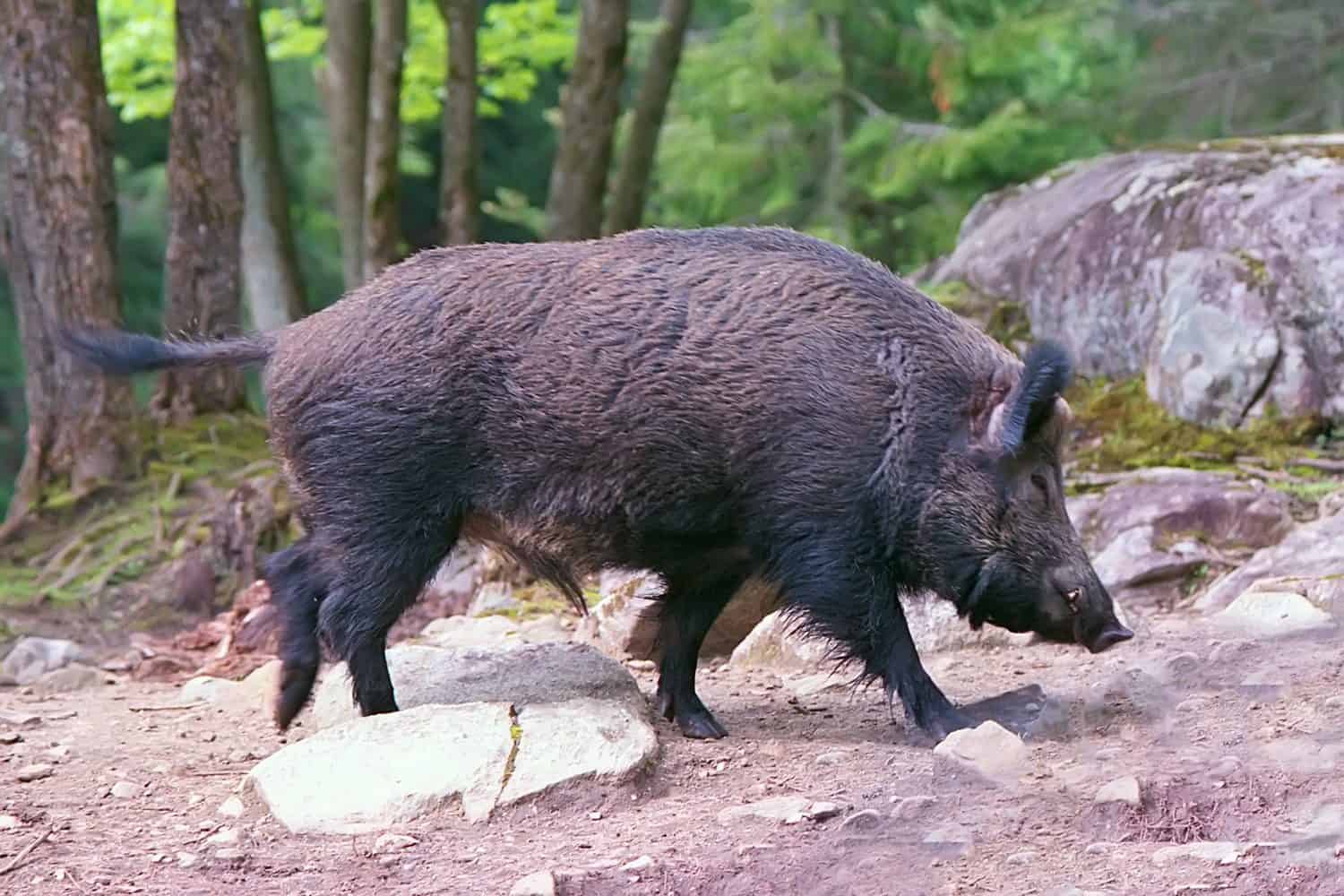
The Canadian super pig is the equivalent of feral pigs in the United States. These pigs are a hybrid species. They are offspring of a wild boar and a domestic pig.
Many people do not realize that super pigs are highly intelligent. This intelligence helps them hide and navigate the environment undetected. It is only when they damage crops or drive out native animals that their presence is noticed.
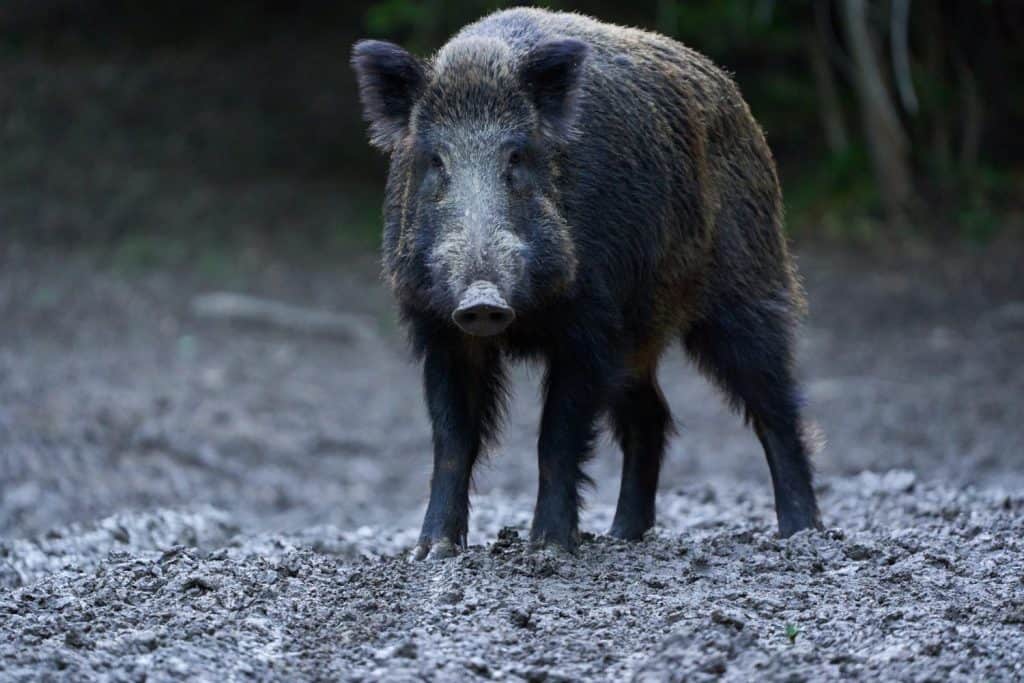
Canadian super pigs can live in a variety of climates, making them hardier than feral pigs in the United States and, consequently, more destructive.
©Slatan/Shutterstock.com
Additionally, the super pigs can produce multiple litters per year. With each litter producing up to 10 offspring, it is easy to see why the pig population can grow dramatically in a short period.
Finally, the Canadian super pigs were not produced by accident. They were bred in the 1980s as a food source for Canadian farmers. These pigs were bred to withstand the cold Canadian climate. This adaptation allows them to survive in almost any environment. Consequently, they are well adapted to live in both Canada and the colder northern states, whereas the feral pigs in the United States are not. This is why they are such a threat to the nation, poised to wreak even more havoc than the invasive feral pig population already does.
Where Do Canadian Super Pigs Come From?
Wild boars are not native to Canada. Until the 1980s, they were not part of the landscape, but their introduction in that decade changed the situation dramatically.
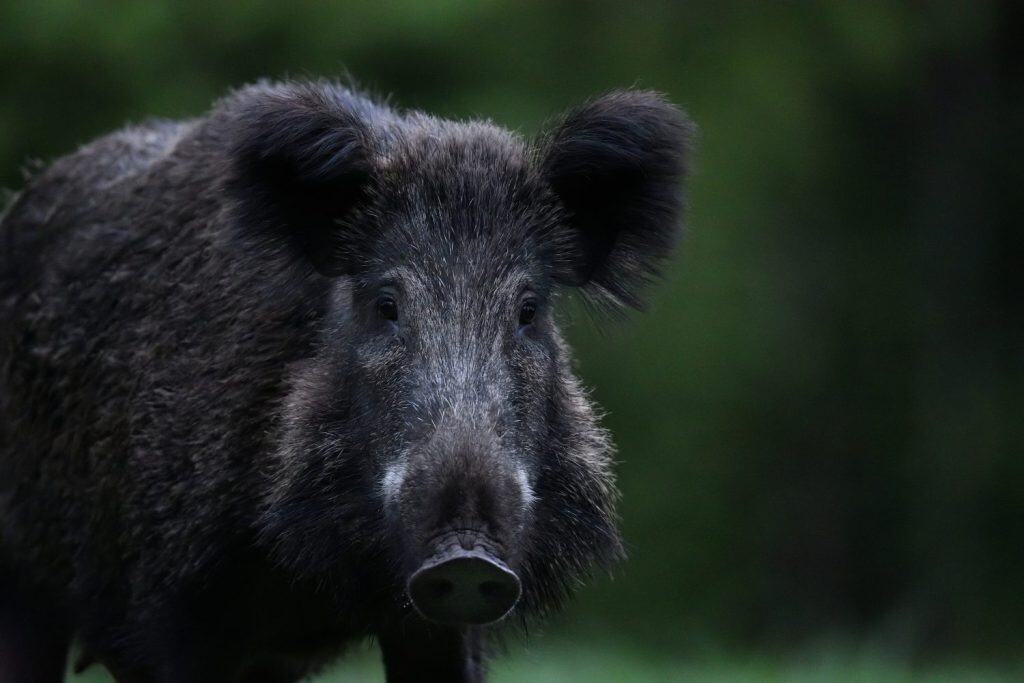
Canadian super pigs are a hybrid of Eurasian wild boars and domestic pigs, created in the 1980s.
©Erik Mandre/Shutterstock.com
Unlike the United States, which imported Eurasian wild boars as big game for hunters, Canada had a different reason entirely for bringing them in. Beginning in the 1980s and continuing into the 1990s, wild boars were introduced from Europe to diversify the country’s livestock production. The goal was to develop a hardier pig breed that could withstand the Canadian climate.
The goal was always to keep the wild boars and offspring corralled. However, these boars and their offspring proved to be wily enough to escape their pens. The pigs came into contact with other wild pigs that had lived in Canada for generations, and the wild population boomed. Unlike previous wild pigs, this new hybrid species was much more adept at survival and caused significantly more problems than their predecessors.
Risks Canadian Super Pigs Pose
The risks posed by Canadian super pigs are not substantially different from those of feral pigs in the United States. However, given how readily they adapt to a variety of climates and their opportunistic feeding, the super pigs’ capacity for destruction is much greater.
Some of the risks that have been identified with the Canadian super pigs include:
- Crop and farmland damage leading to billions in economic losses
- Contamination of ecosystems
- Consumption of the same resources as native species
- Natural habitat and wetland damage
Perhaps the biggest risk that experts want governments and the public at large to be aware of is the spread of disease. The super pigs carry at least 30 different bacterial and viral diseases, according to Dr. Ryan Brook, a professor from the College of Agriculture and Resources department at the University of Saskatchewan. Those diseases can be transmitted not only to pets and livestock but also to humans.
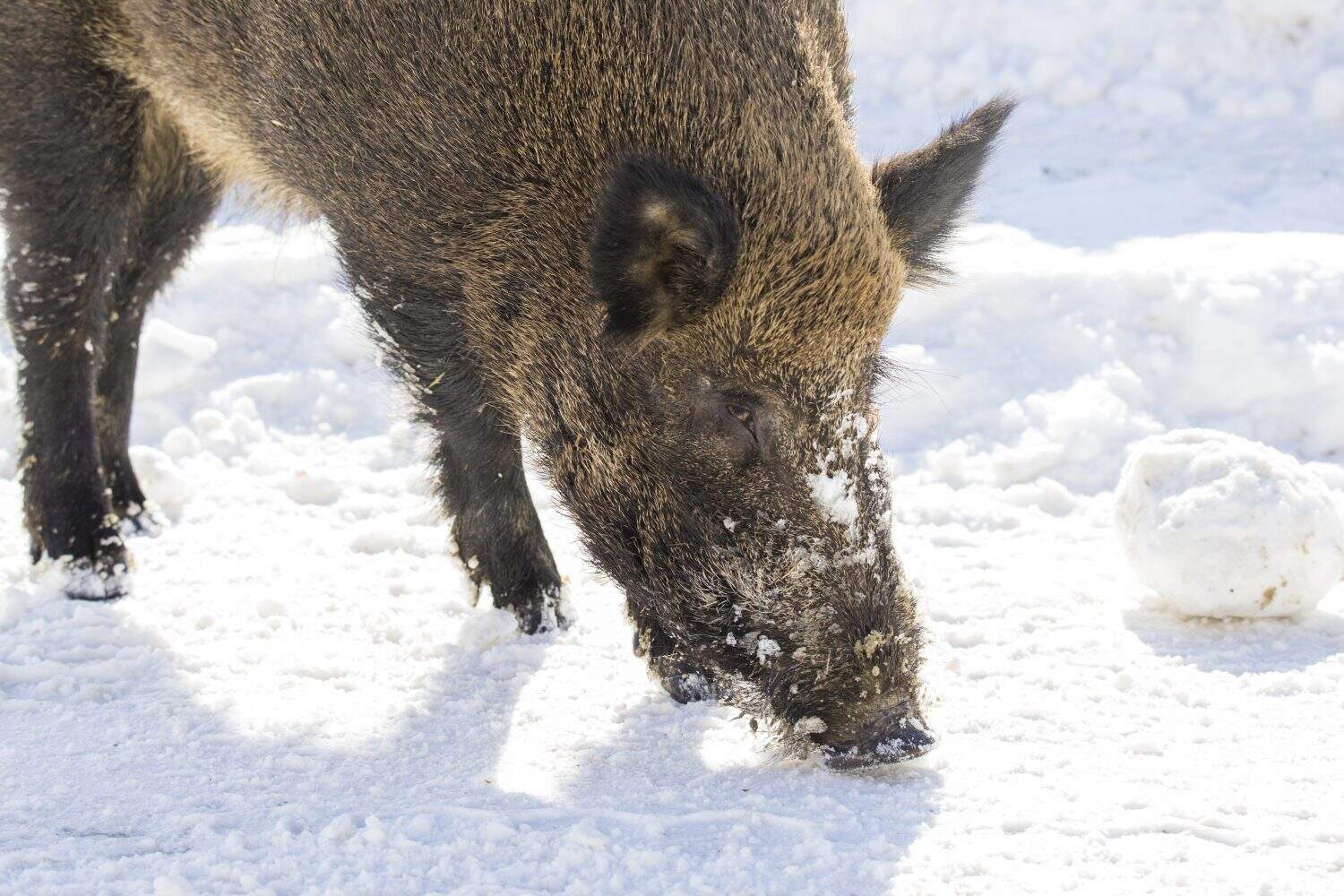
Canadian super pigs will devastate crops, spread disease, and contaminate ecosystems.
©Mircea Costina/Shutterstock.com
“As these populations get bigger and bigger, we’re going to see more crop damage,” Brook explains to CBS News. “We’re gonna see potential disease spread. These pigs can spread disease to humans, to pets, to wildlife, and to livestock.”
Diseases such as African Swine Fever could spread through feral pig populations. This would be a devastating blow to the pork industry, given the disease’s high transmissibility. Domestic pigs could be infected, and their meat could not be sold for human consumption. It should be noted that African Swine Fever has not yet been detected in Canada or the U.S. However, with countries near the U.S. in the Caribbean testing positive for the disease, it is not out of the realm of possibility for African Swine Fever to reach North America.
Since the alarm has been sounded for years, ranchers living along the Canadian-United States border have been on the lookout for super pigs. After all, according to Dr. Brook, it is a matter of when the invasion from Canada will happen, not if.
“Well, this is what I’ve been warning for now into 15 years,” Brook says. “And warning anybody who would listen that this is coming.”
What Is Being Done to Prevent the “Feral Swine Bomb?”
The U.S. Department of Agriculture has called the impending migration of the super pigs from Canada into the United States a “feral swine bomb.” When the super pigs eventually cross the border, there will be several negative implications. This is why preparations have been underway for years to combat the inevitable invasion when it comes.
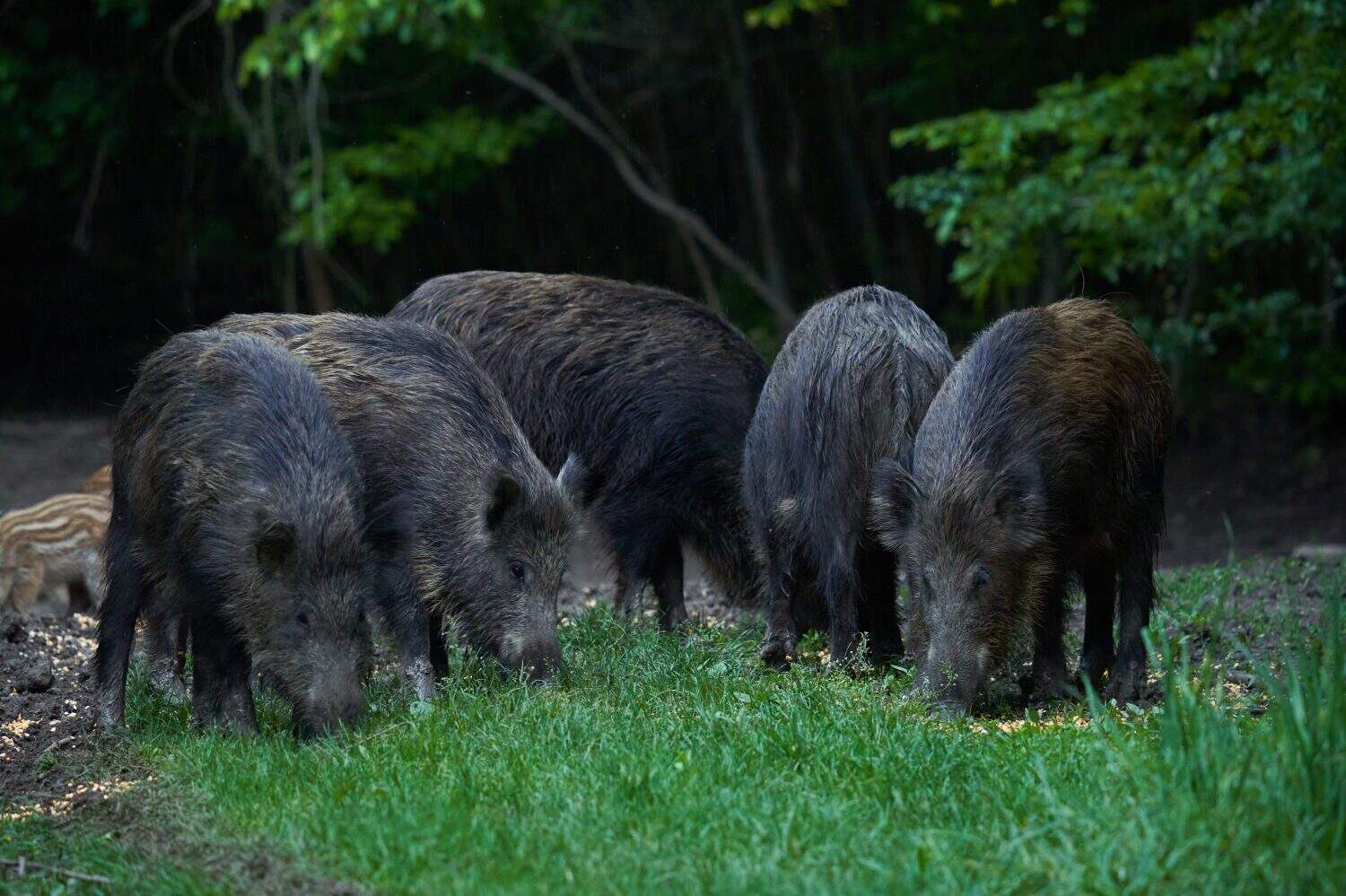
Preparation and plans are in place to deal with the Canadian super pig populations that will eventually invade the United States.
©Slatan/Shutterstock.com
While no direct action can be taken until the Canadian super pigs are in the United States, intervention tactics are being used to sound the alarm as soon as they are spotted. Some of the interventions being used include:
- Net traps that can capture large groups of pigs at one time
- The USDA is conducting aerial surveillance with planes and drones
- Management plans are being drawn up by individual border states to combat the super pigs
- Grassroots campaigns to alert ranchers and local governments of super pig sightings
There may be no way to stop the Canadian super pigs from becoming a problem in the United States. However, with some preparation, the overall threat can potentially be managed. This will be necessary, given the feral pig problems the United States is already combating. The annual cost to the nation is $1.6 billion in agricultural damage, originating from just 13 states. These costs are only expected to skyrocket if plans are not in place by the time the super pigs make their presence known.