
Quick Take
- Pannage in the New Forest allows commoners to release pigs into the forest to eat acorns and other mast.
- Acorns are toxic to cattle and sheep but not to pigs, making pannage a safety mechanism for grazing animals.
- The pannage season runs from September to November, extended to January 4, 2026, due to a heavy acorn crop.
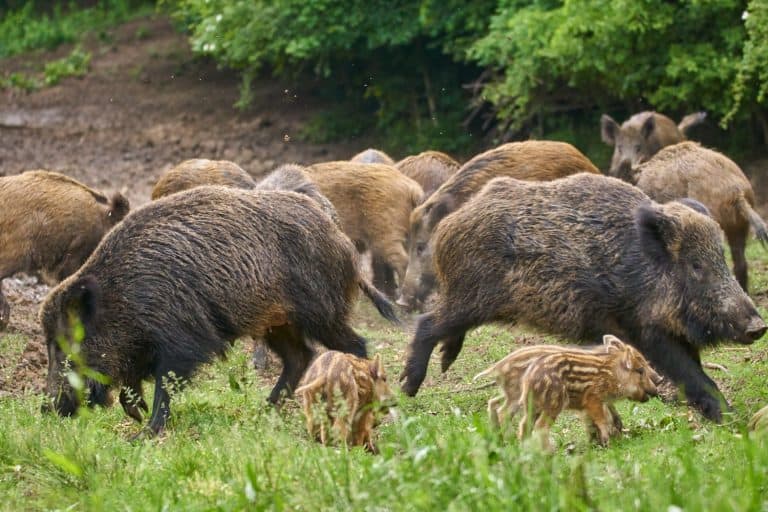
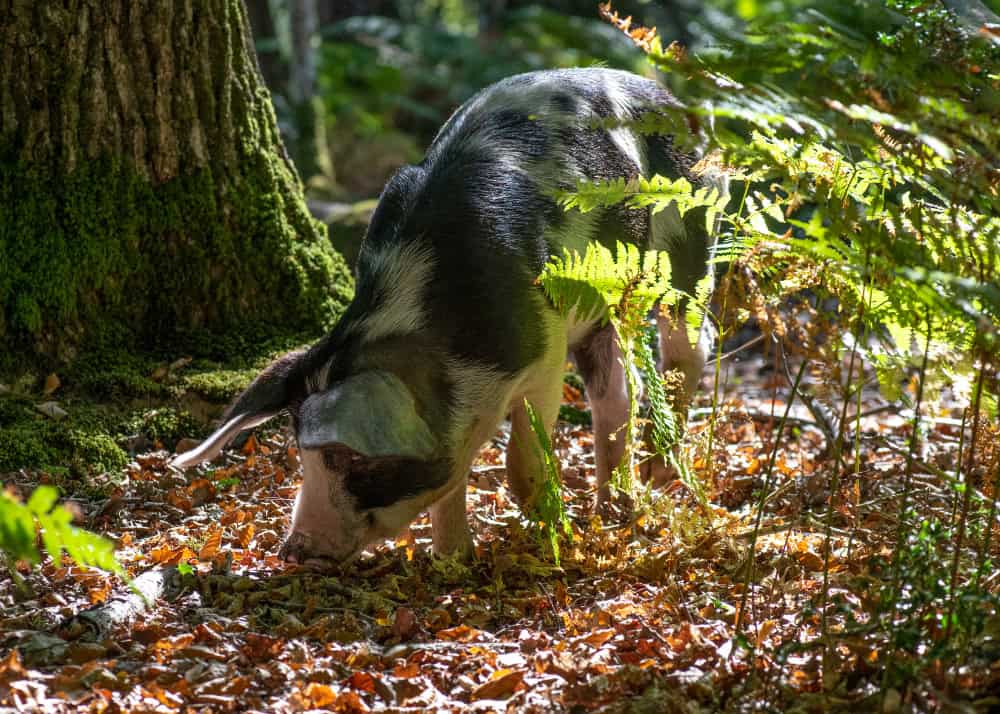
Some very old UK laws allow certain farmers to release their pigs into the New Forest to eat the acorns. This ancient tradition is called pannage, and is obviously very popular with the pigs involved! As this fascinating Instagram post explains, the pigs will clear acorns and beech mast from the forest floor. Let’s explore this ancient tradition and the benefits it brings to the animals and ecology of the area.
What Is Pannage?
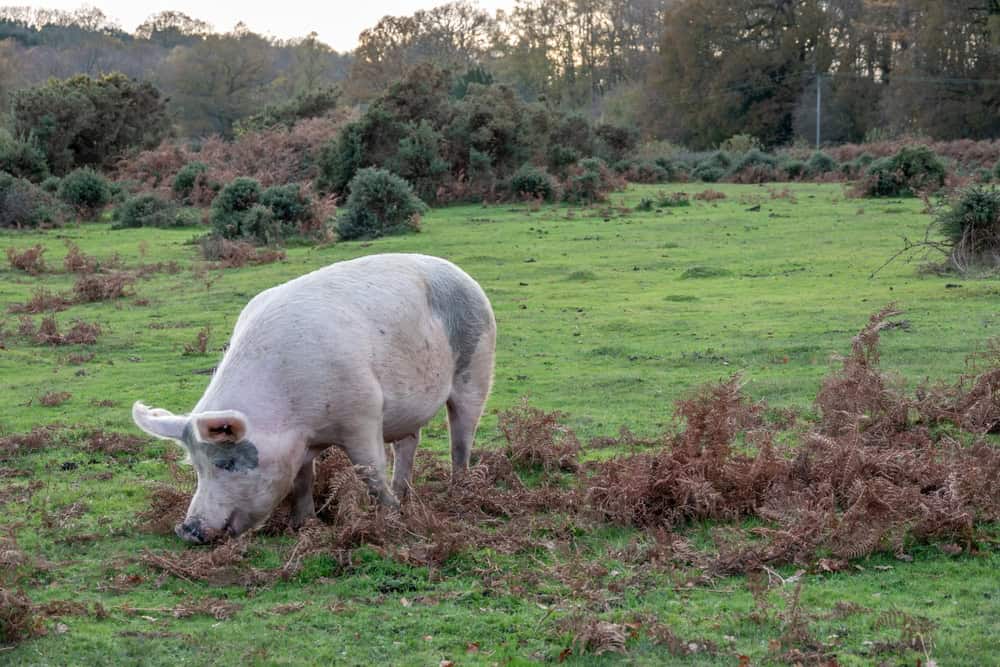
Pannage is an ancient tradition dating back hundreds of years.
©Penny Hicks/Shutterstock.com
The ancient Court of Verderers, established under the New Forest Act of 1877, is a governing body that oversees the use of the New Forest. This form of forest governance was once common in many areas of the UK and determines what activities Commoners in the New Forest are permitted to undertake. Commoners are individuals who own or occupy properties that grant them specific rights to use the forest for certain activities. One of these rights, known as ‘mast,’ allows them to release their pigs into the forest to feed on acorns and other nuts. This practice dates back to the time of William the Conqueror, who established the New Forest in 1079.
The pannage season usually lasts from September to sometime in November, but thanks to an abundance of acorns, this year it has been extended to January 4, 2026. The pigs also eat chestnuts and beech mast. Typically, 200 to 600 pigs are released annually, but around 600 pigs and piglets were released in 2025 due to the heavy acorn crop.
Why Are Acorns Poisonous to Cattle But Not Pigs?
Acorns and some other types of mast are toxic to ruminants such as cattle and sheep, especially in large quantities. They can cause internal bleeding and, in some cases, death. Ruminants have a unique digestive system that enables them to extract energy from fibrous plants. However, this specialized digestion also makes them vulnerable to acorn poisoning.
Acorns and oak leaves contain phenols and tannins, such as gallic acid and pyrogallol. In the gut, these can bind to proteins, which can lead to kidney failure. Green acorns are especially toxic, and unfortunately, some animals develop a taste for them and consume far too many!
Benefits of Pannage
Pigs are not ruminants and have a single-compartment stomach. If pigs eat a large amount of acorns, they can get sick, but most of the time, they are fine. The pigs clear the glut of acorns, making the area safe for sheep and cattle to graze once again. These grazing animals maintain the delicate ecological balance of the area. What’s more, as the pigs root around for mast, their snouts and hooves turn over the soil, aerating the forest floor and increasing biodiversity.