
Quick Take
- The species showing up in these social media listings go far beyond exotic pets. Some could trigger something far worse than an animal escape. See the threatened species found →
- There's a specific reason sellers target baby primates over adults, and that reason has nothing to do with price. Why babies are targeted →
- Even if authorities catch an escaped trafficked primate, the situation doesn't end there. Local animal control is dangerously unprepared for what comes next. See the risks authorities face →
Wildlife trafficking is one of the largest black market businesses in the world. Animals are trafficked and sold as “exotics,” usually through under-the-table deals. It’s a lucrative business for those living in countries where highly coveted animals are found. But it’s also illegal for good reason. Wildlife trafficking poses risks to animal welfare and can lead to invasive populations, endanger species, and spread disease. However, some illegal animal trades present even greater dangers.
The horrifying discovery of primates being sold on social media is only the most recent instance of wildlife trafficking to come to light. A wide range of species is being sold this way, posing risks not only to their owners but also to the environment and public health. While sellers profit significantly from the illegal sale of primates, these animals suffer greatly as a result.
Shady Primate Sales on Social Media
A study published by the Association of Zoos and Aquariums, the International Fund for Animal Welfare, and the World Wildlife Fund exposed the darker side of social media. Data collected over a six-week period revealed 1,614 primates for sale across several major platforms. Facebook, Instagram, TikTok, and YouTube had listings advertising the illegal sale of the animals under the guise of “rehoming.” Some listings also used the term “adoption” despite the primates being taken from their native homes for sale.
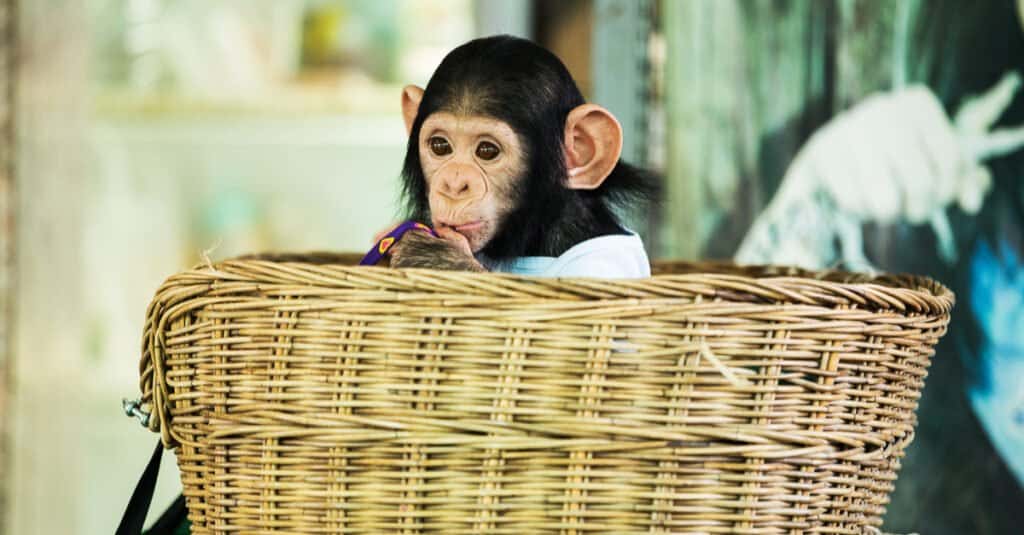
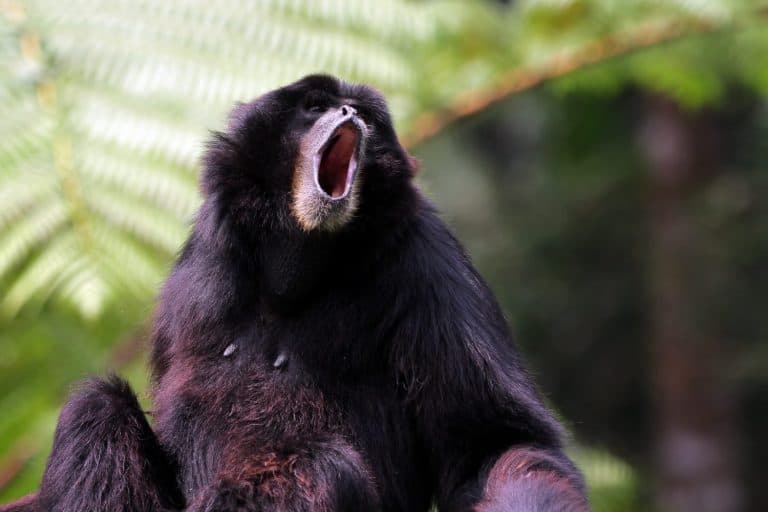
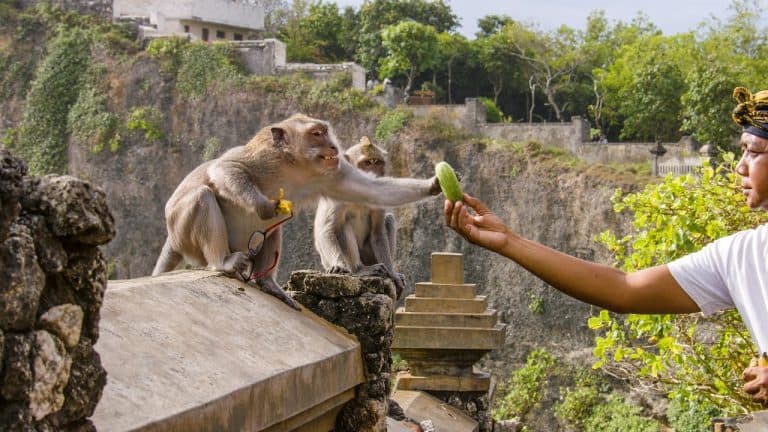
Primates are sold illegally under the guise of being good pets, when many are endangered or taken from their native habitats.
©subin pumsom/Shutterstock.com
The study analyzed advertisements posted during a six-week period in 2025. Many of these hid behind a seemingly sincere effort to find new homes for the primates. The deceptive language used in these ads likely prevented them from being flagged by social media sites. Some ads were even posted as commercial transactions, allowing them to go unnoticed as standard business purchases.
Sadly, most of the primates in the ads were juveniles or babies. Upon closer inspection, it became clear that the primates did not actually need new homes. Instead, they were likely bred specifically for sale or smuggled from their natural habitats. According to the study, younger primates are easier to sell because they bond quickly with humans. The younger the primate, the more likely it is to form a dependent relationship with the human it interacts with most frequently.
Some Sales Included Threatened Species
One of the most shocking things about the data collected was the species being sold. In total, 122 social media users were identified during the study period. Collectively, they posted 1,131 times about the more than 1,600 primates for sale. Of these, researchers noted 12 different species that were taken and trafficked. They included:
- Macaques
- Marmosets
- Capuchins
- Spider monkeys
- Tamarins
- Squirrel monkeys
- Lemurs
- Vervets
- Chimpanzees
- Bush babies
- Owl monkeys
- Howler monkeys
Some on this list are less surprising than others. Spider monkeys and lemurs have long been viewed as “cute and cuddly,” despite their unpredictable nature. Others, such as chimpanzees and howler monkeys, are a sobering reminder of the seriousness of animal trafficking. If one of these animals were to escape, its unpredictable and sometimes aggressive behavior could result in injury or worse. If it were to reproduce, the resulting population could become invasive and cause significant harm to local ecosystems.
Tragically, many macaque species are endangered. While it’s unclear precisely which species were sold, their dwindling numbers are now threatened by the exotic animal trade. Long-tailed and barbary macaques are especially threatened by wildlife trafficking and are high on the black market list.
The Devastating Effects of Primate Trafficking
Wildlife trafficking poses threats to the environment, but primate trafficking poses additional threats to humans. Primates are among the highest-risk carriers of pathogens. When they’re sold illegally, there’s no screening to determine if they’re safe to enter the country. Without that, even just one illegal primate sale could introduce a highly contagious or deadly virus into the country.
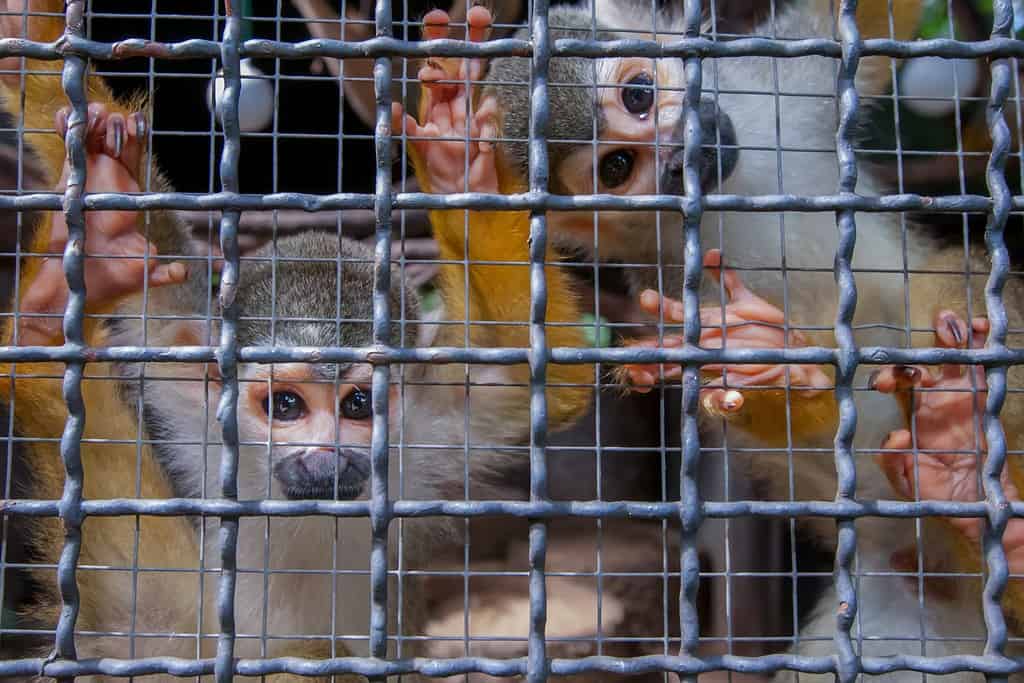
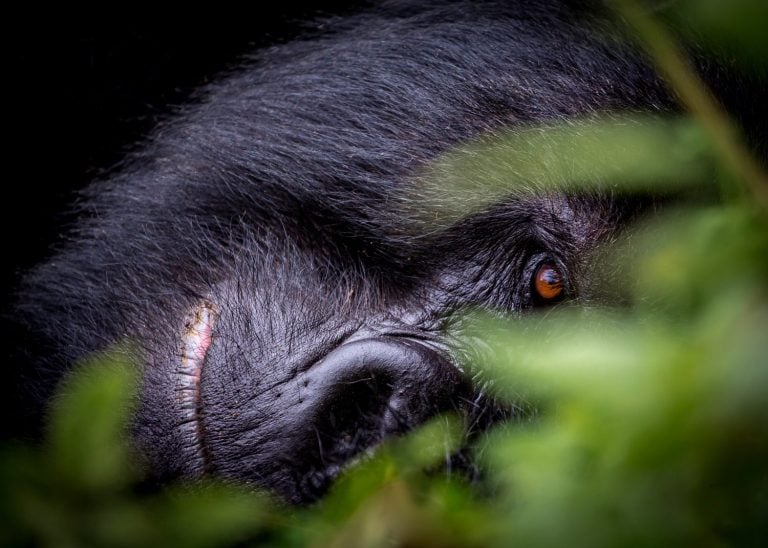
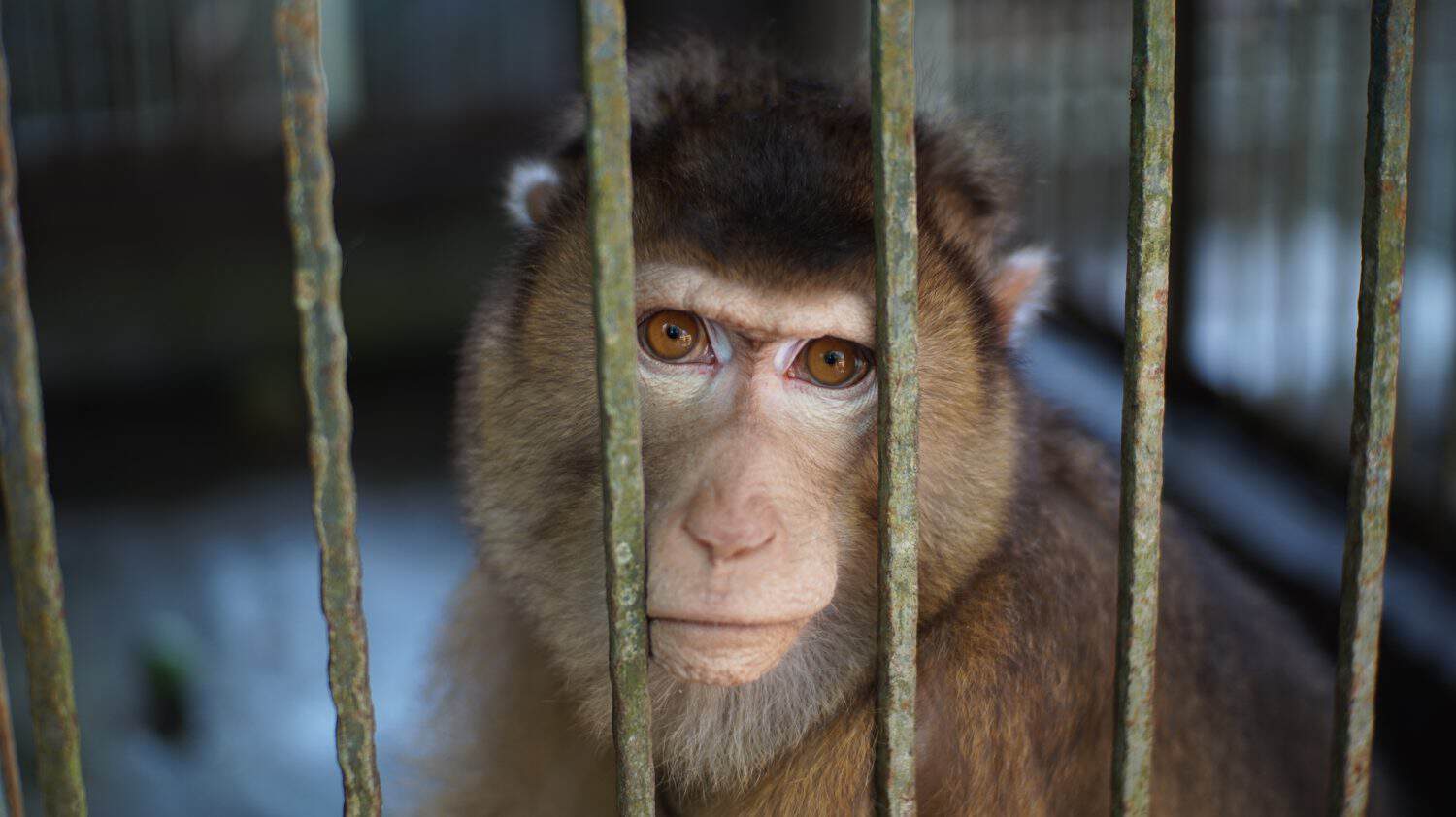
Viruses and bacterial infections are easily transmitted from primates to humans.
©BENZINE/Shutterstock.com
Viruses such as Ebola and Marburg are two of the deadliest infections associated with primates. Animal-to-human transmission is possible, and this can quickly become ground zero for a pandemic. Monkeypox and herpes B are also easily transmissible. Bacterial infections become another concern, primarily Chagas disease, tuberculosis, and Salmonella. Because these sales and the primates involved are untraceable, it would be nearly impossible to determine the origin of any resulting infection.
Aside from pathogens, aggression is another significant issue. When primates, particularly large species like chimpanzees, are cornered, their behavior becomes unpredictable. They may bite, hit, or try to tear at any humans that get too close. Local animal control is often unfamiliar with animals such as these, since they’re not native. This escalates an already tense situation into a high-risk scenario if the animal cannot be contained. Even if containment is successful, the animal will require extensive rehabilitation, and there is no guarantee it can be returned to the wild.