
Honey badgers are surprisingly resilient animals for one specific reason: their resistance to toxic venoms. To better survive in the wild, they have adapted to become resistant to the venom of various animals. Whether it’s bees, scorpions, or snakes, honey badgers are strong against them all! This video by Nat Geo Animals discusses a honey badger’s resistance to venom. Read here to learn more about this amazing evolutionary adaptation.

Honey badgers are resilient creatures.
©Ewan Chesser/Shutterstock.com
Honey Badger’s Venom Resistance
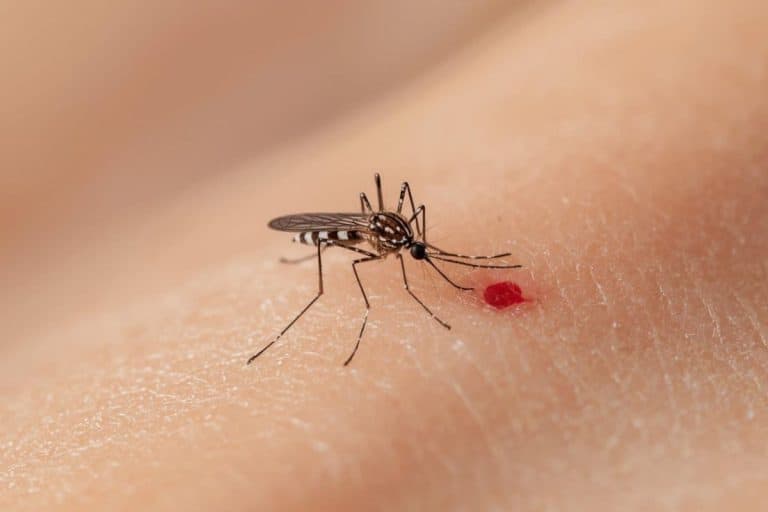
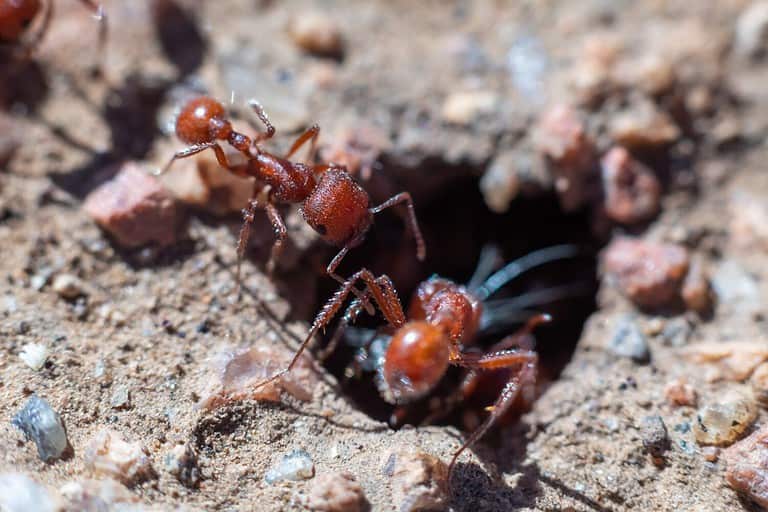
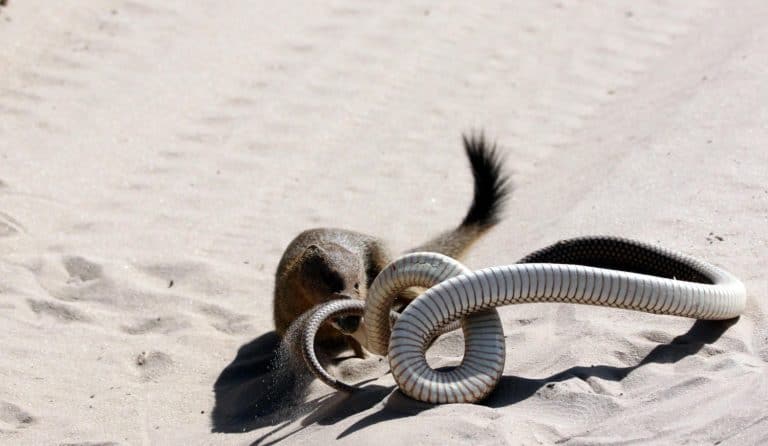
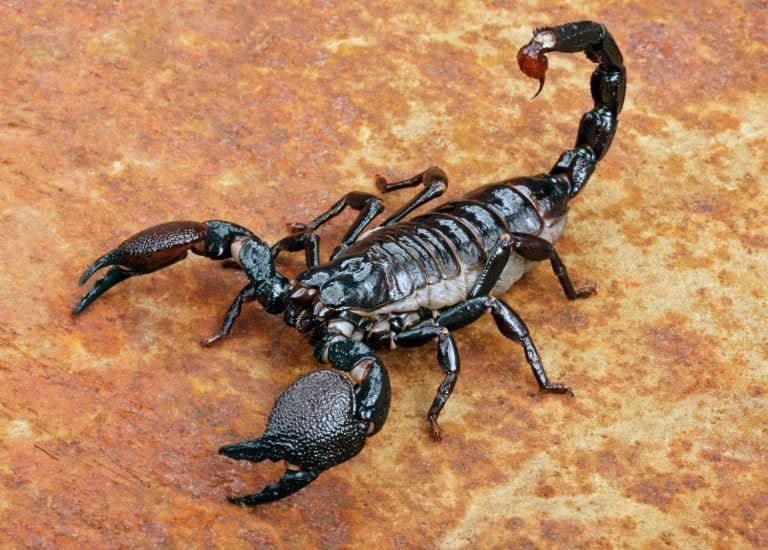
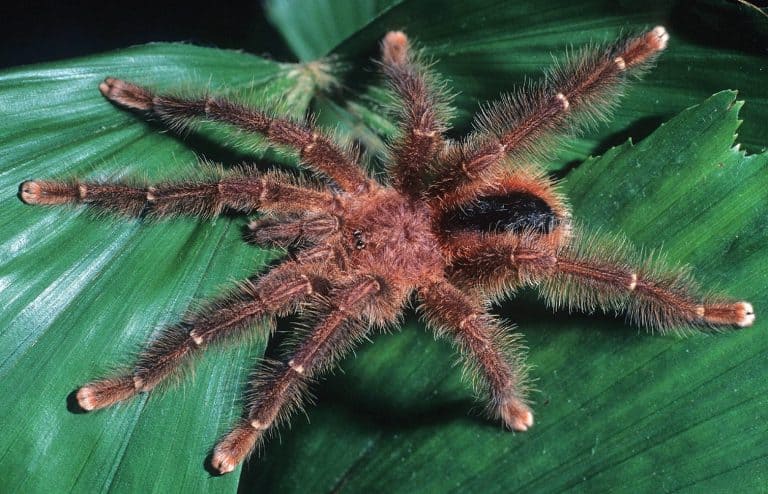
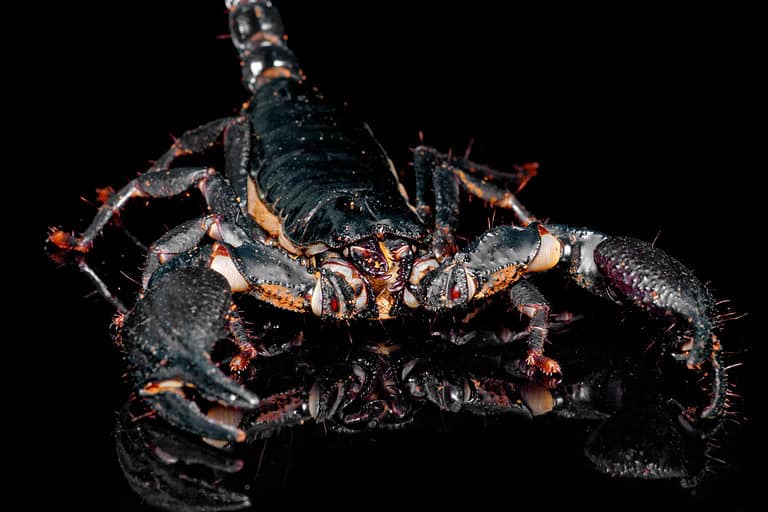
Honey badgers are extremely adaptable creatures, inhabiting different environments and hunting different foods. They inhabit savannas, woodlands, scrublands, and farmlands across Africa, the Middle East, and West Asia. One of their key traits is their expansive diet. Honey badgers are opportunistic carnivores, meaning that they will most likely take whatever food source is right in front of them. This is where their venom resistance becomes especially important. Snakes, scorpions, bees, and other venomous creatures share the same ecosystems as honey badgers—and are all potential prey for them.
Given that their diet consists of venomous prey—prey that is quick to defend itself with a bite or a sting—being resistant to venom is extremely important. Honey badgers have evolved over centuries to develop their resistance. Their resistance not only allows them to eat a wider variety of prey but also provides a strong defense against venomous attacks. Living in the same habitats for centuries, honey badgers have gone through natural selection that favors venom resistance. By passing on these genes, honey badgers have become highly resilient animals.

Honey badgers consume venomous prey.
©Erwin Niemand/Shutterstock.com
How Did They Grow Resistant?
Thanks to evolution, honey badgers’ muscle cells are where their resistance shines. Most venom, from snakes, for example, targets a receptor in muscle cells called the nicotinic acetylcholine receptor. If this receptor comes in contact with venom, paralysis occurs. However, honey badgers have developed mutations that make these receptors less compatible with the neurotoxins in venom. This does not equal immunity, however. While honey badgers can survive the effects of venom, they may still experience milder symptoms. Although not well studied, some theories suggest that honey badgers expose themselves to venom from a young age to build stronger resistance. However, this theory is not strongly supported by scientific literature, so it is likely that honey badgers rely mainly on their genetics for venom resistance.