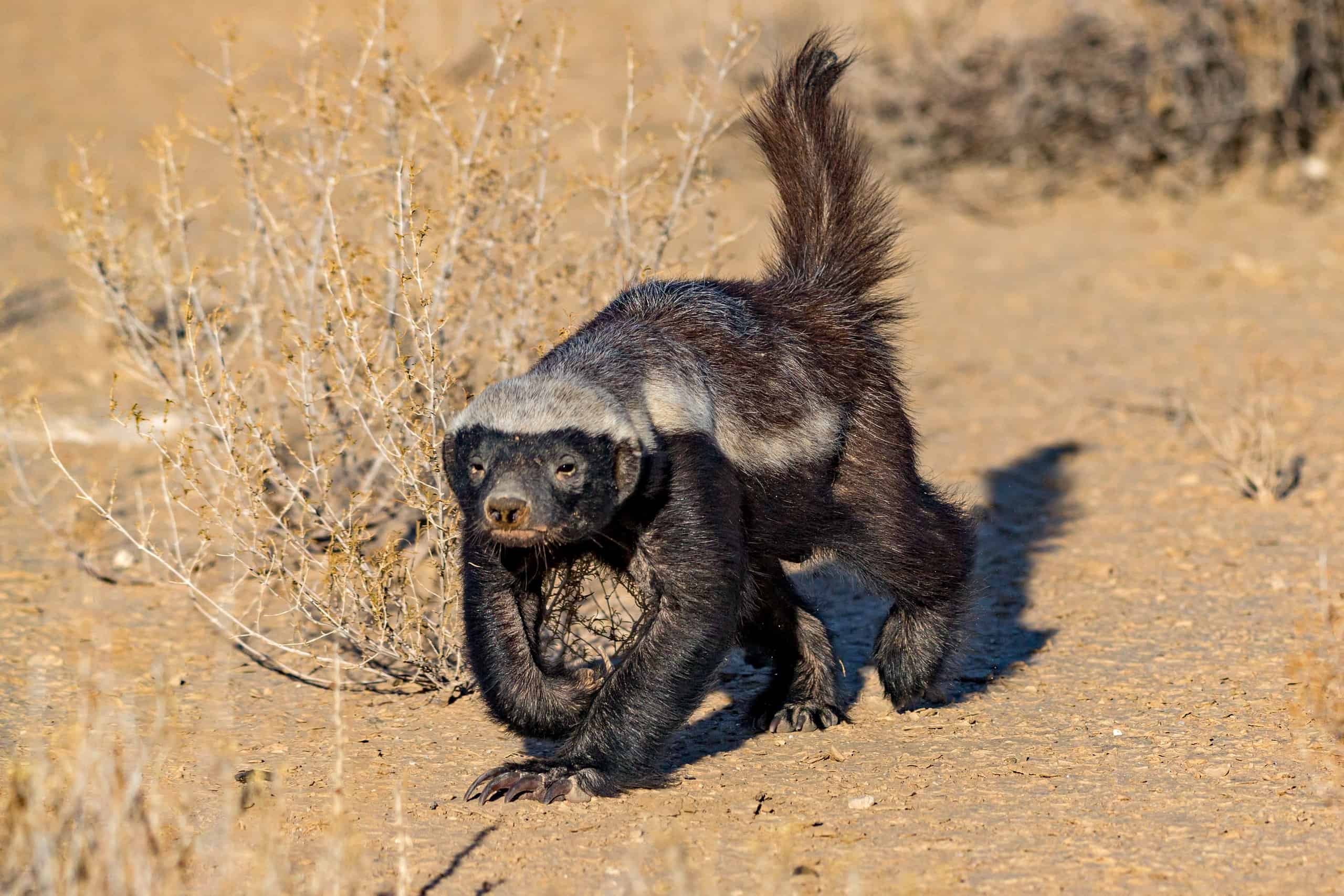

Quick Take
- Badgers can do something with their own skin that almost no other animal can. This ability turns a losing fight into a winning one. How badgers twist in their own skin →
- One of a badger's most powerful weapons isn't a body part at all. It's a behavior that stops predators before any fight even begins. The behavior that stops predators →
- Their burrows are far more than mere holes in the ground. They are multigenerational structures that rank among the most impressive feats of engineering in the entire mammal world. Inside badgers' multigenerational setts →
- The bold markings on a badger's face are not just for looks. Scientists think they serve a surprisingly tactical purpose in a fight. The tactical purpose of bold markings →
Badgers are not the largest predators in their ecosystems, but they are certainly one of the most successful. These highly effective mammals have evolved impressive adaptations that help them thrive. Certain traits and behaviors help them dig, defend themselves, find food, and survive conflict with bigger animals. Together, these adaptations make badgers well-suited for time spent underground and in hostile environments. Here are eight features that make badgers formidable creatures.
1. Loose, Tough Skin
©Ondrej Prosicky/Shutterstock.com
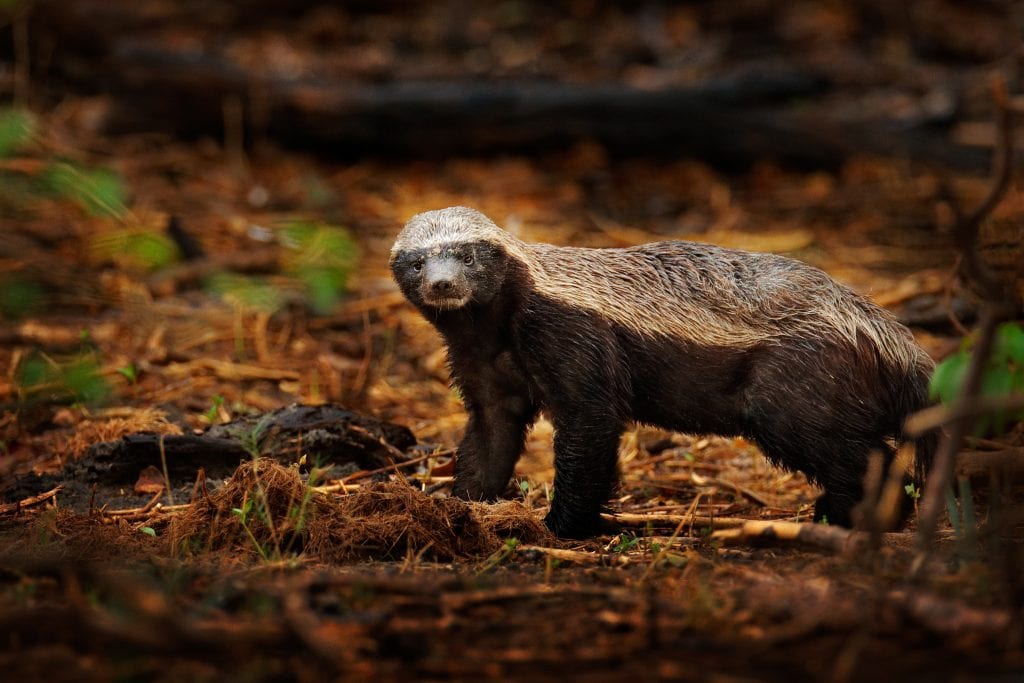
One of the most unusual features of badgers is their loose skin. If a predator grabs a badger, the animal can actually twist around inside its own skin to get a bite in. As you can imagine, this rare ability makes it hard for attackers to stay in control. The skin is also quite thick and resilient, sometimes resisting injury altogether. These skin-specific traits help badgers survive fights that would seriously harm many other mammals.
2. Shovel-Like Claws
©Photography by Adri/ via Getty Images
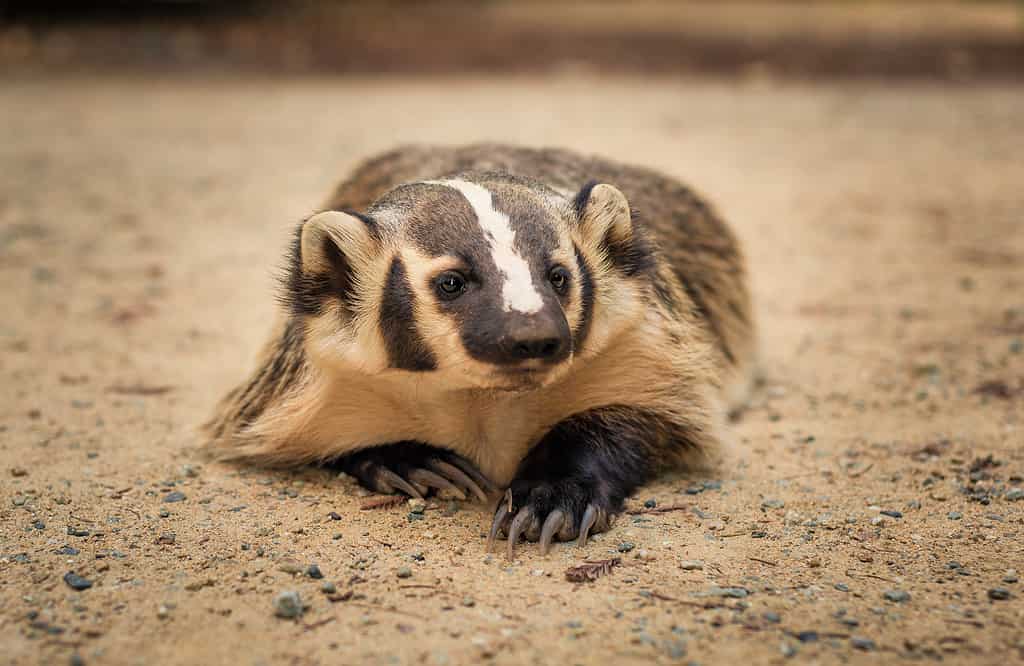
Badgers have long, powerful front claws designed for digging. These claws can plow through hard-packed soil surprisingly fast. A badger can dig extensive tunnels that collectively form a burrow system. When threatened, they can disappear underground within seconds. The intimidating claws are also used to dig up insects, roots, and small prey. They function like a highly effective built-in tool.
3. Low, Muscular Bodies
©Braam Collins/Shutterstock.com
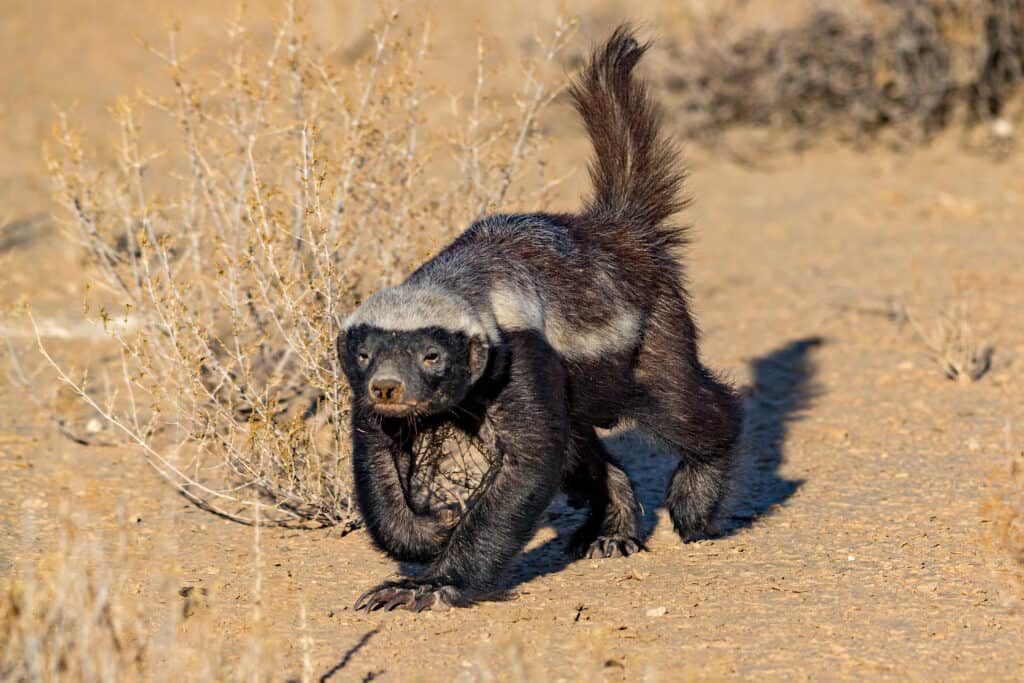
Badgers have bodies that seem made for tunneling. Their short legs and broad shoulders create the perfect stature for digging. The animal’s stocky nature and short stature also come in handy during conflict, giving them a low center of gravity that makes them nearly impossible to flip over during fights. They are also perfectly suited for expertly navigating the tunnel environment they create.
4. Powerful Jaws
©Melnikov Dmitriy/Shutterstock.com
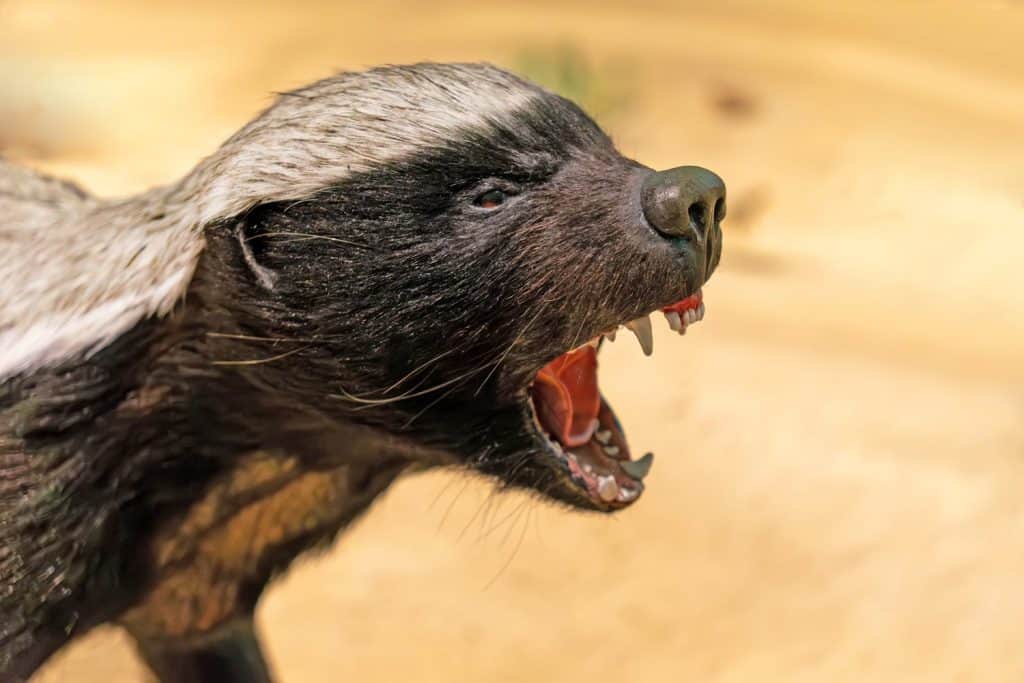
Many badger species have strong bite forces that are surprising for their size. They can crush hard foods and use their mean bite to defend themselves against predators. Their strong neck muscles add additional power to the already fierce bite force. This makes badgers formidable fighters despite their fairly small size, even against much larger opponents. Their destructive bite is enough to convince bigger animals to go their own way.
5. Fearlessness
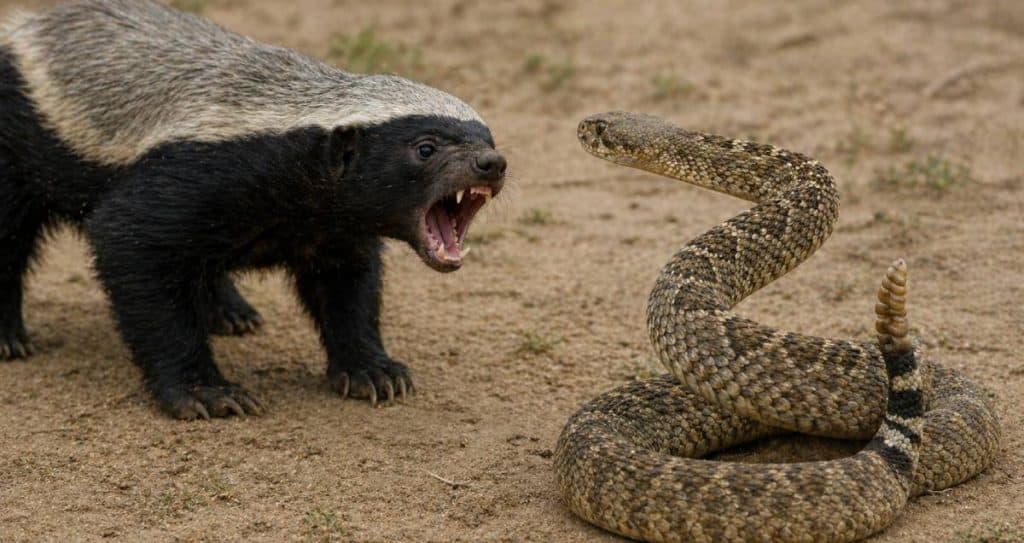
Badgers have a fierce reputation for confronting threats head-on instead of running away. They are known to stand their ground against predators many times their size. Their confidence can work to their advantage by discouraging animals hunting for a quick and easy meal. Ironically, simply appearing willing to fight is enough to ward off predators altogether. Their bold behavior has become synonymous with the mammal.
6. Excellent Sense of Smell

©Frank11/Shutterstock.com
Badgers use their sense of smell when searching for food. They can sniff out insects, worms, rodents, and other prey, even when they are hidden underground. This unique ability allows badgers to locate meals that other animals can’t. Their highly sensitive nose also helps them navigate their surroundings and identify other badgers. Much of their existence is experienced through scent.
7. Complex Underground Homes
©Martin Prochazkacz/Shutterstock.com
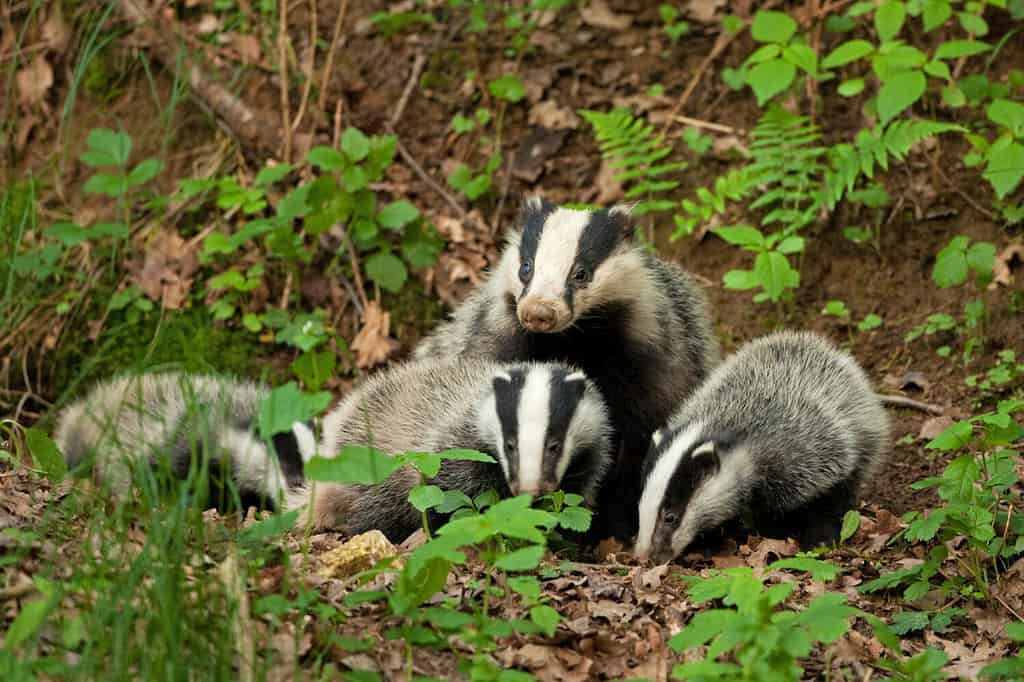
Many badger species build impressive burrows, which collectively form tunnel systems known as setts. These underground networks can be so elaborate that they have multiple entrances, specific nesting areas, and escape routes. They use the tunnels for protection from predators and intense weather. Certain setts are used for multiple generations of badgers. These structures are actually some of the most impressive feats of engineering found in the mammal world.
8. Specialized Fur Patterns
©U.S. Fish and Wildlife Service, Public domain, via Wikimedia Commons – Original / License
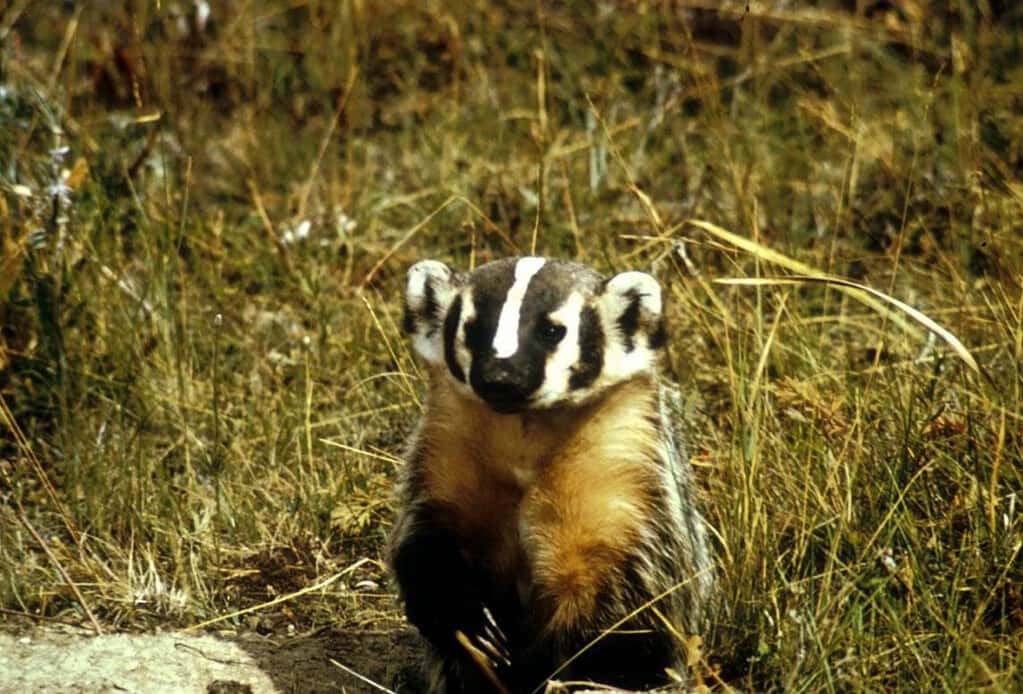
The contrasting stripes found on many badger species are striking, but scientists think they serve a practical purpose too. Scientists think the bold facial markings can make a badger seem more intimidating to potential threats, almost like war paint. Some researchers believe the patterns also help individuals recognize other badgers in their territory. With their intense stripes running across their face, they definitely seem ready for battle.