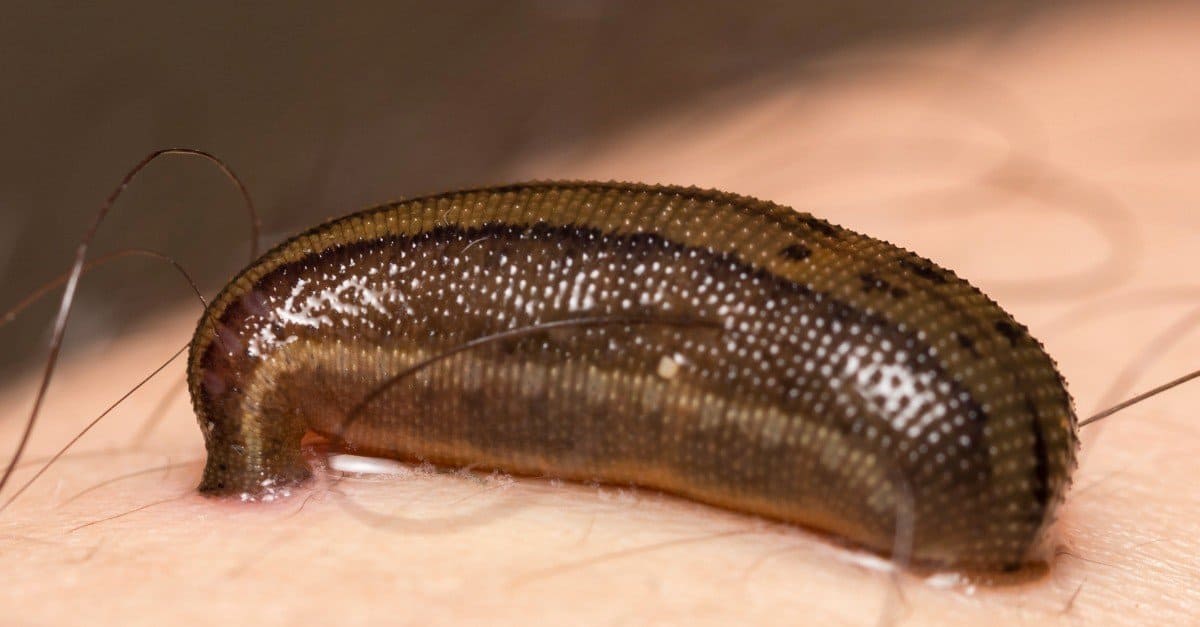

Leeches are most famous for their blood-sucking tendencies. These parasites latch onto a host to suck its blood, making them creepy enough. However, there are also predatory leeches that feed on invertebrates. This video from the BBC shows a leech consuming a whole worm in one go, a gross but interesting sight. Read here to learn more about leeches and their diets.

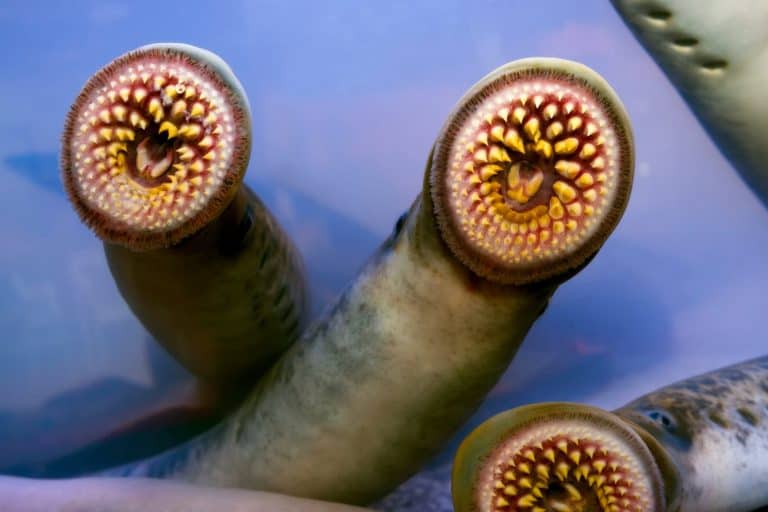
Leeches use sharp teeth or a proboscis to attach to their prey.
©SIMON SHIM/Shutterstock.com
Predatory Leeches
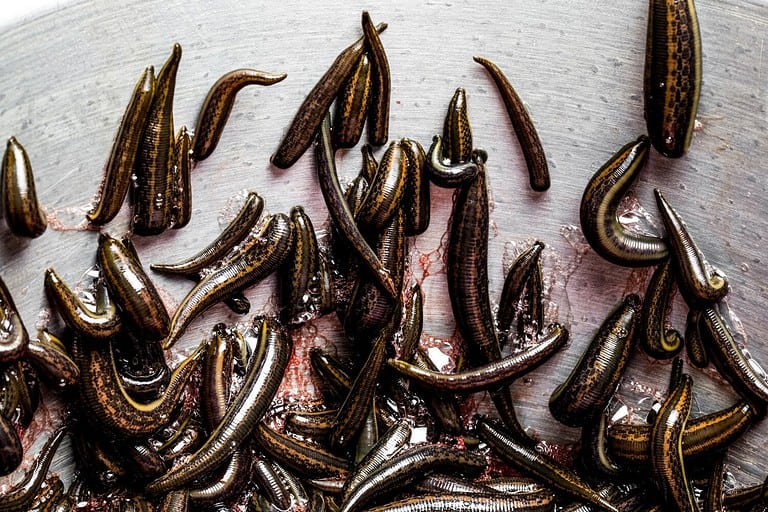
Leeches can be divided into two categories: bloodsucking and predatory. Bloodsuckers are the most well-known, given their creepy feeding method. Different species have different ways of attaching to their host, such as sharp teeth or a proboscis. Their shared trait is bloodsucking. Leech saliva contains a mix of substances, such as hirudin, that prevent blood clotting, allowing the leech to suck blood from the source like a straw. Using their pharyngeal muscles, they pump the fluid into a crop, or storage chamber. After storing the blood, they remove water and plasma, leaving a concentrate of blood cells.
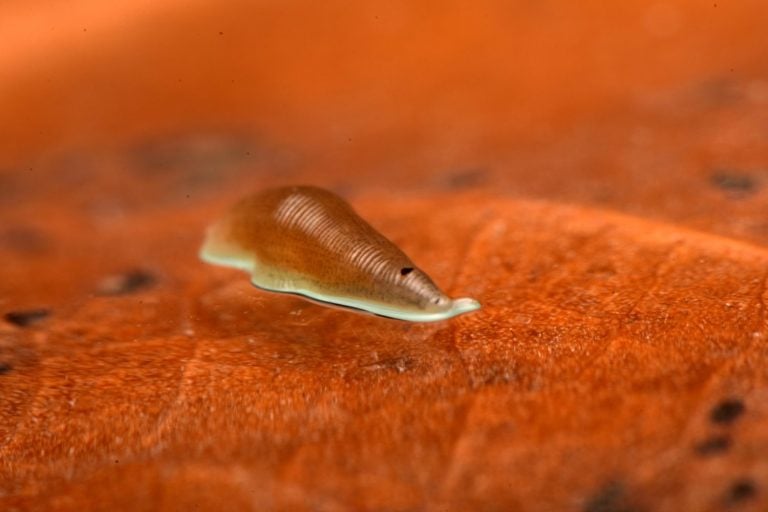
Predatory leeches have a different anatomy from bloodsuckers and specialize in swallowing their prey whole. Rather than sharp teeth, some have a proboscis that they use to suck in their prey, while others have jaws with teeth to grasp and ingest their prey whole. They use their proboscis like a spear to suck in their prey. Some will extract only the essential nutrients, while others swallow the prey whole if it is small enough. They feed on worms, insect larvae, mollusks, and even cannibalize others. Like bloodsuckers, predatory leeches draw their prey into their crop. Once the prey is ingested, enzymes are released to break down protein and tissue, allowing the leech to digest its meal whole. This form of eating makes leeches all the more creepy.
Bloodsuckers vs. Predatory Leeches
How often both types feed differs due to their diets and nutritional intake. Bloodsuckers can go months between meals due to the nutritional density of the blood cells they consume. The crop can store large volumes of blood, allowing the leech to survive for extended periods without feeding. Some predatory leeches may feed more frequently than bloodsucking leeches, as their prey can be less calorically dense, but feeding frequency varies widely among species. This is one of the interesting differences between these two types of leeches.