
Quick Take
- An invasive species accidentally weaponized a deadly parasite against native snakes, and the original carrier turns out to be surprisingly resistant to it. Meet the invasive culprit →
- One venomous snake species is far more vulnerable to these infections than any other, and its diet is the reason why. Why rattlesnakes are most at risk →
- When two pathogens infect the same snake simultaneously, even a normally survivable infection turns lethal. Deadly effects of co-infection →
Reptiles aren’t typically the first animals considered in the face of fungal infections. Although mammals are more susceptible to disease, snakes are not exempt from the forces of pathogen evolution. Now, scientists have revealed a new study showing that not only are snakes vulnerable, but many have already fallen victim to deadly fungal and parasitic infections. These invisible threats are already devastating venomous snake populations specifically and show no signs of slowing down.
Snake Fungal Disease Is the Biggest Threat
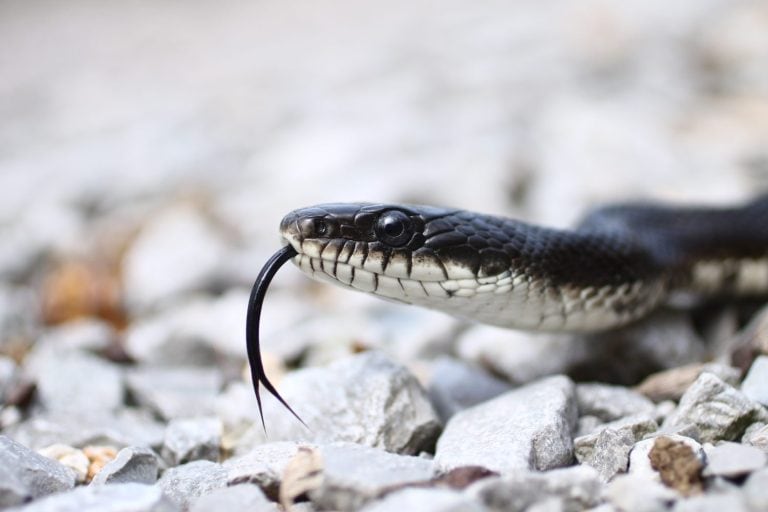
Ophidiomycosis, also known as snake fungal disease, is a silent killer. The fungus that causes the infection, Ophidiomyces ophidiicola, was first noted in 2006 after a case was detected among timber rattlers in New Hampshire. Now, it threatens a significant number of species both within and outside of the U.S.
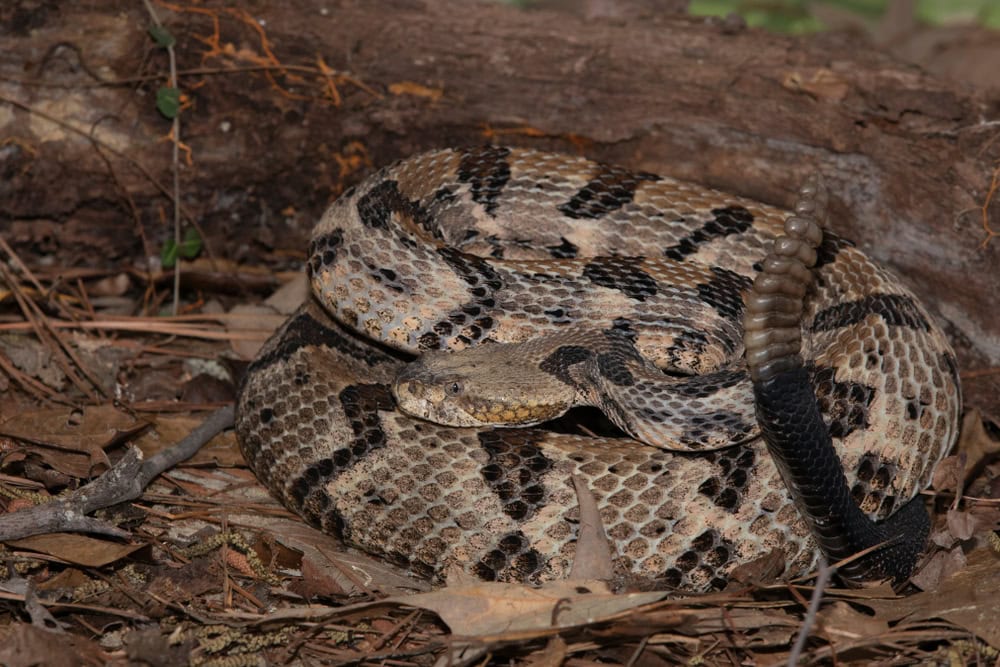
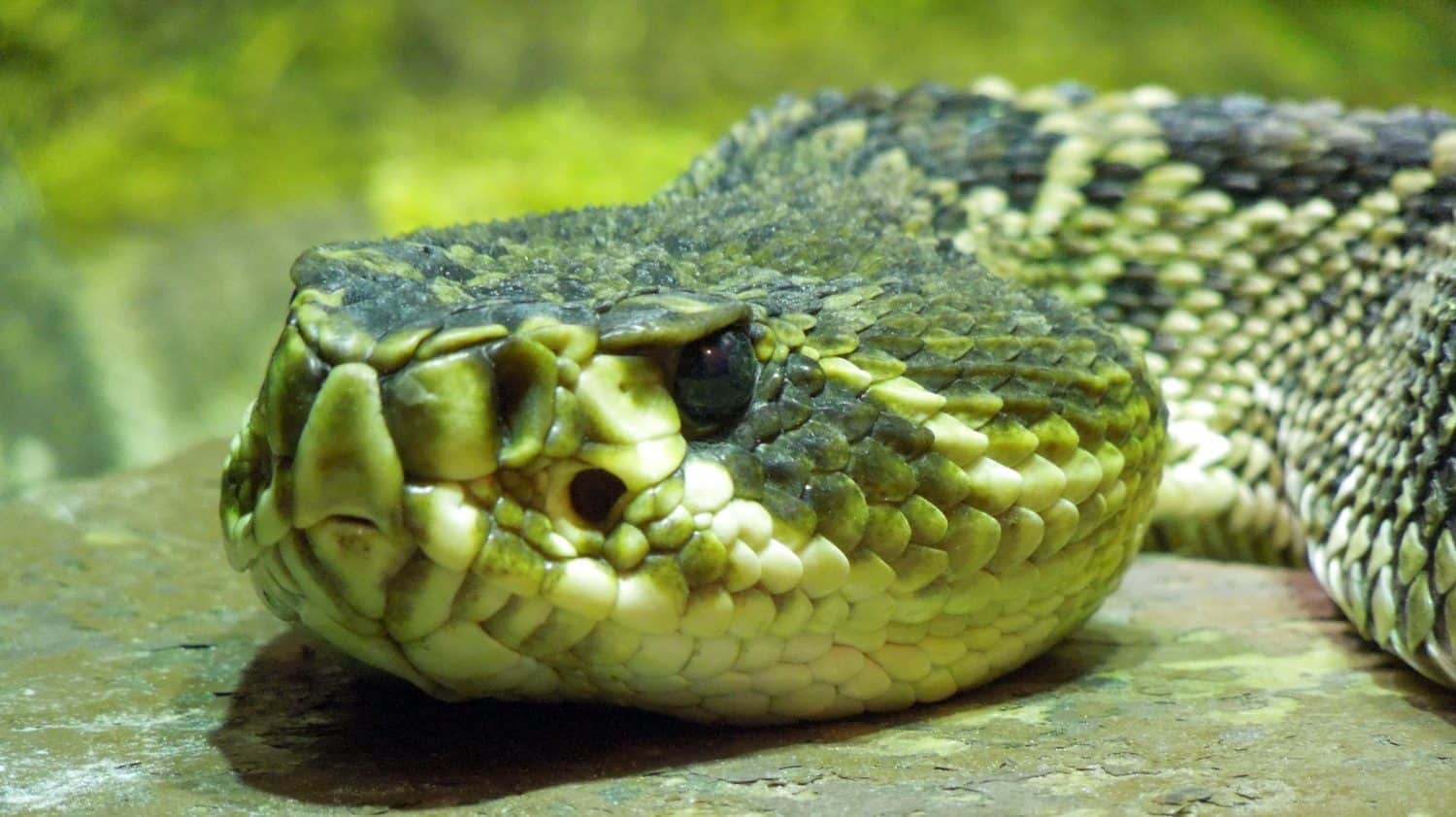
Rattlesnakes are the most susceptible to diseases that are ravaging snake dens.
©Dennis W Donohue/Shutterstock.com
While direct snake-to-snake transmission is not the primary route, the fungus Ophidiomyces ophidiicola, which causes snake fungal disease, can spread through contaminated environments. The fungus can live on snake den walls. One of the biggest problems in detecting Ophidiomyces ophidiicola is its long incubation period. This varies from 30 to 37 days, although some symptoms appear in as little as 12 days. The benchmark sign of snake fungal disease is a swollen face. It causes swelling around the eyes and in the nasal cavity by affecting the snake’s nodules, and then spreads to the throat and lungs. Mortality rates for this type of systemic infection can vary widely depending on the snake species and environmental conditions, with some studies reporting rates up to 40% in certain populations.
A Deadly Parasite Has Moved In
While snake fungal infection originates from organic matter in the soil that Ophidiomyces ophidiicola feeds on, the parasite that attacks snakes’ respiratory systems is transmitted through their prey. Raillietiella orientalis, also known as snake lungworm, is killing predatory snake species at an alarming rate.
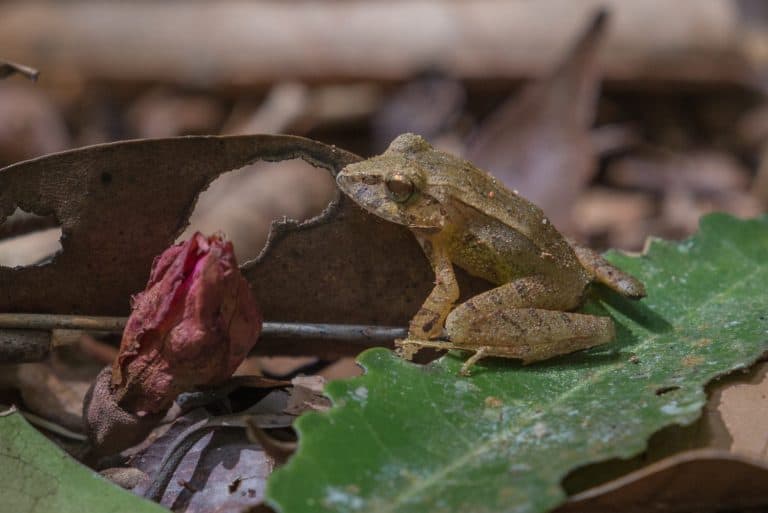
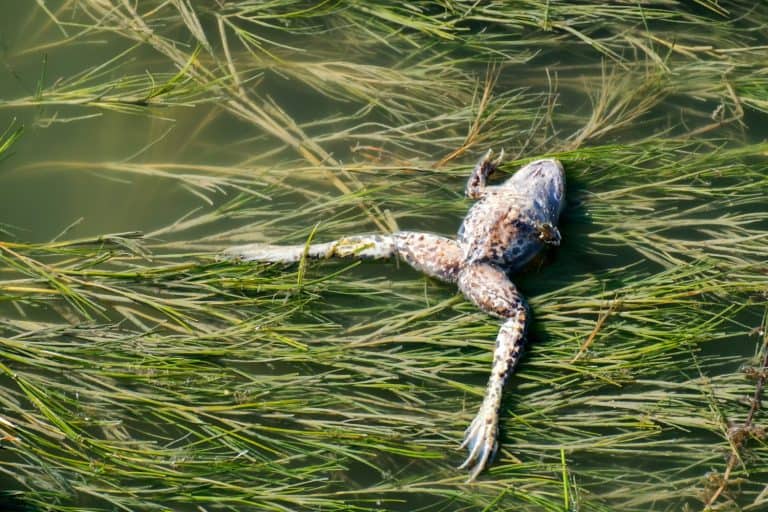
This parasite preys on amphibians, small lizards, and cockroaches, lying in wait for a new host. Once a snake consumes the infected prey, the Raillietiella orientalis parasite unleashes chaos. It migrates to the lungs of a snake, where it remains, feeding on the vital blood supply to the lungs. Experts hypothesize that this parasite was introduced to North America through invasive Burmese pythons, which are relatively resistant to the parasite and likely served as an initial vector for its spread to native snakes.

Raillietiella orientalis, known as snake lungworm, infects snakes through the prey they consume.
©David A Litman/Shutterstock.com
Unfortunately, native snake species throughout North America do not share that same resistance. The parasite has now infected at least 13 other species throughout Florida and southern Georgia. Once a snake is infected, the parasite destroys its lungs, which is fatal in most cases. In addition to respiratory distress, snakes also experience anorexia and emaciation due to the lack of blood flow and nutrient absorption. Sadly, one common snake species has proven to be especially vulnerable to the parasite Raillietiella orientalis.
More Than Half of Tested Snakes Were Infected
The study, which was funded by the Morris Animal Foundation, tested more than 500 snakes inhabiting wildlife refuges in Florida, Georgia, and South Carolina, the latter of which is a new territory being tested for snake fungal infection and Raillietiella orientalis. A total of 29 species were tested, and more than half were infected with multiple pathogens.
The results were as follows:
- 63% tested positive for Salmonella enterica
- 53% tested positive for tick-borne infection Hepatozoon spp.
- 18% tested positive for medication-resistant Mycoplasma spp.
The results show that 44% of all snakes tested had more than one pathogenic infection. Of these, 29% carried two pathogens simultaneously, 11% had three infections, and the remaining 3% tested positive for four pathogens. A significant takeaway from this data is that snakes already infected with one pathogen are more likely to contract additional infections, which can spread rapidly and increase mortality. In a snake that’s already sick, a fungal infection such as the one from Ophidiomyces ophidiicola becomes a death sentence.
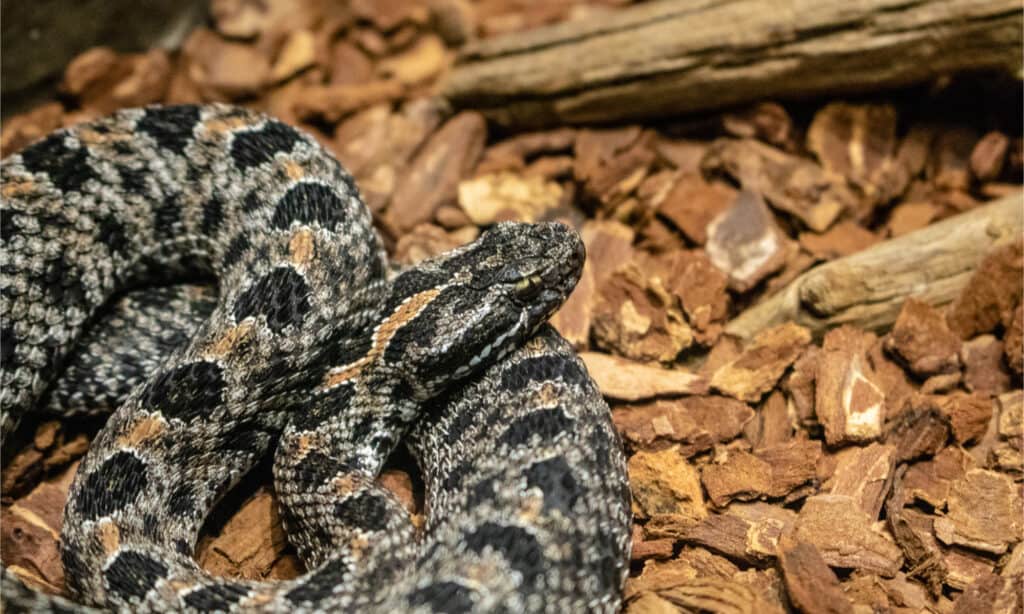
Pygmy rattlesnakes are the most at risk for deadly fungal and parasitic infections.
©Suzanna Ruby/Shutterstock.com
Of all the snake species tested, one was more susceptible than the rest: the rattlesnake. The pygmy rattlesnake was the most vulnerable, testing positive for snake fungal infection at a higher rate than the others. Rattlesnakes, as a whole, also tested positive at a higher rate for snake lungworm. This species consumes more prey infected with Raillietiella orientalis, putting it at higher risk. While snakes are often of low concern for pathogens, this study shifts the focus to areas where reptile conservation is needed.