
Quick Take
- Female Komodo dragons can reproduce without a male, and the offspring are not quite what you would expect. Asexual reproduction explained →
- Their massive size isn't just genetics. Island life triggered something unusual in their evolution. How island life shaped their size →
- The Komodo dragon holds the title of largest living lizard, but it isn't the largest lizard that ever existed. The real record holder is startling. Meet the true record holder →
- A Komodo dragon can track you from miles away, and the sense it uses to do so is not its nose. How they detect prey from miles away →
As the world’s largest living lizards, Komodo dragons are some of the most fascinating and intimidating reptiles on Earth. In addition to their massive size, these predators are known for their strength, venomous bites, and ability to hunt sizable prey. Komodo dragons have evolved multiple unusual traits that help them dominate their Indonesian habitat. These reptiles continue to impress the scientific community in myriad ways, from their unique reproduction to their prehistoric appearance. Learn what makes these oversized lizards so special.
What is a Komodo Dragon?
©iStock.com/desertsolitaire
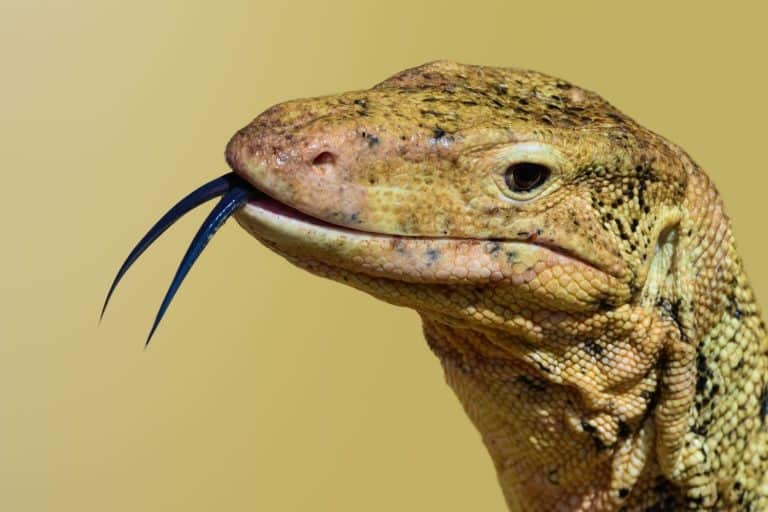
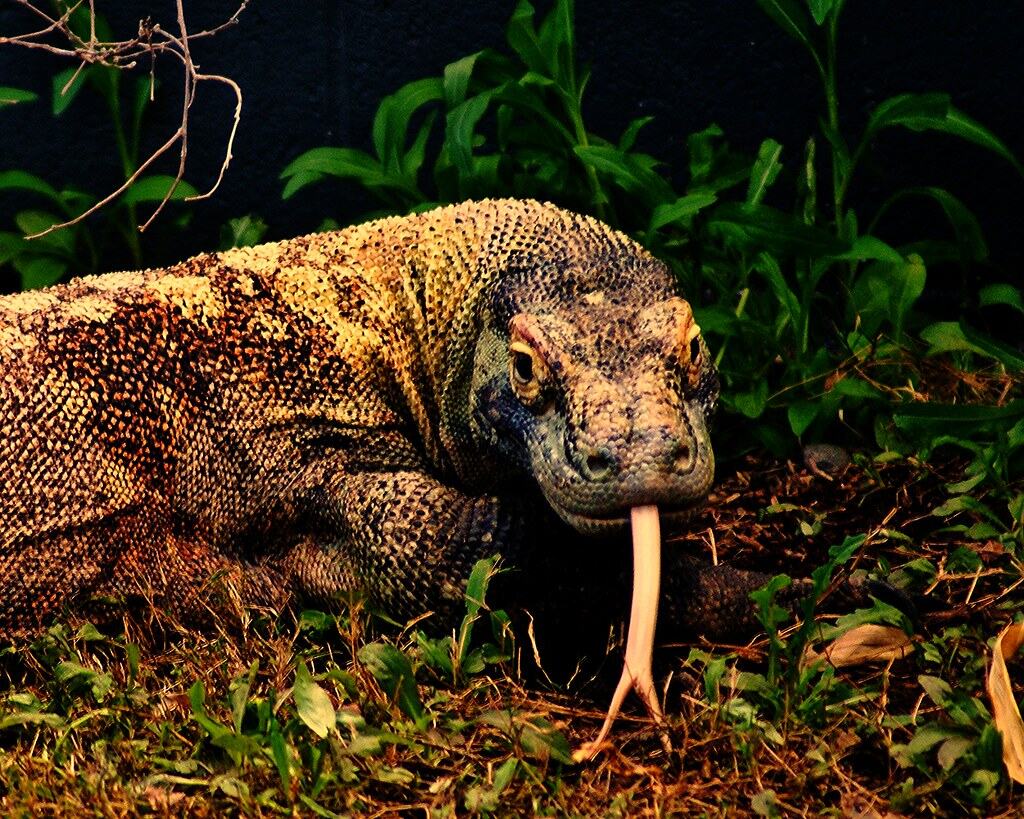
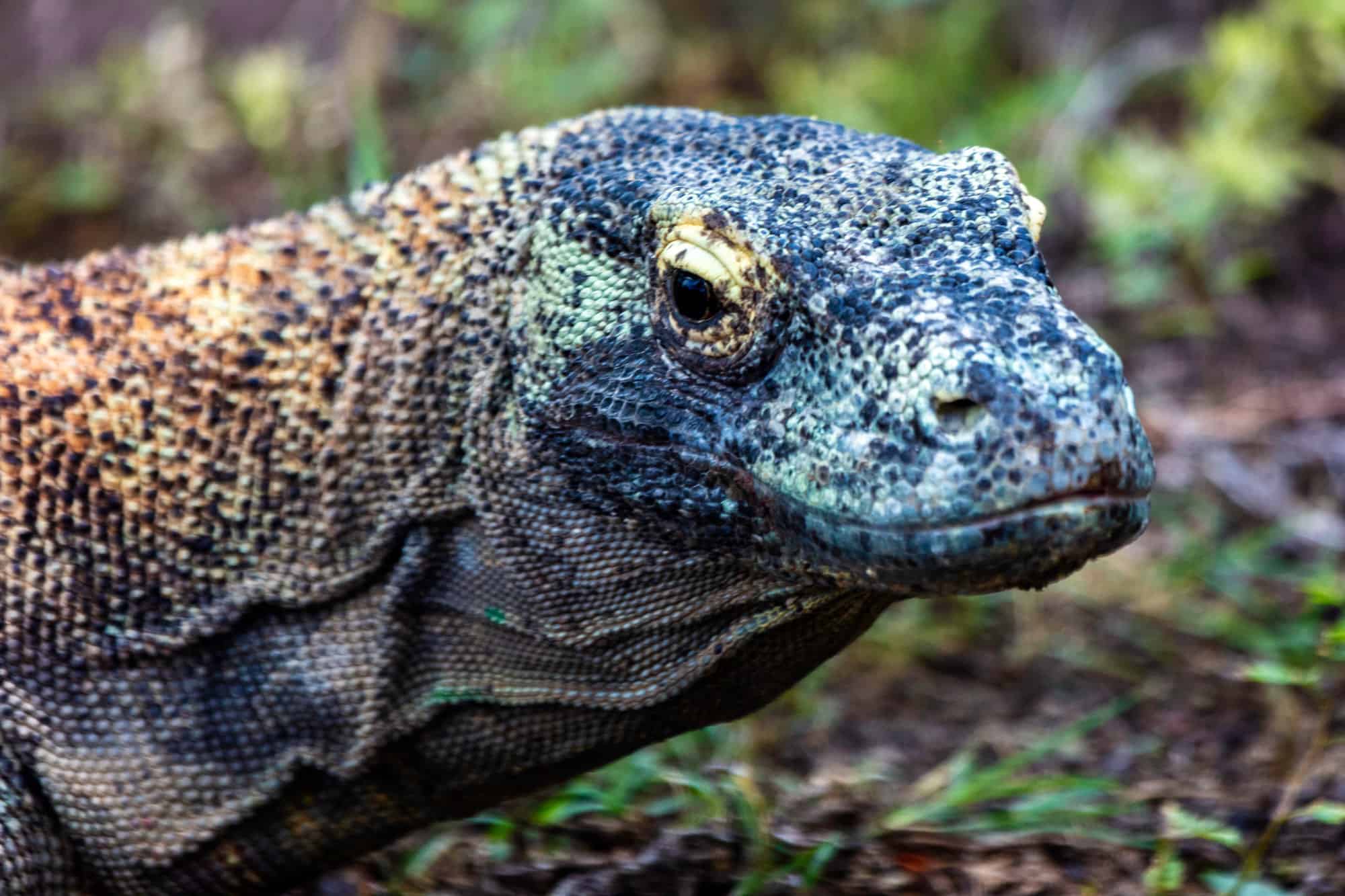
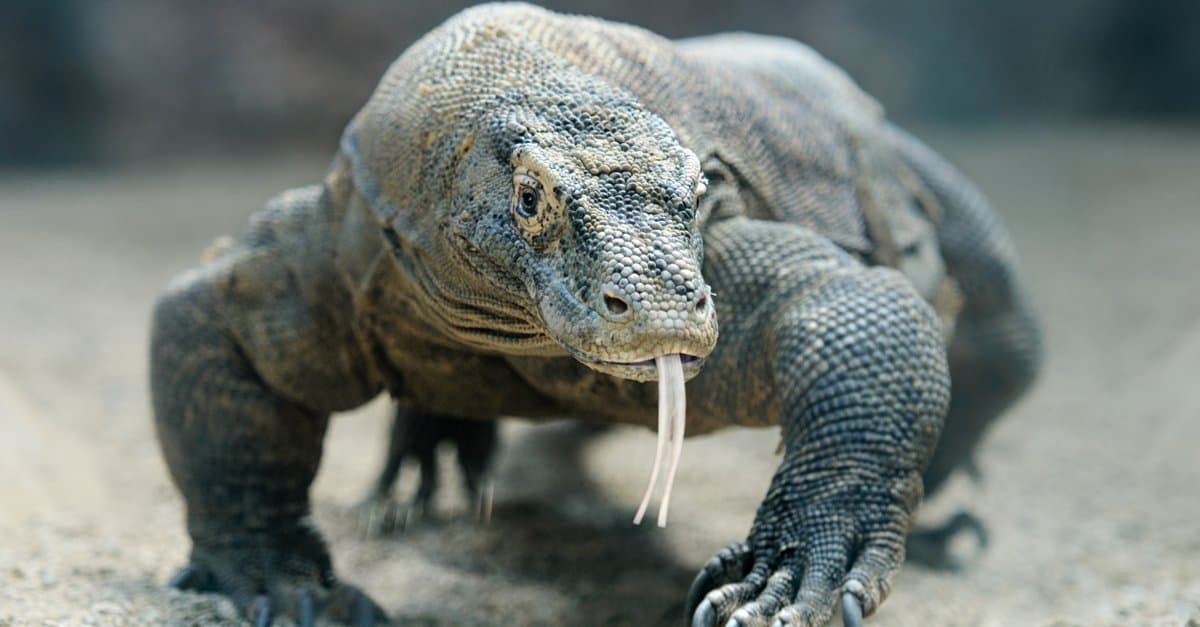
Komodo dragons are the largest living lizards on Earth and belong to the monitor lizard family. These reptiles are found naturally on a handful of Indonesian islands, including Komodo, Flores, Rinca, and Gili Motang. Adult males commonly grow between 8 and 10 feet long and can weigh over 150 pounds. Komodo dragons are powerful predators with muscular builds, sharp claws, serrated teeth, and long forked tongues used to detect scents in their environment.
How Big are Other Monitor Lizards?
©MattiaATH/Shutterstock.com
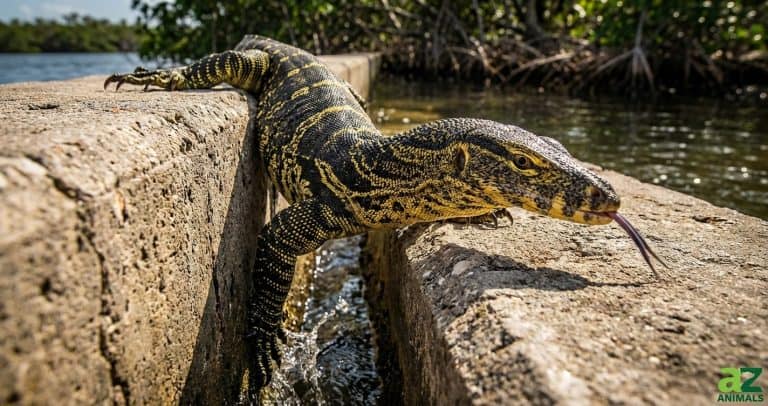
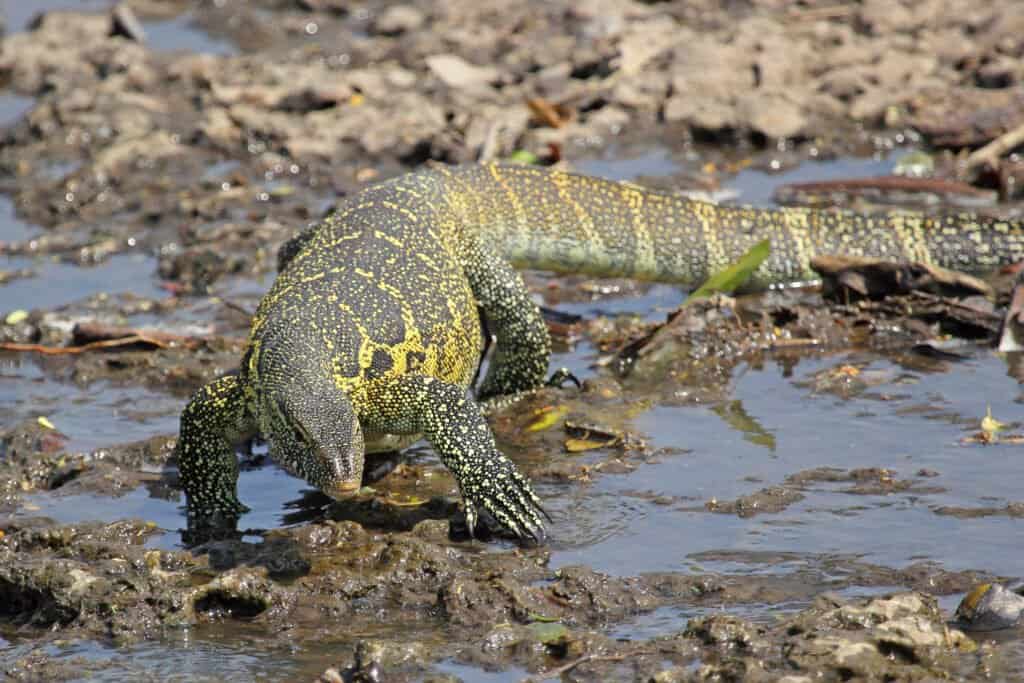
Monitor lizards are some of the biggest lizards in the world, although most species are much smaller than the Komodo dragon. Scientists have classified more than 80 species of monitor lizards living across Africa, Asia, and Australia. Some smaller species measure less than a foot long, while larger monitors can exceed 7 feet in length. The Asian water monitor is the second-largest lizard species and can grow to nearly 10 feet long under certain conditions.
What is Unique About Komodo Dragon Biology?
©iStock.com/photomaru
Komodo dragons have several unique biological traits that make them fascinating to study. Their massive size, dangerous bite, and highly developed sense of smell allow them to reign as apex predators in their island habitats. Though they can use sexual reproduction, Komodo dragons have the remarkable ability to reproduce through parthenogenesis, a rare form of asexual reproduction. Scientists continue studying these lizards to better understand their unusual evolution and survival strategies.
The Island Effect
©USO/ via Getty Images
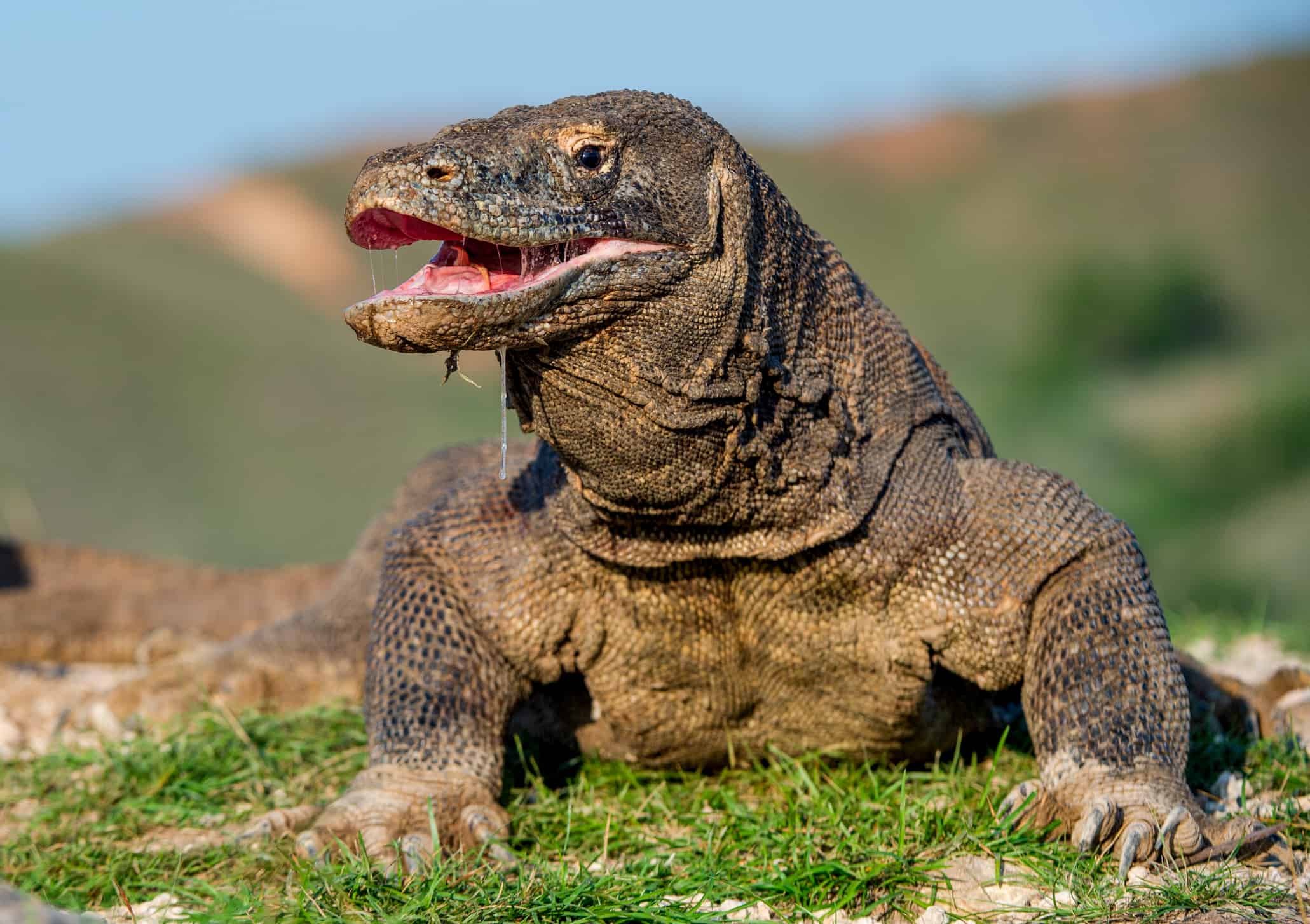
Scientists believe the enormous size of Komodo dragons compared to other lizards is partly the result of something called the island effect. This evolutionary process occurs when animals isolated on islands reach extreme sizes over many generations, either much larger or smaller than their mainland cousins. On their remote Indonesian islands, Komodo dragons evolved to be gigantic top predators with access to plenty of prey and few enemies. Their ability to hunt animals far larger than themselves likely contributed to the species developing such impressive size.
Reproduction
©Sergey Uryadnikov/Shutterstock.com
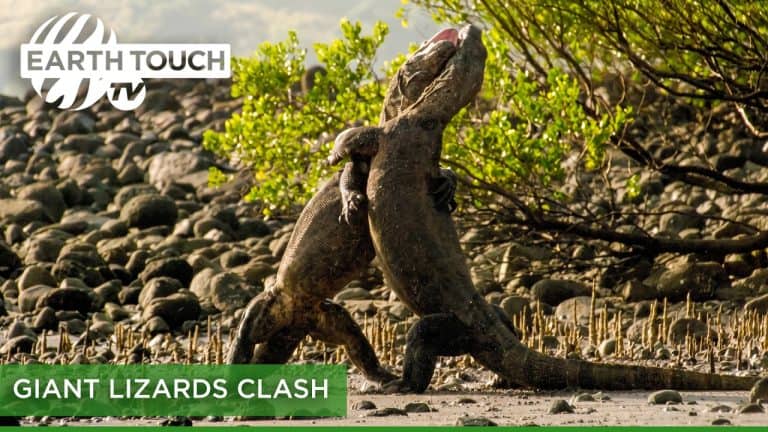
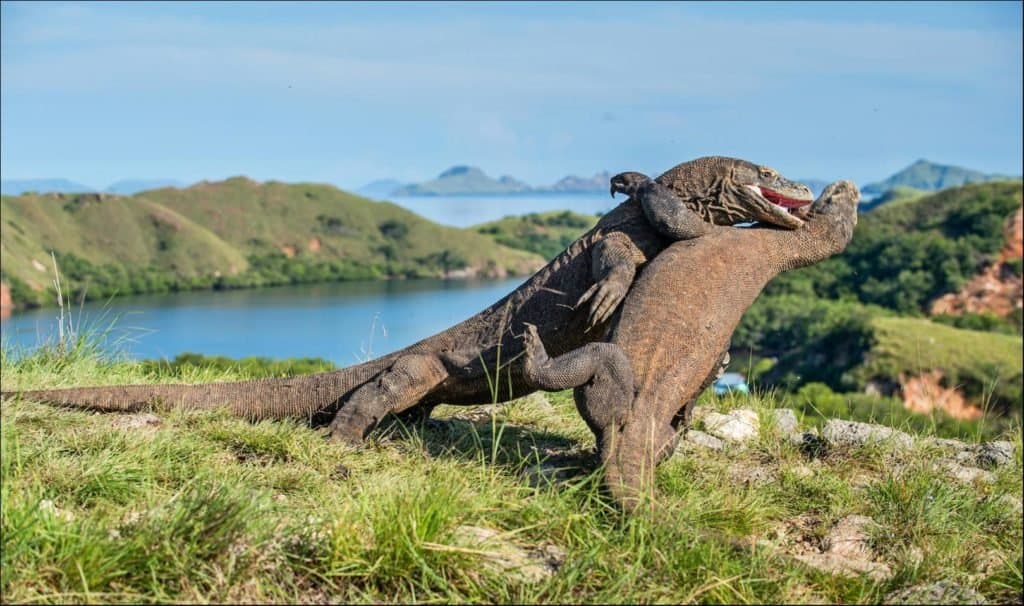
Komodo dragons usually reproduce sexually, and males often compete aggressively for access to females during mating season. However, as mentioned, female Komodo dragons are also capable of an unusual form of reproduction that does not require fertilization by a male. In documented cases, isolated females have successfully laid viable eggs without mating. Interestingly, young produced through parthenogenesis are typically male.
Predatory Adaptions
©GUDKOV ANDREY/Shutterstock.com
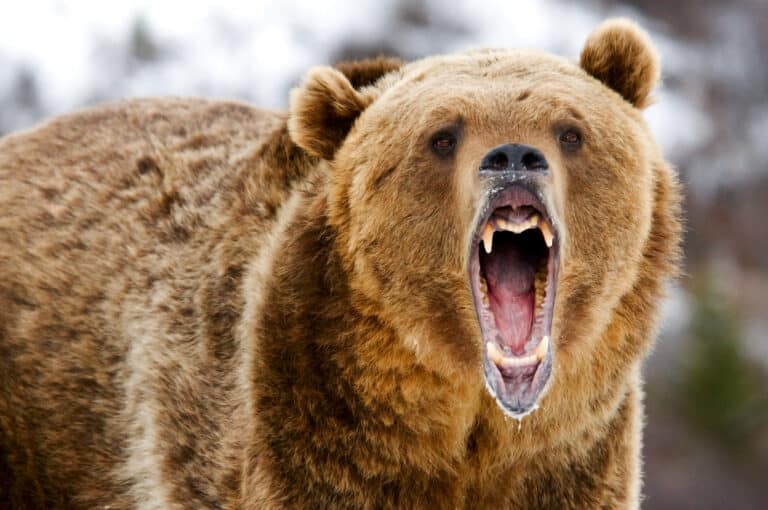
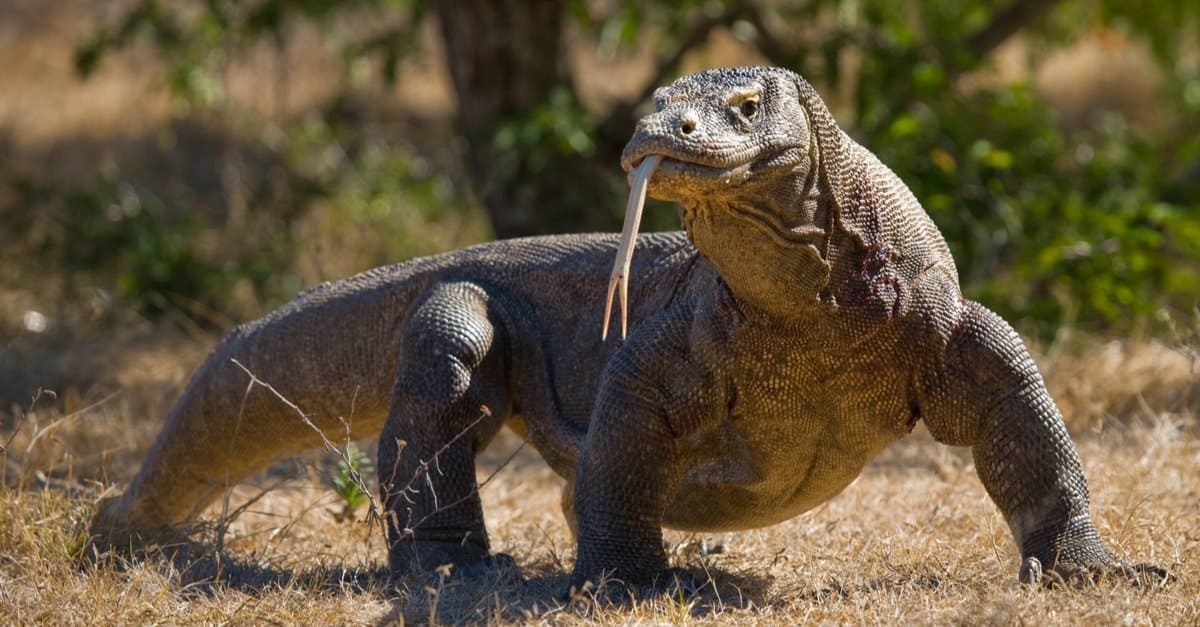
Komodo dragons possess venom glands that release proteins contributing to blood loss, shock, and reduced clotting in prey. Combined with their sharp serrated teeth and powerful jaws, these reptiles are expert hunters. They can even take down animals much larger than themselves such as deer, wild boar, and water buffalo. Although attacks on humans are uncommon, Komodo dragon bites can be extremely dangerous and require immediate medical attention.
Diet
©kiwisoul/ via Getty Images
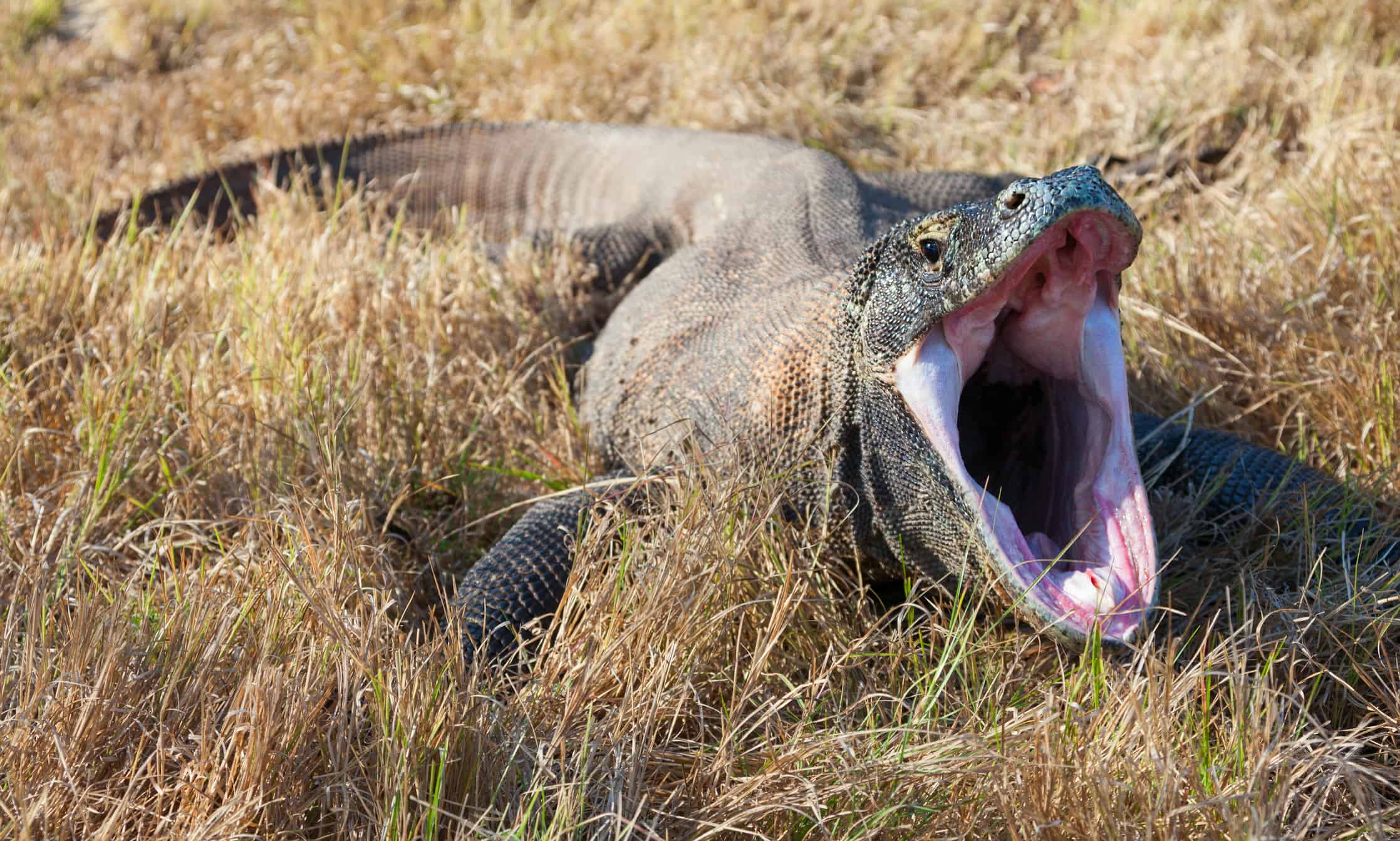
Komodo dragons are carnivorous predators that feed on a wide variety of animals. Their diet includes deer, wild boar, goats, birds, smaller reptiles, carrion, and occasionally other Komodo dragons. They are opportunistic hunters and scavengers that rely on stealth and patience when searching for food. Because they cannot chew like mammals, Komodo dragons tear meat into chunks and swallow it whole.
Heightened Senses
©vladivlad/Shutterstock.com
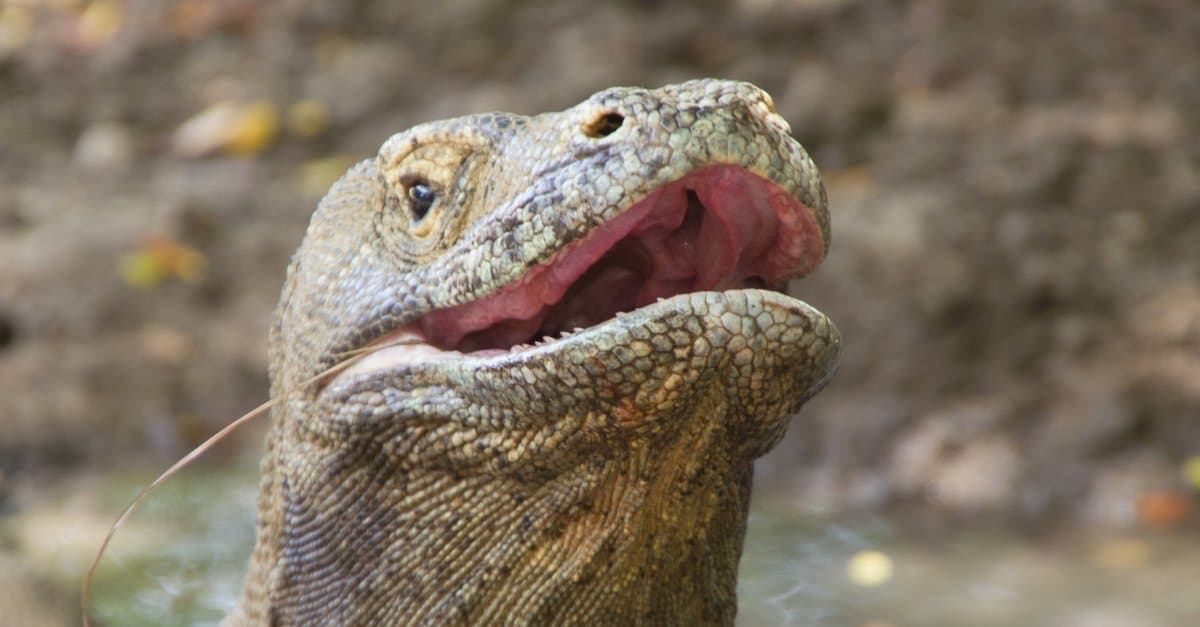
Komodo dragons are heavily dependent on their senses to locate food and navigate their environment. They have strong eyesight during daylight hours and can see movement from long distances. Their forked tongues are uniquely designed to collect scent particles from the air; a specialized organ in the roof of the mouth (the vomeronasal organ) analyzes the smell for information. Using this adaptation, Komodo dragons can detect carrion and other resources from several miles away.
What is the Largest Komodo Dragon Ever Recorded?
©USO/ via Getty Images
The largest verified Komodo dragon ever recorded measured approximately 10 feet 2 inches long and weighed around 365 pounds. This enormous lizard was reportedly displayed at the St. Louis Zoological Gardens during the early 20th century. Most wild Komodo dragons are significantly smaller, with adult males usually weighing between 150 and 200 pounds. Even so, the species is still the largest living lizard on Earth.
Is the Komodo Dragon the Largest Lizard Ever?
©Midori; derivative work: WolfmanSF, CC BY-SA 2.1 JP - Original / License
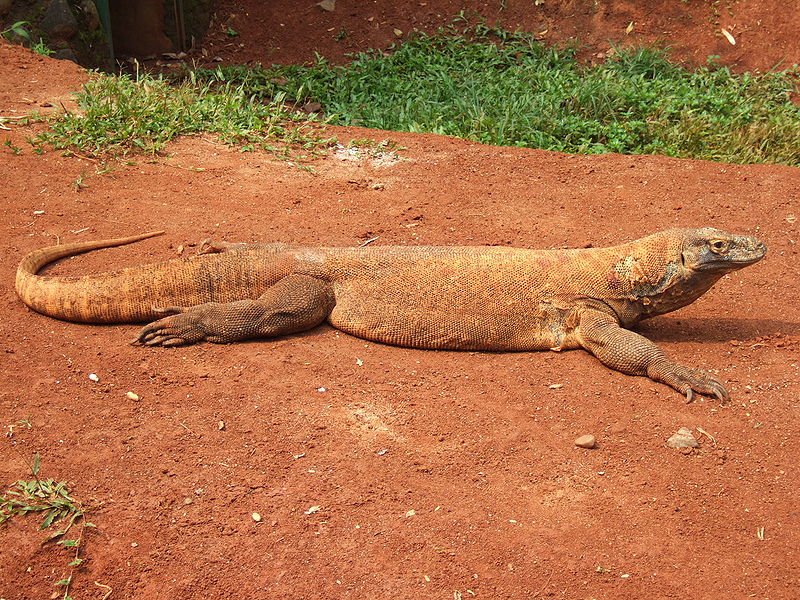
Although the Komodo dragon is the largest monitor lizard alive today, it is not the largest monitor species known to science. An extinct giant monitor called Megalania once roamed prehistoric Australia. This incredibly large animal may have exceeded 20 feet in length! Scientists estimate that Megalania could have weighed more than a ton, although exact measurements are debated.
How are Komodo Dragons Doing Today?
©Sergey Uryadnikov/Shutterstock.com
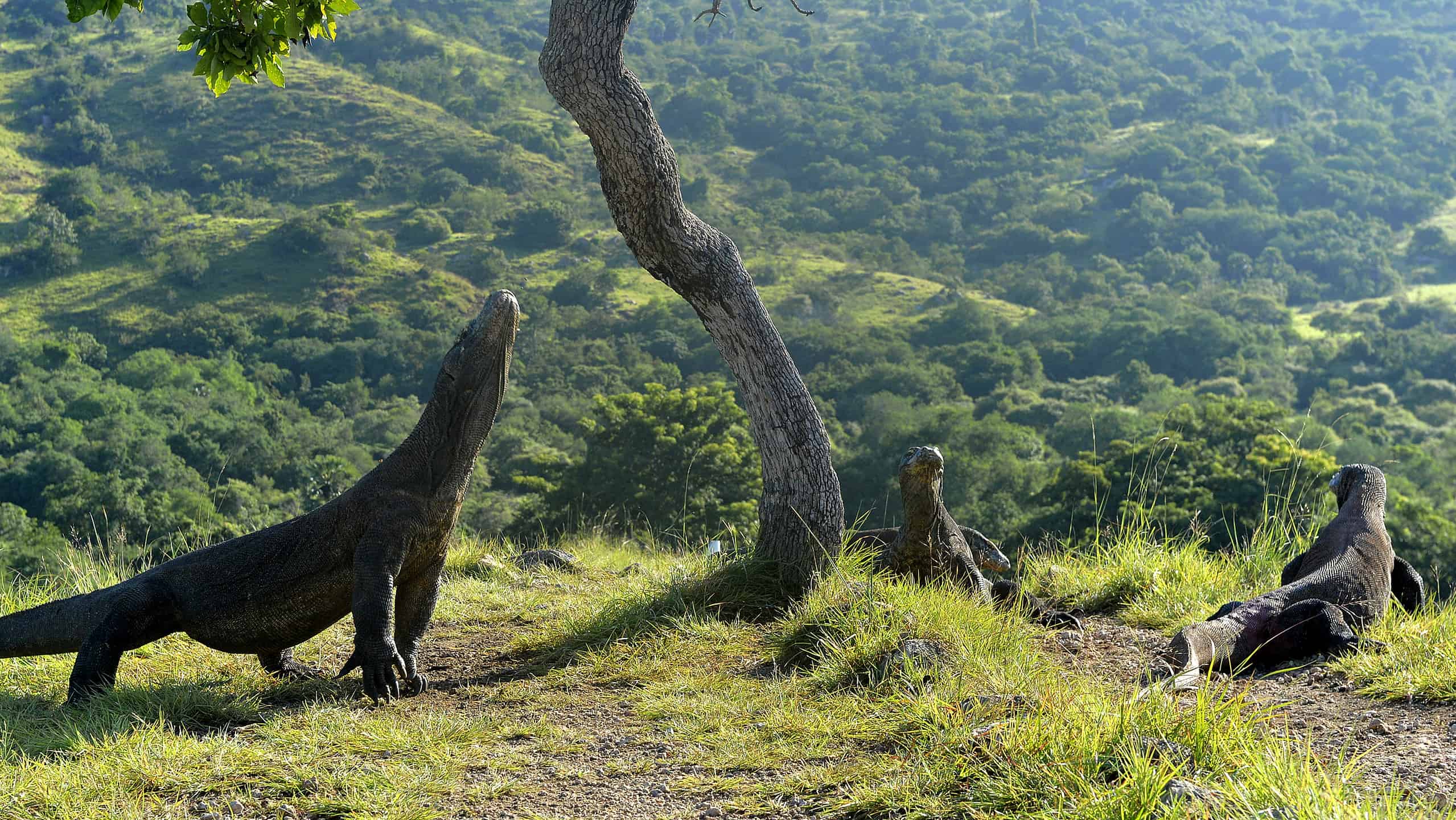
Today, Komodo dragons face several threats in the Indonesian wild, including habitat loss, climate change, tourism pressure, and illegal poaching. Conservation efforts such as the creation of Komodo National Park have helped protect many wild populations. Even with these efforts, the species is currently classified as endangered, and populations are shrinking in some regions. Scientists and conservationists continue working to protect these fascinating super-sized lizards.