
Quick Take
- The Golden Gate leech exists nowhere else on Earth, yet its origin story has nothing to do with San Francisco. Trace its South American origins →
- Hasegawa spotted something scientists hadn't officially recorded in nearly two decades, and it only took him five minutes. Read about the quick discovery →
- At just 15mm long, this creature hides in plain sight across a park millions of people walk through every year. Learn about its tiny size →
We pass by extraordinary wonders every single day without realizing it. This is a fact well known to Richard Hasegawa, a biologist with the environmental consulting firm WRA. An average day in the park quickly turned into a once-in-a-lifetime discovery when he found one of the rarest leeches in the world.
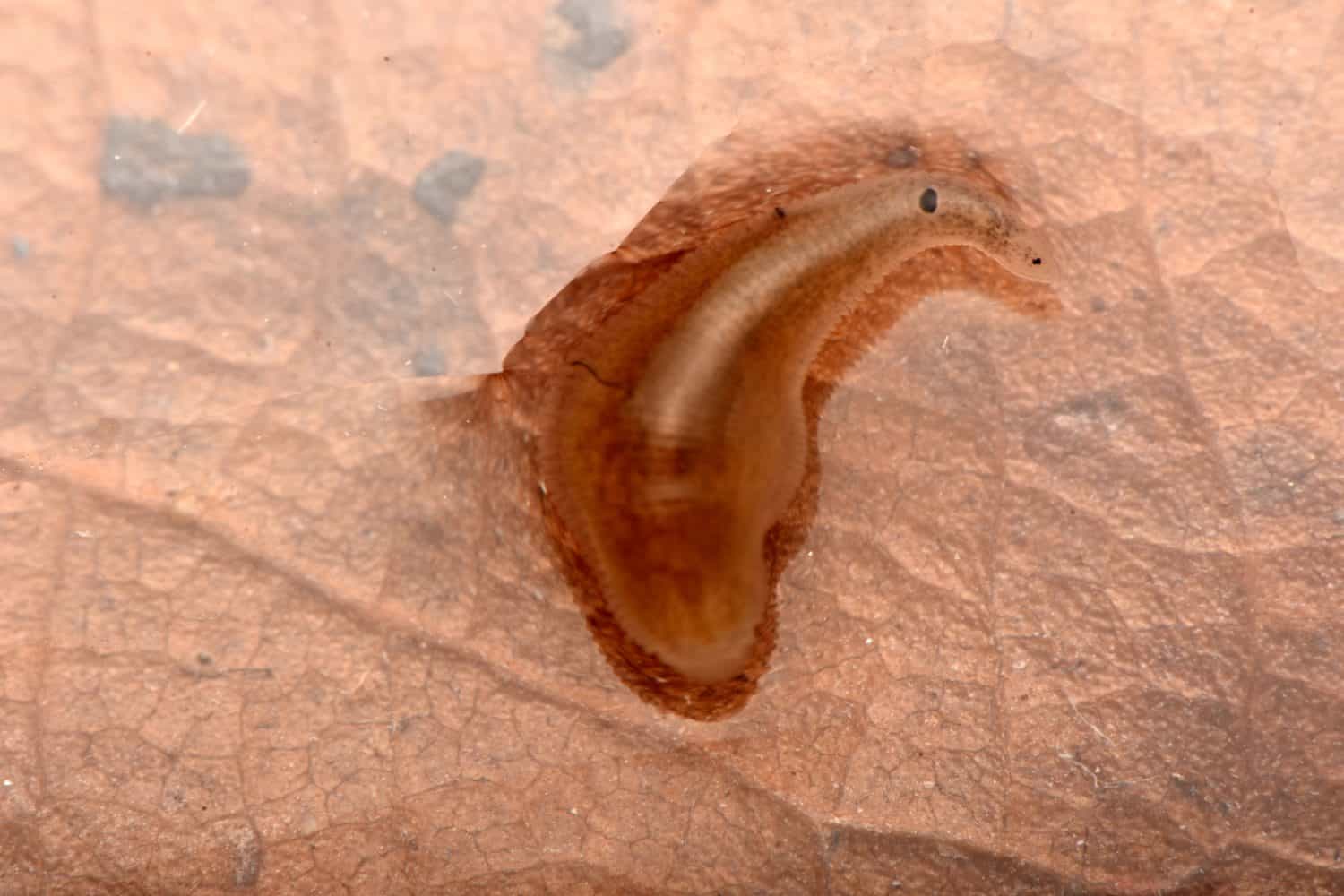
The Golden Gate leech (Helobdella californica), named for the only place it can be found, is rarely seen by humans. It is also rarely documented, and Hasegawa’s photographic evidence proves that with a little patience and a good eye, miracles can be found in every corner of Mother Nature. And in this case, even in your neighborhood park.
San Francisco’s Exclusive Leech
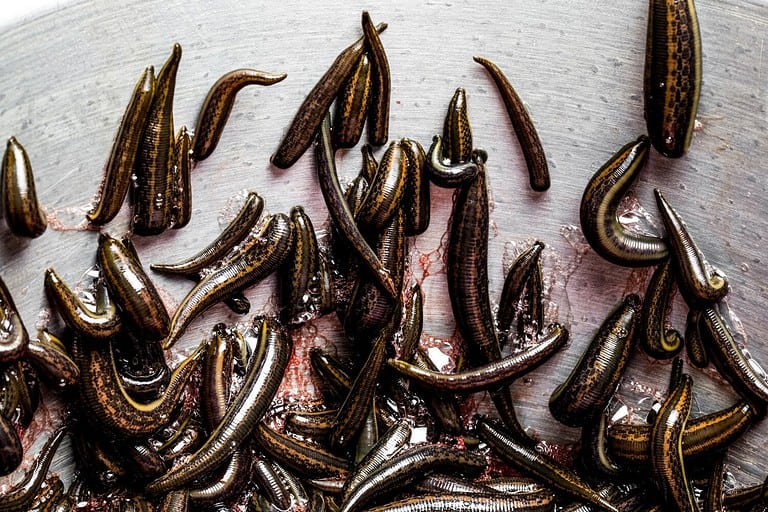
Unlike other leech species, the Golden Gate leech does not suck blood to survive. It is a type of predatory worm, meaning it is more of a scavenger than a parasite. These leeches consume red insect larvae, small flies, bloodworms, and small marine life, such as crustaceans and snails. The small proboscis protruding from their bodies allows them to feed on the blood of these small prey. This also makes them among the smallest predators living in the waters of Golden Gate Park.
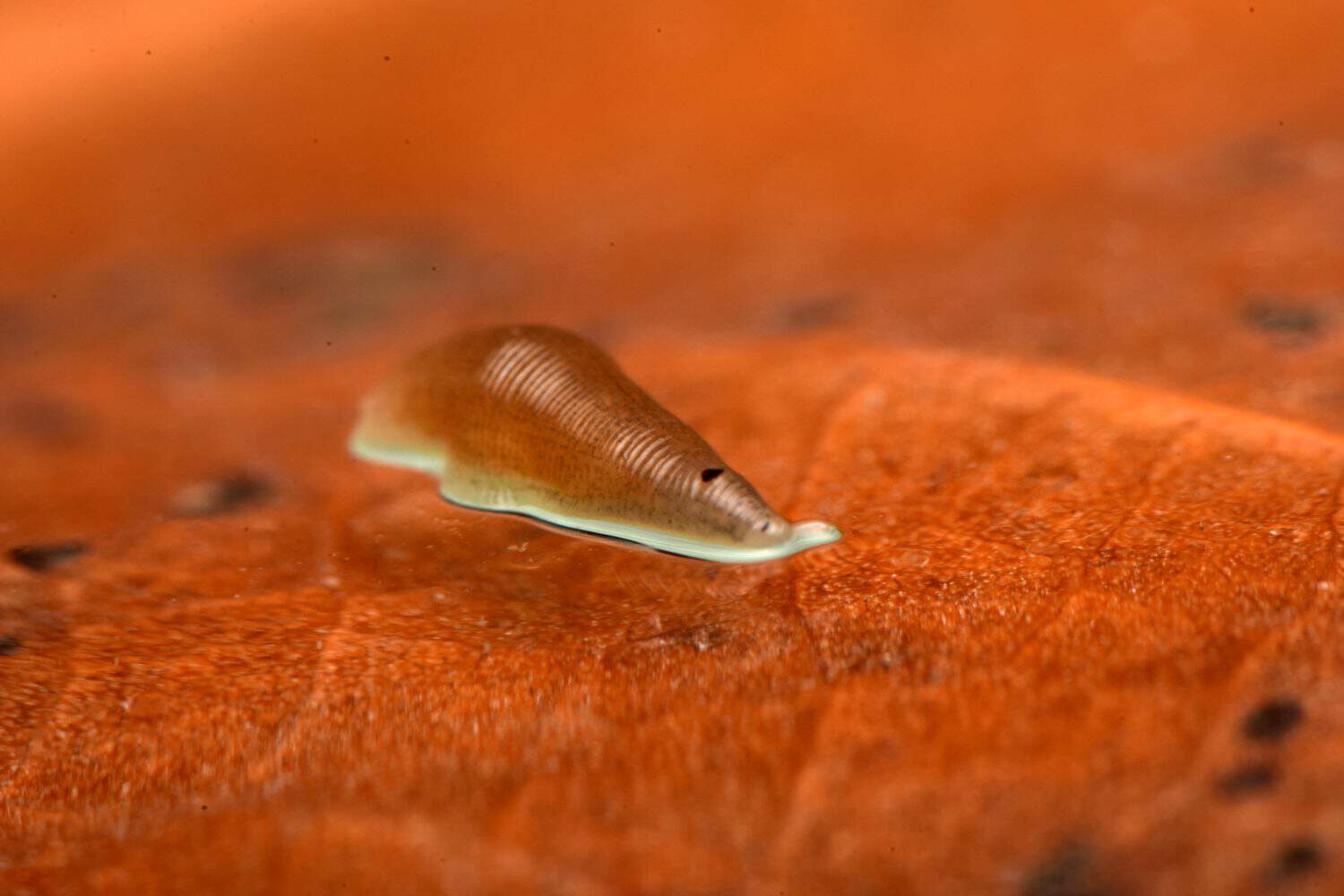
Helobdella californica is a species of predatory worm in the same family as the European Helobdella.
©Marek Velechovsky/Shutterstock.com
Interestingly enough, the Golden Gate leech is not native to California. Experts believe this species, belonging to the glossiphoniid family, hitched a ride from South America during the 1850s. The conditions in waterways such as Stow and Mallard Lakes are ideal for this freshwater leech, and it began to thrive. However, at approximately 15mm long, it’s nearly impossible for the untrained eye to identify one. Their size makes them more likely to be overlooked, accidentally squashed, or mistaken for something else entirely. That is, until Hasegawa spotted something most others would miss.
The Ultimate Find in Golden Gate Park
Hasegawa was quick to share his excitement with others. He gently placed the specimens he found in a clear aquarium box and added water to keep the leeches hydrated. Using an Olympus Tough TG-6 camera, he photographed the Golden Gate leeches up close. In the photos, you can see their classic markings, including their black-speckled pattern and posterior suckers. These leeches are known for their strong maternal behavior, often carrying their young attached to their underbellies; however, this was not observed in the specimens Hasegawa found.

Golden Gate Park is home to several freshwater lakes and ponds, each with their own unique ecosystem.
©Irina Kosareva/Shutterstock.com
After uploading the photos to iNaturalist, Hasegawa received replies from others who were just as happy about the discovery and documentation. “Good job finding this squishy fella!” One user wrote. “Saw this on iNats IG, still finding firsts, classic! Glad to see you’re still crushing it as usual!” Another commented. The post now has more than a dozen comments that agree with and applaud the positive identification. According to Hasegawa, the two Golden Gate leeches were found under wooded debris in Mallard Pond.
Hasegawa told SFGate that he was shocked. “I just felt this dopamine rush, this great feeling of ‘eureka!’ It filled me with a sense of wonderment that there are things we walk past every day like this without realizing,” he said. Locating something nearly microscopic in San Francisco’s largest park is no easy feat, and many recognized that.
Celebrating the Extraordinary Right Beneath Our Noses
It took only five minutes for Hasegawa to find an extremely rare species right in his backyard. Although Hasegawa was already familiar with predatory leeches, his discovery demonstrates the remarkable things we can find when we take time to observe nature closely. In a place like San Francisco, it’s not every day you find a rare species hiding under a log. Then again, not many people would take the chance, or the time, to look for it. It’s also proof that even in urban environments, nature always finds a way to survive.
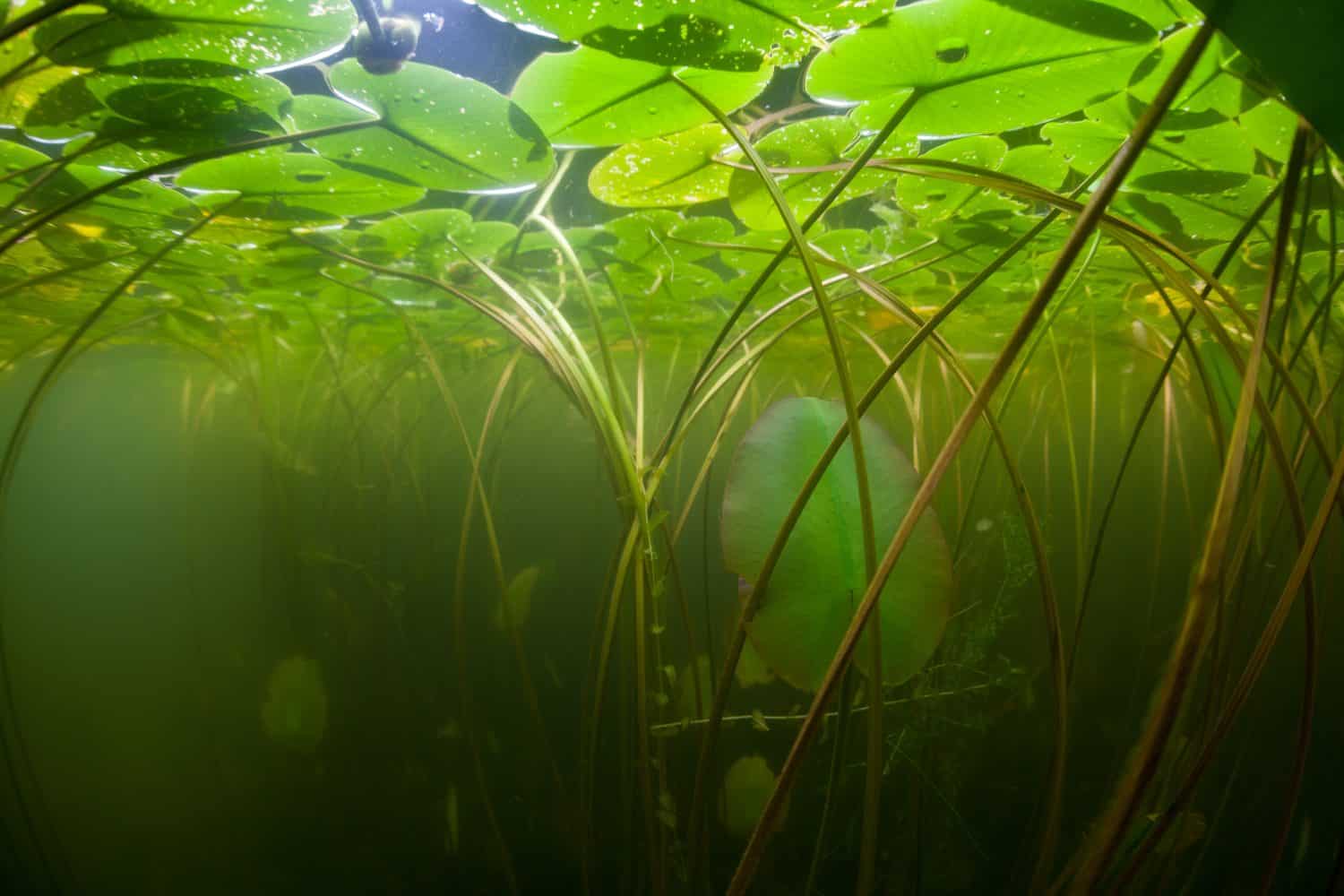
The iNaturalist City Nature Challenge is an annual four-day event encouraging people to explore their own backyards for unique animal and plant life.
©Ethan Daniels/Shutterstock.com
Hasegawa was the first to post an urban recording during the iNaturalist City Nature Challenge. His discovery is now prompting others to see what they can find in their own towns. The iNaturalist app is free and became an independent nonprofit in July 2023. The platform connects users worldwide who share their wildlife and plant IDs, allowing them to interact and discuss their findings. Hasegawa’s documented finding is the first official record of the Golden Gate leech on iNaturalist since the app’s creation. It’s also the first time the species has been documented in San Francisco’s freshwater lakes in nearly two decades.